




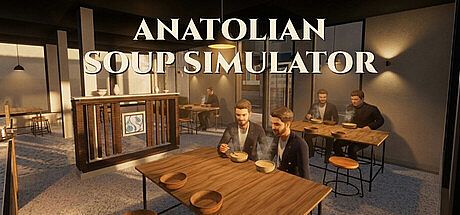


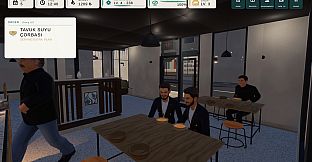
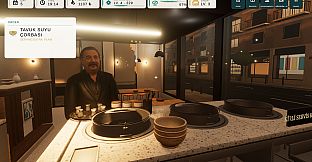
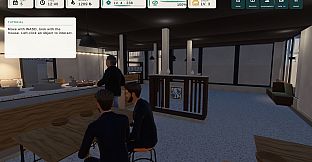
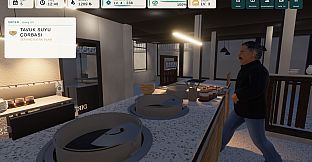
Anatolian Soup Simulator is a first-person restaurant business simulation game for PC in the indie and casual genres. Players take on the role of running a small Anatolian soup shop, handling every task from opening the shutters to expanding the business through careful management and reinvestment.
Gameplay
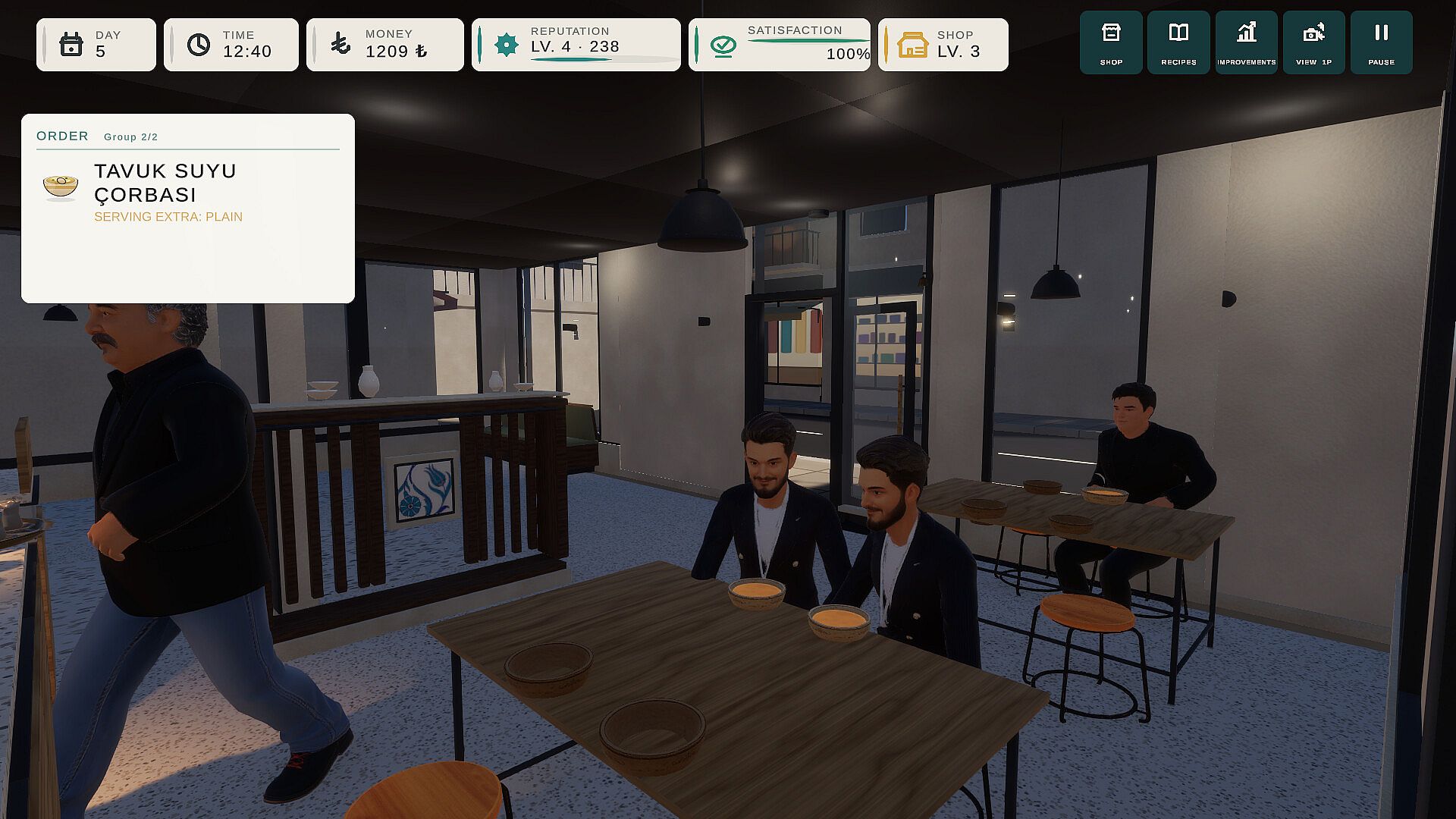
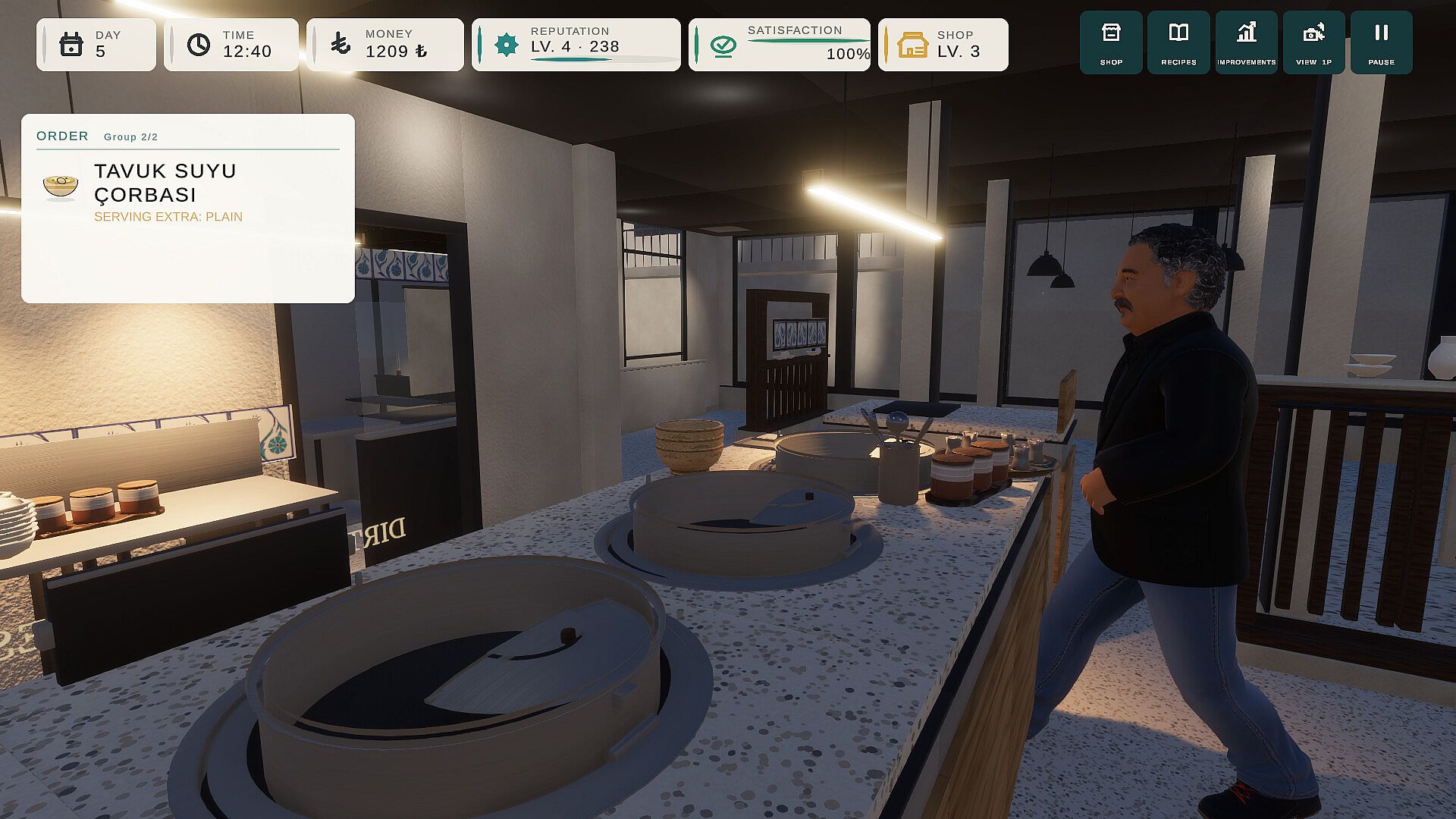
The core loop centers on daily operations in a modest soup shop equipped with a single stove, pot, a few tables, and a cash register. Each day follows a player-driven schedule that includes preparing the kitchen, managing the lunch rush, closing the till, and reviewing the day's earnings. Customers arrive, place orders, eat, pay, and depart, with their satisfaction influencing the shop's reputation for the next day.
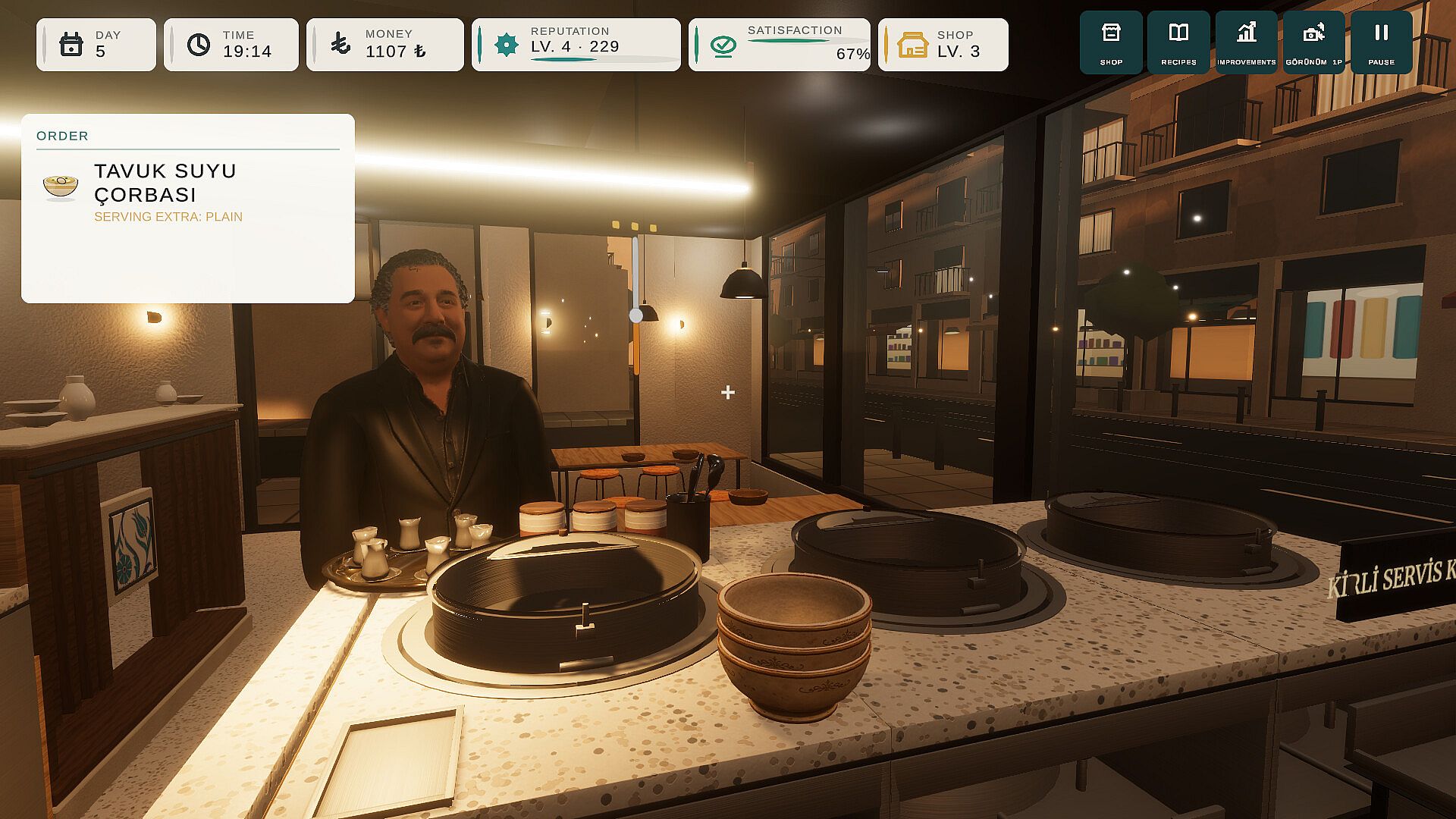
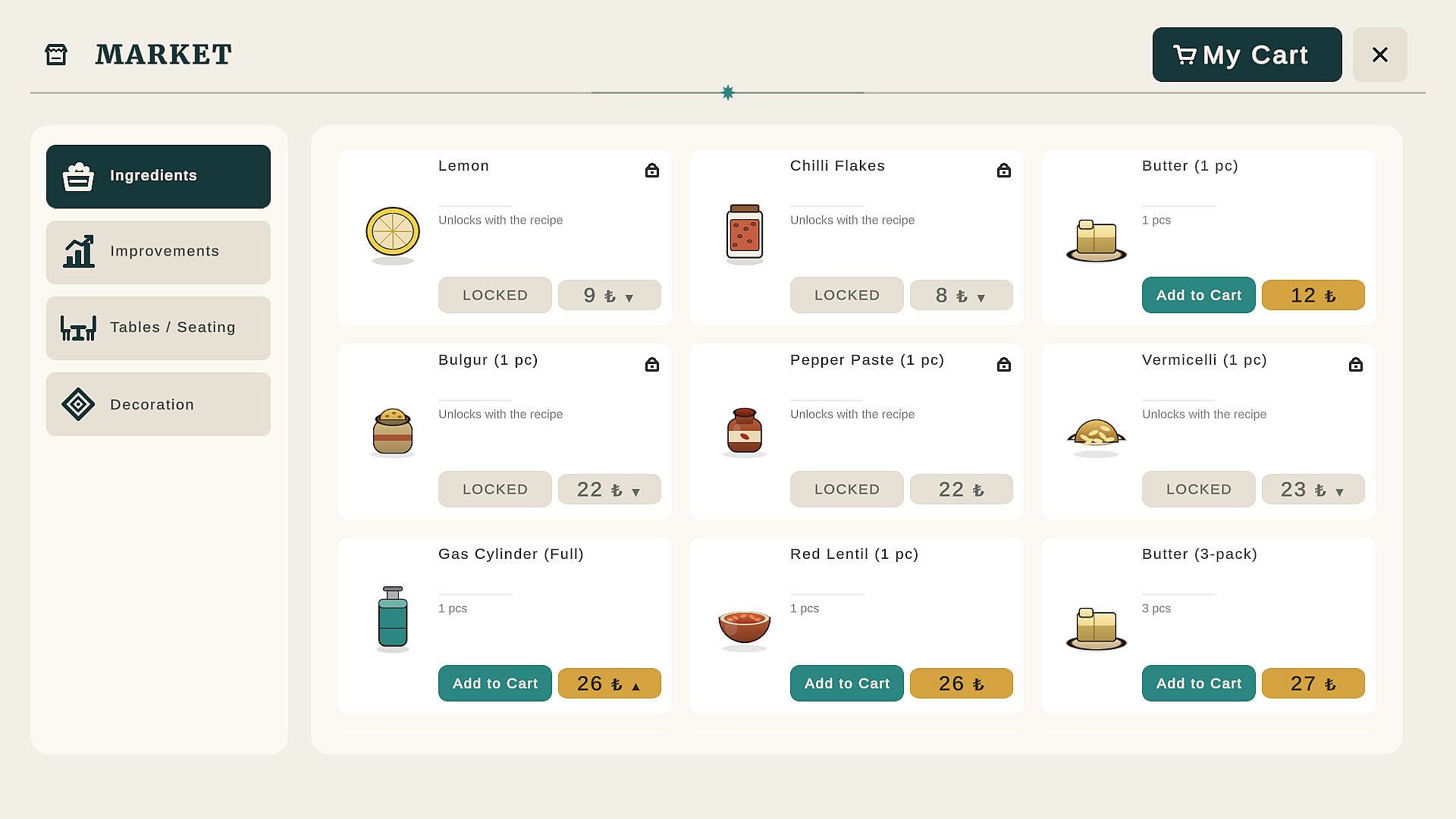
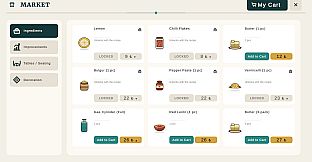
Cooking requires direct interaction. Players connect the gas cylinder, ignite the stove, prepare the pot, and ladle each bowl individually. The soups draw from real Anatolian recipes prepared step by step rather than chosen from a preset menu. Supplies must be ordered from the market in advance, with deliveries carried in manually and stocked in the depot. Running low on gas cylinders or ingredients during peak hours creates immediate challenges that test planning skills.
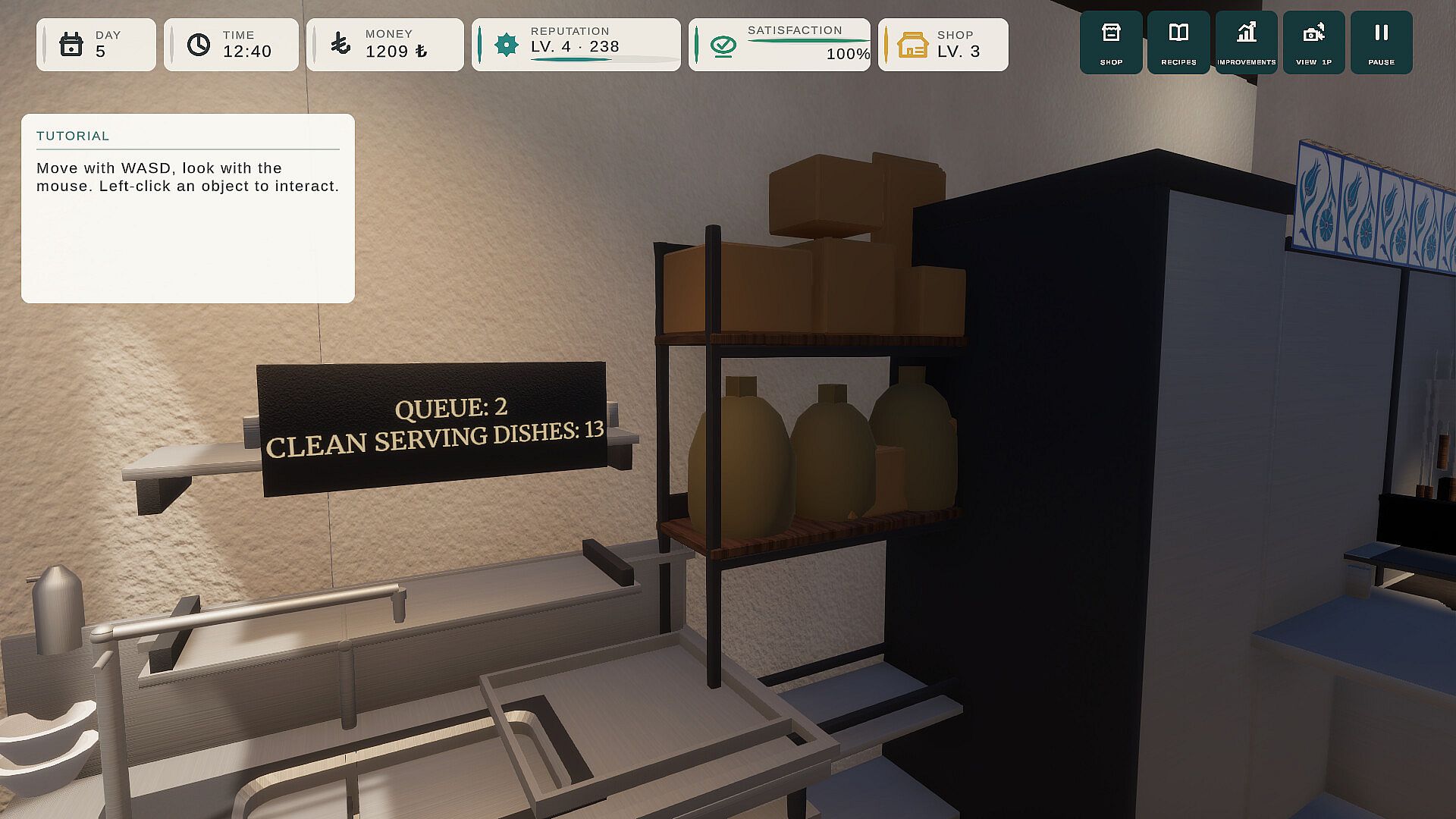
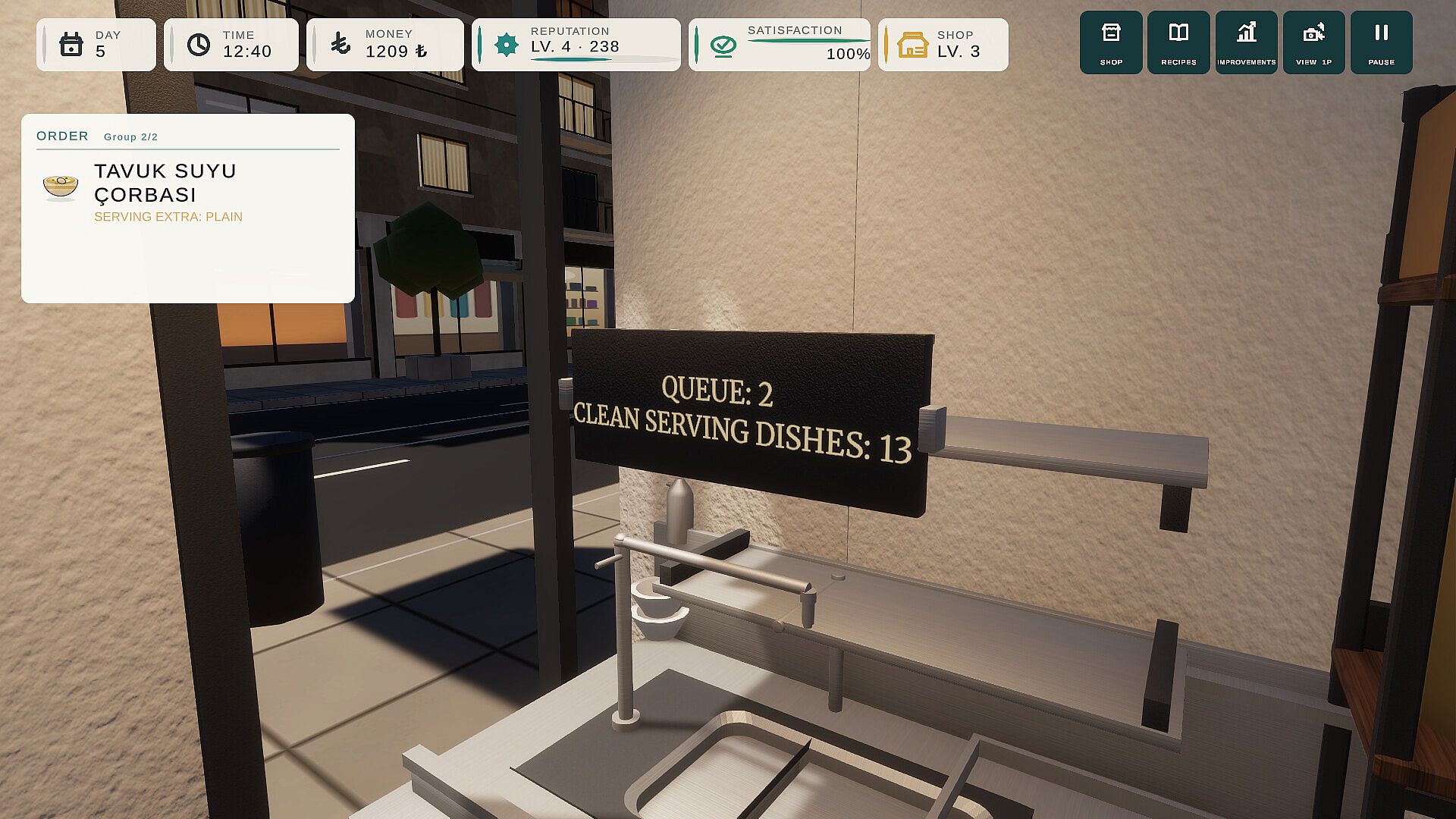
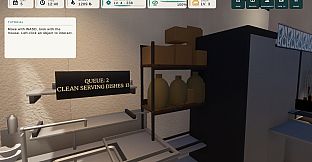
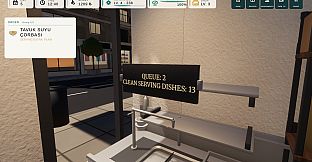
Service involves taking orders, carrying bowls to the correct tables, and processing payments. Limited bowls mean dirty dishes must be washed promptly to keep service flowing. Customers grow impatient if left waiting too long. At the end of each day, players wash dishes, clear and clean tables, and reset the space for the following morning. Expansion comes through reinvesting profits in build mode to rearrange furniture, add a second salon, or install a mangal grill, allowing the restaurant to grow according to the player's own layout decisions.
Game Modes
The game operates entirely in single-player mode. There are no additional modes listed or confirmed beyond the core business simulation experience focused on one restaurant's daily operations and long-term growth.
Setting and Identity
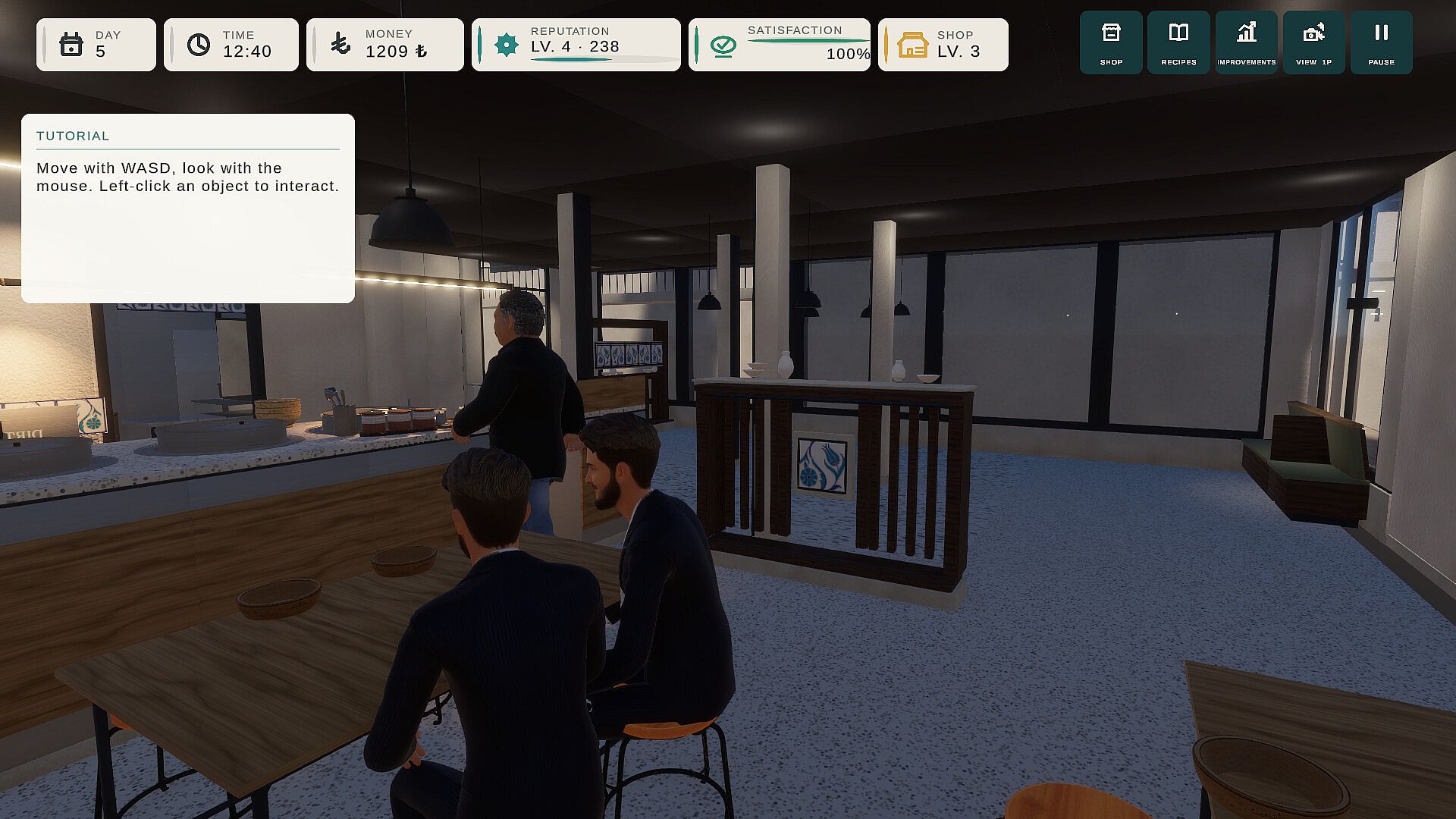
The environment reflects a modern Anatolian restaurant inspired by regions like Gaziantep. Details include walnut wood, terrazzo floors, and cini tilework that ground the space in everyday contemporary life rather than historical recreation. Real dishes and service practices form the foundation of the simulation, emphasizing hands-on work over abstracted systems.
Is It Worth Playing?
This title suits players who enjoy methodical, hands-on simulation games where every action from stocking shelves to serving bowls contributes directly to business progress. The emphasis on manual tasks, supply management, customer flow, and incremental expansion creates a focused loop without shortcuts or automated elements. Those drawn to casual indie simulations that reward careful daily planning and physical interaction with the environment will find a consistent experience here. The single-player structure keeps the focus on personal progression from a basic shop to a larger operation built through earned revenue.











