




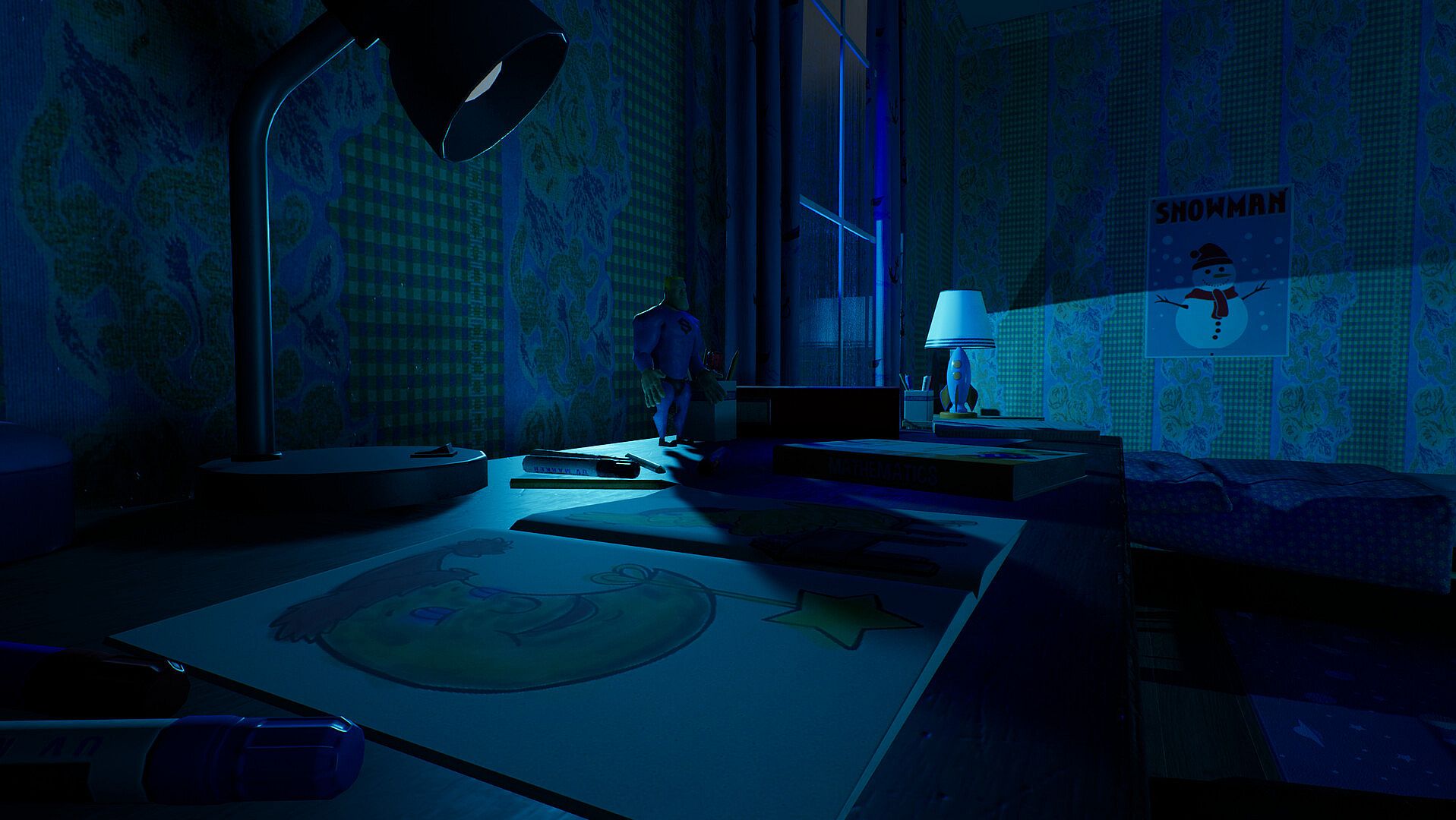


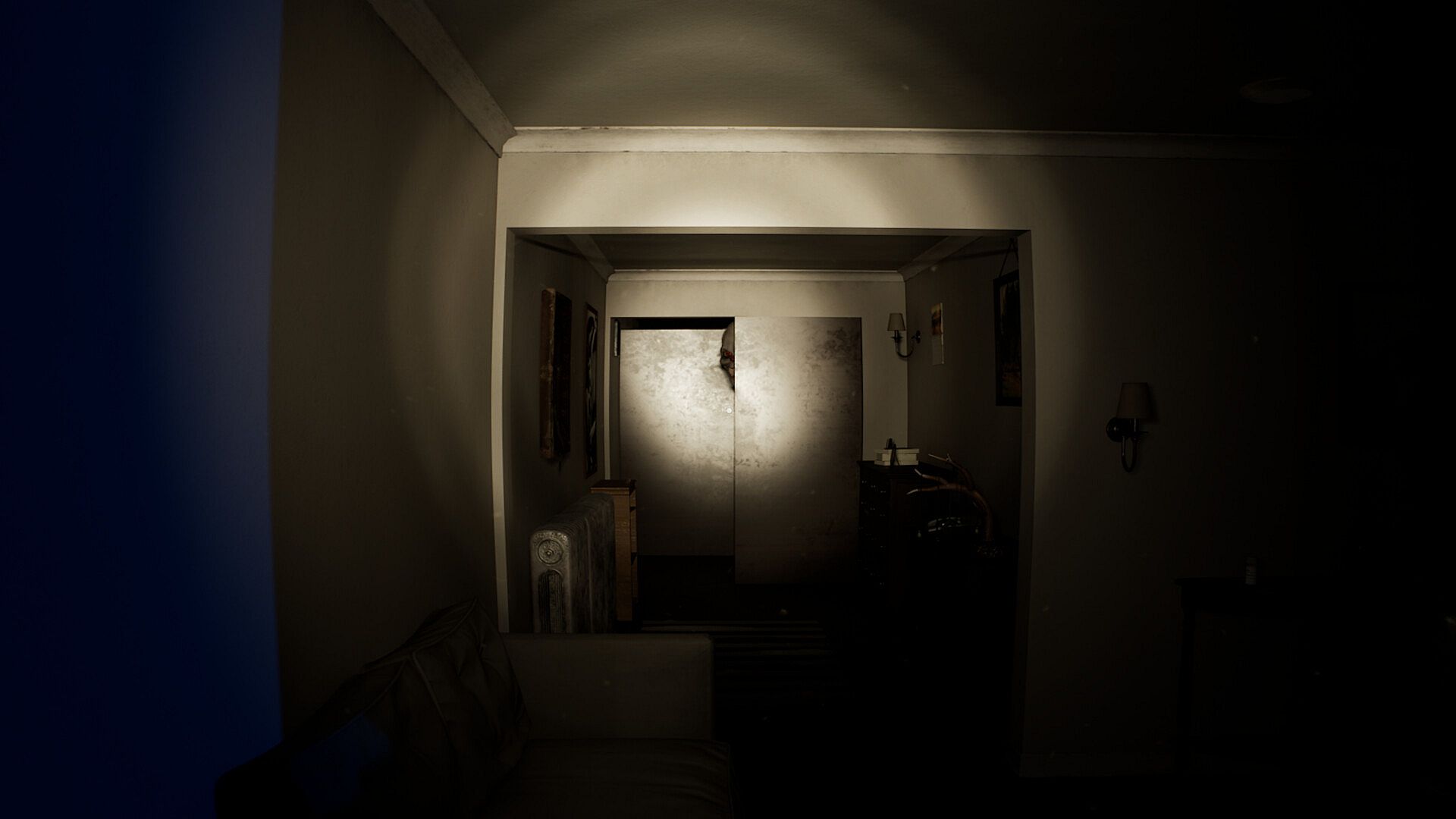
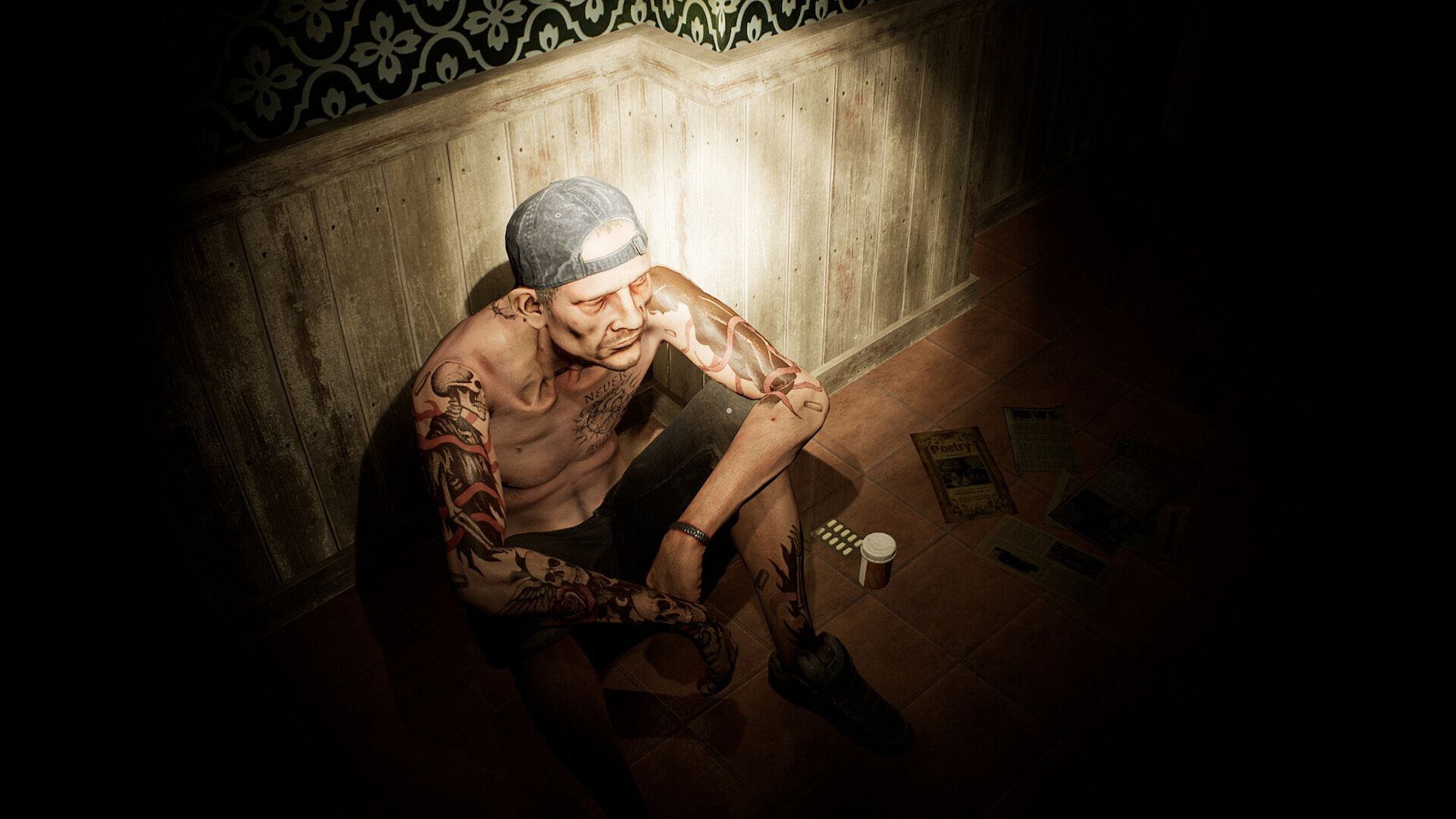
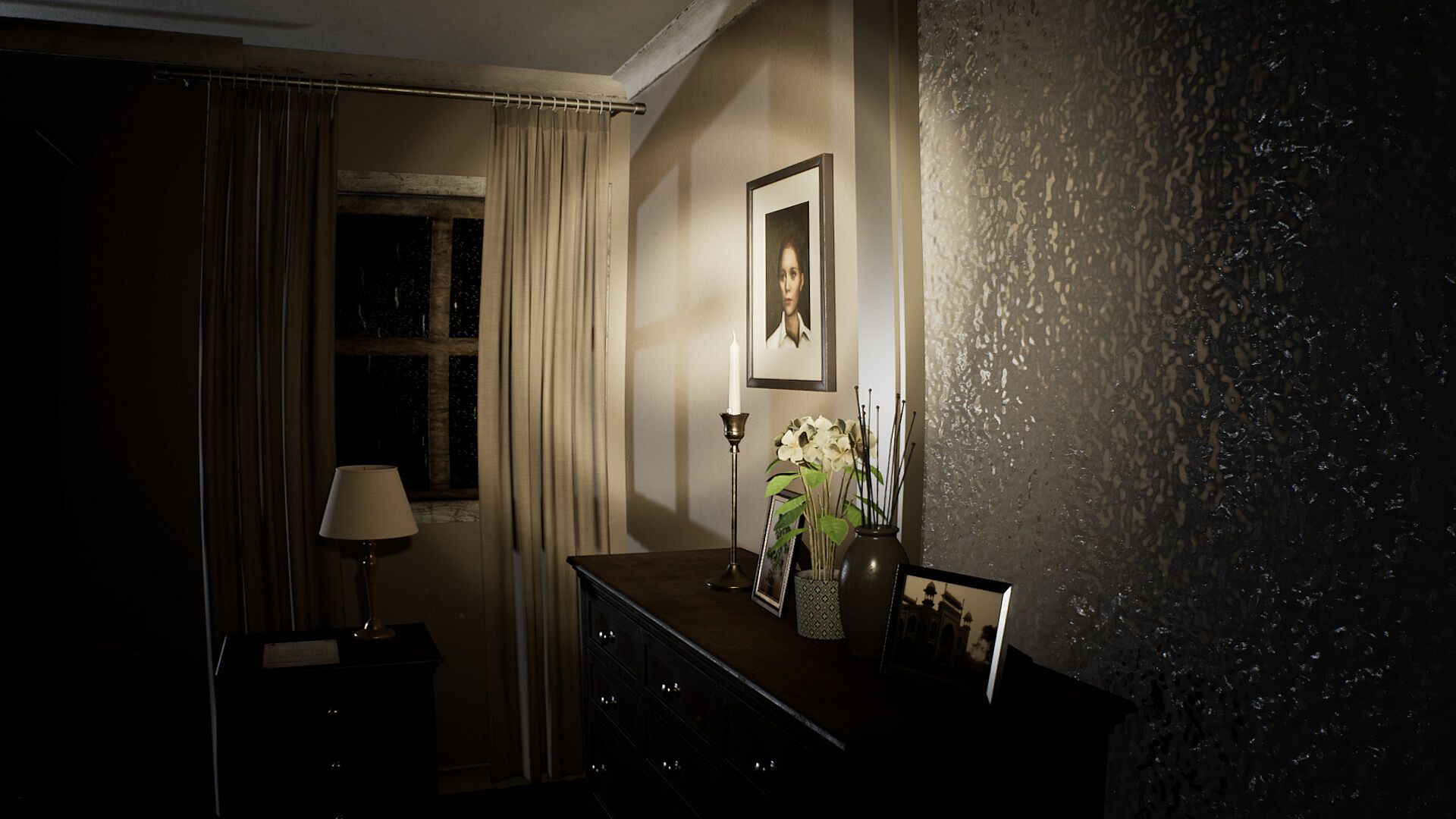









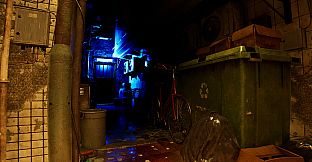
As Long As You're Here is a short first-person walking simulator that places players in the role of Annie, an elderly woman navigating the early and advancing stages of Alzheimer's disease. The experience unfolds over a single sitting of roughly thirty to sixty minutes on PC, centering on quiet domestic routines that gradually reveal deeper emotional layers through environmental storytelling and subtle disorientation.
Gameplay
The core loop revolves around moving through a modest apartment and performing everyday actions such as preparing coffee, watering plants, taking medication, and interacting with family members. These tasks serve as anchors while memory begins to falter, with rooms shifting between the present and fragments of the past without warning. Text on notes or conversations can fade mid-sentence, mirroring the protagonist's confusion and forcing closer attention to surroundings and personal mementos.
Progression centers on collecting photographs to assemble a family tree scrapbook, an activity that surfaces old memories of Annie's deceased brother and unresolved family dynamics. The environment itself becomes the primary narrative device, with changes in lighting, layout, and object placement signaling the progression of symptoms. There are no combat sequences, timers, or complex mechanical systems; the focus remains on observation, simple object interactions, and piecing together a personal history through visual and auditory cues.
Game Modes
The game offers a single linear narrative experience designed for one continuous play session. No alternate modes, difficulty settings, or branching paths exist beyond the fixed sequence of days and memory sequences. The structure emphasizes immersion in Annie's perspective without interruptions or replay incentives tied to different outcomes.
Story and Themes
The narrative explores grief, regret, and the impact of dementia on family relationships, particularly the bond between Annie and her daughter Elisabeth as well as lingering tensions from the past involving her brother. Memories surface organically during routine activities, blending present-day interactions with recollections of caring for an ill parent decades earlier. The tone stays restrained and introspective, using the walking-simulator format to convey isolation and the gradual erosion of certainty without relying on jump scares or overt horror mechanics.
Is It Worth Playing?
This title suits players seeking a concise, emotionally grounded story experience rather than action or puzzle challenges. Its strength lies in the sensitive portrayal of memory loss and family dynamics, delivered through consistent environmental design and understated audio cues. Those drawn to narrative-driven walking simulators that tackle real-world subjects will find a focused, complete package that respects its short length by avoiding padding. The game stands alone as a self-contained release with no additional content required for the full intended experience.