

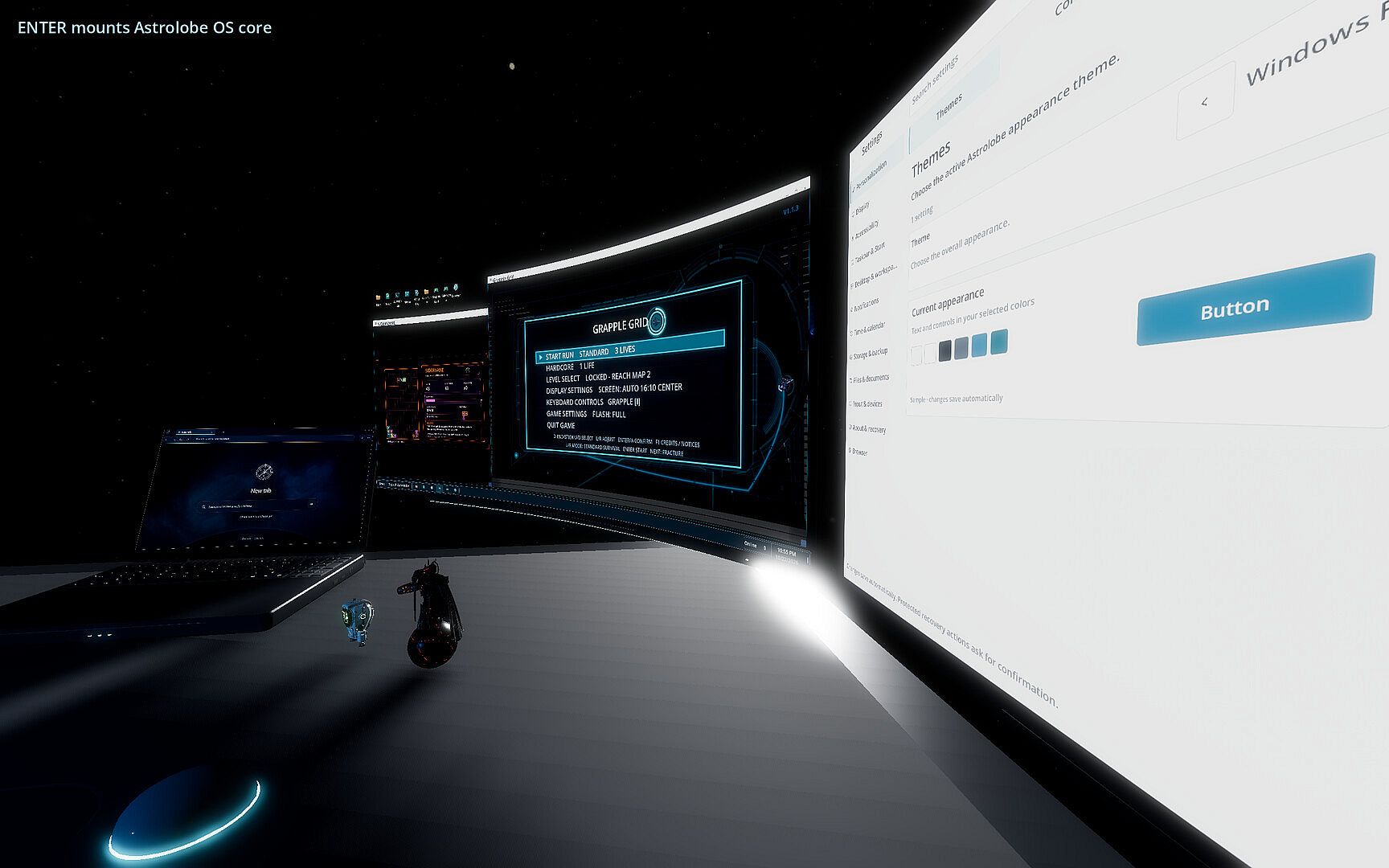
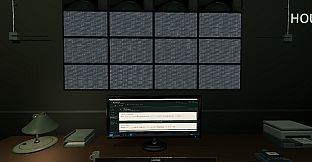
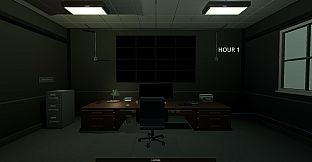

Astrolobe OS is a simulation game for PC that turns a standard desktop into part of a larger orbital workstation. Players move through a three-dimensional station high above Earth, approach a personal desk, and transition into a fully functional virtual computing environment where files, applications, and embedded games coexist in one connected space.
Gameplay
The core loop centers on inhabiting the station as a physical location rather than treating the computer as a menu. Movement through the atmospheric orbital setting leads to workstations equipped with multiple monitor setups or single-screen desks. Once seated, the interface becomes a working desktop complete with windows that open, resize, minimize, and close according to real rules of ownership and focus. Files can be created, organized into folders, renamed, moved, or deleted with system-level validation that records each action in structured receipts.
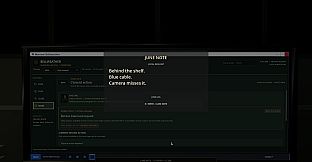
Productivity tools sit alongside entertainment options without separation. The Astrolobe Browser loads actual websites through a profile system designed to maintain distinct browsing sessions. Notes and a command shell provide direct interaction with the environment's files and services. Themes, wallpapers, and display preferences allow personalization of the workspace. Input supports both mouse and keyboard as well as gamepads. The entire setup runs as an application-level environment on Windows rather than replacing the host operating system.
Exploration extends beyond the desk to the wider station, where the boundary between physical surroundings and digital content blurs. Returning to the workstation after any activity preserves the same state, reinforcing the sense of a persistent place rather than isolated sessions.
Game Modes
Astrolobe OS hosts several original experiences that launch directly from the desktop. Grapple Grid delivers arcade-style action built around momentum, grappling mechanics, score pressure, and boss encounters with multiple play variations available.
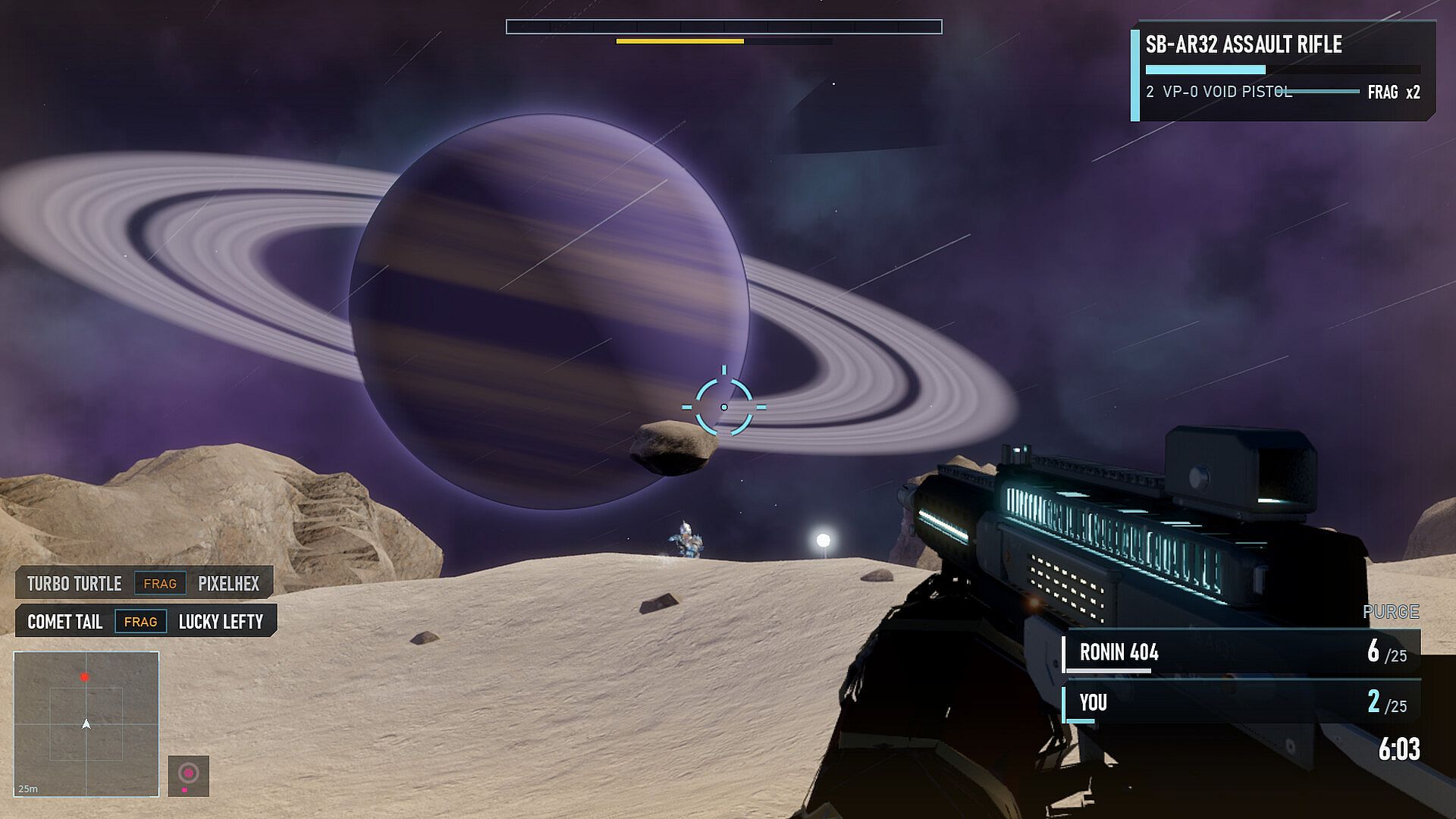
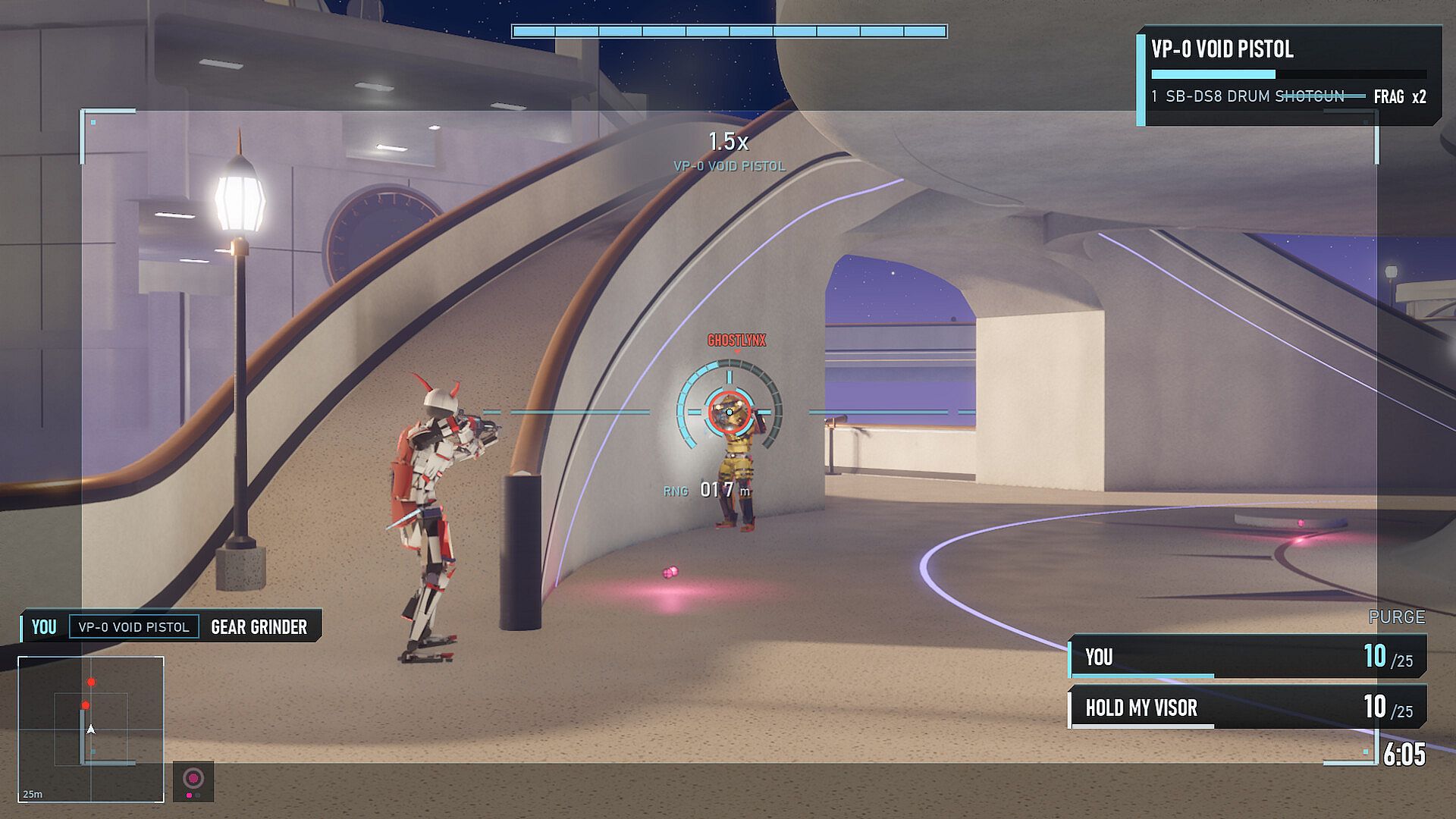
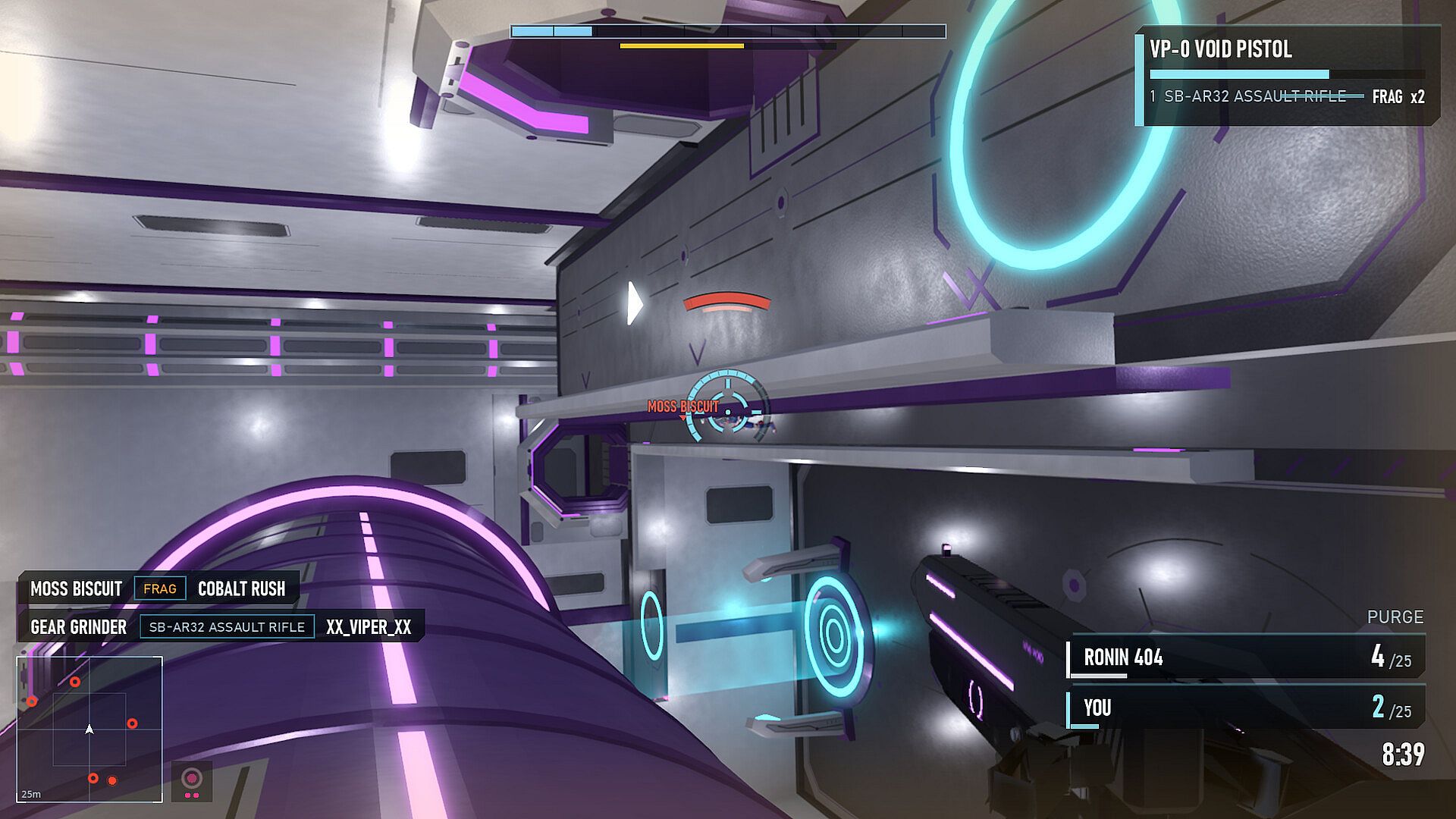
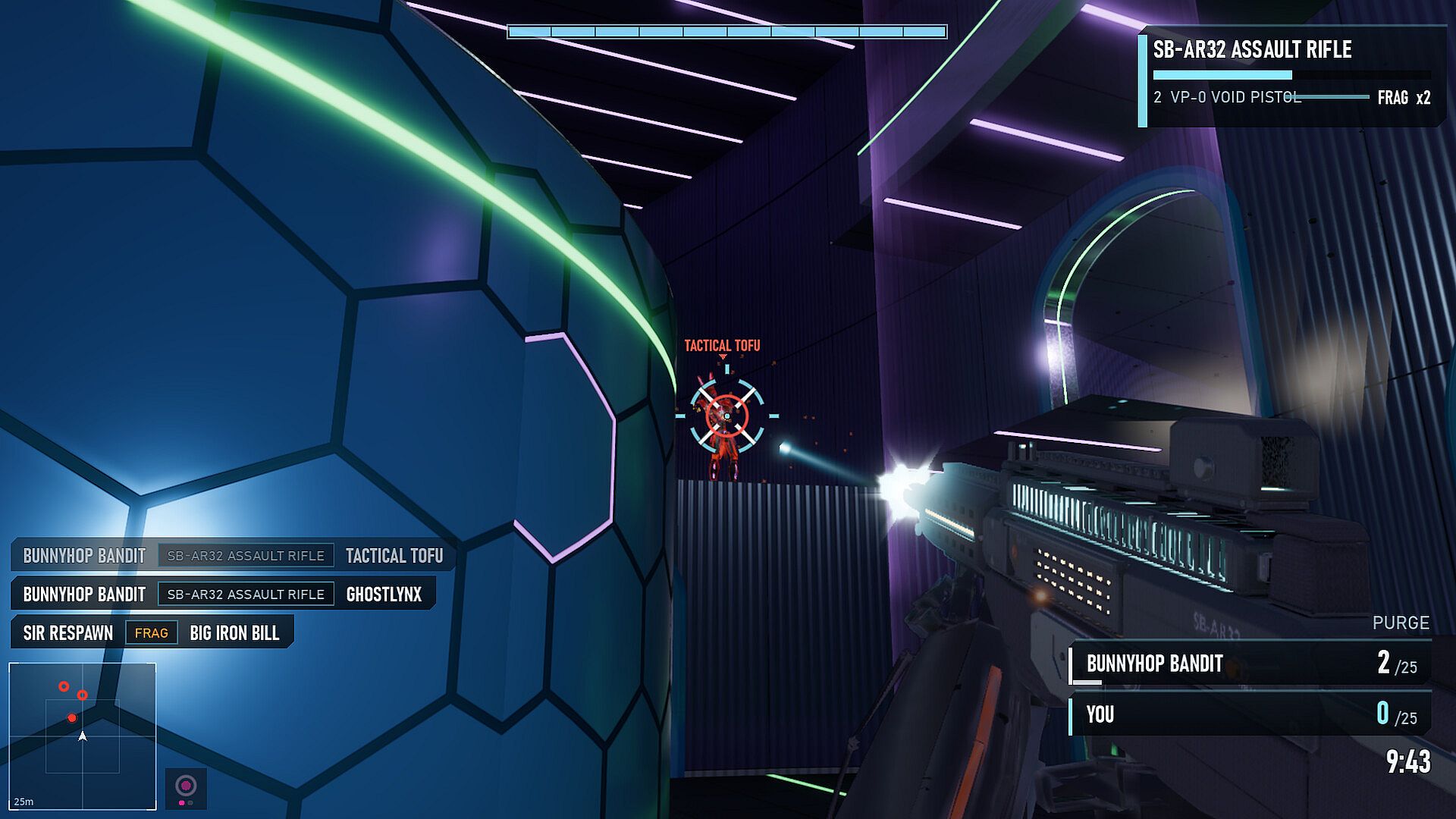
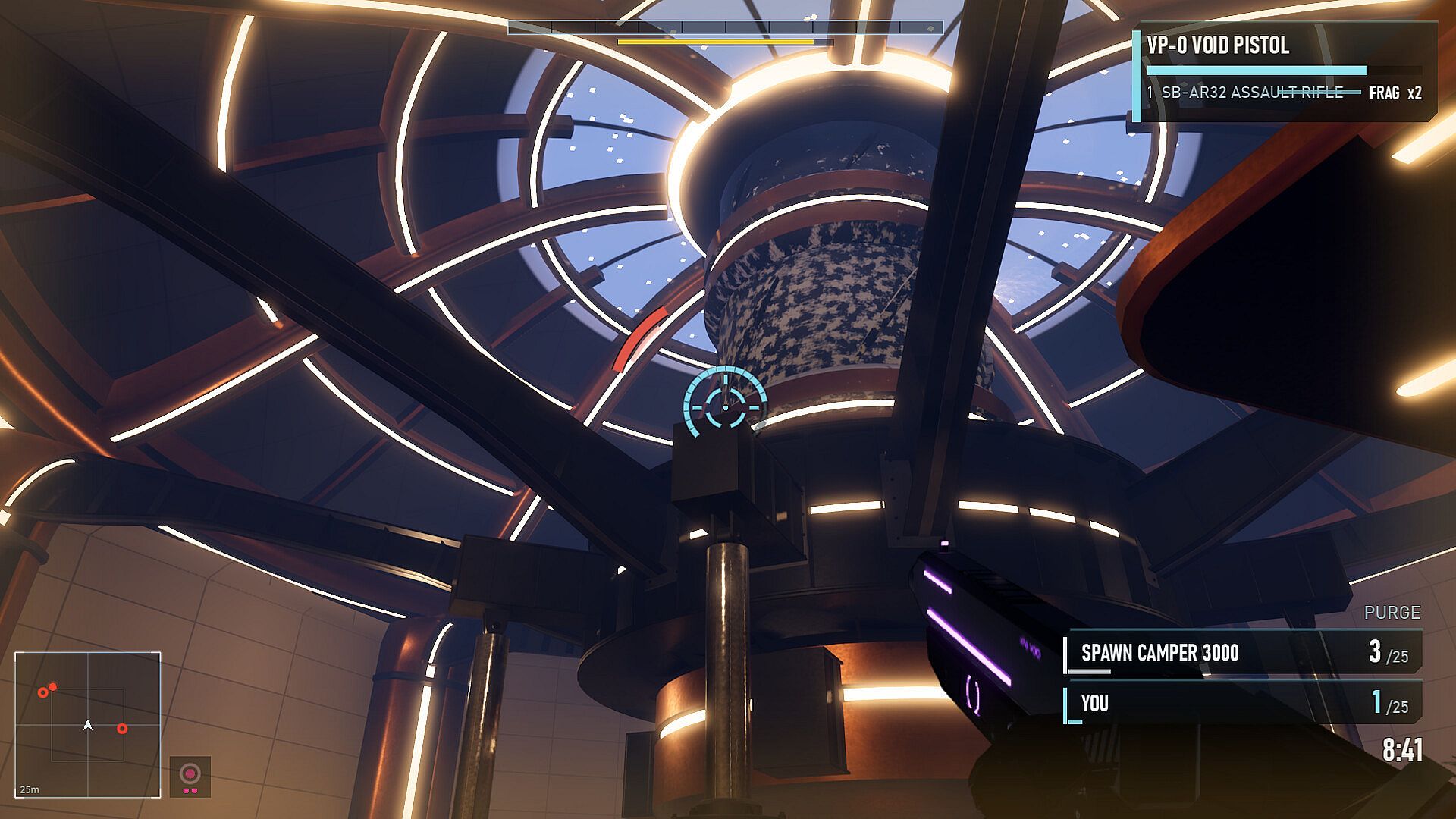
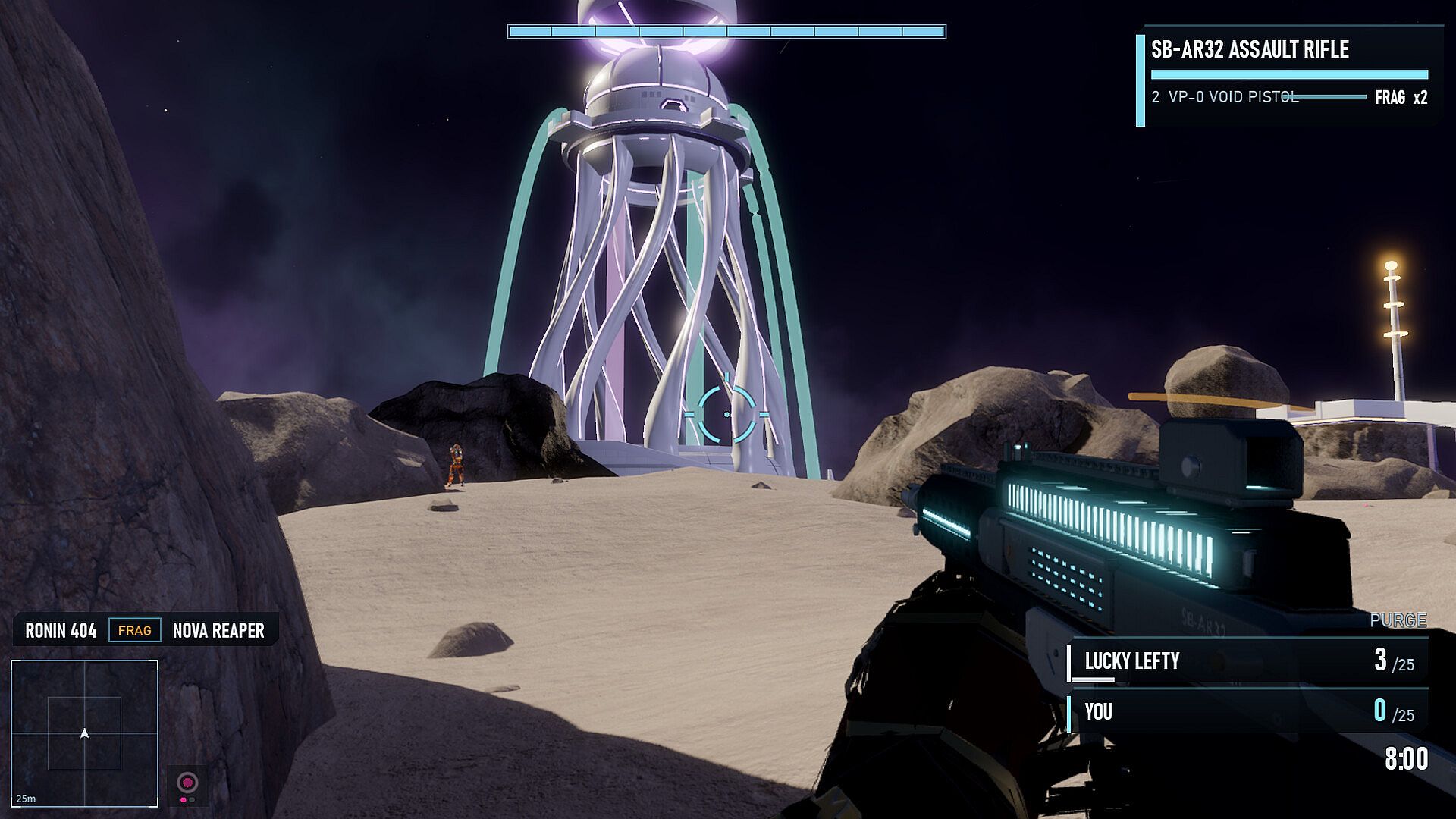
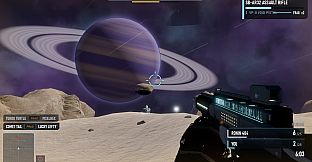
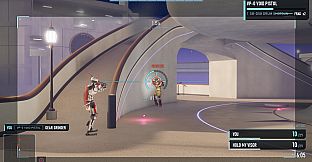
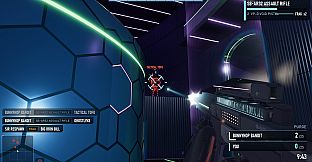
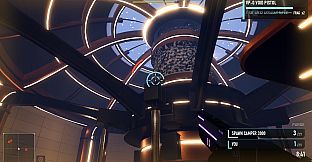
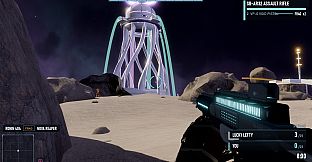
Terminal Orion focuses on movement-driven robot combat involving mechanical bodies, energy management, and fast decisions across authored arenas. Its planned modes include online multiplayer in beta form supporting team battles, free-for-all, objective-based play, and competitive playlists filled by bots when needed. Compact arena maps emphasize 2v2 and 3v3 encounters in tight spaces. Skirmish offers offline matches against AI opponents. Infected provides round-based survival against waves of hostile machines that include runners, crawlers, ranged units, environmental defenses, and bosses. Forge supplies construction tools for creating custom combat spaces with modular structures, gravity lifts, teleporters, and other elements. Custom games allow rule creation and support local split-screen play for up to four players on one PC.
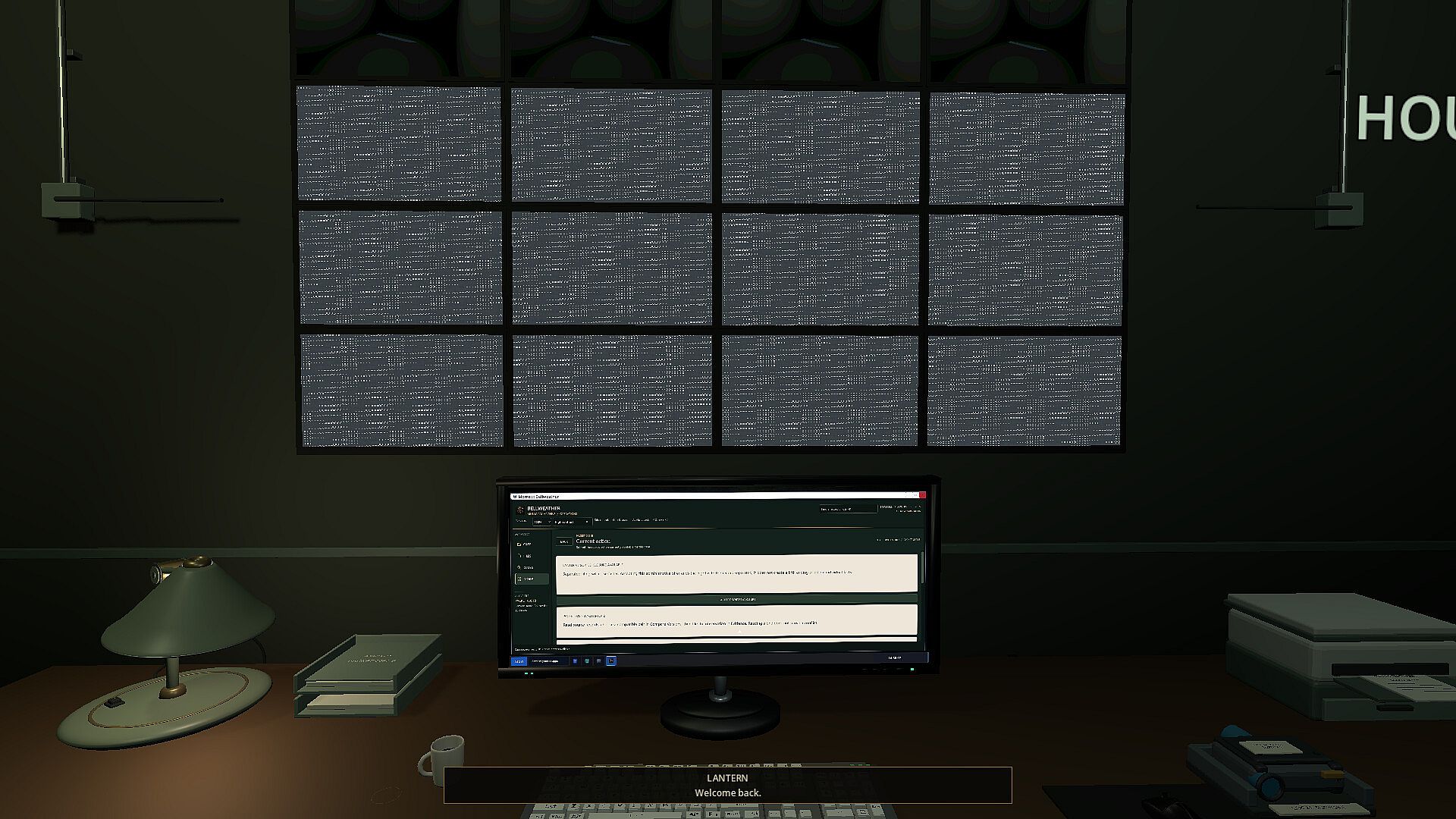
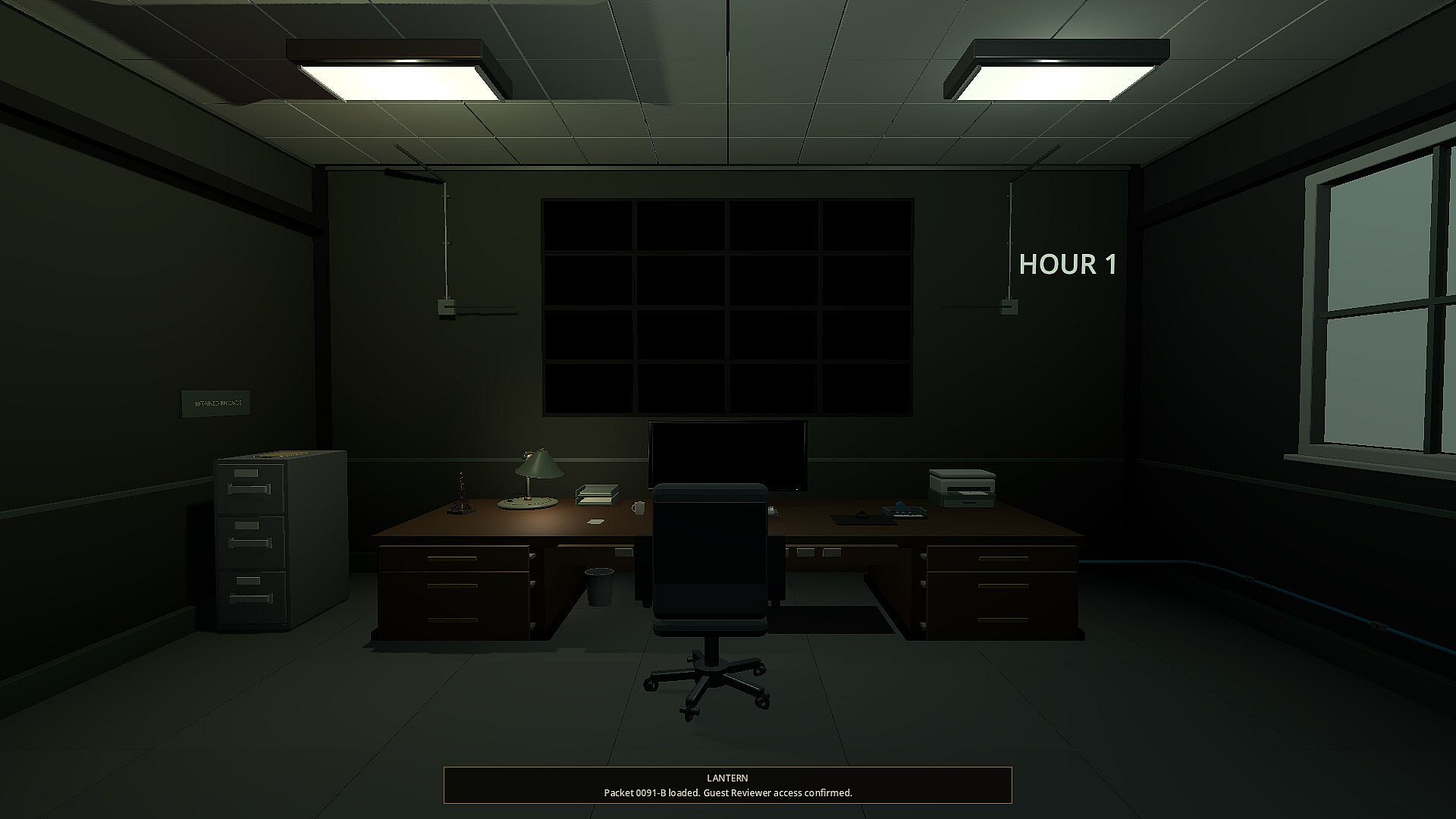
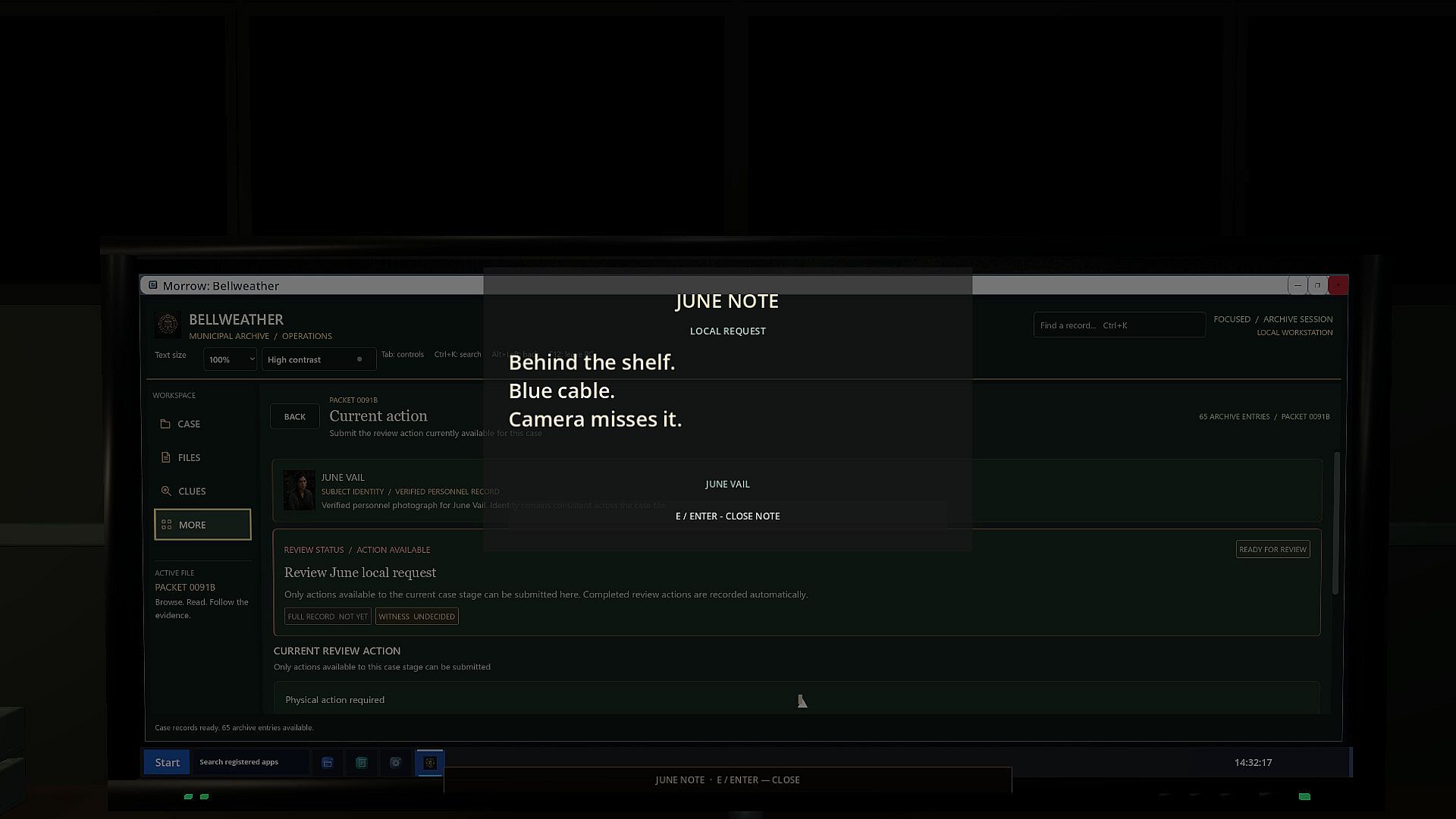
Additional experiences in development include Astral Ante as a poker variant set at a space desk, Phantom Ports as a network-signal puzzle centered on connections and system logic, Morrow Bellweather as a narrative mystery explored through records and software, and The House Keeps Ten as a horror anthology. These titles integrate into the broader computing environment so players return to the same workstation after each session.
The Orbital Workstation
The station itself functions as more than background scenery. A personal workstation overlooks Earth and supports flexible layouts suited to different screen aspect ratios. A separate Command Center area is planned as a collaborative space with multiple desks arranged around a central multi-screen room, though this multiplayer projection feature remains under active development and is not positioned as a day-one release element. The design emphasizes that every application contributes to a unified experience where work, creativity, and play share the same location.
Technical foundations include a Python-based kernel that maintains authoritative state for applications, windows, files, and commands, paired with Godot for the three-dimensional presentation. Governed operations produce receipts that record outcomes and support replay of event sequences for verification. This architecture ensures actions follow consistent rules rather than functioning as decorative interfaces.
Is It Worth Playing?
Astrolobe OS remains in active development with a coming-soon release date and no user reviews available at present. The project targets players who value a simulation that blends functional desktop software with embedded games inside a persistent three-dimensional setting. Those drawn to innovative PC environments, creative tool integration, or the listed game experiences may find the connected structure appealing once the full build ships. The emphasis on a single inhabited place rather than separate launchers sets it apart from conventional simulation titles, though final feature completeness and online stability will depend on the qualified release version.