


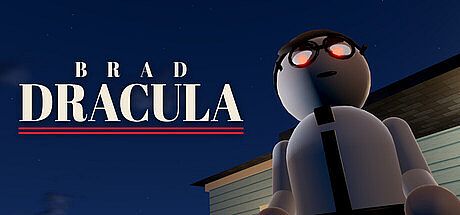


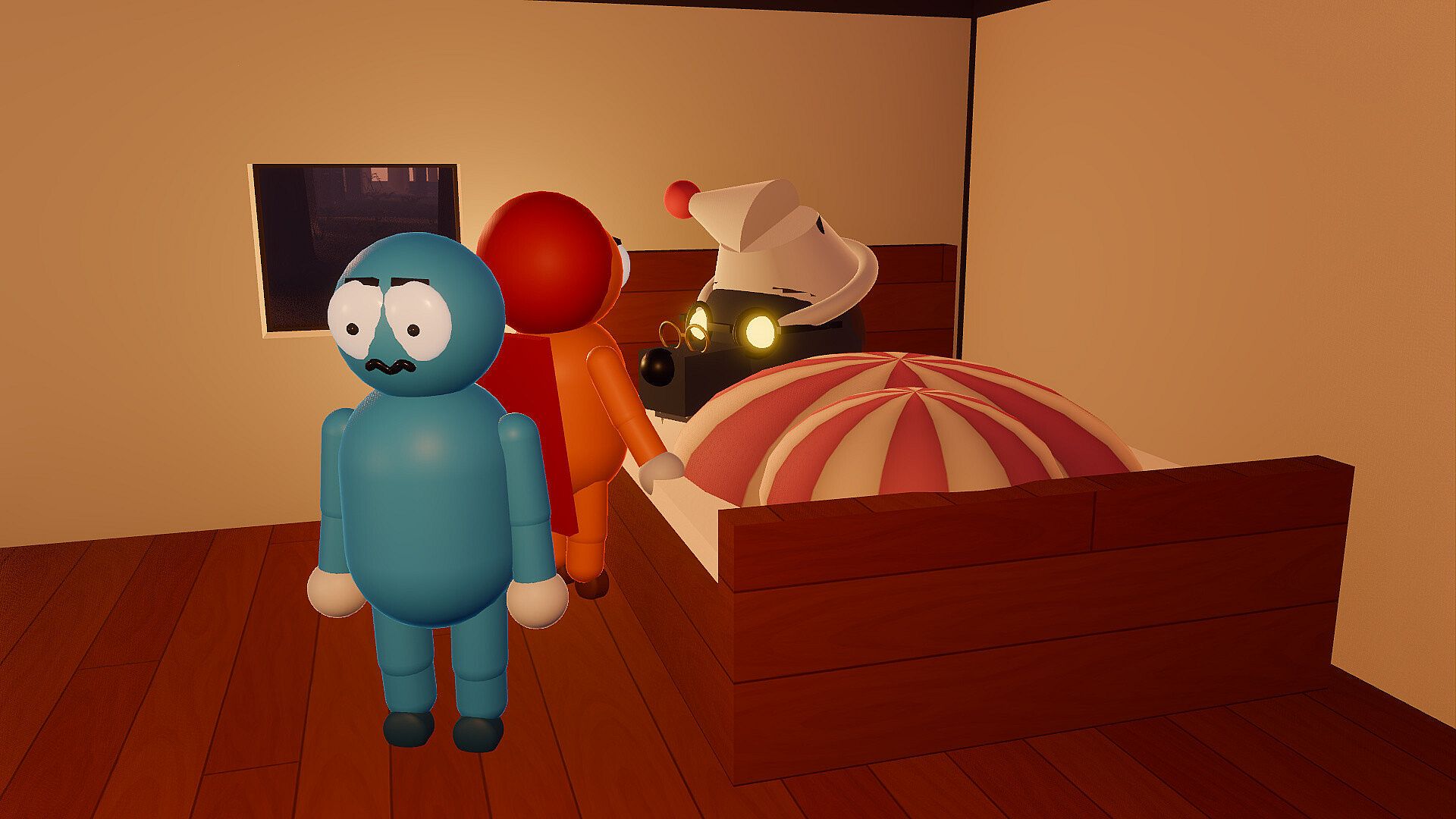
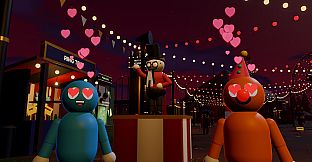
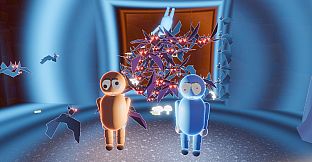
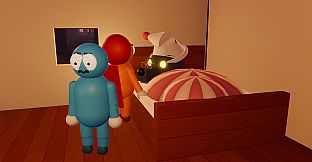
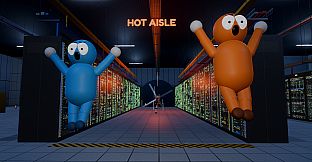
Brad Dracula is an action-adventure game built around wobbly physics interactions in a vampire accountant's home. Players navigate a series of connected environments where objects respond unpredictably to movement and force, creating opportunities for creative problem solving and exploration.
Gameplay
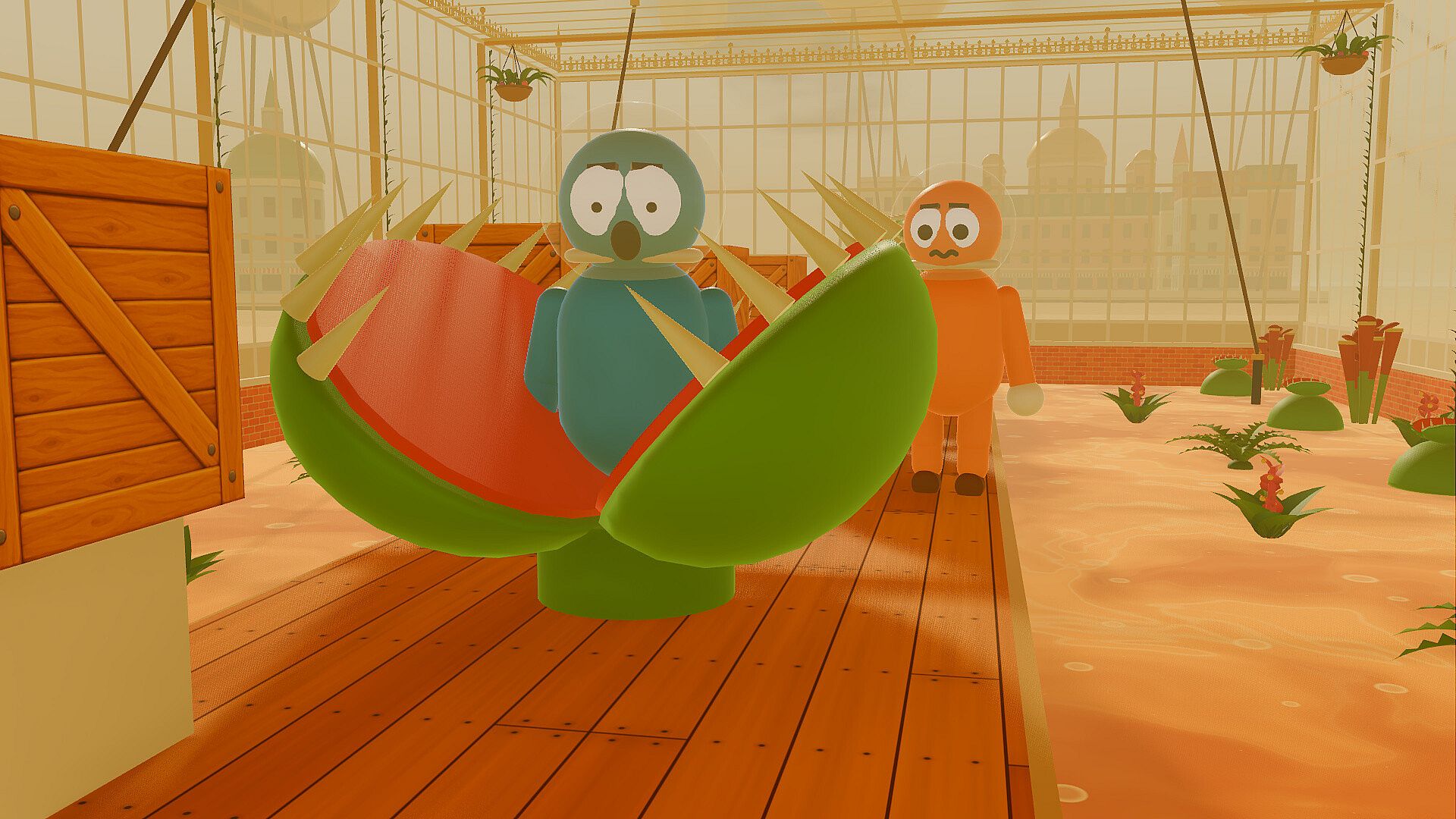
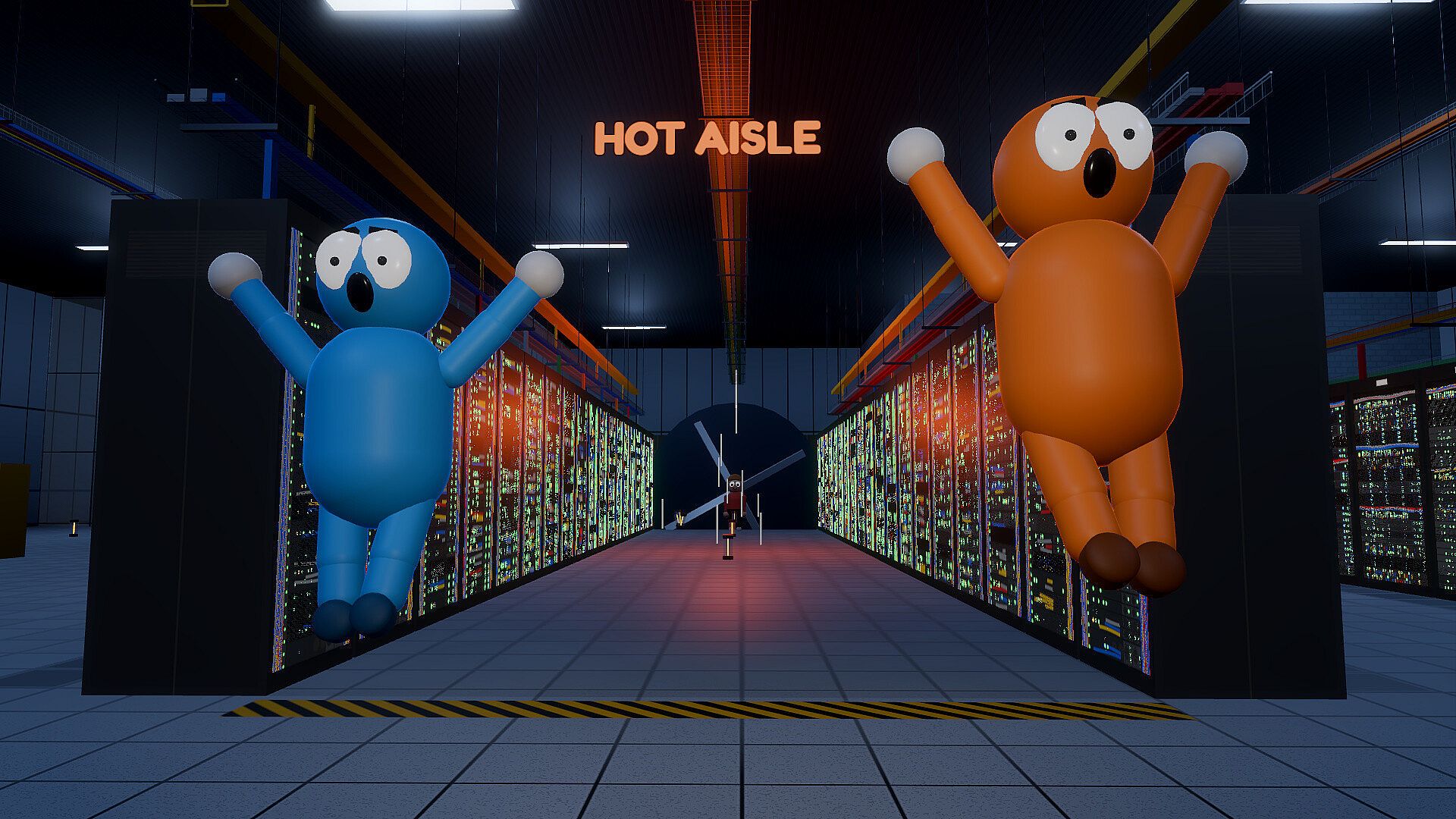
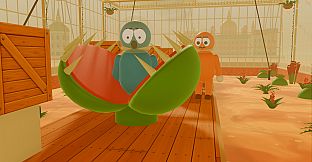
The core loop centers on grabbing, climbing, and manipulating items to free characters stuck in unusual positions across more than 40 levels. Physics drive every action, so momentum, balance, and environmental hazards determine success or failure. Levels encourage experimentation with everyday objects turned into tools or obstacles. Hidden collectibles in each area provide cosmetic rewards that change the player's appearance without altering mechanics.
Traversal mixes vertical climbing, vehicle sections, and open-ended navigation. Examples include scaling a large wave structure, piloting a bumper car along a vertical wall, or moving across low-gravity surfaces. The single-player experience supports full completion without assistance, though the systems reward repeated attempts as players learn how different objects interact under the game's physics rules.
Game Modes
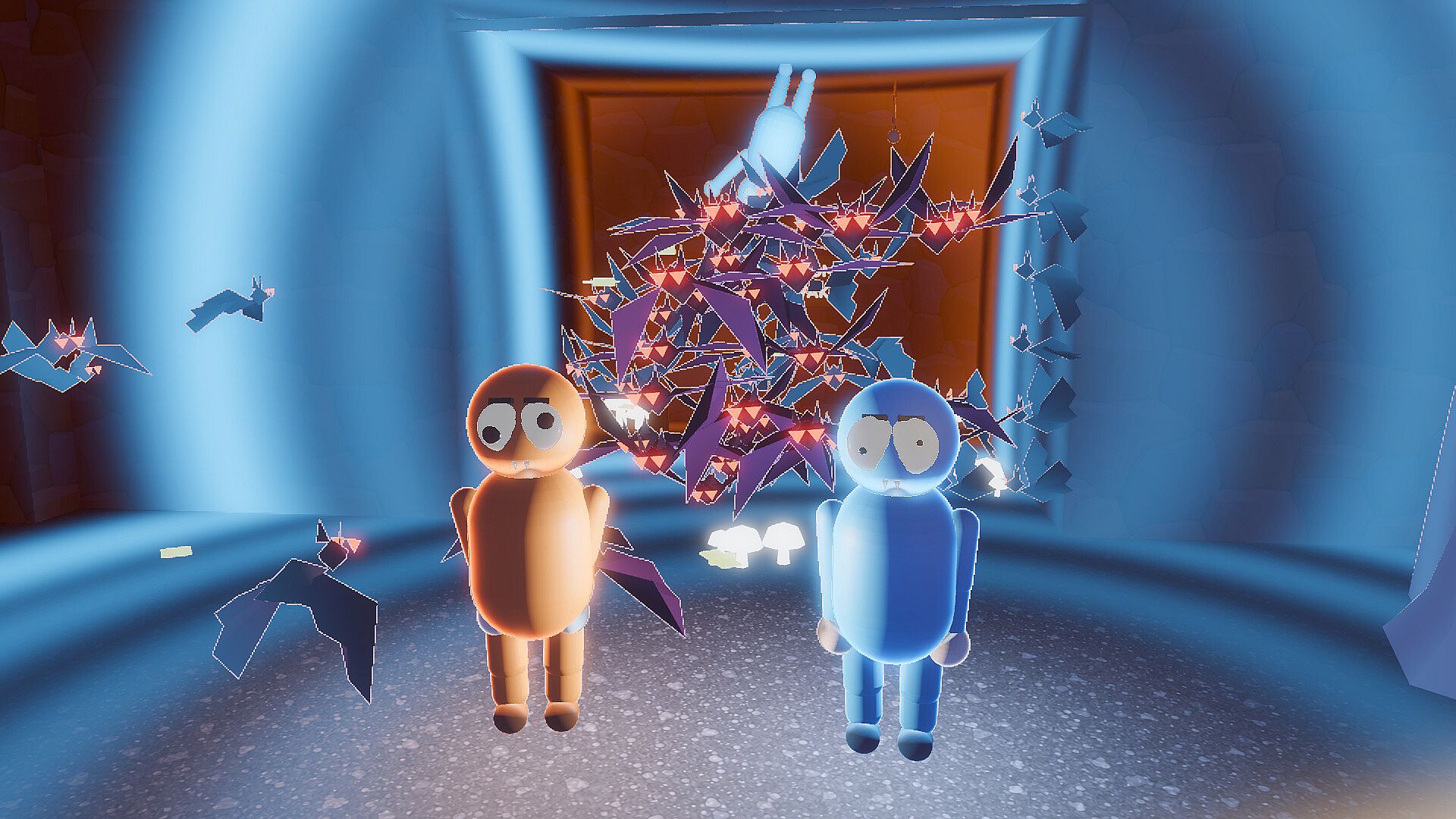
Local split-screen co-op allows two players to share one screen on the same device using controllers or a keyboard and mouse combination. Remote Play Together extends this to online sessions where only the host requires ownership of the game. Both formats preserve the same level structure and objectives, with the second player able to assist or interfere through the same physics interactions.
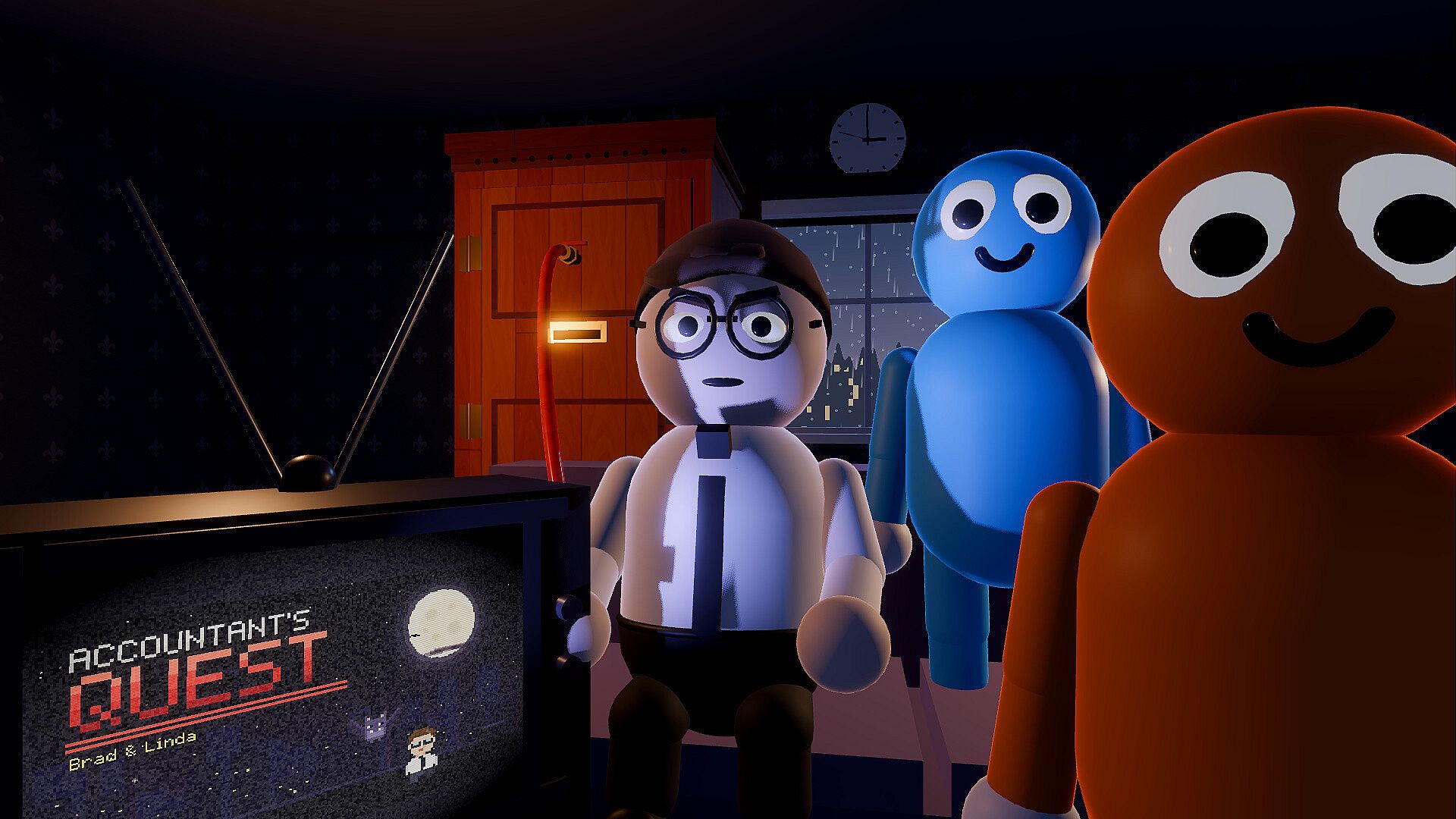
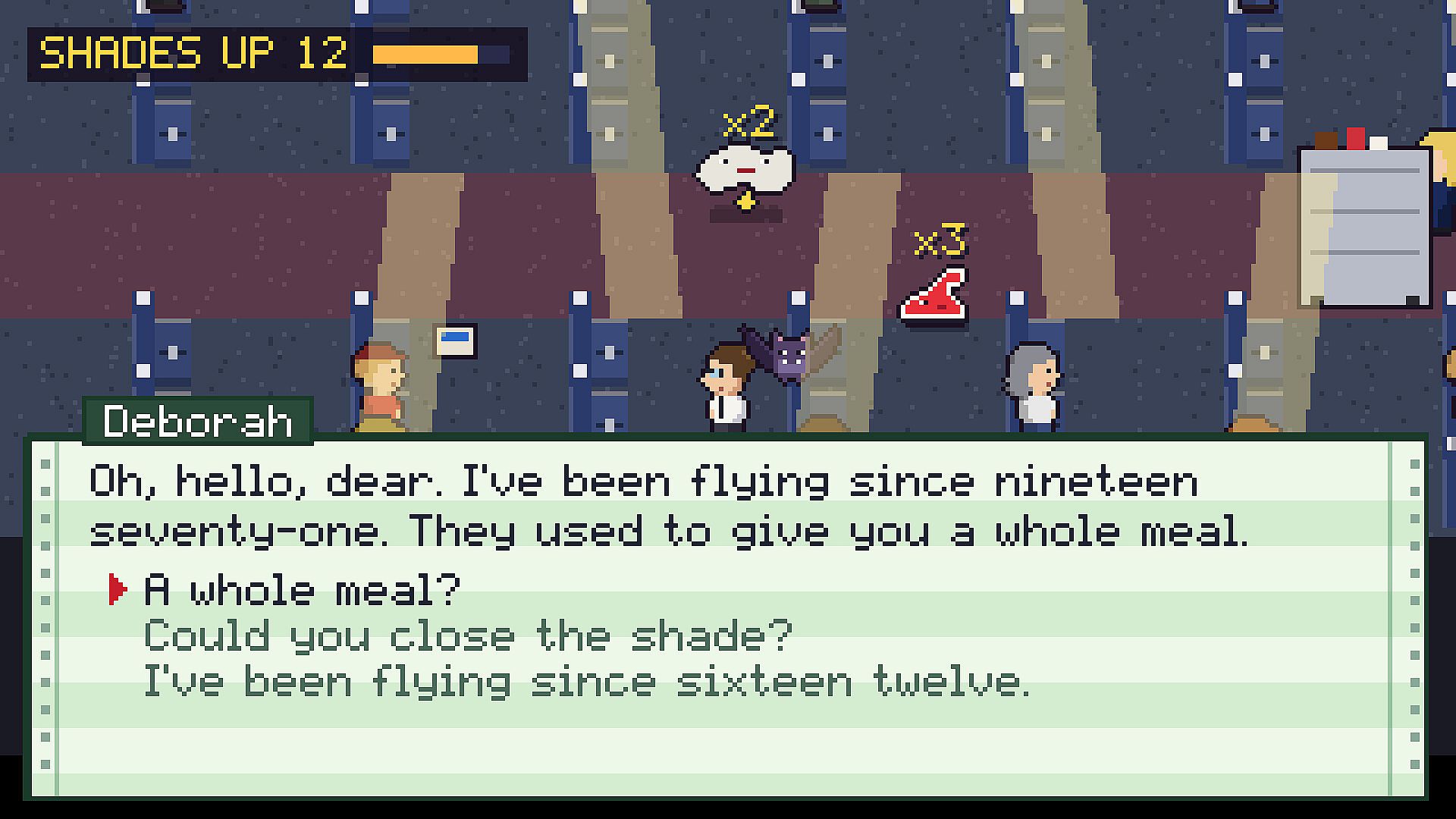
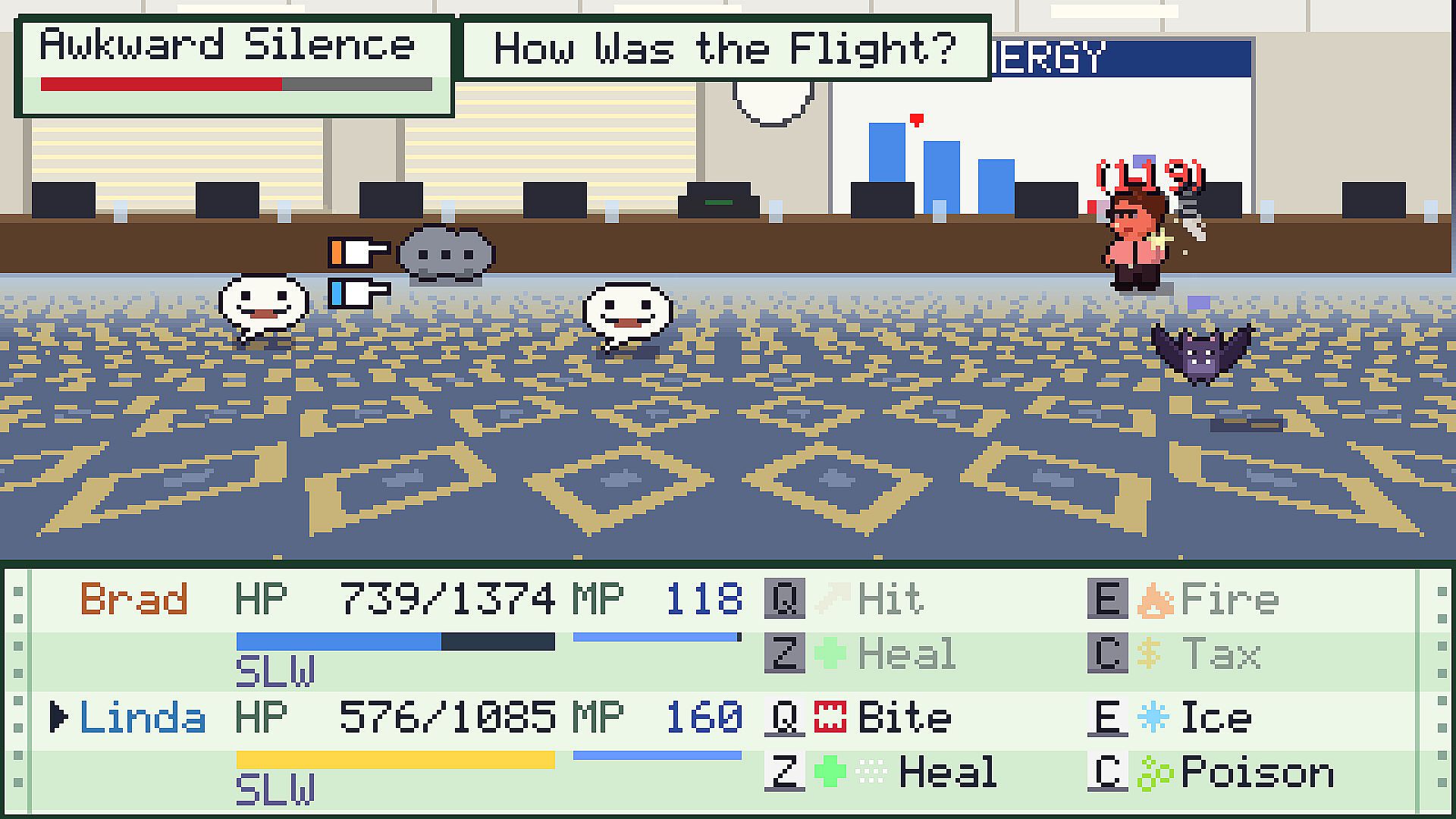
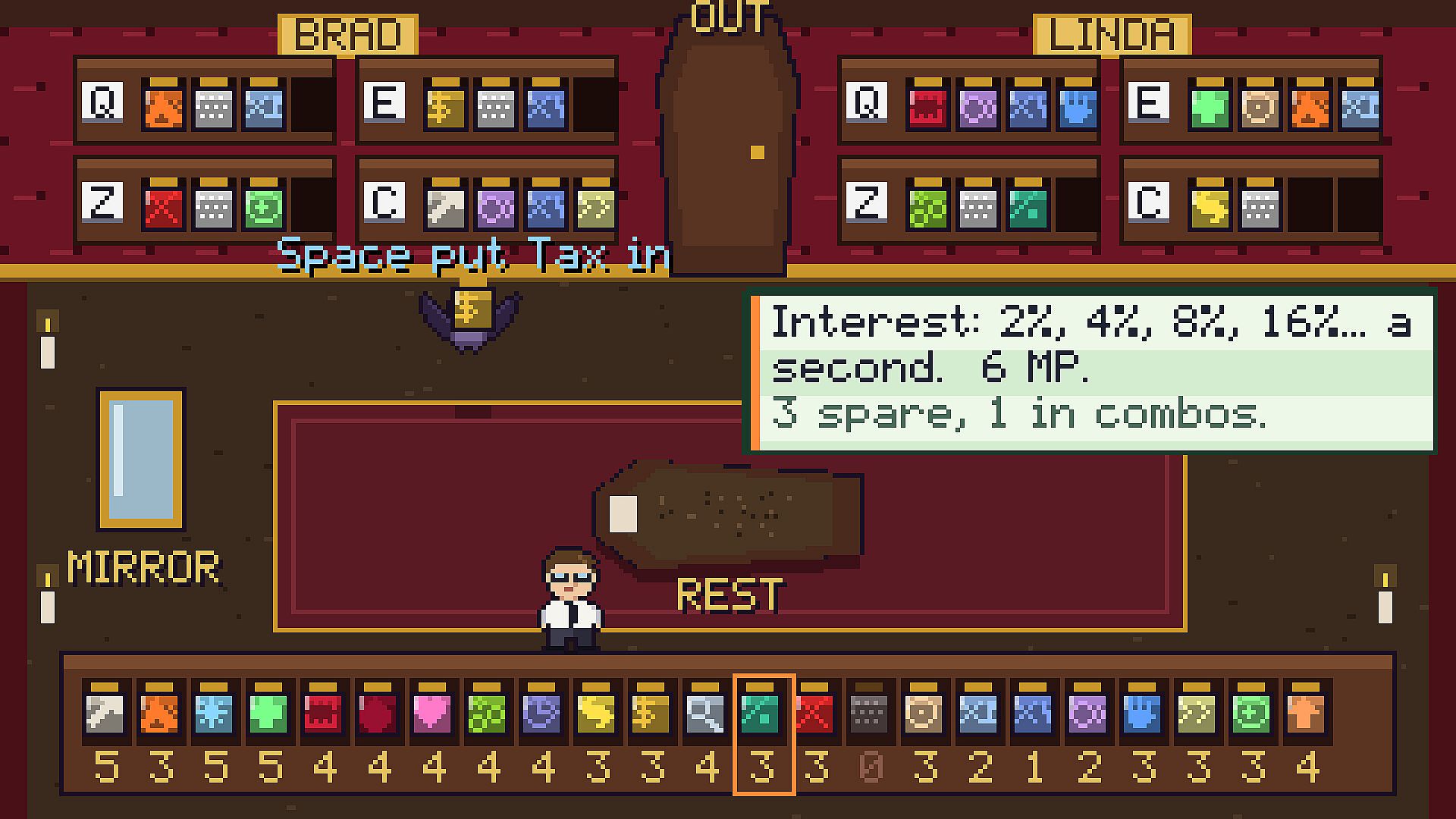
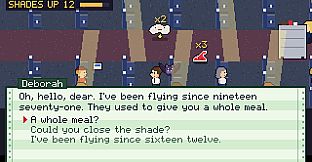
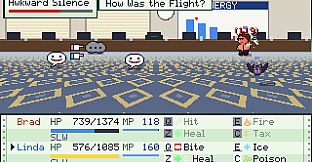
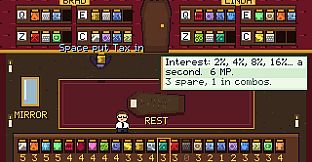
An embedded 16-bit role-playing game titled Accountant's Quest runs separately on an in-game television. This side experience lasts roughly two hours and features real-time battles against everyday annoyances such as carry-ons, loud talkers, parking tickets, awkward silences, and jet lag. Combat involves chaining abilities into extended combos that can clear encounters efficiently once mastered.
Worlds and Levels
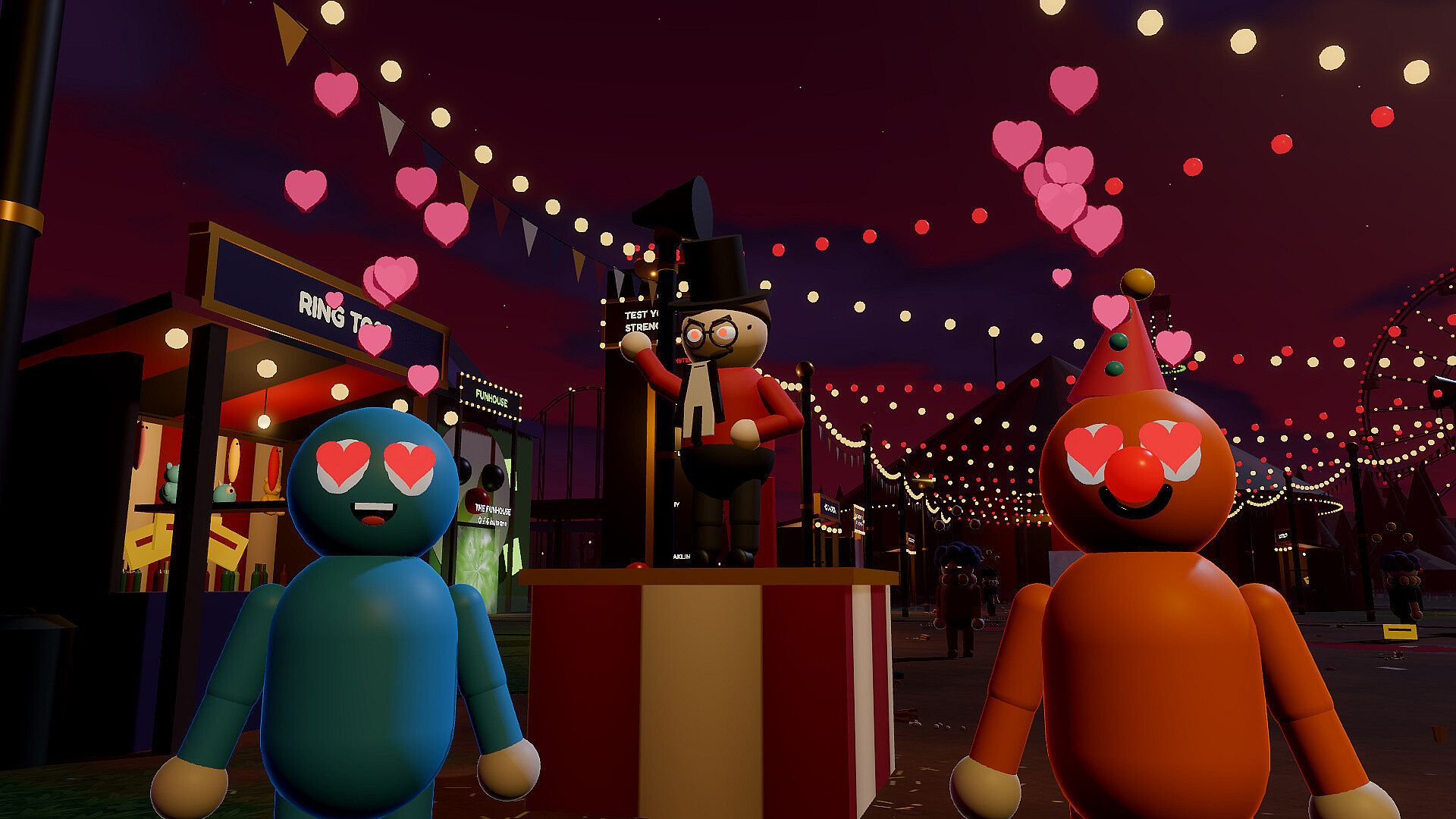
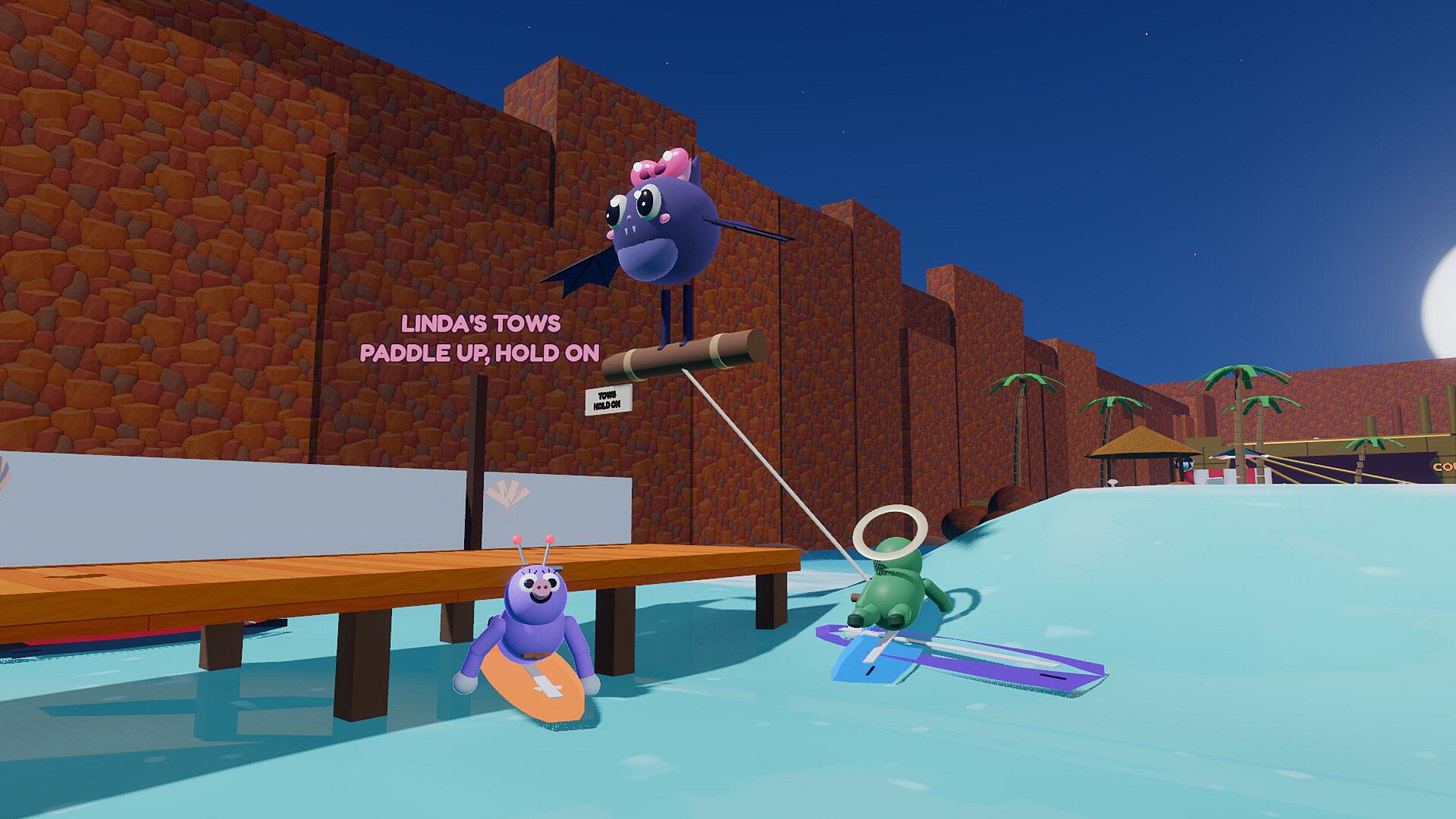
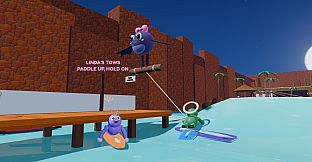
Seven distinct worlds lie behind doors in the central house. These include a carnival setting, a library filled with fairy-tale elements, a water park, an office tower, an art gallery designed for climbing, the solar system, and the basement. Each world contains multiple levels populated with characters in need of rescue, and the physics systems adapt to the thematic elements of each area.
Progression follows a linear path through the doors while allowing free exploration within individual levels. The design emphasizes discovery of alternate routes and solutions rather than strict time limits or combat encounters.
Is It Worth Playing?
Brad Dracula suits players who enjoy physics-driven sandbox experiences and light-hearted co-op sessions on a shared couch. The game supports solo play entirely, yet the split-screen and remote options add replay value through shared chaos and cooperation. The included role-playing segment provides a self-contained diversion that contrasts with the main physics gameplay.
Since the title remains unreleased, no player reception data exists yet. Those drawn to quirky humor, object manipulation puzzles, and short-to-medium session lengths may find the combination of exploration and the embedded RPG appealing. Availability is limited to PC at launch, with planned support for the listed co-op features.











