

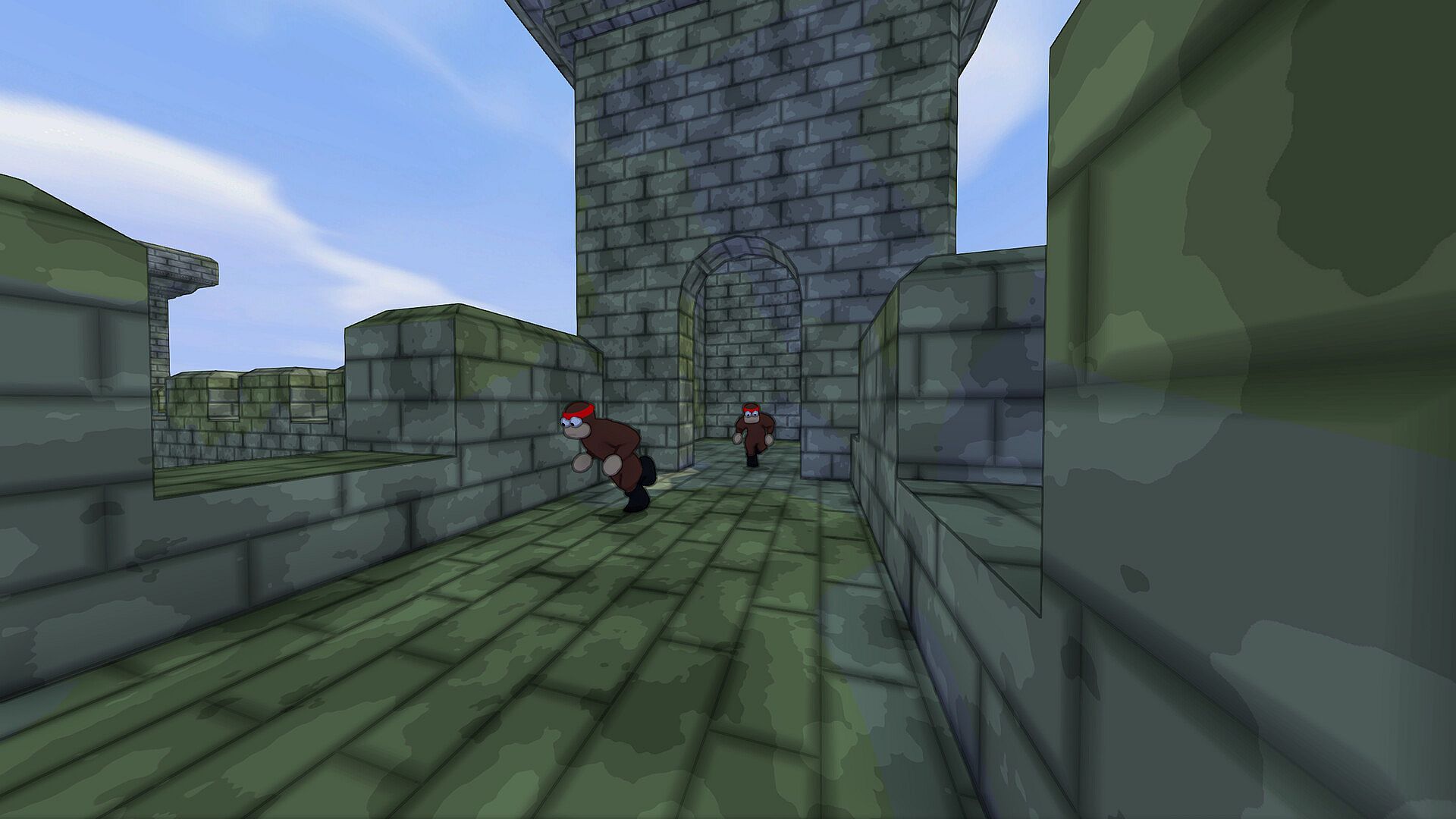
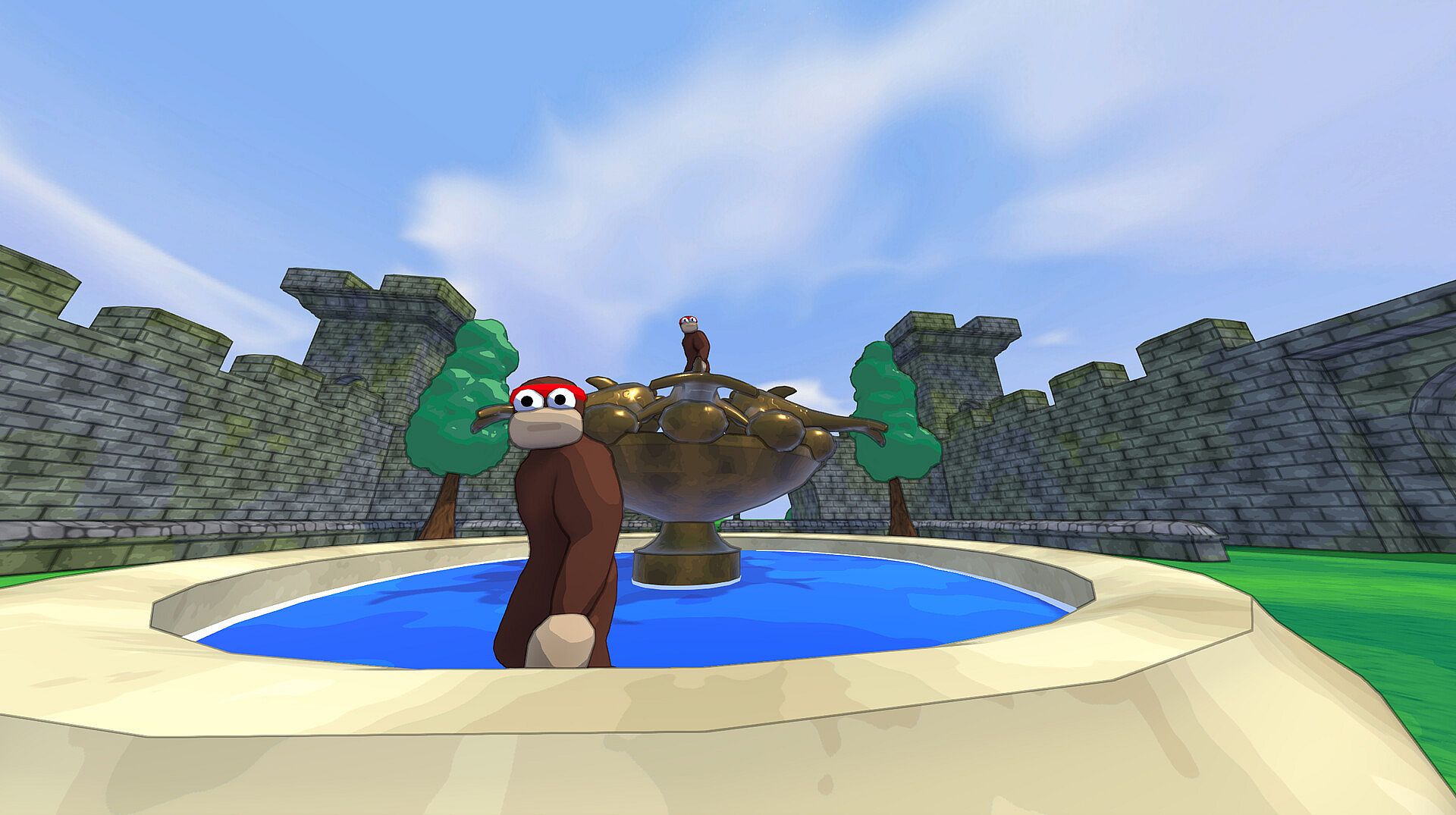
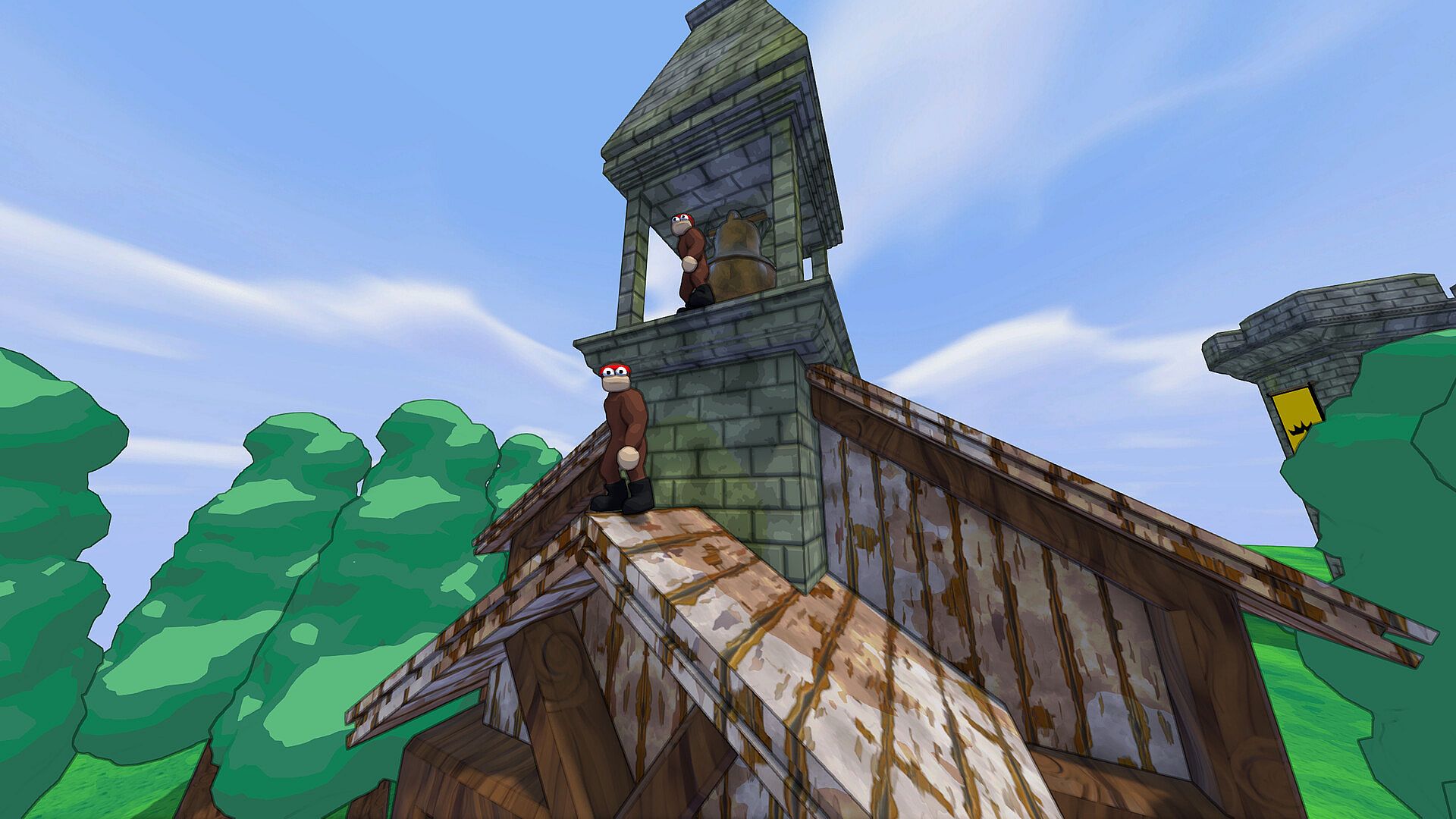
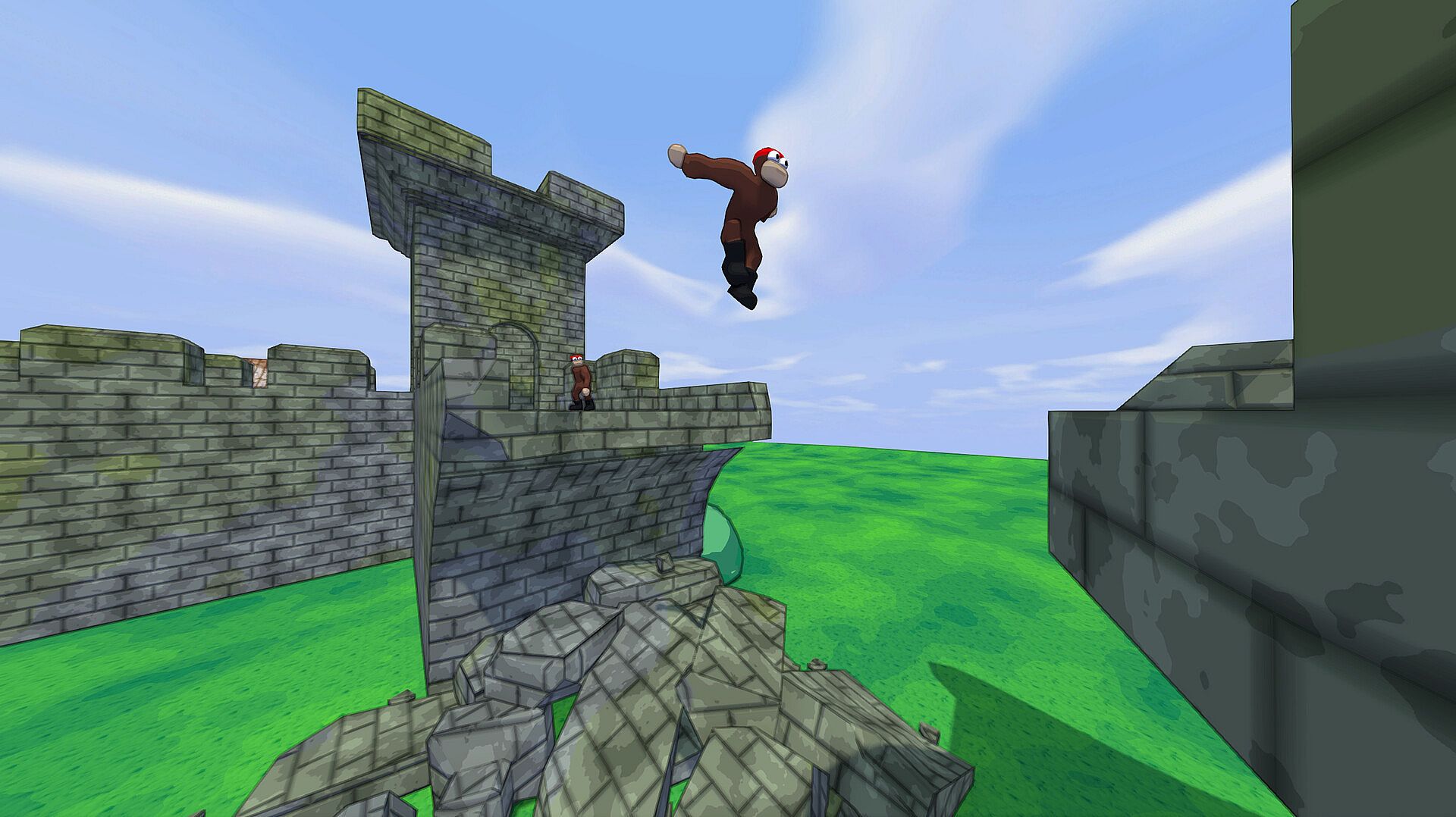
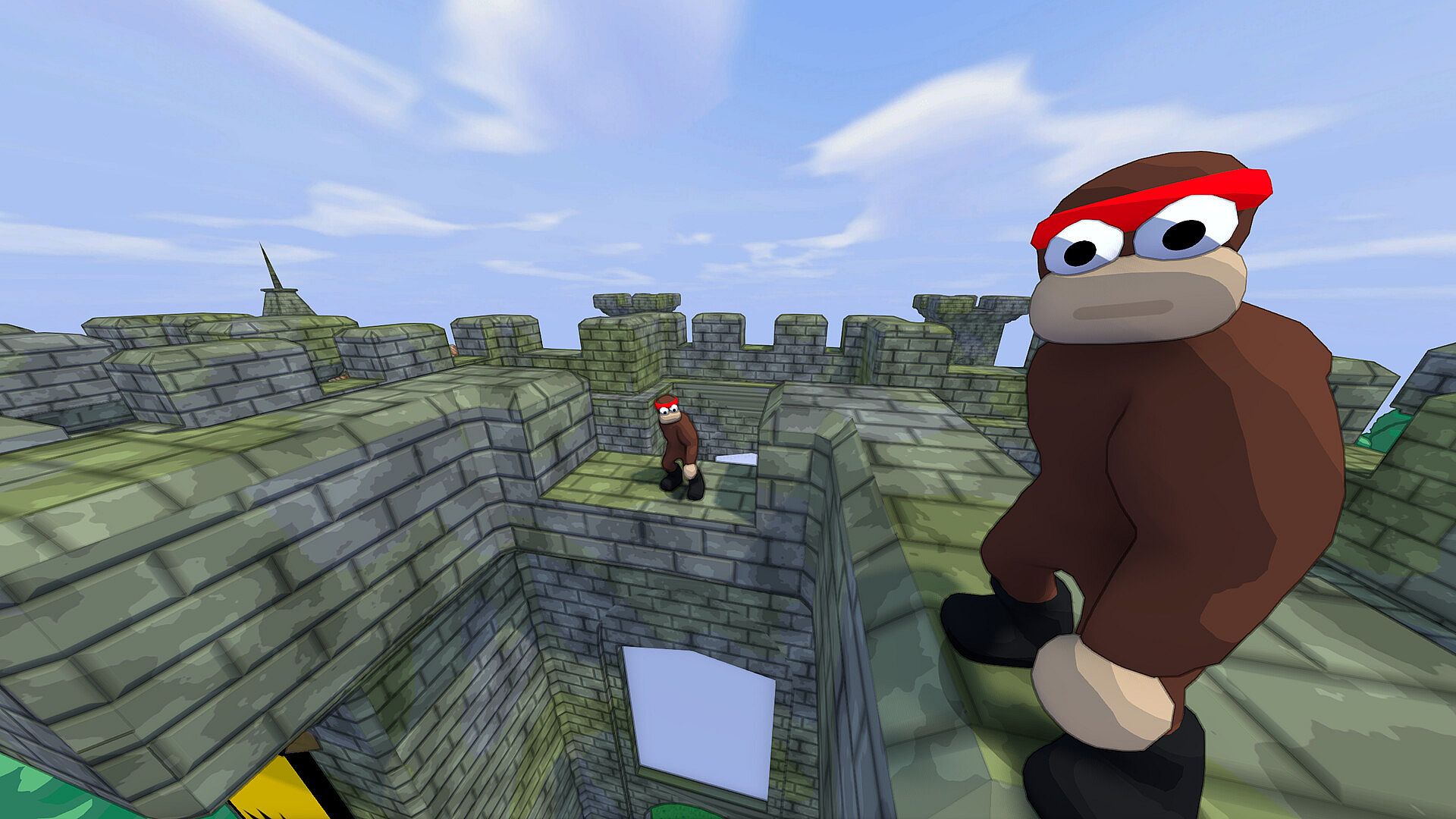
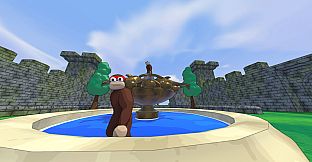
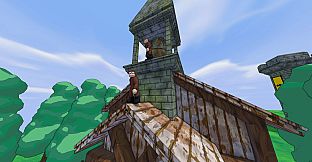
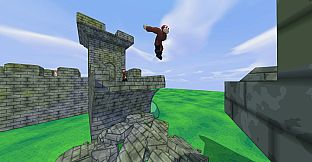
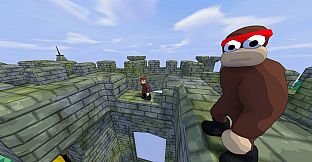
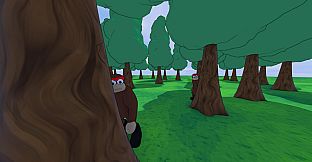
Burg Tag is an action indie game focused on competitive multiplayer tag mechanics on PC. Players divide into hiders and seekers in fast-paced matches centered on movement and powerups. The core loop involves evading capture or hunting down opponents through colorful environments using advanced traversal tools.
Gameplay
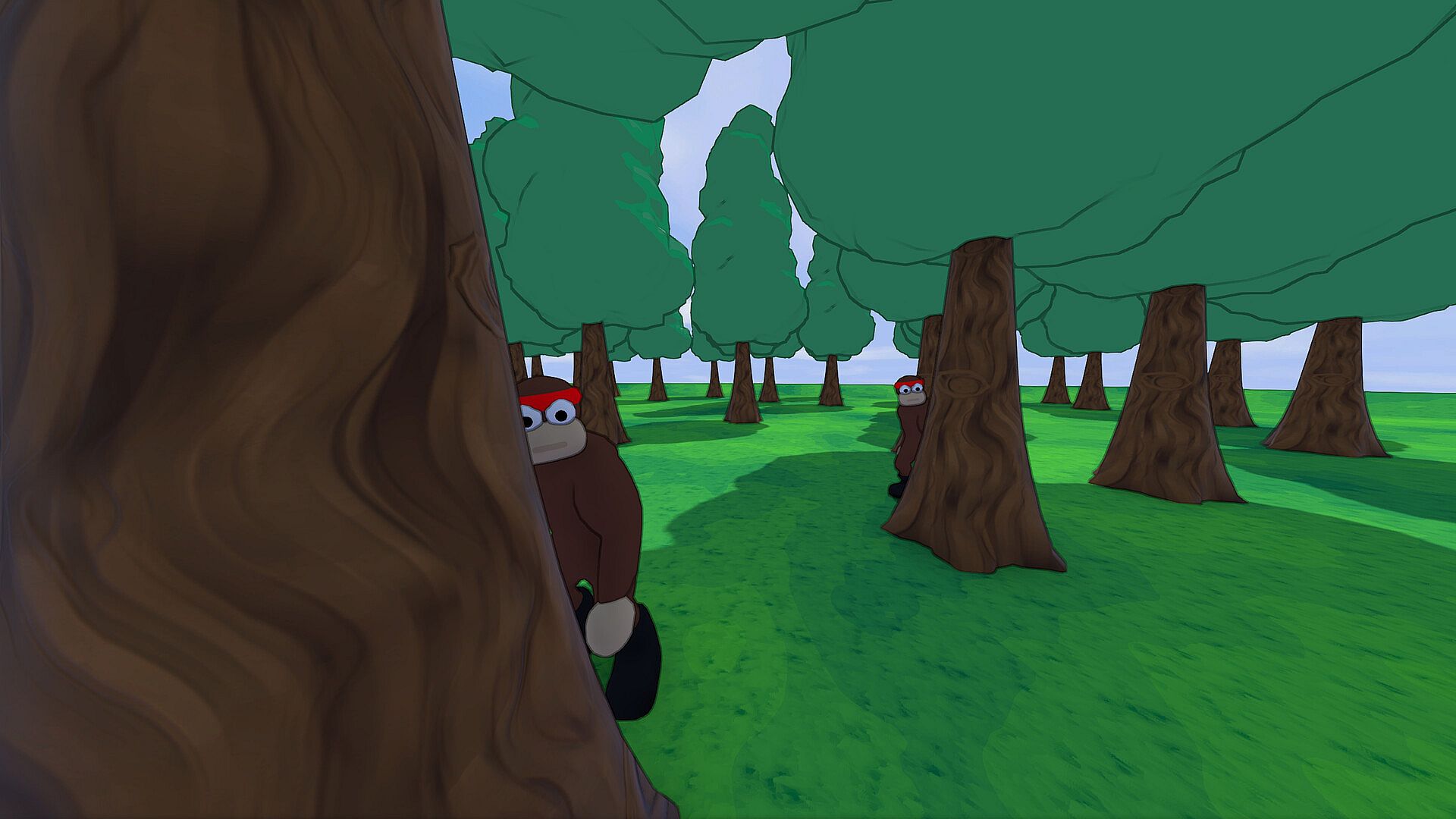
Matches emphasize the chase between two opposing roles. Hiders must decide between staying hidden in a chosen spot or remaining mobile to avoid detection. Seekers receive tools designed to expose hidden players and block paths during pursuits. Both sides draw from separate collections of powerups that enable escapes, interference, or aggressive tracking.
Movement forms the foundation of every encounter. All participants share access to the same set of traversal options, including sliding, wall running, swinging, and rolling. Certain powerups expand these capabilities, allowing players to reach new areas or gain temporary advantages in speed and positioning during close encounters.
Powerups add layers of strategy and disruption. Hiders use theirs primarily for evasion and misdirection, while seekers deploy theirs to create chaos and limit options for the opposing side. This setup keeps rounds dynamic as players adapt their approach based on the current role and available abilities.
Game Modes
The game centers on competitive tag matches that pit hiders against seekers in structured rounds. Each round presents clear objectives tied to the roles, with hiders focusing on survival through positioning and movement while seekers work to locate and tag opponents.
Powerup selection and movement mastery influence how rounds unfold. Players can shift between cautious hiding tactics and aggressive evasion depending on the situation, creating varied pacing within the same core structure. No additional named modes appear in available information, keeping the experience rooted in this hider-seeker dynamic.
Is It Worth Playing?
Burg Tag targets players who enjoy movement-heavy multiplayer experiences and classic tag concepts updated with modern abilities. The emphasis on shared traversal tools and role-specific powerups offers clear distinction between hiding and seeking playstyles.
With a planned release in October 2026 and no user reviews available yet, reception remains unknown. The game is positioned as a free-to-play title from the developer of a prior similar project, which may appeal to fans of fast-paced indie action games on PC. Those interested in skill-based chases and powerup experimentation will find the described systems align directly with that preference.
Movement and Strategy
Mastering the movement system rewards precise timing and map awareness. Wall runs and swings enable vertical exploration, while slides and rolls help maintain momentum during pursuits or escapes. Powerups that unlock extra movement options can turn tight situations into opportunities for outmaneuvering opponents.
Strategy emerges from the interplay between roles and abilities. Hiders balance risk by choosing when to commit to a hiding spot versus continuing to move, and seekers must coordinate their tools to flush out targets without allowing easy escapes. This combination keeps individual rounds engaging through constant decision-making.