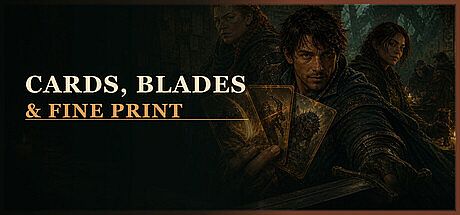


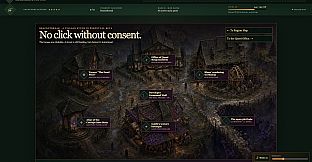
Cards, Blades & Fine Print is a single-player strategy RPG that blends turn-based card combat with exploration and case-solving in a woodland setting. Players control a hero who arrives in Oakford after a filing mishap and builds a fighting style through a compact action deck while pursuing heroic deeds that stay on record.
Gameplay
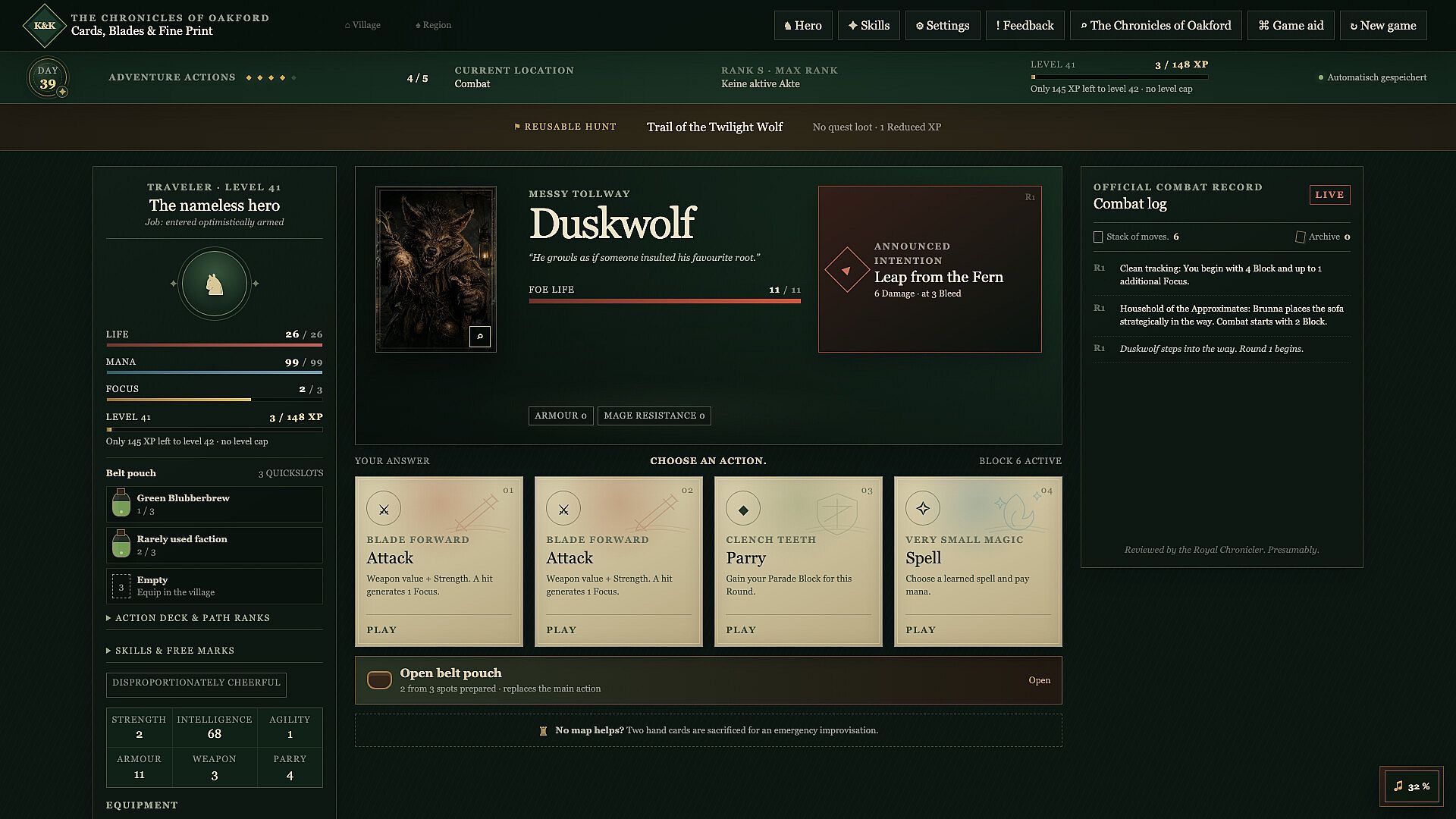
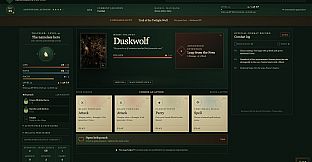
The core loop centers on reading enemy intentions during battles and responding with combinations of attacks, parries, techniques, and spells drawn from a personal deck. Combat remains turn-based and features clear telegraphing of opponent moves, allowing for deliberate planning rather than reaction alone. Between fights the game shifts to region exploration, equipment upgrades through alchemy and smithing, and home improvements that support ongoing progress.
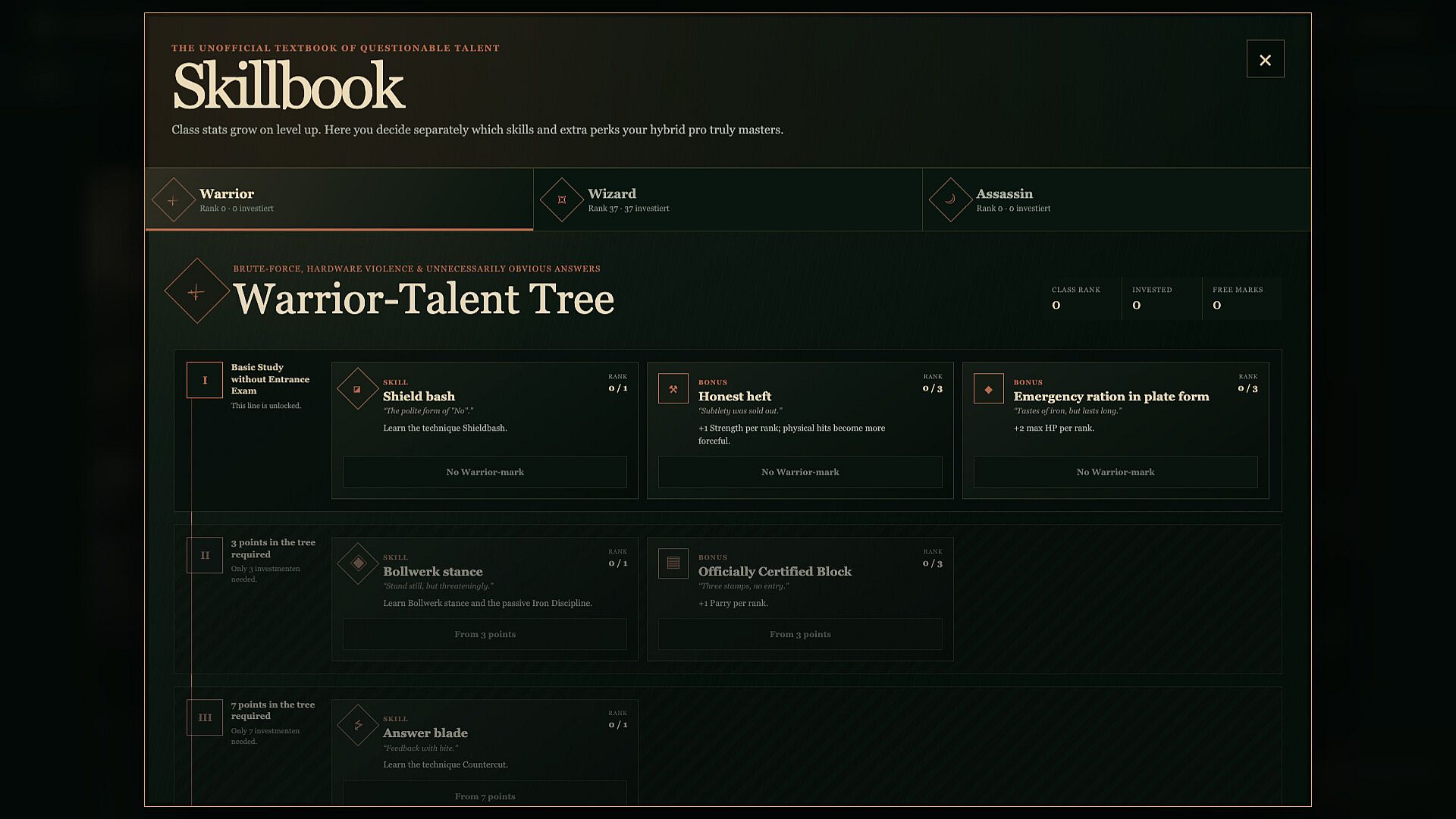
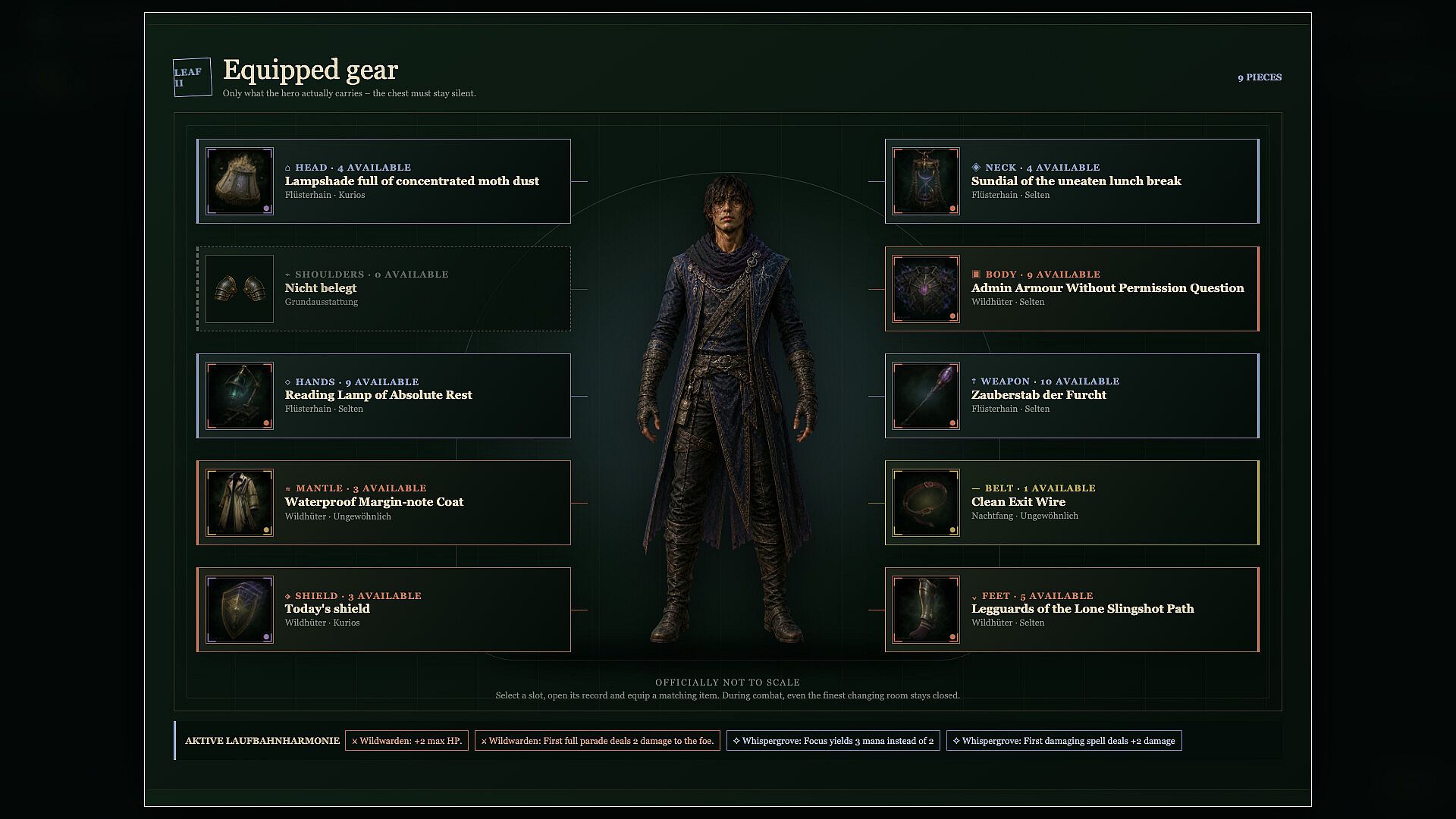
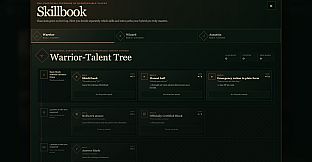
Character development occurs across three paths: Warrior, Mage, and Assassin. These paths mix freely, so hybrid builds emerge naturally from talent choices without strict class locks. Loot stays persistent across sessions, and upgrades, potions, and set bonuses carry forward even after defeats. Players retreat, prepare better tools, and return rather than lose all advancement.
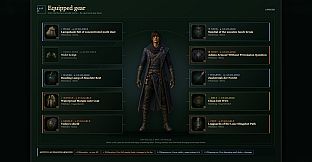
Equipment collection reaches 583 unique items, each with dedicated artwork. Alchemy and smithy systems let players refine gear and create potions that alter combat options. A hero's home serves as a base for these activities and for reviewing collected mission sets.
Game Modes
Progress unfolds through 26 main cases that form the primary narrative thread. These cases break into multiple parts and often require investigation across regions. Repeatable hunts and tavern adventures provide additional combat-focused tasks, while special assignments introduce varied objectives that test different aspects of the deck and build.
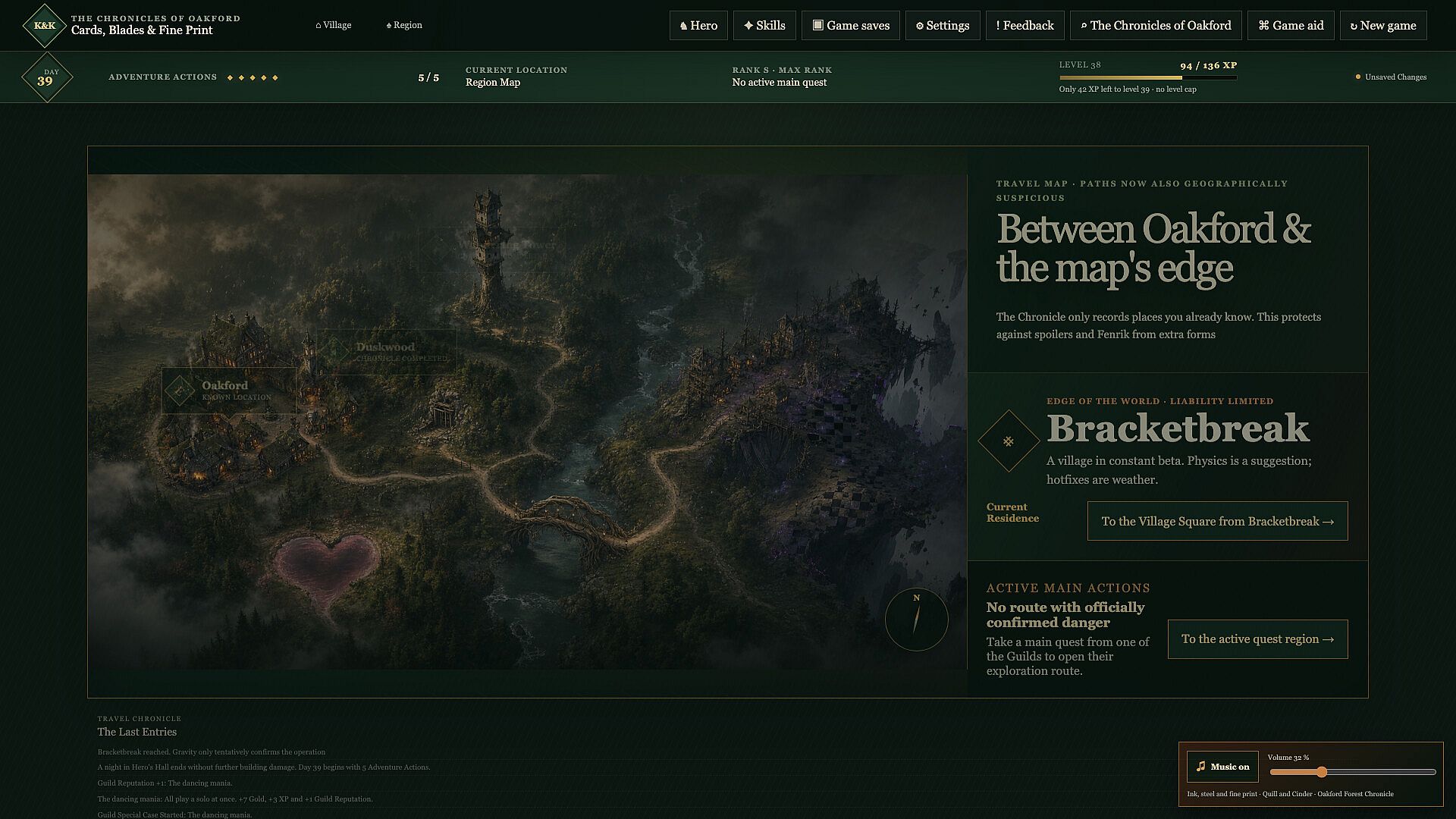
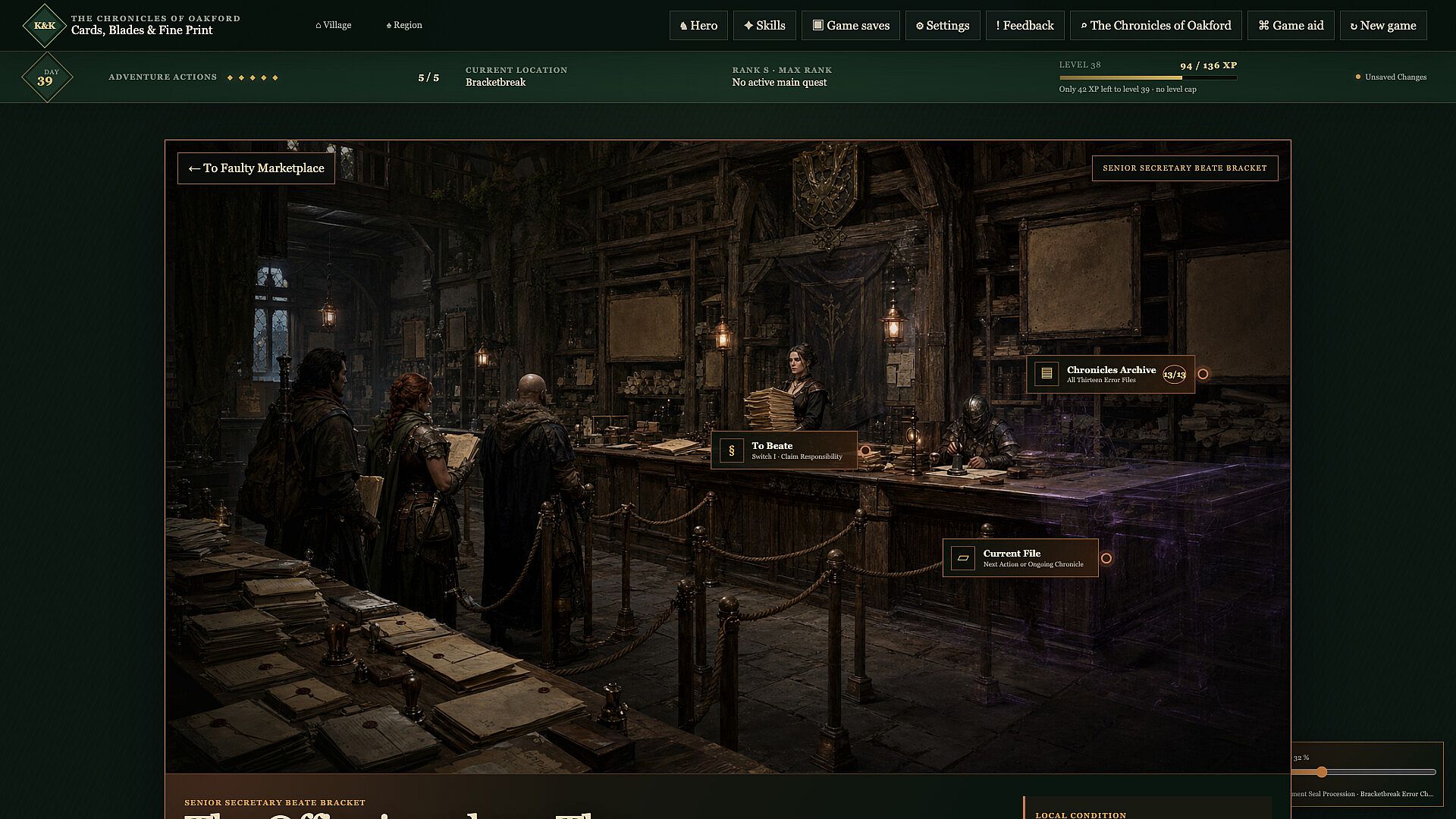
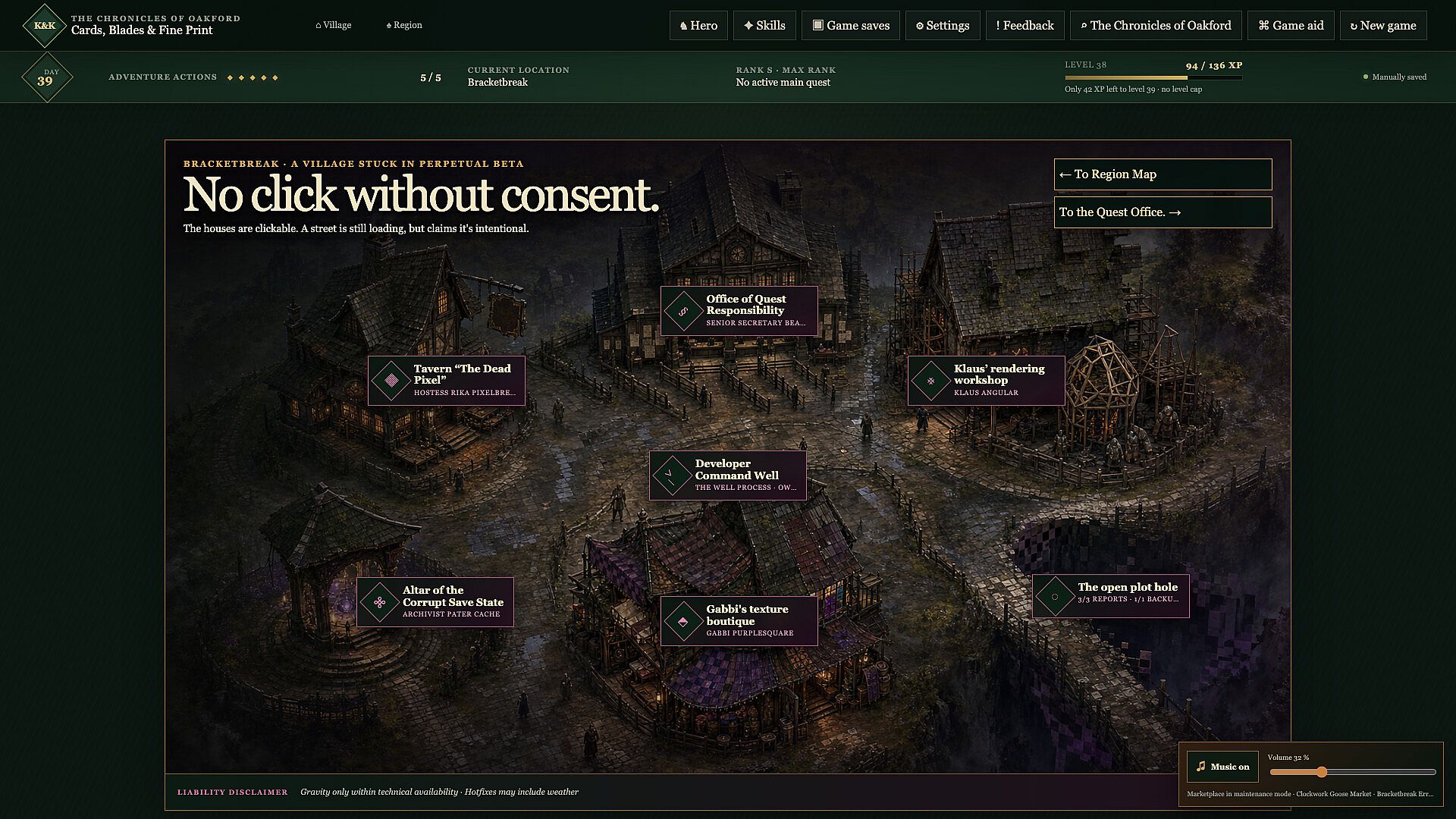
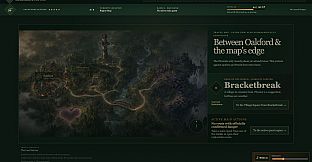
Exploration covers two major villages, several surrounding regions, a deep dungeon, and an endgame area called Bracketbreak. The latter features broken textures, stubborn hitboxes, and authorities who have misplaced quest markers, leading to a concluding chronicle that blurs the line between game and player.
Three difficulty variants adjust challenge without changing rewards, so players can select the level that matches their preference while retaining the same loot and progression. Autosave runs continuously alongside three manual save slots and a local backup option.
Exploration and Progression
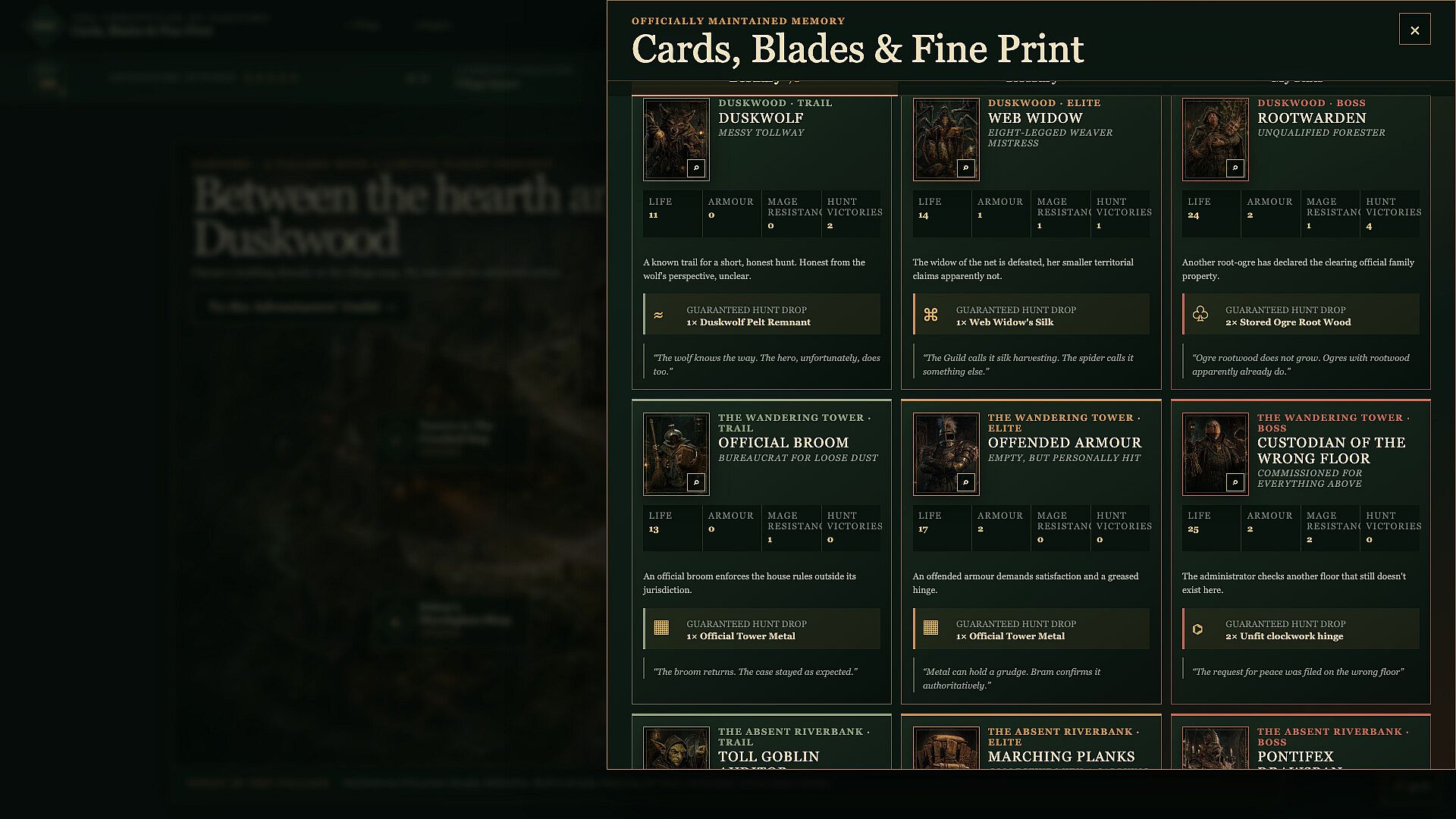
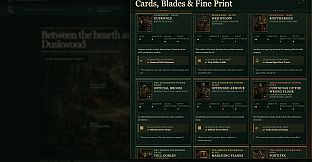
Outside combat, players resolve multi-part cases, accept questionable jobs, and expand their capabilities through equipment profiles and set bonuses. The set archive holds 60 collectible mission, dungeon, and story sets that unlock further content. One hundred seventy distinct enemies appear with individual artwork, stats, and job titles that reflect the game's bureaucratic tone.
Controller support works with standard gamepads in addition to mouse and keyboard controls. The game runs fully in both German and English without requiring accounts, advertising, purchases, or telemetry. Demo progress transfers directly into the full version.
Is It Worth Playing?
The game suits players who enjoy deliberate card combat paired with steady exploration and light RPG progression. Its structure rewards experimentation with hybrid builds and repeated returns to earlier areas with improved gear. Persistent systems and multiple save options reduce frustration from setbacks, while unchanged rewards across difficulties keep focus on personal challenge rather than grinding for better loot.
Support for both keyboard and controller plus full localization in two languages broadens accessibility. The absence of external accounts or monetization keeps the experience contained to the single-player campaign. Those who prefer compact decks with visible enemy plans and a mix of story cases and repeatable tasks will find consistent depth across the main narrative and side activities.