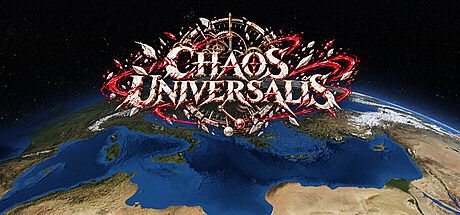



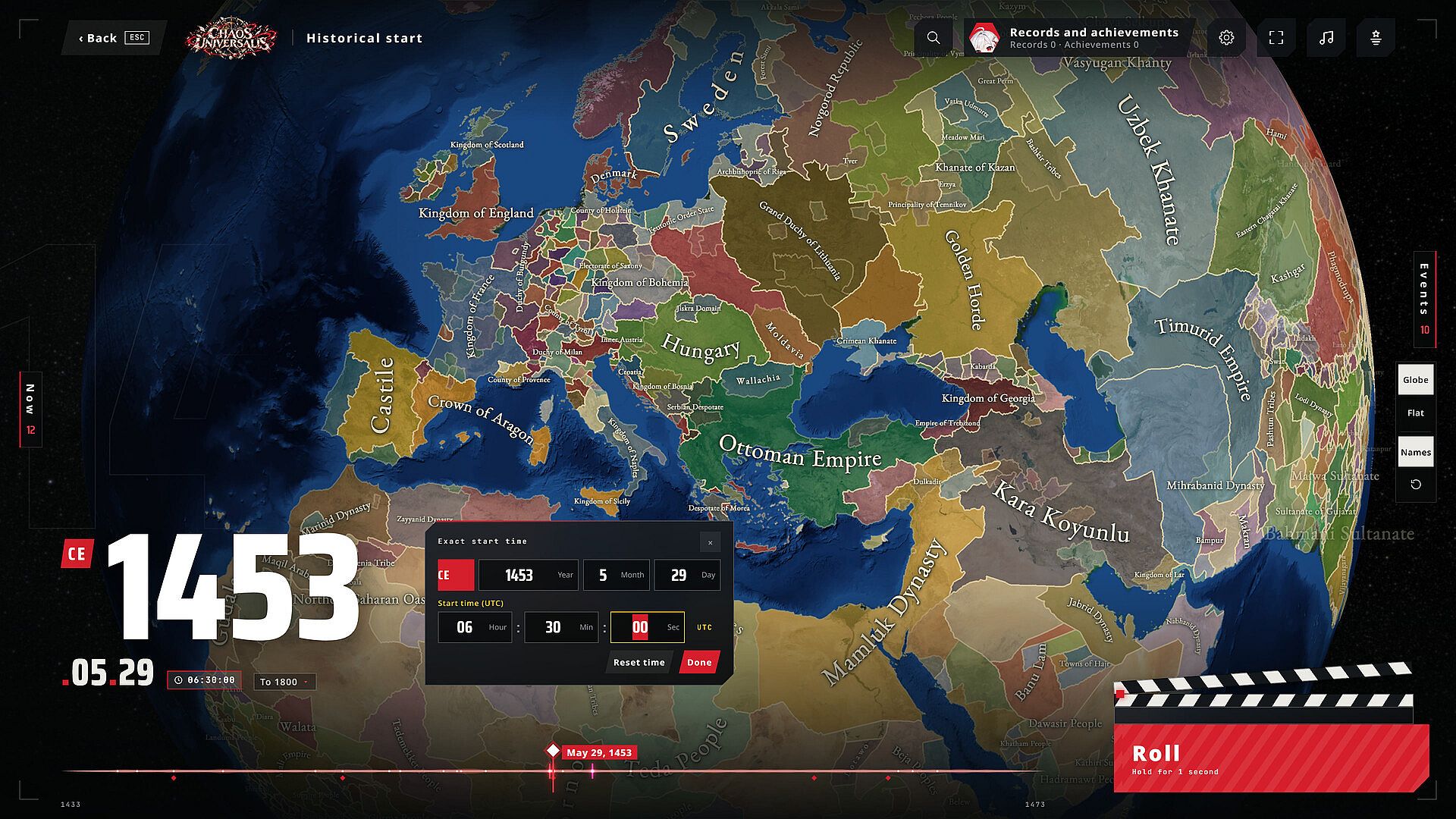




Chaos Universalis is a grand strategy sandbox simulation set on a detailed 3D model of Earth. Players direct events across a timeline spanning roughly 8700 BC to AD 1800, directing nations, individuals, or other entities through natural language commands that an AI companion named Baibai interprets and resolves.
Gameplay
The core loop centers on issuing instructions in plain language and observing the resulting changes to the world. A player might direct a march to war, the forging of an alliance, a political reform, or an expedition across oceans. Baibai processes reactions from all involved parties, updates territorial control, and records outcomes in a historical ledger. Time advances in flexible increments chosen by the player, from a few days to multiple years, keeping focus on narrative decisions rather than constant number management.
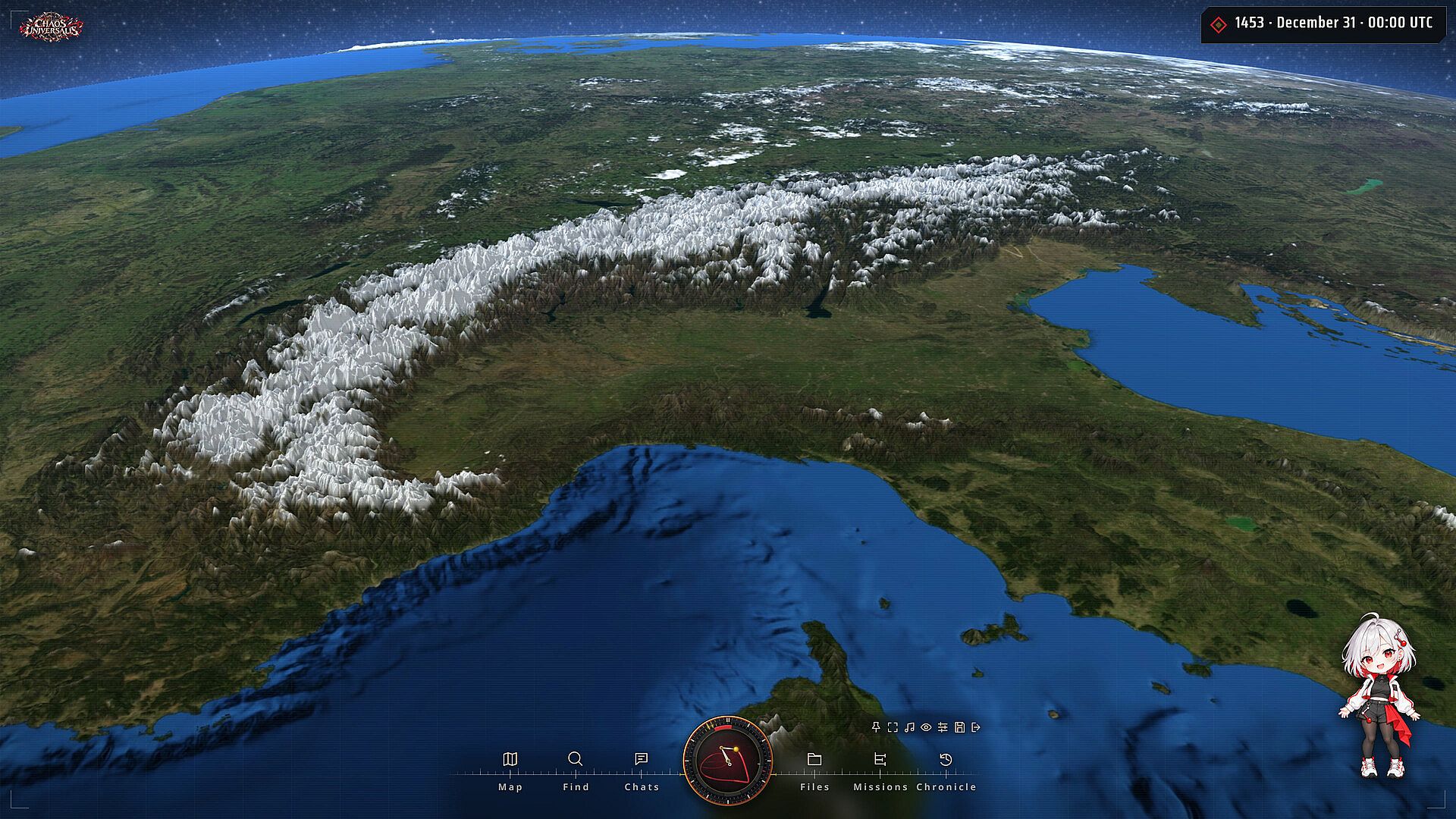
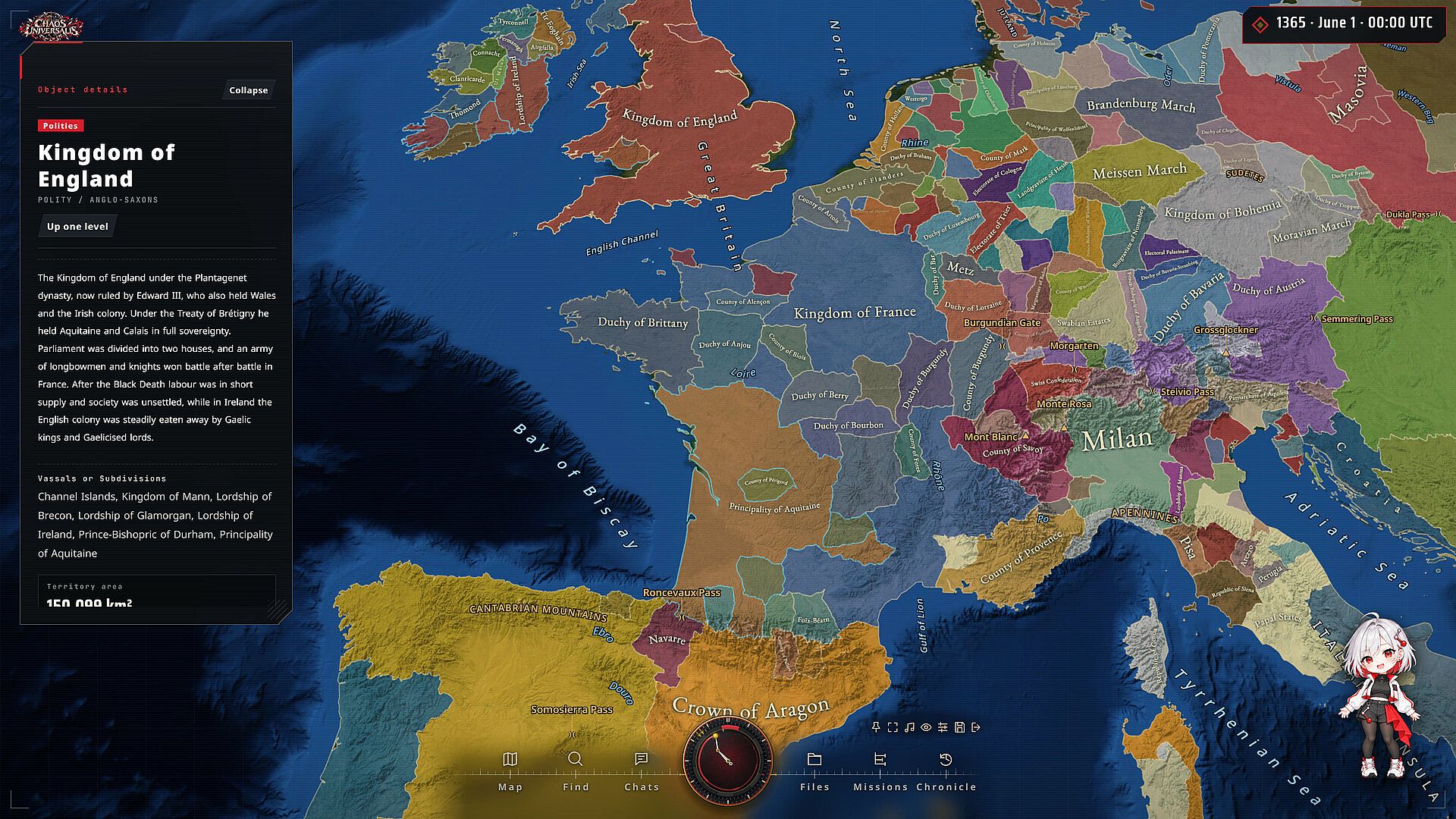
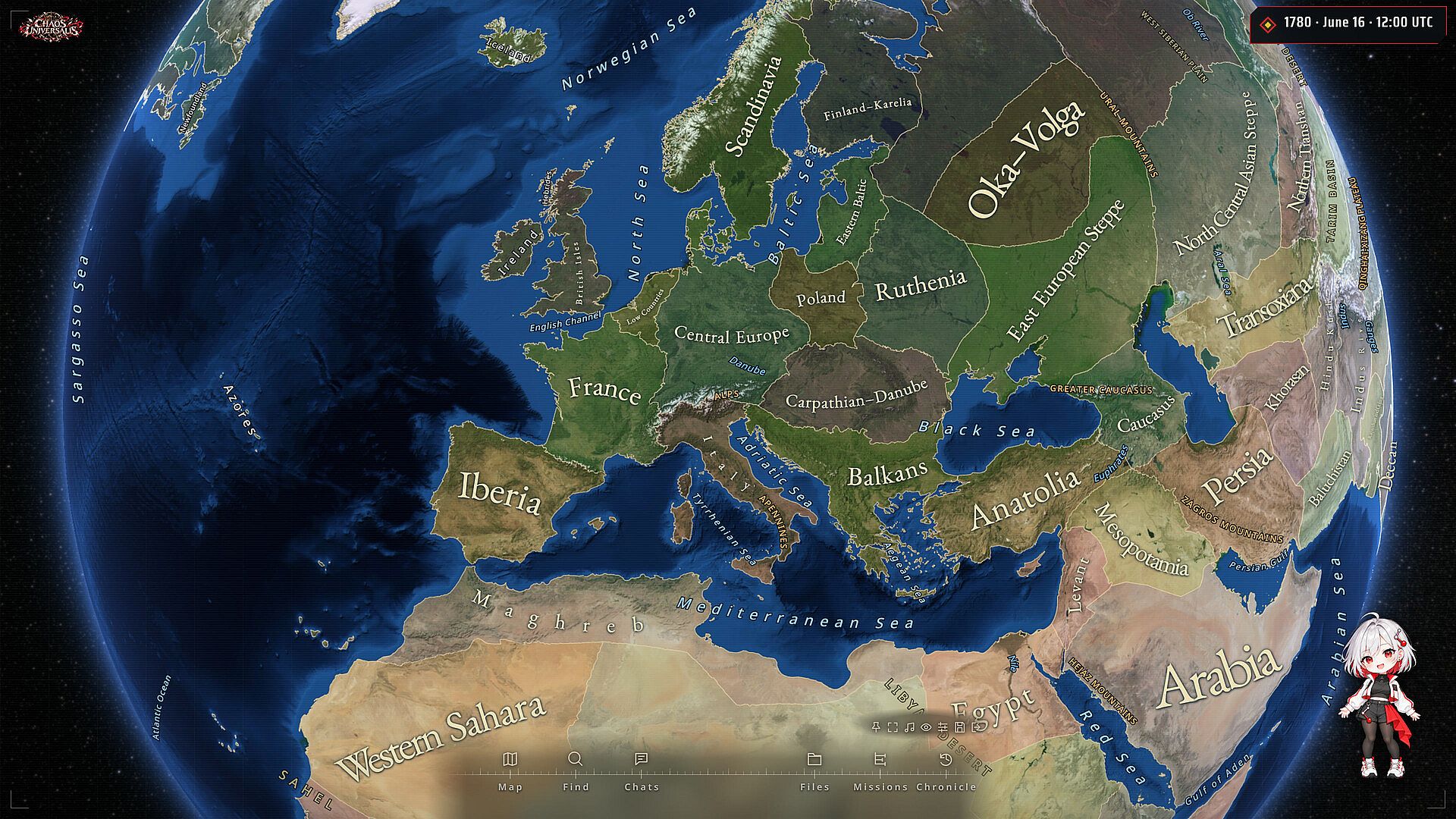
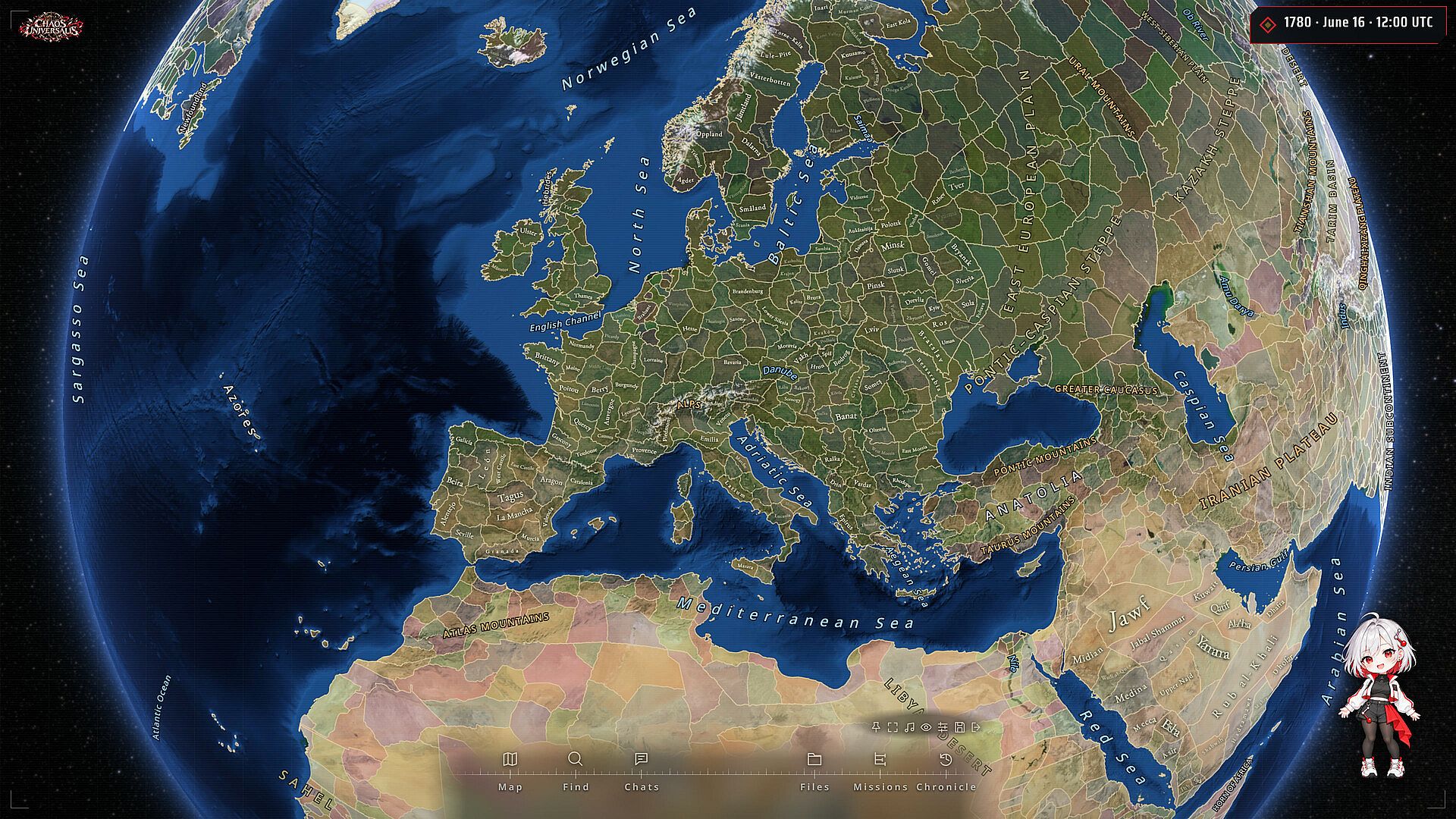
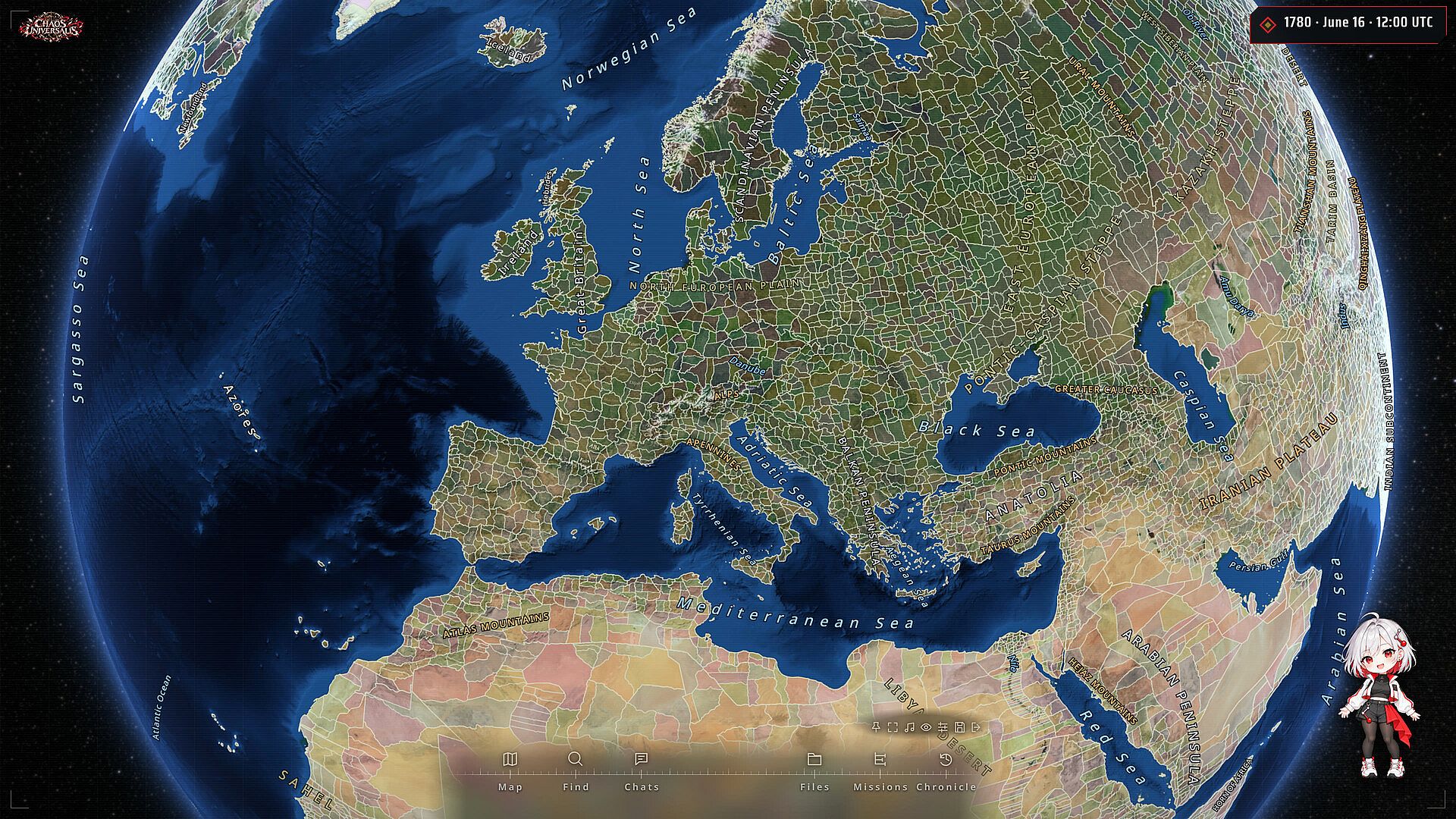
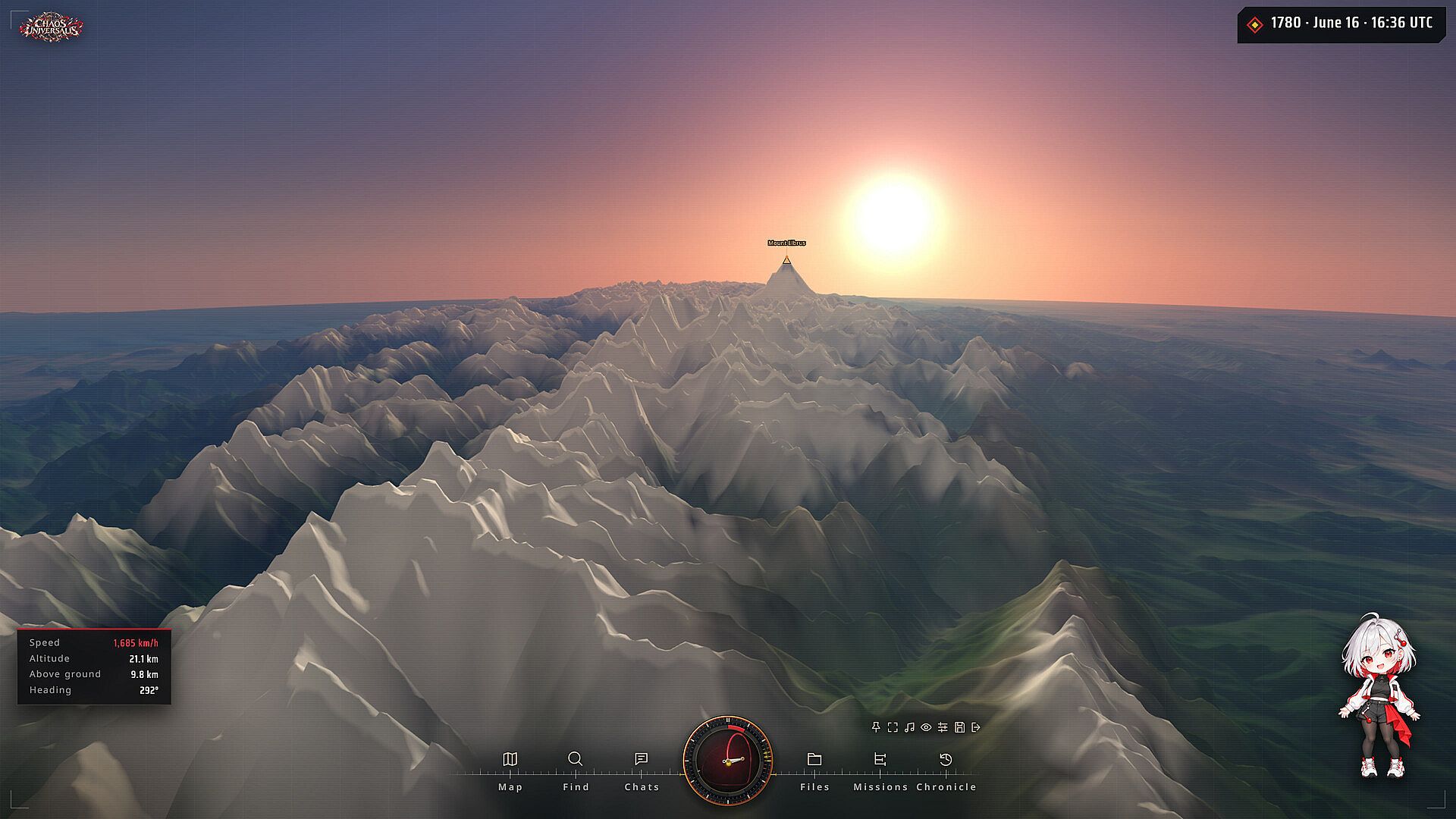
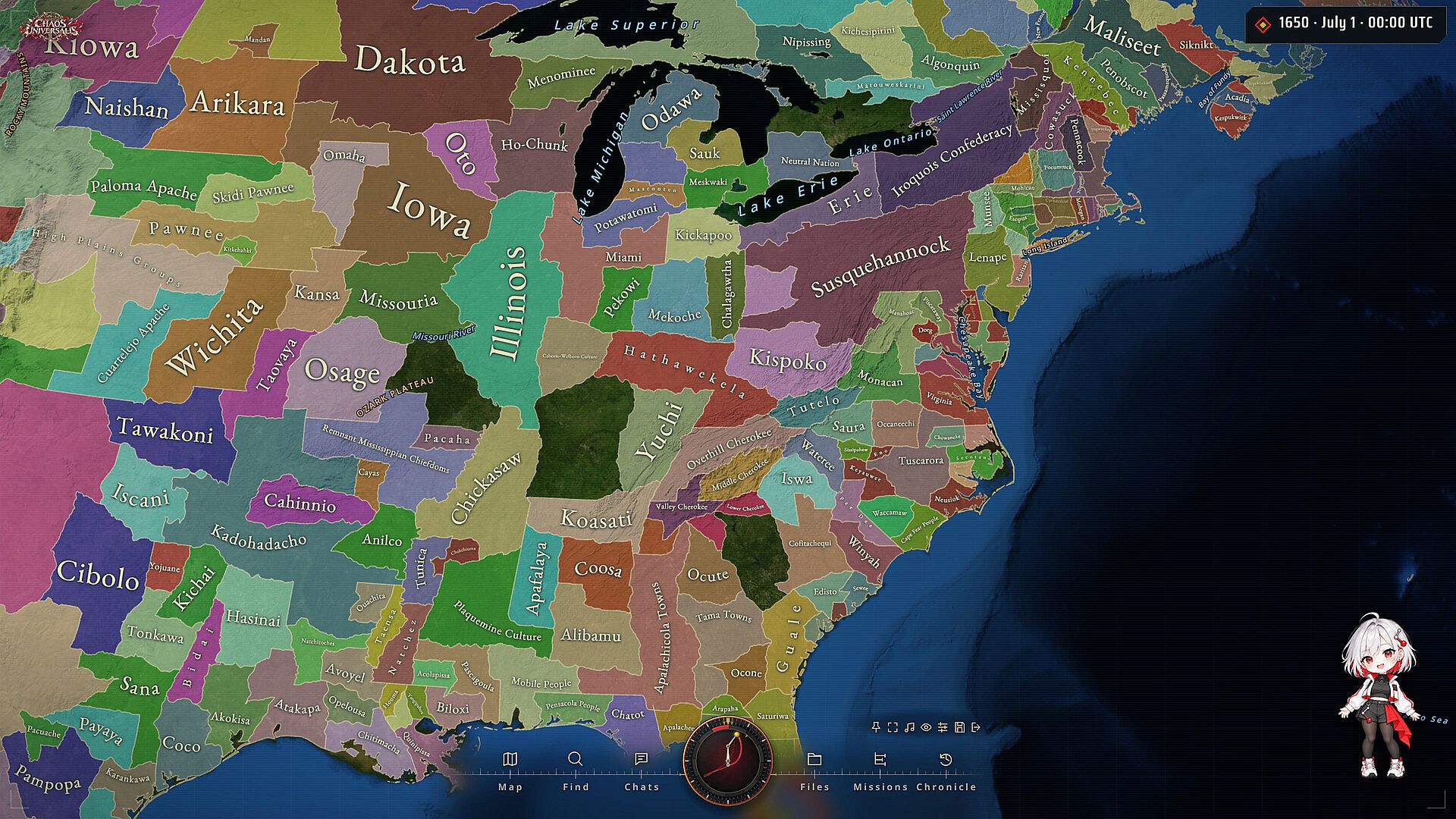
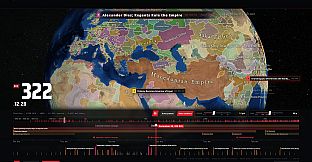
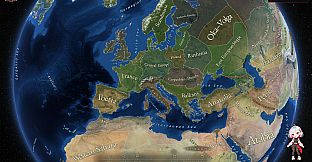
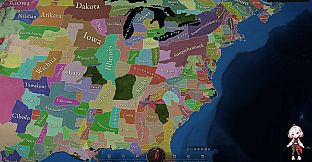
The map supports layered information. Polities, occupations, titles, and religions can overlay the same territories. Hand-drawn districts total more than 20,000 across 131 macroregions, with native nations and vassal relationships shown clearly. Real elevation data powers the globe, which includes five camera perspectives and an aircraft view for close inspection of terrain features such as the Alps. Nearly 1,400 named locations allow instant camera travel. Seasonal color shifts on land and accurate celestial movement tied to the in-game date and hour add environmental detail.
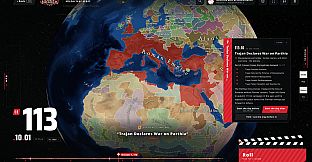
Campaigns generate biographies that include sourced historical context. An AI archivist evaluates progress against 271 situation-based achievements displayed on a star map. Mission trees number 772 and track both historical paths and alternate outcomes, recording exact dates of completion for comparison with real events.
Game Modes
The primary experience is a single-player sandbox where any starting date within the supported range serves as the entry point. Players may copy a world state at any moment to create an independent branch for parallel exploration. Mod support allows replacement of maps, historical data, mission trees, interfaces, and music through simple folder drops. One included campaign, When the Stars Come Right · 1926, provides a complete Cthulhu investigator scenario ready for play or further modification.
External simulations can connect at key moments, with results written back into the shared world state. This design supports varied play styles without predefined competitive or cooperative modes beyond the core AI-directed sandbox.
World Building and Customization
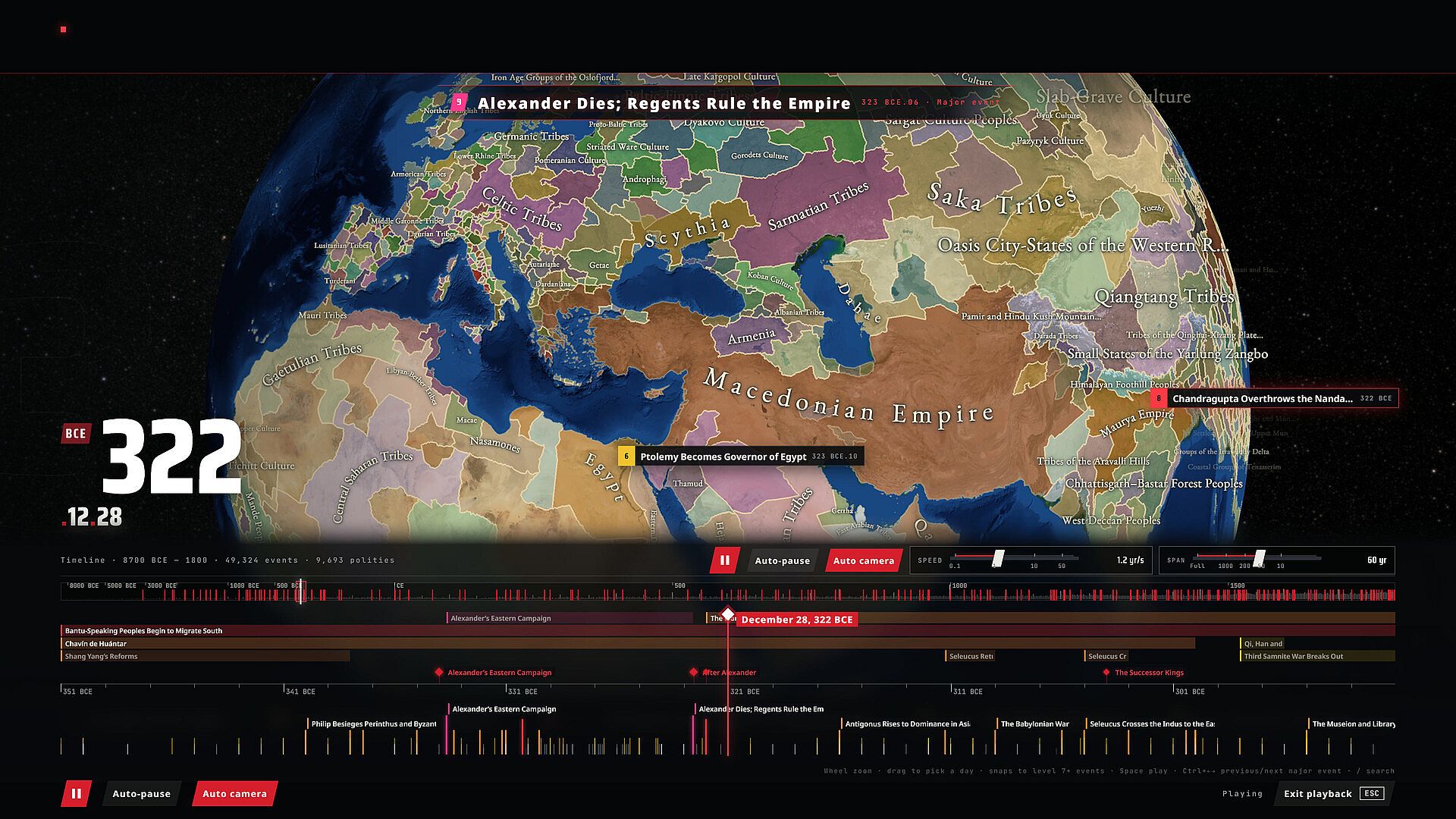
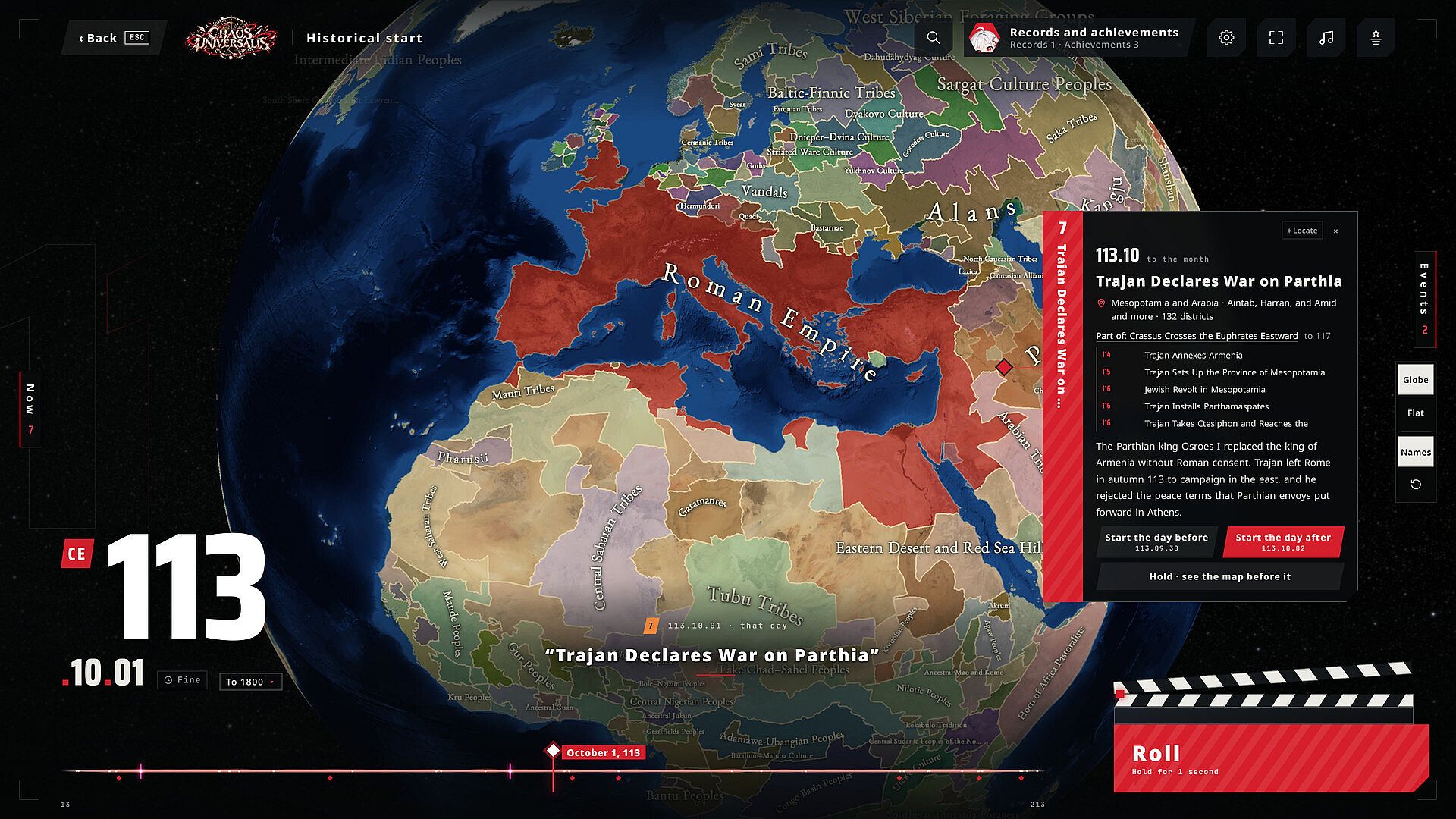
Every territorial change across the full historical span remains accessible through a draggable timeline. The system records suzerain and vassal links at a glance while permitting stacked identities on individual districts. Sky and land visuals respond to the calendar, and an optimized globe doubles as a reference for geography. Gamepad and touch controls are supported with full rebinding options. Briefings and dashboards generated by Baibai adapt to the current situation, and music shifts accordingly.
Is It Worth Playing?
Chaos Universalis targets players who prefer narrative freedom and historical what-if scenarios over traditional grand strategy mechanics heavy on spreadsheets. Its AI-driven resolution and modding tools offer replayability through branching timelines and custom content. The game remains in development with a planned release in December 2026 and currently lists no user reviews. Those drawn to detailed globe-based strategy, flexible time progression, and creative direction of events will find the described systems align closely with that interest. Availability on PC through Steam will determine final access once launched.