


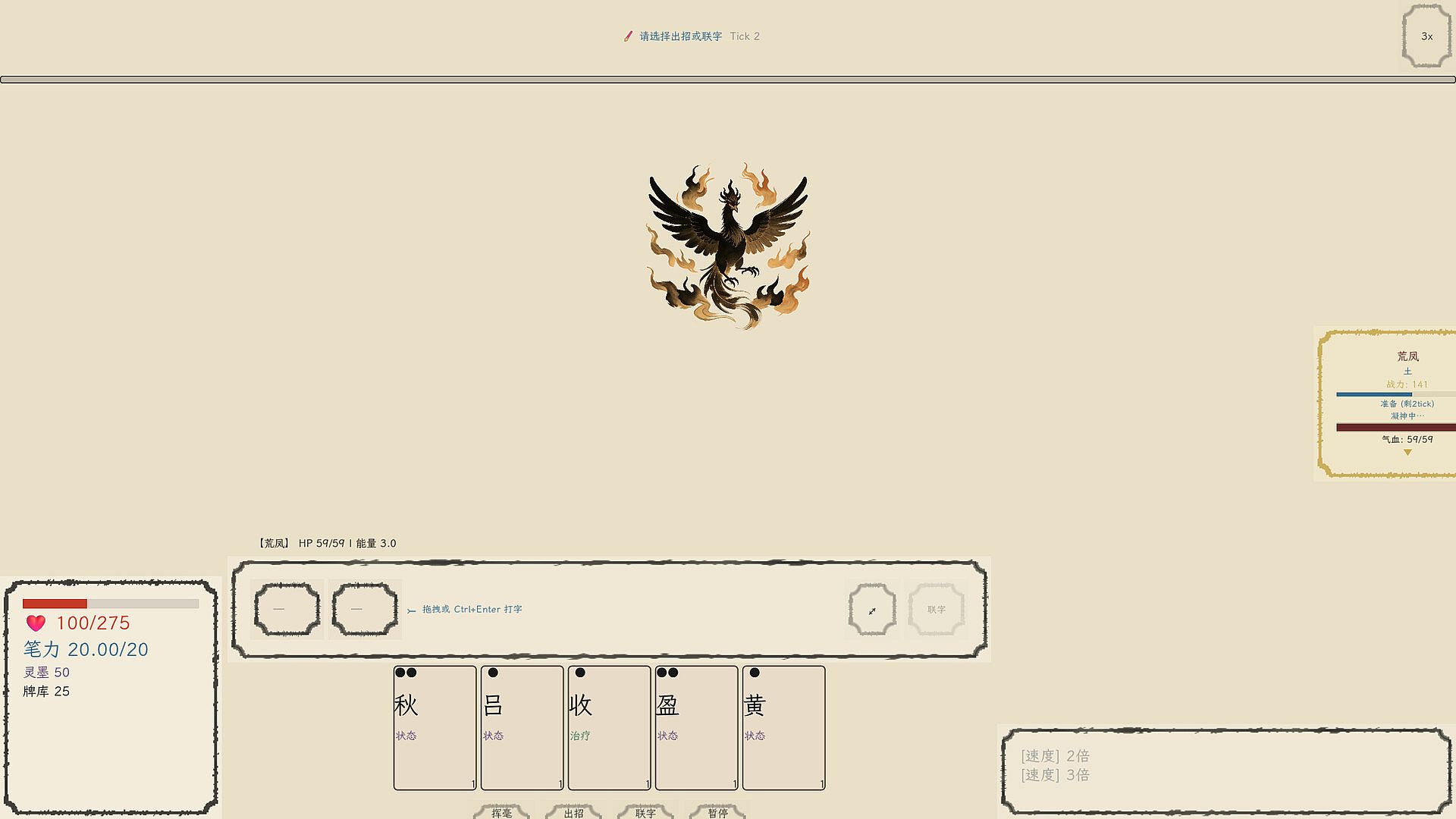
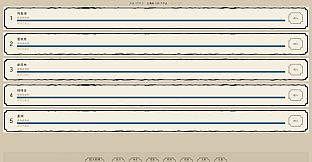
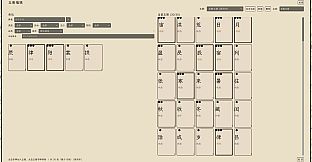
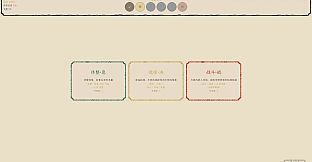
Character Abyss is an indie casual turn-based card roguelike for PC in which Chinese characters serve as the core cards in a deck-building system. Players select a class and enter a procedurally generated Abyss filled with branching paths, enemy encounters, and events. The experience centers on combat that draws directly from the linguistic meanings of individual characters, with deck construction happening through synthesis during or before fights.
Gameplay
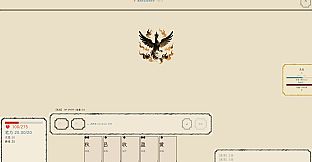
The core loop involves descending through the Abyss while managing a deck of character cards. Each card carries an effect tied to its meaning, and players combine resources to maintain pressure across turns. Synthesis forms the heart of strategy, letting two characters merge into a new card with a distinct ability, such as pairing elements to create powerful combined effects. Combat stays strictly turn-based, requiring careful resource allocation and timing of card plays to overcome spirit-characters that appear as opponents.
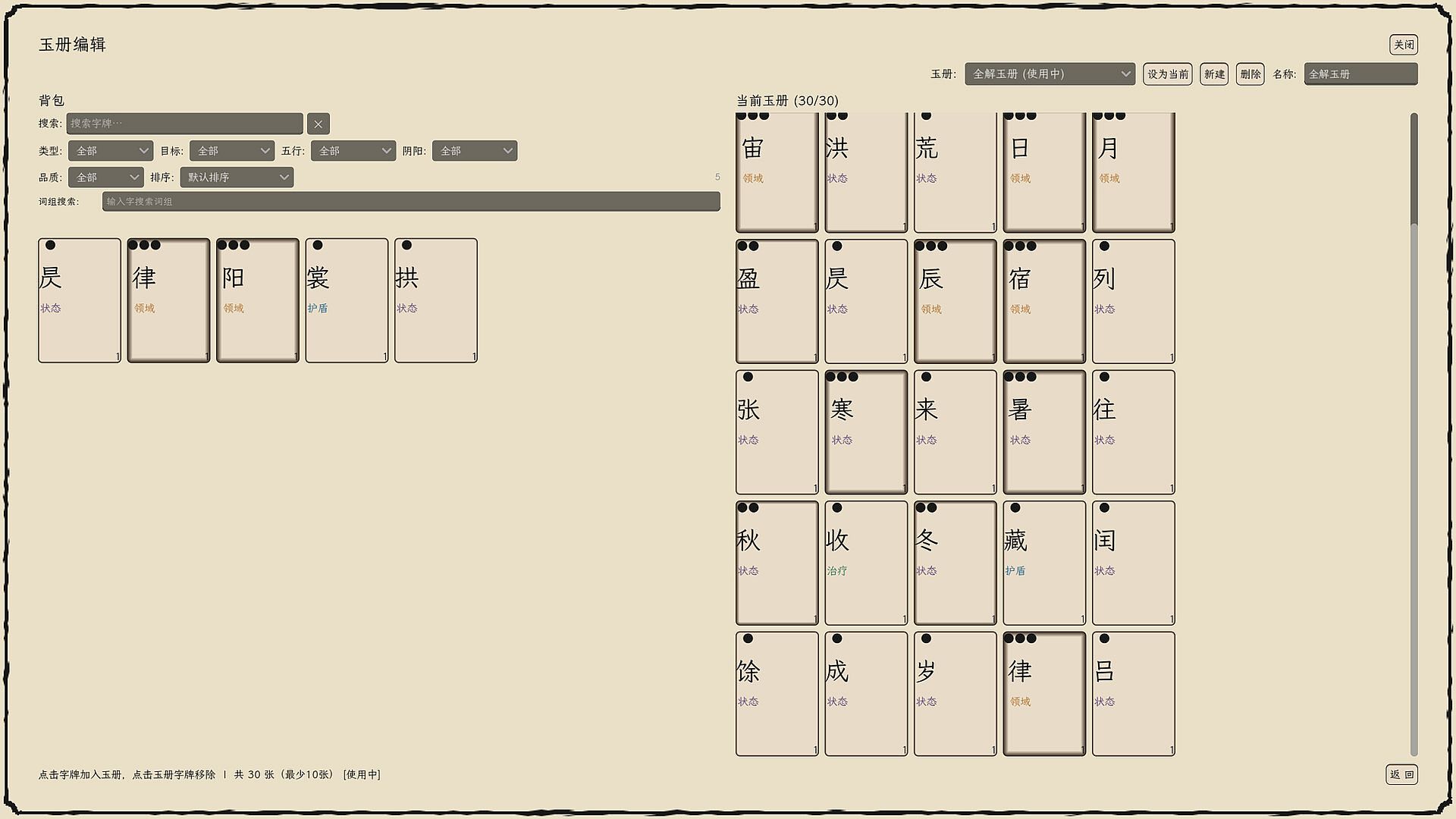
Two distinct classes shape how synthesis and deck management unfold. The Scholar performs combinations on the fly during active combat, adapting the deck in response to immediate threats. The Talismanist instead prepares powerful talismans ahead of encounters, emphasizing planning and pre-combat setup. Both approaches reward understanding the underlying meanings of characters to create synergistic builds that carry forward across attempts.
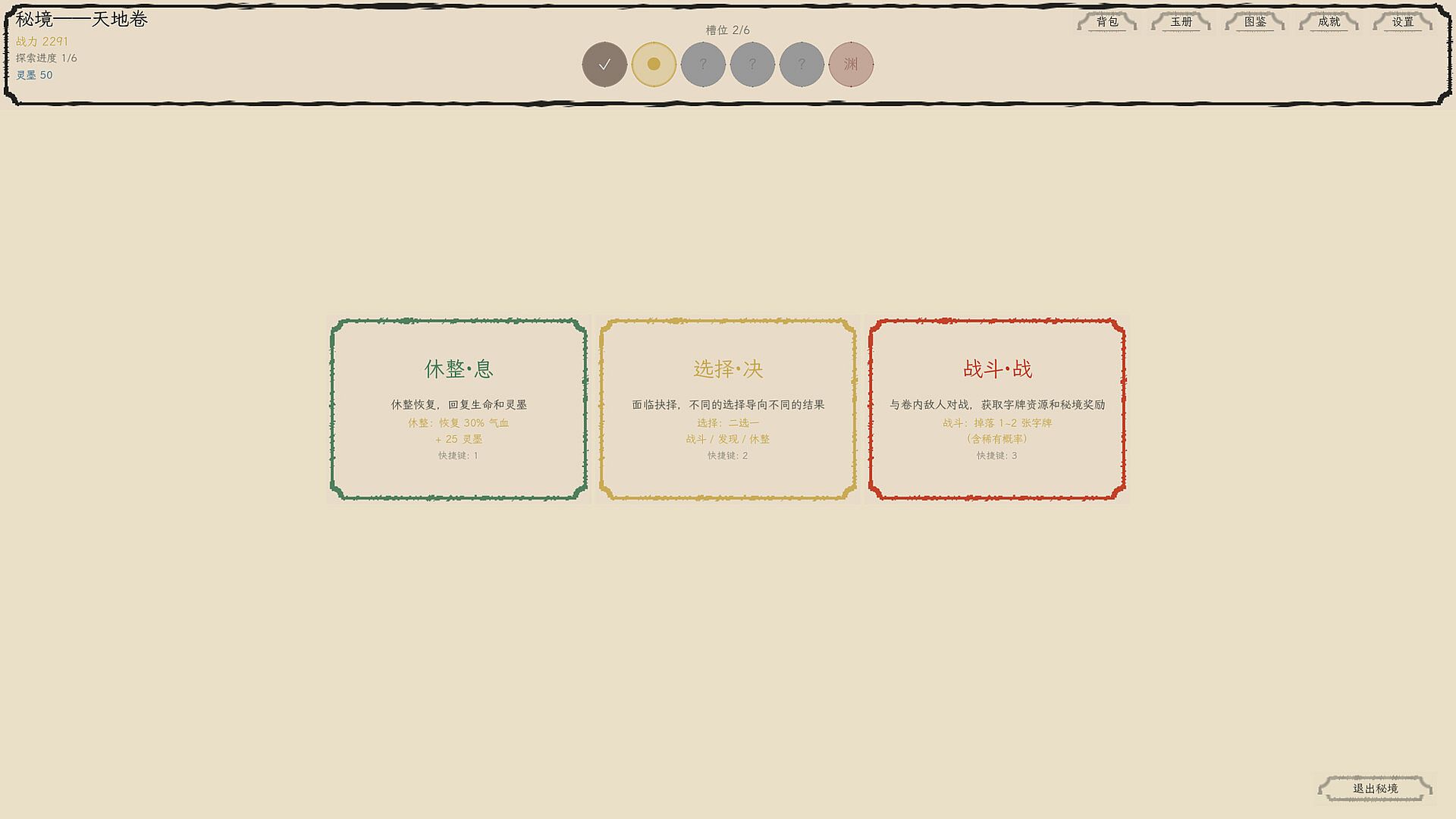
Procedural generation ensures each descent presents fresh layouts, enemy placements, and event opportunities. Branching paths allow players to choose routes that favor certain encounters or rewards. Death ends the current run but preserves unlocked characters and meta-progression elements, encouraging repeated attempts to expand the available card pool and workshop options.
Game Modes
The primary structure revolves around roguelike runs through the Abyss. Each attempt features randomly assembled maps with multiple paths, combat encounters against spirit-characters, and occasional events that can alter the run trajectory. Players build and refine decks on the fly or through preparation depending on the chosen class.
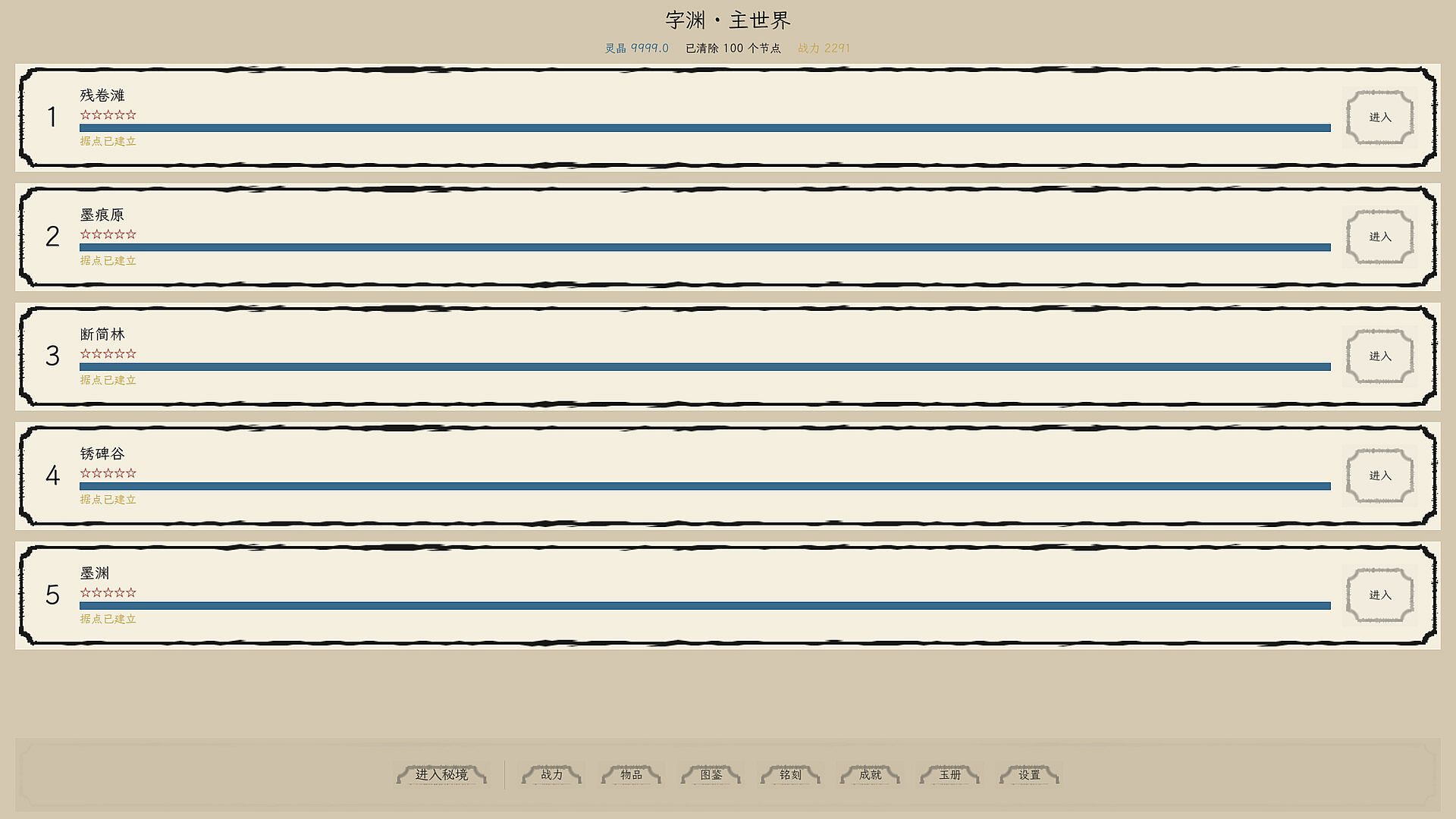
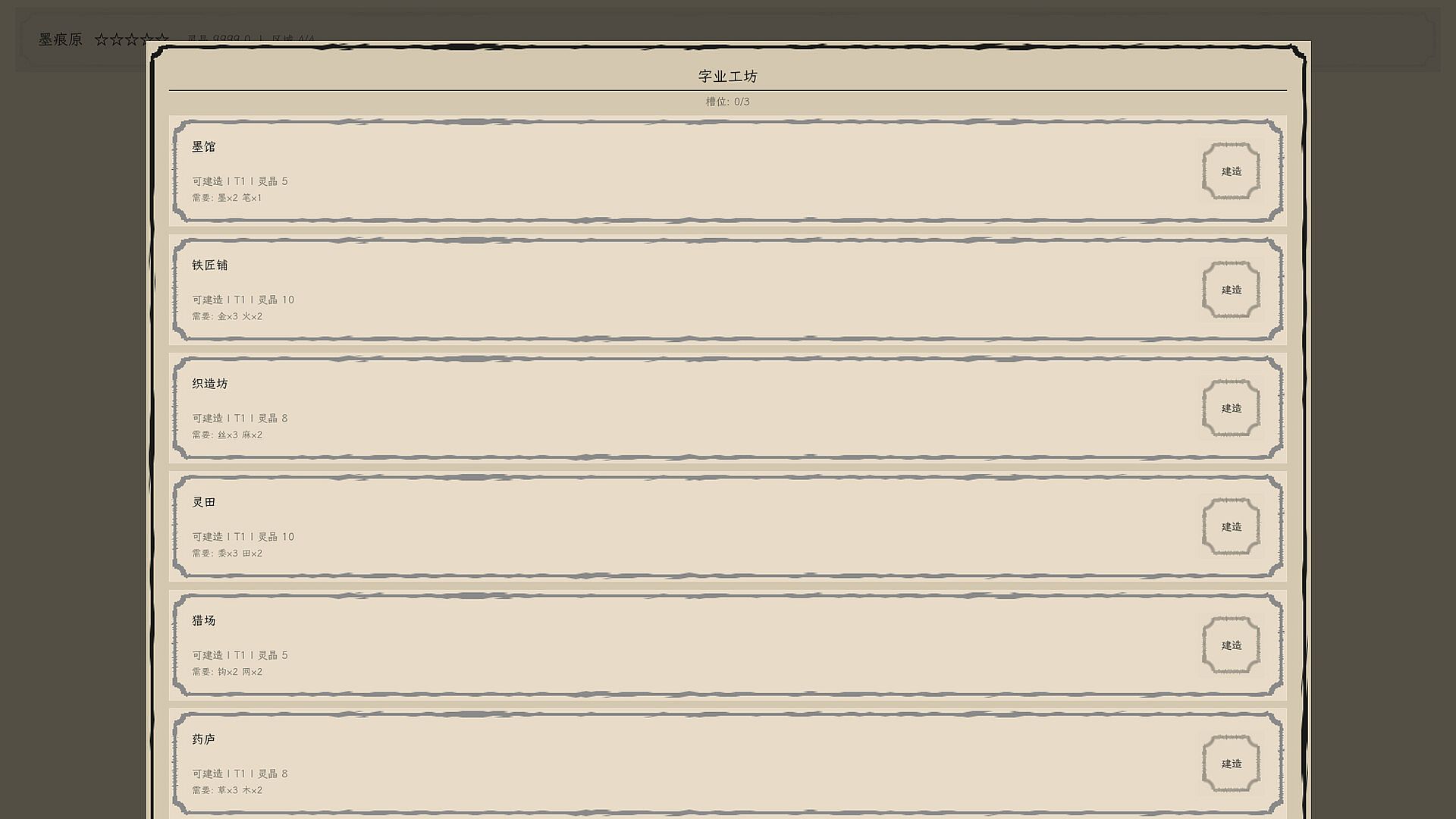
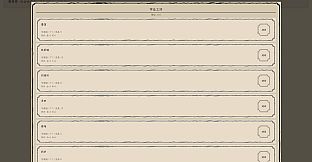
Meta-progression elements operate outside individual runs. Unlocked characters and synthesized cards carry over, while the Stronghold provides workshops for further customization. A codex tracks collected characters and combinations, serving as a reference for future builds. Cross-run unlocks expand the starting options and available synthesis possibilities, gradually deepening the strategic layers available on subsequent descents.
Classes and Deck Building
Class choice determines the rhythm of play. Scholar players focus on reactive synthesis, turning combat into a dynamic process of creating new cards mid-fight to counter specific threats. Talismanist players invest time upfront in crafting talismans that deliver strong, pre-planned advantages once combat begins. Both styles draw from the same pool of character meanings but reward different planning horizons.
Deck construction emphasizes meaningful combinations rather than raw power. Pairing characters produces cards whose effects reflect the combined concept, opening creative avenues for resource management and tactical responses. The system encourages experimentation across multiple runs as new characters become available through meta-progression.
Is It Worth Playing?
Character Abyss suits players who enjoy turn-based card games with roguelike structure and linguistic themes. The synthesis mechanic and class differences provide clear strategic variety, while meta-progression offers steady advancement without requiring constant restarts from zero. Those drawn to procedural exploration, deck experimentation, and incremental unlocks will find a focused experience built around its core card system. The indie casual presentation keeps sessions accessible for shorter play periods while supporting deeper engagement through repeated runs.