






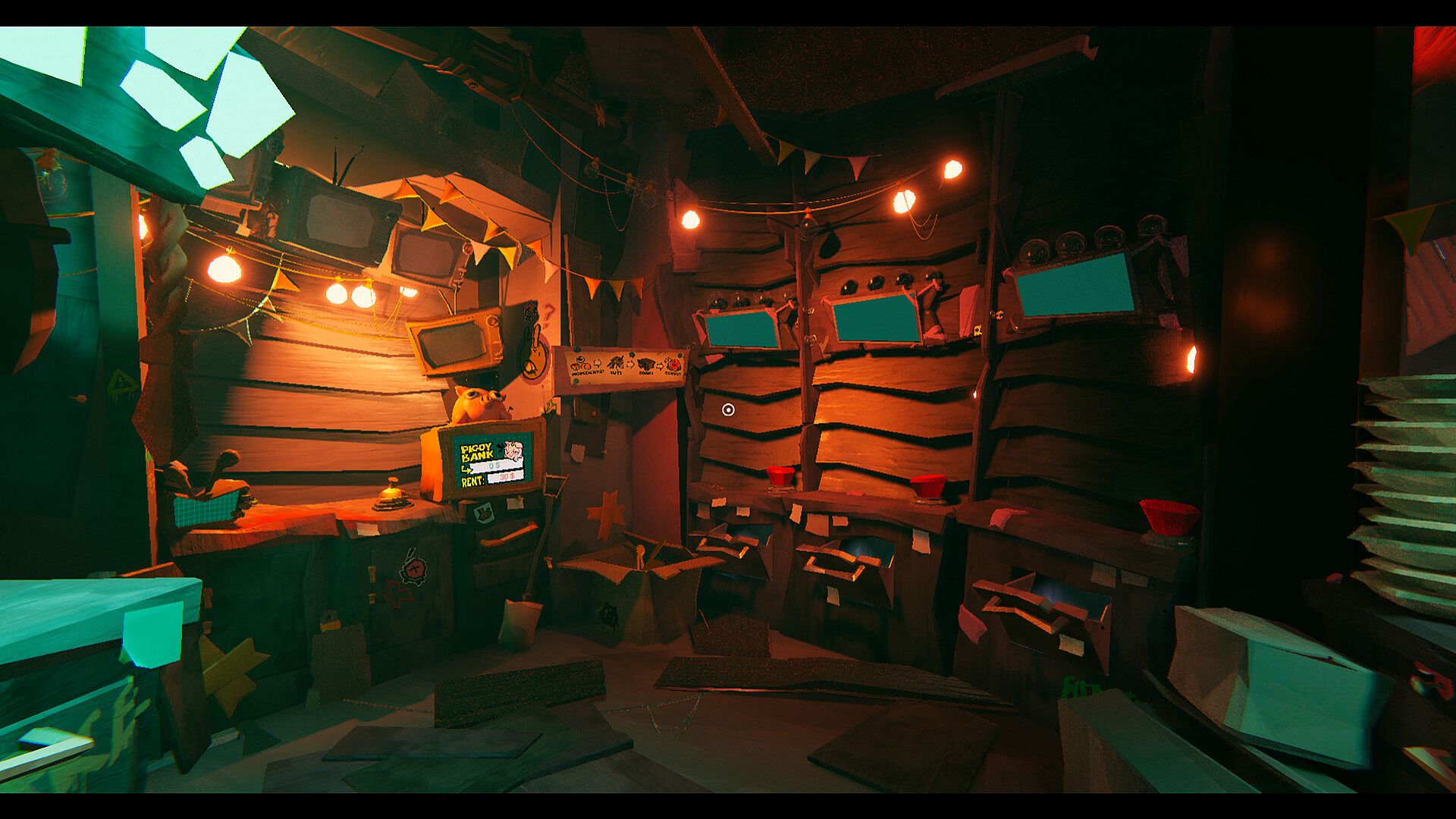
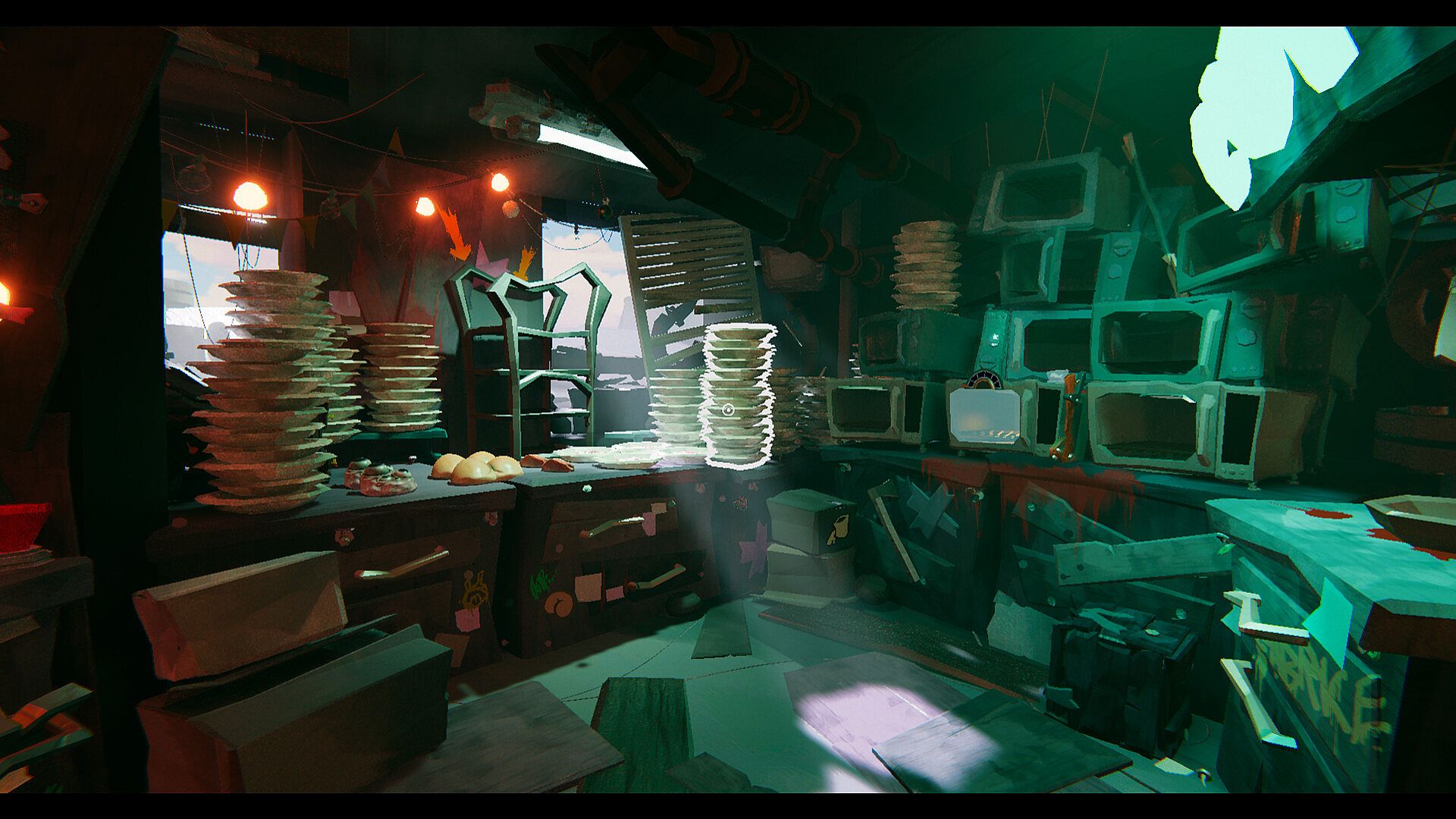
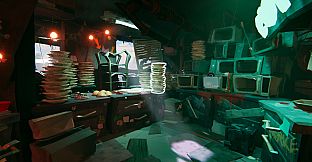
Cooking Carnage to niezależna gra symulacyjna stworzona przez studentów francuskiej uczelni Supinfogame Rubika. Gracz wciela się w kucharza pracującego w ciasnej kuchni, gdzie obsługuje kosmicznych klientów w warunkach ograniczonej dostępności surowców, zamieniając zwykłą rutynę przygotowywania posiłków w znacznie bardziej bezpośredni proces.
Rozgrywka
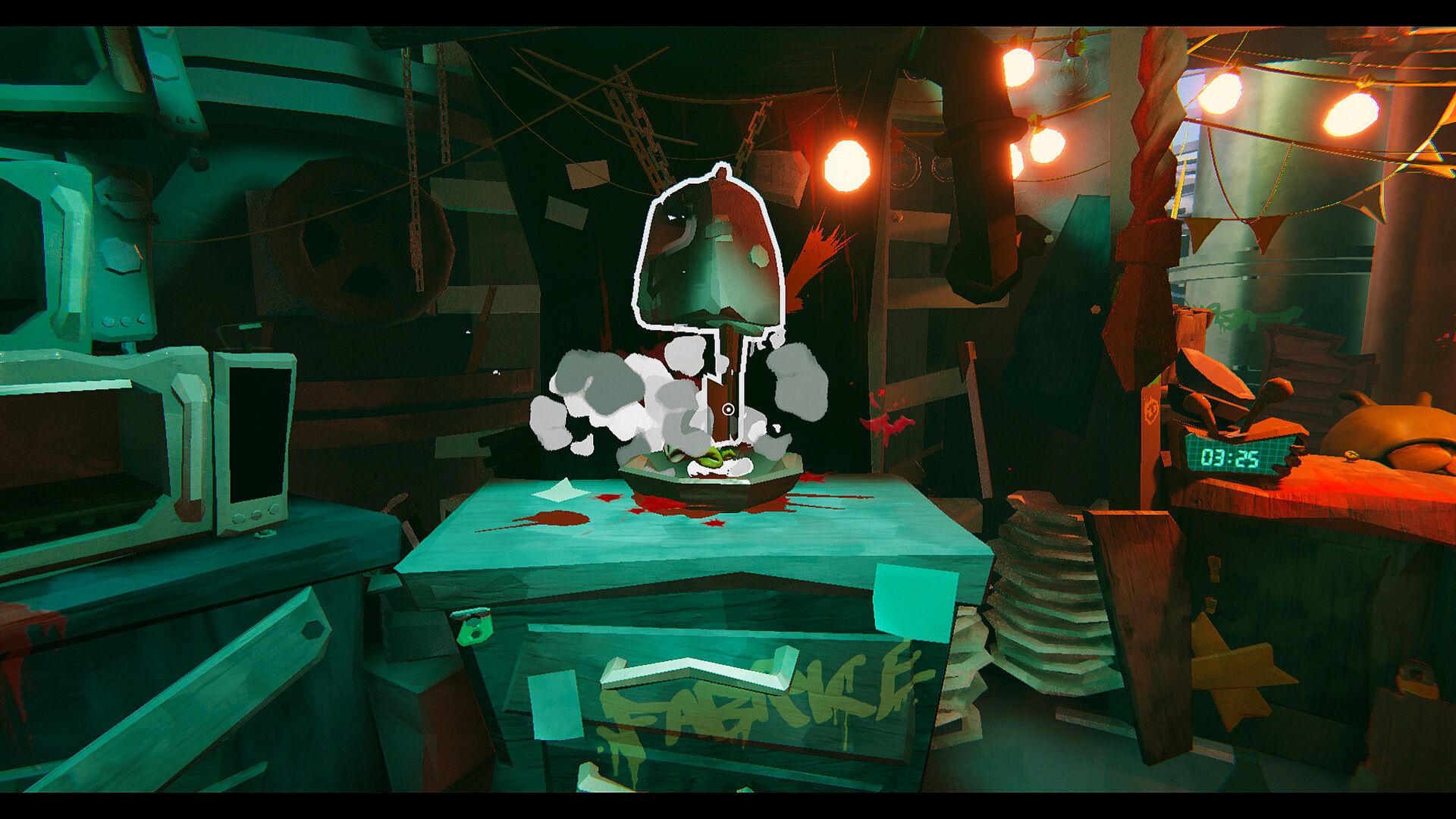
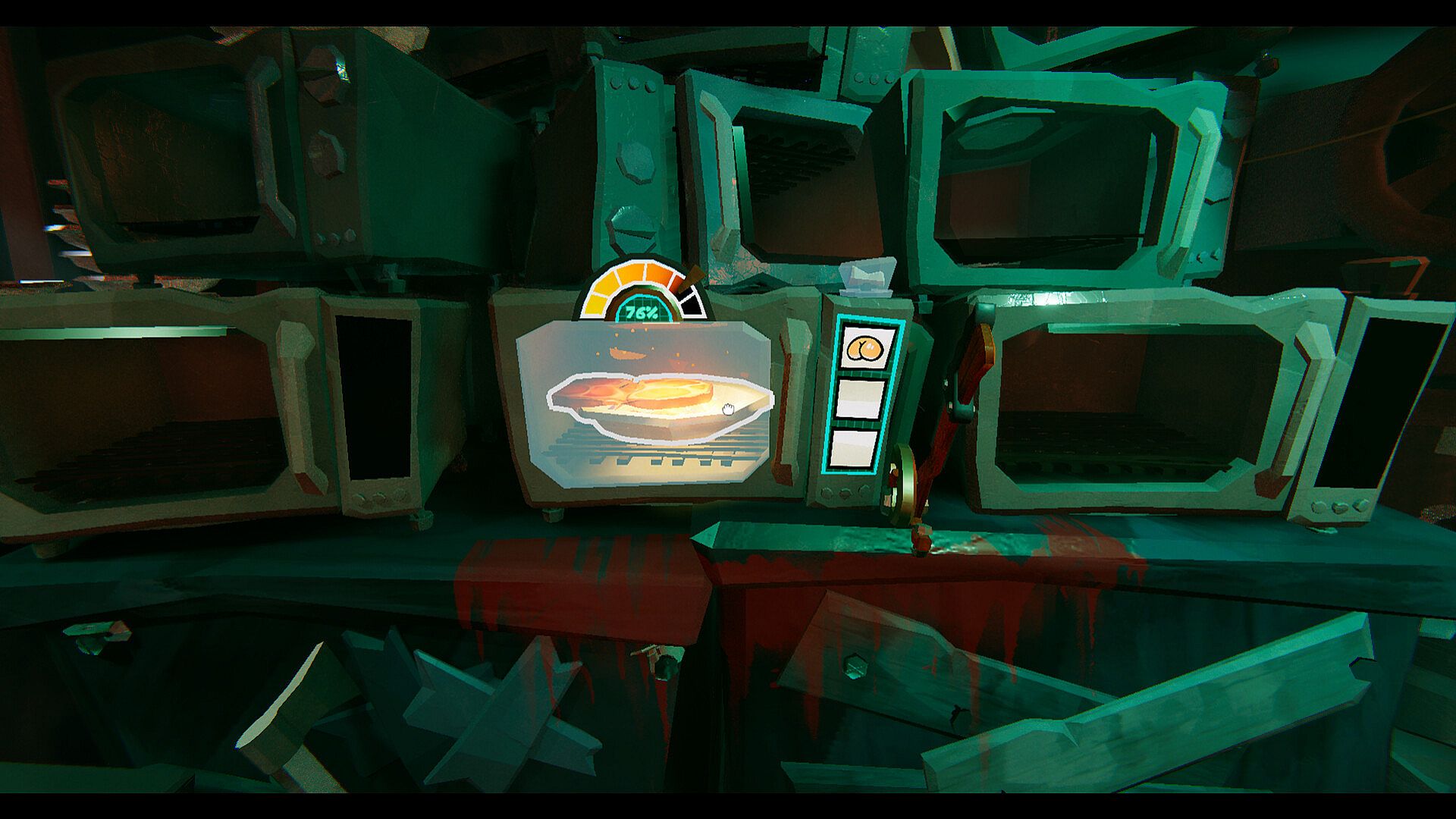
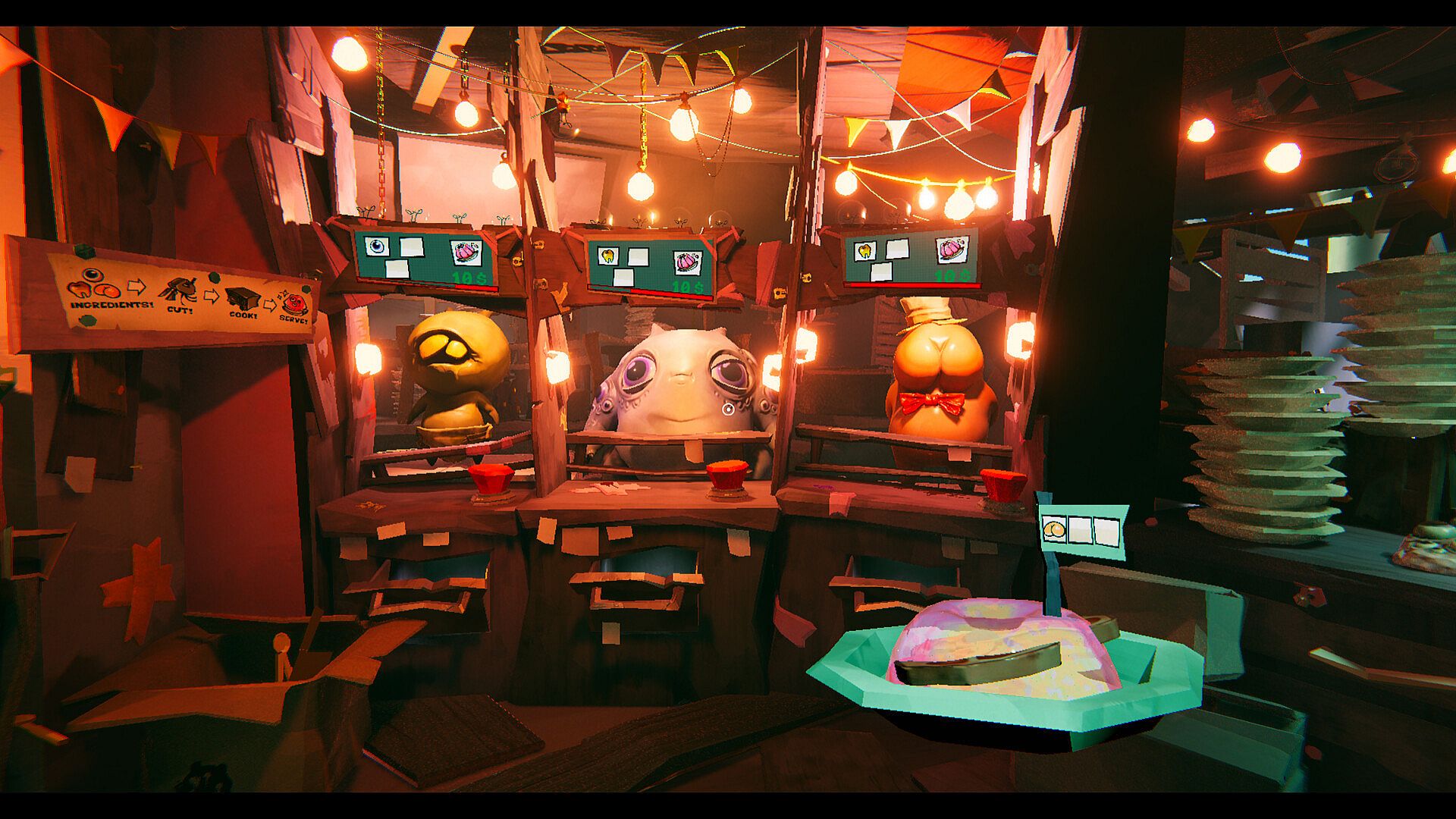
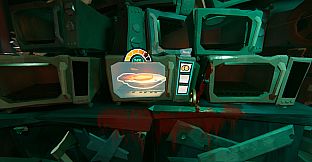
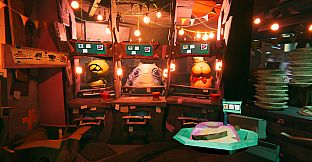
Podstawą rozgrywki jest zarządzanie kontuarem, przy którym pojawiają się obcy składający zamówienia na galaretkę. Każdy klient ma ograniczoną cierpliwość, a gracz musi decydować, jak zrealizować jego zamówienie. Składniki pochodzą bezpośrednio od klientów, więc często trzeba usunąć jednego z nich, aby pozyskać potrzebne materiały, a następnie przygotować danie dla kolejnego. Cztery różne maszyny obsługują kolejne etapy produkcji, a gracz musi utrzymywać je w ciągłym ruchu, by zachować wydajność. Ulepszenia kupowane między zmianami zwiększają szybkość, pojemność i zarobki, umożliwiając dłuższe rozgrywki oraz wyższe napiwki od zadowolonych klientów.
W miarę jak przybywa klientów, rośnie presja czasu. Gracz musi jednocześnie serwować gotowe zamówienia, wybierać kolejną maszynę do uruchomienia i zwalniać miejsce w razie potrzeby. Jedyny rodzaj dania - galaretka - występuje w różnych wariantach wymagających odmiennych sekwencji maszyn, co zachęca do ciągłego doskonalenia przepływu pracy. Wskaźniki cierpliwości przy każdym kliencie zwiększają napięcie i nagradzają szybkie decyzje, dzięki którym kolejka się przesuwa, a kontuar pozostaje rentowny.
Tryby gry
Cooking Carnage to gra wyłącznie dla jednego gracza - nie oferuje trybów wieloosobowych ani rywalizacyjnych. Cała akcja rozgrywa się w tej samej kuchni podczas kolejnych zmian. Postęp polega na powtarzaniu przebiegów, które odblokowują dodatkowe modyfikatory i ulepszenia kuchni, wydłużając każdą sesję w miarę doskonalenia rutyny. Struktura pozostaje niezmienna od zmiany do zmiany i skupia się na przetrwaniu poprzez sprawne obsługiwanie klientów oraz zarządzanie zasobami, bez rozgałęzionych scenariuszy czy alternatywnych zasad.
Mechaniki i progresja
Zarządzanie klientami stanowi główne źródło napięcia. Obcy zamawiają to samo danie bazowe, ale za każdym razem wymagają świeżego przygotowania, a gracz pozyskuje składniki na bieżąco, gdy zajdzie taka potrzeba. Korzystanie z maszyn wymaga precyzyjnego planowania kolejności, by uniknąć przestojów, a ulepszenia zapewniają stałe zwiększenie produktywności i dochodów. Pętla ekonomiczna nagradza konsekwentne wyniki większymi środkami na kolejne ulepszenia, co prowadzi do stałego wzrostu możliwości w kolejnych zmianach. Ograniczona cierpliwość każdego klienta wymusza priorytetyzację, a gracz uczy się równoważyć natychmiastową obsługę z koniecznością uzupełniania zapasów z kolejki.
Czy warto zagrać?
Gra jest wciąż w fazie rozwoju i na stronie Steam widnieje jako „wkrótce dostępne", bez dostępnych recenzji użytkowników. Jej atrakcyjność wynika z nietypowego połączenia symulacji gotowania z eliminacją klientów w zwartej, napędzanej ulepszeniami pętli. Fani krótkich sesji indyków, w których liczy się optymalizacja i czarny humor, mogą uznać rozgrywkę za angażującą po premierze. Osoby szukające tradycyjnego zarządzania restauracją bez brutalnego akcentu lub gracze preferujący dłuższe kampanie fabularne prawdopodobnie uznają zakres za ograniczony. Dostępność zależy od ostatecznej premiery, po której strukturę jednoosobową będzie można ocenić bezpośrednio podczas rozgrywki.











