

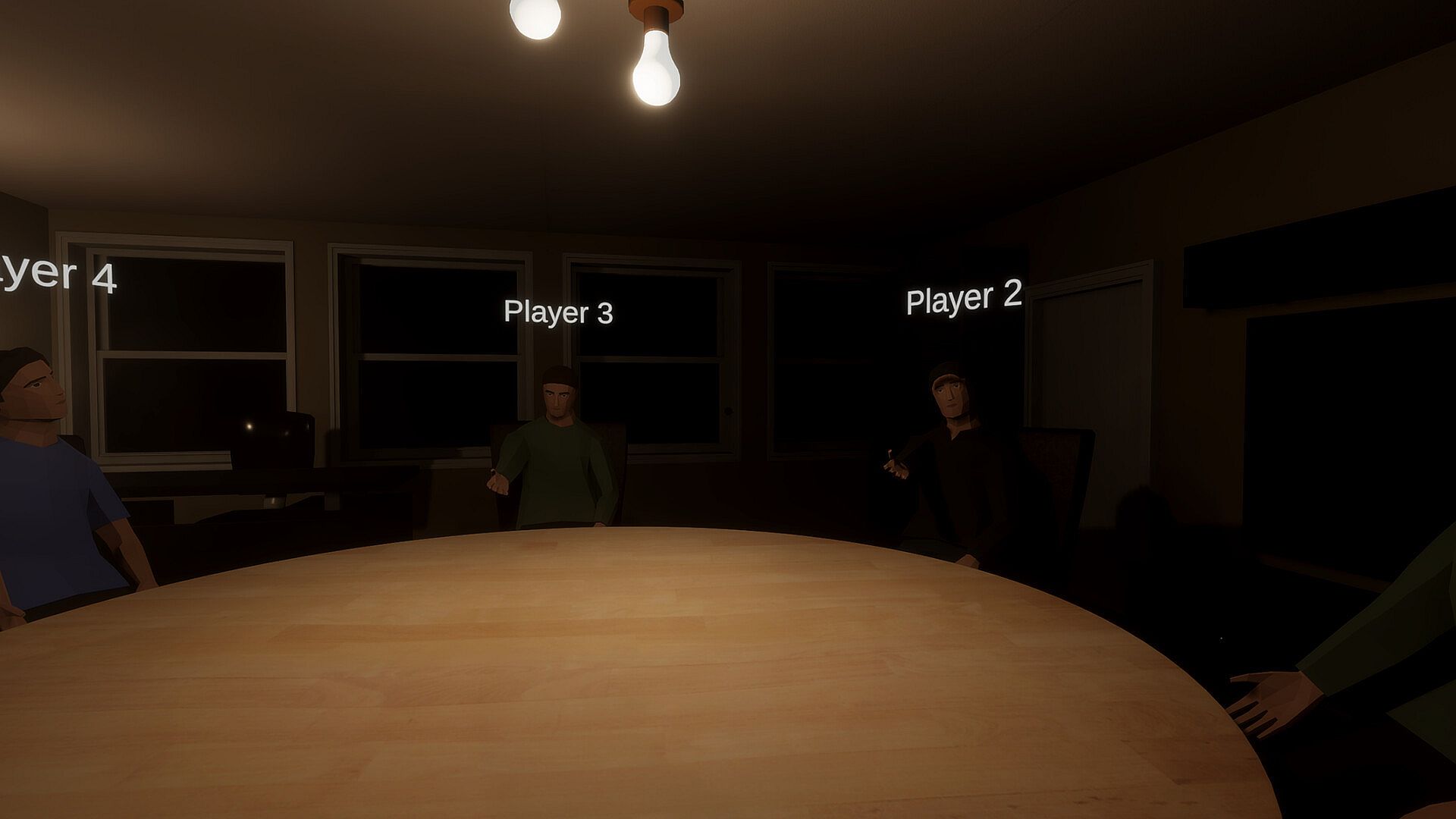
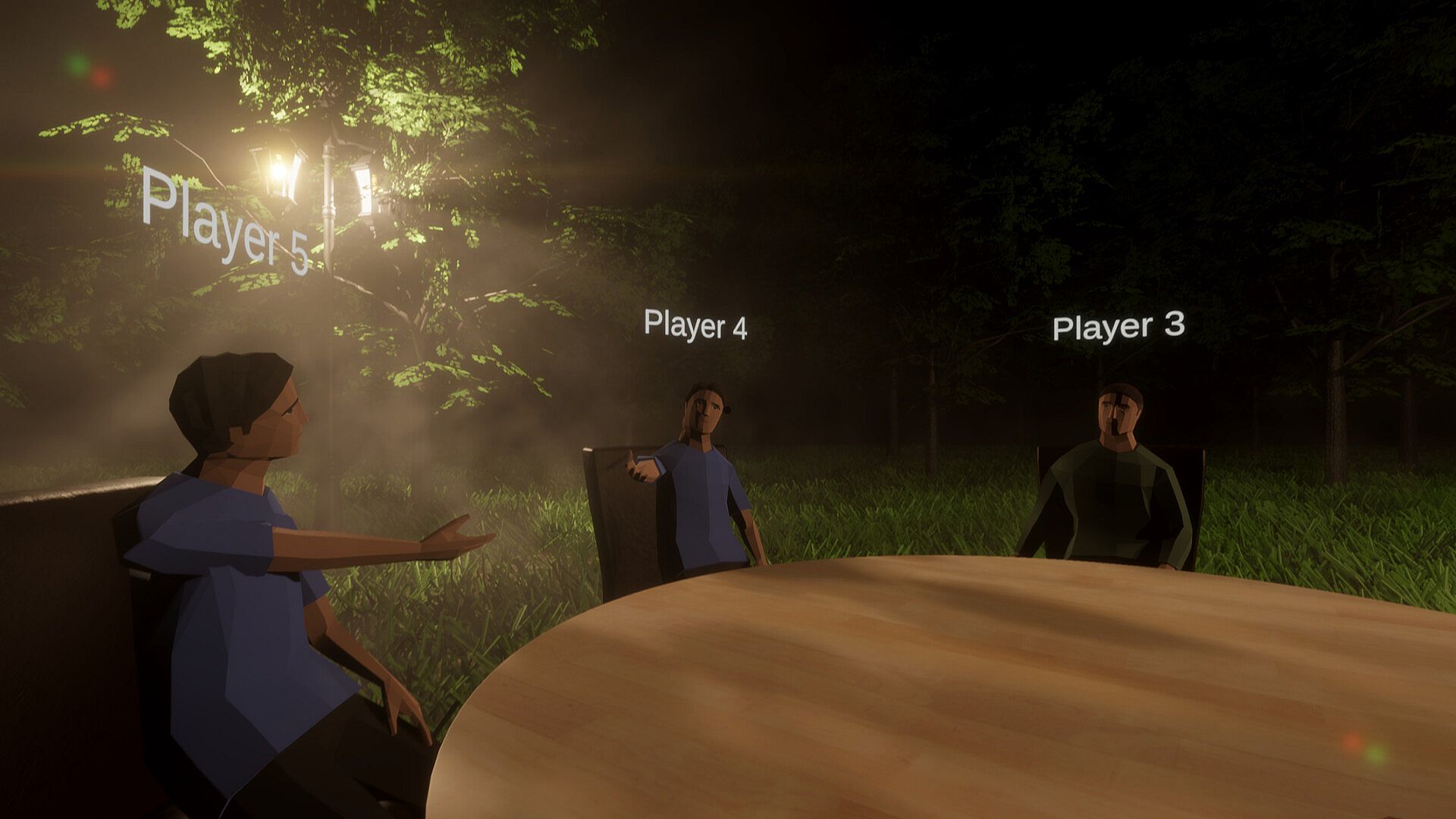
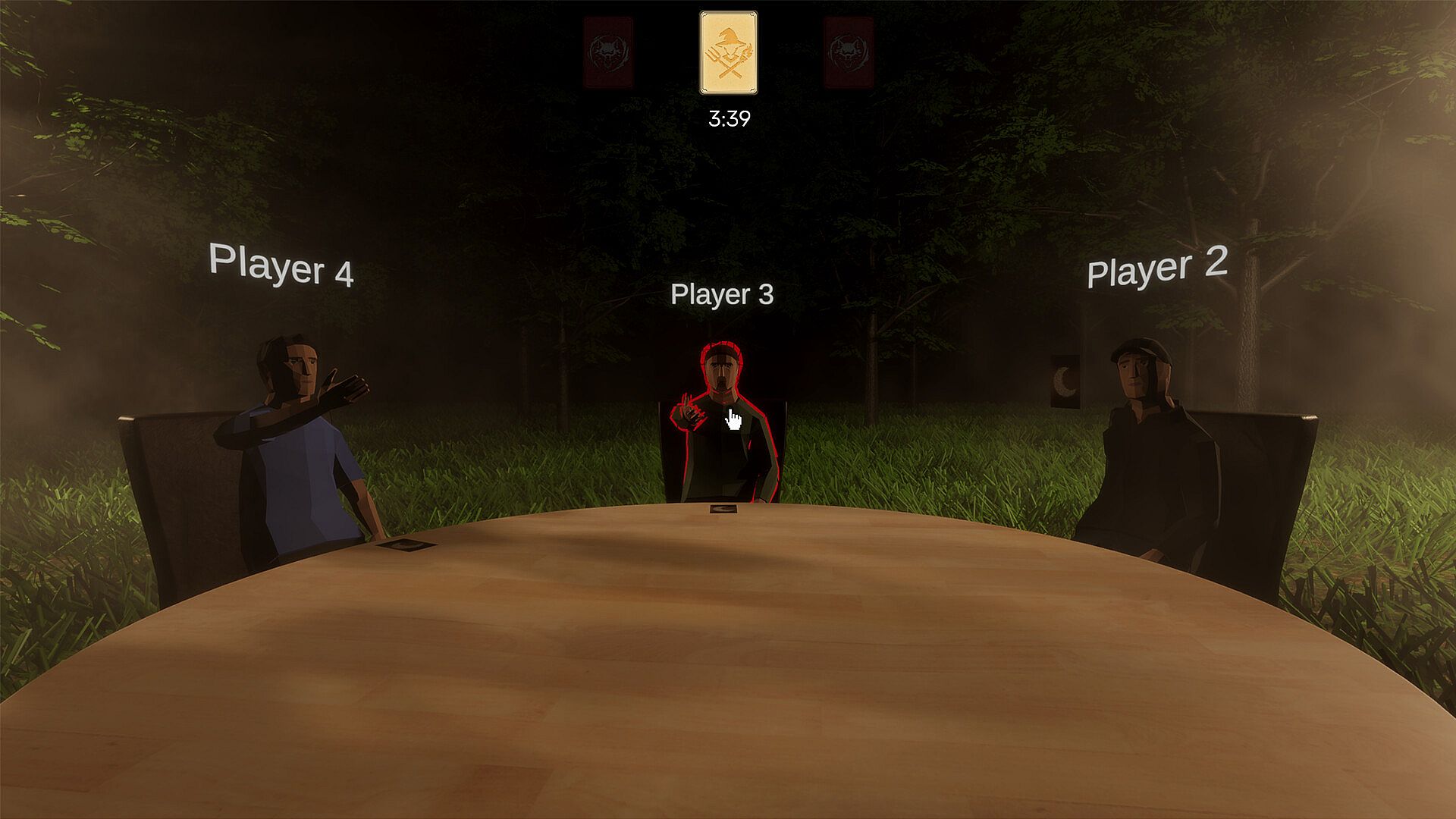




Cry Wolf is a strategy and massively multiplayer social deduction game that adapts the classic Werewolf party format into a tense online experience on PC. Players join matches where hidden identities drive every conversation and decision, with suspicion building across small maps that reward careful positioning and quick thinking. The core loop pits villagers against werewolves in rounds of discussion and elimination, supported by built-in voice chat that heightens the psychological pressure.
Gameplay
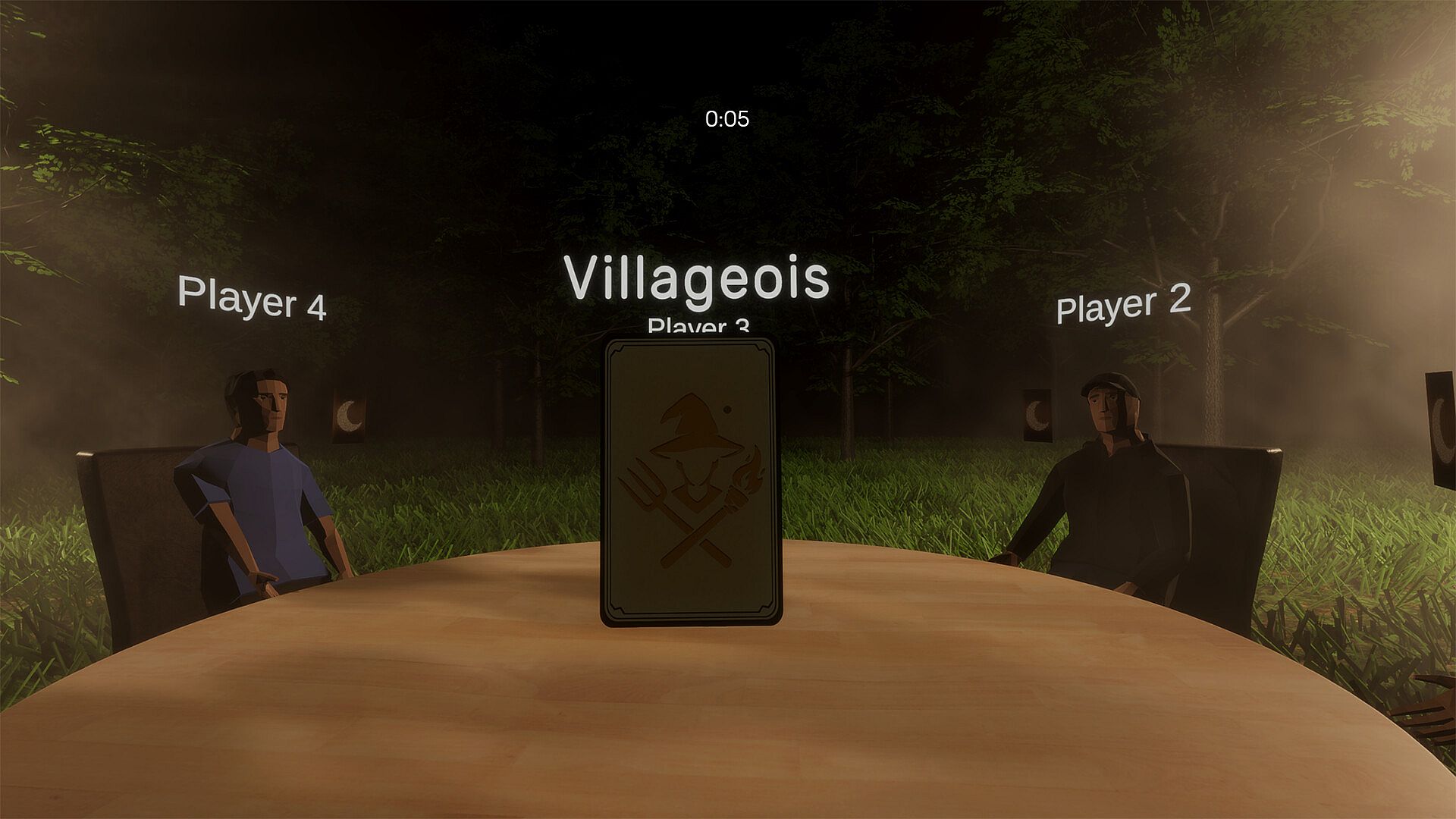
Each session gathers 6 to 20 participants who receive secret roles dividing them into villagers or werewolves. Day phases focus on open discussion, accusations, and voting to remove suspected threats. Night phases shift to hidden actions where werewolves coordinate strikes while others attempt to gather clues or protect allies. Small map sizes ensure that movement and proximity matter, turning every corner into a potential site for confrontation or evasion.
Original mechanics expand beyond standard rules through specialized roles. The Friend or Enemy designation links two players so that one can die in place of the other. The Gambler places bets on survival outcomes, gaining or losing voting power based on results. The Detective reveals voting patterns from targeted players, providing concrete data to expose inconsistencies in statements. These additions create layers of strategy where alliances shift rapidly and information becomes a weapon.
A team system further alters dynamics. Groups can coordinate to eliminate the opposing faction and share victory, yet a lone surviving werewolf claims the win independently. This setup encourages both collective planning and individual opportunism, as teammates must weigh loyalty against personal survival.
Game Modes
Matches follow a single primary structure centered on the day-night cycle of discussion, voting, and nocturnal actions. Rooms support 6 to 20 players, allowing groups to scale from intimate sessions to larger chaotic lobbies. Multiple maps provide variety in layout and sightlines, influencing how suspicion spreads and how night strikes unfold. Customizable skins offer visual distinction without altering core mechanics.
Base roles combine with the new additions to support different playstyles within the same framework. Voice chat integration keeps communication direct and immediate, while the team victory conditions add strategic depth to every elimination vote. No separate variants or seasonal modes appear in current details, keeping focus on the core social deduction loop.
Roles and Mechanics
Classic villager and werewolf assignments form the foundation, with werewolves needing to eliminate enough opponents before detection. Villagers aim to identify and remove all werewolves through collective votes. The added roles introduce targeted interactions that reward observation and calculated risks rather than pure luck.
Friend or Enemy creates protective or sacrificial bonds that can shield key players or force difficult choices. Gambler mechanics tie personal gain to predictive accuracy, pressuring participants to read intentions accurately. Detective insights cut through deception by exposing vote histories, making it harder for manipulators to maintain cover. These elements integrate directly into the existing cycle without requiring separate game variants.
Team System and Strategy
Players no longer operate in complete isolation. Team-based wins reward coordinated efforts to clear the opposing side, yet the rule allowing a single werewolf to prevail alone introduces constant tension. This balance pushes groups to maintain unity while preparing for potential betrayals or last-minute shifts in allegiance.
Map design reinforces these choices by limiting space and forcing interactions. Every participant must balance open discussion with private signals, using voice chat to build or break trust. The result is a gameplay loop where reading people matters as much as executing roles correctly.
Is It Worth Playing?
Cry Wolf targets fans of social deduction games who enjoy psychological strategy and group interaction in a multiplayer setting. Its blend of familiar Werewolf rules with fresh roles and team mechanics offers replayability through shifting alliances and information warfare. The emphasis on voice chat and compact maps creates immediate tension that rewards attentive players.
As a title scheduled for release in Q3 2026, it currently lacks player reviews or long-term update history. Those drawn to deduction titles with customizable elements and scalable player counts may find the core experience compelling once available. Individuals who prefer action-focused or solo play will likely find less appeal here, given the heavy reliance on discussion and deduction.