

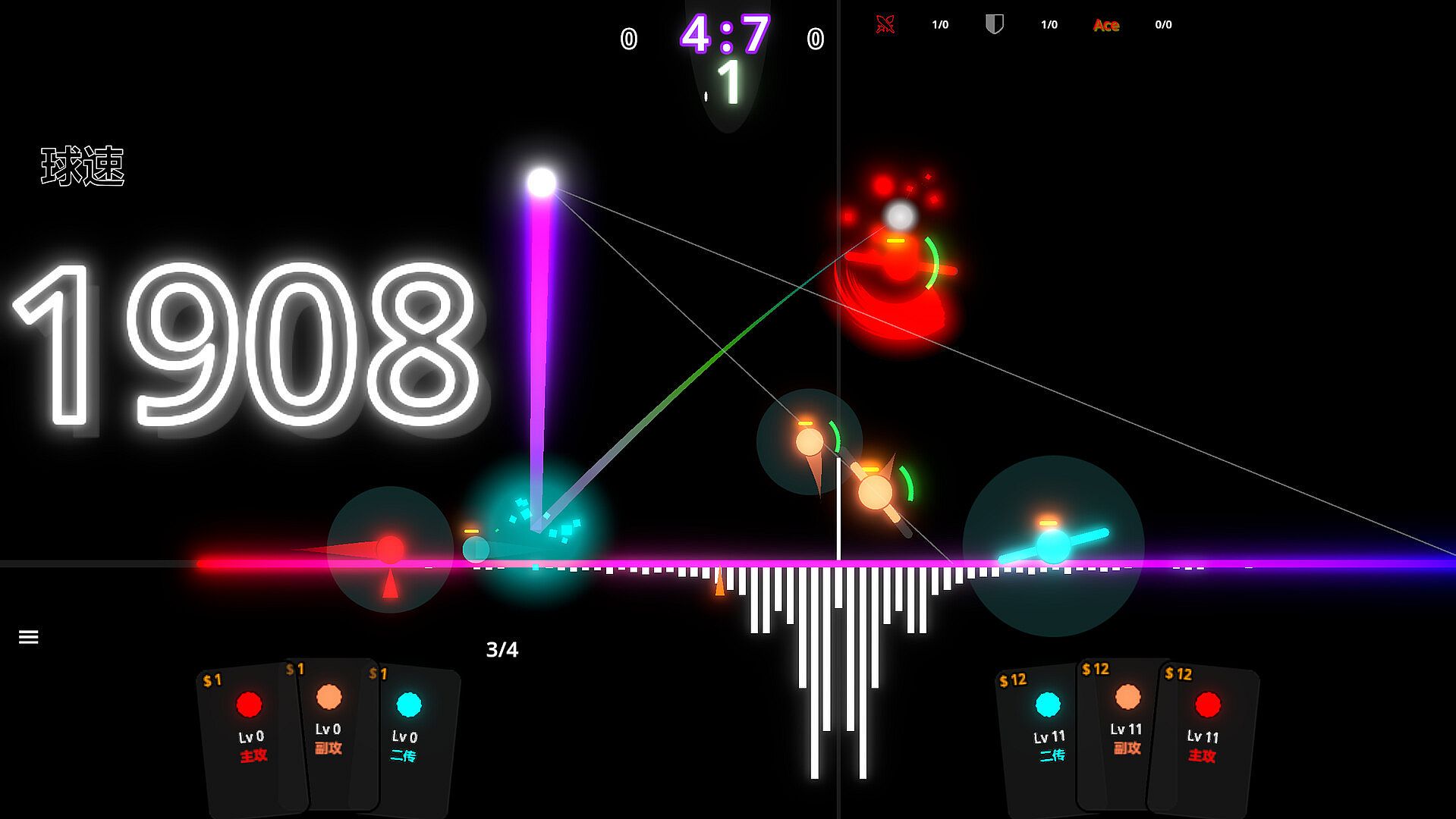
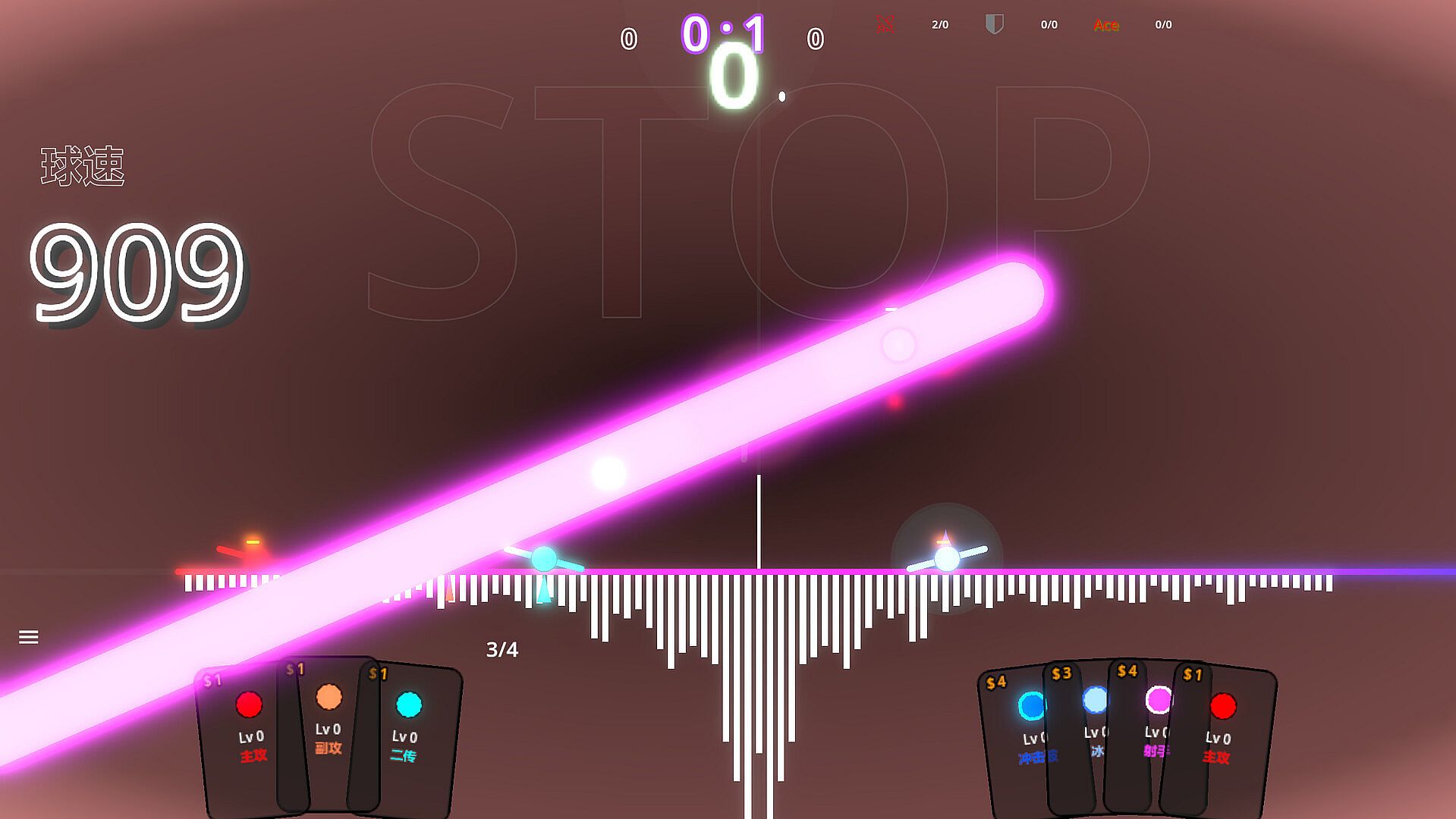
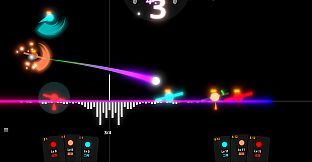
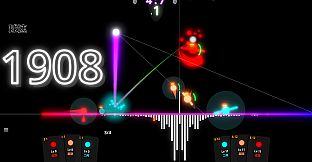
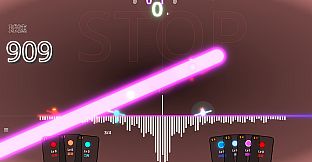
Cyber Volleyball to dwuwymiarowa gra siatkarsko-bitewna z widokiem bocznym, łącząca precyzyjną symulację fizyki z rozwojem postaci i rozgrywką online. Gracz przejmuje kontrolę nad wyspecjalizowanymi postaciami, które wykonują ataki, bloki i obrony zgodnie z zasadą trzech odbić na boisku widzianym z boku.
Rozgrywka
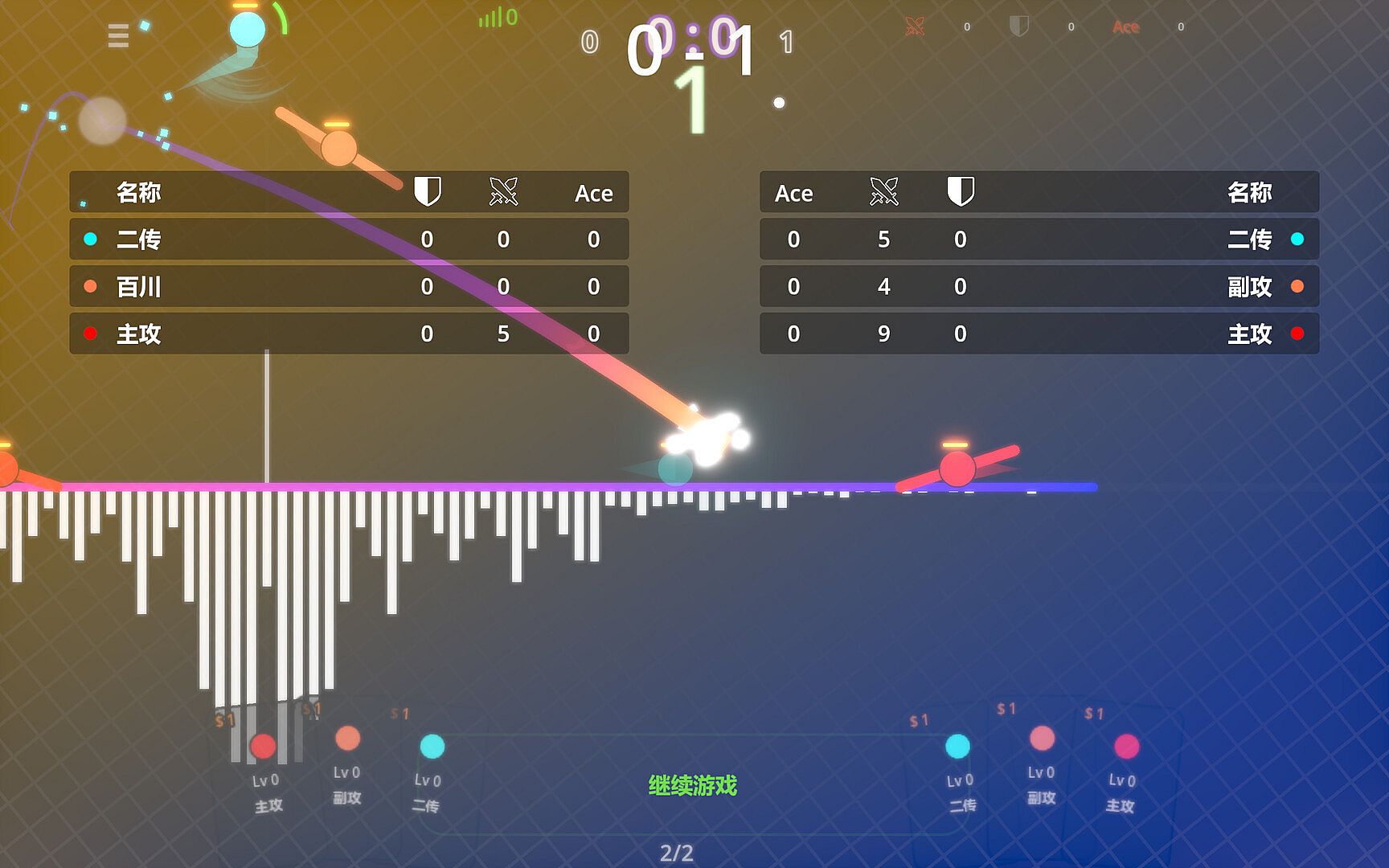
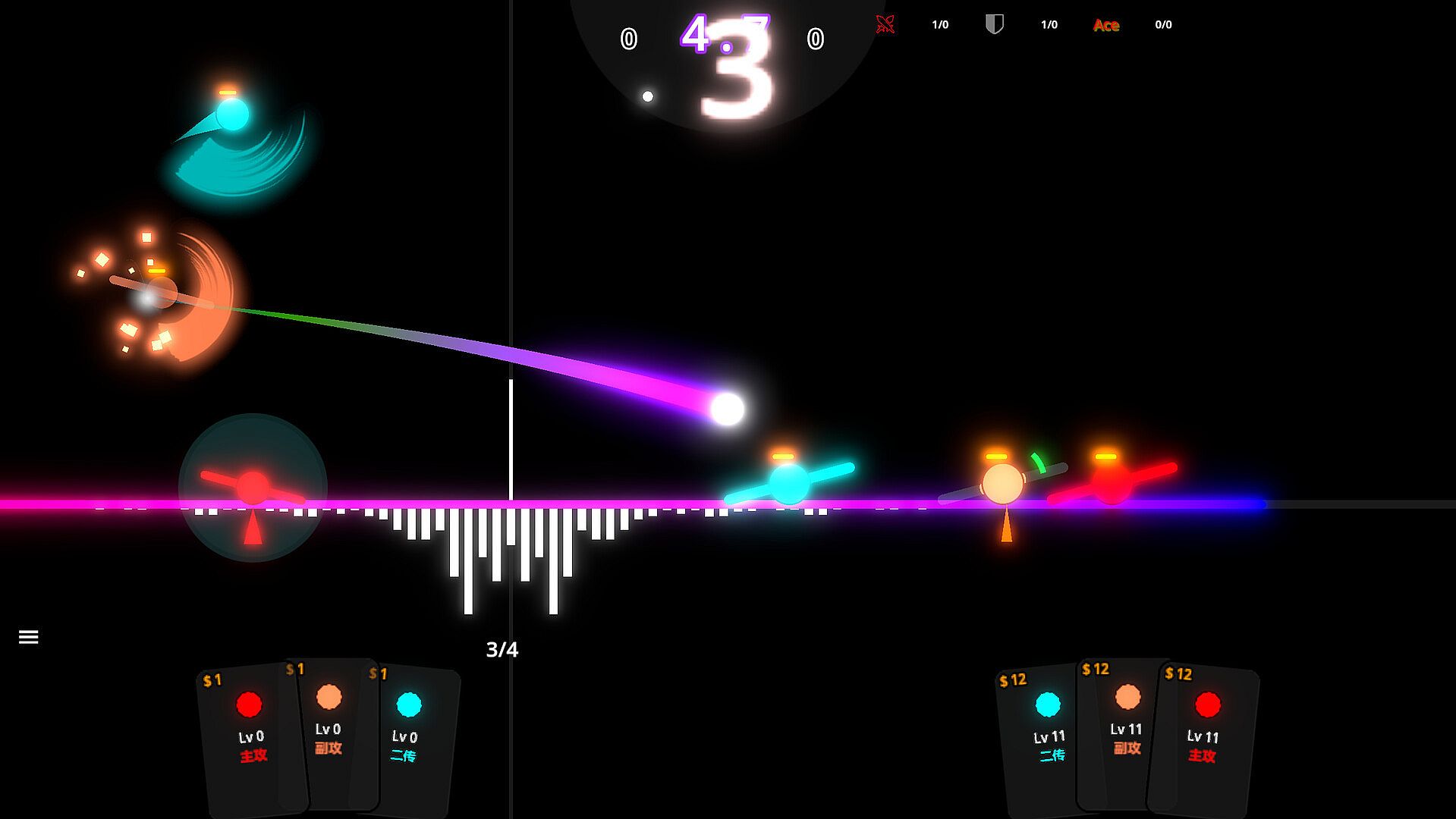
Podstawę mechaniki stanowi realistyczne zachowanie piłki obsługiwane przez dwuwymiarowy silnik fizyki parabolicznej oparty na Unity. Przyspieszenie grawitacyjne, masa obiektów, opór powietrza oraz tarcie wpływają na każdy odbicie i kolizję z boiskiem, siatką i zawodnikami. System trzech odbić wymusza przestrzeganie międzynarodowych reguł siatkówki, a licznik na ekranie pokazuje aktualną liczbę dotknięć. Dwie linie trajektorii wskazują wysoki i niski punkt lądowania, ułatwiając precyzyjne ustawienie się do przyjęcia lub ataku.
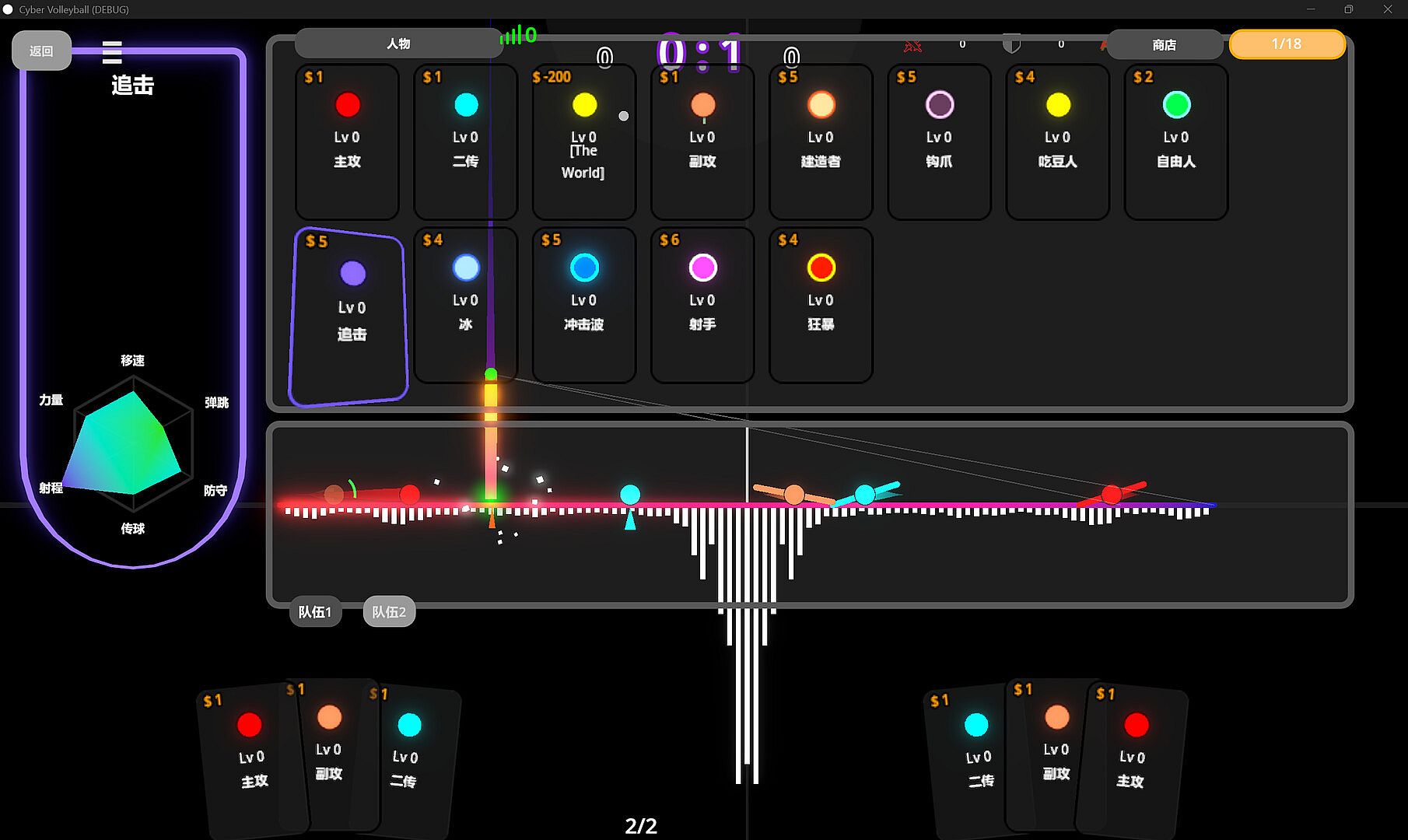
Ponad tuzin typów postaci wprowadza do meczów unikalne zachowania SI i umiejętności. Główny Atakujący specjalizuje się w potężnych atakach kończących. Rozgrywający przyjmuje piłkę i rozprowadza ją pod ofensywne akcje. Środkowy Bloker wyróżnia się zarówno w bloku, jak i w szybkich atakach. Libero skupia się na defensywnych przyjęciach i obronach. Łowca goni piłkę z dużą siłą. Pazur błyskawicznie ściąga piłkę, zaskakując przeciwników. Fala uderzeniowa odrzuca rywali przy ataku. Przemoc wzmacnia efekty ataków. Lód na krótko zamraża przeciwników. Pożeracz pochłania i przekierowuje piłkę. Budowniczy stawia przeszkody przy siatce. Strzelec ładuje i oddaje precyzyjne strzały. Każdy typ wymaga odmiennej taktyki, ponieważ kombinacje przeciwników zmieniają się w kolejnych starciach.
Sterowanie obsługuje klawiaturę - strzałki odpowiadają za ruch, spacja za skok, a klawisze J/K/L za akcje. Na urządzeniach mobilnych gesty dotykowe rozpoznają kierunek i długość przesunięcia, odwzorowując te same ruchy siatkarskie. W ustawieniach można w pełni dostosować przypisanie klawiszy, głośność master, muzyki i efektów dźwiękowych, efekty poświaty, kolory śladu piłki oraz czułość dotyku. Tryb pełnoekranowy przełącza się klawiszem F11, a wszystkie zmiany zapisują się automatycznie.
Tryby gry
Pięć odrębnych trybów organizuje sesje rozgrywki. Tryb samouczka wprowadza sterowanie i zasady w uporządkowanej kolejności. Tryb PvE stawia gracza przeciwko przeciwnikom sterowanym przez SI na regulowanym poziomie trudności. Tryb PvP umożliwia lokalne mecze ze znajomymi. Tryb EvE pozwala obserwować pojedynki SI kontra SI. Tryb przygodowy oferuje kampanię podzieloną na etapy, w których gracz pokonuje coraz trudniejsze grupy wrogów.
Etapy przygodowe prezentowane są w stronach po 28, a każdy z nich można ocenić maksymalnie trzema gwiazdkami. Wyższe poziomy trudności wprowadzają mechaniki takie jak niewidzialni przeciwnicy, wymagające precyzyjnego wyczucia czasu i pozycjonowania. Postęp gwiazdek zapisuje się lokalnie do późniejszego przeglądu. System kart rozszerza możliwości personalizacji we wszystkich trybach poprzez Karty Postaci i Karty Przedmiotów. Karty Postaci podnoszą dziewięć atrybutów: Rozmiar, Obronę, Skok, Szybkość, Siłę, Reakcję, Zasięg Ataku, Obrona Dolna i Dash, wykorzystując zdobyte gwiazdki. Karty Przedmiotów dodają efekty meczowe, takie jak większe drużyny, zniesienie zasady pierwszego odbicia u przeciwnika, przewidywanie lądowania, ataki zamrażające czy lżejsza piłka przy większej liczbie odbić.
Tryb wieloosobowy online
Wbudowane lobby obsługuje pokoje publiczne i prywatne z ochroną hasłem, limitem graczy oraz opcjami widoczności. Automatyczne dobieranie przeciwników przyspiesza wyszukiwanie. Gracze wybierają pozycje: Główny Atakujący, Środkowy Bloker, Rozgrywający lub Libero, przy czym system blokuje powtórzenia na tej samej drużynie. Mecz rozpoczyna się po gotowości wszystkich uczestników. Sieć z autorytetem serwera zapewnia synchronizację fizyki i wyników. Czat w czasie rzeczywistym działa podczas meczu, umożliwiając koordynację lub wymianę zdań.
Czy warto zagrać?
Cyber Volleyball przypadnie do gustu graczom ceniącym dynamiczną akcję sportową opartą na fizyce, strategiczną budowę drużyny oraz progresję. Szczegółowa symulacja zachowania piłki, zróżnicowane umiejętności przeciwników i ulepszenia oparte na kartach zapewniają głębię powtórzeń zarówno w etapach jednoosobowych, jak i w meczach online. Opcje lokalne i sieciowe oraz sterowanie mobilne zwiększają dostępność dla różnych stylów gry. Ponieważ premiera jeszcze nie nastąpiła i nie ma jeszcze recenzji użytkowników, gra najbardziej zainteresuje osoby szukające precyzyjnej mechaniki siatkówki 2D oraz możliwości personalizacji składu, a nie czysto zręcznościowych sportów czy rozbudowanych tytułów multiplayer. Skupiony zestaw funkcji gwarantuje spójne mecze bez zbędnej złożoności.