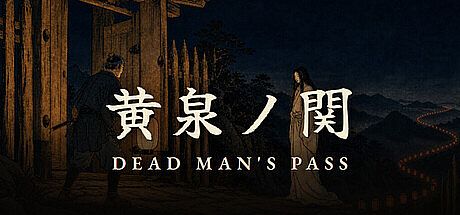



Dead Man's Pass is an indie simulation adventure game set at a remote mountain checkpoint on the road to a village said to border the land of the dead. Players take on the role of the checkpoint keeper, examining each arriving traveller's pass against their appearance and story to decide who may proceed, who must turn back, and who requires more direct action.
Gameplay
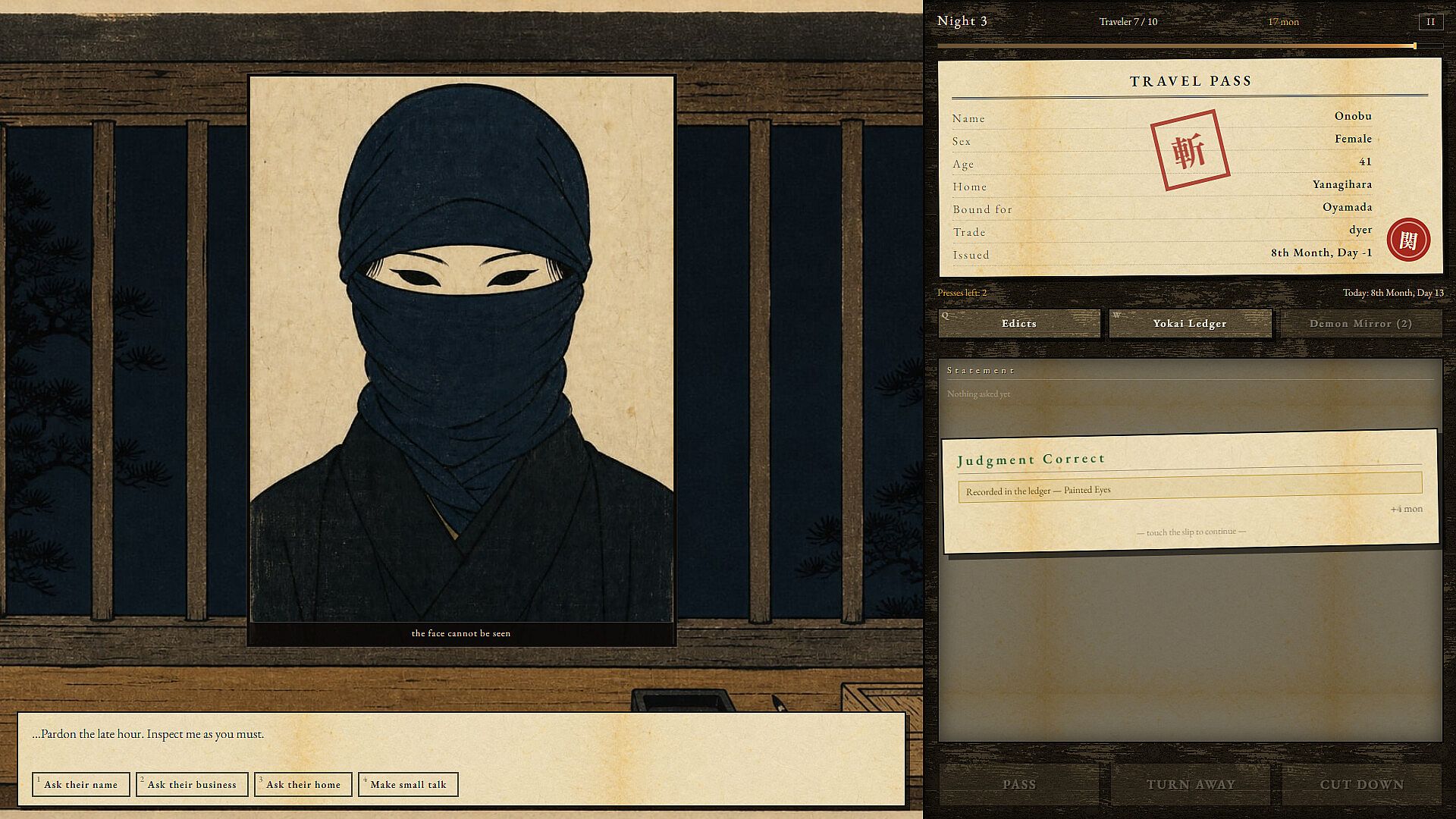
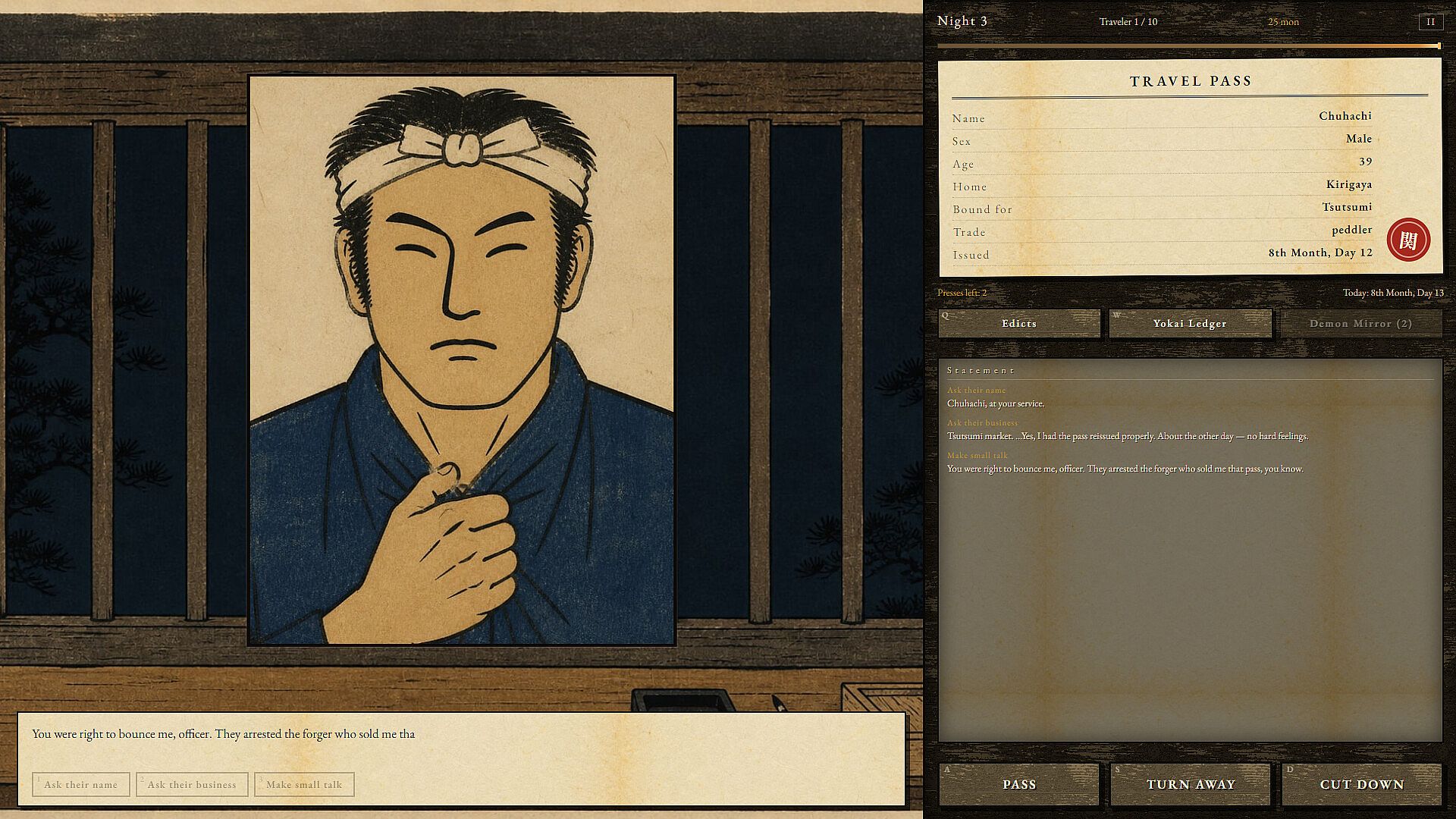
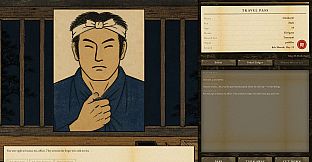
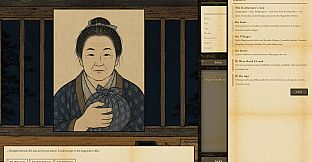
The core loop centers on careful observation and decision making under time pressure. Each traveller presents a pass listing name, age, home, destination, trade, issue date, and seal. The keeper compares these details to the person standing at the gate, noting any inconsistencies in the story or physical signs that suggest something other than a human traveller. Challenges can be issued to two fields on the pass, prompting responses that reveal further information before the incense burns out and a judgment must be made.
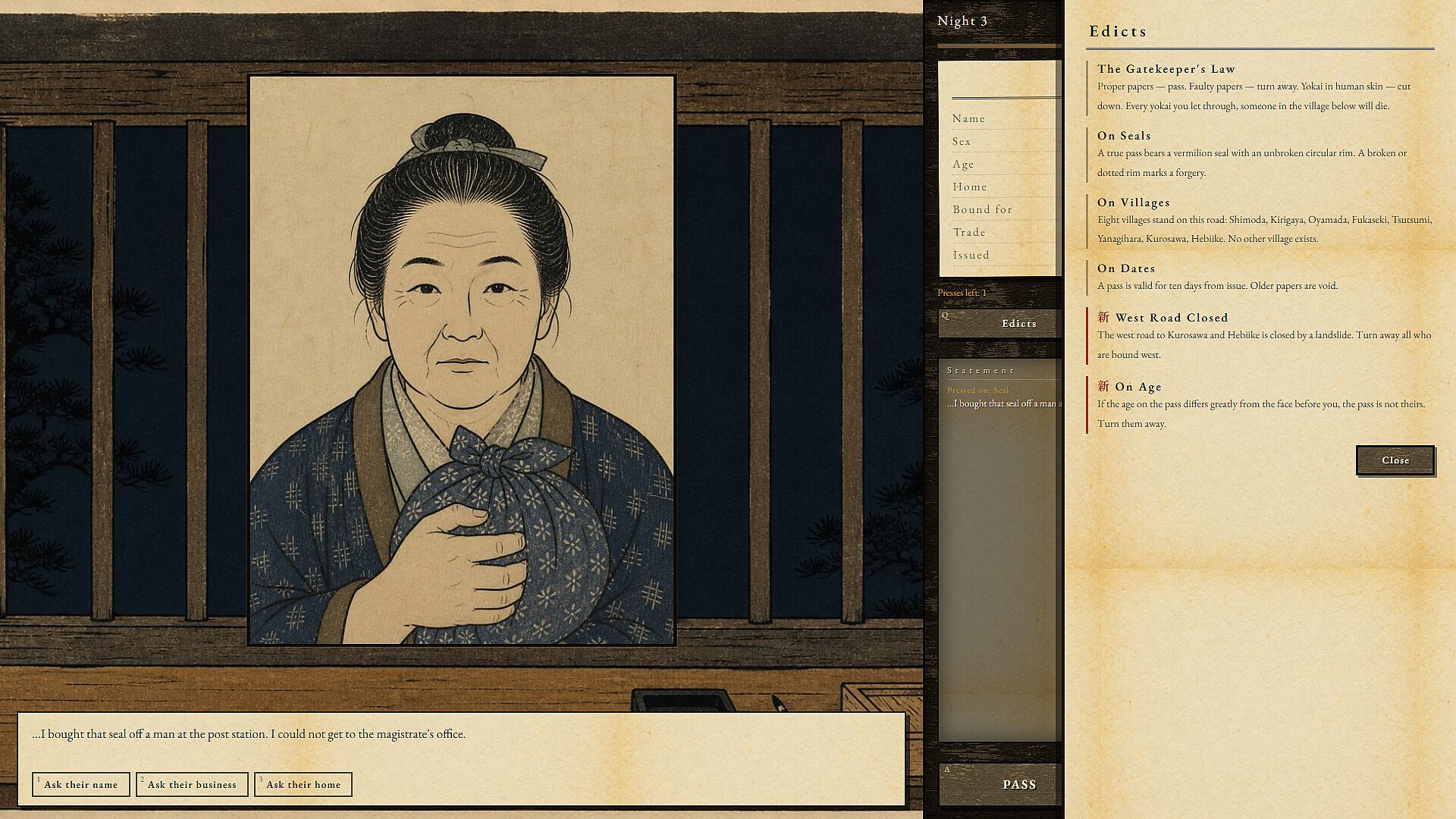
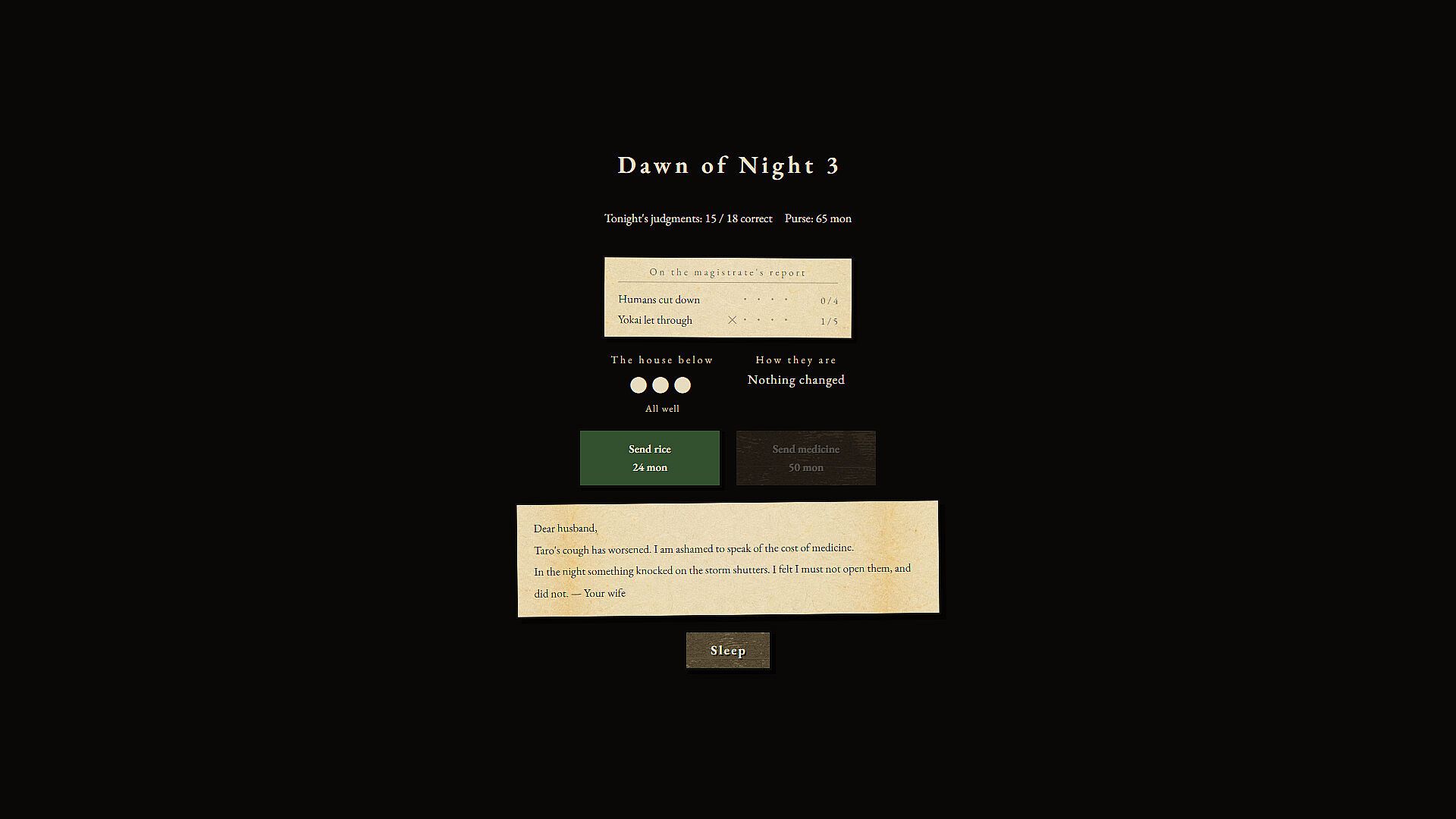
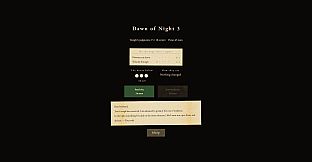
Pass, turn away, or cut down are the three options, each carrying consequences. Too many mistaken judgments against ordinary humans lead to execution for the keeper, while allowing too many disguised threats through endangers the village below. At the end of each night the personal toll appears in letters from home, where the keeper's wife writes and a son requires medicine that strains limited resources. New edicts arrive over the course of the week, altering the rules and introducing fresh complications such as returning familiar faces or less reliable documentation.
A limited-use Demon Mirror provides one additional tool for uncovering hidden traits, though it never replaces the need for personal judgment. The entire experience unfolds across seven nights with a fixed cast of 83 travellers and leads to one of six possible endings. Runs typically last 30 to 40 minutes, and choices made early in the week continue to influence later nights.
Game Modes
After completing a full seven-night story and reaching an ending, an endless Night Ledger mode becomes available for continued play. A separate Yokai Ledger tracks only the supernatural tells encountered across sessions. Three timing settings are offered: Standard, Gentle, and No Limit. Every ending stays accessible regardless of the chosen pace.
Controls support both mouse and keyboard or keyboard alone, making the game accessible without precise aiming or complex inputs. Interface text appears in Japanese, English, Simplified Chinese, and Korean.
Narrative and Setting
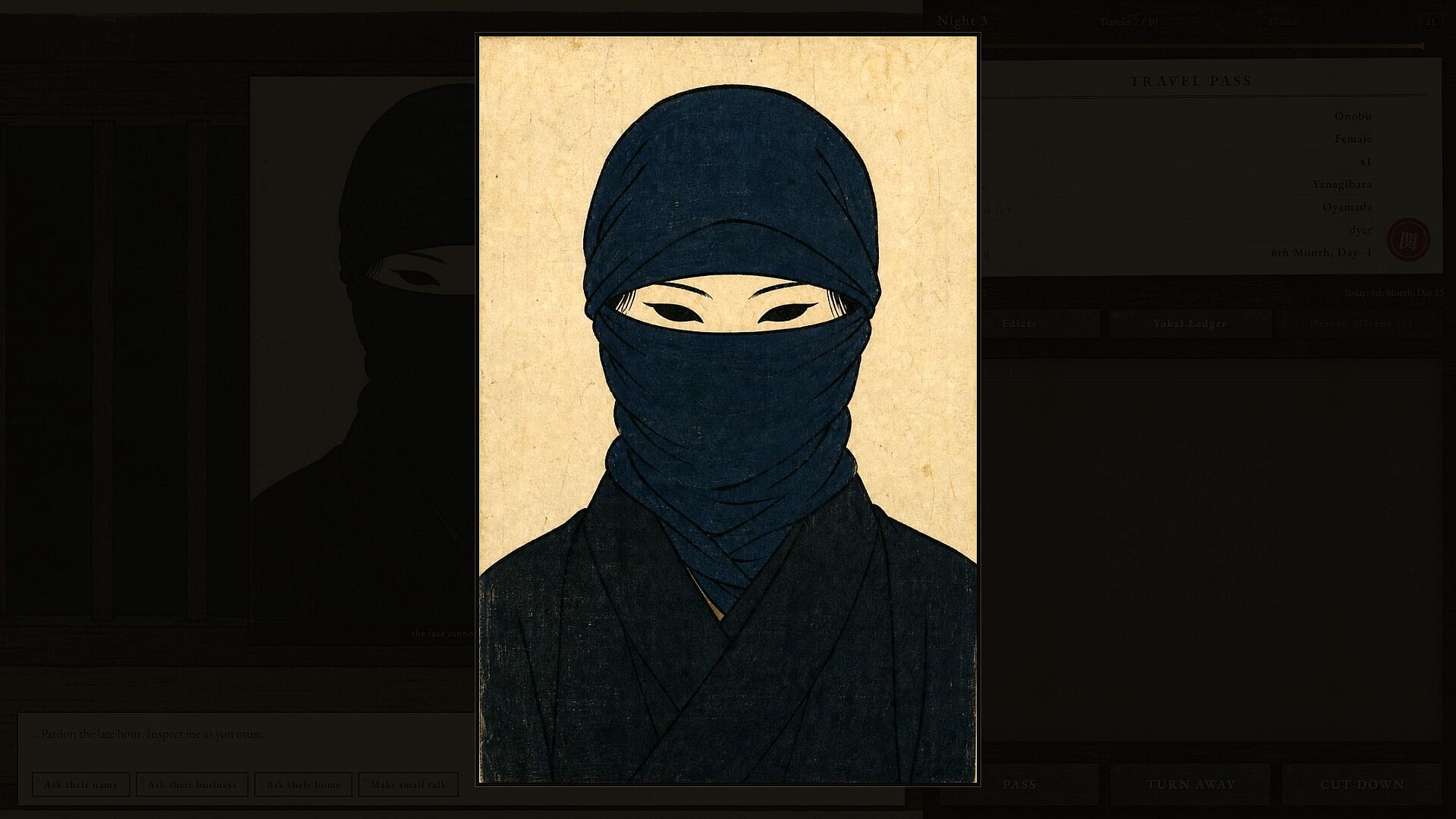
The story builds tension through the accumulating weight of each decision. Most travellers appear human, yet some conceal yokai traits such as painted-black eyes, hidden fangs, seams at the throat, or extra fingers. Forged seals or impossible village names send legitimate humans back down the mountain, while overlooked supernatural signs allow danger to reach the village. The personal stakes rise alongside the professional ones, as the keeper balances gate duties against family needs that grow more pressing with each dawn.
Over the seven nights the rules shift with new edicts, forcing adaptation as papers become less trustworthy and patterns from earlier nights reappear in altered forms. The limited Demon Mirror adds a layer of verification without removing the responsibility of interpretation.
Is It Worth Playing?
Dead Man's Pass suits players who enjoy short, focused narrative experiences built around observation, deduction, and the consequences of repeated choices. The structure of seven-night campaigns with multiple endings encourages replay to explore different judgment patterns and outcomes. The unlocked endless mode and ledger systems extend play for those who want to catalog tells or test longer sessions without time limits. Availability on PC with straightforward controls and multiple language options broadens access for a wide range of players interested in simulation and adventure titles centered on moral and practical decision making under pressure.