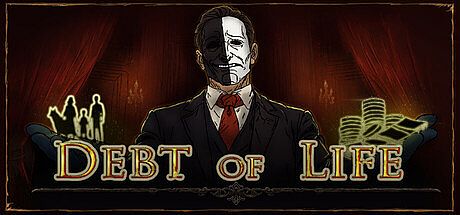


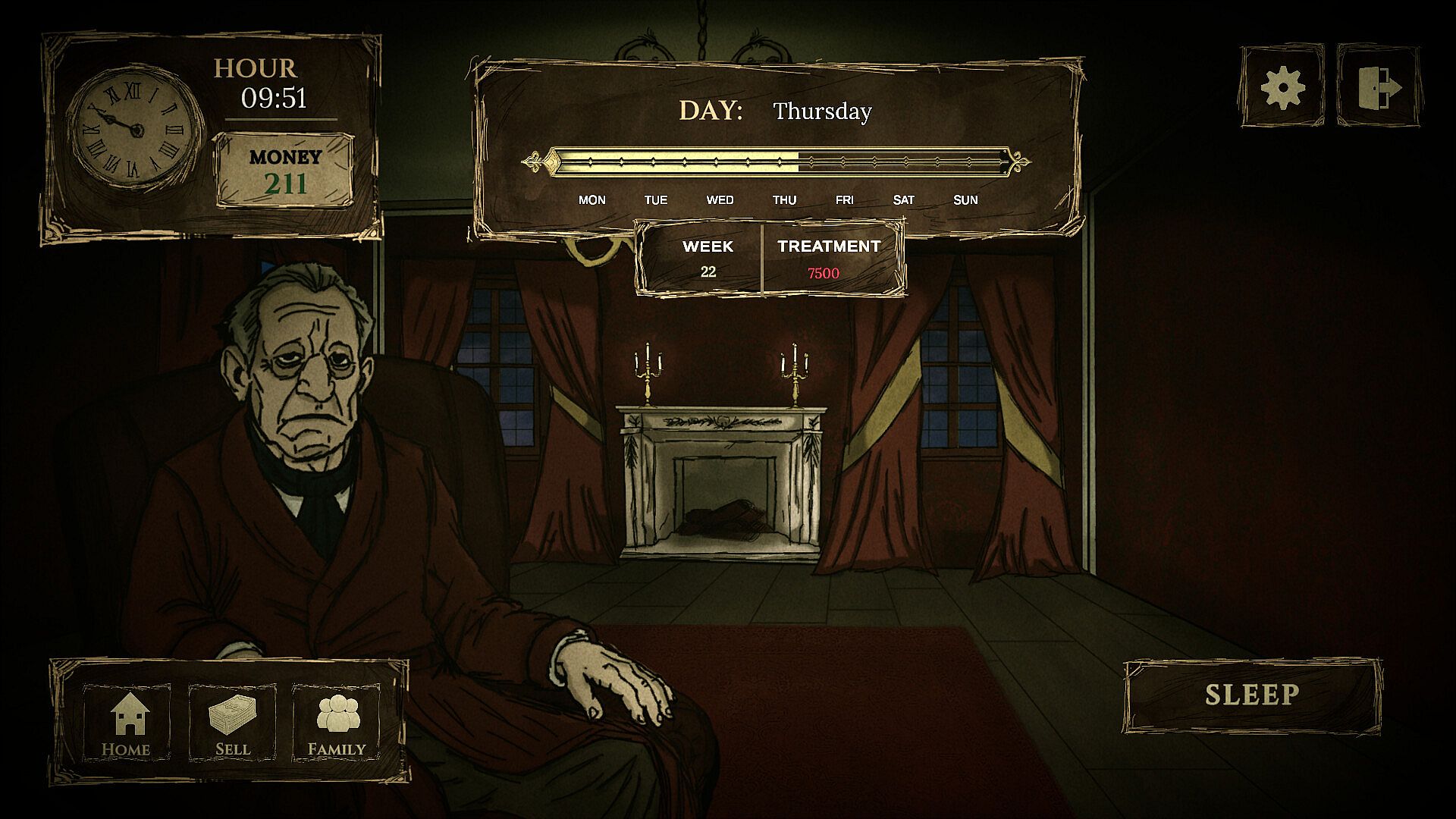


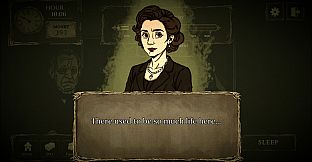
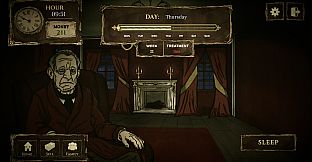

Debt of Life is an indie simulation adventure game that places players in the role of a wealthy man facing terminal illness. The core premise revolves around balancing survival against the steady erosion of personal resources and connections. Every week requires an expensive medical treatment, and daily decisions determine whether enough funds remain to cover it.
Gameplay
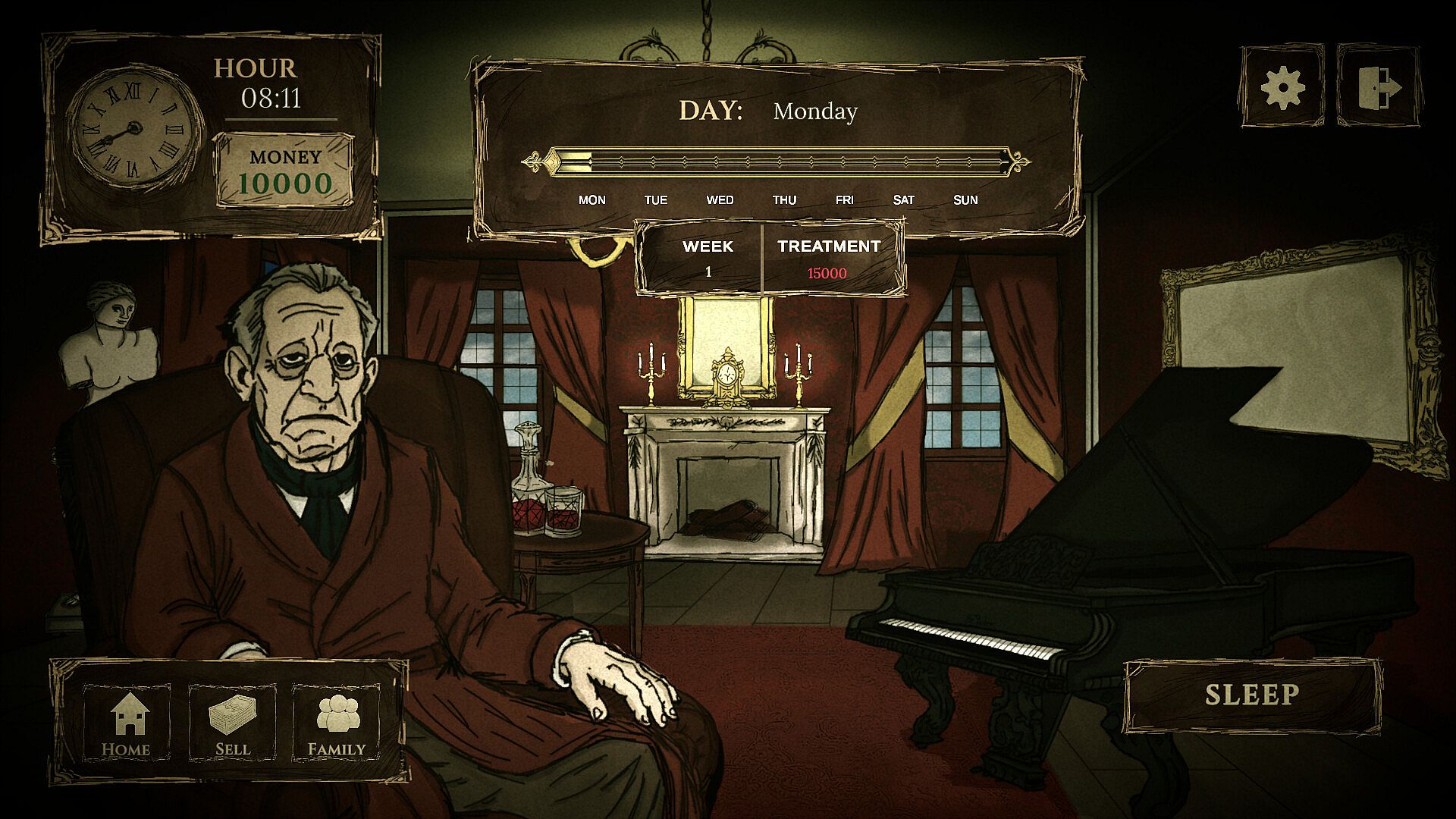
The central loop involves managing a finite fortune through sales of possessions, negotiations with various contacts, and responses to unexpected events. Players track daily expenditures and income while monitoring how choices reshape the home environment and family dynamics. Resource management emphasizes careful allocation, as missing a payment deadline accelerates decline.
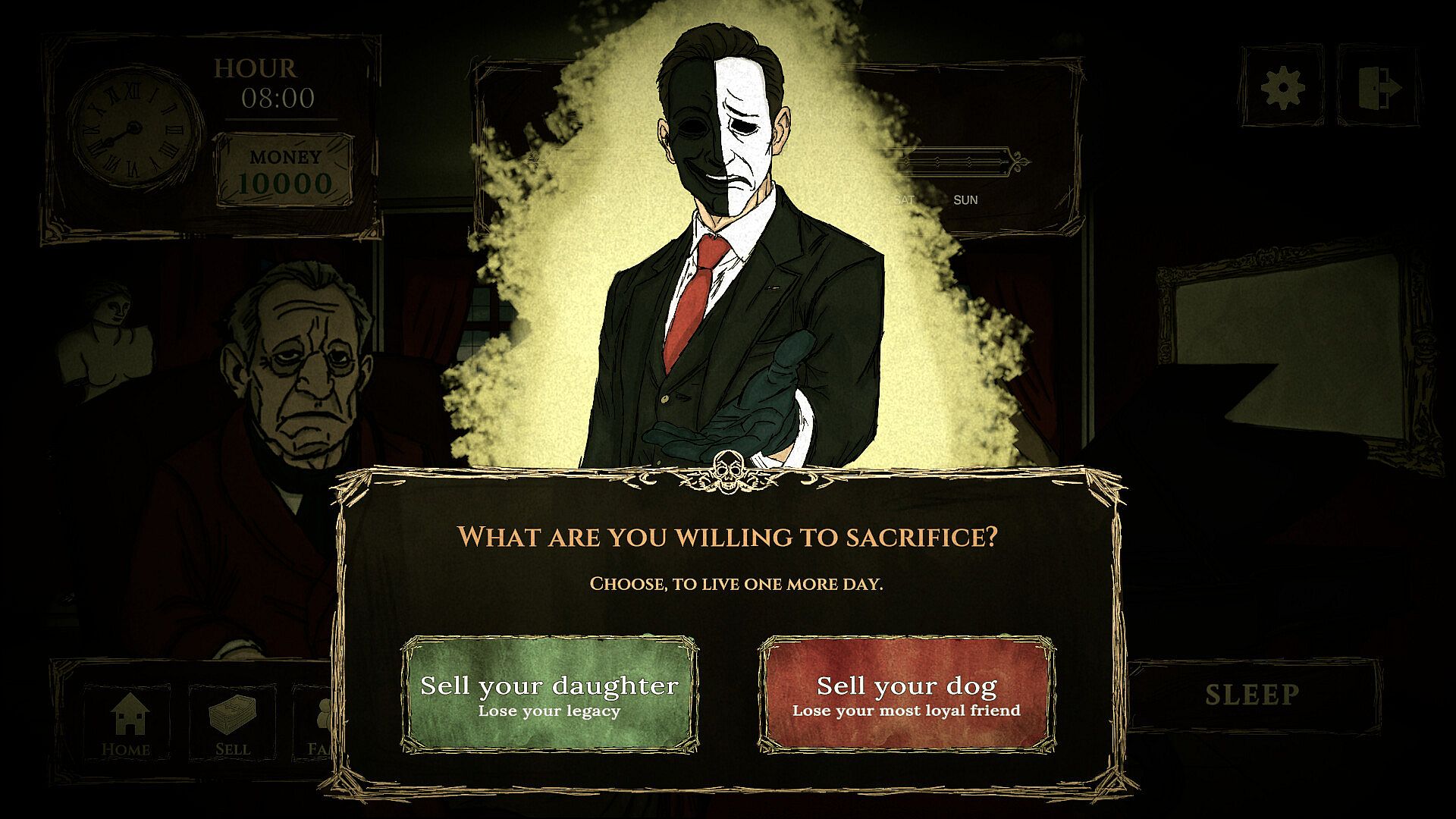
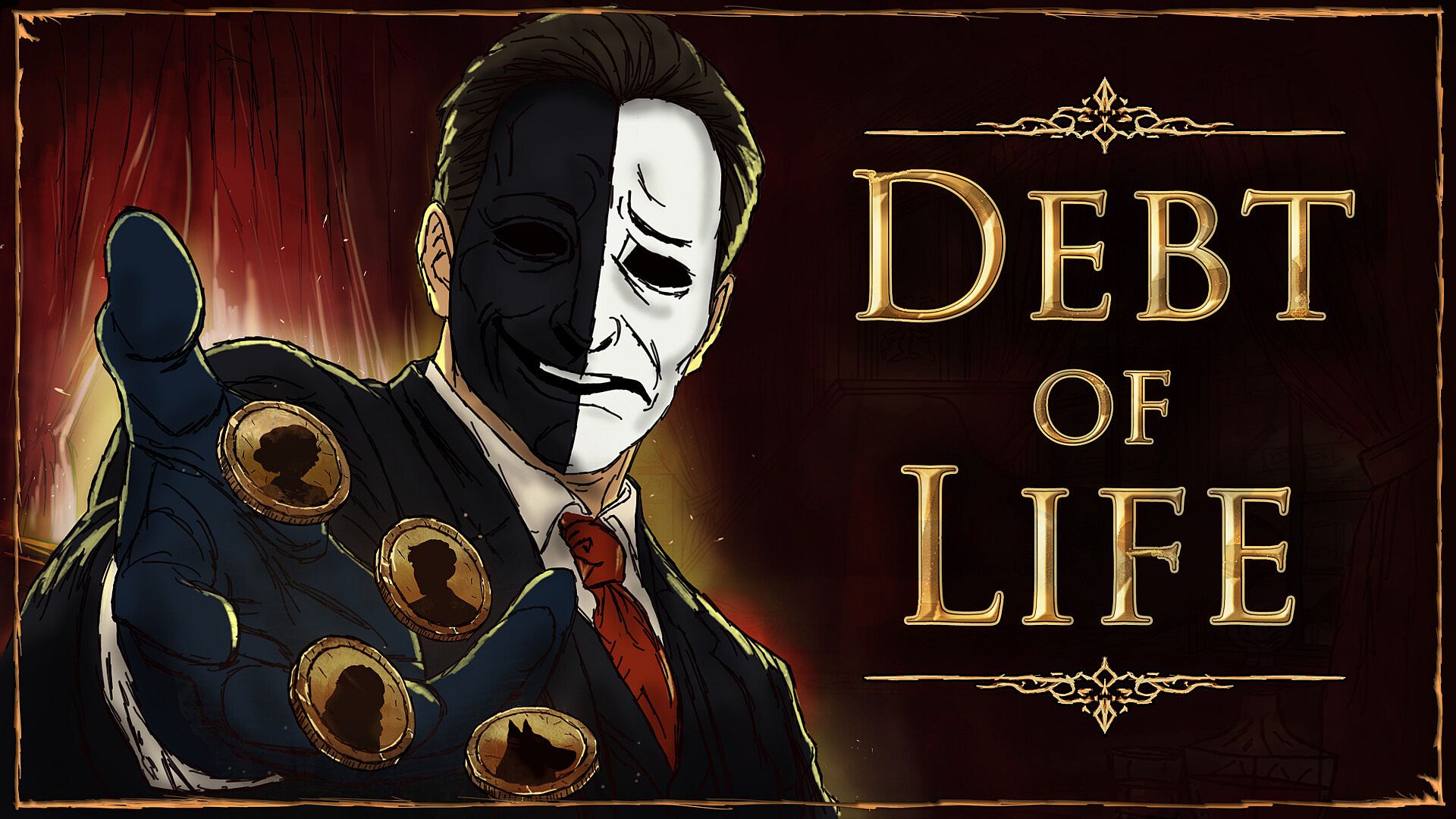
Events unfold each day with new opportunities and risks. These range from straightforward transactions to morally complex offers that test priorities. The Visitor appears regularly with proposals that promise short-term relief but carry long-term implications for relationships and personal integrity. Consequences accumulate, altering available options in subsequent days and influencing the overall narrative path.
Simulation elements focus on the tension between maintaining status and confronting harsh realities. Players decide what to sell, whom to trust, and which sacrifices to accept. The system rewards foresight while punishing impulsive actions that deplete reserves too quickly.
Game Modes
Debt of Life operates as a single-player narrative experience without separate multiplayer or competitive modes. The structure centers on one continuous story arc divided into weeks, where daily choices create branching outcomes. There are no distinct difficulty settings or alternate campaigns confirmed at this stage.
Progression relies entirely on the accumulation of decisions across the limited timeframe. Players revisit key locations and characters, with prior actions shaping dialogue, available deals, and final circumstances. The design encourages multiple playthroughs to explore different sacrifice combinations and relationship results.
Narrative and Themes
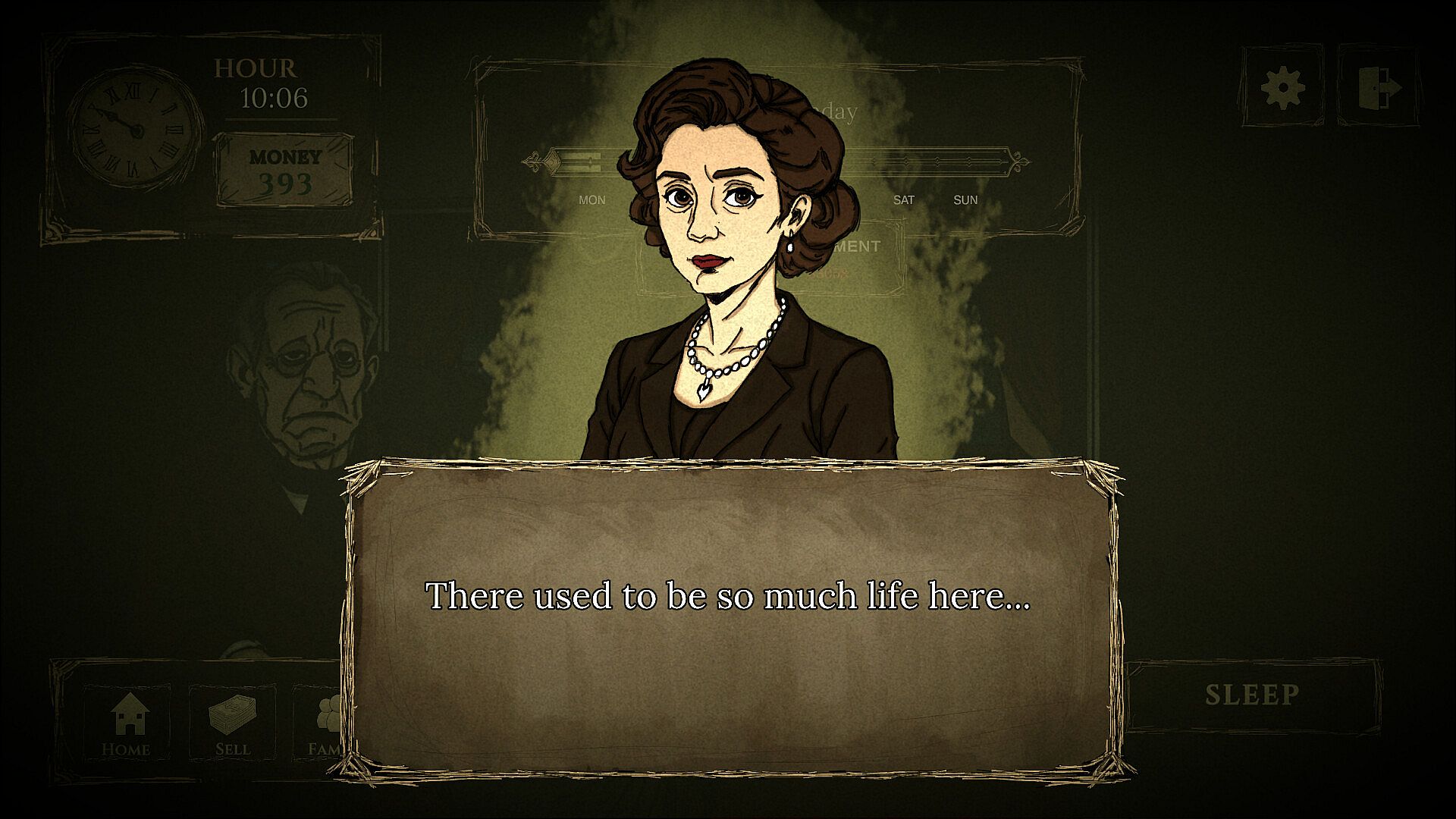
The story examines the cost of extended life when resources dwindle. Family interactions evolve based on financial pressures, and the home itself reflects the player's choices through visible changes. Moral dilemmas arise naturally from the need to secure funds, forcing consideration of trust, loyalty, and self-preservation.
The Visitor serves as a recurring catalyst for difficult offers that blur lines between necessity and compromise. Events introduce new characters and complications that test resolve without providing easy resolutions. The narrative avoids clear heroes or villains, instead highlighting the gray areas of survival decisions.
Is It Worth Playing?
Debt of Life targets players who enjoy short, choice-driven simulations focused on resource management and personal consequences. Its strength lies in the tight integration of daily survival mechanics with emotional stakes, creating a focused experience rather than an expansive open world.
Those drawn to narrative adventures with simulation layers will find the finite timeframe and escalating pressures compelling. The game suits individuals comfortable with ambiguity in outcomes and the absence of perfect solutions. Availability on PC positions it for straightforward access once released.
Reception details remain unavailable prior to launch, but the premise aligns with fans of introspective indie titles that prioritize meaningful decisions over action or collection elements. The emphasis on limited time and resources creates a distinct pace suited to reflective play sessions.