


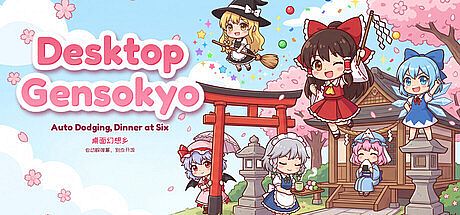


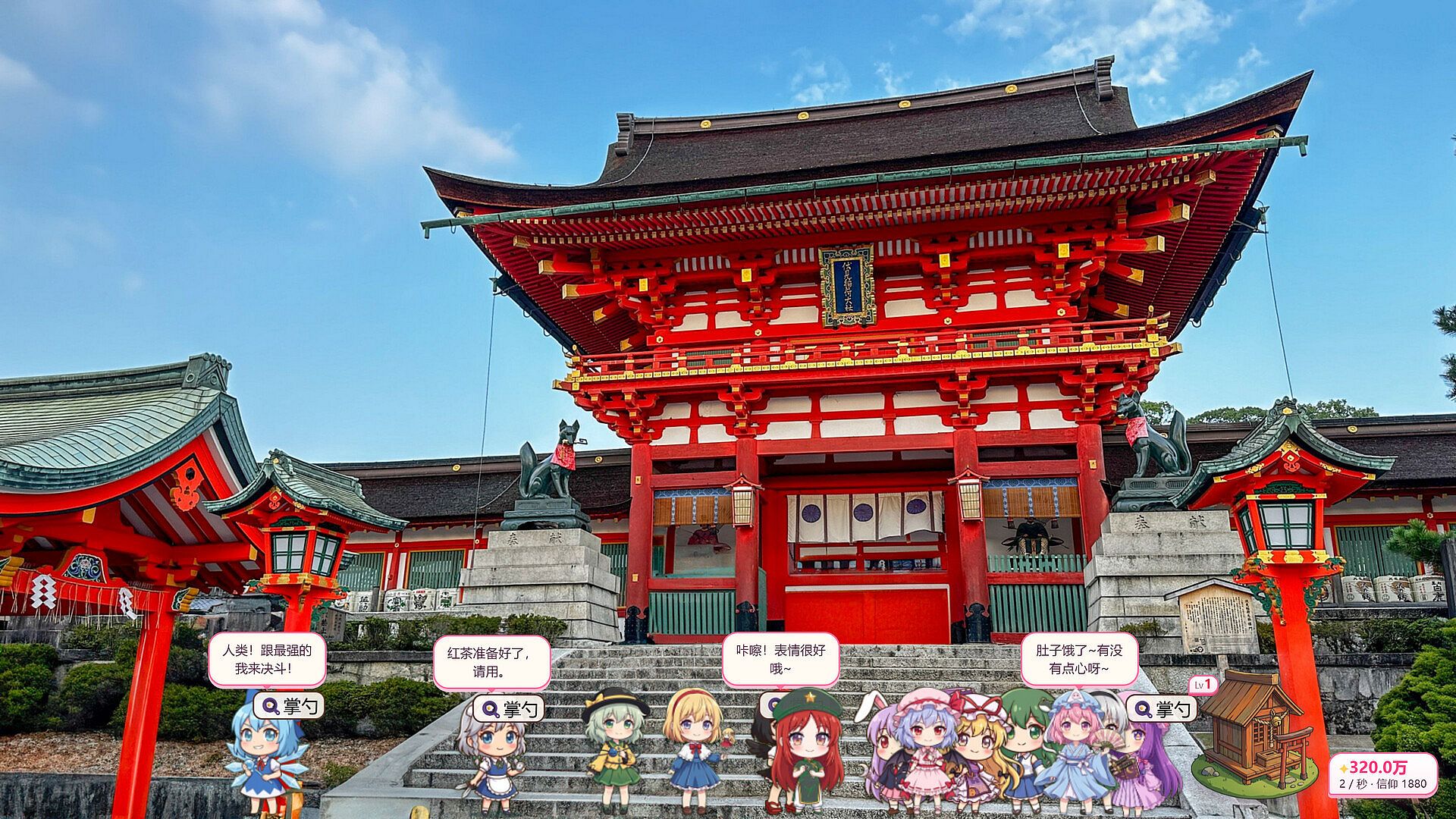
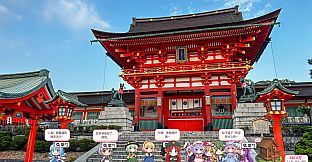
Desktop Gensokyo: Auto Dodging, Dinner at Six is an indie casual simulation game for PC that places 15 characters from the Touhou Project onto the user's desktop as interactive companions. The experience blends quiet desktop presence with automated danmaku battles and light management systems, all running in the background while the player works or relaxes.
Gameplay
The core loop centers on desktop companions who move along the bottom of the screen, respond to occasional head pats, and trigger personal events. Each of the 15 characters has unique animations, voice lines, and behaviors such as sitting when tired or raising hands when happy. Interactions like tapping during events build affection and yield small rewards without interrupting other tasks.
A transparent overlay window keeps the characters visible yet non-intrusive, with mouse pass-through so clicks register only on the companions or the shrine icon. Players can drag the shrine, adjust sizes, toggle chat frequency, or minimize everything to the system tray. Morning greetings, meal reminders, and late-night check-ins add gentle structure to daily use.
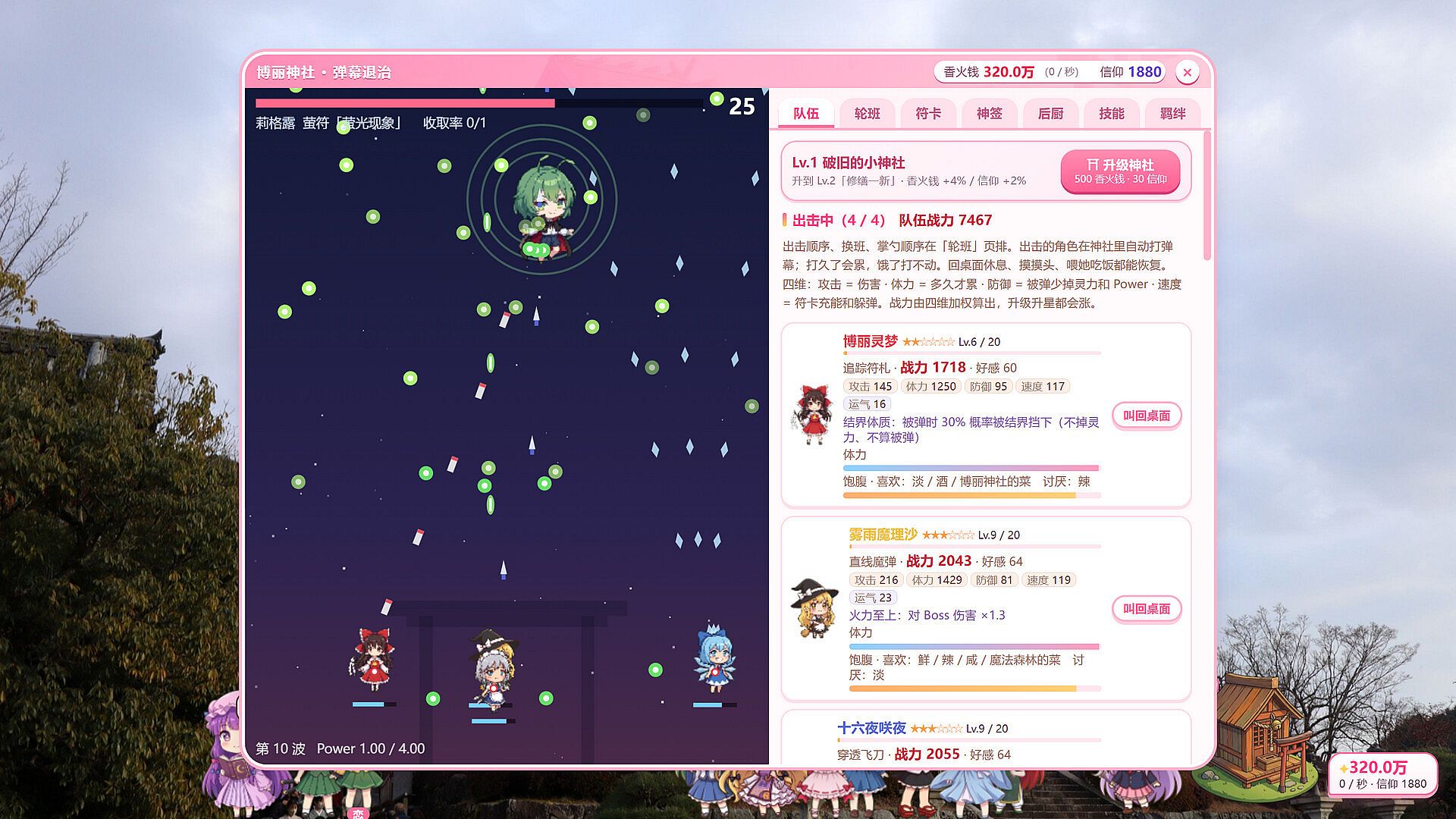
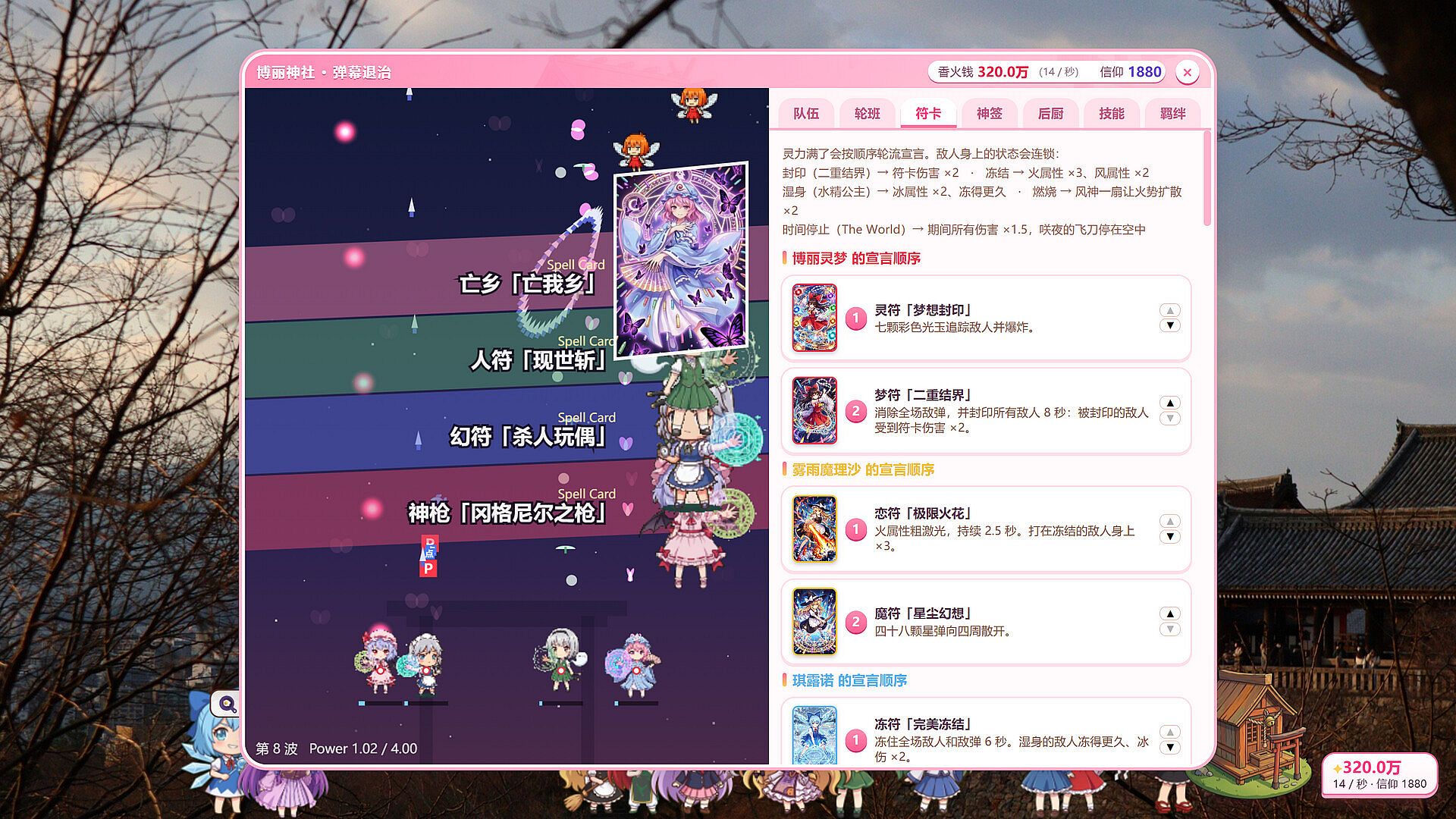
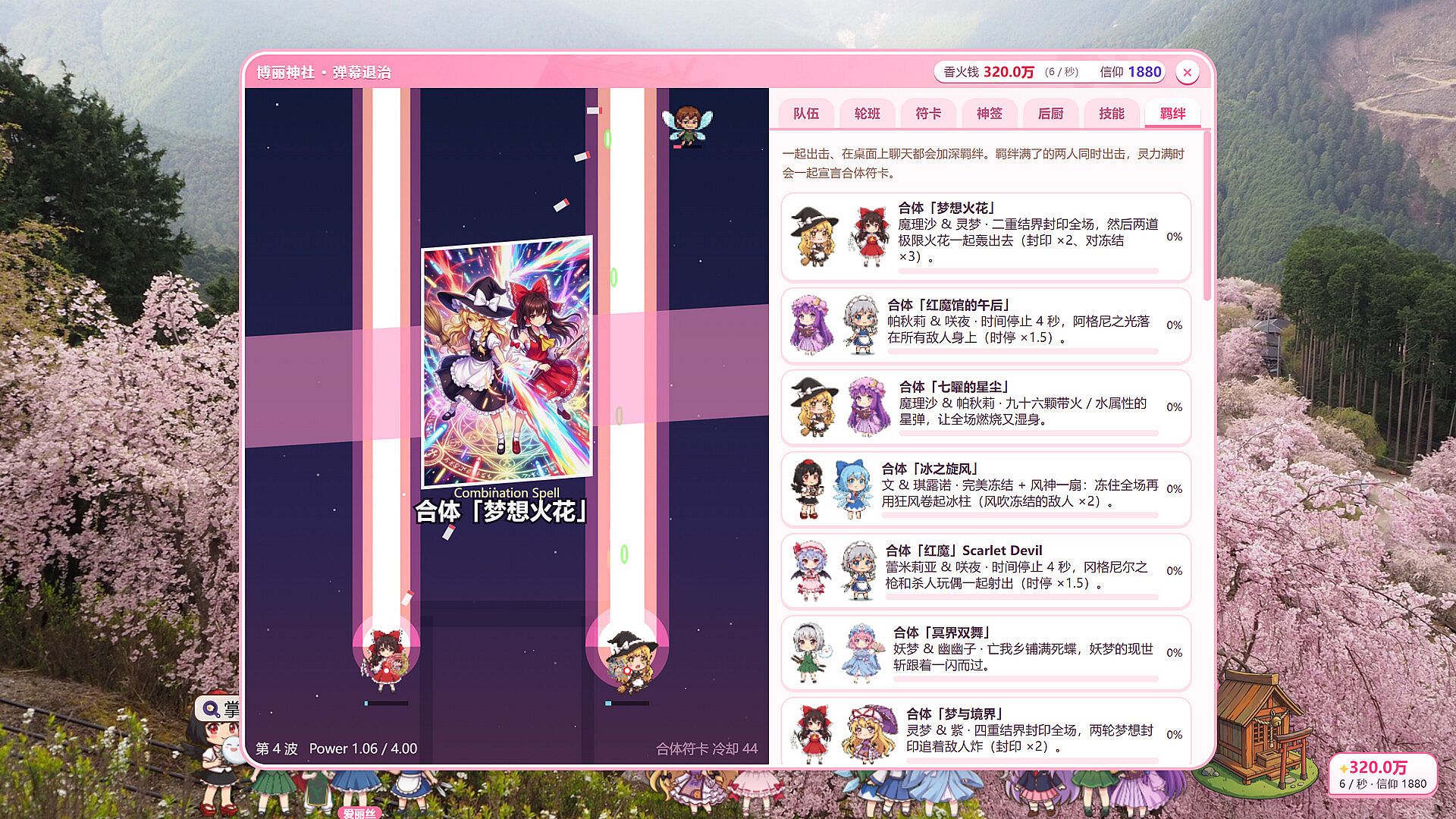
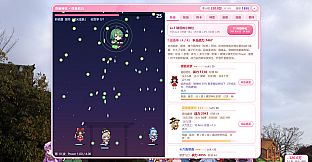
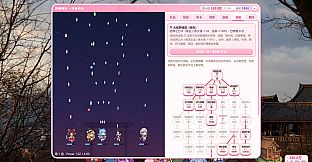
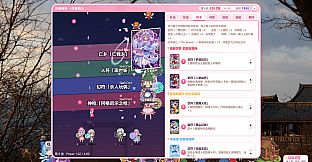
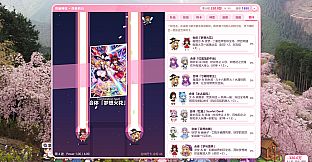
The shrine opens into an auto danmaku system where a selected team fires spell cards automatically, dodges incoming bullets, and collects faith resources. Thirty spell cards draw from individual character styles, including homing seals, straight blasts, wind gusts, knives, and dolls. Cards level from one to ten with faith for damage increases, and chaining effects like freeze followed by burn multiply damage output. Max-bond pairs unlock union spell cards for combined attacks.
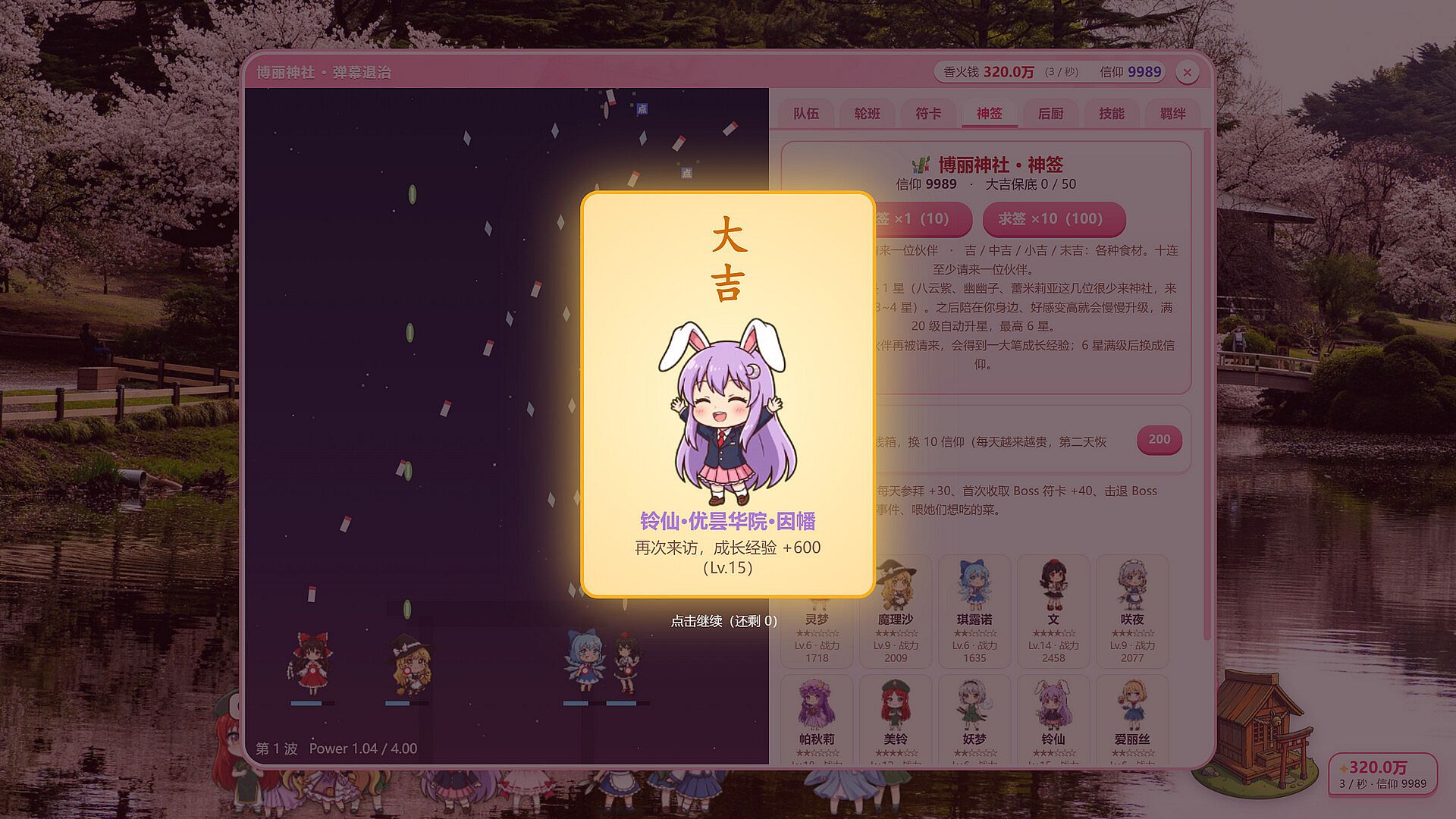
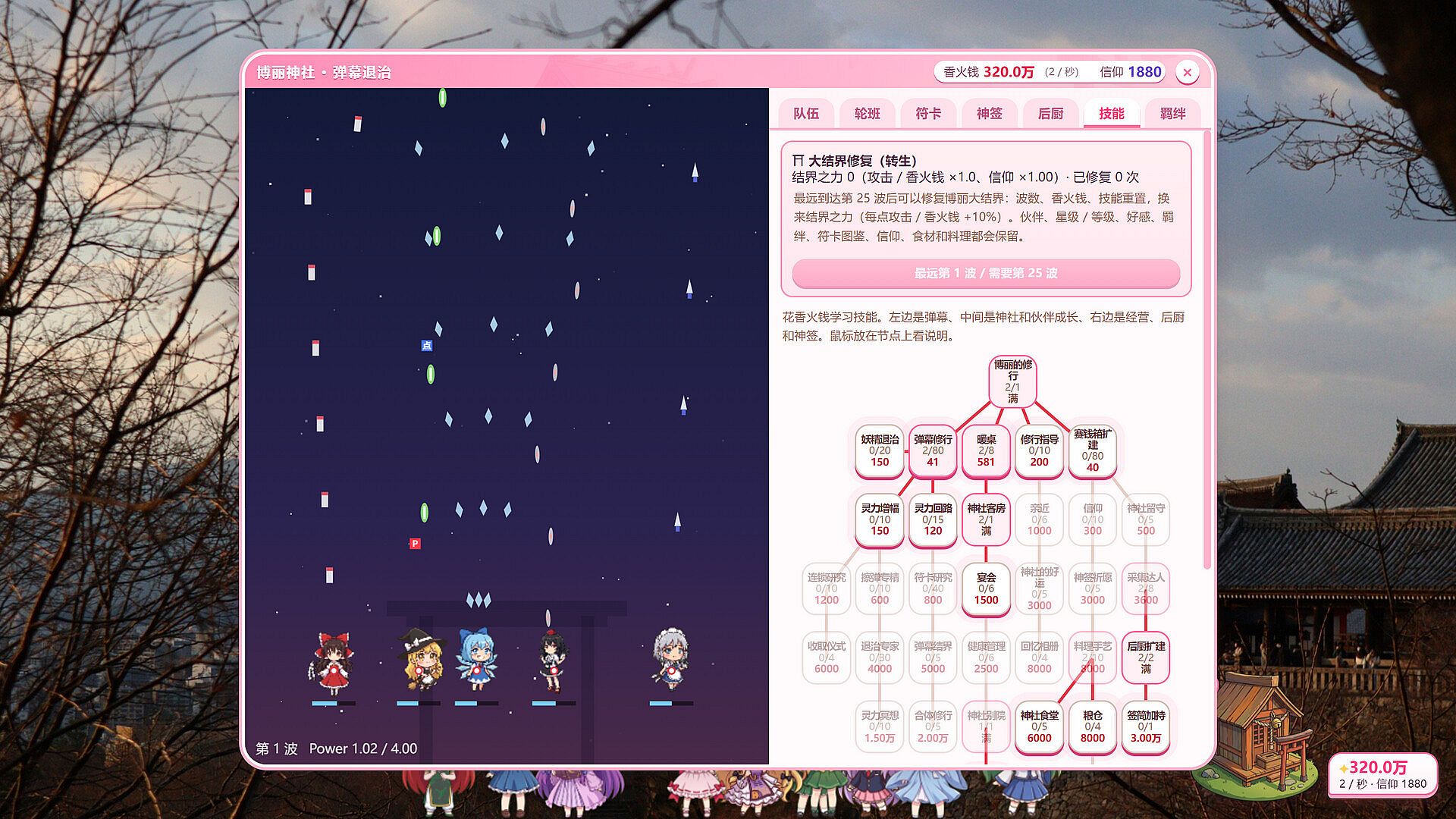
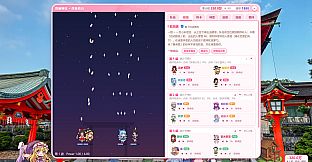
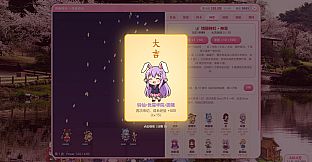
Summoning occurs through shrine draws that guarantee new companions after set numbers of pulls. Companions start at one star and advance to six through affection and idle time, each carrying four stats plus a luck factor that influences finds. A 34-node skill tree lets players allocate points across danmaku, cards, bosses, kitchen, and draws. Reincarnation resets progress for a permanent currency boost to accelerate future cycles.
The kitchen rotates resting companions onto four burners to prepare 12 original dishes tied to Gensokyo themes. Ingredients arrive from battles, draws, and bosses, while hungry characters display specific cravings. Completed meals strengthen bonds between cook and recipient, feeding into overall affection gains.
Game Modes
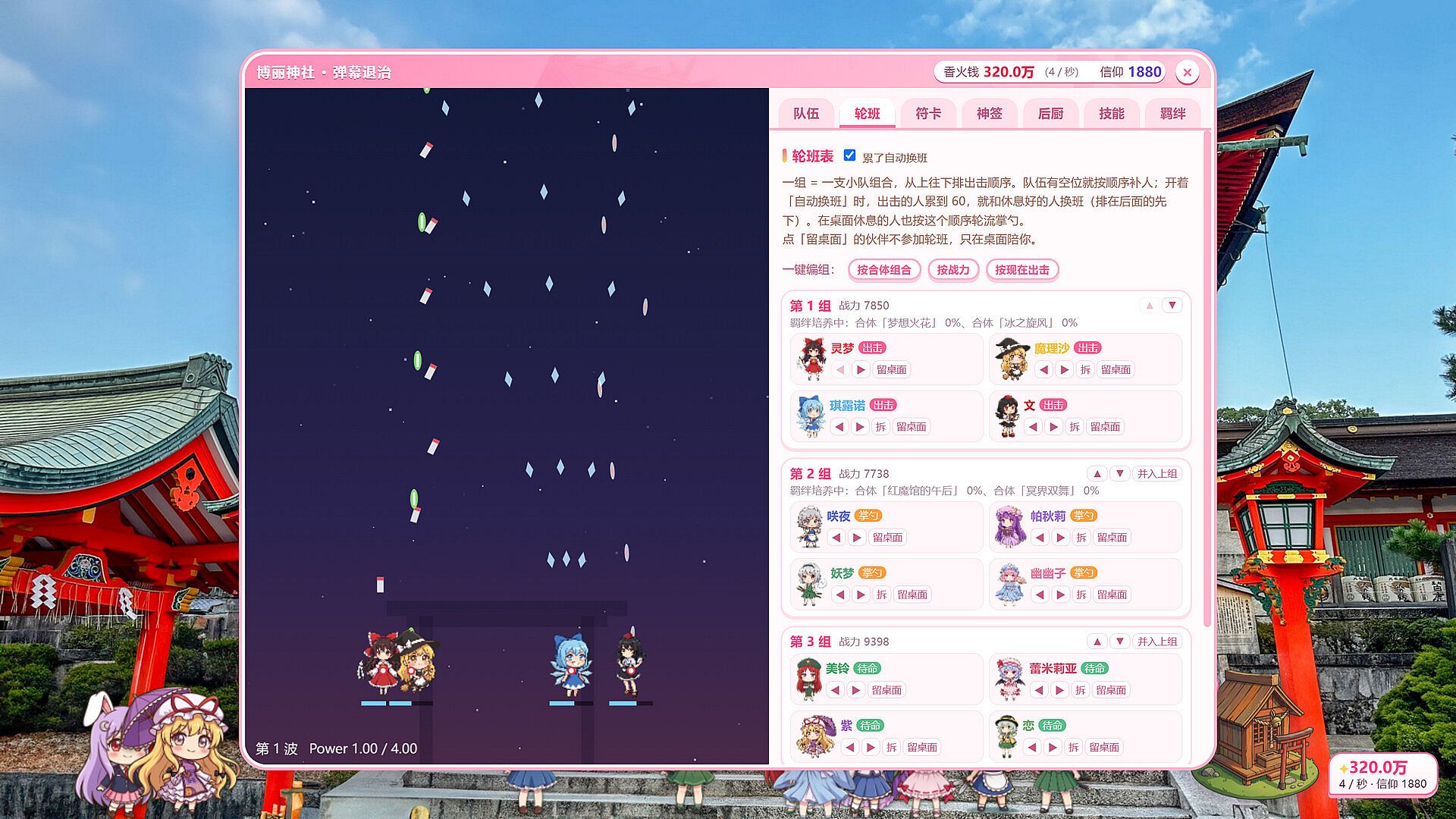
The game operates as a single-player idle simulation without separate named modes or multiplayer components. Desktop companion activity runs continuously alongside the optional shrine battle layer, where waves progress automatically and bosses appear every five waves. Capturing a boss spell card without taking damage grants a team-wide permanent bonus, with eight such cards available in total.
Progression ties the two layers together through shared resources like faith and affection. Players manage a battle roster while desktop characters handle kitchen shifts once the roster fills. Offline returns credit missed faith and complete any ongoing cooking, supporting flexible play sessions.
Character Interactions and Progression
Twenty-one pairs of companions feature exclusive two-person dialogues that trigger when they stand near each other, covering everyday exchanges and light conflicts. Rare high-star arrivals for certain characters add variety to summons, and duplicate pulls convert directly into experience boosts.
Pixel sprites handle the shrine battles while chibi artwork represents the desktop companions, both created specifically for this title. The skill tree and reincarnation system encourage repeated loops, with each cycle building on prior gains through barrier force rewards.
Is It Worth Playing?
This title suits players who enjoy low-pressure desktop companions combined with passive progression systems. The verified mechanics deliver consistent idle advancement through danmaku farming, kitchen bonds, and skill investments without requiring constant attention. As an upcoming release with no user reviews available yet, its appeal rests on the detailed companion events, auto-battle chaining, and offline-friendly design described in official materials.
Those seeking a Touhou-inspired single-player experience focused on collection, light strategy in card ordering, and background activity will find the feature set aligned with casual simulation preferences. The absence of active combat input keeps the focus on long-term growth and occasional direct interactions.












