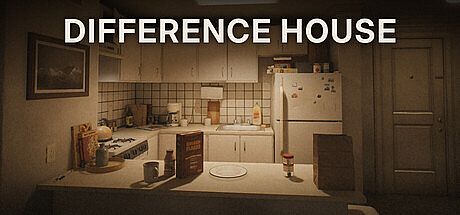


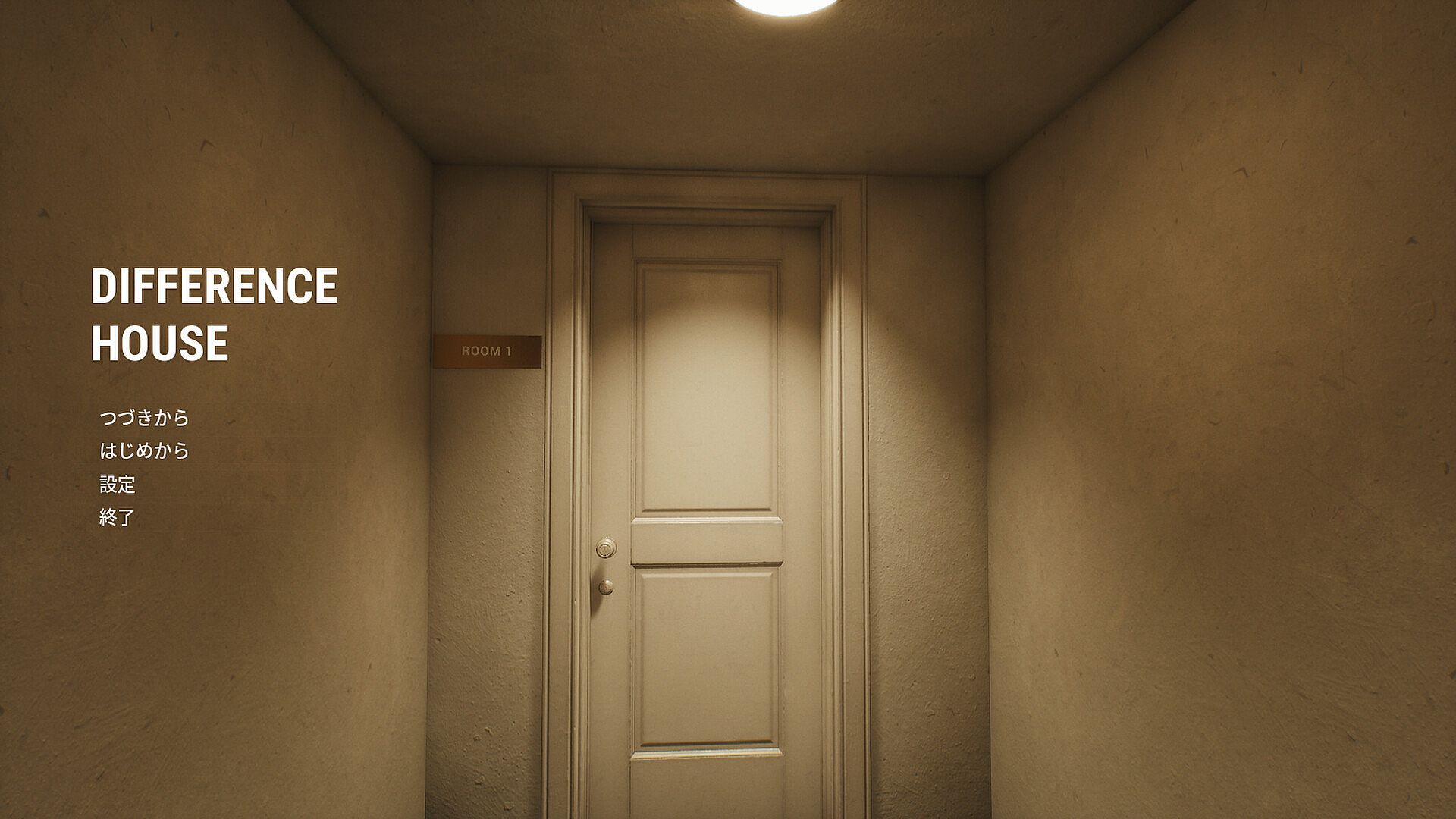
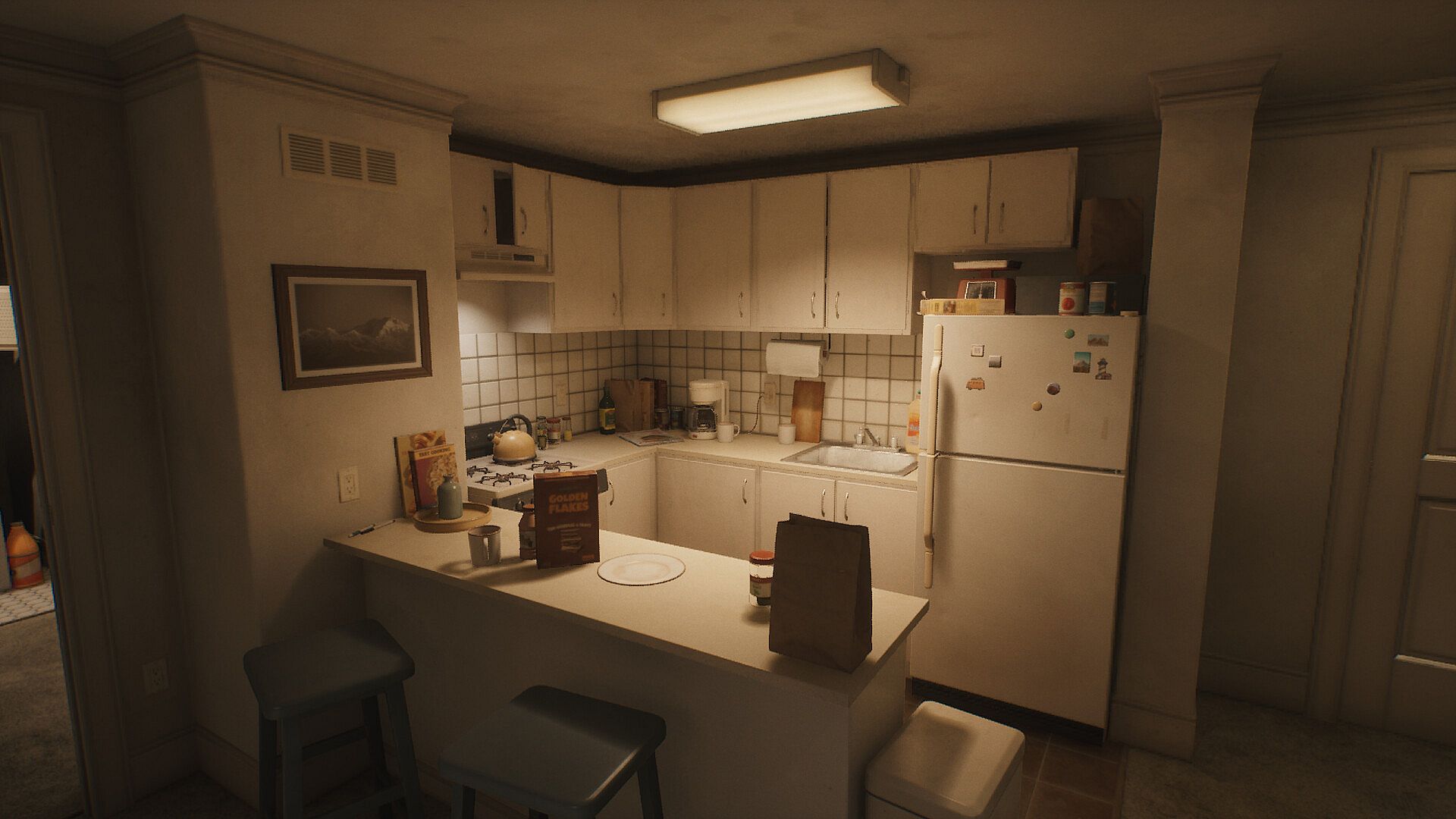
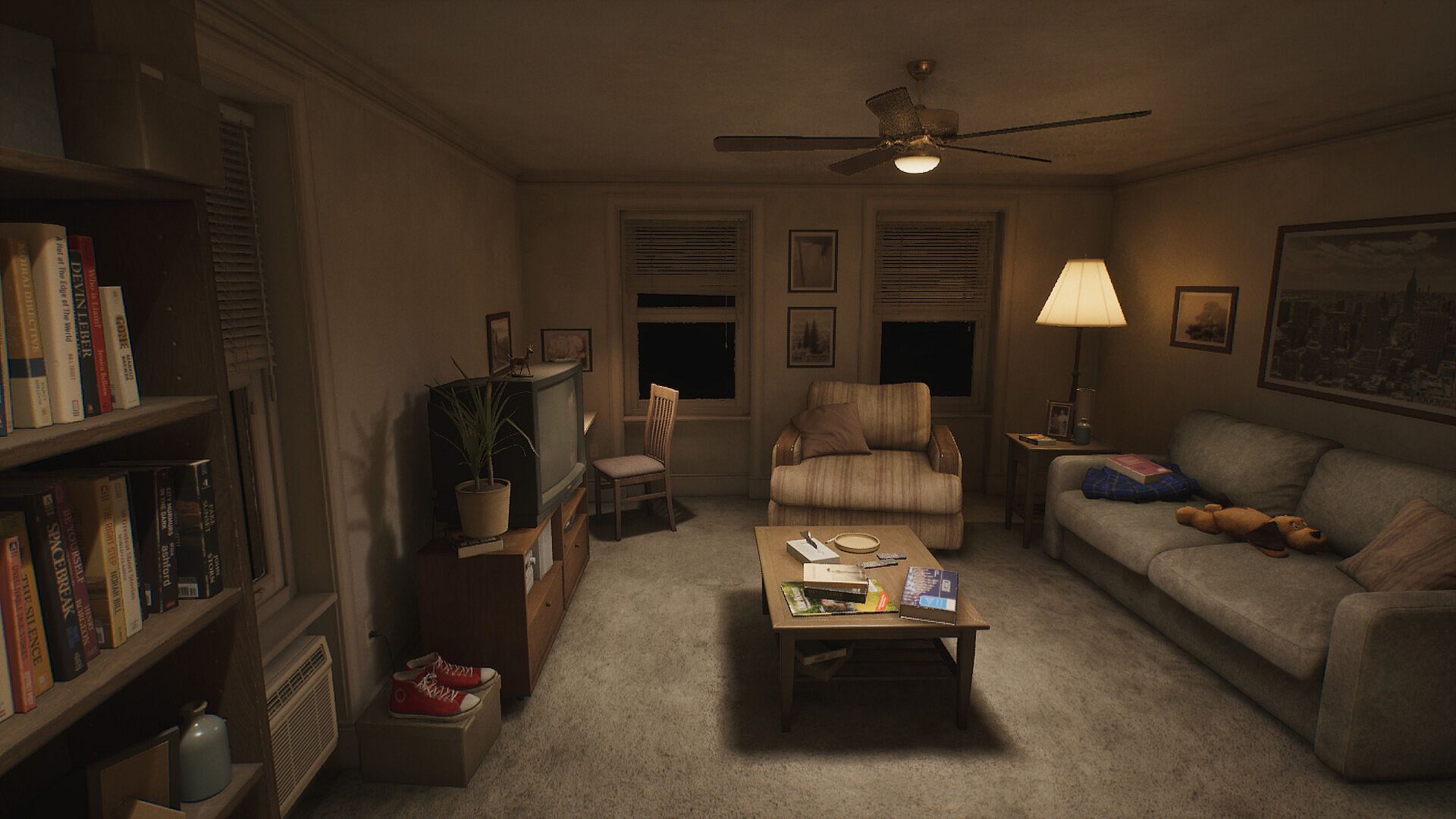
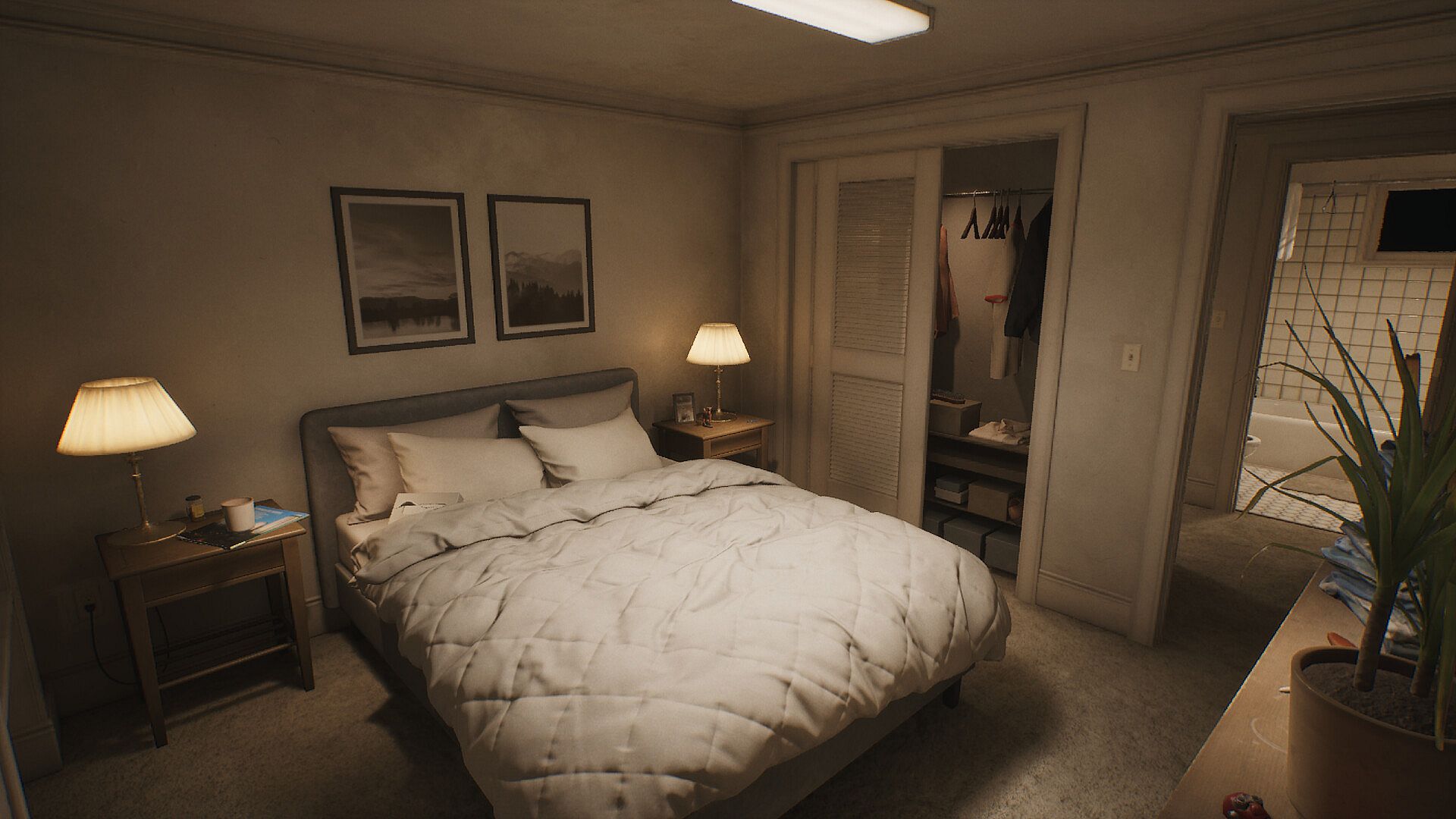
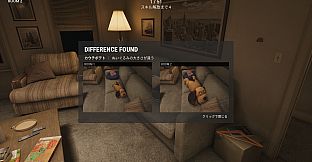
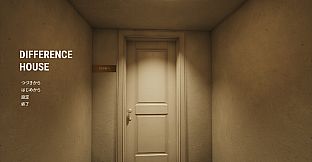
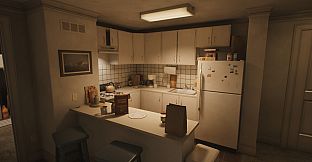
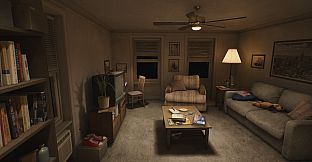
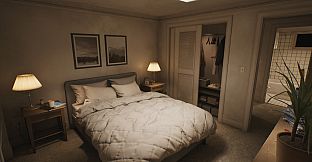
DIFFERENCE HOUSE: Find All 51 is a casual indie puzzle game for PC in which players explore two identical rooms and locate every one of the 51 differences hidden between them. The experience centers on careful observation and memory as the player walks freely through detailed domestic spaces, comparing layouts until the front door unlocks. Built around a single-player loop of study and discovery, the title emphasizes patience and attention to detail over action or competition.
Gameplay
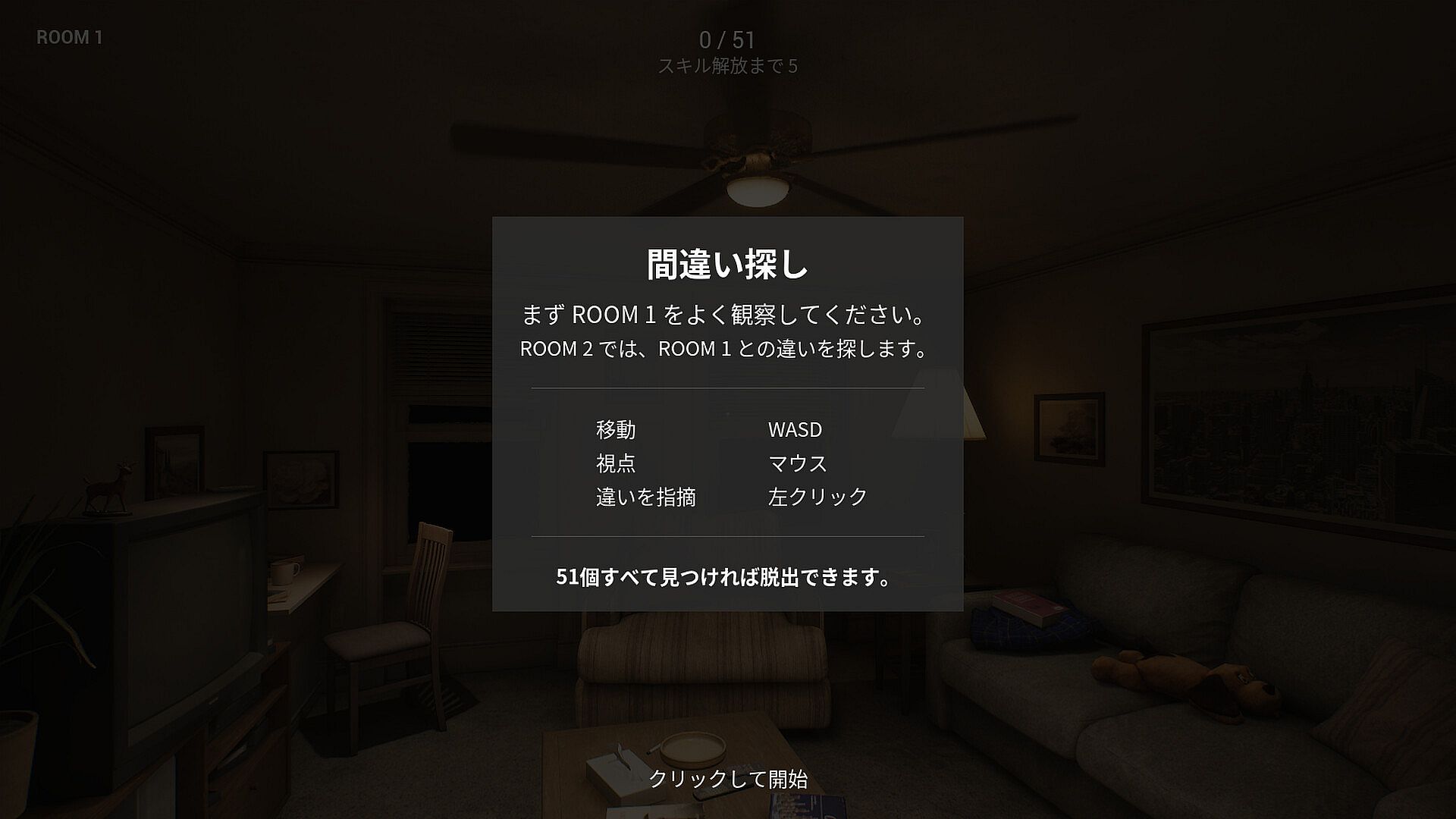
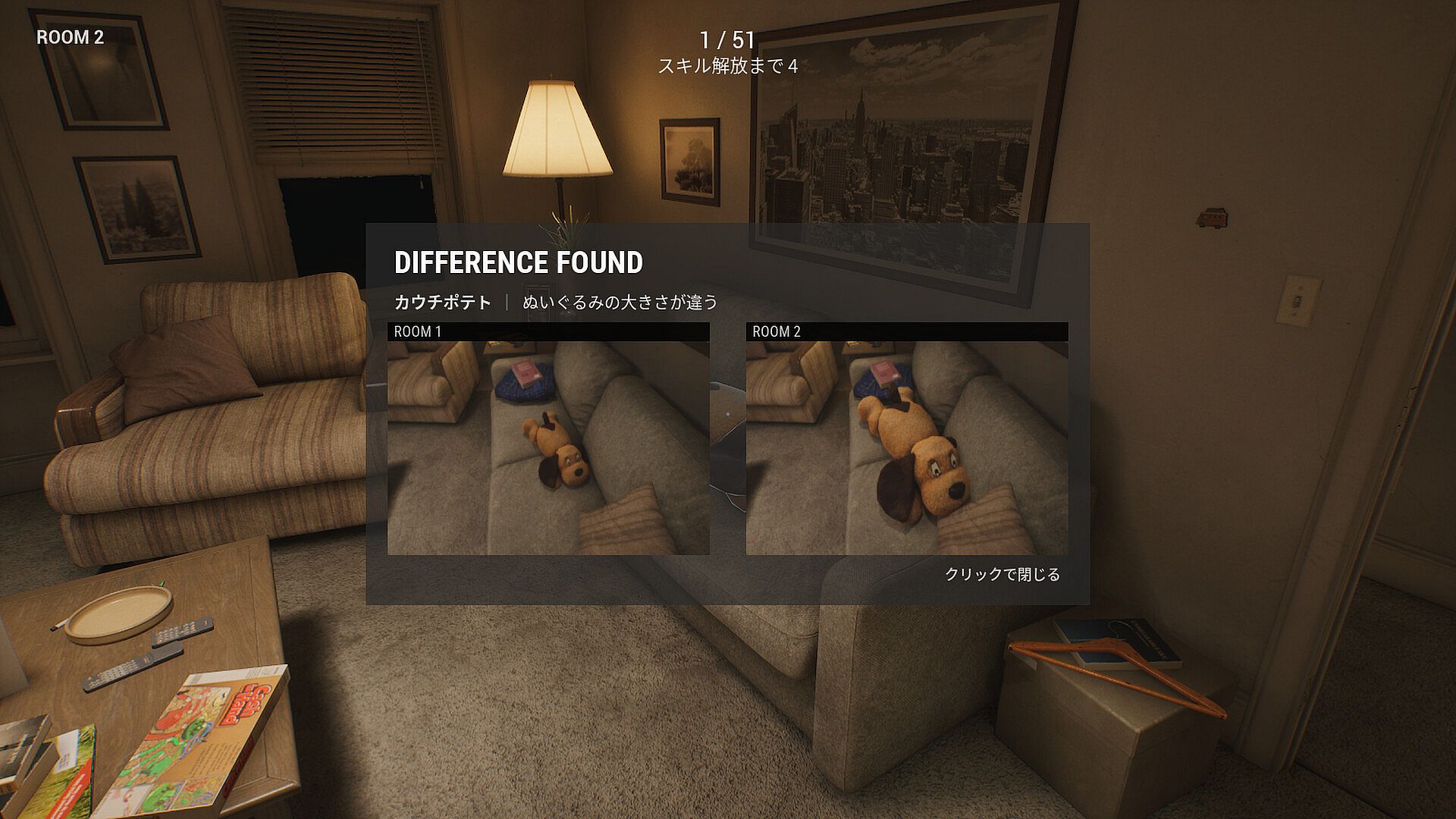
The core loop involves moving between two rooms that share the same layout. Players examine the first room thoroughly, noting objects, colors, positions, and arrangements, then enter the second room to identify what has changed. Differences range from obvious items like a misplaced appliance to subtle shifts such as altered lighting or small object placements that require repeated passes to spot. The game tracks clear time and the number of misses, with a brief lockout period triggered after too many incorrect selections in succession. Autosave allows sessions to resume without loss of progress, and new abilities become available as more differences are found, including options to capture photos and monitor area completion.
Five distinct areas house the total of 51 differences: the kitchen, bathroom, living room, bedroom, and laundry. Each area presents its own set of visual puzzles that reward methodical scanning and recall of earlier observations. The first-person perspective lets players navigate at their own pace, turning the house into an interactive environment rather than a static image pair. This setup suits players who enjoy relaxing yet focused puzzle sessions that test visual memory without time pressure or external threats.
Game Modes
The game operates as a single continuous experience without separate named modes. Progression unfolds through the sequential discovery of differences across the five areas, with unlocks tied directly to the number of correct finds. The structure encourages repeated visits to previously cleared spaces to refine observation skills, while the recorded statistics on completion time and misses provide personal benchmarks for improvement. No multiplayer or competitive elements exist, keeping the focus entirely on individual exploration and puzzle solving within the fixed house layout.
Key Mechanics and Progression
Skills unlock gradually, granting tools such as photographic references and progress indicators that help track remaining differences in each area. These features integrate into the walking and comparing process, allowing players to build familiarity with the rooms over time. The penalty for repeated misses introduces a light layer of consequence that encourages accuracy without disrupting the casual pace. Overall, the systems reinforce the central theme of endurance and precision in a contained, walkable environment.
Is It Worth Playing?
This title appeals most to players who appreciate deliberate, observation-based puzzles in a low-pressure single-player setting. The emphasis on memory and detail makes it suitable for short or extended sessions, particularly for those drawn to casual indie experiences that reward careful attention rather than reflexes or strategy. With the game still listed as coming soon and no player reviews available at this stage, interest depends on personal preference for spot-the-difference mechanics executed in a navigable 3D space. Those who enjoy similar visual comparison games will find a focused, self-contained challenge here once it releases.