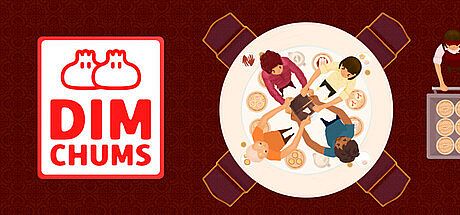



Dim Chums is a casual local multiplayer party game for up to four players on PC. Set inside a bustling dim sum restaurant, it challenges participants to outmaneuver family members at the table through quick timing and clever use of character abilities. The goal centers on collecting the most Face Points across rounds of competitive eating and service actions.
Gameplay
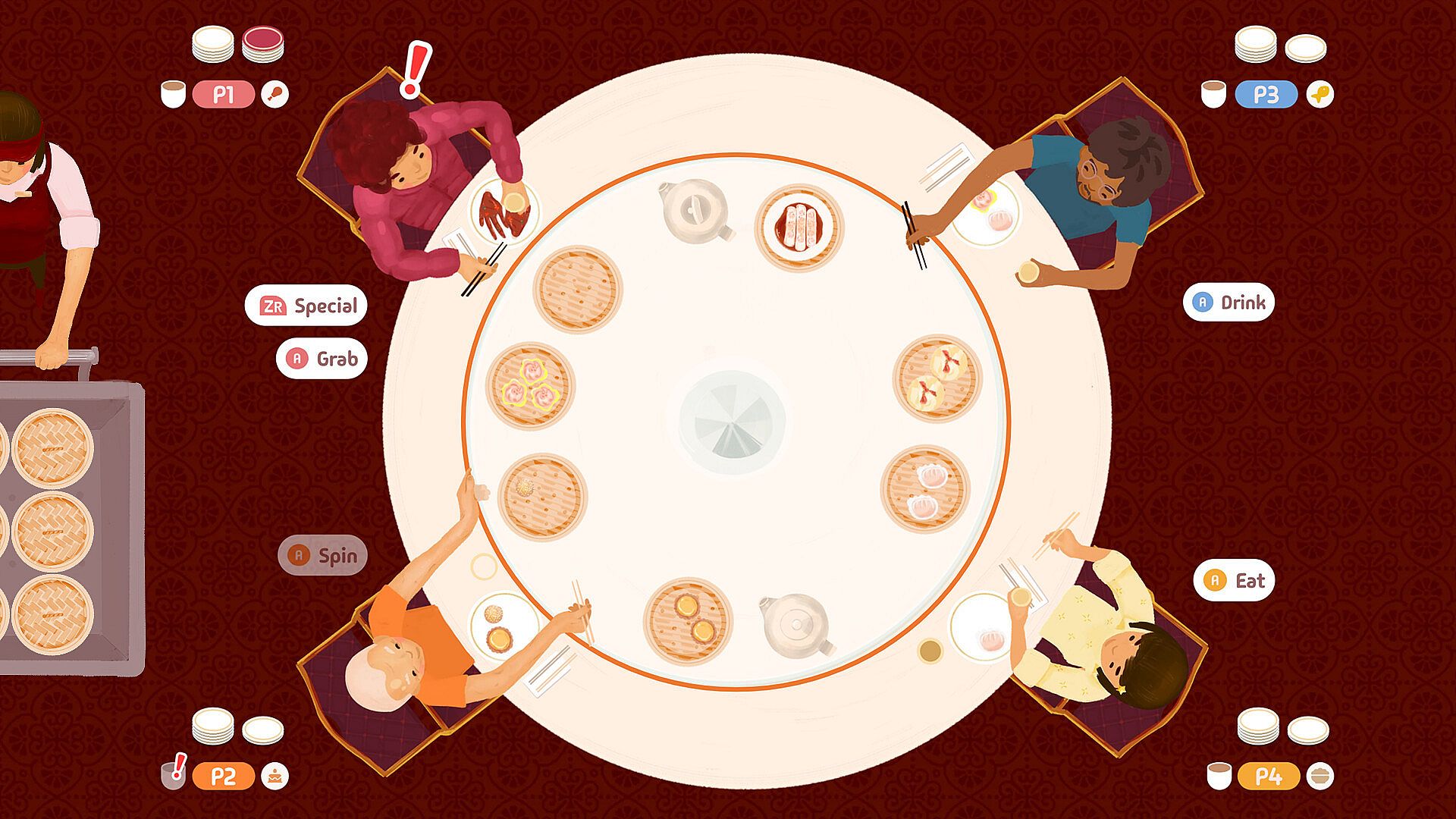
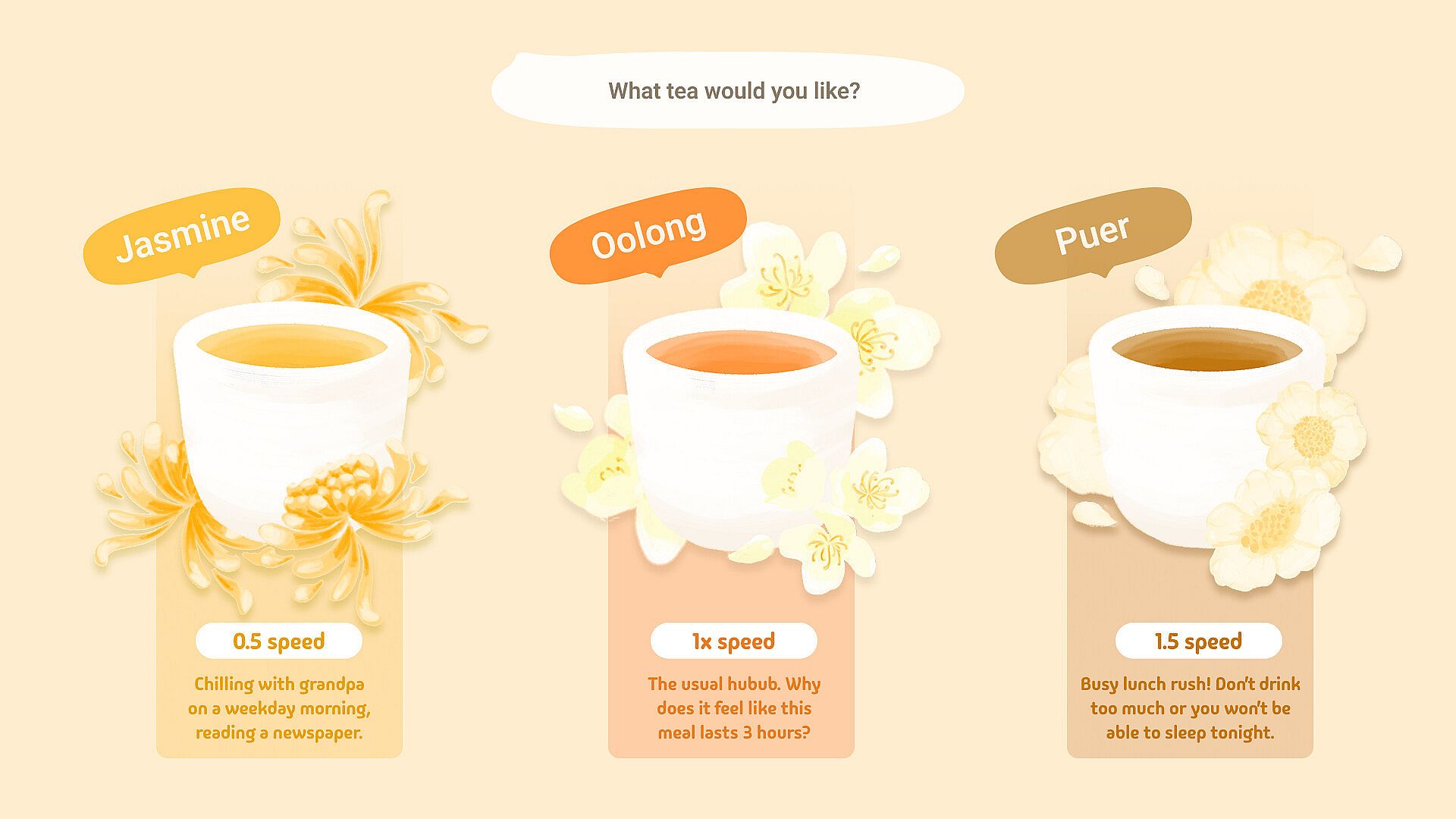
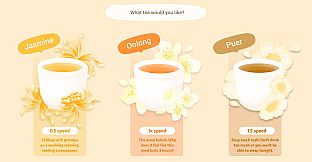
The core loop revolves around a shared table where players manage several simultaneous tasks. Eating hot food requires careful selection to avoid penalties, while pouring tea demands attention before cups empty. Spinning the lazy susan repositions dishes for advantage, and claiming the final piece of a serving can swing the score. Each round builds tension as resources dwindle and opportunities arise only for those who act fastest.
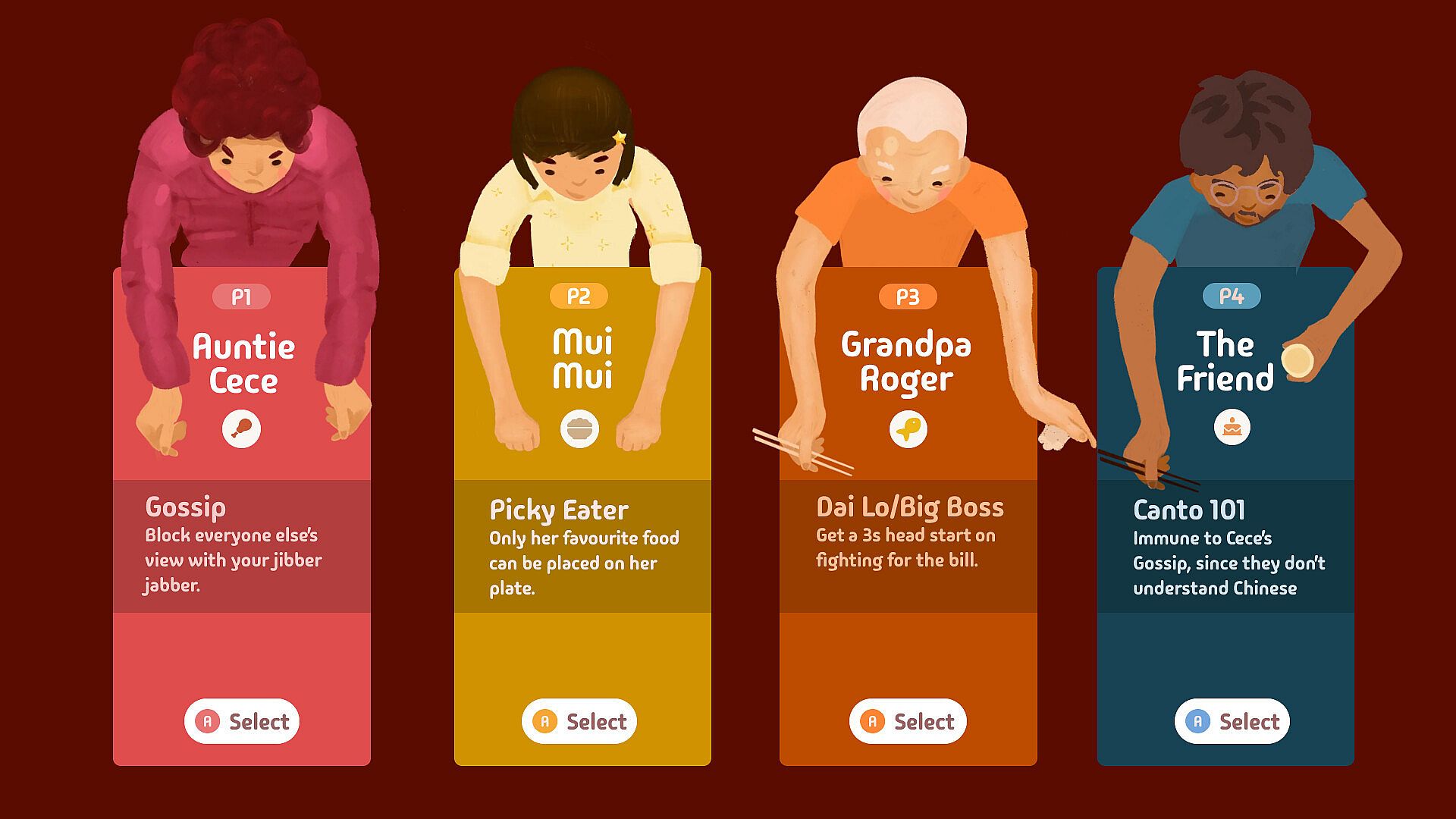
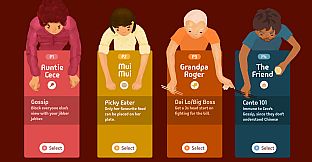
Four distinct characters provide asymmetry through special powers. One always receives priority service as the grandparent. Another deploys gossip that obscures the view of available dishes for opponents. These abilities integrate directly into the table actions, forcing players to adapt strategies based on who sits across from them. The setup encourages repeated plays as participants learn optimal timing for each power.
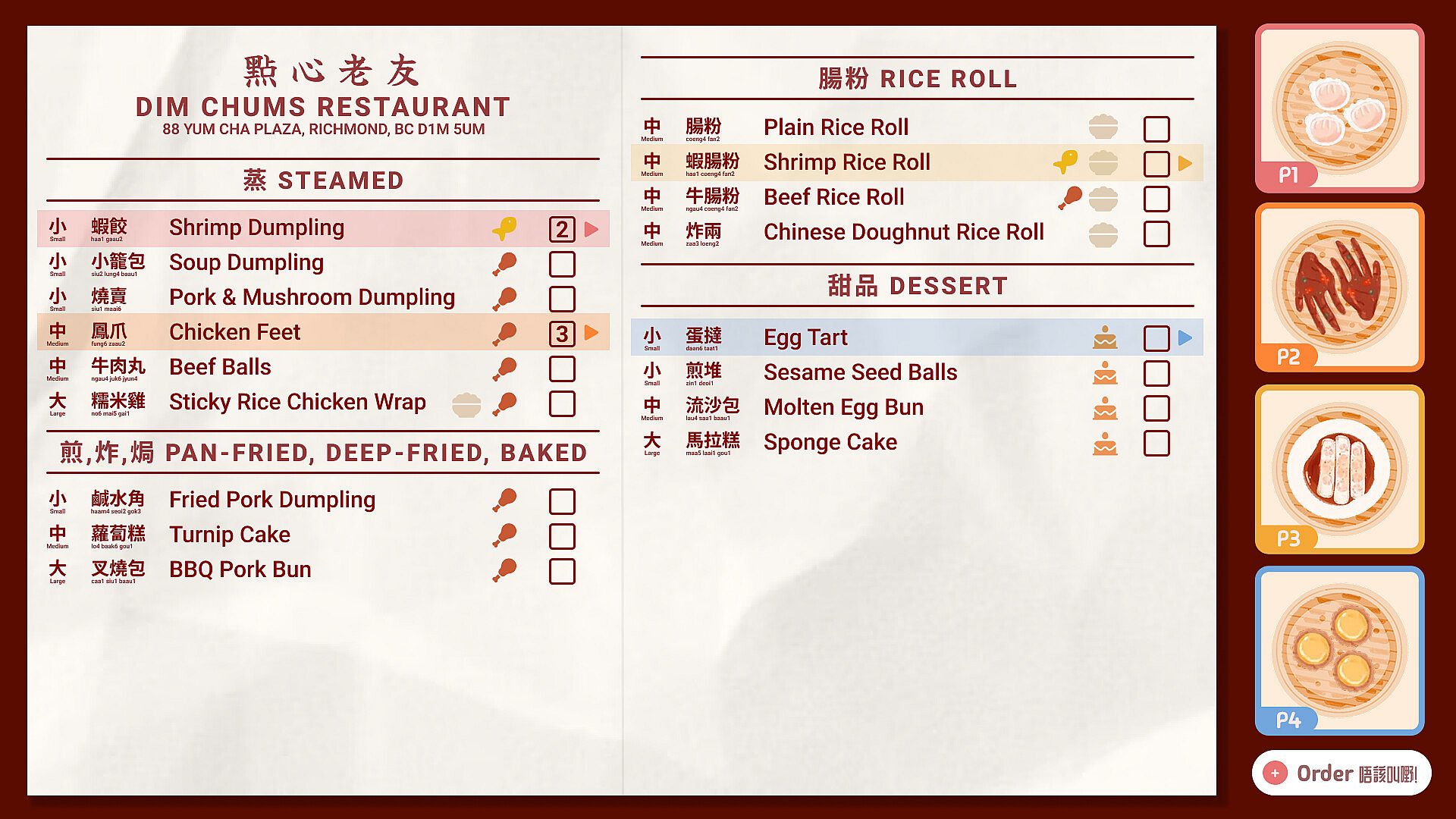
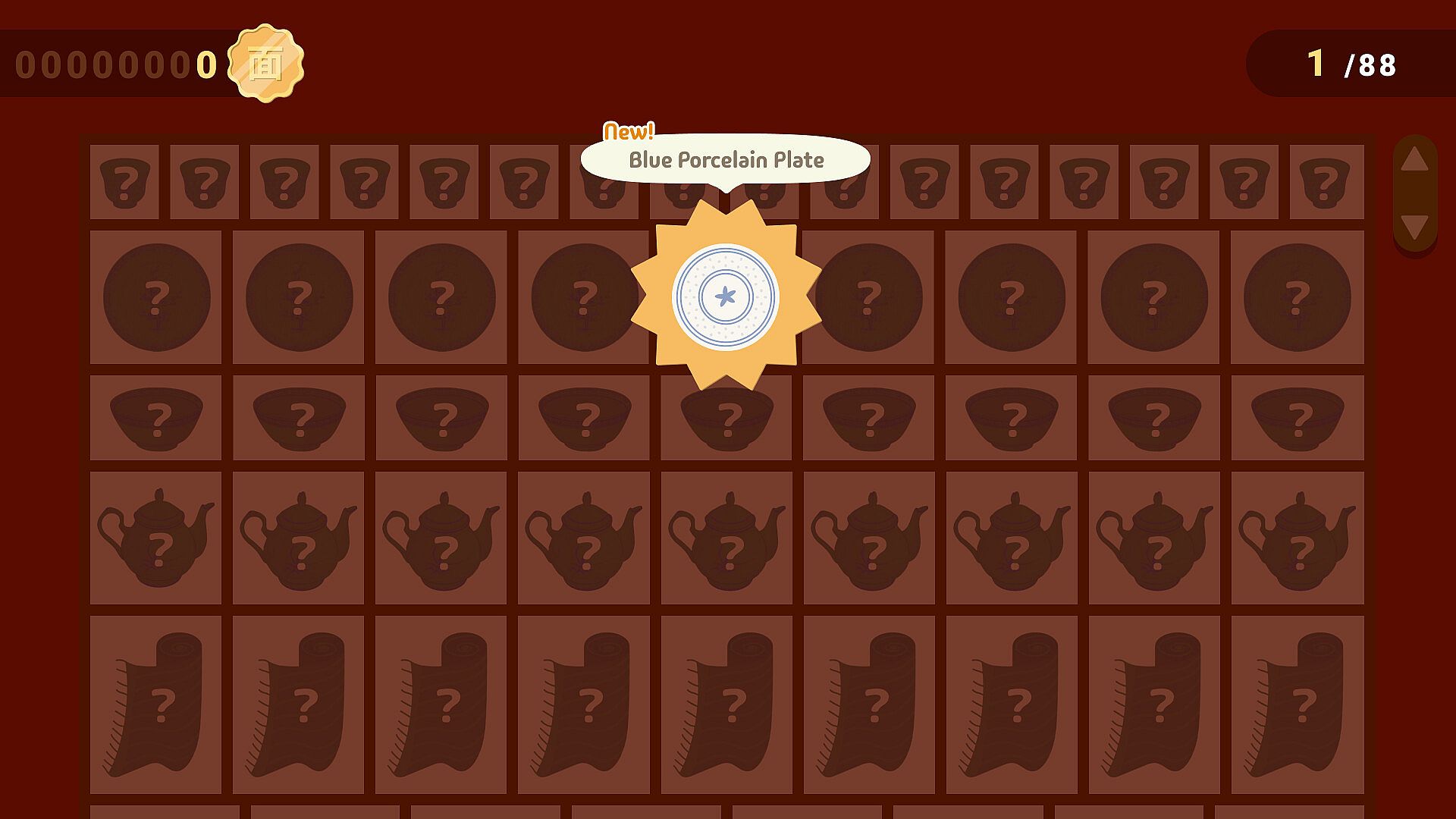
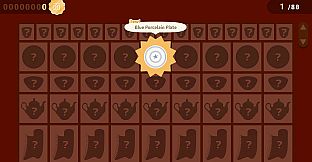
Progression occurs between rounds through unlocks of additional dim sum items, visual cosmetics for characters, and restaurant decorations. These changes alter the visual layout and available options without shifting the fundamental rules, keeping sessions fresh for groups that return often.
Game Modes
Dim Chums focuses on competitive local sessions where all participants share the same physical or split-screen view. Matches proceed through successive rounds of table management until a set number of points or rounds concludes the game. The structure supports quick setup and variable length depending on group preference, suiting both short bursts and longer gatherings.
Remote Play Together extends the experience to online friends using the same local ruleset. No separate competitive ladders or team-based variants appear in the current design, keeping emphasis on direct head-to-head play among the four seats at the table.
Key Mechanics and Features
Face Points serve as the sole scoring metric, accumulated through successful actions like timely eating or precise tea service. The lazy susan mechanic introduces spatial decision-making, as rotating the central tray can block or enable access for specific players. Character abilities activate automatically or on demand, layering strategy onto the otherwise fast-paced reflex elements.
Unlocks reward consistent play by expanding the roster of dishes and altering the restaurant's appearance. These elements remain cosmetic or additive rather than mandatory, preserving accessibility for new groups while offering depth for regulars.
Who the Game Targets
Dim Chums appeals to players seeking lighthearted competition in a familiar social setting. Its casual genre classification and local focus make it suitable for family gatherings, friend meetups, or small parties where screen sharing or couch play is preferred. The restaurant theme adds cultural flavor without requiring prior knowledge of dim sum traditions.
Those who enjoy party games built around shared physical space and simple rules will find the mechanics intuitive after one or two rounds. The absence of complex controls or long tutorials supports drop-in play for mixed experience levels.
Is It Worth Playing?
Dim Chums delivers a focused party experience centered on timing, positioning, and light ability use within a consistent restaurant setting. Its local multiplayer emphasis and Remote Play Together support make it a strong choice for groups that prefer in-person or nearby sessions over online matchmaking. With no user reviews available yet due to its upcoming status, the value rests on how well the described table actions and character powers match a group's taste for short, repeatable competitive rounds.
Players who value quick setup, asymmetric character effects, and progression through cosmetic and item unlocks will likely enjoy repeated sessions. Those seeking deeper single-player content or large-scale online modes may find the scope narrower than broader party titles. The game suits casual audiences looking for a themed alternative to standard board or card games translated to digital format.