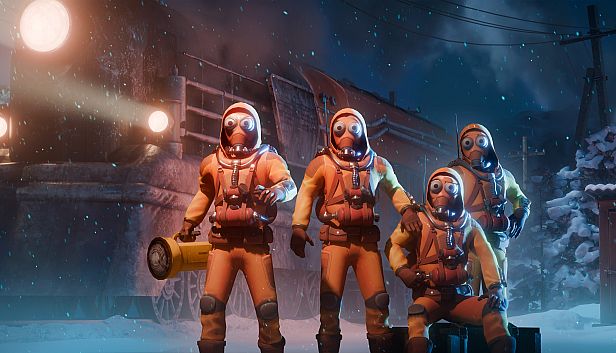



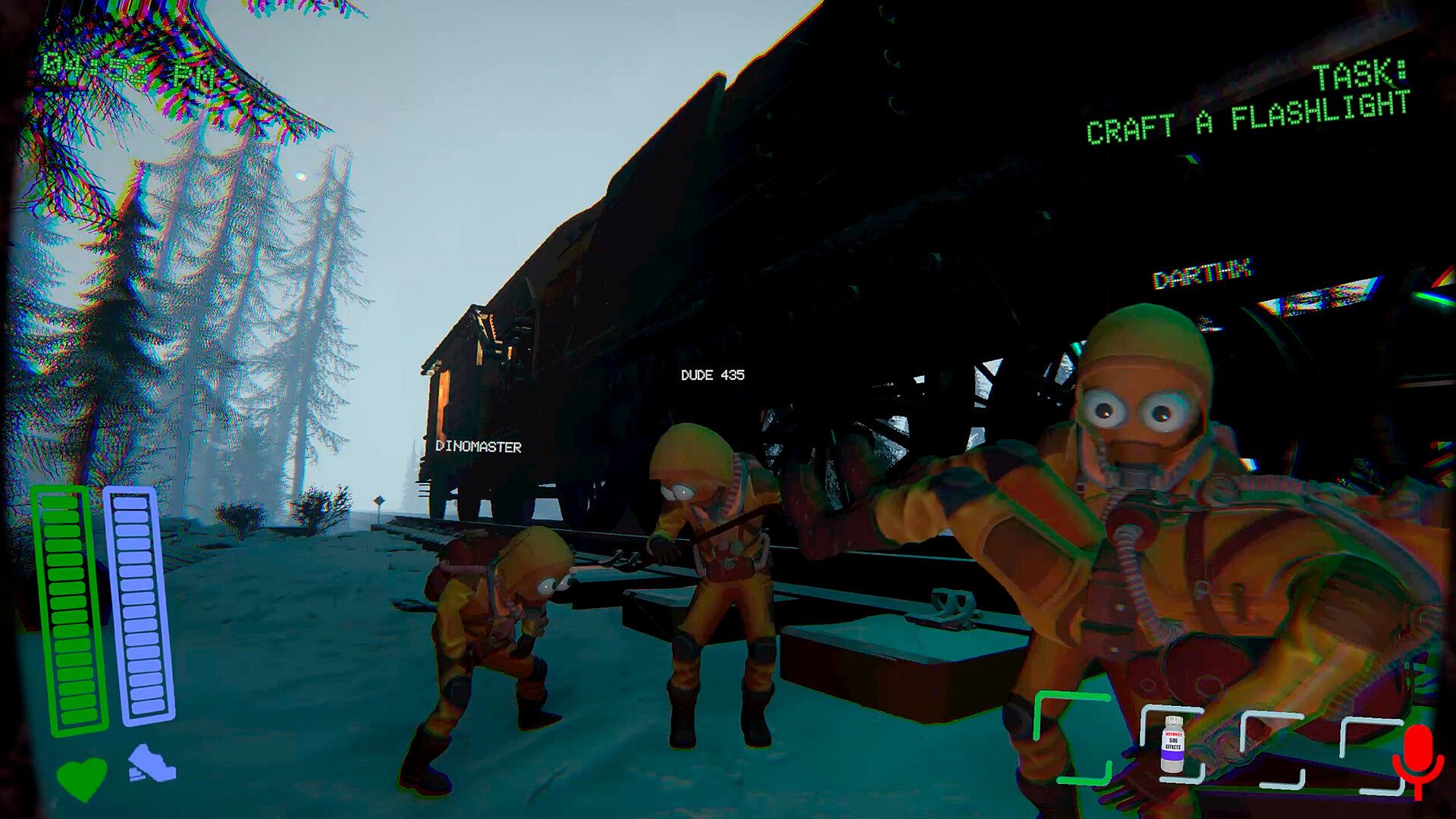
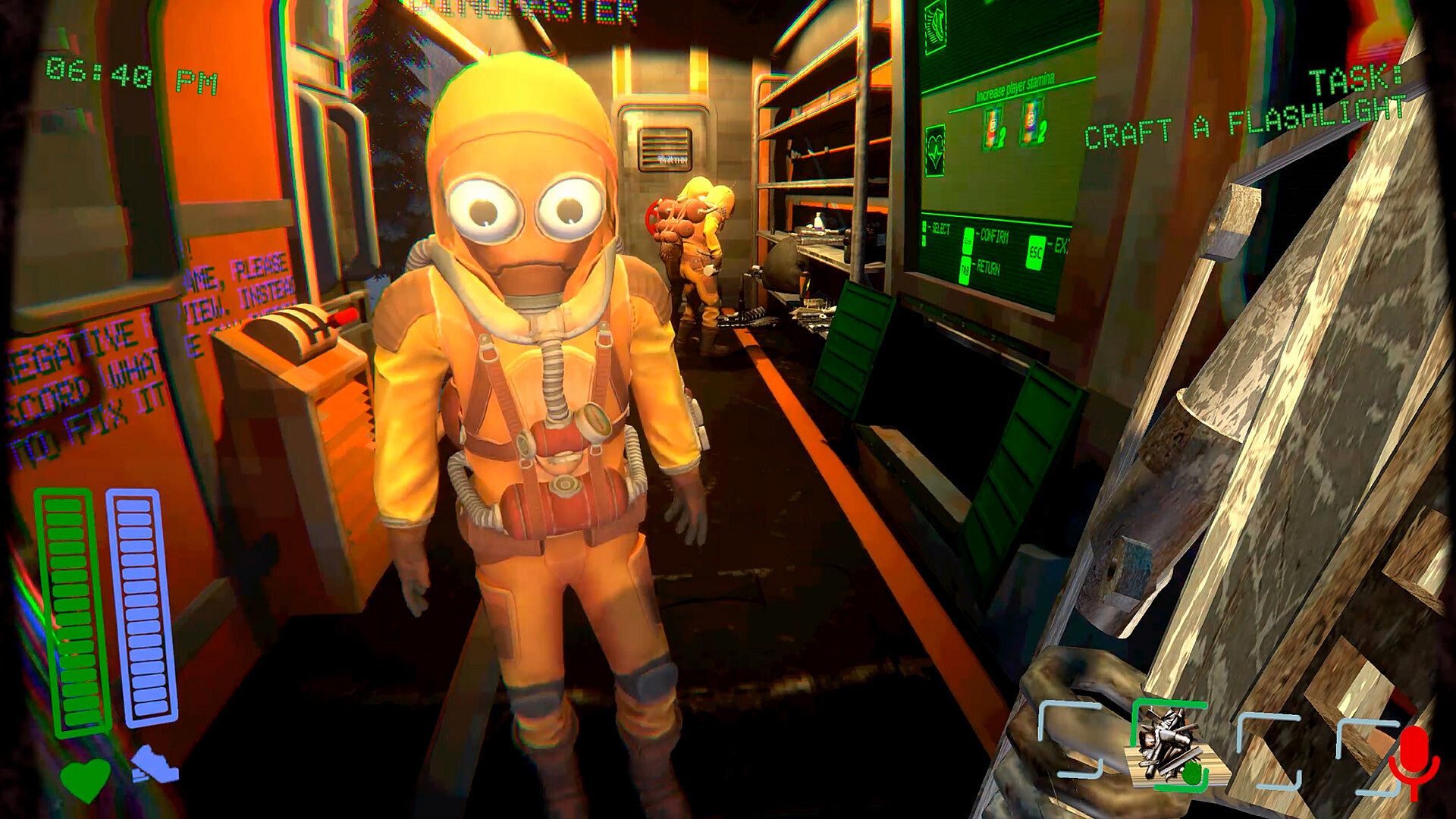
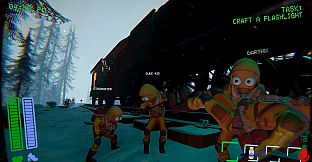
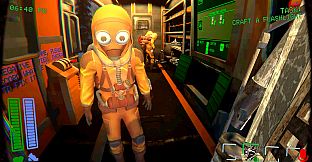
Dreadway is a co-op survival horror game set in a post-apocalyptic nuclear wasteland where players manage a moving train as their only mobile base. Up to four players scavenge abandoned bunkers for scrap and supplies while fending off monsters that react to sound. The core loop centers on collecting resources to keep the train running, crafting tools from junk, and using voice chat as a core mechanic rather than just communication.
Gameplay
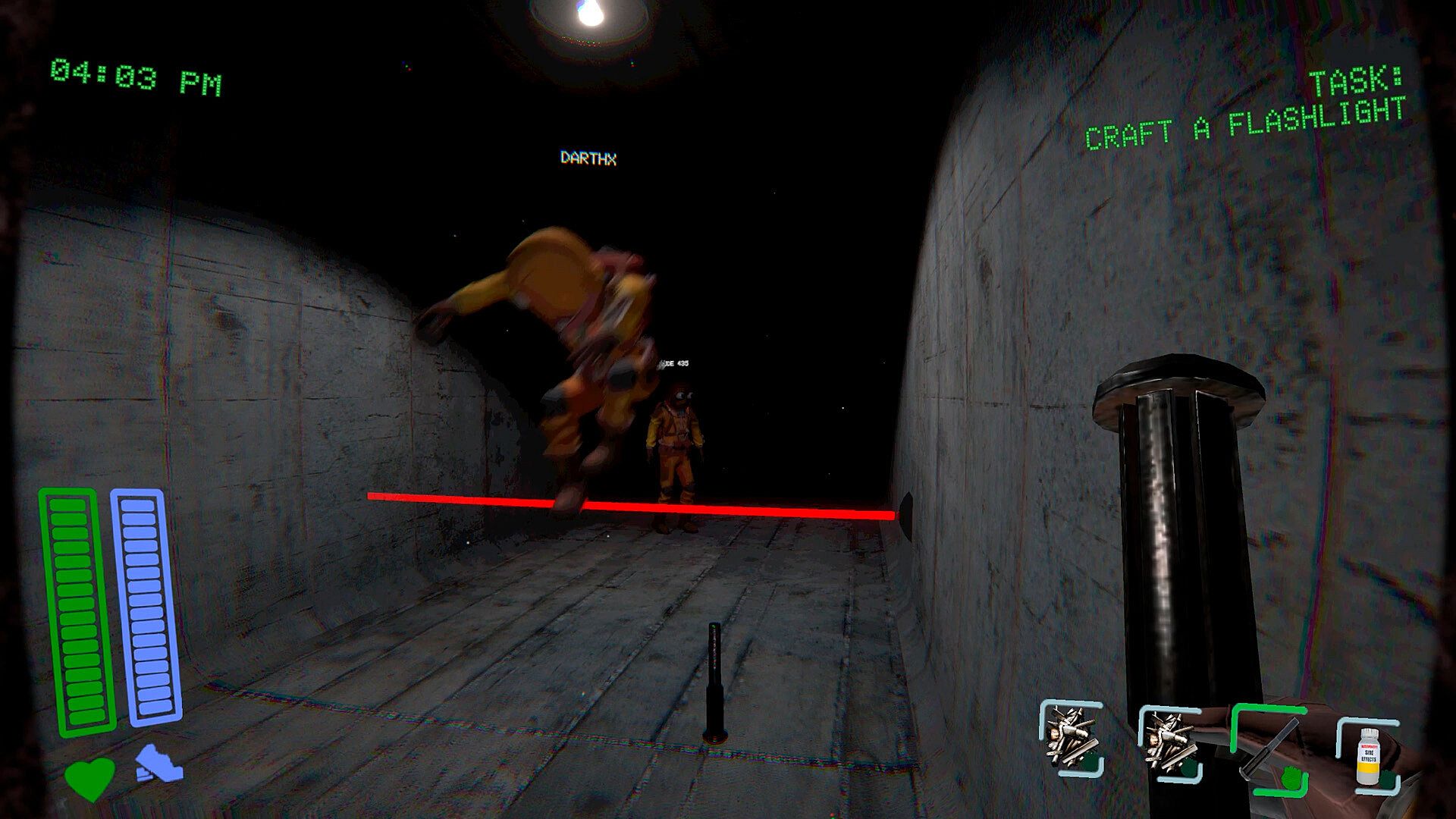
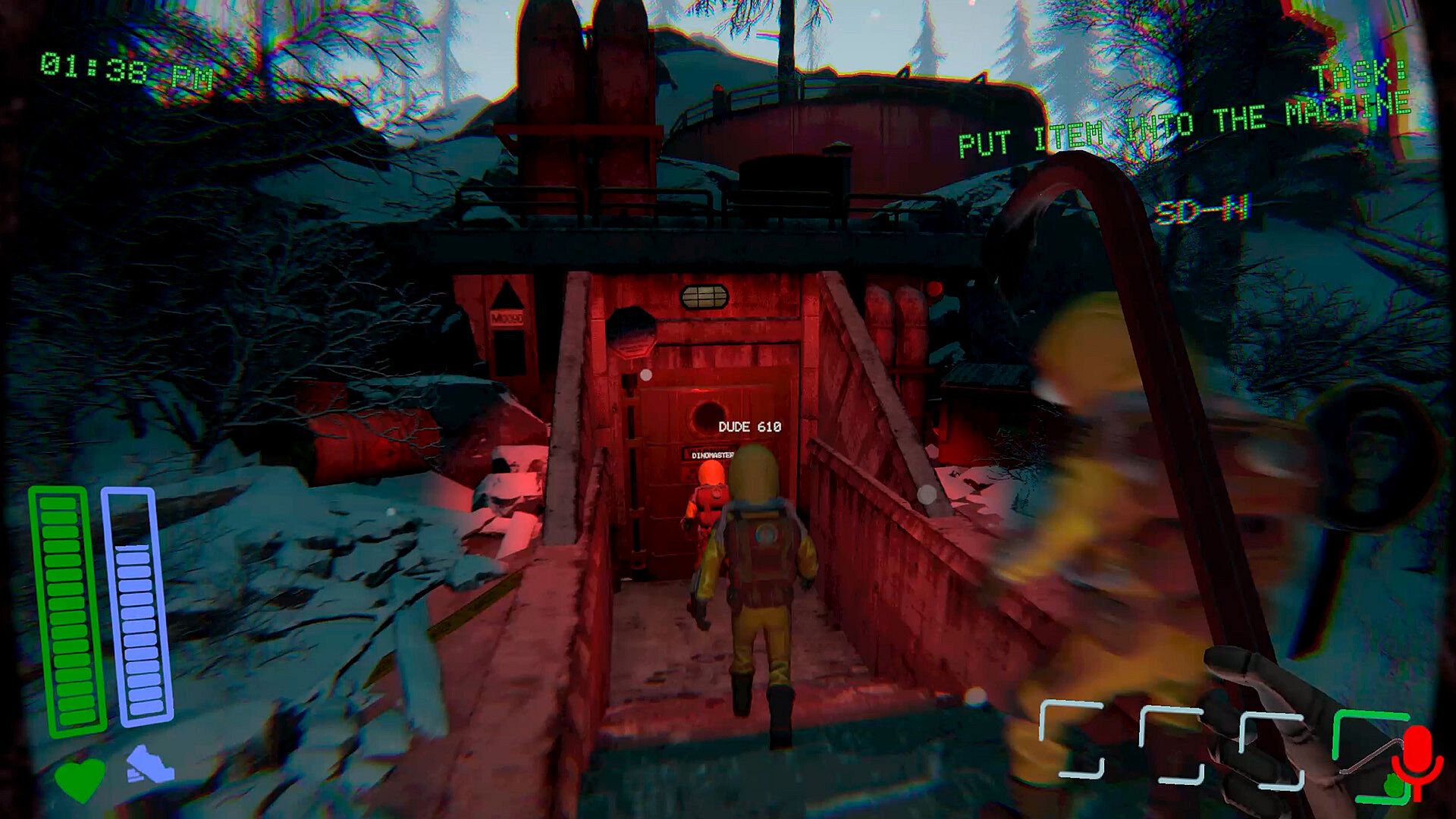
Players start aboard the train and venture out on foot into procedurally varied bunkers filled with traps, hazards, and hostile creatures. Every item collected matters because most scrap can either be crafted into devices like flashlights or crowbars or burned as fuel to prevent the train from stopping. Voice features drive key interactions: players speak code words to unlock doors and containers, shout specific phrases to repel monsters, and rely on proximity chat that carries distance and alerts enemies when voices get too loud. Monsters exhibit distinct behaviors that force teams to coordinate movement and noise levels carefully. Teammates can also kick one another, adding chaotic moments for interrupting actions, saving allies, or creating distractions during tense encounters. Limited tools and environmental dangers emphasize careful planning and quick adaptation over direct combat.
Game Modes
The game focuses on repeatable co-op extraction sessions where groups enter bunkers, gather fuel and materials, and return safely before the train runs out of power. Each run involves exploring multiple rooms, managing limited inventory space, and deciding what to keep for crafting versus immediate fuel needs. No separate competitive or solo modes exist; the experience stays centered on four-player teamwork with voice-driven tension and emergent stories from failed or successful extractions. Sessions scale in difficulty through monster variety and bunker complexity, encouraging repeated plays with the same group to improve coordination and resource efficiency.
Core Mechanics and Progression
Crafting happens at a workbench using collected junk to produce survival gear that aids future runs. Character upgrades provide incremental improvements to carrying capacity or tool effectiveness. The train itself acts as a persistent hub that must be maintained between outings, creating constant pressure to balance risk and reward. Voice recognition extends beyond simple commands to influence monster AI directly, making communication both a tool and a liability. Environmental hazards like traps punish rushed movement and reward observation, while the post-apocalyptic setting limits resources and forces creative use of whatever is found. These systems combine to create short, intense sessions that reward preparation and punish overconfidence.
Current State and Updates
Dreadway launched in early 2026 with active post-release support. Developers continue adding content through a published roadmap that includes new bunkers, additional monster types, expanded voice language support, quality-of-life fixes, and occasional events. Patches have addressed microphone reliability and various bugs since release. The game remains available at a budget price point, making it accessible for groups seeking co-op horror experiences built around voice interaction and resource management.
Is It Worth Playing?
Player feedback on Steam shows a Mostly Positive rating based on hundreds of reviews, with many highlighting the voice mechanics and chaotic fun during group sessions. The game appeals most to fans of co-op horror titles that blend extraction gameplay with sound-based tension and light crafting. Those who enjoy short, repeatable runs with friends and do not mind occasional technical hiccups may find value in the unique voice-driven interactions and train-maintenance loop. Reception notes strong potential for memorable moments when the group coordinates well, though some players find the experience repetitive without regular updates. It suits groups looking for an affordable, voice-focused alternative in the survival horror genre rather than those seeking deep single-player campaigns or polished large-scale multiplayer.