





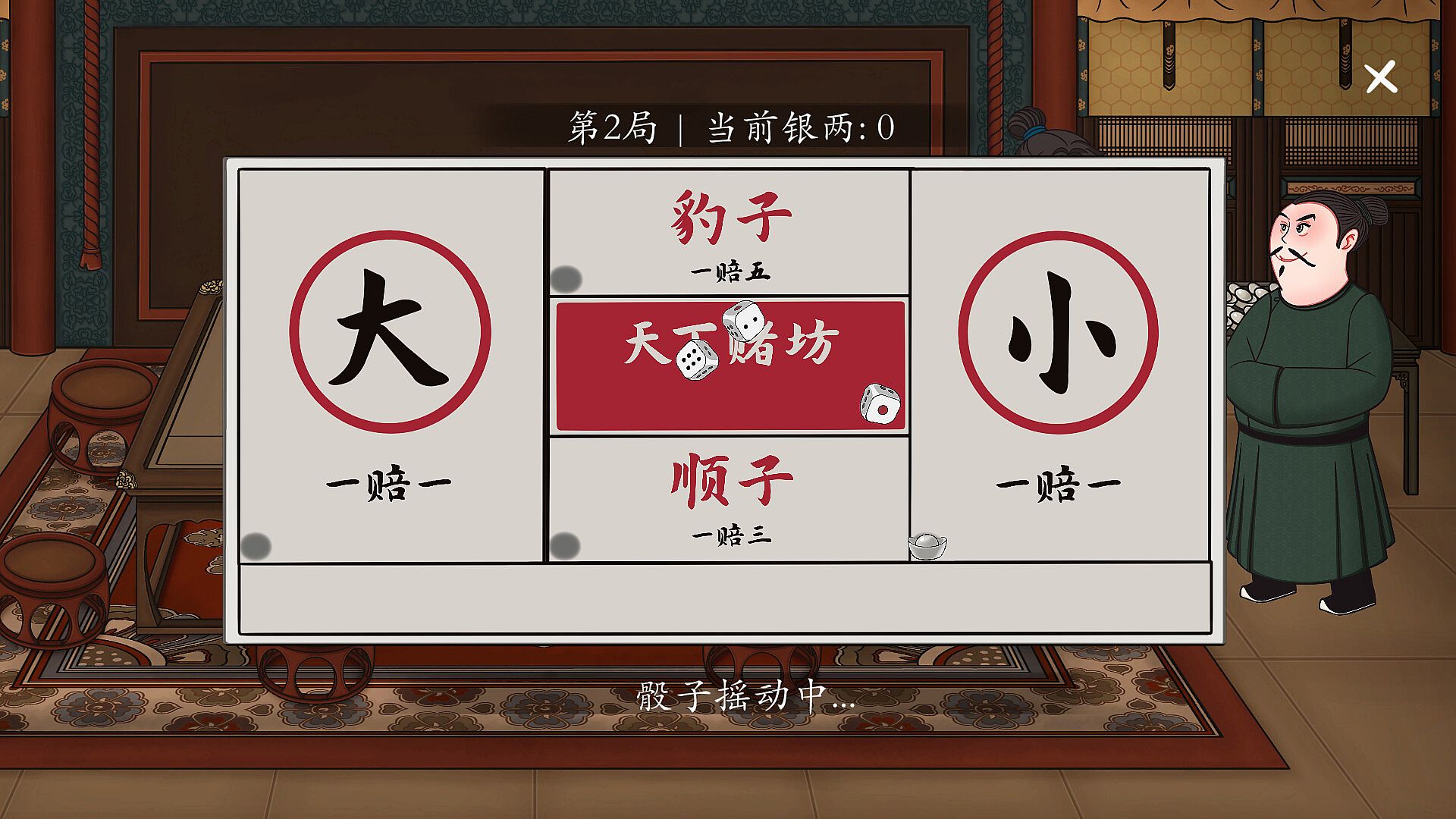
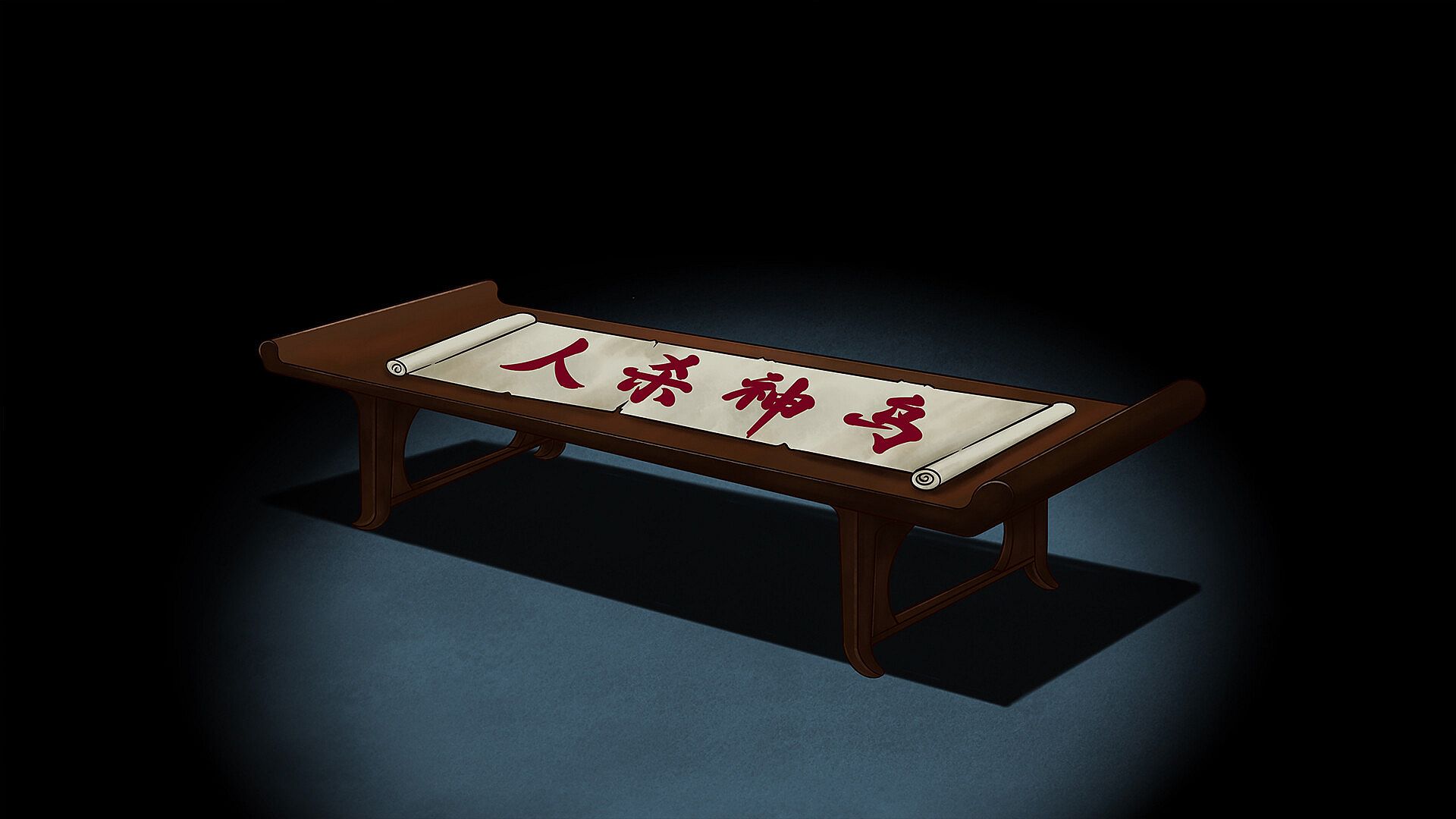



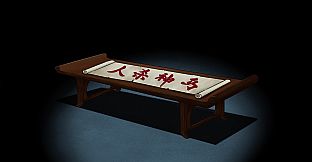
Dreamscape: Tang Nocturne to jednoosobowa indie RPG, która łączy elementy symulacji i casualowych mechanik z narracją detektywistyczną osadzoną w czasach dynastii Tang. Gracz wciela się w rolę uczonego zdążającego na cesarskie egzaminy, który zostaje wciągnięty w serię śledztw dotyczących morderstw w różnych zakątkach starożytnych Chin.
Rozgrywka
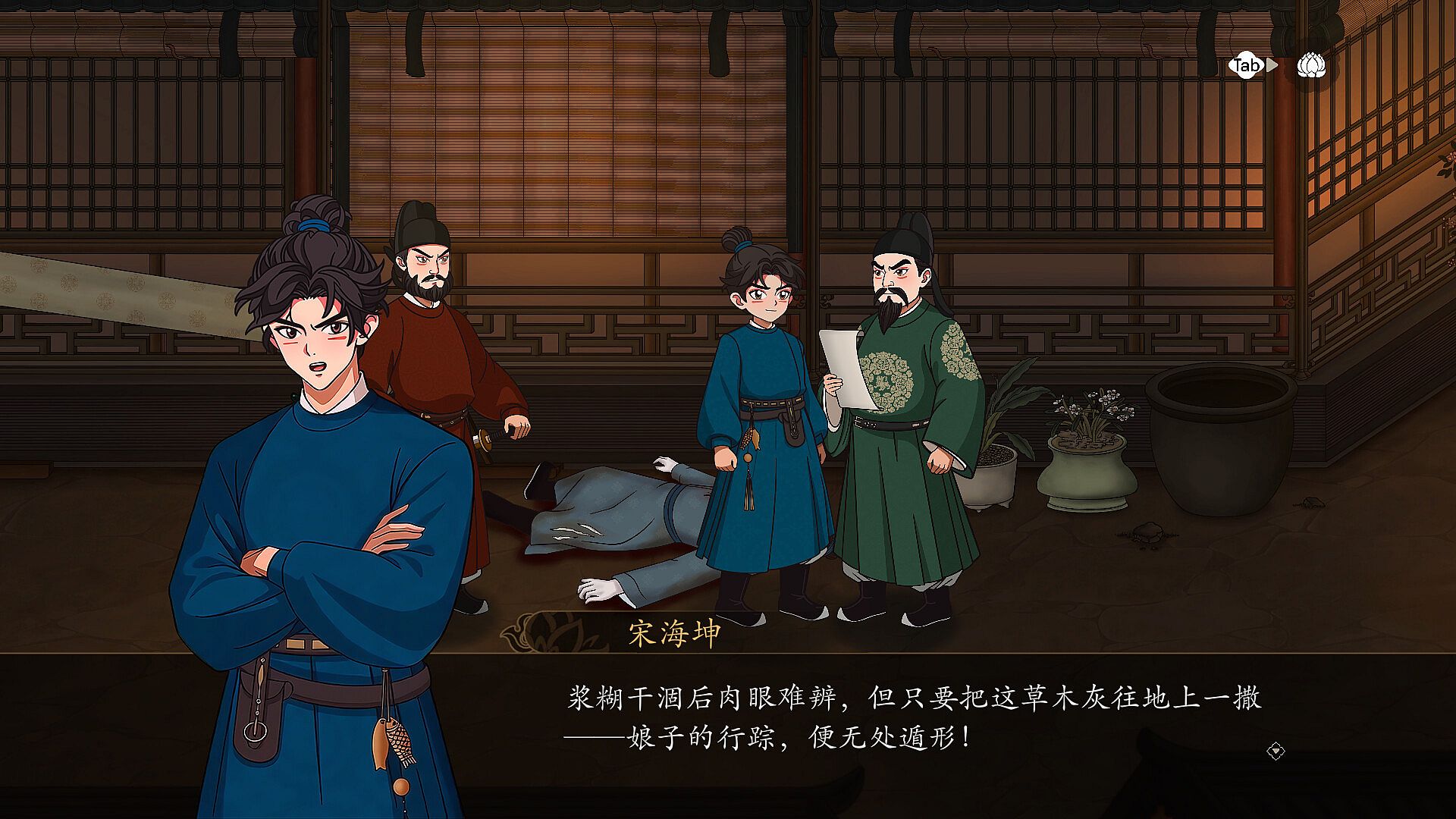
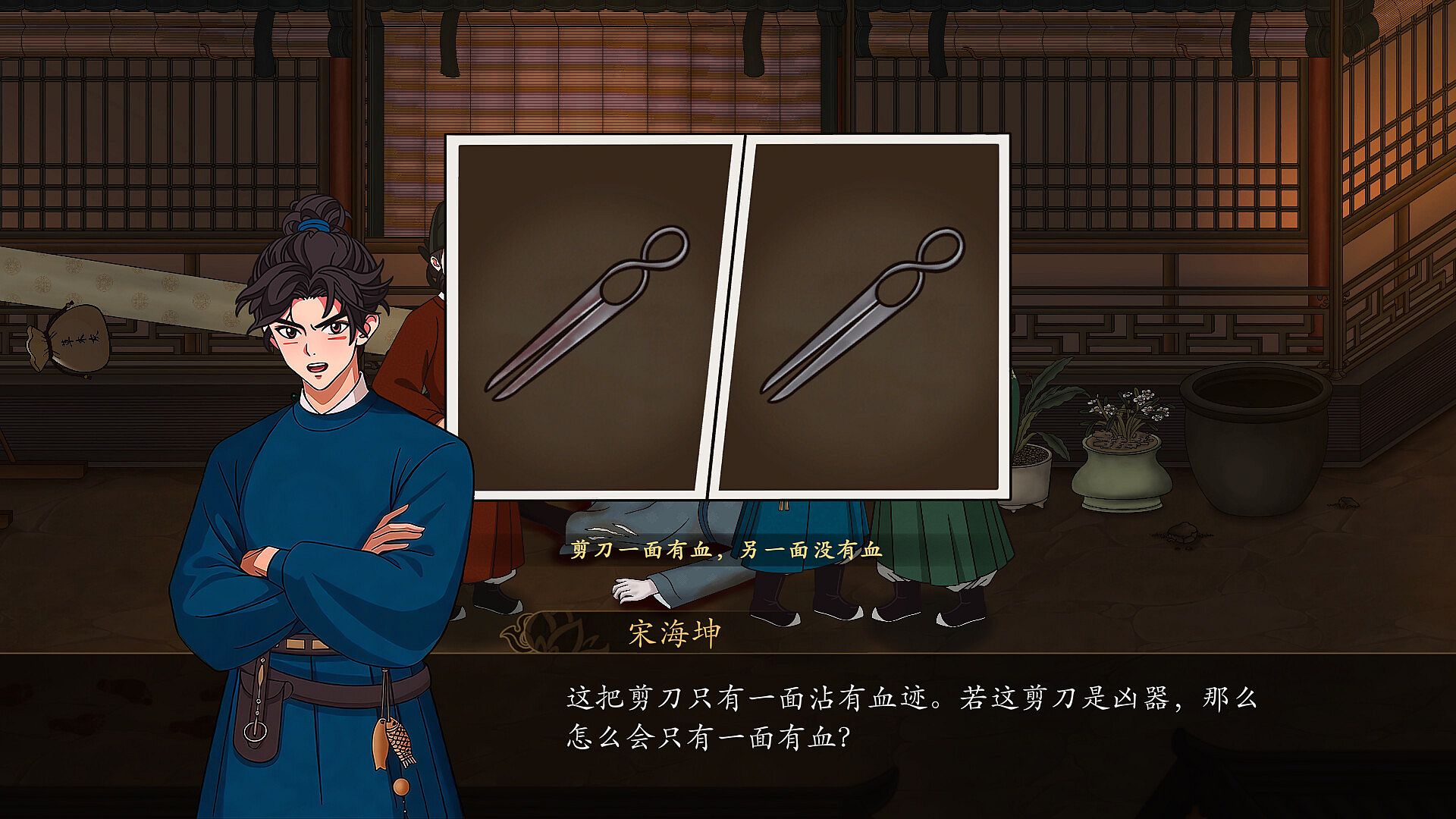
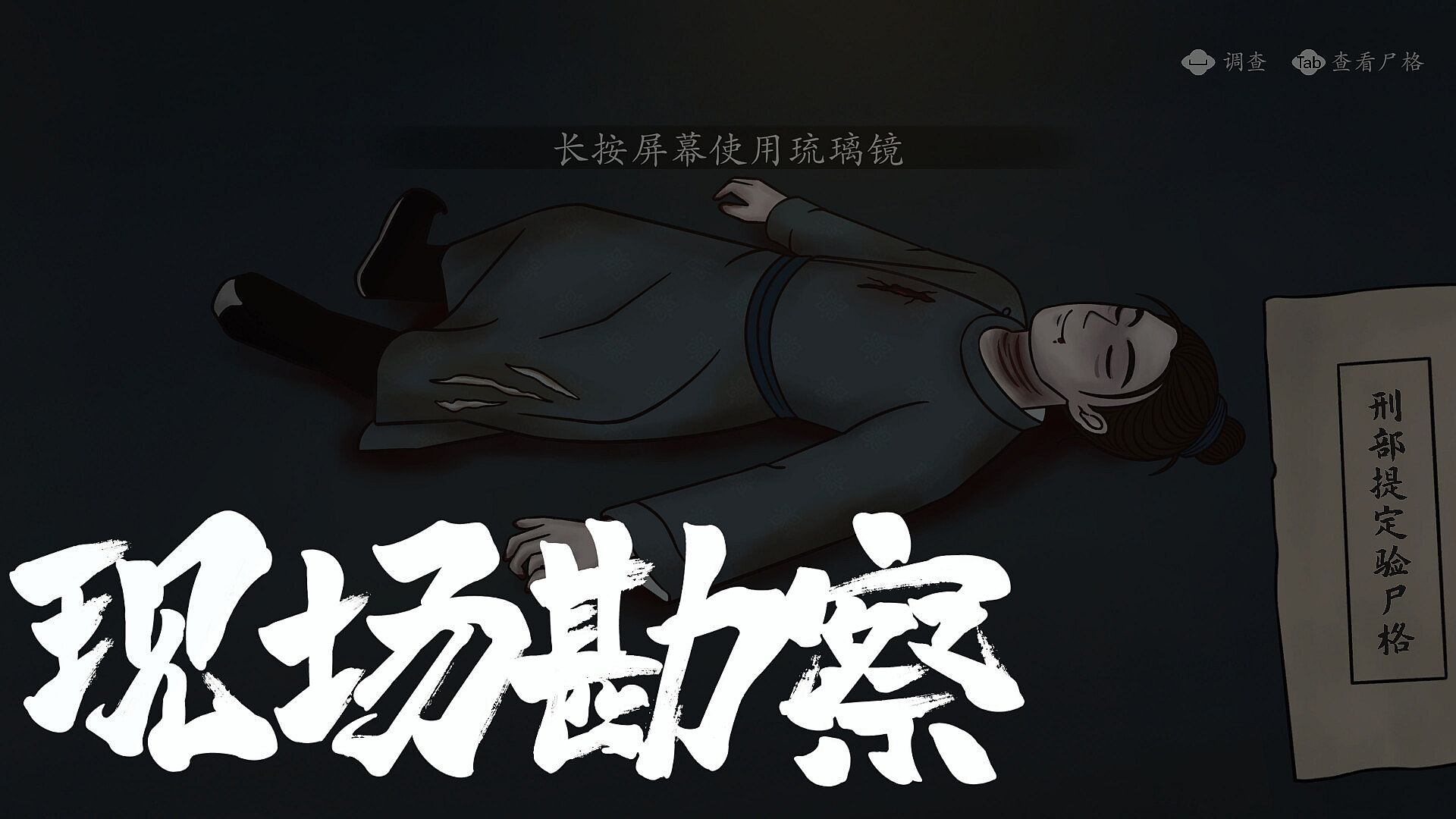
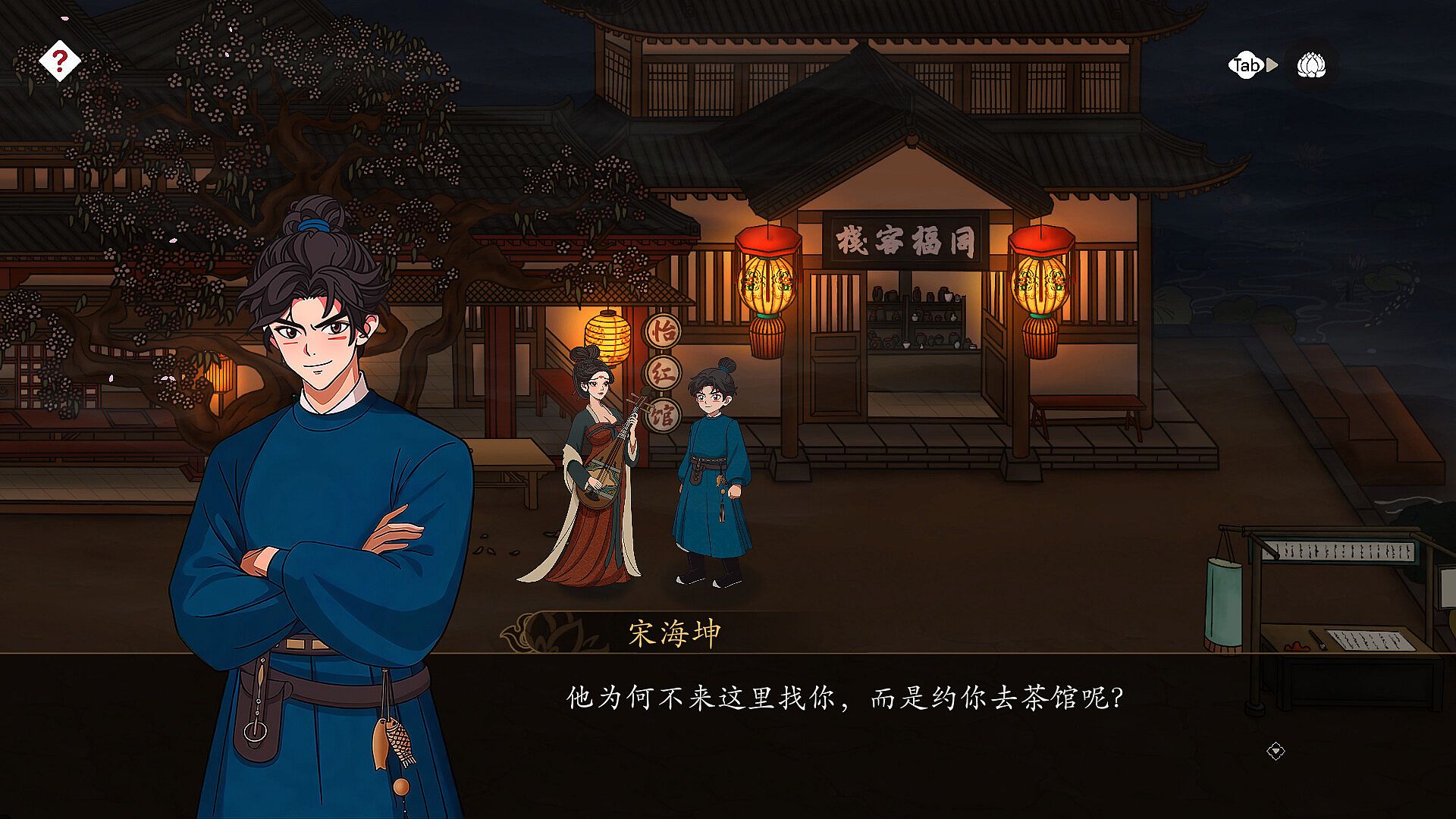
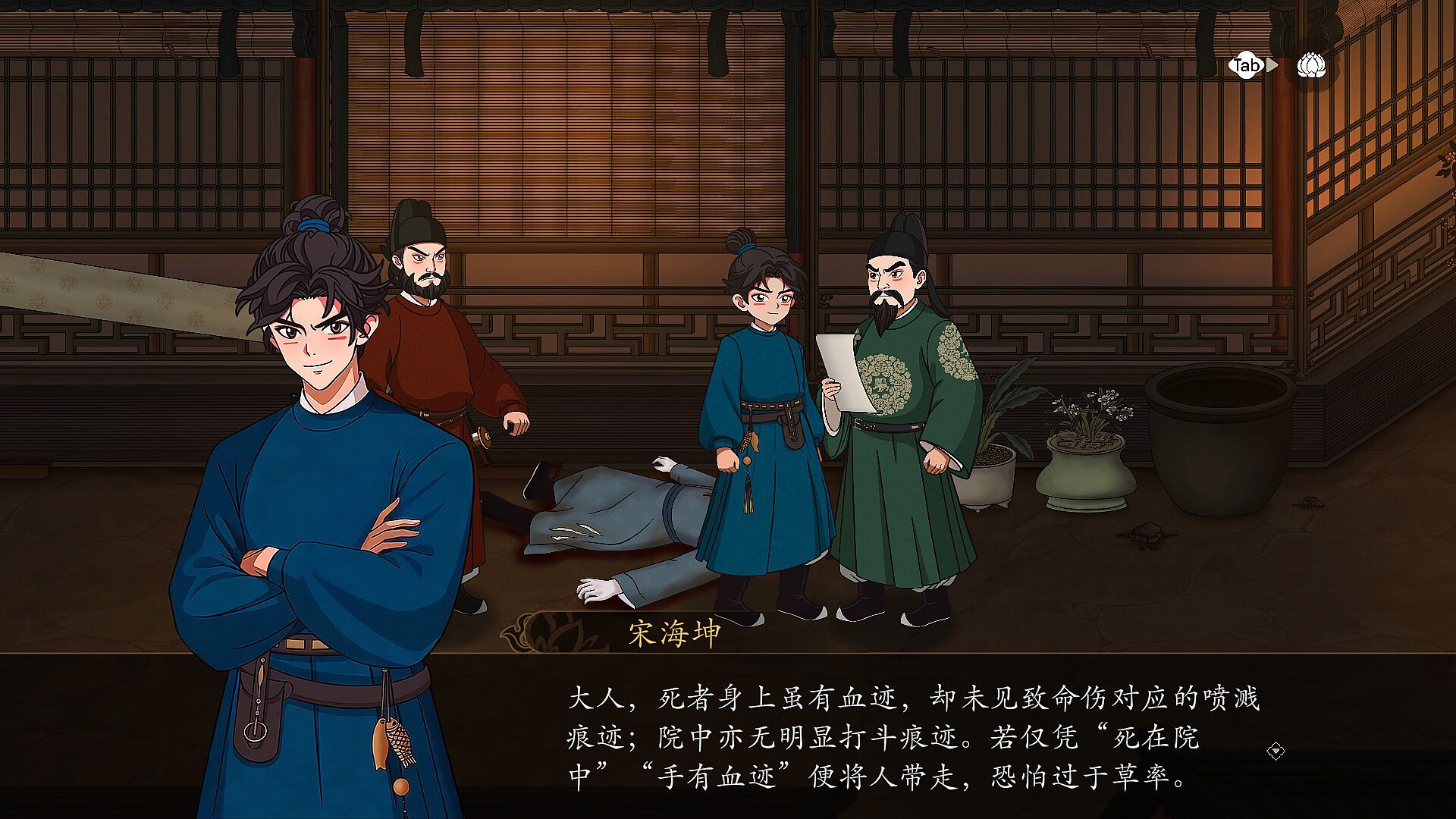
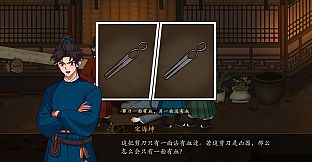
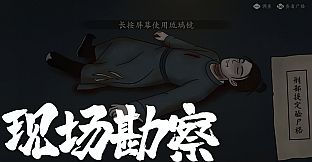
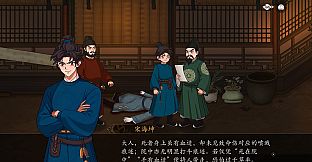
Podstawą rozgrywki jest zbieranie dowodów i dedukcja. Gracz może swobodnie przemieszczać się między lokacjami takimi jak zajazdy, ulice, świątynie czy mosty, by pozyskiwać materialne ślady i śledzić rozwój wydarzeń. Na miejscach zbrodni kluczowe okazują się drobne szczegóły, które przeczą zeznaniom świadków. Przesłuchania ujawniają nieścisłości, a gracz musi je uporządkować w logiczną całość, by ustalić winowajcę i jego motyw.
Każda sprawa początkowo wydaje się niezależna, lecz łączy się z pozostałymi wspólnym wątkiem. Postępy polegają na rekonstrukcji zdarzeń na podstawie zebranych przedmiotów i zeznań. Proces kładzie nacisk na obserwację i analizę, a jego przebieg zależy od tego, jak dokładnie gracz powiąże dostępne informacje.
Podróż prowadzi przez tereny obejmujące stacje pocztowe w okolicach Chang'an, okolice rzeki w Yangzhou, szlaki handlowe Regionów Zachodnich oraz wnętrza pałacu cesarskiego. Miejsca te stanowią zarówno tło dla kolejnych spraw, jak i źródło dodatkowych tropów.
Tryby gry
Gra jest w pełni jednoosobowa. Nie przewidziano trybów rywalizacji ani współpracy. Doświadczenie składa się z ciągłej sekwencji spraw, które prowadzą do większego starcia, w którym gracz podejmuje decyzje dotyczące sprawiedliwości i moralności.
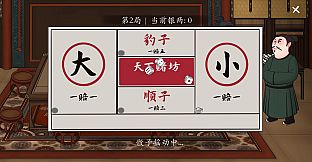
Postęp podąża ścieżką uczonego - każda rozwiązana sprawa wpływa na kolejne poprzez wspólne powiązania. Gracz zarządza analizą dowodów i zeznań w ramach tej struktury, bez dodatkowych aktywności pobocznych ani alternatywnych stylów rozgrywki.
Fabuła i świat gry
Akcja rozgrywa się w czasach dynastii Tang, w okresie rozkwitu kultury, ale także ukrytych konfliktów. Bohater spotyka się ze sprawami, które ujawniają ludzkie motywacje - chciwość, stratę, zemstę. Poszczególne historie łączą się w jeden wątek dotyczący losu i wyborów moralnych.
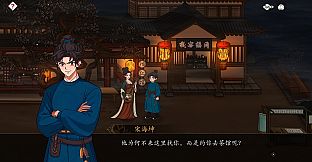
Scenerie inspirowane są historycznymi realiami: deszczowe noce na stacjach pocztowych, mgliste kanały, obce szlaki handlowe i wnętrza pałacu. Gra wykorzystuje rysowaną ręcznie grafikę, która przedstawia te miejsca w formie szczegółowych ilustracji wspierających śledztwo.
Czy warto zagrać?
Tytuł figuruje jako „wkrótce" i nie ma jeszcze recenzji użytkowników. Jego atutem jest opisany system zbierania poszlak, analizy zeznań i logicznej rekonstrukcji w ramach historycznej zagadki kryminalnej. Osoby szukające narracyjnej, jednoosobowej rozgrywki opartej na dedukcji i eksploracji, a nie na walce czy zarządzaniu zasobami, mogą znaleźć tu coś dla siebie po premierze.
Wymagania systemowe wskazują na kompatybilność z przeciętnym sprzętem pod Windows, co zwiększa dostępność gry. Jednoosobowy charakter i brak dodatkowych trybów skupiają doświadczenie wyłącznie na mechanice śledztwa opisanej w założeniach.