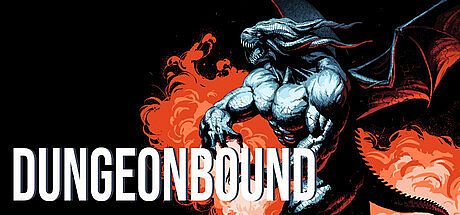


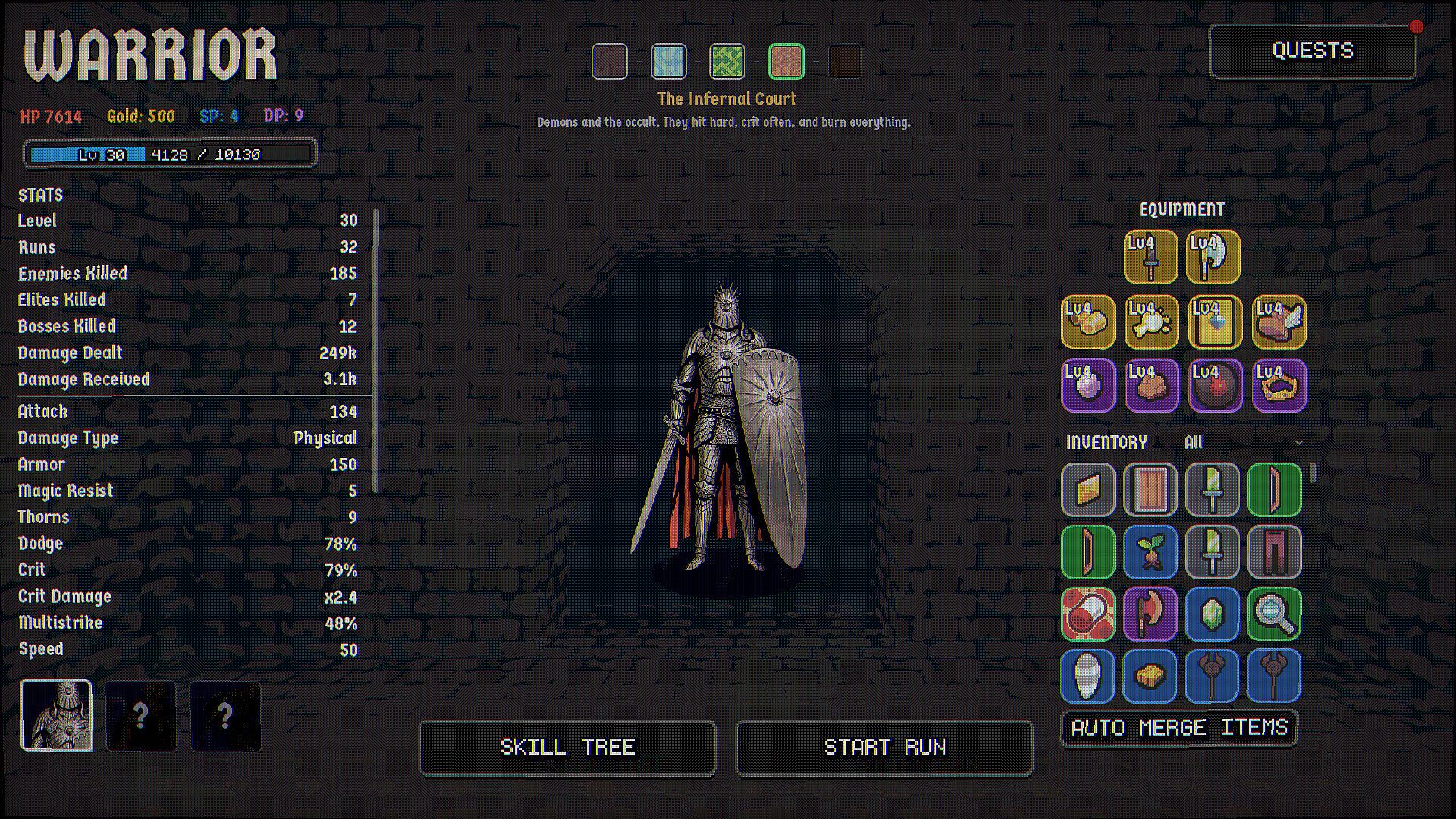
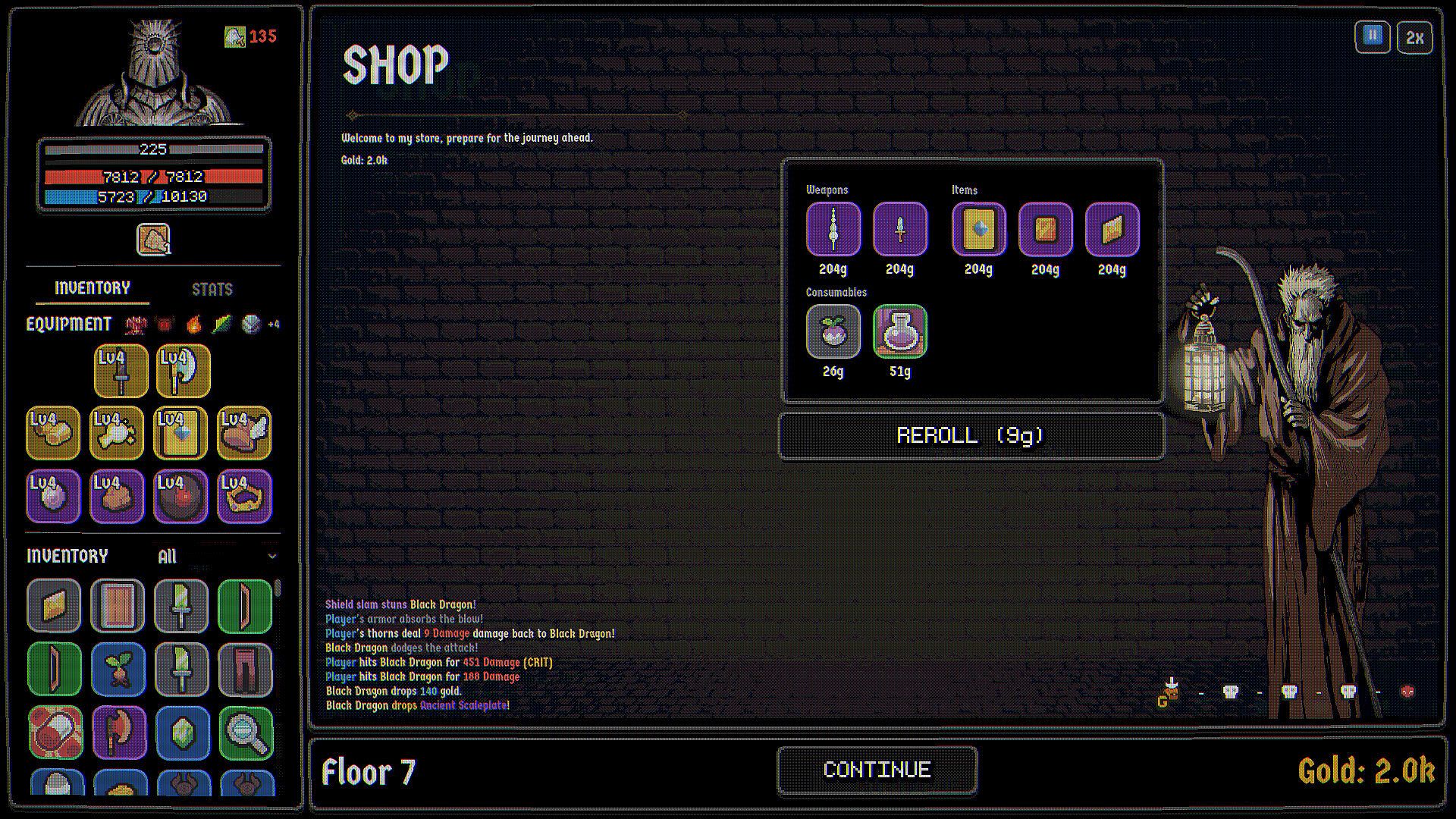
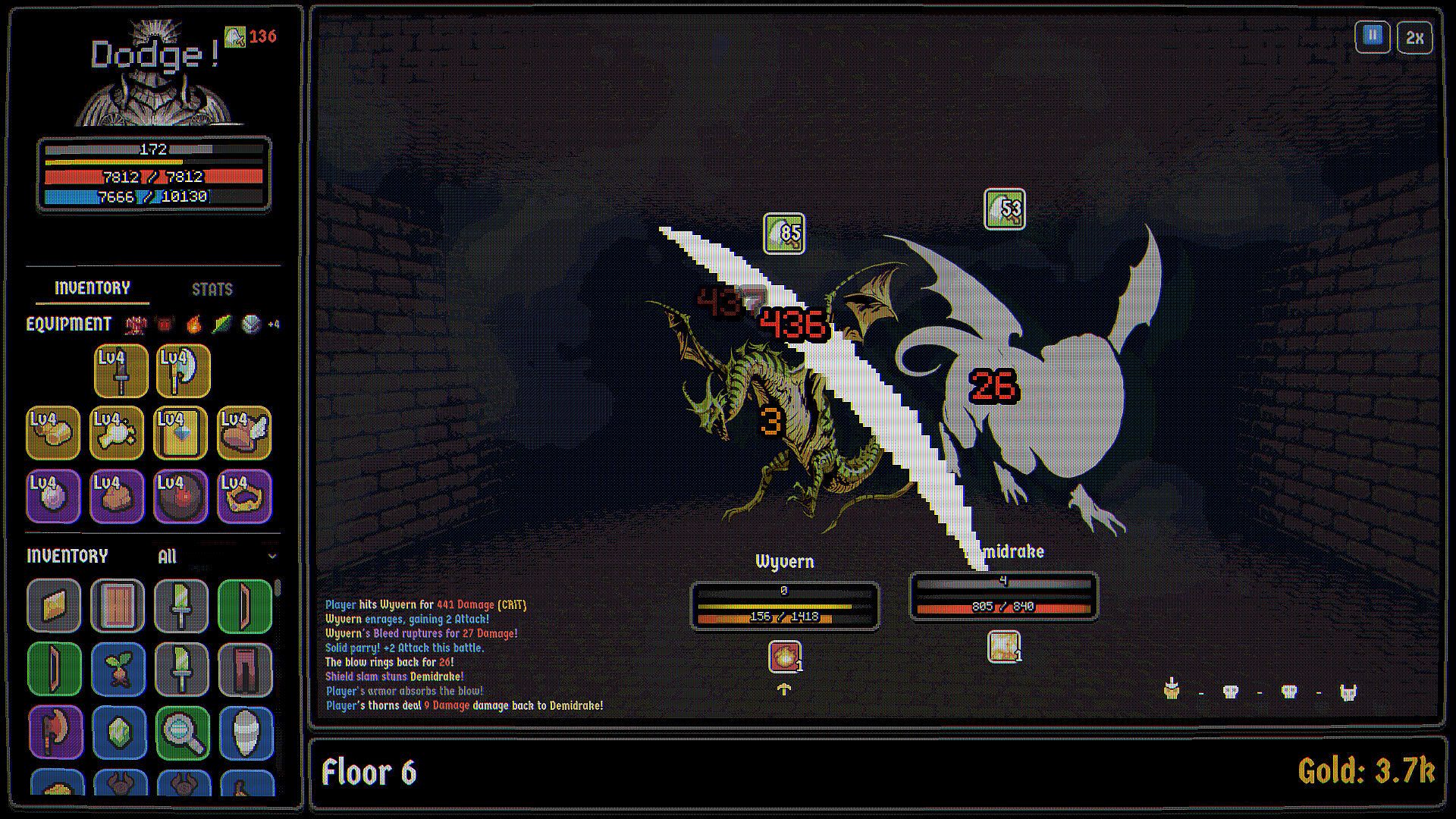
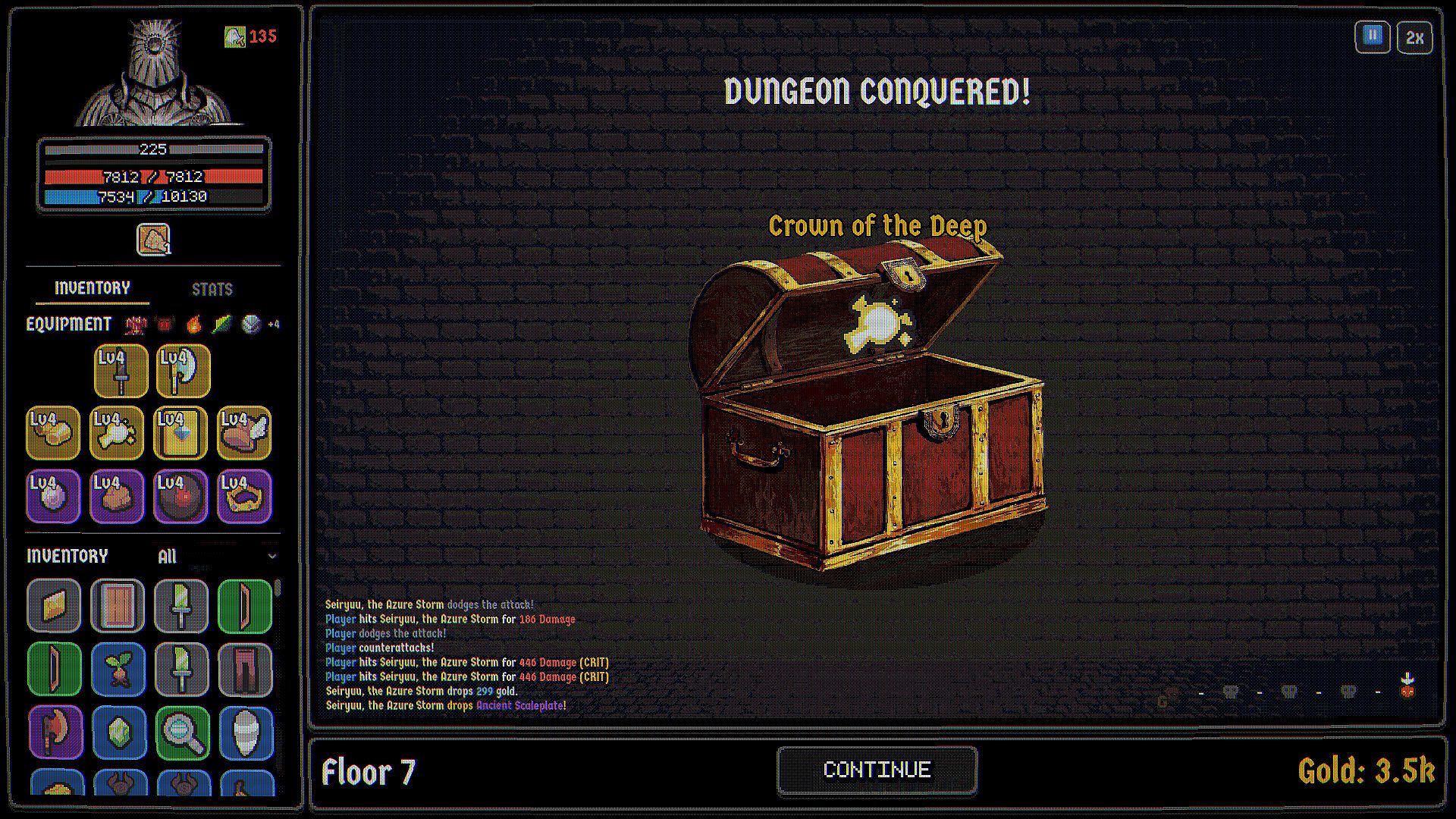
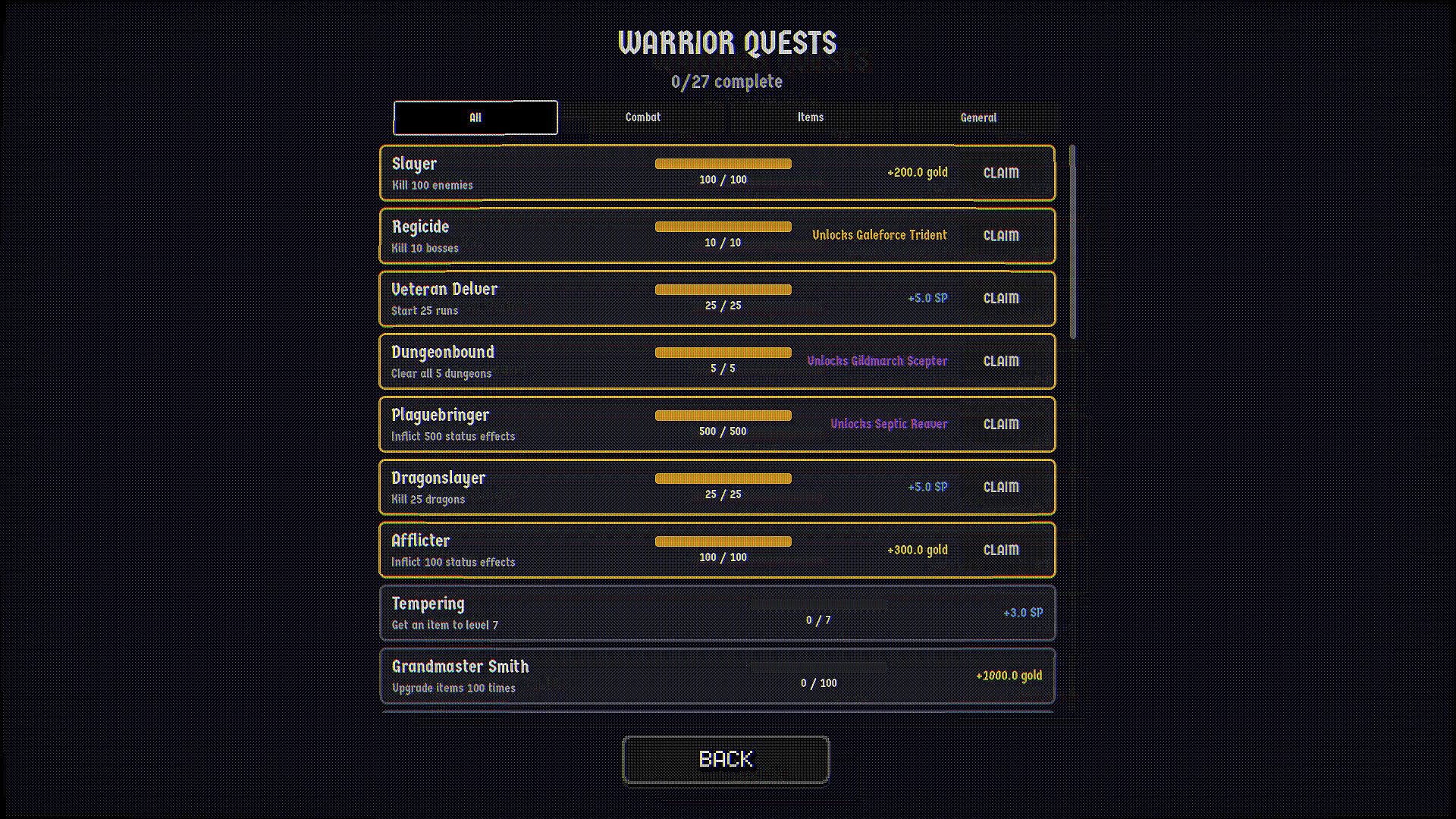
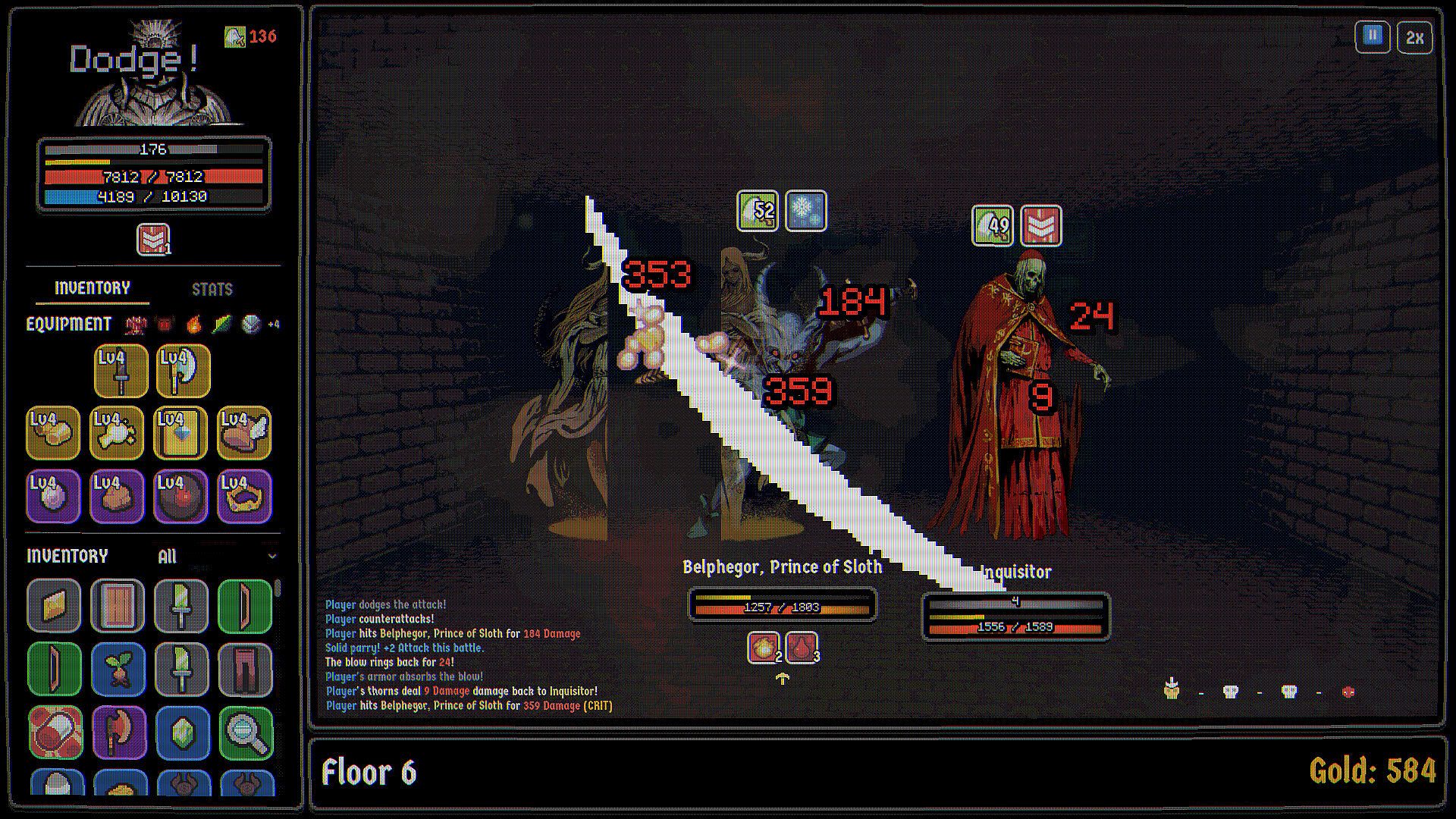
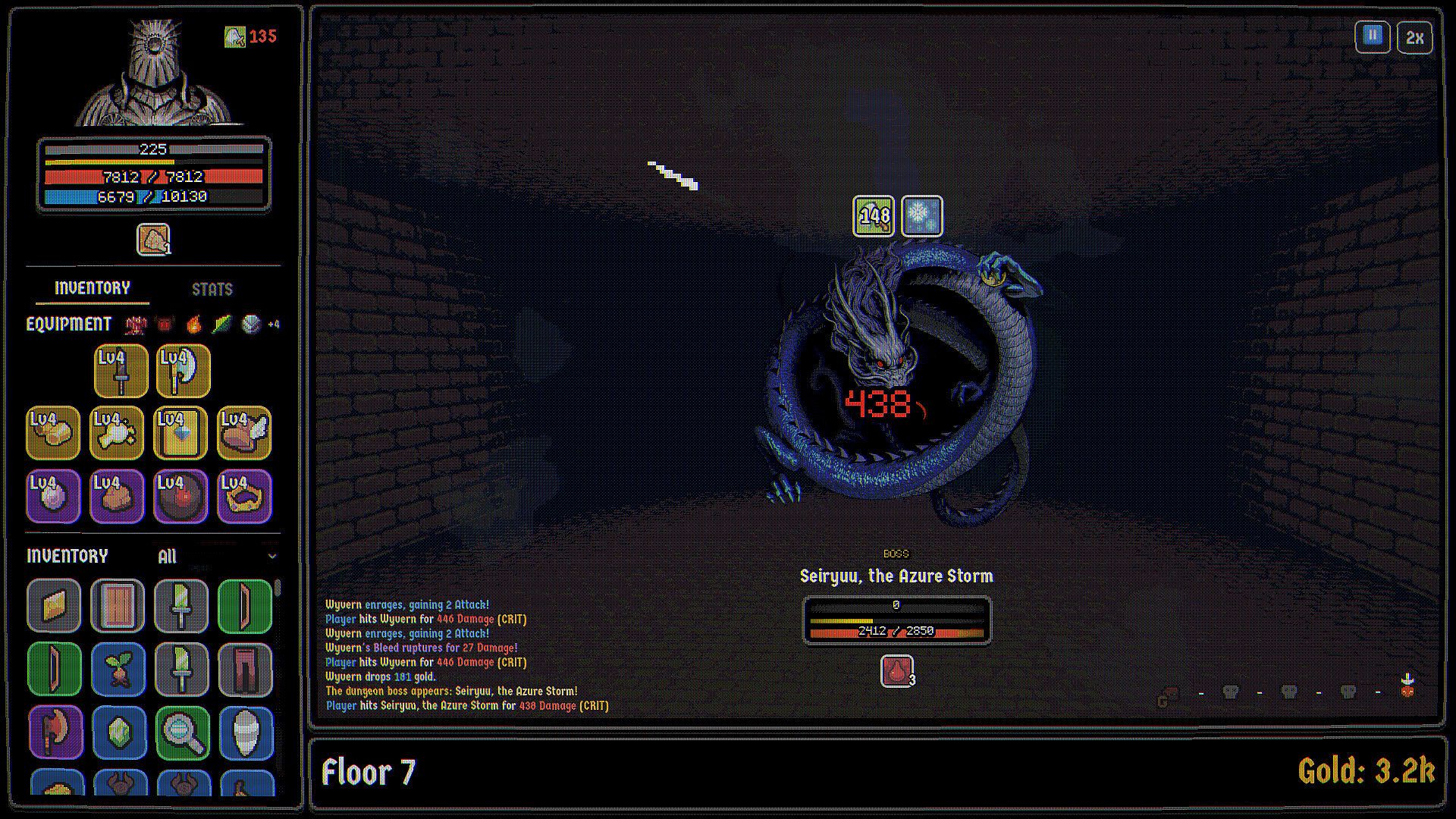
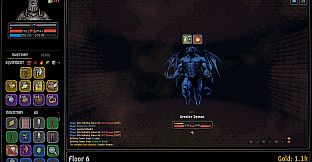
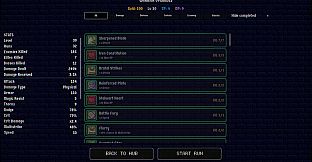
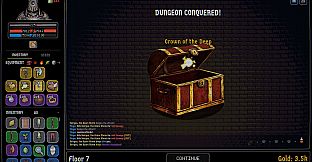
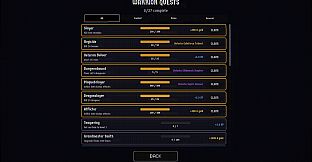
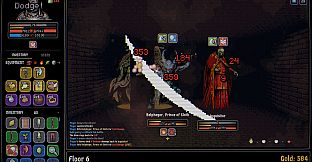
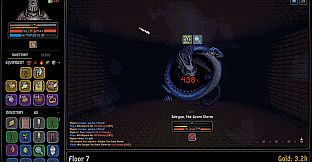
Dungeonbound is a single-player RPG and adventure title on PC that blends incremental progression with roguelite elements in a first-person dungeon crawler format. Players descend into procedurally challenging depths where combat resolves automatically in speed-driven turns, all presented through a distinctive PS1-era CRT visual style complete with scanlines and chromatic effects. The core loop centers on building a loadout, watching battles unfold, collecting loot, and returning stronger after each death, which only costs progress on the current floor.
Gameplay
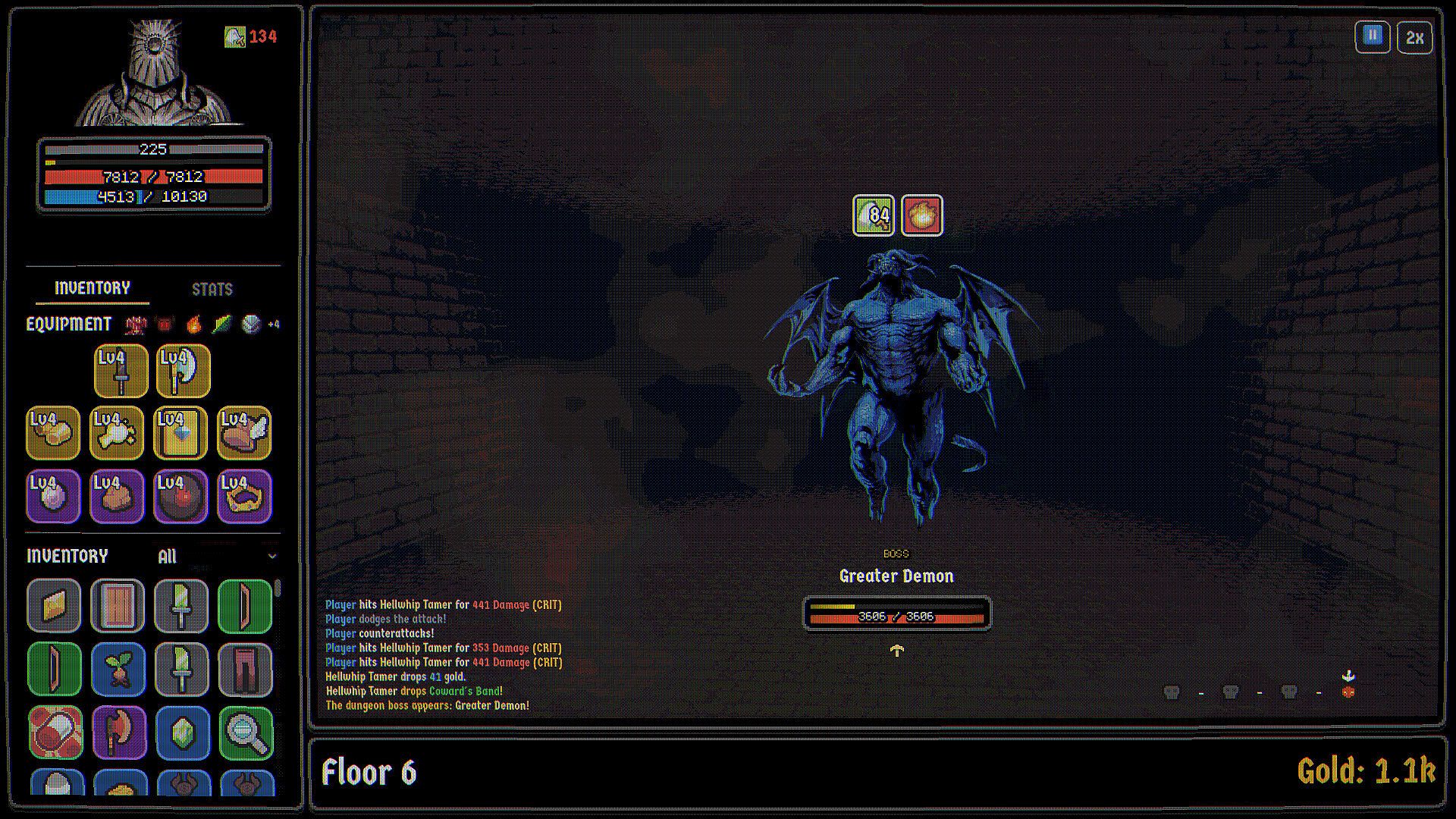
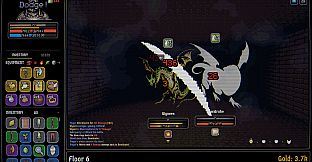
Combat operates on a speed-based turn order system where faster characters act more frequently and gain extra swings against slower foes. Layers of mechanics include dodge, crit, multistrike, overkill damage that carries over to the next enemy, and a deep status system featuring poison, burn, bleed, freeze, stun, and thorns that stack and resolve independently. Over 200 hand-painted enemies populate the floors, with varied behaviors such as thorns that punish incoming attacks, berserkers that scale in power over time, bloodthirsty foes that heal from player damage, and thieves that steal gold. Nine elites and five bosses guard deeper sections across the dungeons.
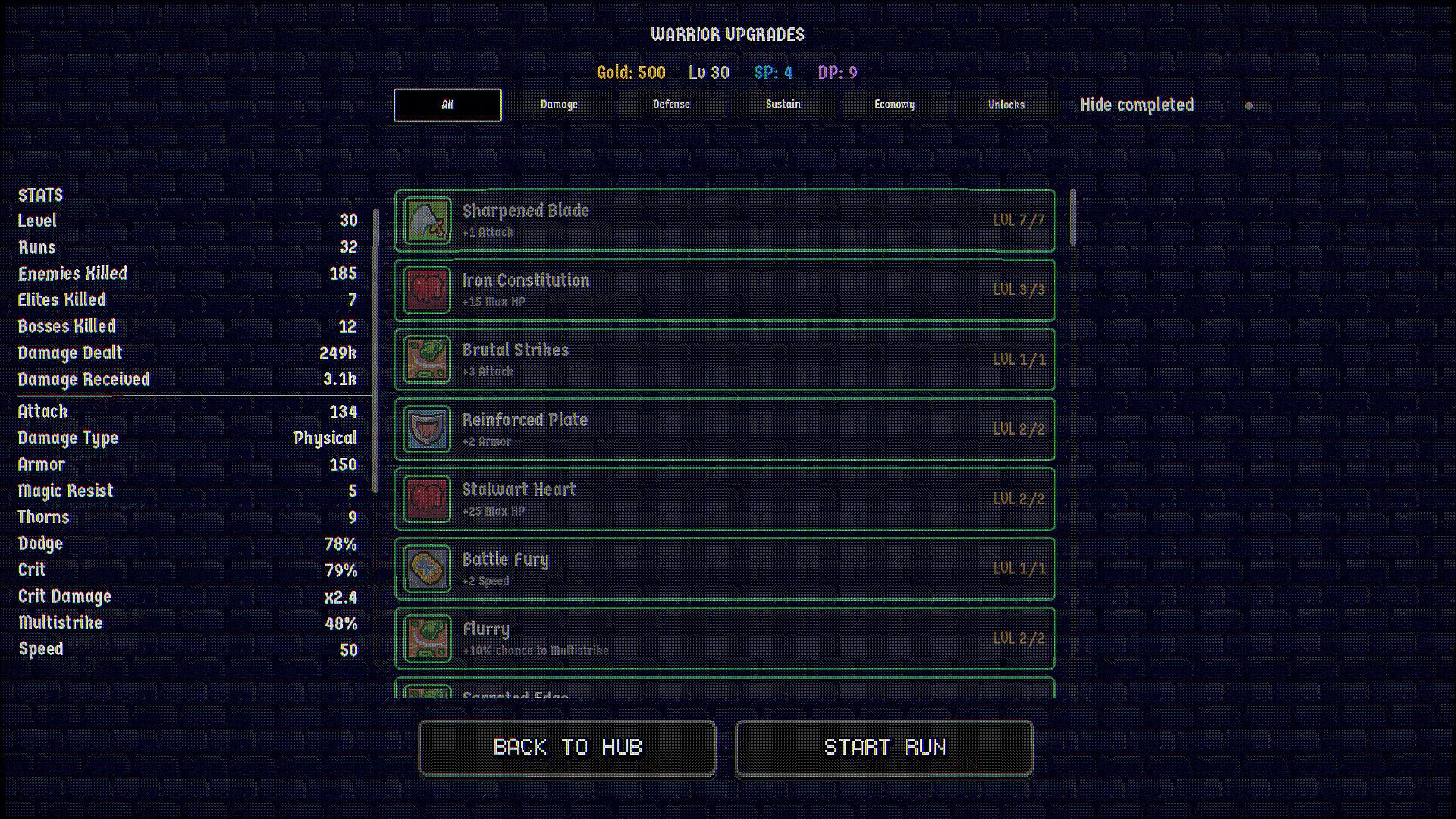
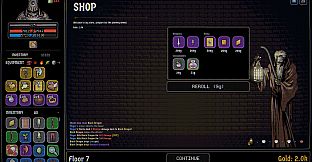
Loot drops from enemies, elites, and bosses in five rarities, totaling over 200 items. Weapons and gear can scale with missing health or gold, trigger on armor break, or carry curses with trade-offs. Duplicates merge up to level 10, while any two items fuse at the forge into hybrids that inherit abilities from both, creating over 21,000 initial pairing possibilities before further fusions and leveling. Permanent upgrades number over 160 and fall into categories like Damage, Defense, Sustain, Economy, and Unlocks, covering extra slots, better luck, cheaper shops, status chaining, and archetype immunities. The Mage accesses three subclasses-Lightning, Frost, or Fire-each with independent progression tracks for easy respec by switching rather than restarting.
Game Modes
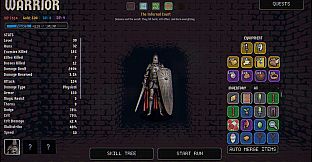
The Long Haul serves as the incremental campaign with three heroes: Warrior, Mage, and Rogue. Each maintains separate gold, levels, and permanent upgrades, so progress on one never vanishes while playing another. Death sets back only the current floor, allowing players to retain all loot, levels, and upgrades for the next attempt.
The Climb functions as a roguelite ladder featuring 10 unlockable characters, each built around tag affinities and inter-floor passives. Runs use a five-heart system with shop-first rounds and a persistent rank that carries across attempts. Losing the final heart destroys the build, though the rank persists. Every floor ends with an asynchronous challenger drawn from real player loadouts snapped into a shared pool, turning cleared builds into obstacles for others without matchmaking. Ranked climbs promote at floor 8 and demote on run failure.
The Endless Delve provides a daily shared-seed experience on one endless descent that scales beyond survival. All players face identical enemies, drops, and rooms that day, with only bragging rights as the reward. Five themed dungeons escalate the challenge: the Mudking Warrens with kobolds and orcs, the Bonevault Crypts filled with restless dead and curses, the Chittering Deep home to beasts with high health, the Infernal Court of hard-hitting demons, and the Wyrmroost guarded by dragons at the bottom.
Visual Style and Presentation
Dungeonbound emphasizes a retro aesthetic through first-person corridor views, chunky pixel-filtered art, and full PS1-style CRT effects including scanlines, dithering, and flicker. Adjustable battle speed and a clear turn timeline maintain readability during fast-paced auto-resolution. The presentation evokes an earlier era of dungeon crawlers while supporting modern quality-of-life features like Steam Cloud and family sharing.
Is It Worth Playing?
Dungeonbound targets players who enjoy incremental RPG systems, auto-resolving combat, and death-friendly loops that emphasize build experimentation over punishing resets. The combination of permanent upgrades across multiple heroes, hybrid item crafting, asynchronous challenger mechanics, and a daily shared delve offers varied ways to engage with the same core descent. With a planned release in November 2026 and no reviews available yet, the game remains in a pre-launch state focused on its described systems. Those drawn to single-player experiences with roguelite ladders, status-heavy combat, and retro visuals may find the depth in loot merging, upgrade paths, and mode variety compelling once it arrives. The death-friendly design and separate progression tracks reduce frustration, making repeated runs feel productive rather than repetitive.