





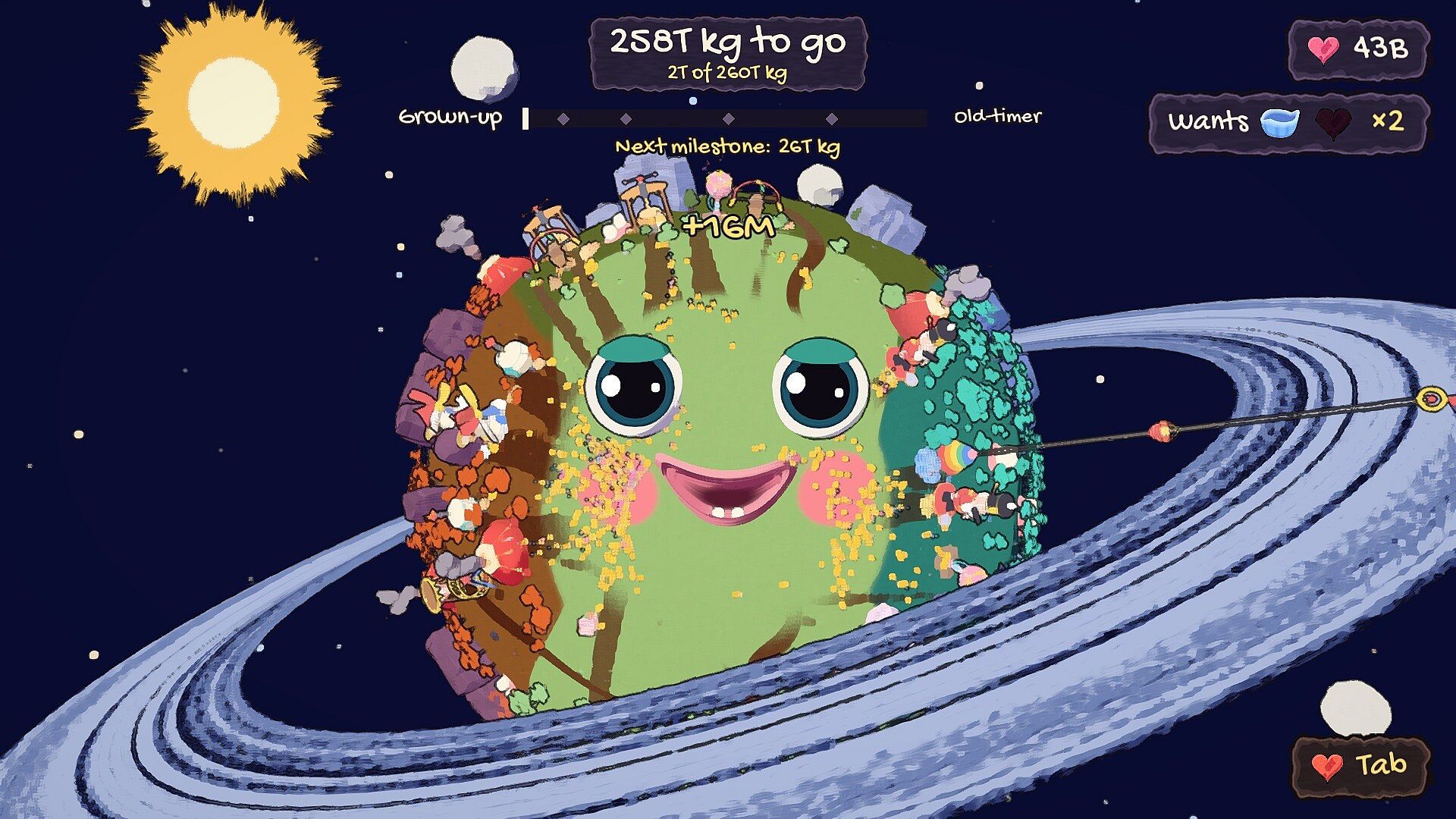
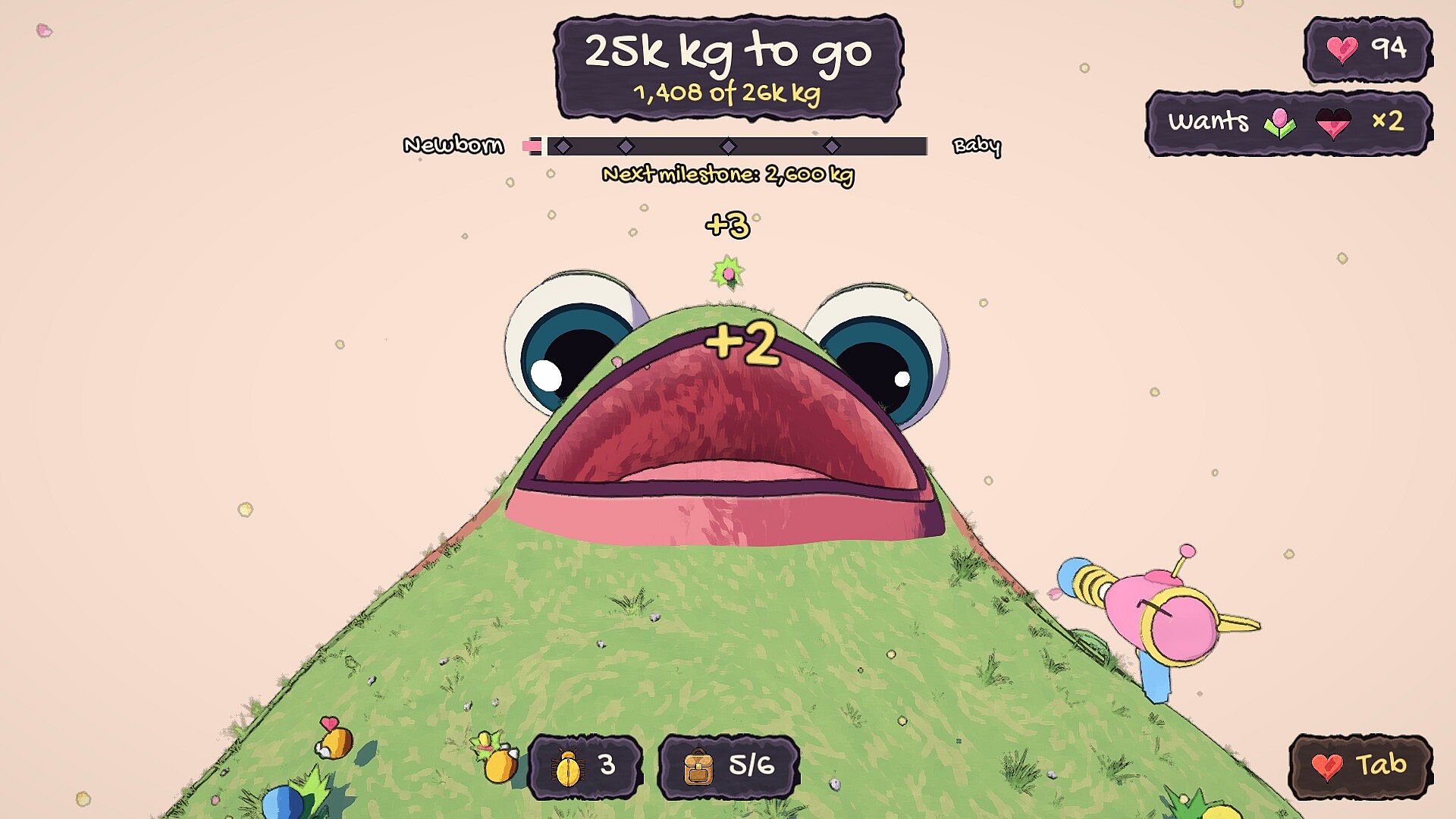
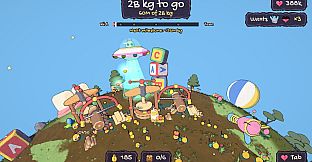
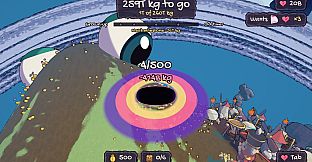
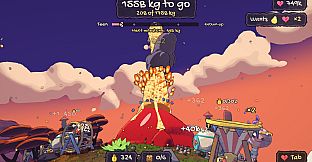
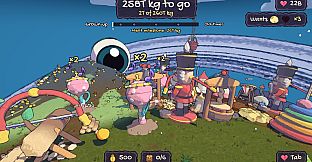
Eat Your Moons is an indie casual simulation game on PC where players manage the growth of a hungry baby planet that demands a steady supply of moons. The experience centers on incremental progression, colony management, and hands-on interaction with a living world that evolves over six distinct ages.
Gameplay
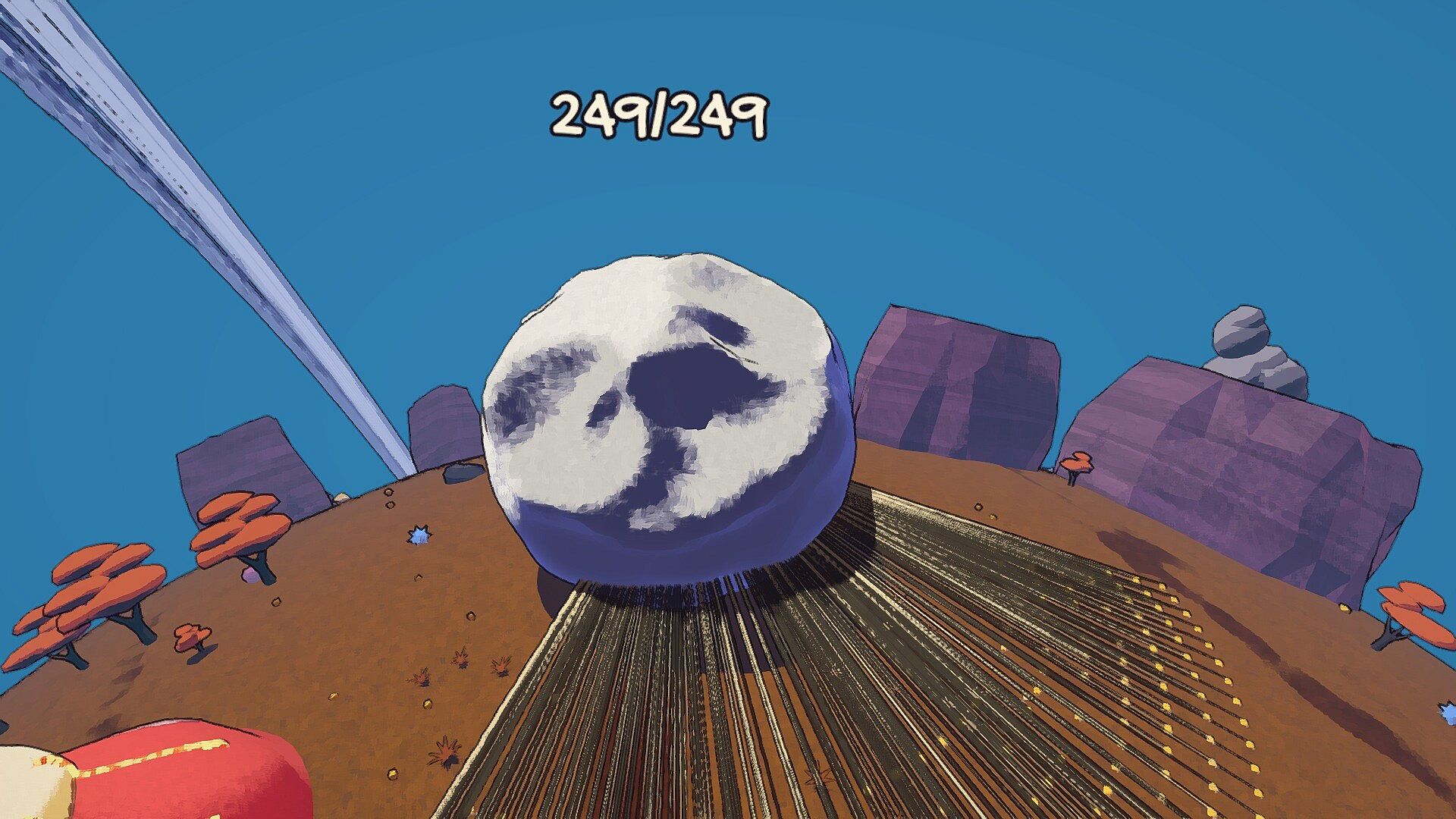
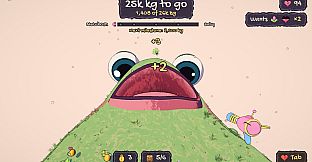
Players begin on a small planet weighing just three kilos, armed only with a toy tractor beam that pulls up sprouts and delivers them to the planet's mouth. The core loop involves responding to the planet's changing food requests every minute or two, filling a heart meter that triggers a satisfied burp and new demands. All actions contribute to increasing the planet's weight, displayed as a single number that grows from kilos into trillions.
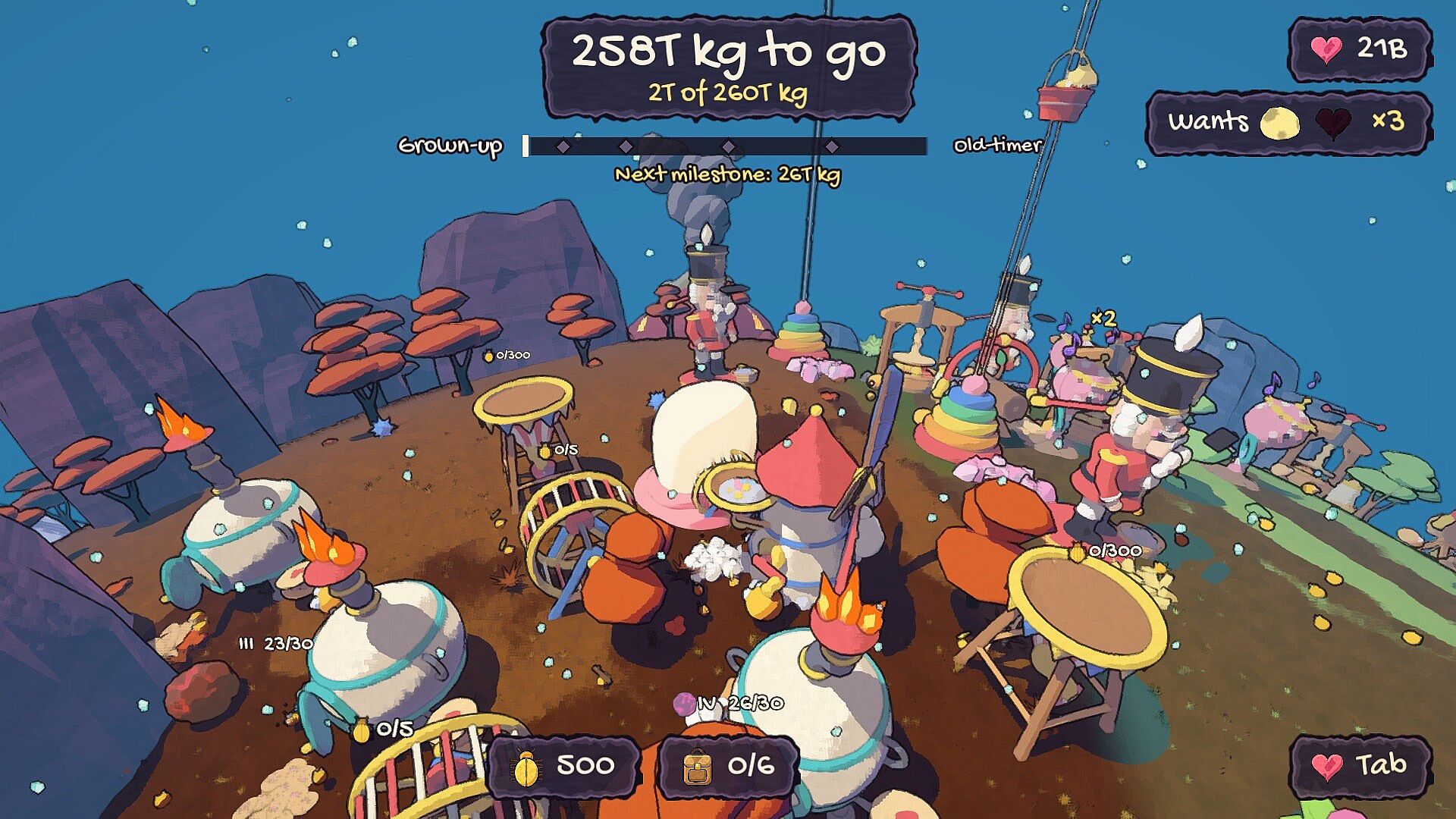
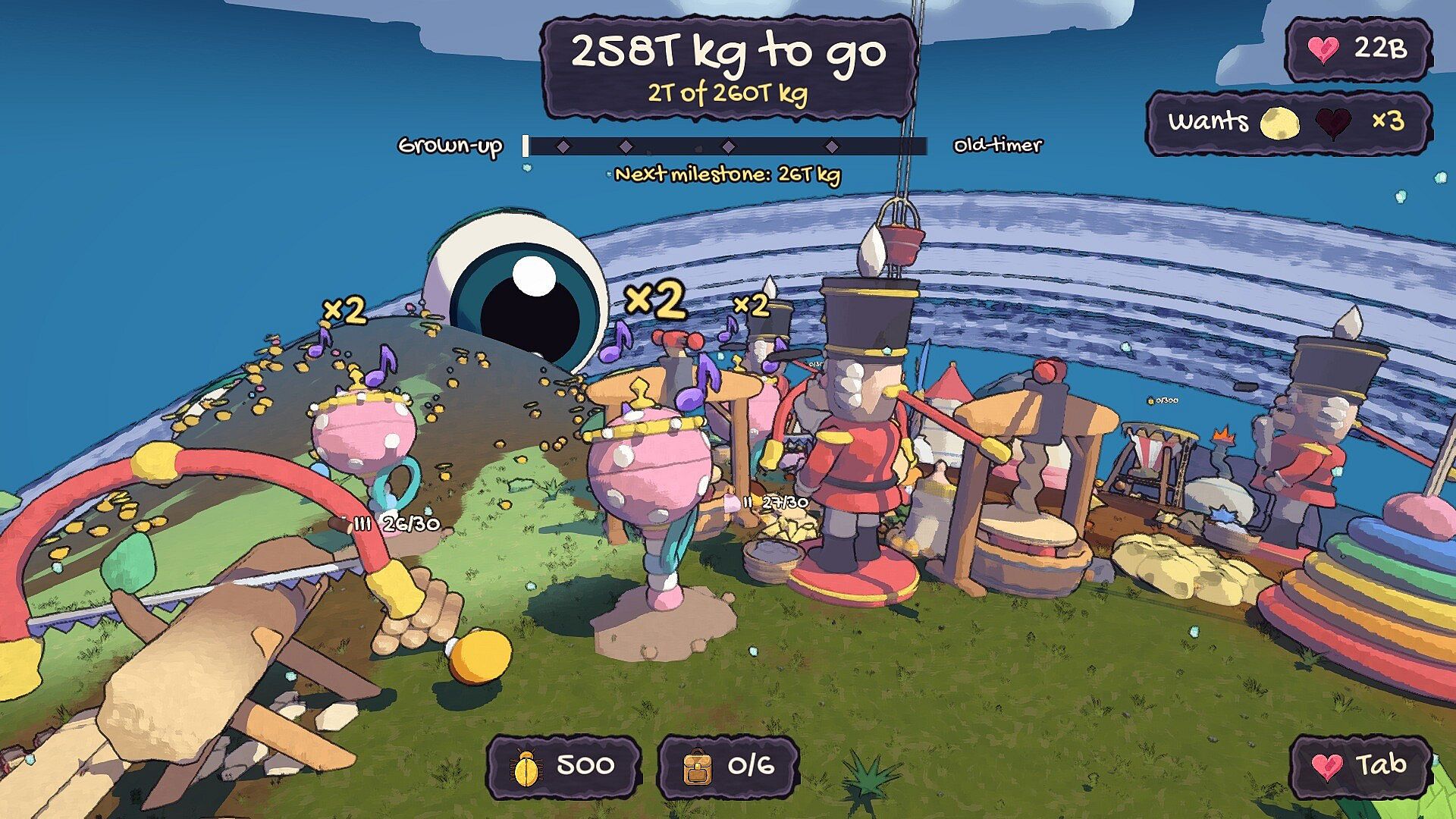
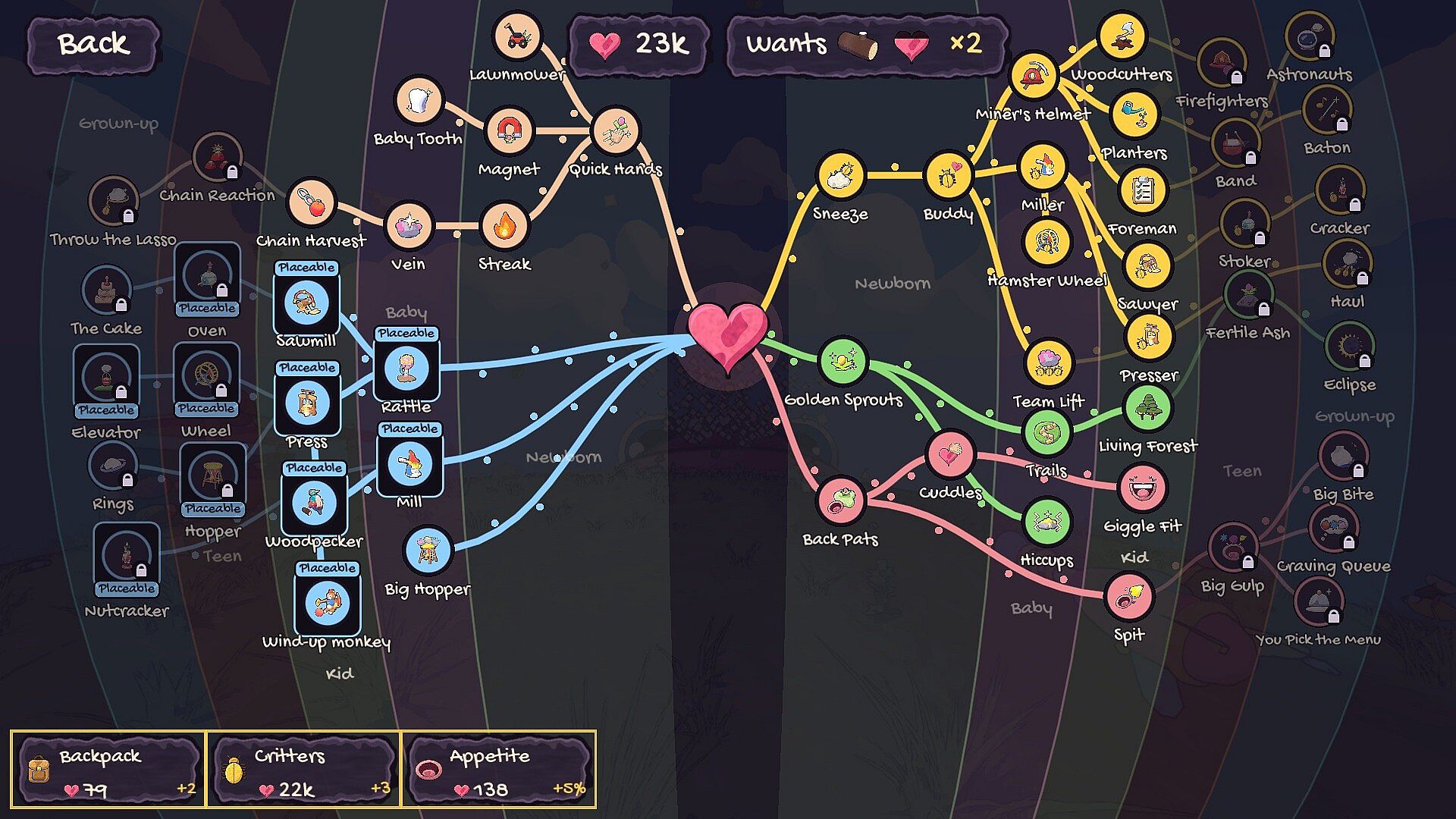
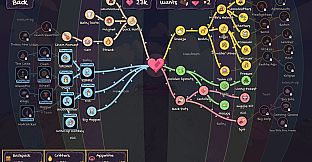
Automation arrives through critters that start as a single sneeze-born observer and scale up to hundreds. These workers copy player actions, carry loads, and staff buildings placed freely across expanding biomes such as quarries, forests, volcanic fields, and turquoise frontiers. Machines like mills, wind-up woodpeckers, and sky elevators join later, handling tasks independently while the player directs overall flow. Upgrades in a tree exceeding 50 options alter production rates, beam capabilities, and movement tools including boots and a jetpack.
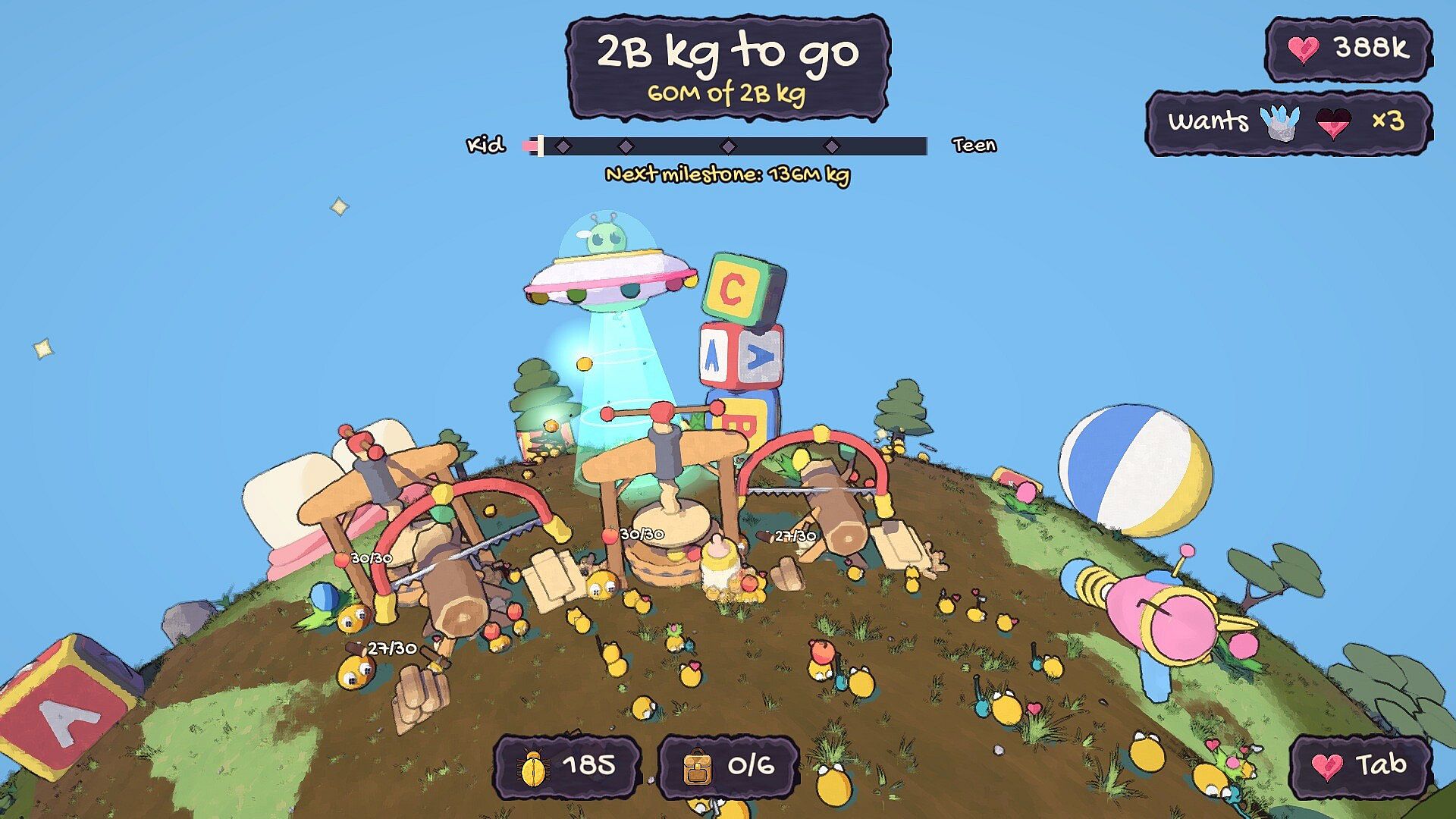
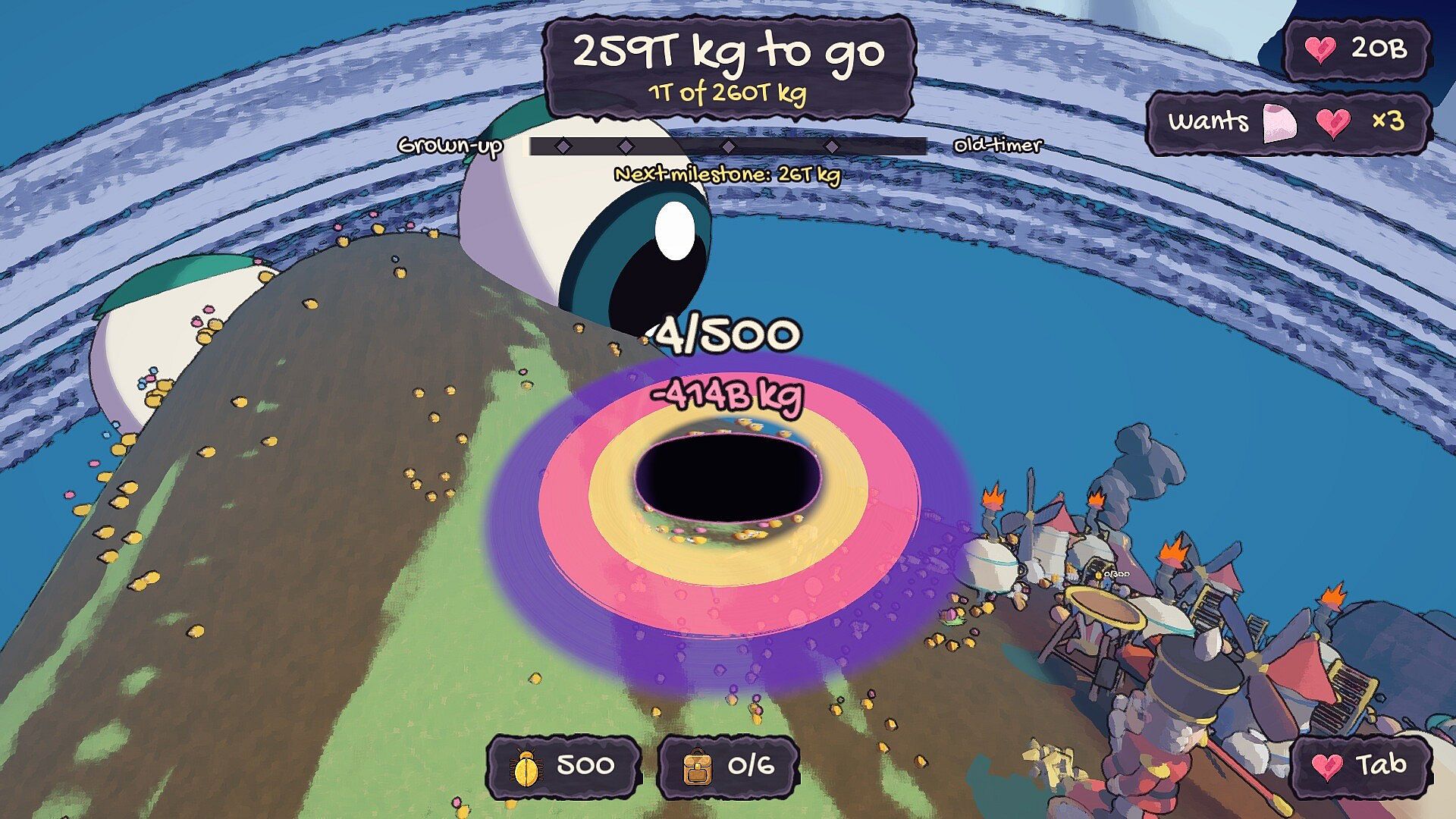
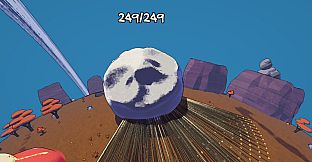
Events interrupt the routine every few minutes with limited-impact occurrences such as a toy UFO that beams away critters, a whackable piñata, dance parties requiring beat-keeping, falling treasure chests, black holes, meteor showers, comets, and forest pests. The planet never breaks, and nothing causes permanent setbacks. A map tracks biomes, buildings, and resource piles, while the colony continues working slowly when left unattended.
Game Modes
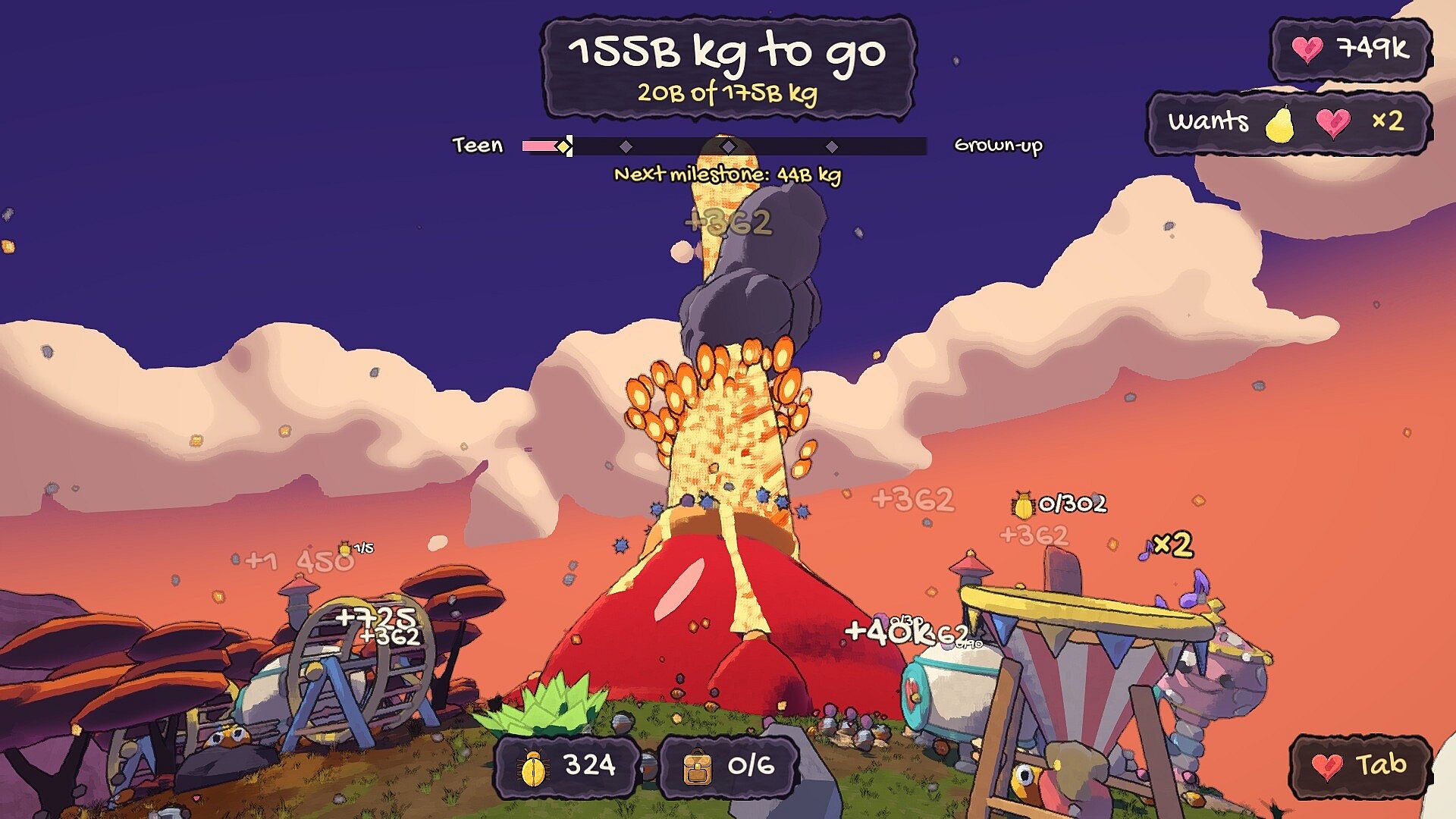
Eat Your Moons offers a single cohesive single-player experience without separate multiplayer modes or distinct game variants. Progression unfolds through six ages that each introduce a new biome, food type, primary verb, and player role. The newborn phase emphasizes direct babysitting with pulling, throwing, and patting. The baby stage shifts to teaching as critters learn by observation. Kid age turns the player into a foreman assigning jobs and automating with hooks on trees and bushes. Teen years focus on engineering through precise pimple popping and machine placement. Adult responsibilities involve directing large-scale hauling with ropes and elevators after a launch into orbit. The final old age reveals additional layers of the established colony.
Each age transition allows a choice of planet personality-Glutton, Cuddly, or Rascal-that influences behavior and demands. The toy tractor beam changes color and function across ages, handling everything from sprout pulling to tree felling. Buildings support up to five instances each with three upgrades, and the system avoids grids or fixed recipes in favor of free placement and manual or critter-assisted transport.
Progression and Features
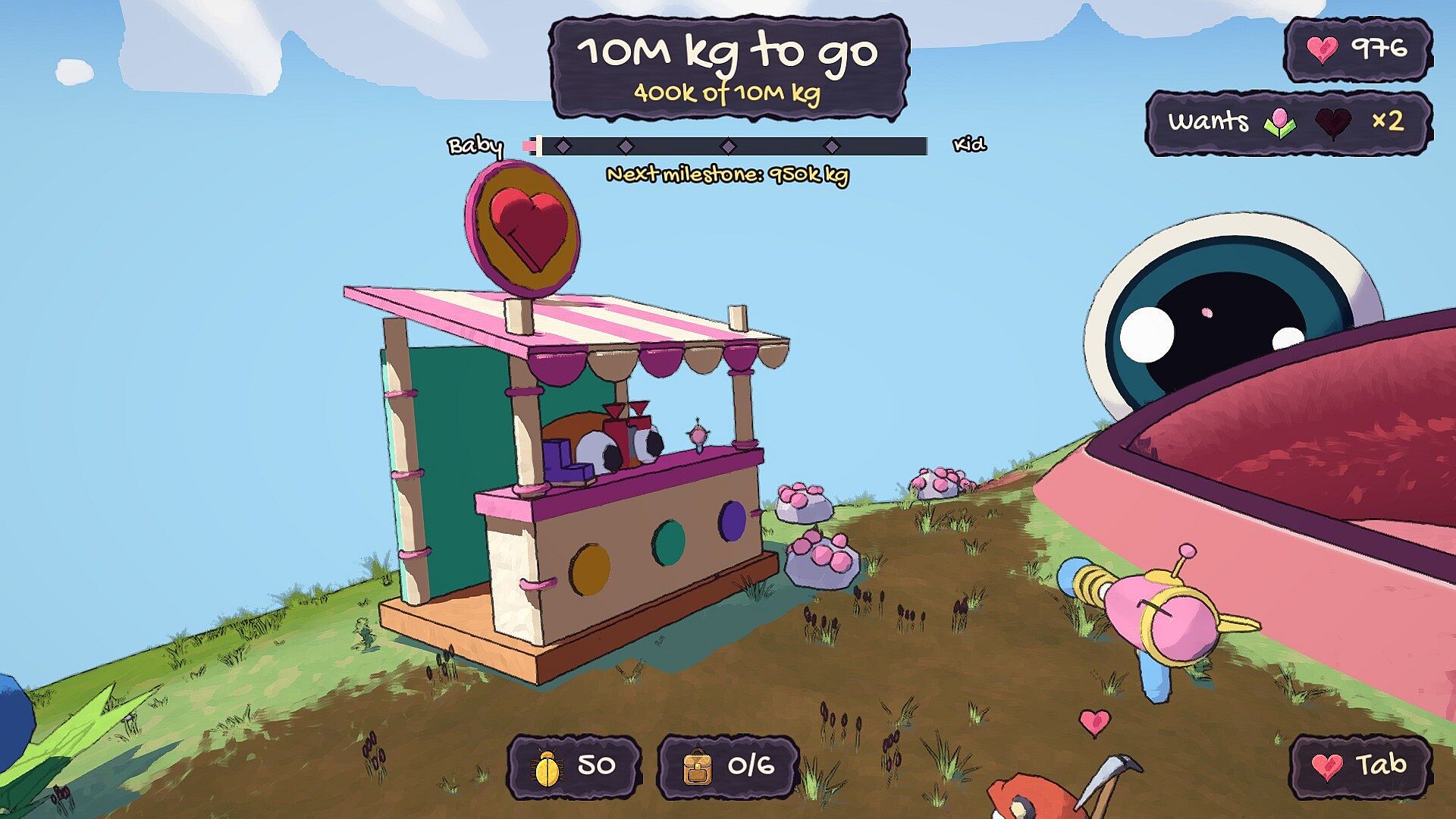
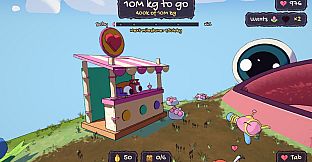
The game runs approximately 90 minutes from start to a defined ending with no prestige resets or failure states. Weight scales from three kilos to 260 trillion using abbreviated numbers. A shop near the mouth sells personal upgrades like multi-throw capabilities and expanded beam range. Up to 500 critters populate the world, prioritizing building maintenance before delivering to the mouth. Thirty achievements track milestones, including two tied to burping sequences.
Biomes appear sequentially as the planet matures, each supporting unique resources and requiring new player verbs. Events provide variety without risk, and the absence of combat or loss conditions keeps focus on steady growth and observation.
Is It Worth Playing?
This incremental title suits players who enjoy relaxed single-player management loops, colony building, and short sessions with a clear endpoint. The verified mechanics emphasize creative placement, automation that frees rather than replaces the player, and visual feedback from a growing patchwork planet. With no reviews available ahead of its November 2026 release and confirmed support for family sharing plus achievements, it appeals to those seeking a self-contained casual simulation without ongoing seasons or competitive elements. The structure rewards consistent attention while permitting pauses, making it appropriate for short play periods or full completion in one sitting.












