




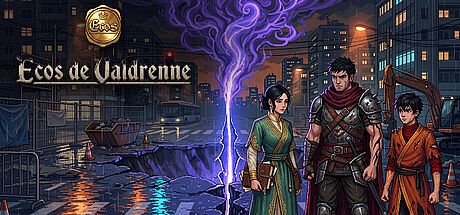


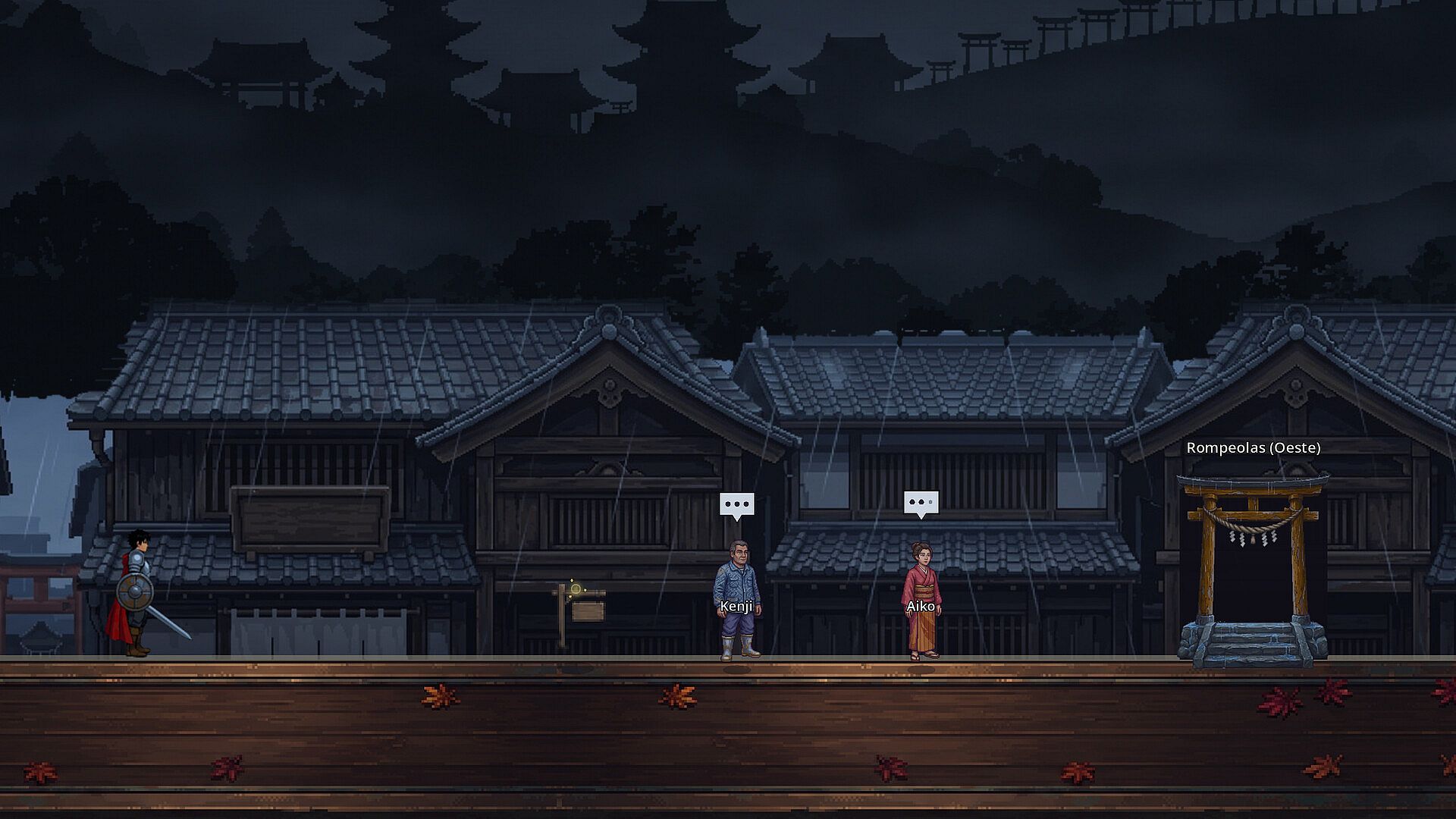
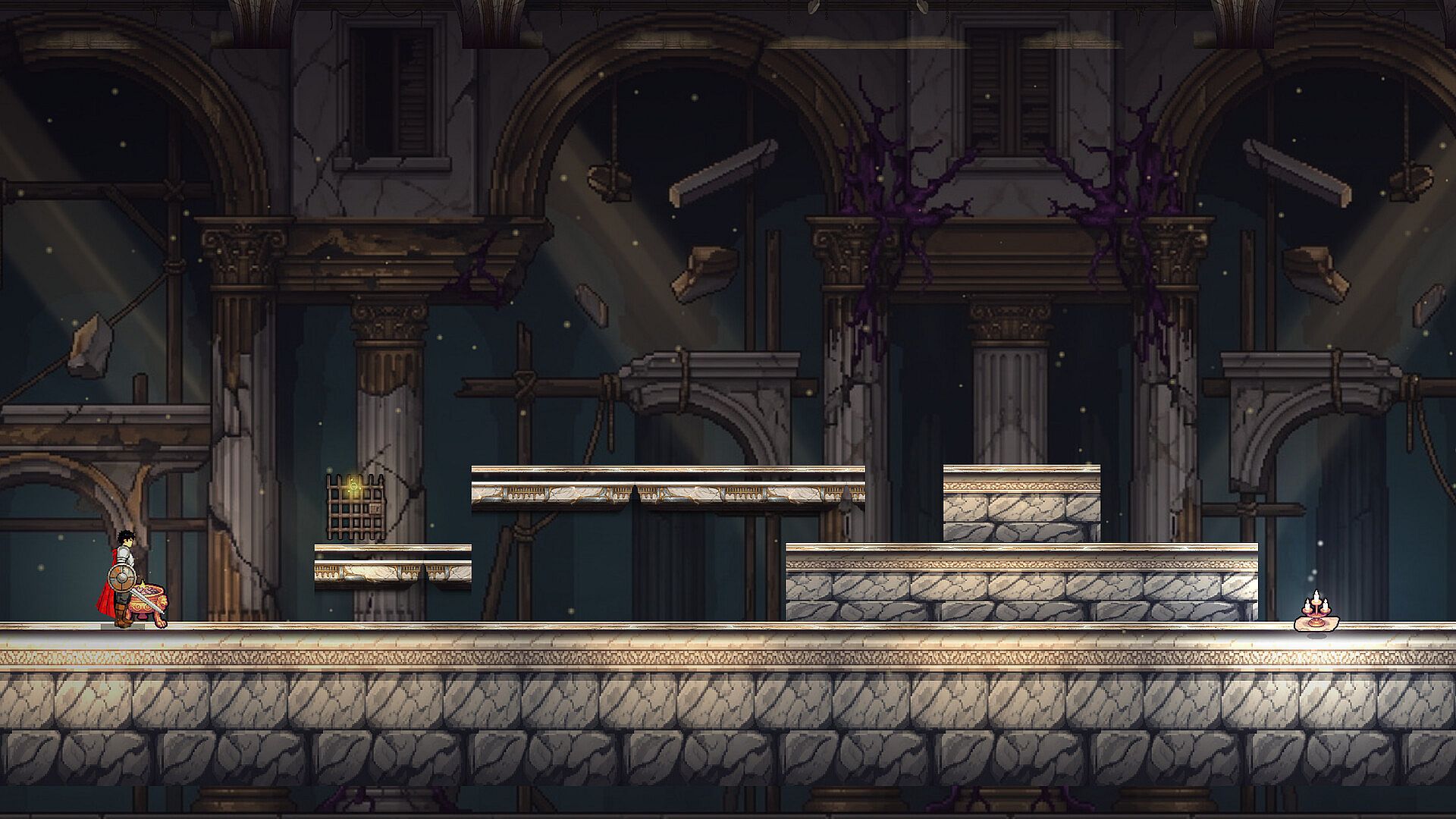
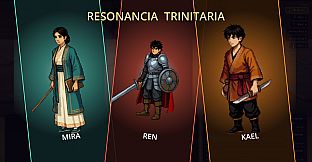
Ecos de Valdrenne is an indie RPG adventure developed for PC that blends classic turn-based JRPG combat with a distinctive side-scrolling exploration system. Players navigate a modern city that conceals ancient ruins tied to eight pantheons from Egypt, the Norse, the Maya, Japan, India, Rome, the Christian heaven, and the Void. The story follows three strangers drawn to a sinkhole after weeks of unexplained rain, uncovering a fractured world where the air itself holds memories of broken divine pacts.
Gameplay
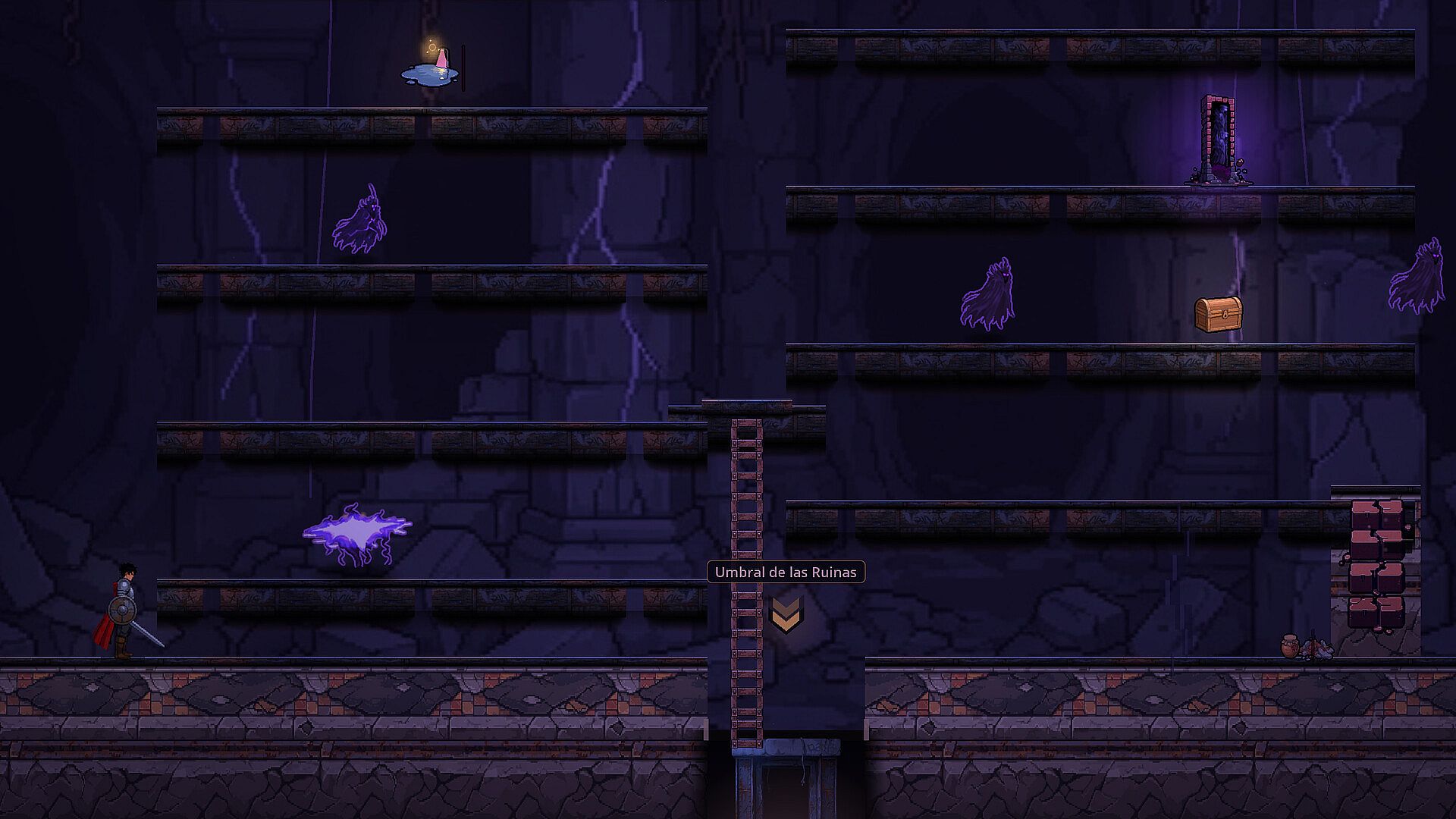
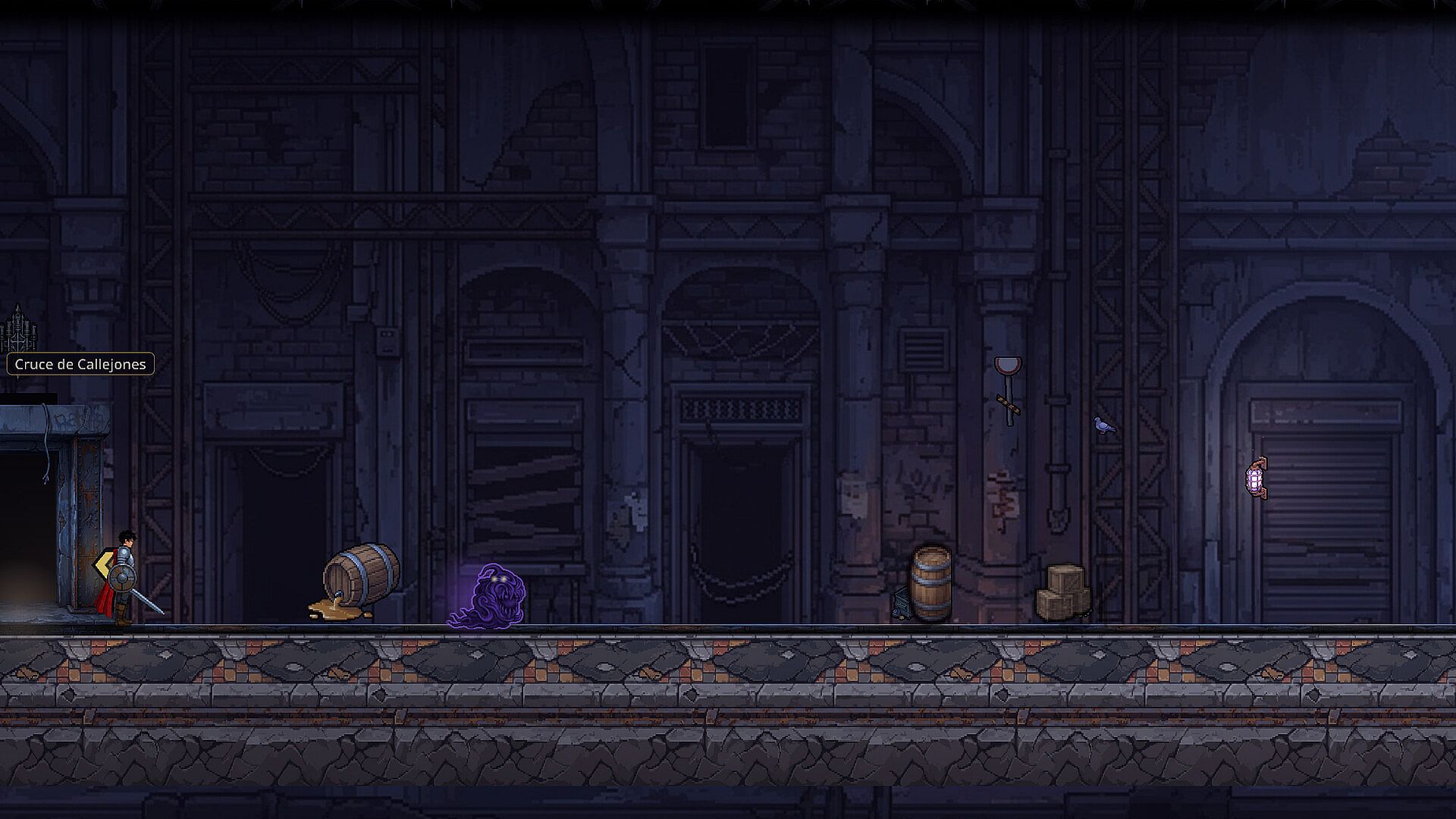
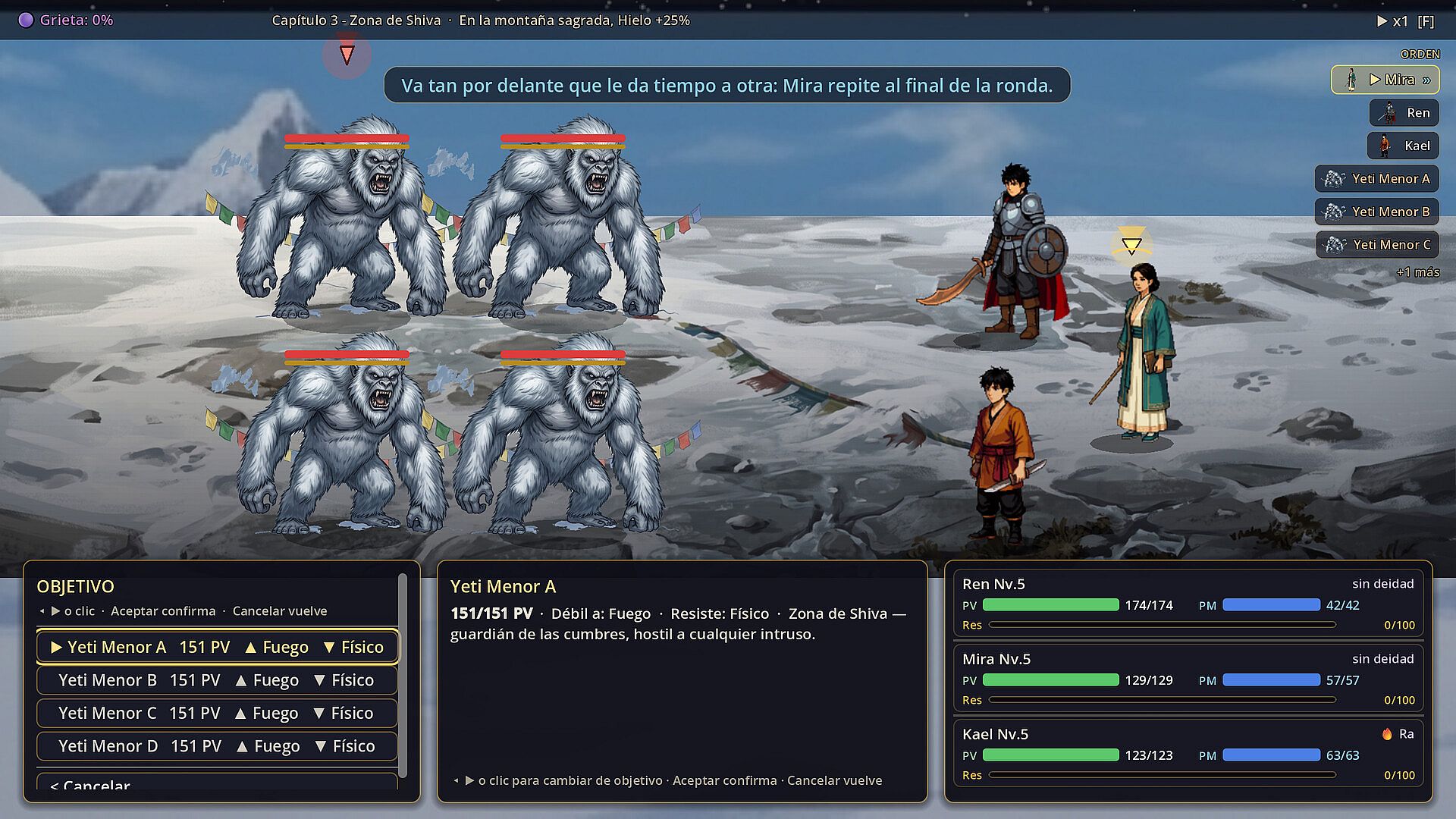
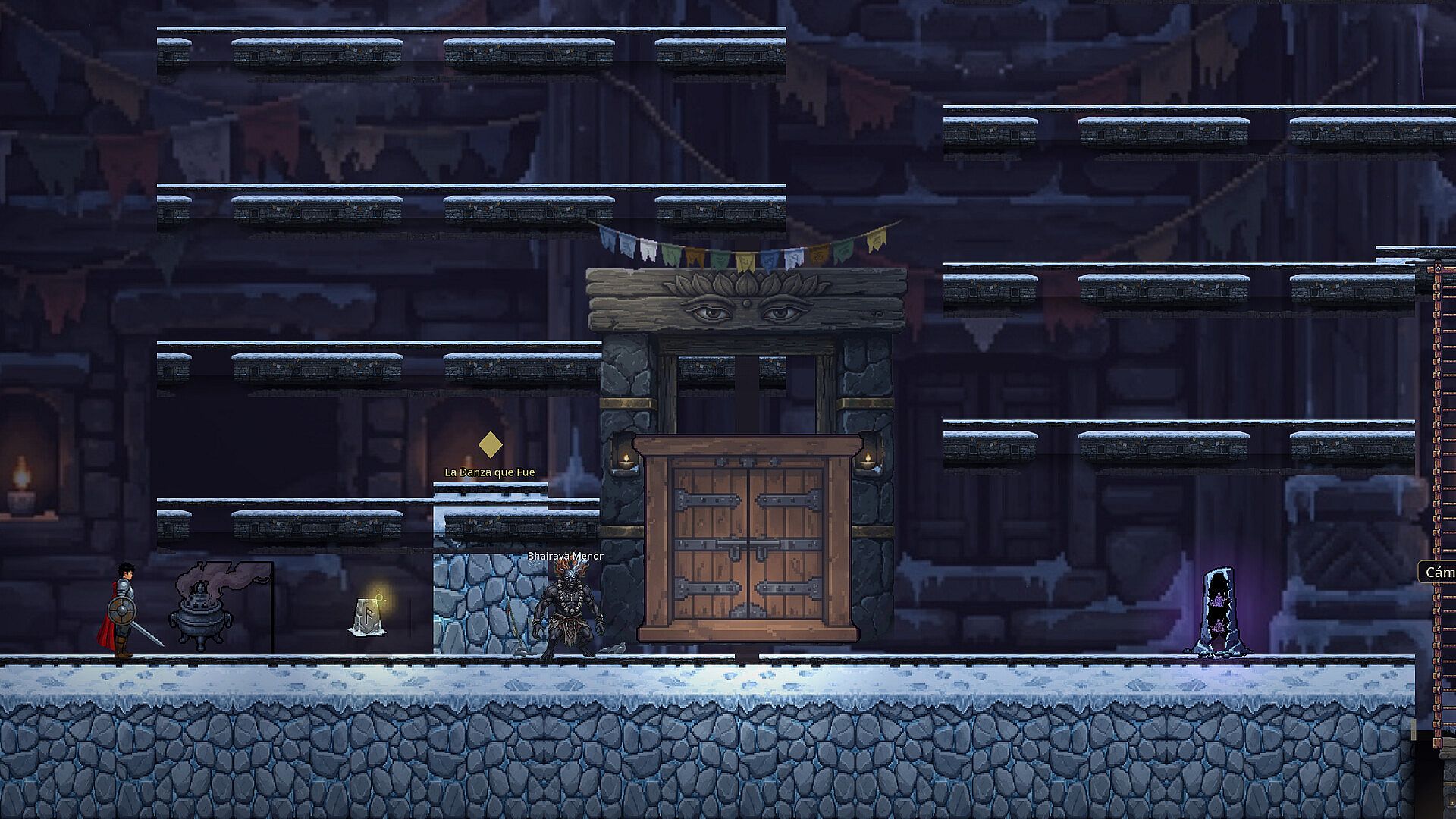
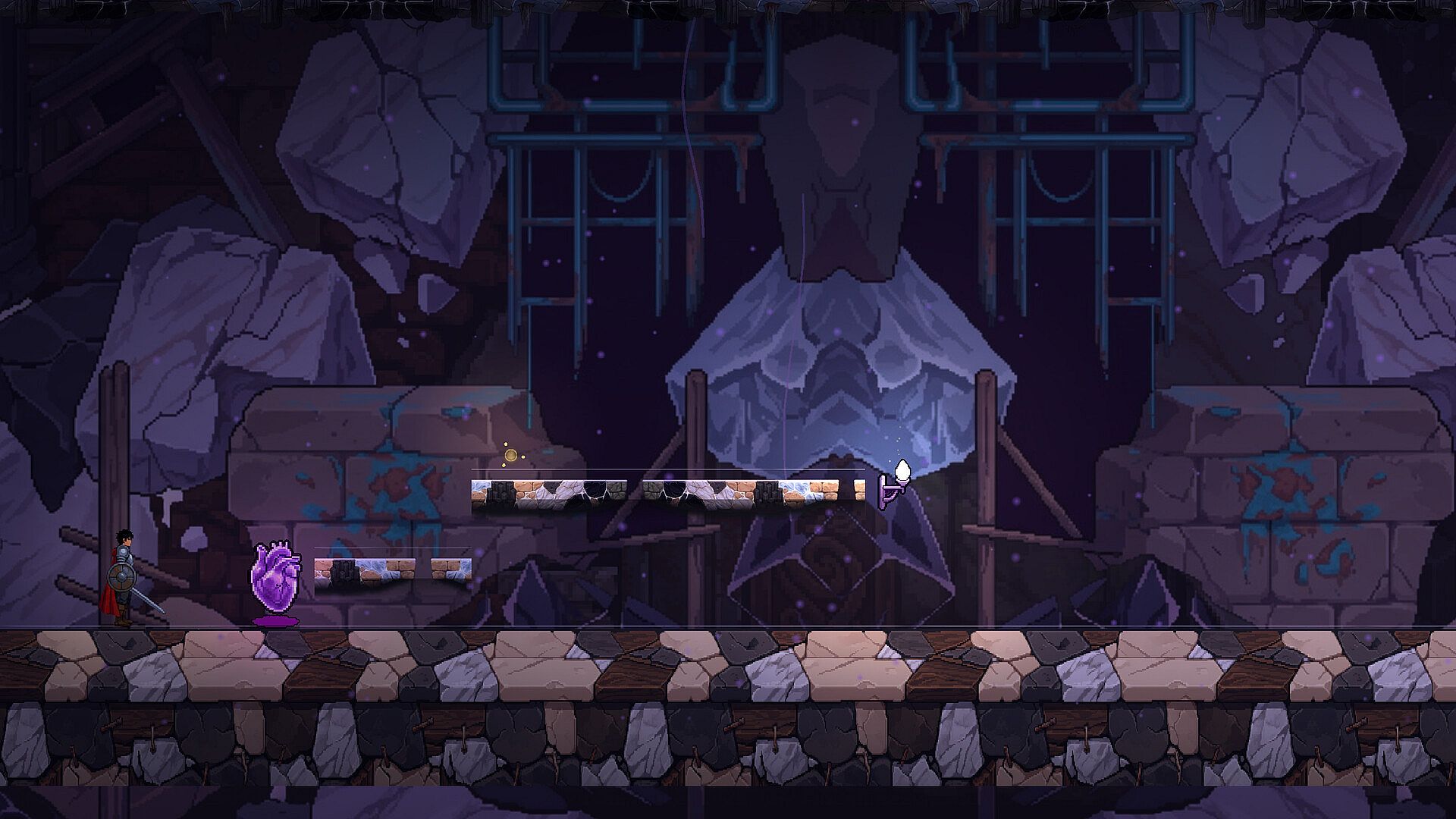
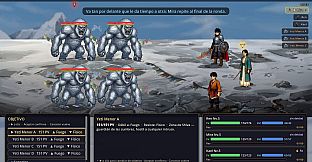
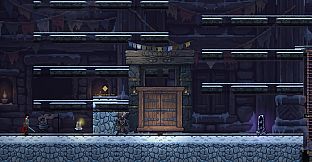
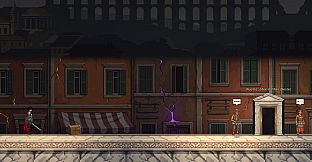
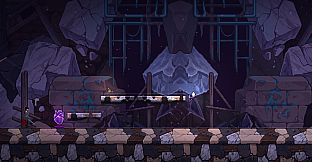
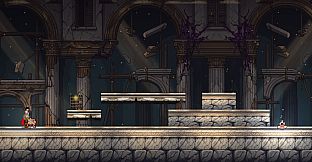
The core loop centers on a side-scrolling map that functions as an active play space rather than a simple travel route. Players cut through obstacles and foes on the map to build chains that feed into the Resonator. These chains provide combat advantages once a battle begins, but sustaining hits drains the chain and forces careful risk management during exploration. Combat unfolds in traditional turn-based JRPG style yet incorporates timed inputs for attacks and defenses that reward precise timing windows. A Resistance bar tracks enemy vulnerabilities, shattering when the correct weakness is struck to open opportunities for stronger follow-ups.
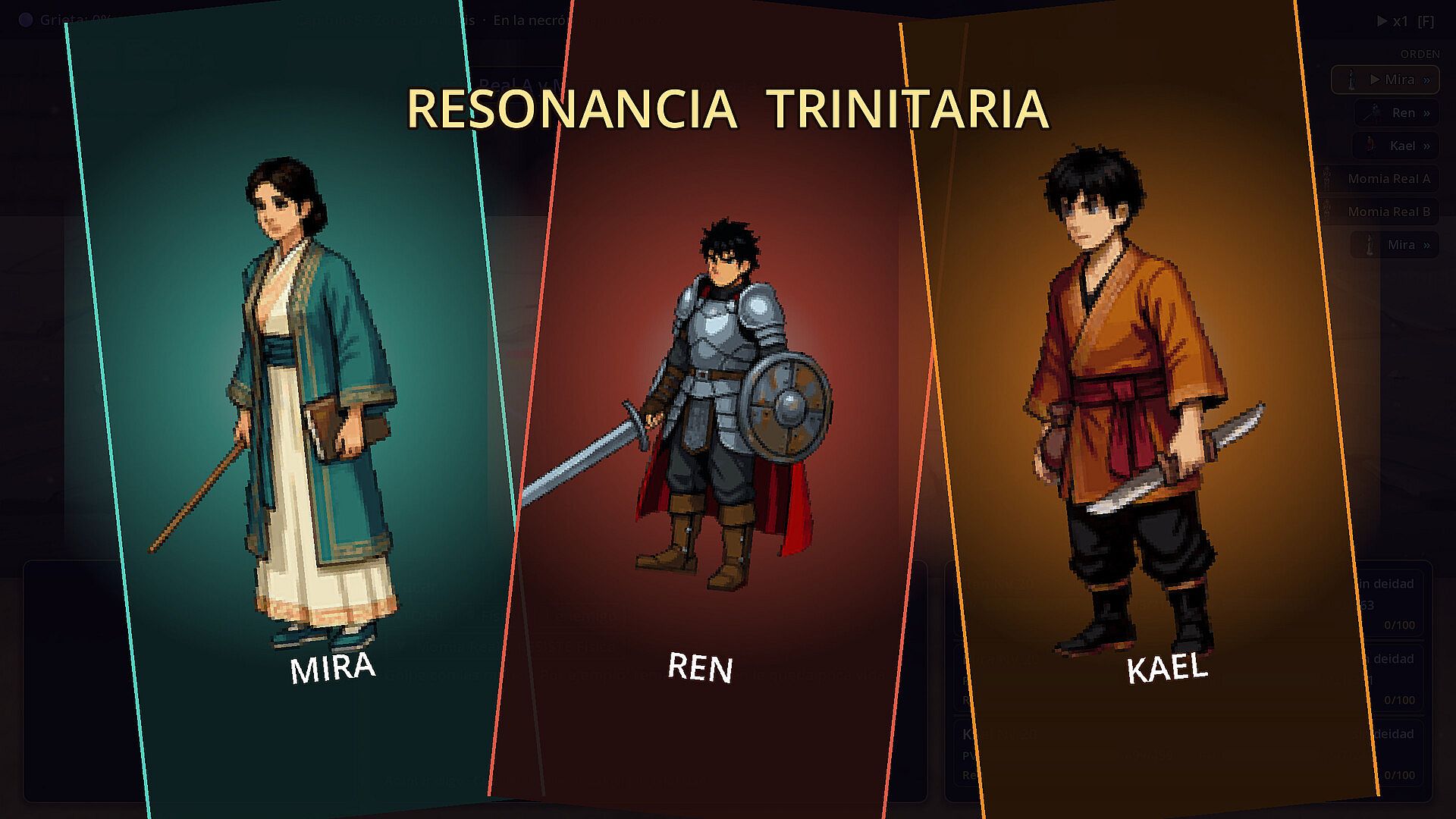
Character synergies add depth through specific mechanics such as marking targets with one party member and detonating those marks with another. Named attacks can be stolen from enemies and retained for later use, creating opportunities to adapt strategies mid-adventure. Eight deities each bring unique area magic, personal traits, and summons. Pairing these abilities produces combination effects, including the powerful Trinity Resonance that activates when all three characters contribute simultaneously. Exploration rewards include traversal powers earned from favors, which reopen previously visited areas for new paths such as leaping gaps or revealing hidden elements.
Game Modes
Ecos de Valdrenne operates entirely as a single-player experience focused on narrative progression and personal discovery. There are no multiplayer components or competitive modes. The structure follows a linear main path across ten chapters while incorporating optional side content that expands on the world and its deities. Players control the pace through adjustable battle speeds, the ability to repeat rounds, and an auto-battle option available at lower levels, allowing focus on story or challenging encounters as preferred.
Story and World
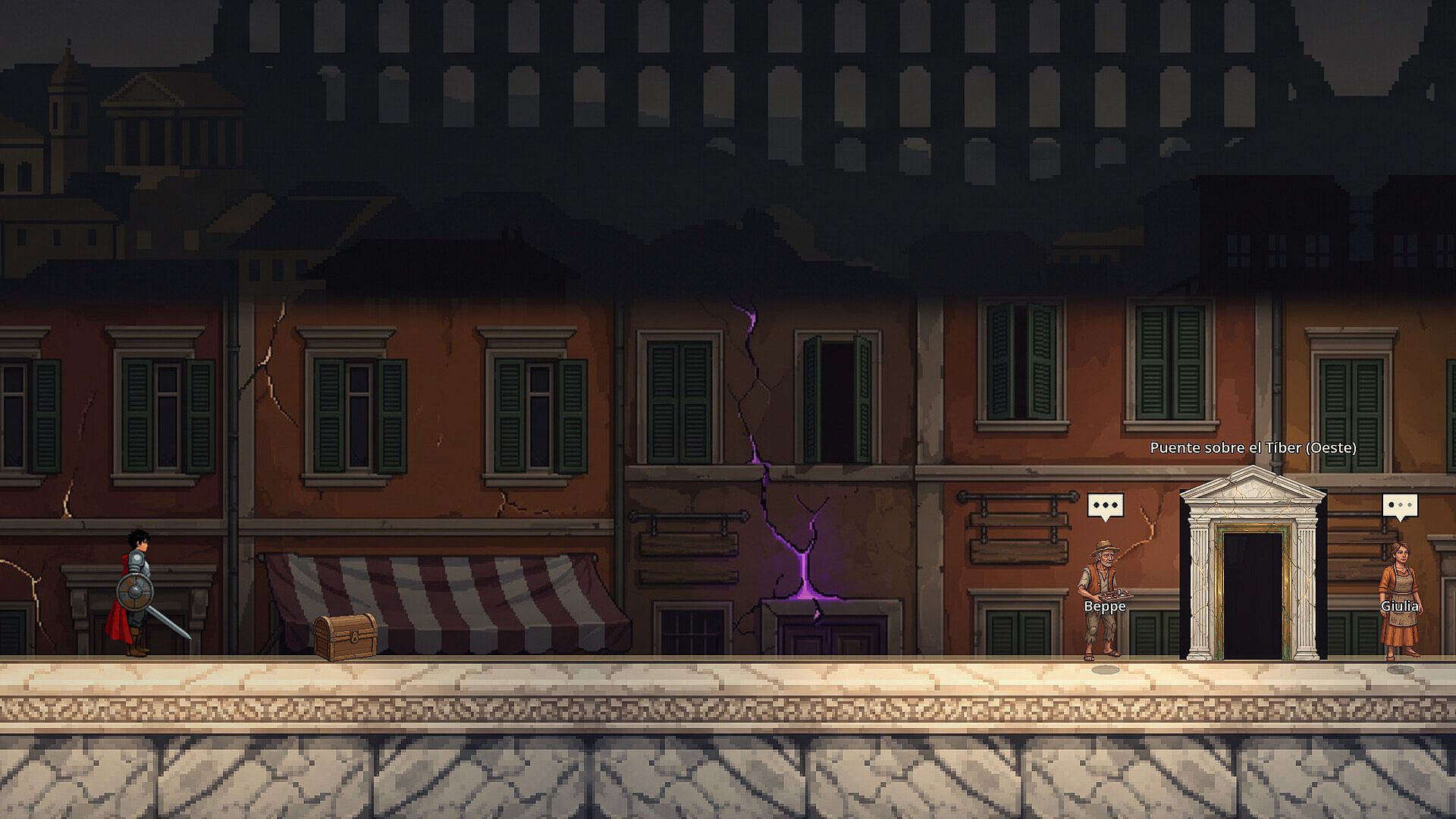
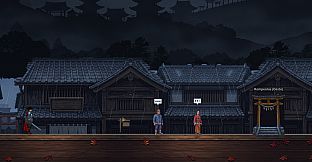
The setting merges a contemporary city with subterranean realms shaped by eight distinct cultural pantheons. Locations span Cairo, Yucatán, Kailash, Luxor, Norway, Rome, Izumo, and Iceland, each linked to a specific deity and its Echo. These areas serve as both narrative backdrops and gameplay spaces where earned powers alter how players interact with the environment. The central conflict revolves around a broken equilibrium among the pantheons, with the player characters piecing together events through exploration and combat encounters that echo the world's fractured history.
Features and Accessibility
The game includes 153 rooms across its ten chapters and 73 side quests for additional depth. It supports six languages with full interface and subtitle options. Xbox controller support runs throughout, and quality-of-life tools respect player time with scene skipping for repeats and multiple battle speed settings. Accessibility options cover adjustable text size, opaque dialogue backgrounds, toggles for screen shake and flashes, colorblind markers, and fully remappable keys. The title was built in Godot 4 by a solo developer, emphasizing focused design choices over expansive scope.
Is It Worth Playing?
Players who enjoy classic turn-based JRPGs with layered exploration mechanics and deity-themed ability systems will find a distinctive take here. The Resonator chain system and timed combat inputs create a hybrid feel that rewards attentive map play without shifting away from strategic turn-based decisions. Accessibility features and time-saving options make it approachable for those who value control over pacing. As an upcoming single-player title planned for late 2027, it appeals particularly to fans of narrative-driven indie RPGs seeking fresh twists on pantheon lore and environmental interaction rather than large-scale multiplayer or live-service elements.












