

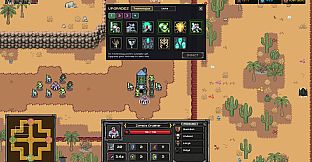
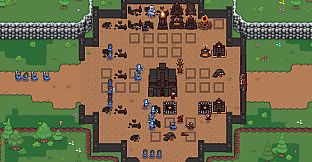
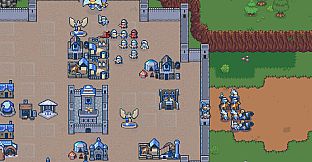
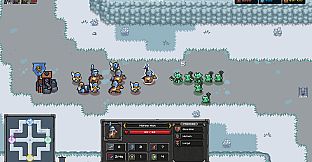
Fantasy Siege is a strategy auto-battler set in a fantasy world where players command unique races in competitive matches. The game emphasizes base development and upgrade choices over direct unit control, with units advancing automatically along lanes toward enemy fortresses. Up to four players compete in these matches on PC during early access.
Gameplay
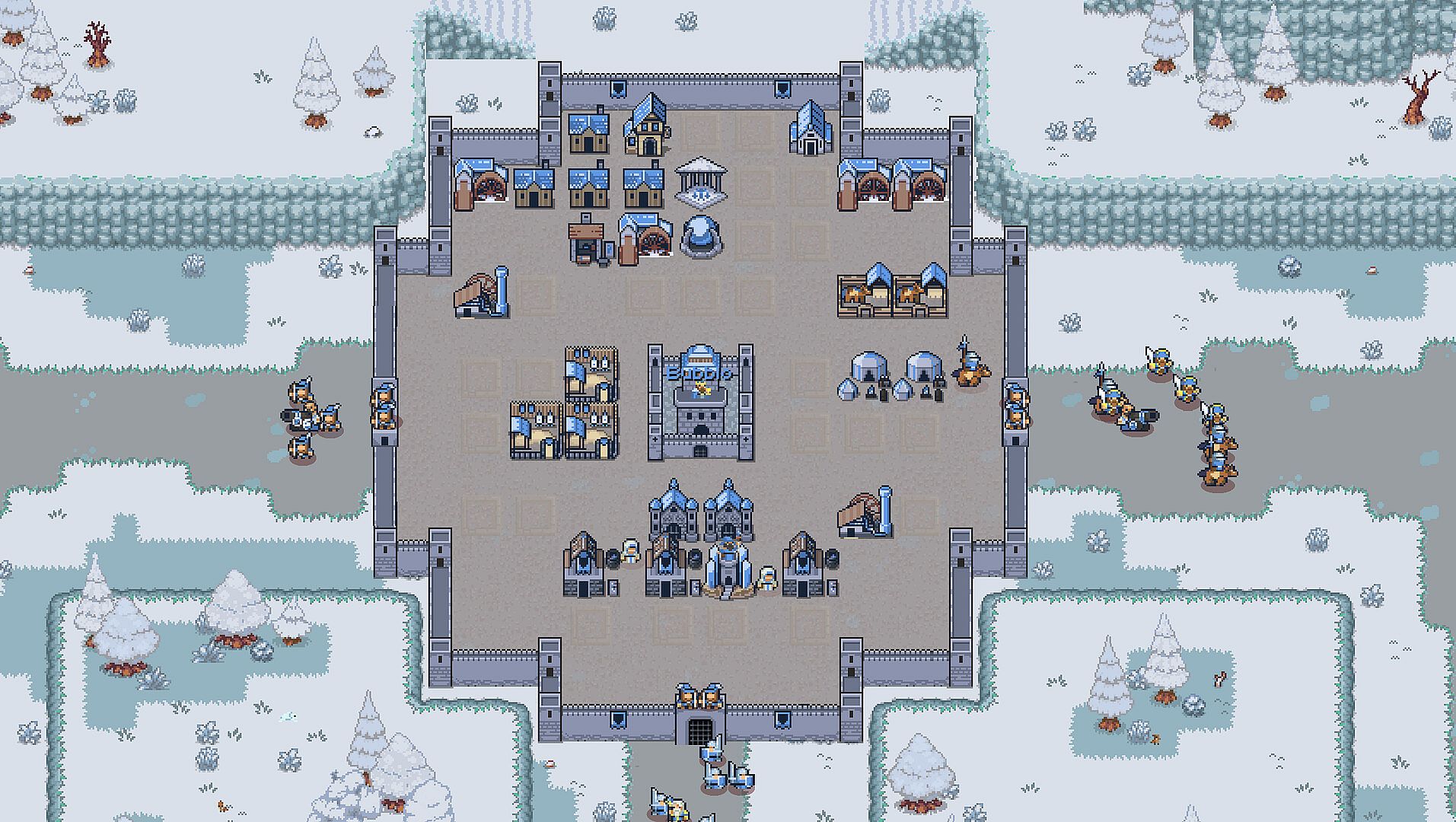
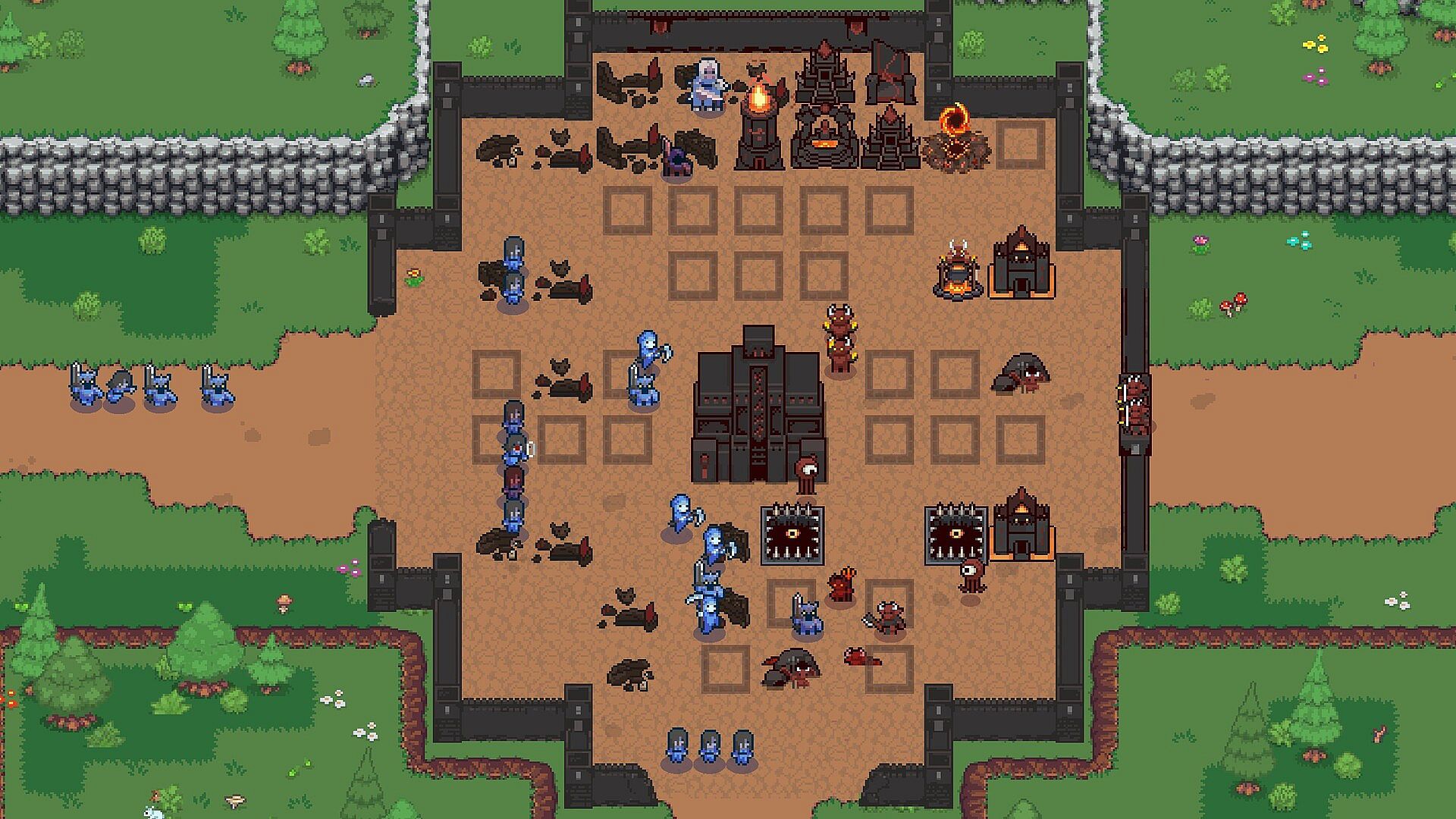
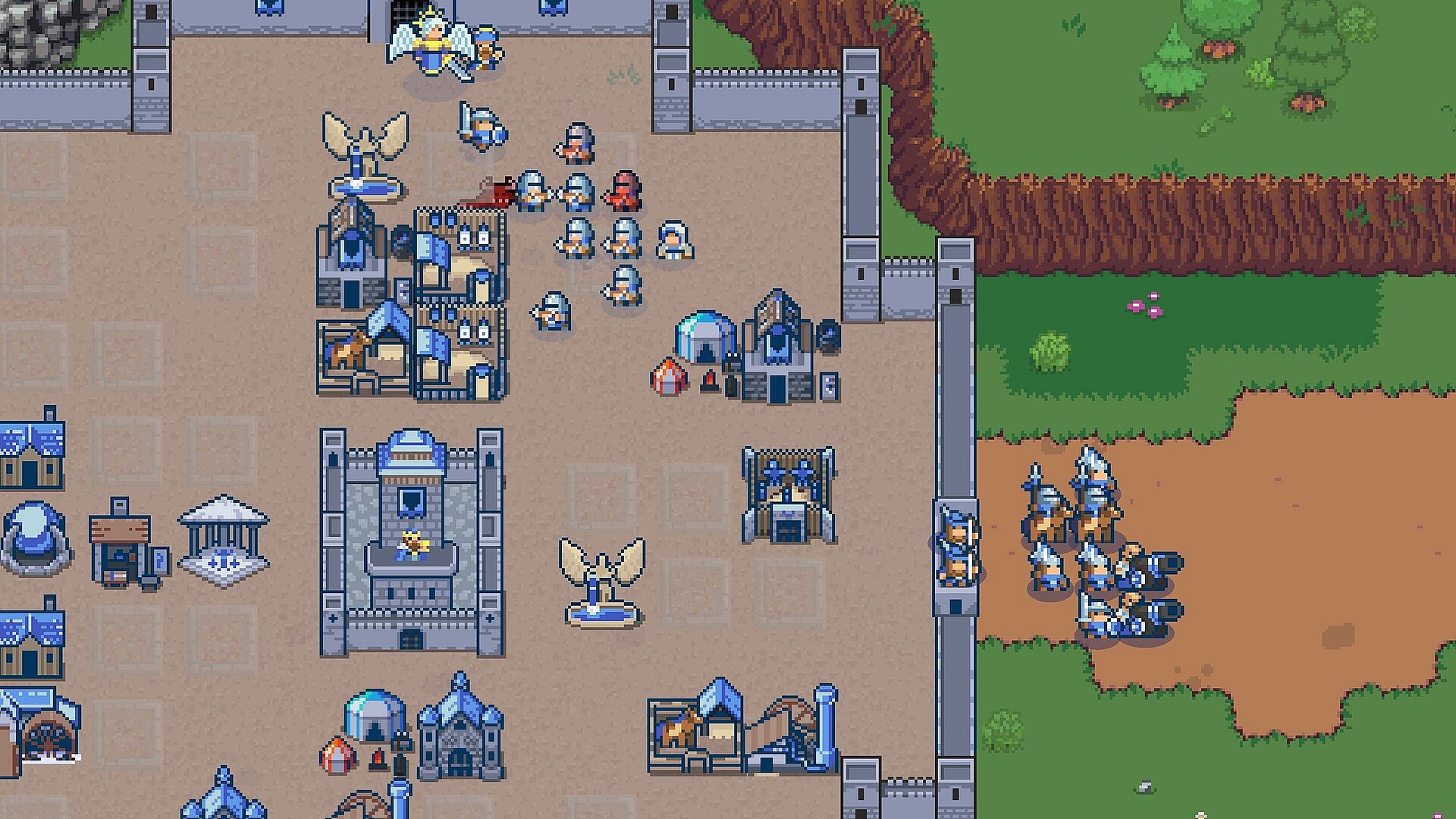
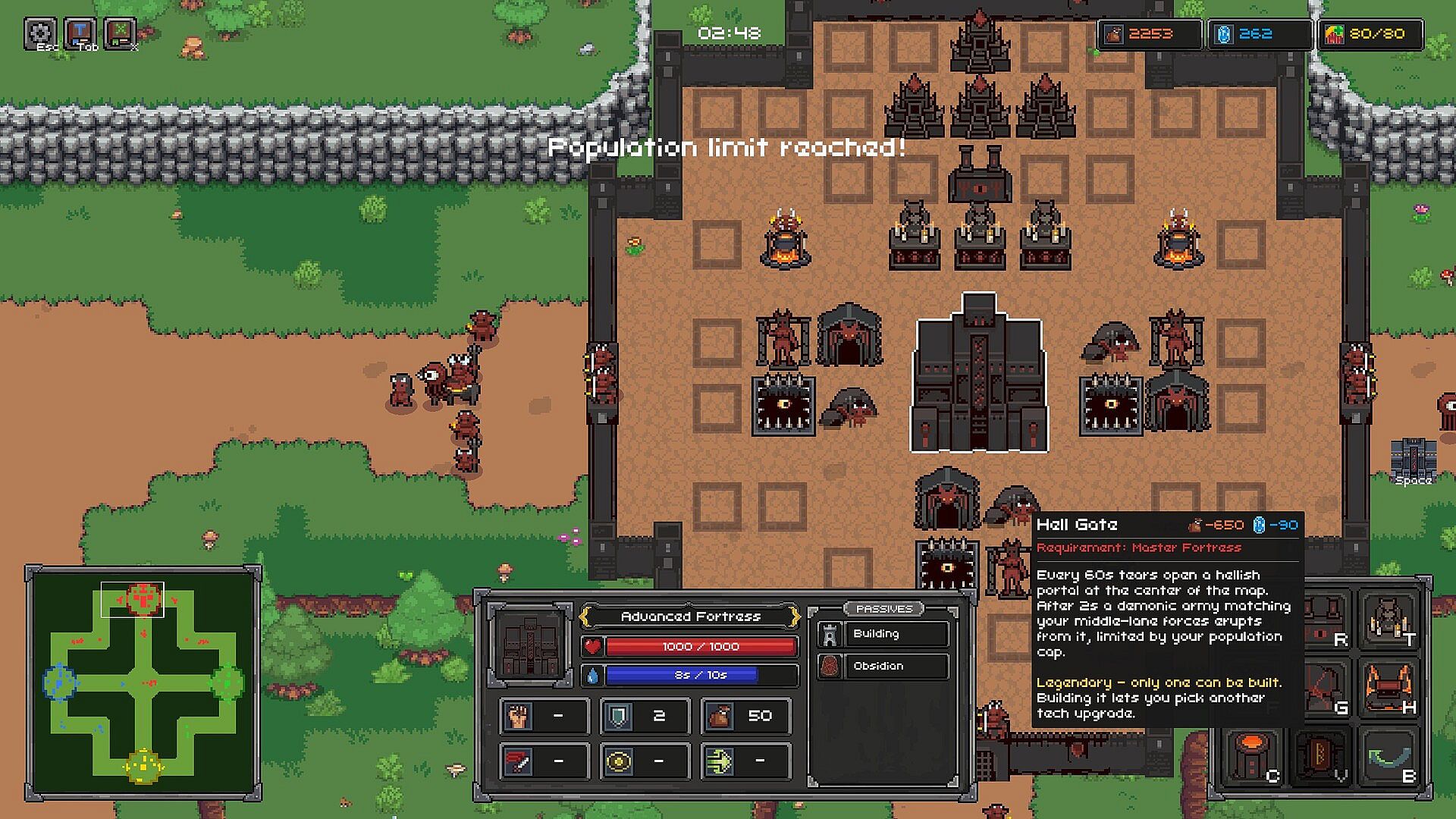
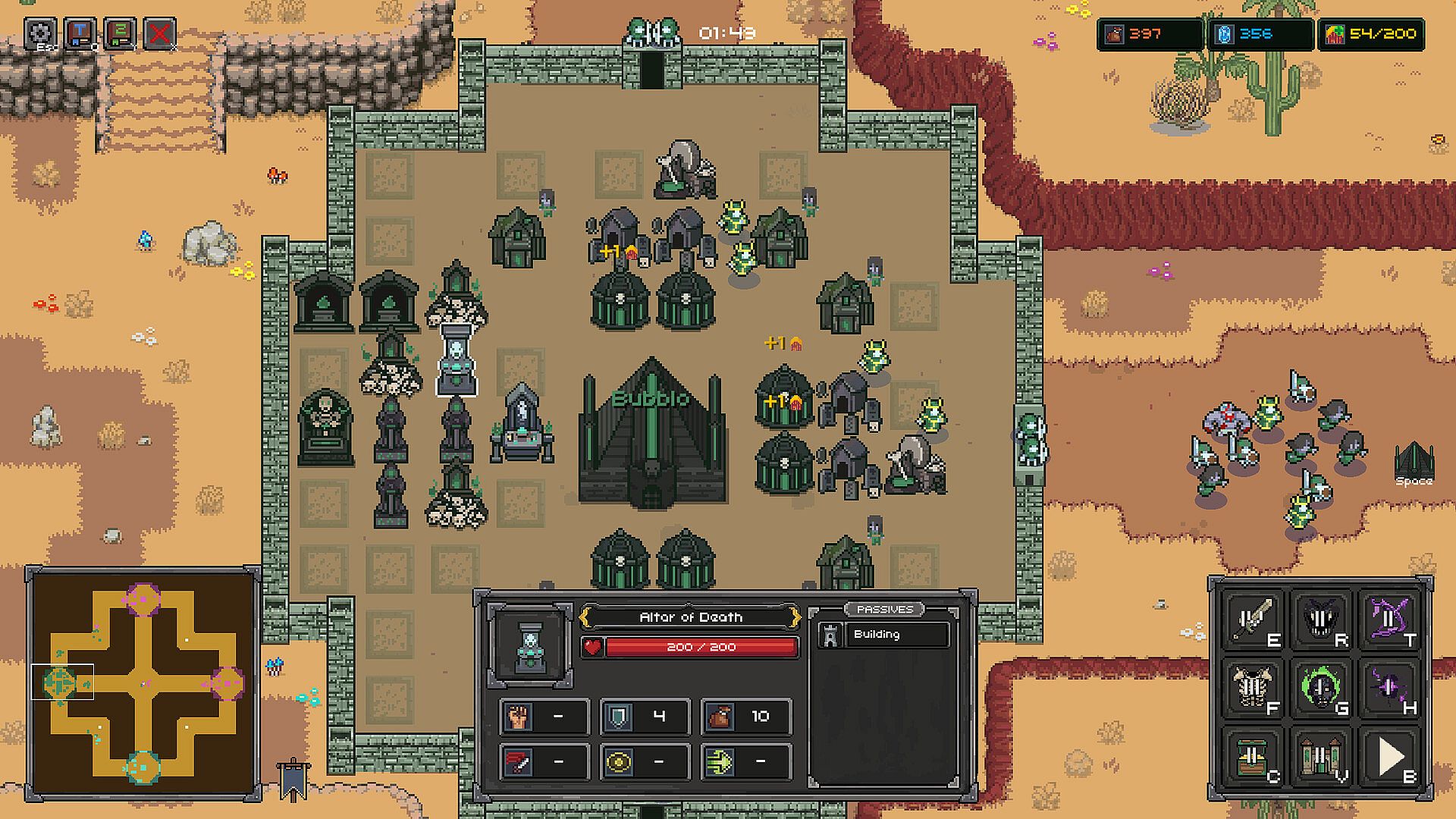
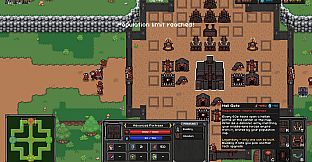
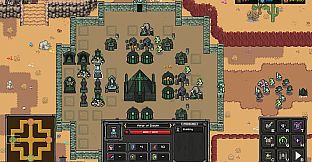
Players begin by selecting one of five fantasy races, each featuring distinct units, heroes, buildings, spells, technologies, and upgrades. Three races are available immediately, while two others remain in development. The core loop centers on constructing a limited base where every plot allocation carries weight. Army buildings produce units that deploy in waves without further input. Economy buildings generate supplies and essence to fund expansion. Special buildings add spells, curses, towers, or race-specific advantages that alter standard rules.
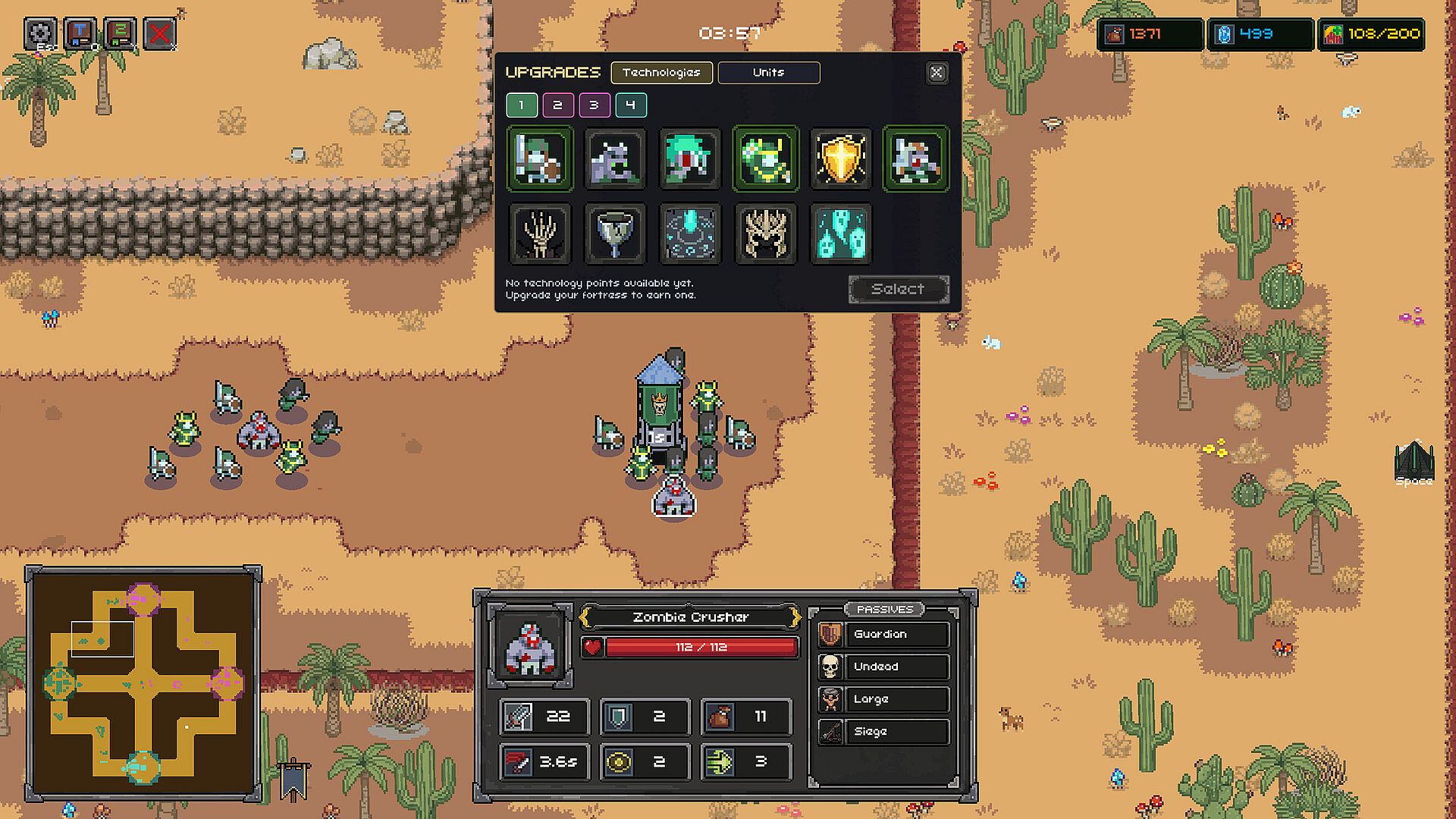
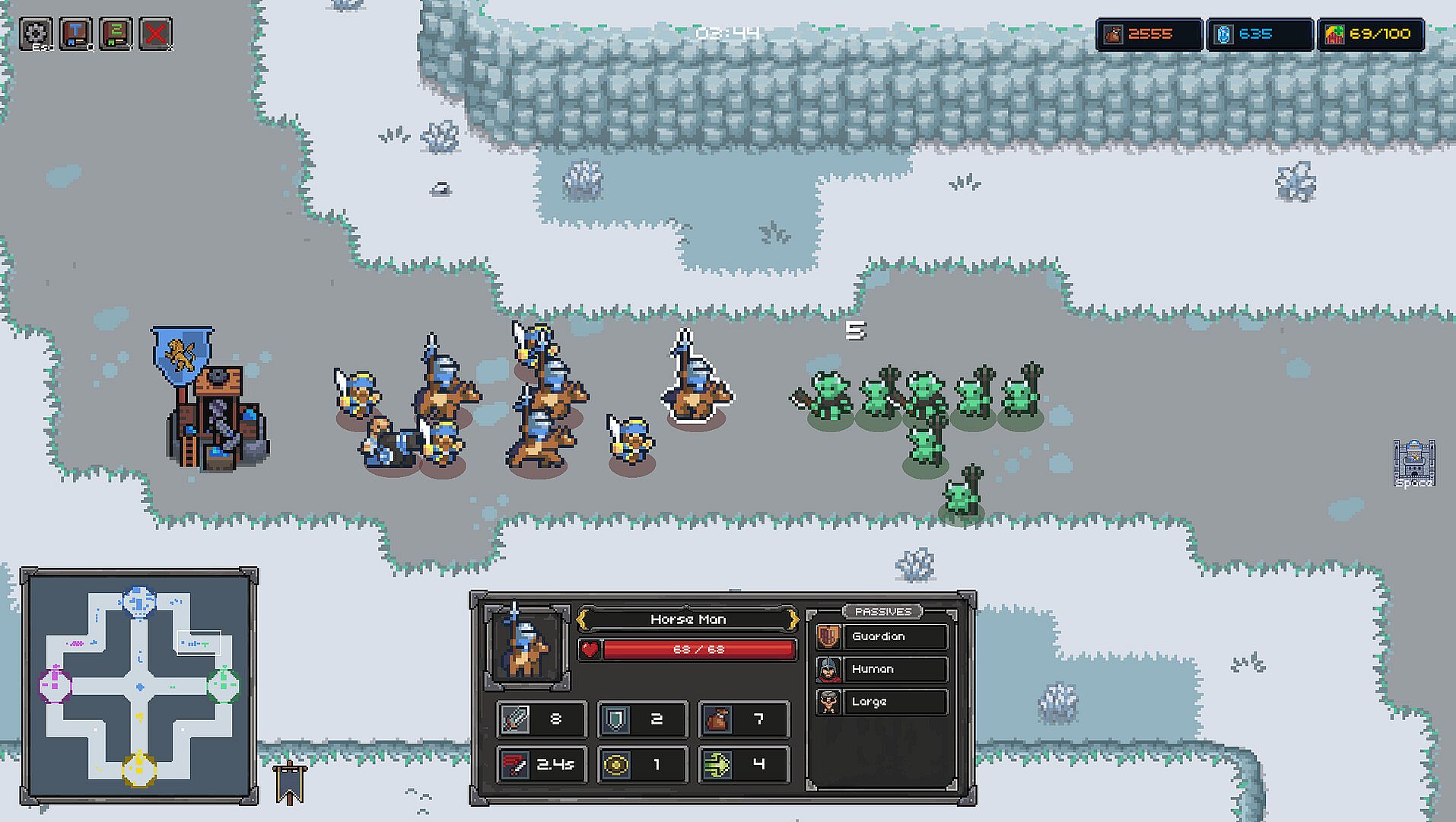
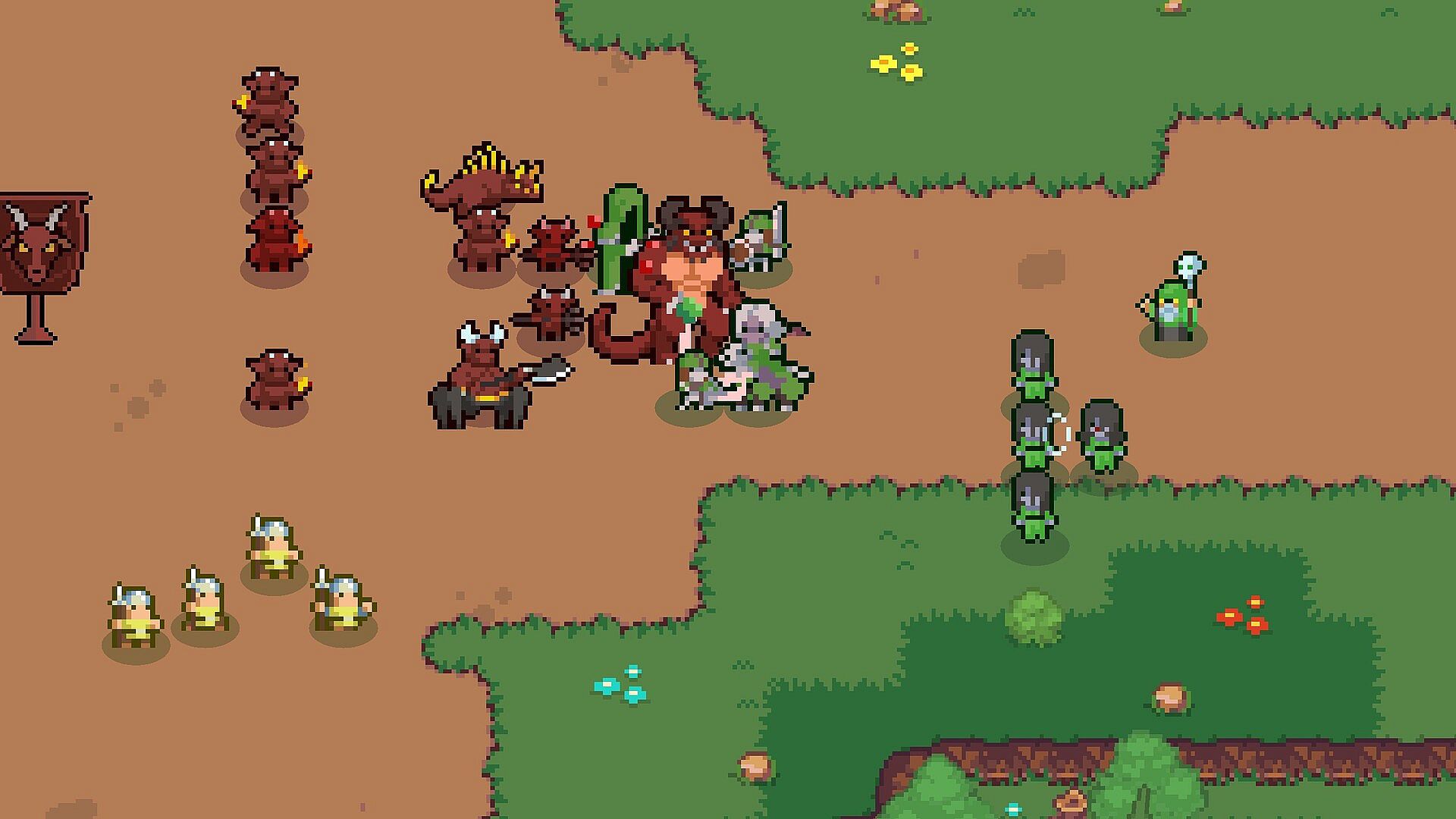
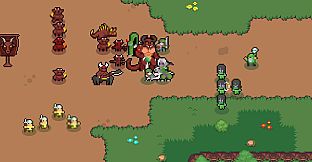
Combat unfolds across map lanes, with units marching forward automatically. Control of flag points grants access to neutral structures such as gold mines, essence mines, and healing stones. These resources fuel further upgrades to attack power, armor, damage resistances, unit technologies, fortress tiers, and hero abilities. Heroes from each race level up during battles and can independently turn the tide in a lane before returning to the fortress for recovery rather than permanent loss.
Unit compositions matter because each type carries clear strengths and weaknesses. An upgraded basic unit often outperforms an unupgraded elite counterpart, rewarding timely investment decisions over raw quantity.
Game Modes
Matches support up to four players and follow the auto-battler format of base building and upgrade selection. Units advance without micromanagement, shifting focus to economic decisions and composition choices. Flag points across the map determine push directions and provide resource advantages to the controlling player. The objective remains defeating the opponent through superior military and economic pressure built over successive waves.
Races and Armies
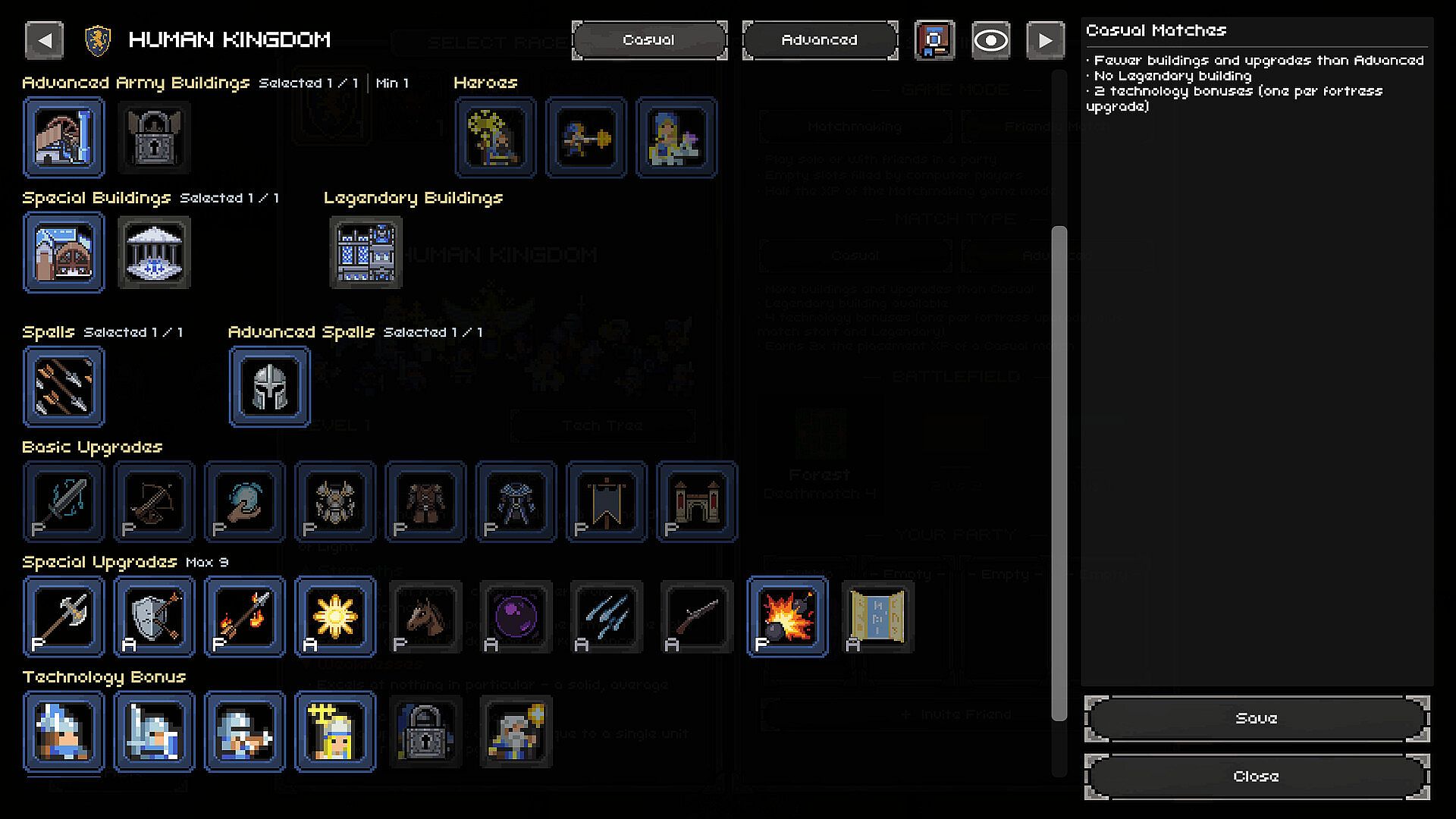
Kingdoms emphasize discipline with shieldmen, spearmen, knights, crossbows, cannons, and battle mages supported by priests. This race offers flexible armor upgrades, inexpensive technology paths, and a straightforward economy that supports outpacing opponents in research. Demons prioritize raw damage through imps, hellblades, fire throwers, succubi, and hell beasts emerging from the Hell Gate. Their units withstand heavy punishment while delivering advanced fire damage earlier than other options, though the approach demands careful resource management. Undead rely on attrition with skeletons, zombies, ghouls, banshees, and liches directed by necromancers. Cheap, expendable forces and free population sustain constant pressure, aided by the Second Rising mechanic that allows camps to deploy twice without cost.
Forest Wardens and Greenskins are scheduled for addition during early access, each promising entirely different army compositions and play patterns.
Progression and Customization
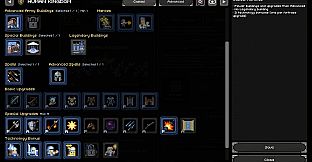
Every match awards experience to the chosen race regardless of outcome, with victories granting substantially more. Levels permanently unlock new training buildings, special structures, spells, or technology upgrades for that race alone. A level-one race fields minimal options, while higher levels expand the available roster significantly. Progress remains separate across races.
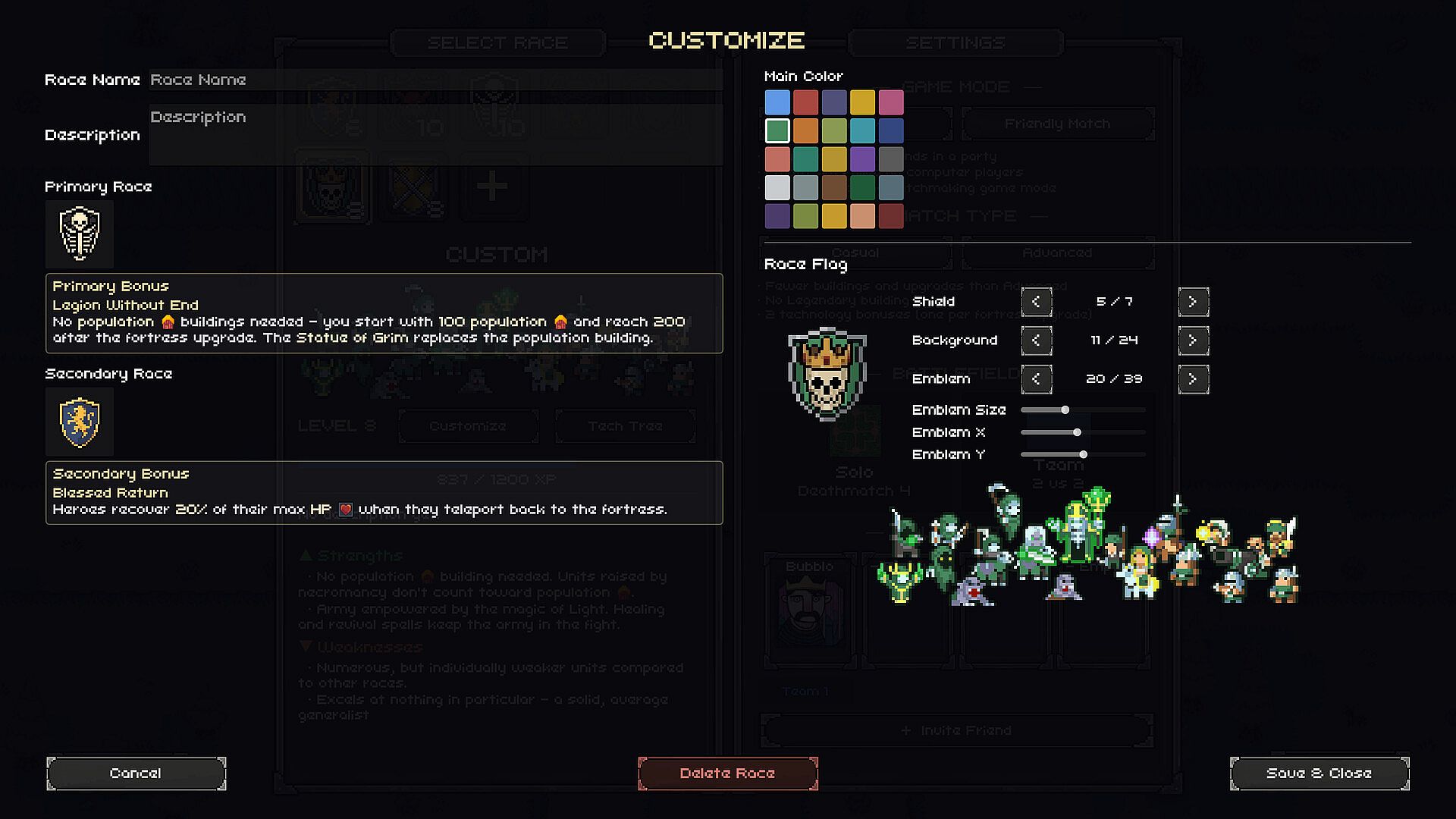
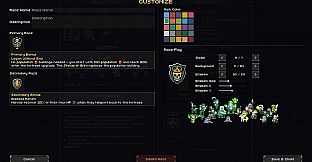
After sufficient leveling of two races, players can fuse them into a custom race. One race serves as primary and the other as secondary. Inheritance covers selected units, buildings, and spells from each parent while retaining the main bonuses of both. The resulting army receives a unique name, colors, banner pattern, and emblem visible to all participants in a match.
Is It Worth Playing?
Fantasy Siege suits players who enjoy strategic depth in an auto-battler framework without constant unit commands. The emphasis on base layout, upgrade timing, and race-specific compositions creates meaningful decisions each match. Early access status means three races are fully functional with additional content planned, and the custom race system adds long-term variety once multiple factions reach higher levels. Those drawn to fantasy strategy games with persistent progression and multiplayer competition up to four players will find the systems align closely with that preference. The limited space for buildings and the need to balance economy against military output keep every session focused on deliberate planning.