

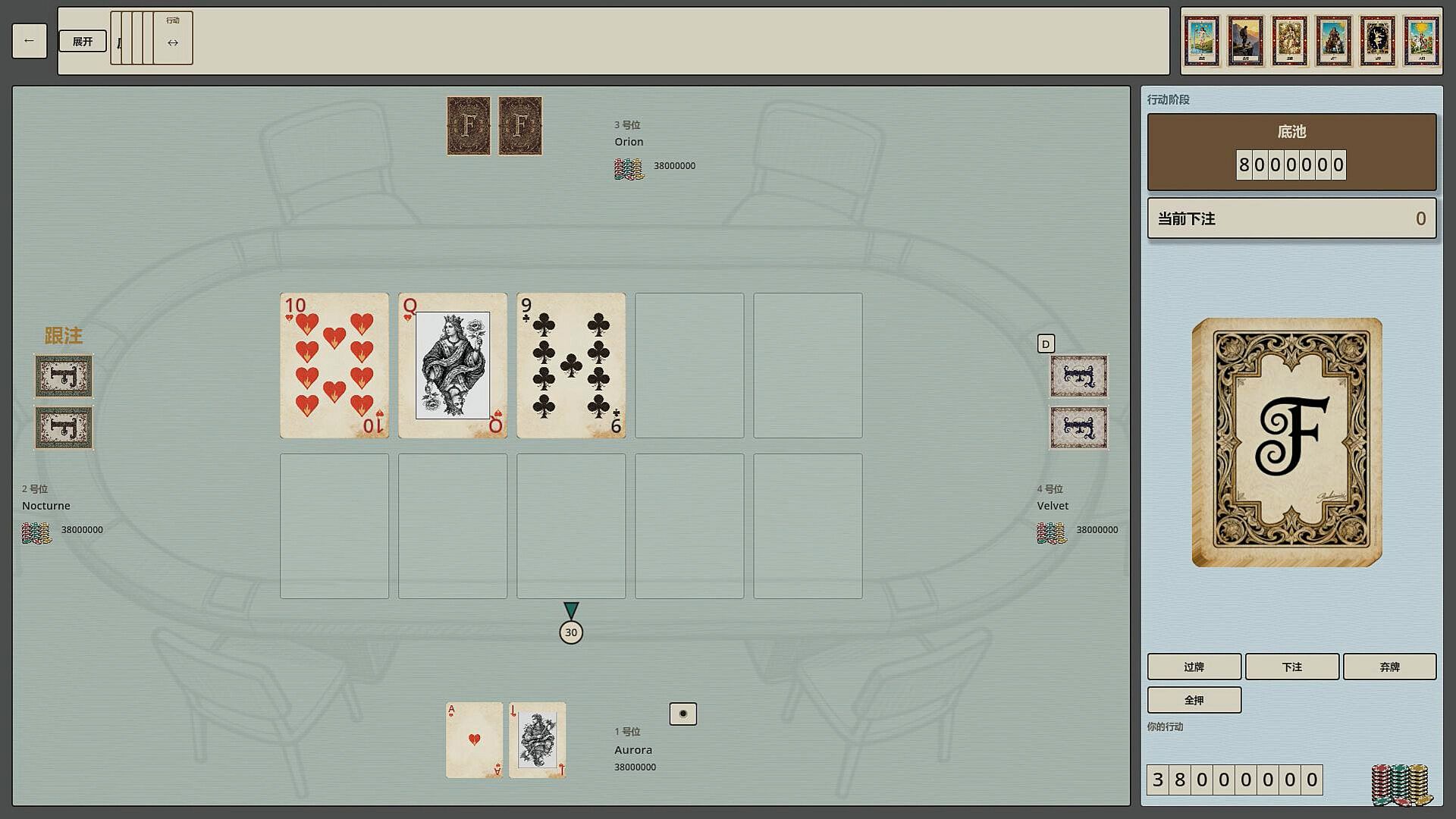
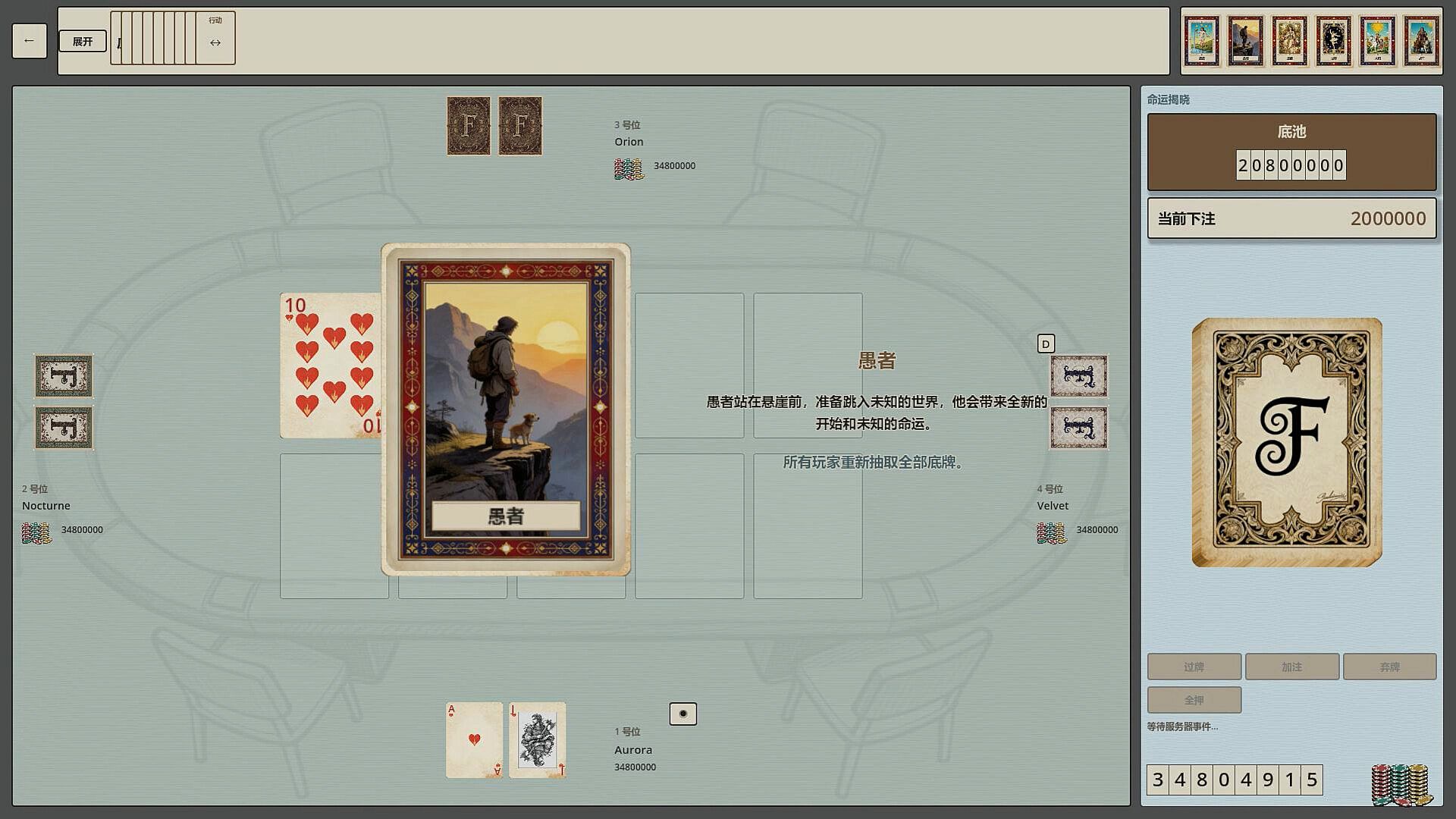
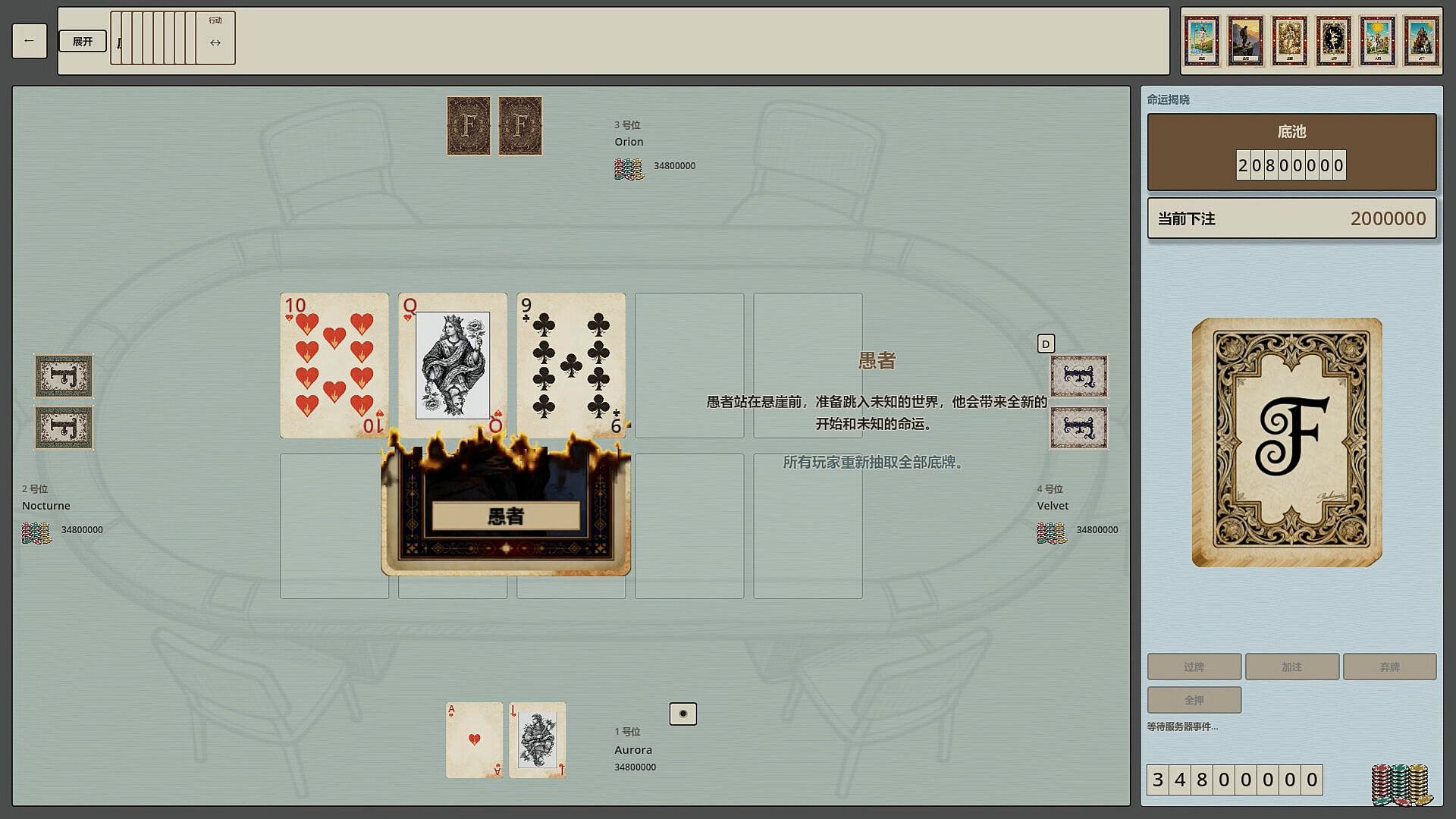
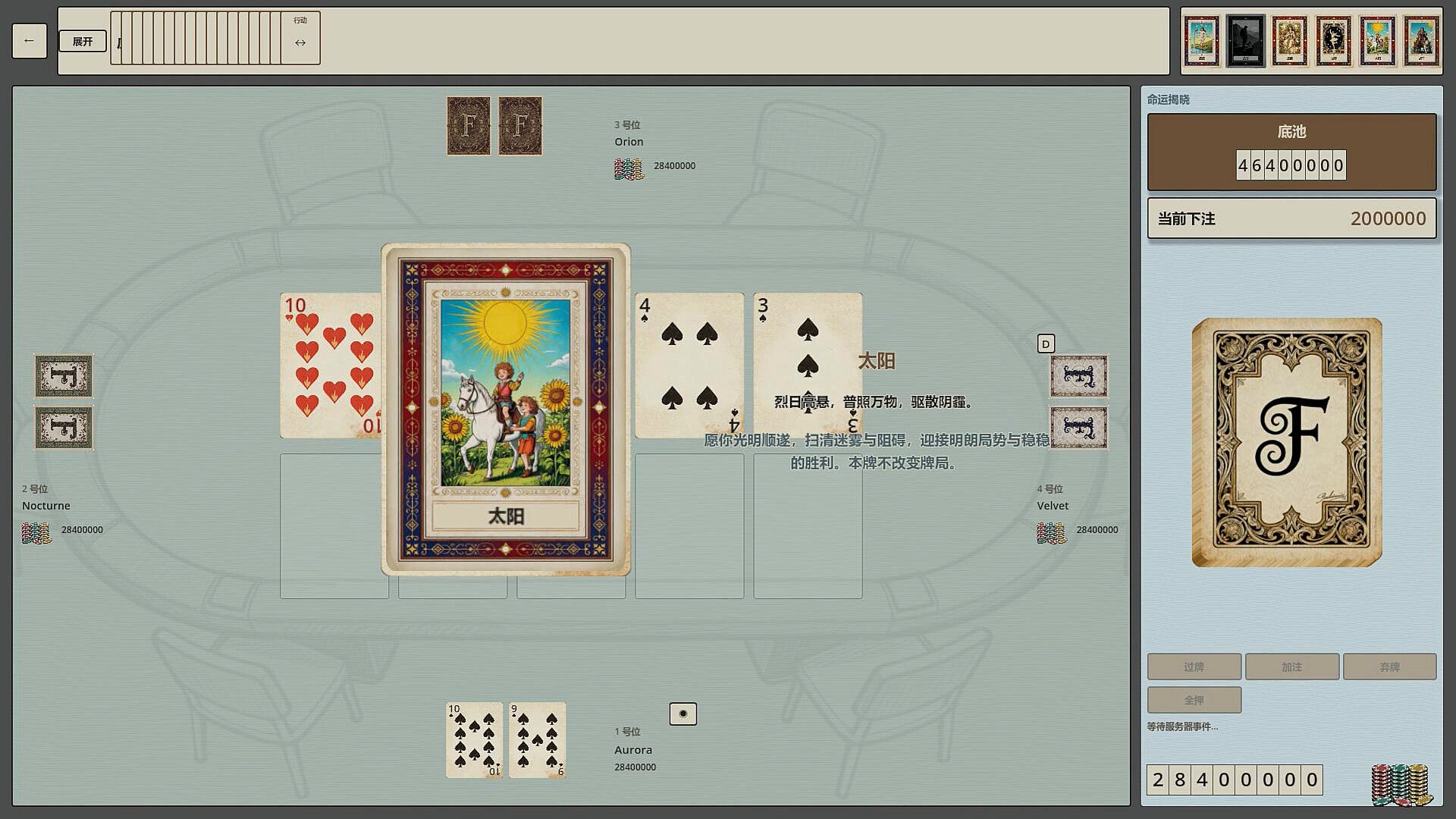
FateFlop is a strategy game for PC that fuses the structure of Texas Hold'em with the variable effects of Tarot cards. Players manage bets and reads at the table while facing an additional layer of risk through the Draw mechanic. The result is a poker experience where standard hand evaluation shares space with sudden shifts that force everyone to reassess the situation.
Gameplay
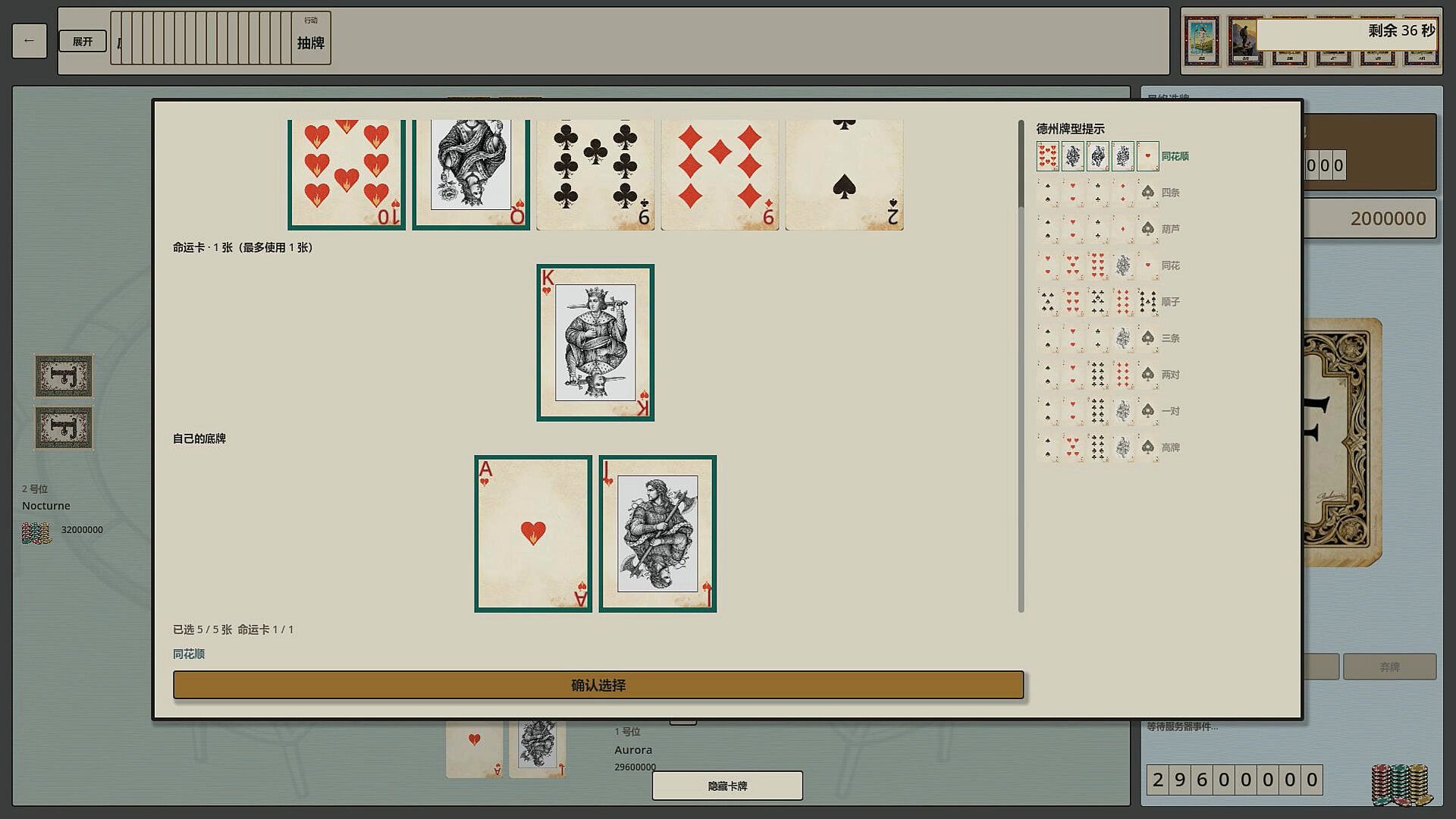
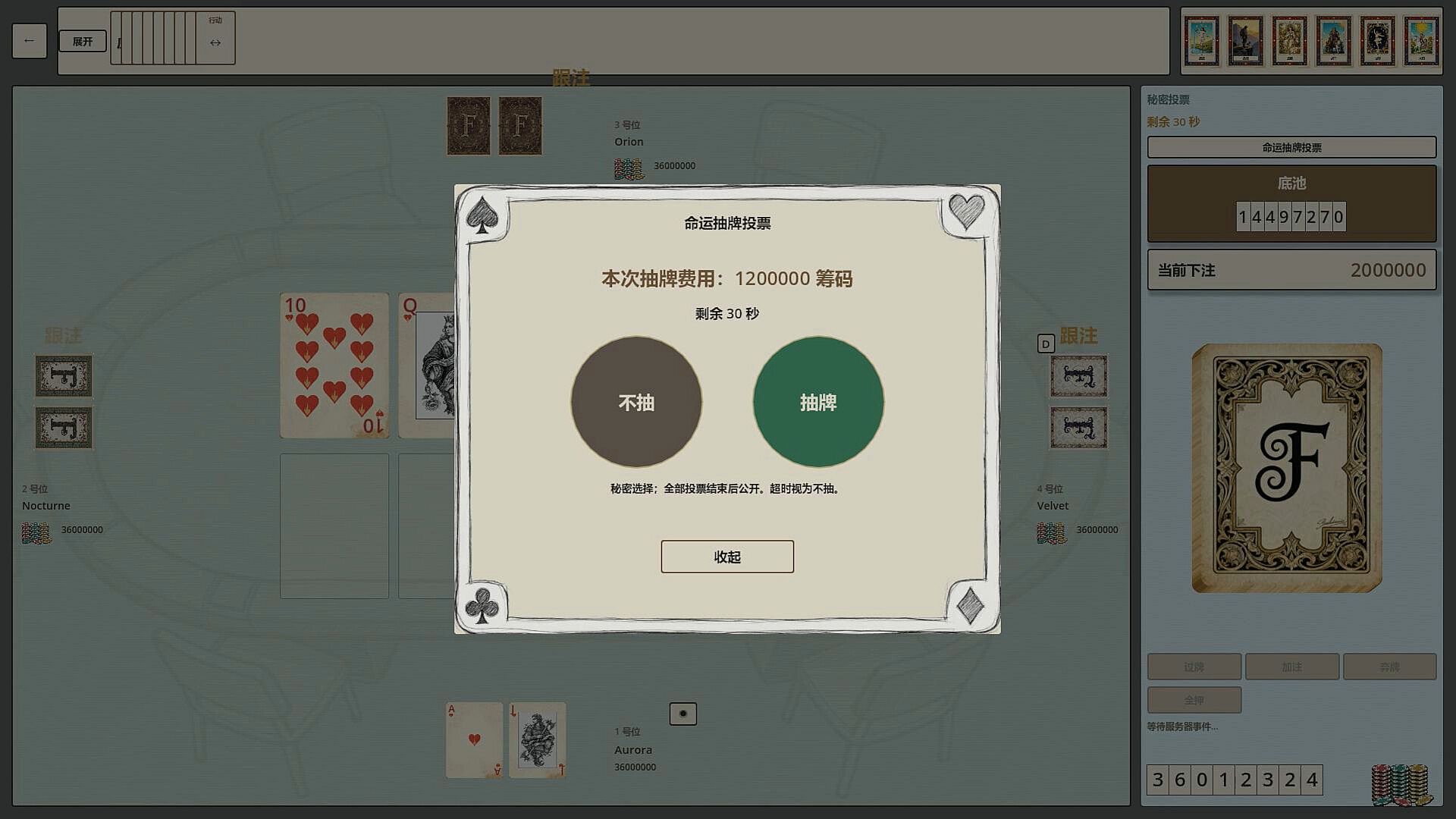
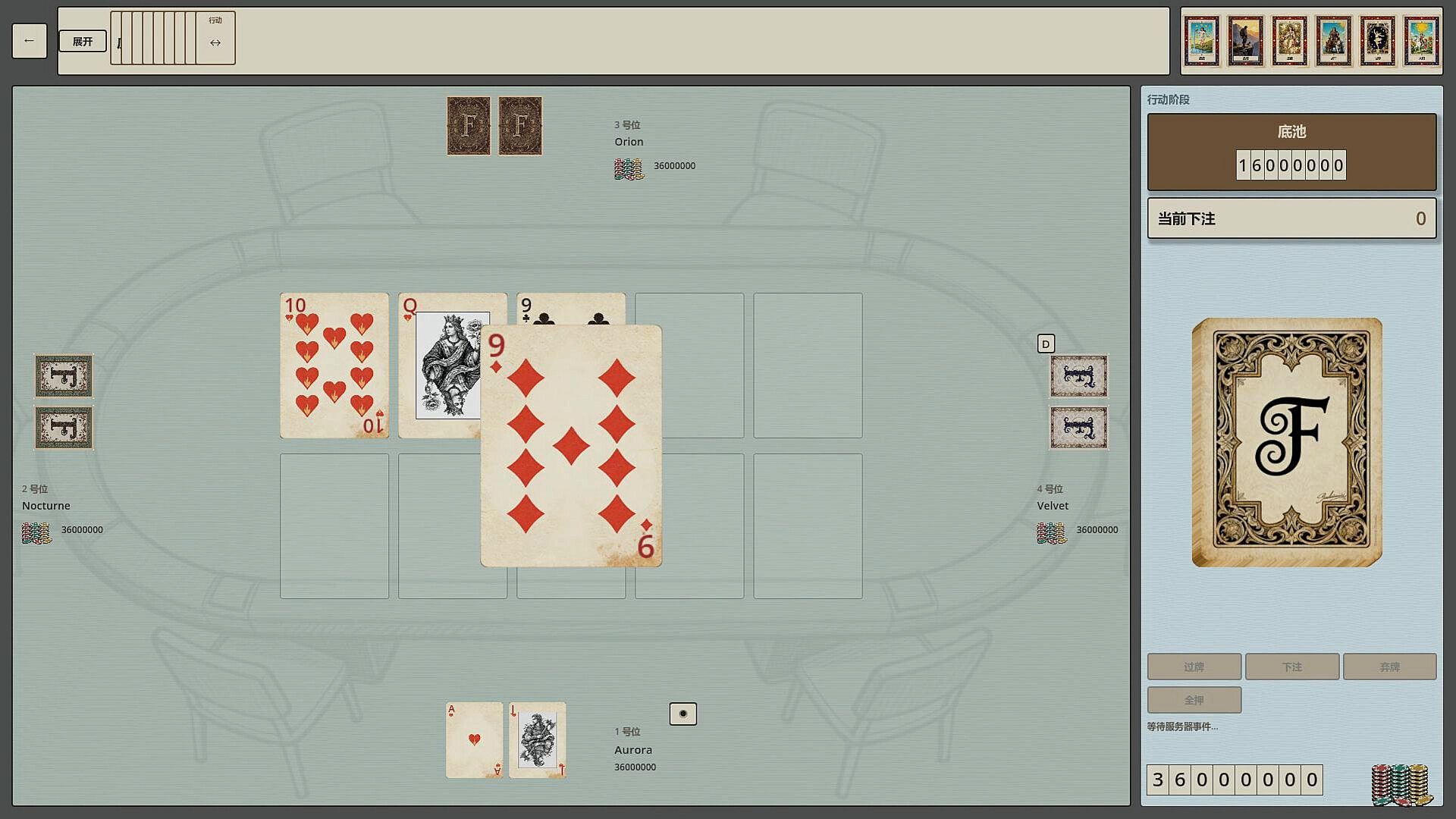
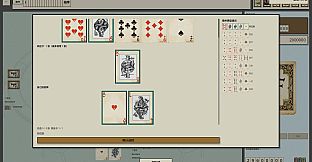
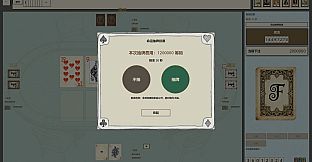
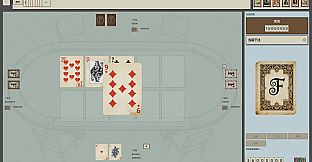
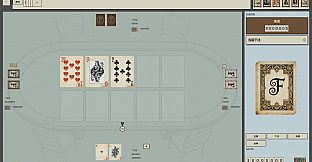
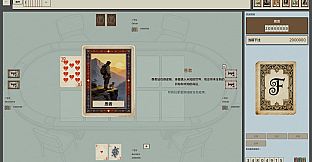
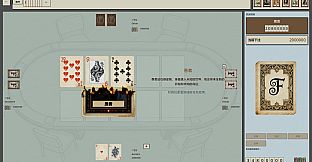
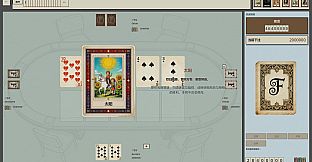
The core loop follows familiar Texas Hold'em rules. Participants track community cards, track chip stacks, and choose from the standard actions of check, call, raise, all-in, or fold. Each round also offers the option to Draw. Drawing requires paying a cost and reveals a card chosen without prior knowledge. That card may strengthen a poker hand or introduce a Tarot effect that alters the table state for all players. Tarot influences do not simply declare a winner. They change the conditions under which hands are evaluated, so pressure applied earlier in the round can determine whether a lead holds or collapses. A player trailing in chips can therefore recover when a Tarot card disrupts the established order.
Each participant holds a personal Root Card revealed only at the end of the hand. Selecting the correct Root Card at the right moment becomes a final layer of judgment once the board and opponents' actions have clarified the likely outcomes. The combination of calculated poker decisions and the uncertainty of Draws creates repeated moments where the same starting position can lead to different results depending on when and how often players choose to Draw.
Game Modes
FateFlop centers on table-based play that mixes standard poker progression with the added Draw and Tarot systems. Matches revolve around repeated hands where the same group of players faces the accumulating effects of prior Draws. The structure supports ongoing sessions in which table dynamics evolve as Tarot cards appear and Root Card choices approach. No separate named modes appear in available information, so the experience remains focused on this integrated poker-Tarot format across sessions.
Key Mechanics
The Draw action sits at the center of strategic tension. Paying to Draw introduces either an ordinary poker card or a Tarot card whose effect applies immediately to the shared board and player positions. Because the outcome remains hidden until the draw completes, opponents must weigh the potential upside against the risk of handing an adversary a powerful twist. Root Card selection adds a personal decision point late in each hand. Players evaluate the visible information and commit to one card that will interact with the final board state. Successful play requires balancing aggressive betting to control the table with timely Draws that introduce beneficial chaos or protective Root Card picks that secure an edge when the hand concludes.
Is It Worth Playing?
FateFlop suits players who enjoy poker fundamentals yet want an extra variable that prevents pure calculation from dominating every outcome. The blend of chip management, opponent reading, and the gamble of Draws creates a loop that rewards both disciplined betting and willingness to accept uncertainty. Sessions emphasize repeated hands within the same table, allowing patterns and counter-strategies to develop over time. The game is available on PC and delivers its full experience through the core mechanics described in the source material. Those seeking a straightforward poker title may find the Tarot layer disruptive, while players open to hybrid systems that mix probability with sudden reversals will find repeated value in testing when to Draw and which Root Card to claim. The current state shows no additional seasons or major updates confirmed beyond the base ruleset.