


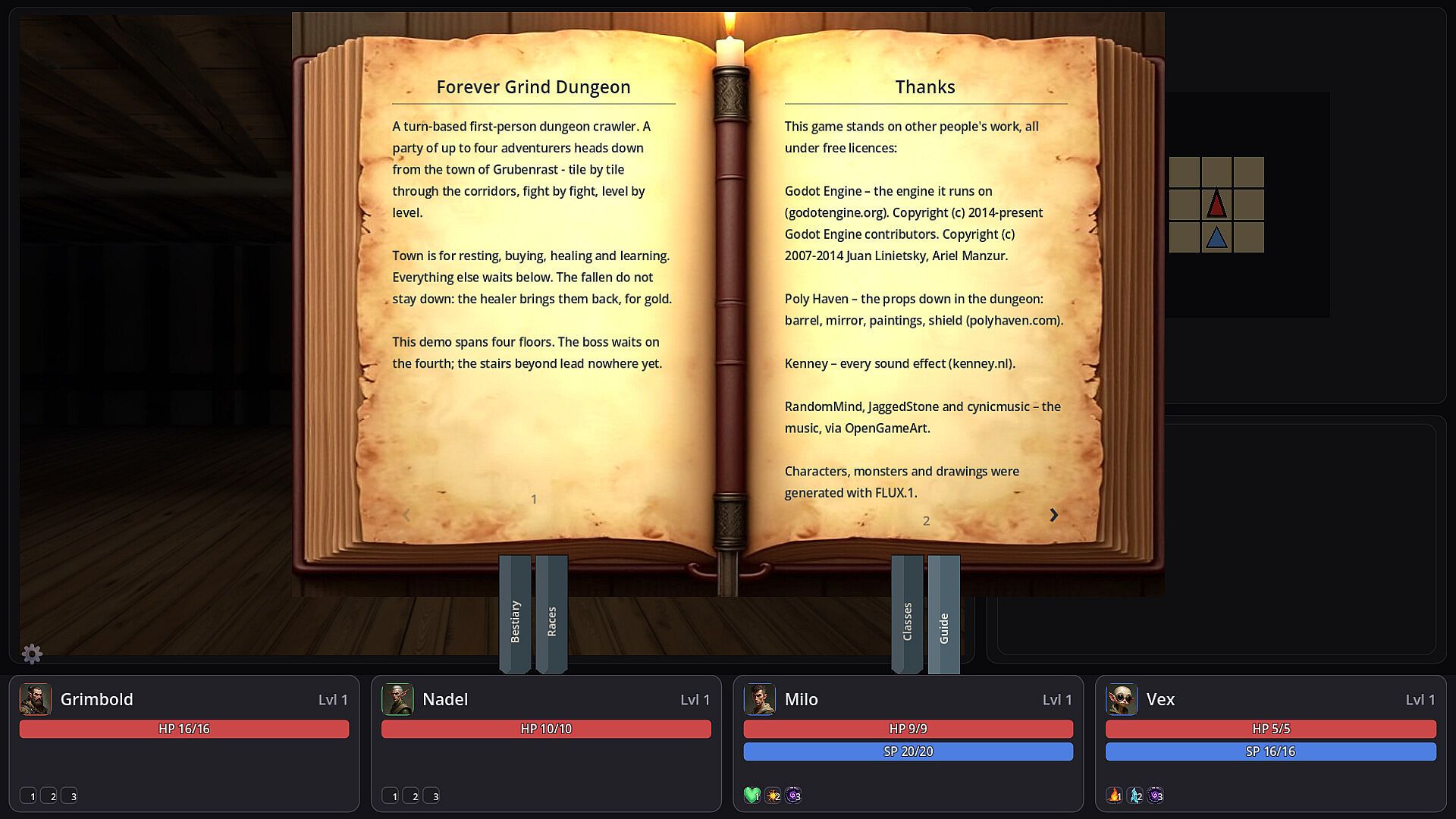
FGD - Forever Grind Dungeon is a turn-based indie RPG and first-person dungeon crawler for PC that emphasizes deliberate exploration and incremental progress. Players build a party of four adventurers and repeatedly descend into a dangerous dungeon, managing resources and knowledge between runs to push deeper on subsequent attempts.
Gameplay
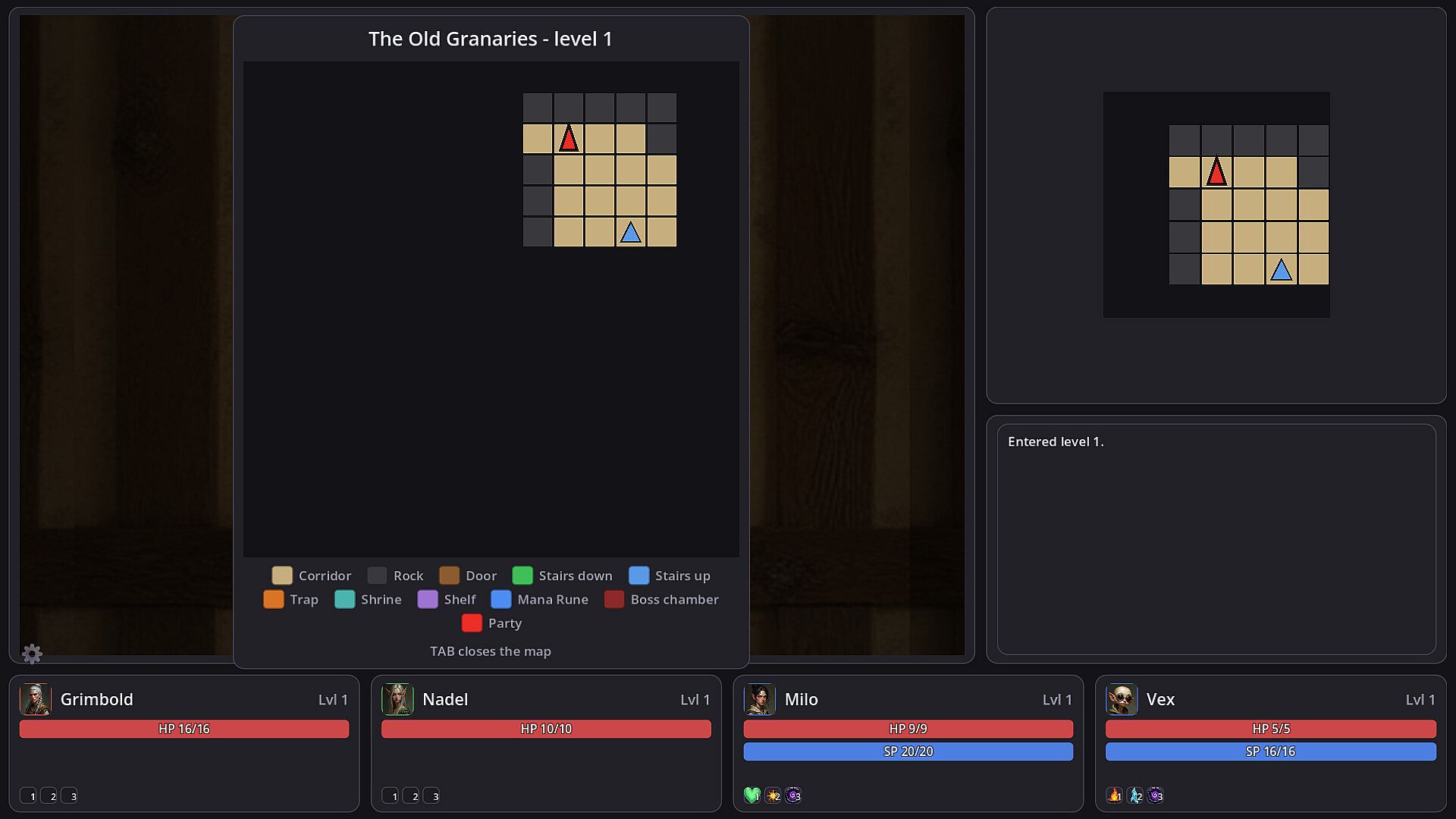
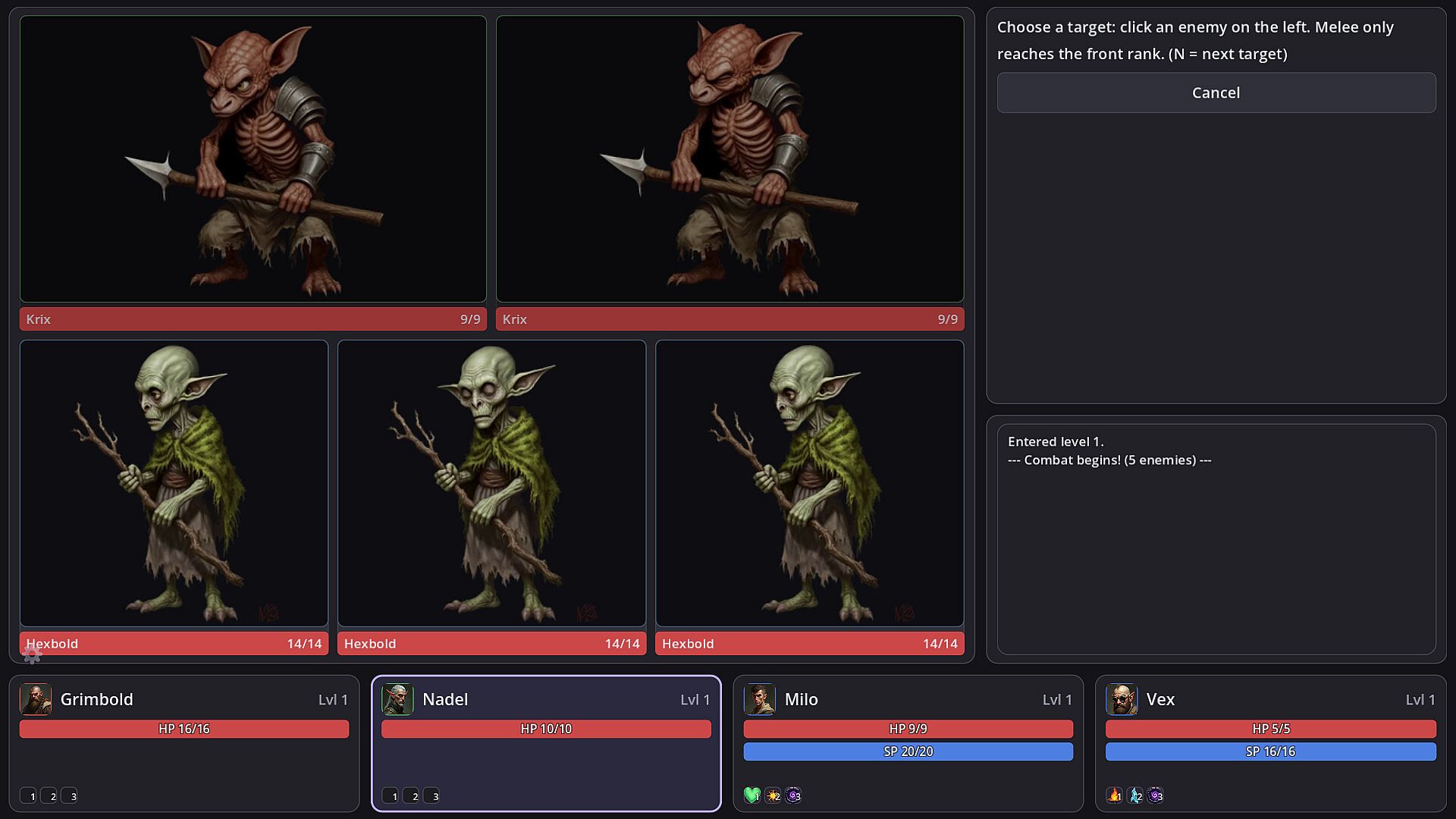
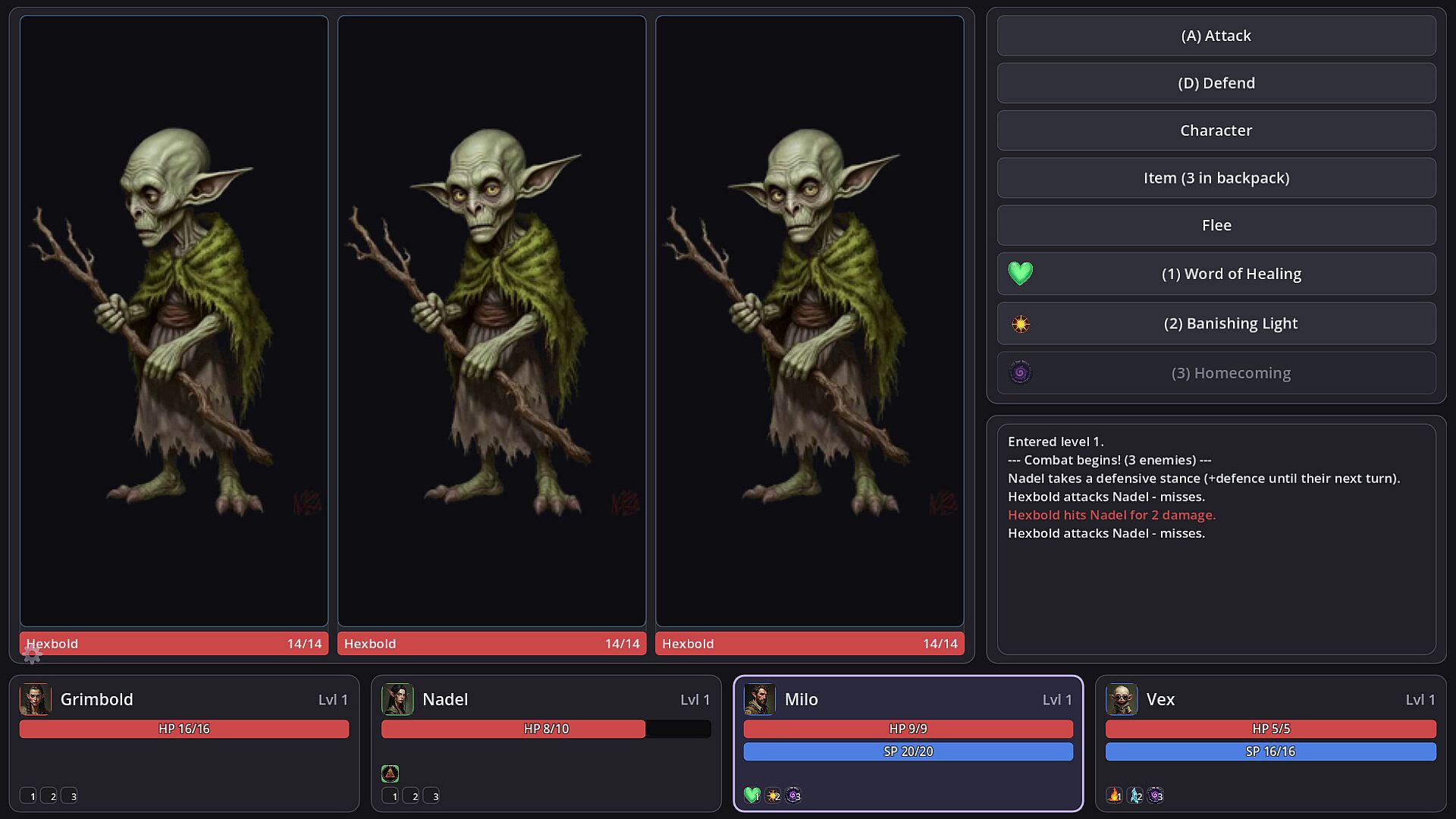
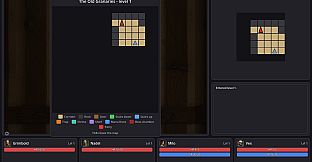
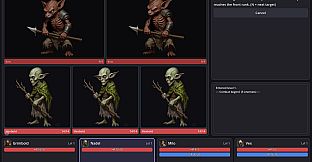
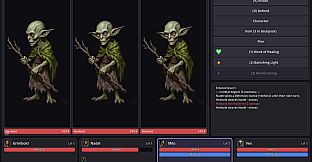
The core loop centers on grid-based movement through dungeon floors where party positioning determines combat effectiveness. Front-line characters absorb damage while ranged and magical roles stay protected in the back. Combat unfolds in turns, requiring players to consider formations, enemy placements, and elemental matchups across eight damage types and corresponding resistances.
Scanning foes during fights reveals weaknesses that persist across encounters, allowing more effective strikes as knowledge accumulates. Rogues gain the ability to vanish and deliver amplified backstabs from concealment. Every decision in movement and ability use carries weight because levels feel earned through careful play rather than rapid handouts.
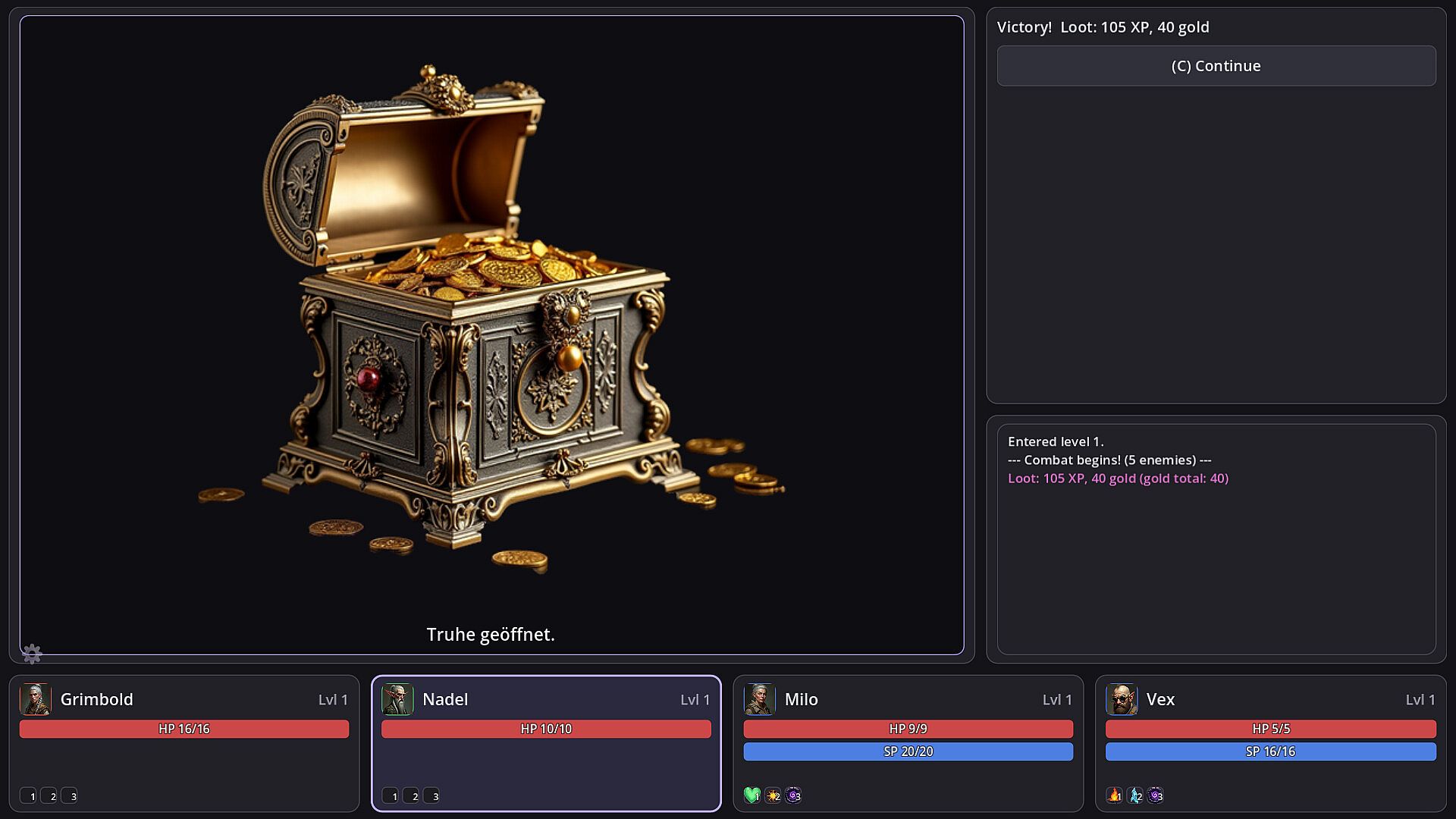
Outside combat, chests demand investigation before opening. Players can attempt to disarm traps or simply avoid suspicious containers that might contain bombs, poison gas, or disguised threats. The dungeon itself rewards caution and preparation over reckless speed.
Game Modes
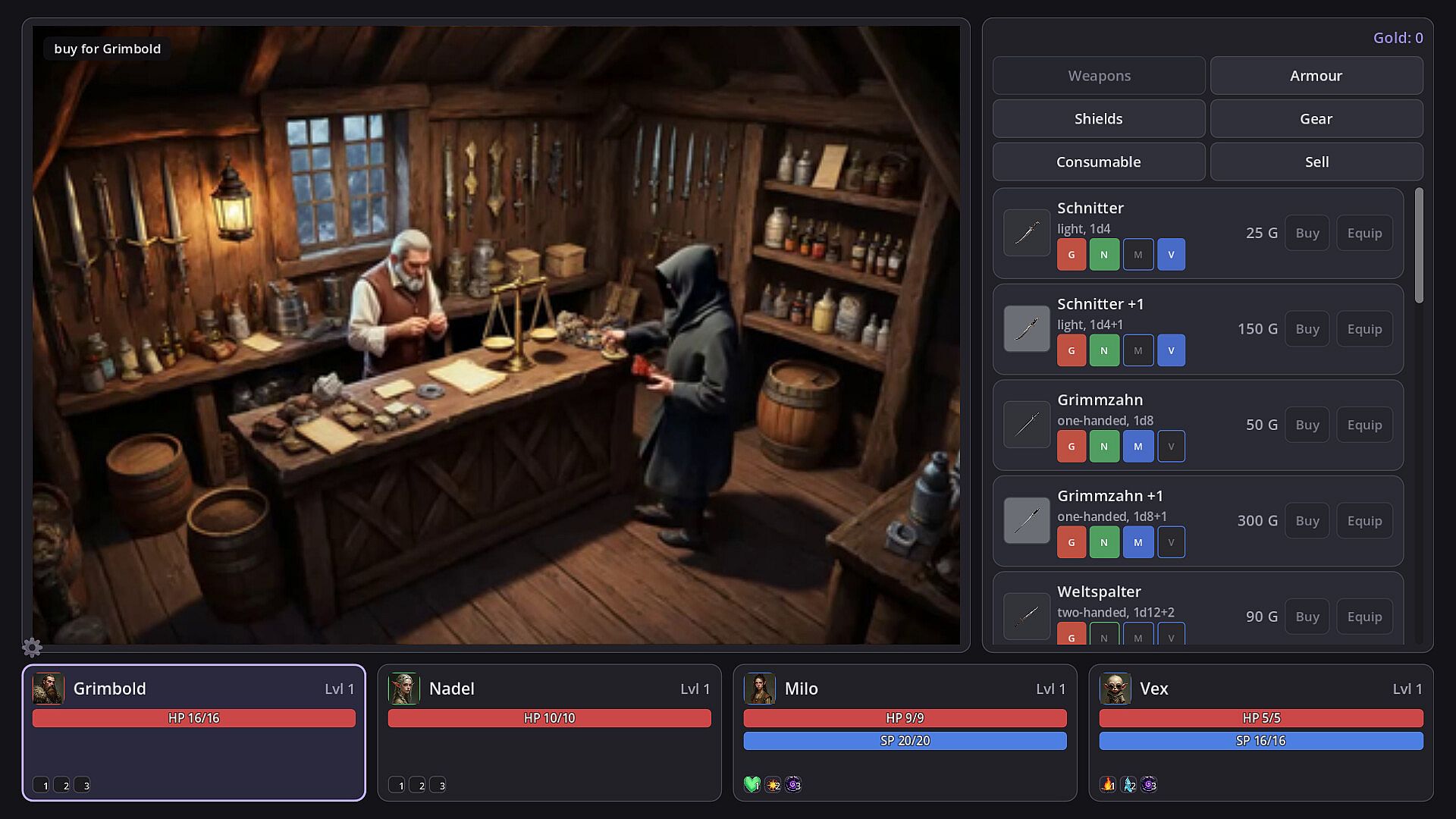
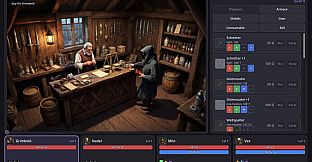
The experience revolves around repeated dungeon descents interrupted by visits to a nearby town. There, adventurers rest at the tavern, purchase or sell equipment at the shop, and revive fallen party members at the healer. Dialogue from townsfolk hints at underlying motives behind the endless expeditions into the depths.
No separate competitive or cooperative modes exist. The single-player structure focuses entirely on building party synergy, learning monster behaviors, and optimizing runs through accumulated knowledge and gear improvements.
Party Building and Progression
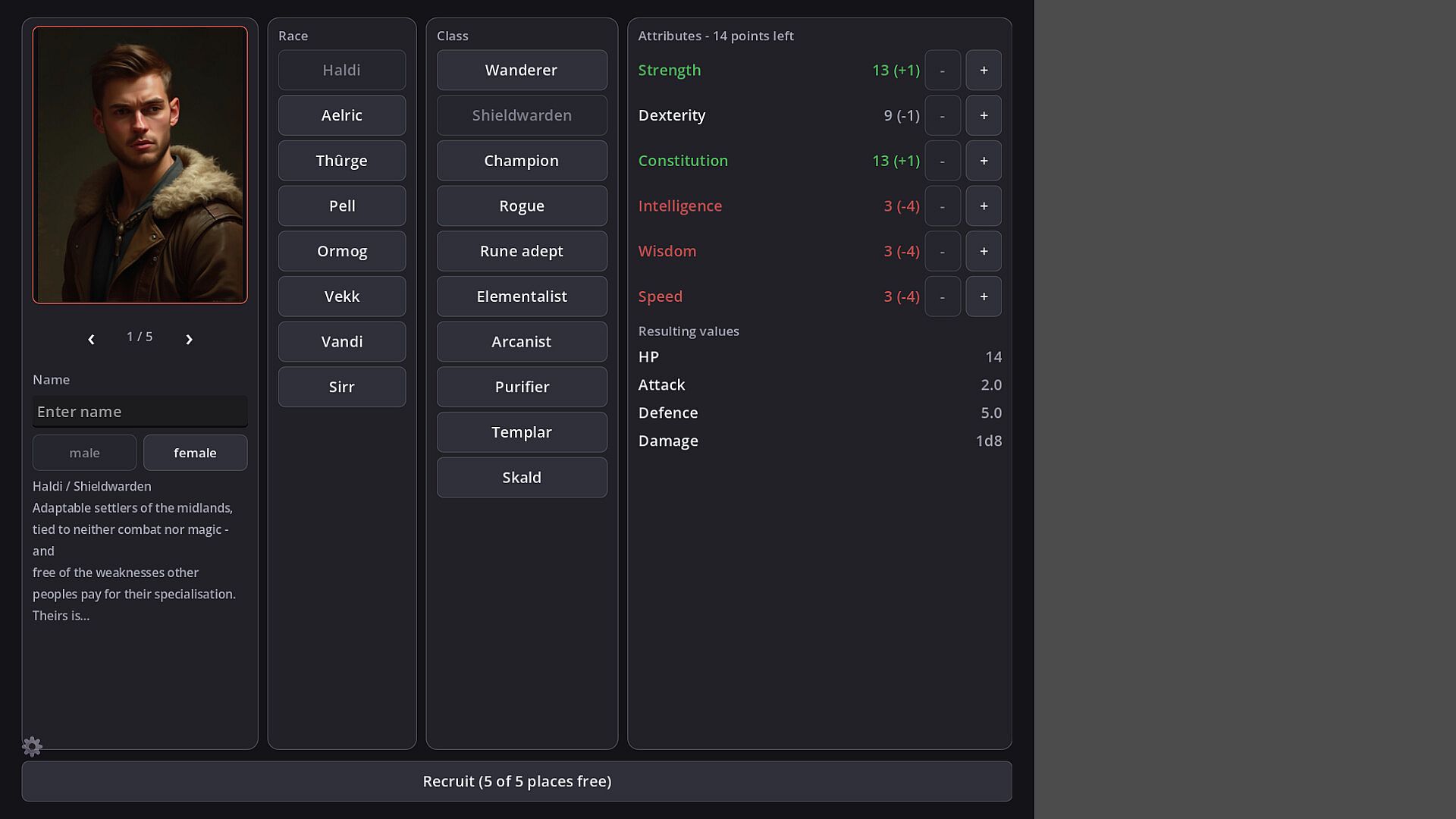
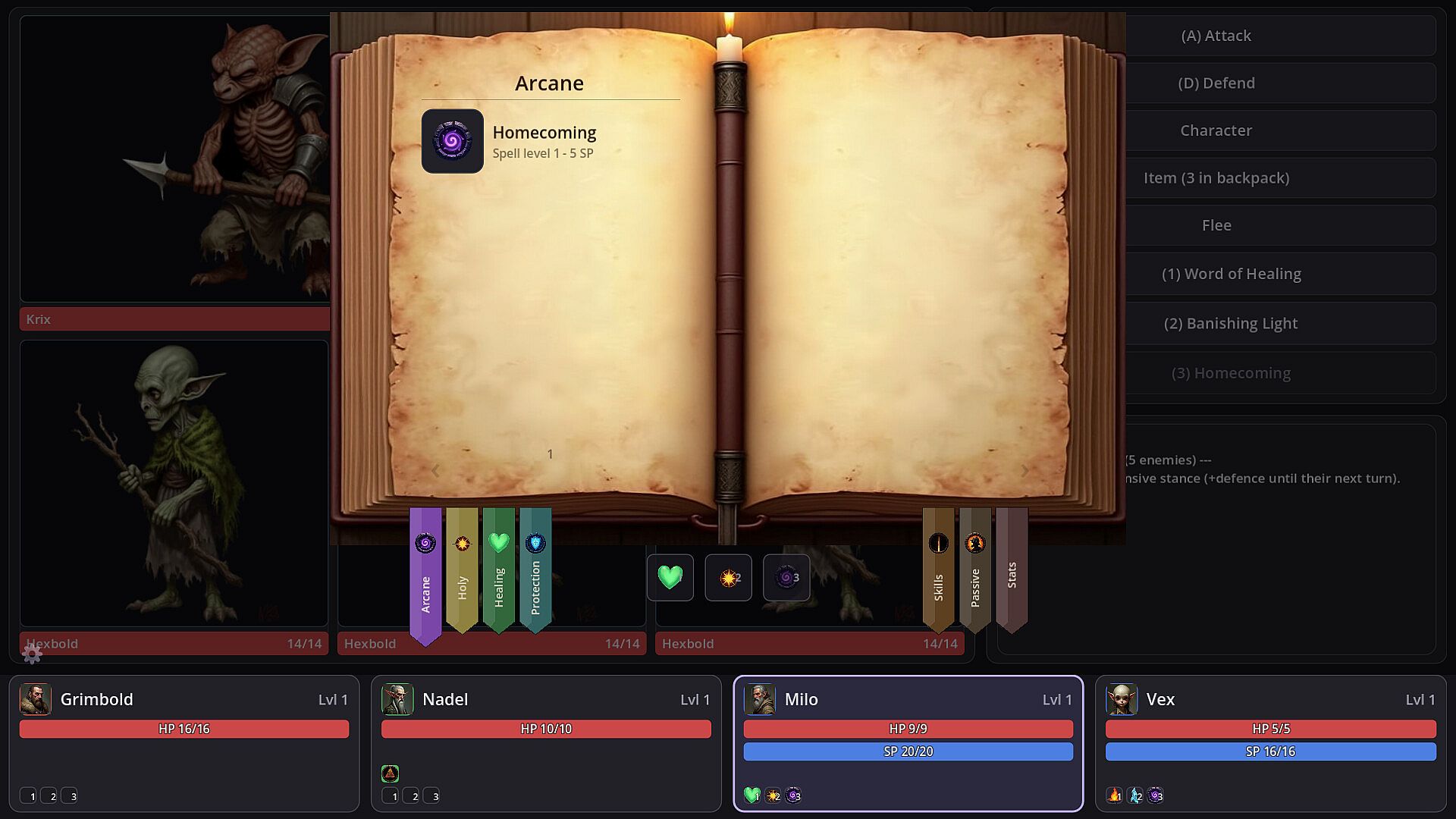
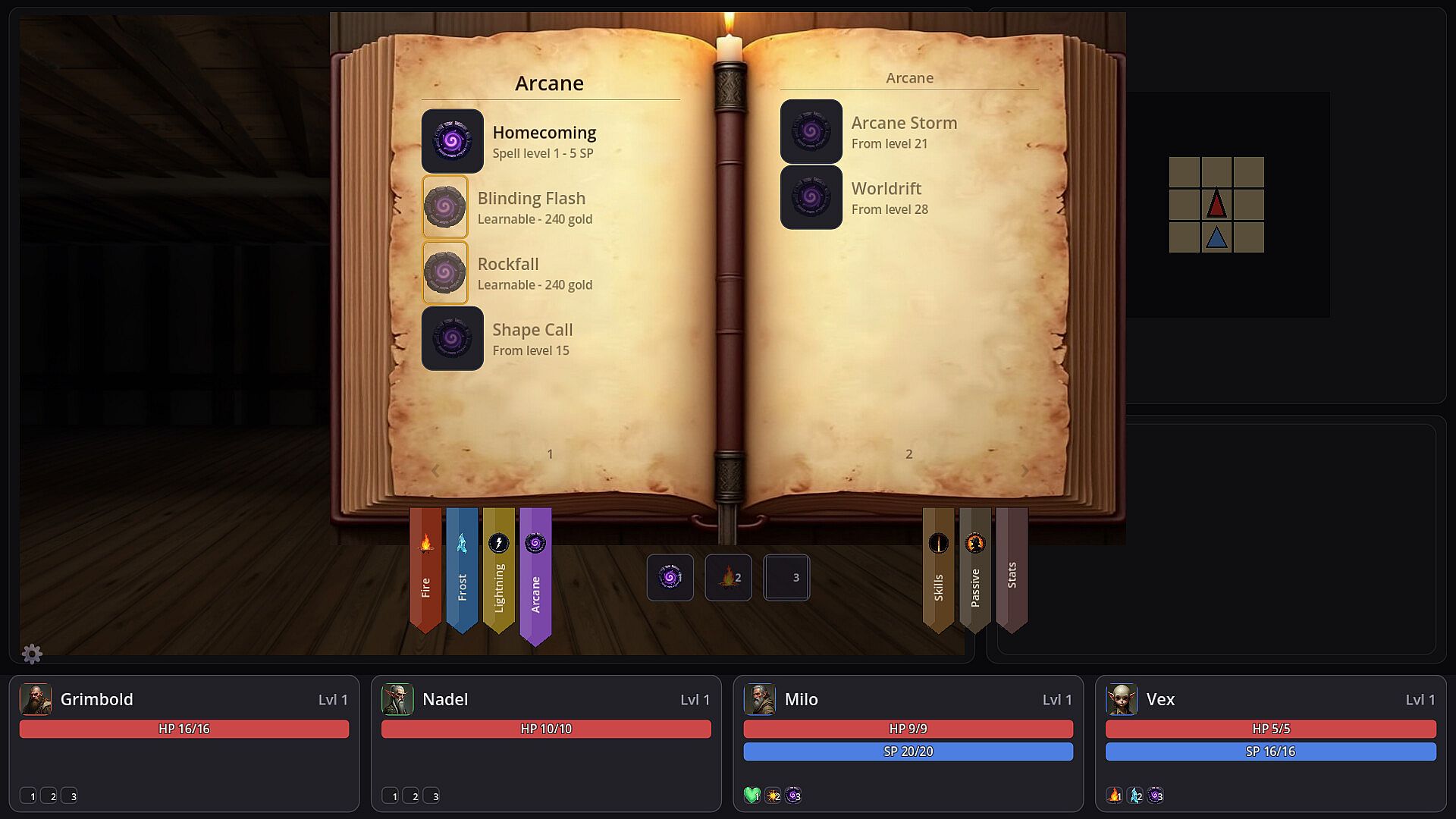
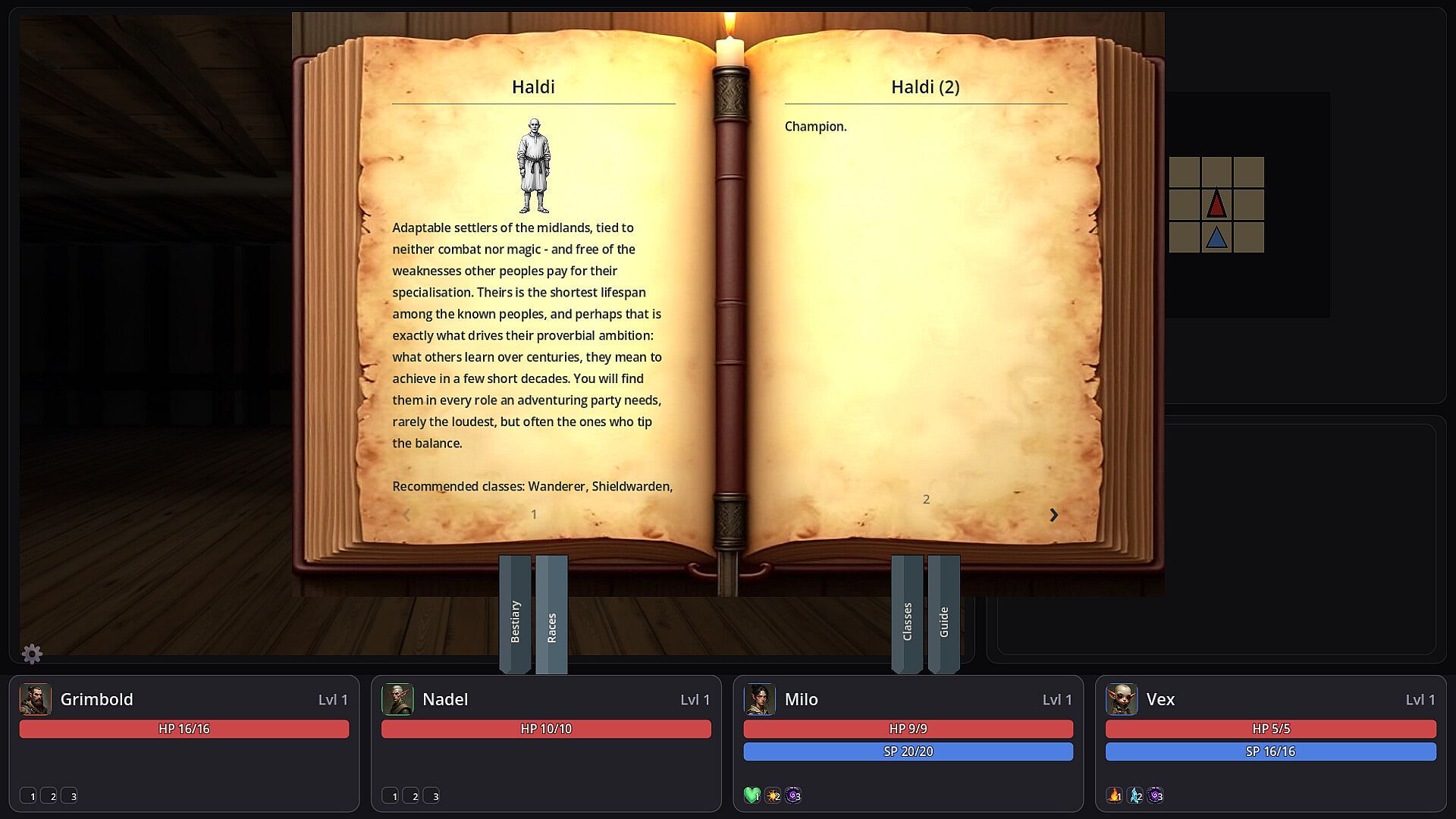
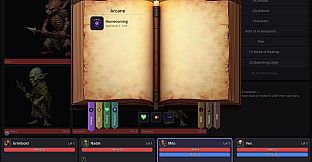
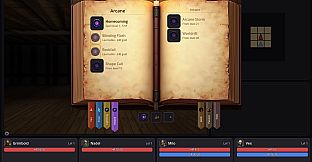
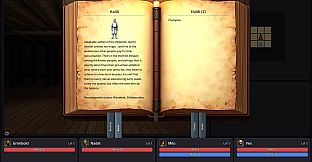
Players select four characters from eight races and ten base classes. Options range from straightforward fighters like the Wanderer to specialized arcane paths that progress through Rune-Scholar, Elementalist, and Arcanist, or divine-focused roles such as Purifier and Templar. Each race and class carries distinct strengths, weaknesses, and suggested combinations that influence long-term viability.
Progression rewards thoughtful pairings and repeated exposure to the same threats. The levelling curve ensures that improvements feel meaningful and tied directly to the risks taken during each dive.
Is It Worth Playing?
FGD - Forever Grind Dungeon suits players who enjoy classic-style turn-based dungeon crawlers that prioritize tactics, positioning, and gradual mastery over fast-paced action. The emphasis on scanning enemies, managing formations, and handling traps creates a deliberate pace that rewards observation and planning.
Those drawn to party customization across multiple races and classes will find depth in experimenting with synergies. The town layer adds light narrative texture through overheard conversations without overwhelming the central grind of dungeon runs. The game remains in active development as an indie title, with its mechanics centered on single-player exploration and incremental power growth.
Anyone seeking a modern take on grid-based first-person RPGs with explicit tactical layers will likely appreciate the focused design. Players who prefer real-time combat or large-scale multiplayer systems may find the deliberate turn structure less engaging. The AI-assisted artwork supports the overall presentation while the core systems stand on their own merits for the intended audience.