

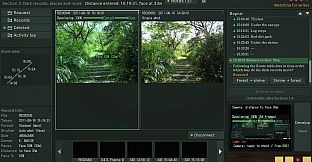
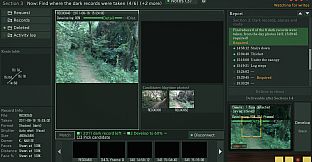
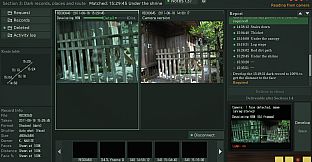
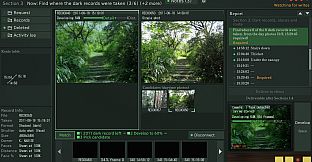
Frame343 is an indie singleplayer photo horror game developed for PC that centers on recovering and analyzing deleted photographs from a missing person's camera. Players take on the role of a data recovery specialist examining real edited photographs to piece together the events of August 16, 2011, when a man disappeared after visiting a shrine in the hills. The experience relies on careful observation of timestamps, photo details, and the camera's own logs rather than traditional scares or combat.
Gameplay
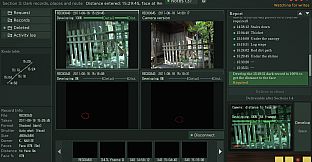
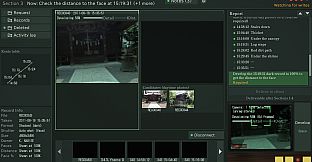
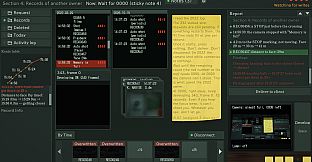
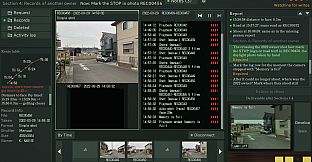
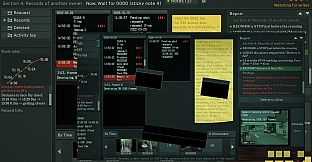
The core loop involves examining the camera's records, where file 343 is missing. Dark files appear completely black at first, but holding the develop function gradually reveals layers of light and detail. At around 60 percent development, shapes emerge, and full development restores distance information to subjects. The camera actively searches for faces during this process, locking focus and capturing a shot if it detects one. Releasing the hold does not immediately stop the action, as the camera continues until its indicator light fades. False detections occur frequently, with the system overlaying face frames on empty elements like leaves, moss, or shadows. Players must cross-reference these against daytime photos and movement patterns to identify consistent arrangements that grow larger across different locations. Deduction comes from matching timestamps, deletion habits, and small visual clues, with answers submitted primarily by marking specific elements directly on the photographs. Controls support both mouse and keyboard or a gamepad, and autosaves occur between sections.
Game Modes
Frame343 offers a single continuous singleplayer experience built around narrative progression and investigation. The game tracks player actions through a report format that persists across playthroughs, leading to one of five distinct endings depending on the conclusions reached. There are no separate multiplayer modes, competitive elements, or additional campaigns. Replay value stems from the short runtime and the incentive to revisit sections with different markings to unlock alternate reports and conclusions. Accessibility options include adjustable flashing reduction, lenient gaze detection, optional hints, a brightness calibration tool, and volume controls to suit individual preferences.
Story and Atmosphere
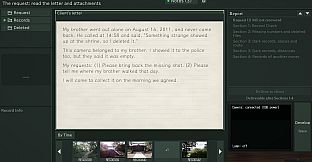
The narrative unfolds through the younger sister's requests to recover the missing shot and trace her brother's path that day. All content derives from supplied and edited real photographs, with no monsters or gore present. Faces and figures emerge only from the texture and patterns within the images themselves. Much of the game takes place in low-light conditions, requiring players to adjust brightness settings beforehand. The story addresses themes of a missing person through quiet deduction and record analysis rather than direct confrontation or violence. All locations, people, and events remain fictional, and the game operates entirely offline without accessing any device cameras, microphones, or location data.
Visuals and Technical Details
Photographs form the foundation of the presentation, supplied as source material and then edited for the game. The camera interface simulates real development processes, with progressive light layering and focus mechanics that respond to player input. Sessions typically last 25 to 30 minutes on a first playthrough and drop to 10 to 15 minutes on subsequent runs due to familiarity with the sections. The game includes language support for Japanese, English, and Simplified Chinese. Settings allow customization for flashing effects, detection sensitivity, and hint visibility to maintain comfort during darker sequences.
Is It Worth Playing?
Frame343 suits players who enjoy short, focused singleplayer experiences centered on observation, deduction, and atmospheric storytelling. The emphasis on real photographs and mechanical interaction with the camera creates a distinctive investigative loop that rewards careful attention to detail over reflexes or exploration. With five endings tied to report outcomes and a compact length that encourages replays, the game provides clear value for those interested in narrative-driven indie titles without combat or horror tropes involving monsters. Content warnings note the missing-person theme and extended dark sequences, though no violence appears. Those seeking a deliberate, evidence-based mystery on PC will find the mechanics and structure align closely with the described systems.