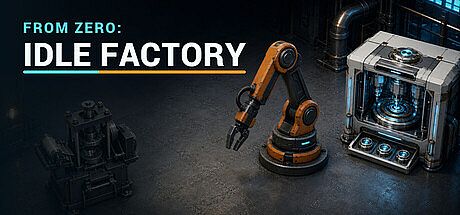


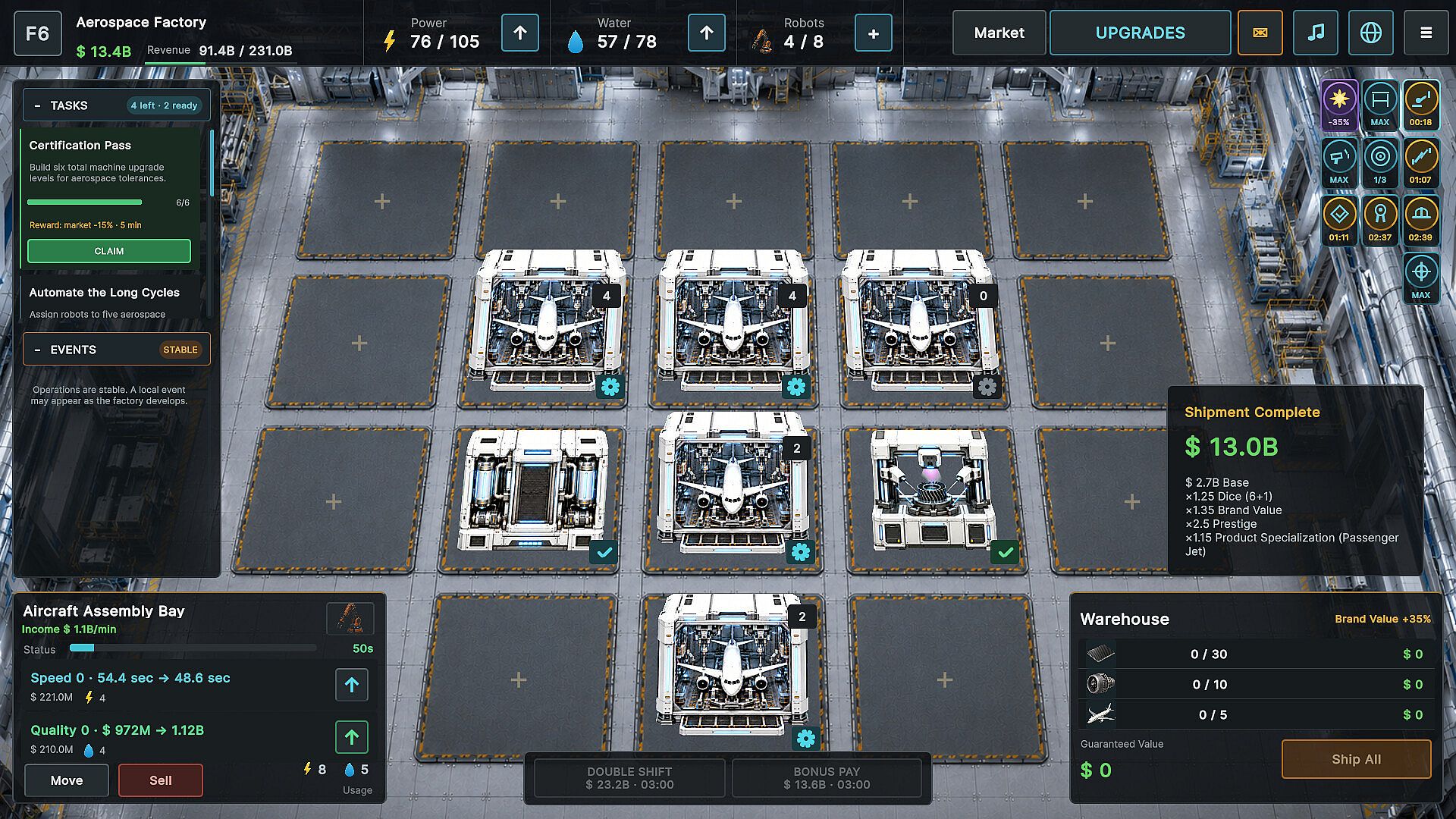
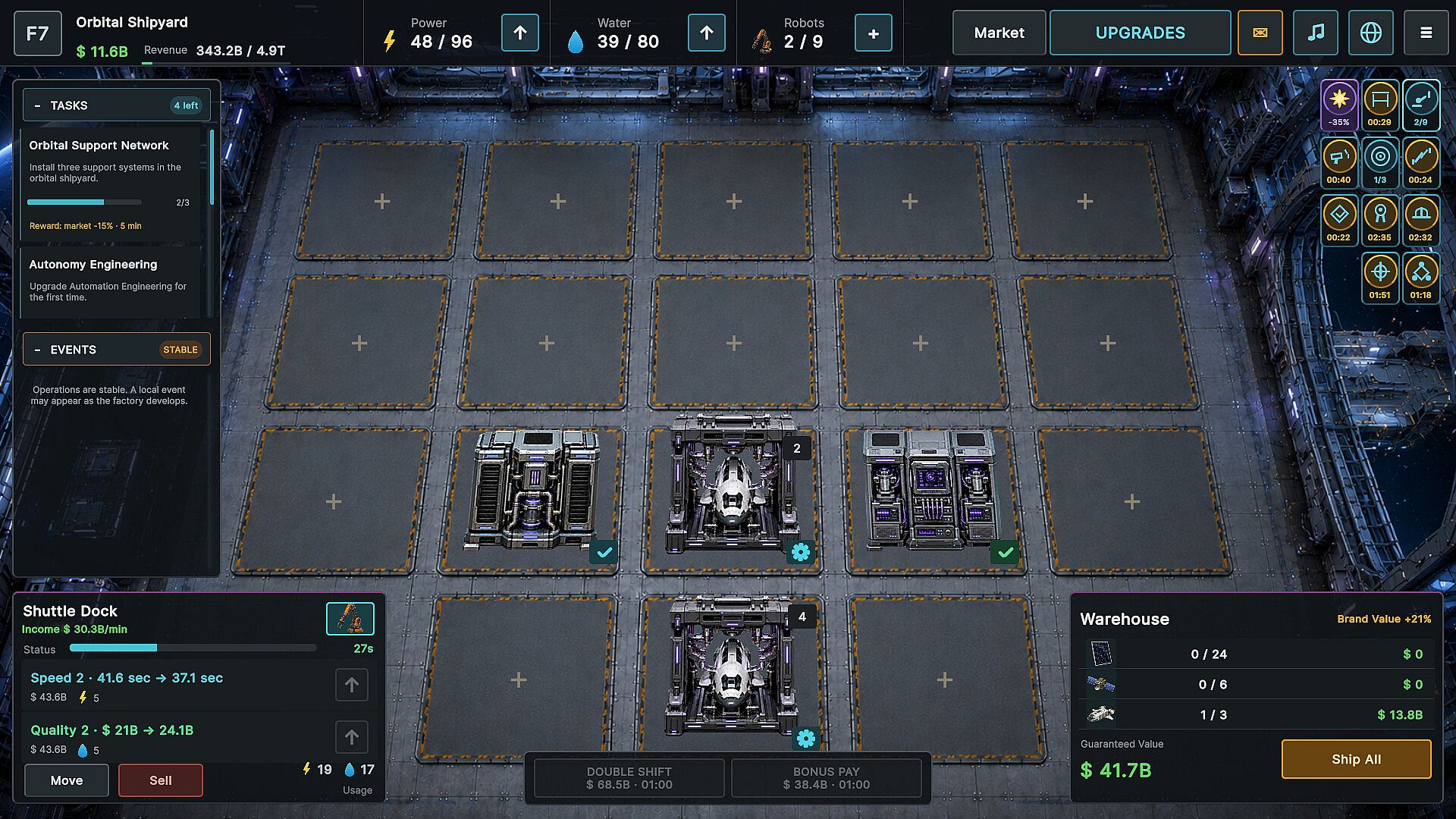
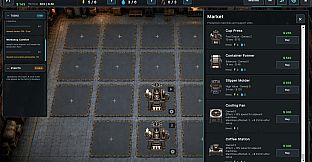
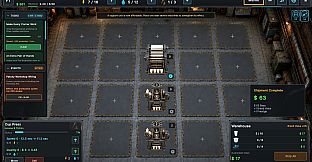
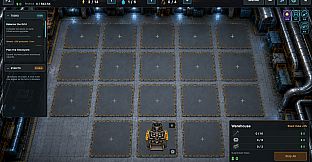
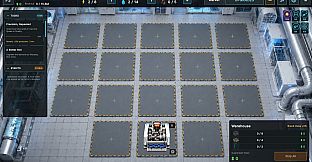
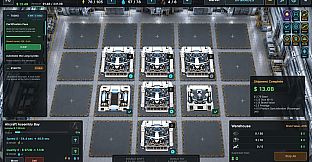
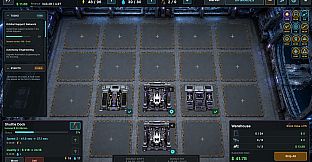
„From Zero: Idle Factory" to niezależna, casualowa gra symulacyjna, w której gracz zarządza fabryką w trybie przyrostowym. Zaczyna się od jednej starej warsztatu, a kończy na ośmiu kolejnych, coraz bardziej zaawansowanych obiektach, w których produkuje się łącznie 24 różne produkty.
Rozgrywka
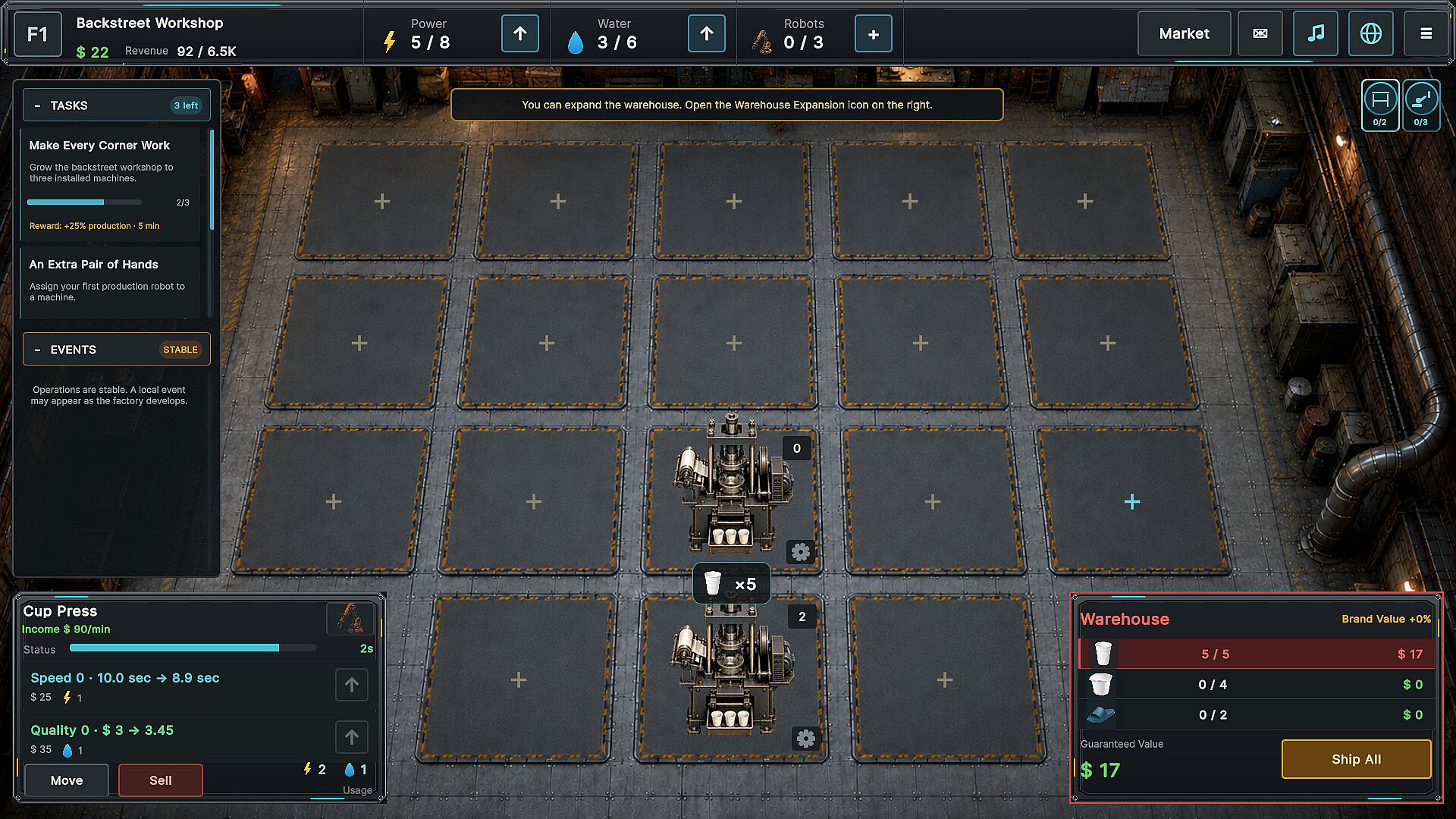
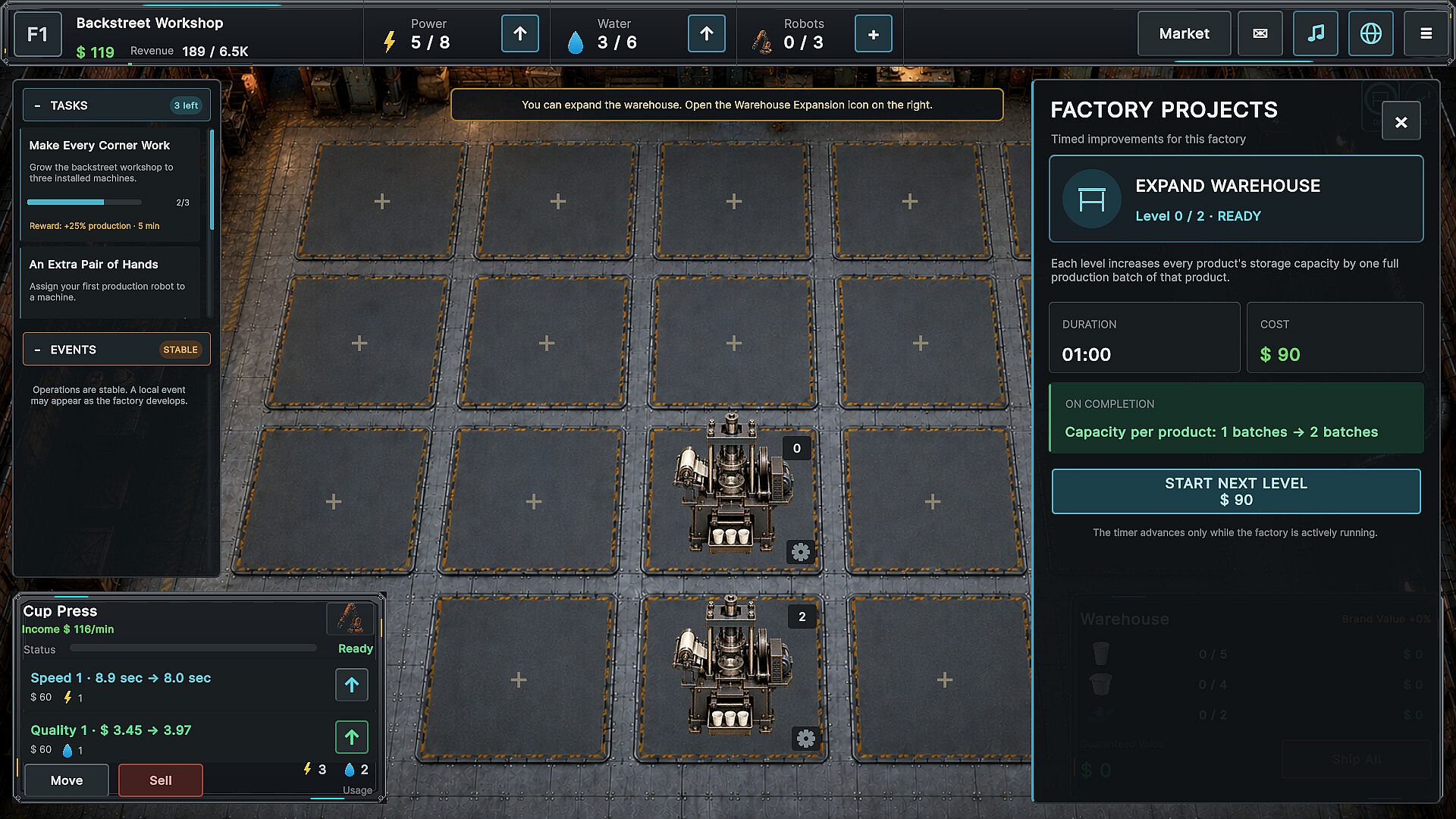
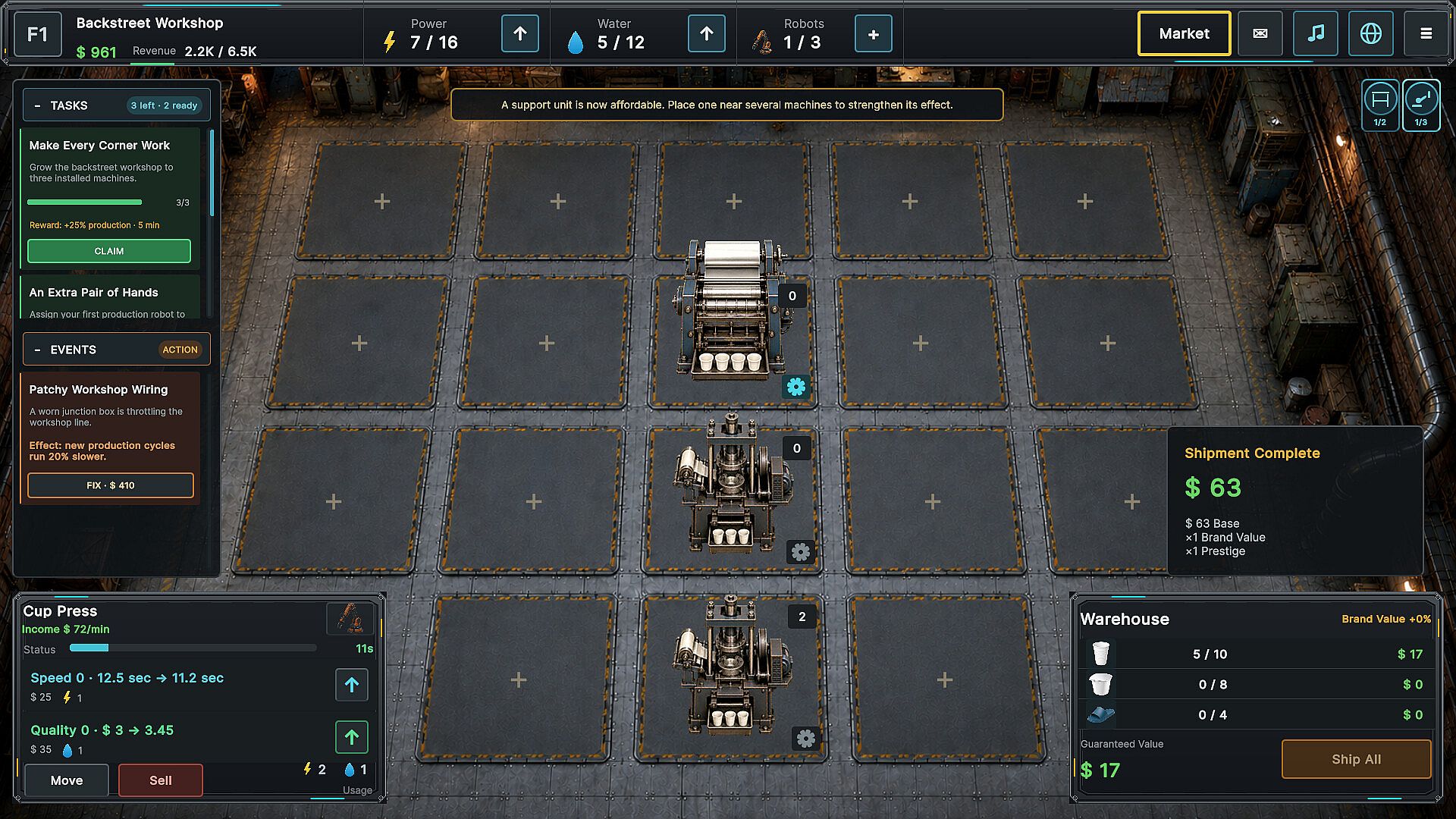
Podstawą jest cykl produkcji i reinwestycji. Na początku każda linia działa ręcznie - produkty są wytwarzane, magazynowane i sprzedawane, a uzyskane środki przeznacza się na ulepszenia: szybkość maszyn, jakość wyrobów, pojemność magazynów oraz media, takie jak prąd i woda. Dodatkowym elementem są czasowe projekty szkoleniowe i zadania rozwojowe, które wyznaczają konkretne cele i nagradzają za ich realizację.
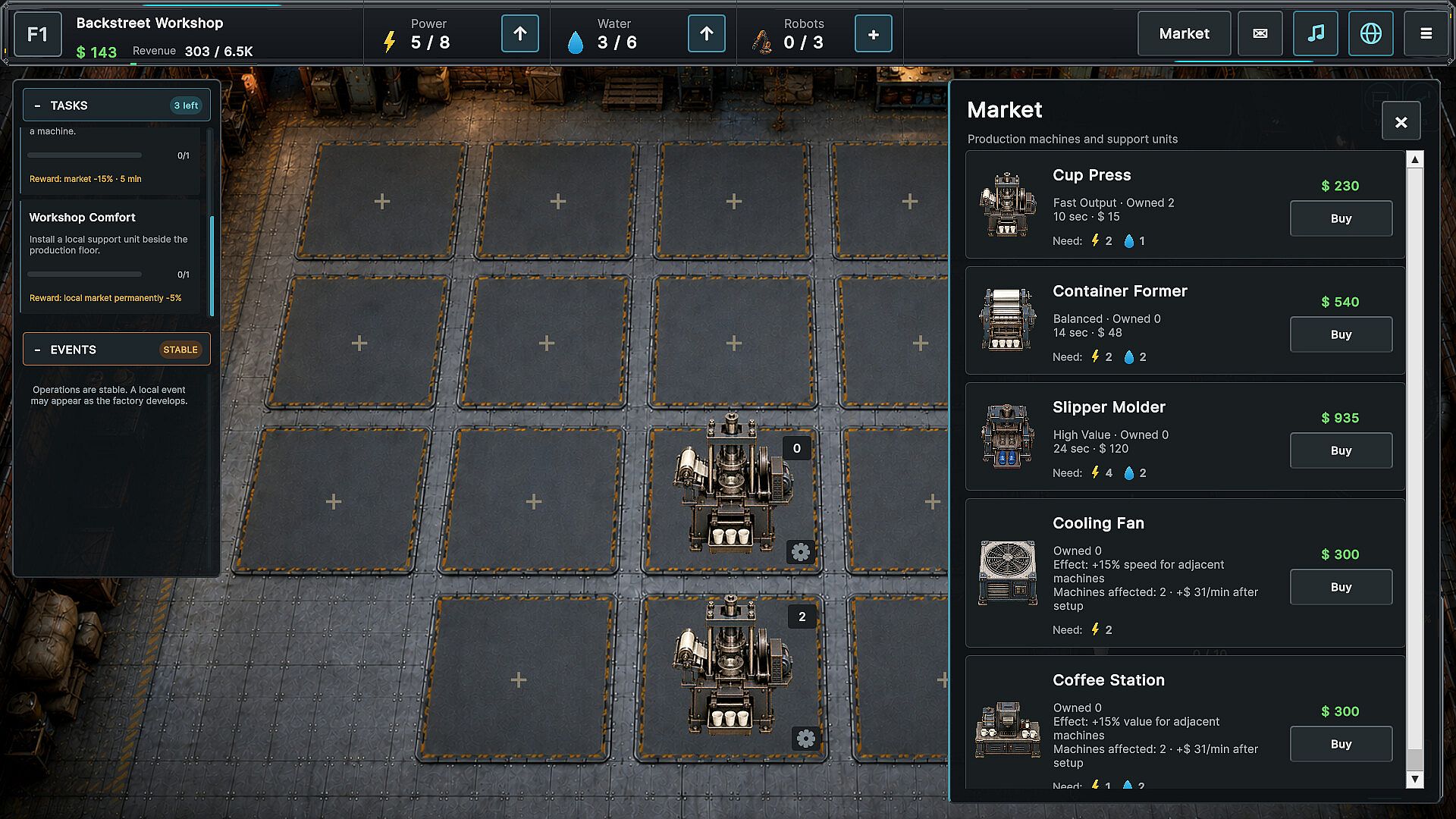
Układ fabryki wpływa bezpośrednio na efektywność. Maszyny i urządzenia pomocnicze można rozmieszczać tak, by zoptymalizować przepływ produkcji, a pojawiające się okresowo wydarzenia wprowadzają krótkoterminowe wyzwania, które trzeba rozwiązać za stały koszt naprawy. Nagrody zależą od rodzaju zadania, więc gracz musi decydować, czy warto inwestować od razu, czy poczekać na większy zysk.
Automatyzacja wprowadzana jest stopniowo - roboty można przypisywać do wybranych maszyn, co zmniejsza liczbę powtarzalnych kliknięć i pozwala skupić się na decyzjach strategicznych. Cały system jest zamknięty i działa tylko podczas sesji; po zamknięciu gry postęp zostaje wstrzymany - nie ma ukrytego postępu ani dochodu offline.
Tryby gry
Gra oferuje kampanię jednoosobową podzieloną na kolejne etapy fabryk. Każdy etap ma własne cele produkcyjne, wydarzenia i odblokowania technologiczne, które bazują na poprzednich obiektach. Postęp wymaga ciągłego udziału gracza - nie ma trybów wieloosobowych ani nieskończonych.
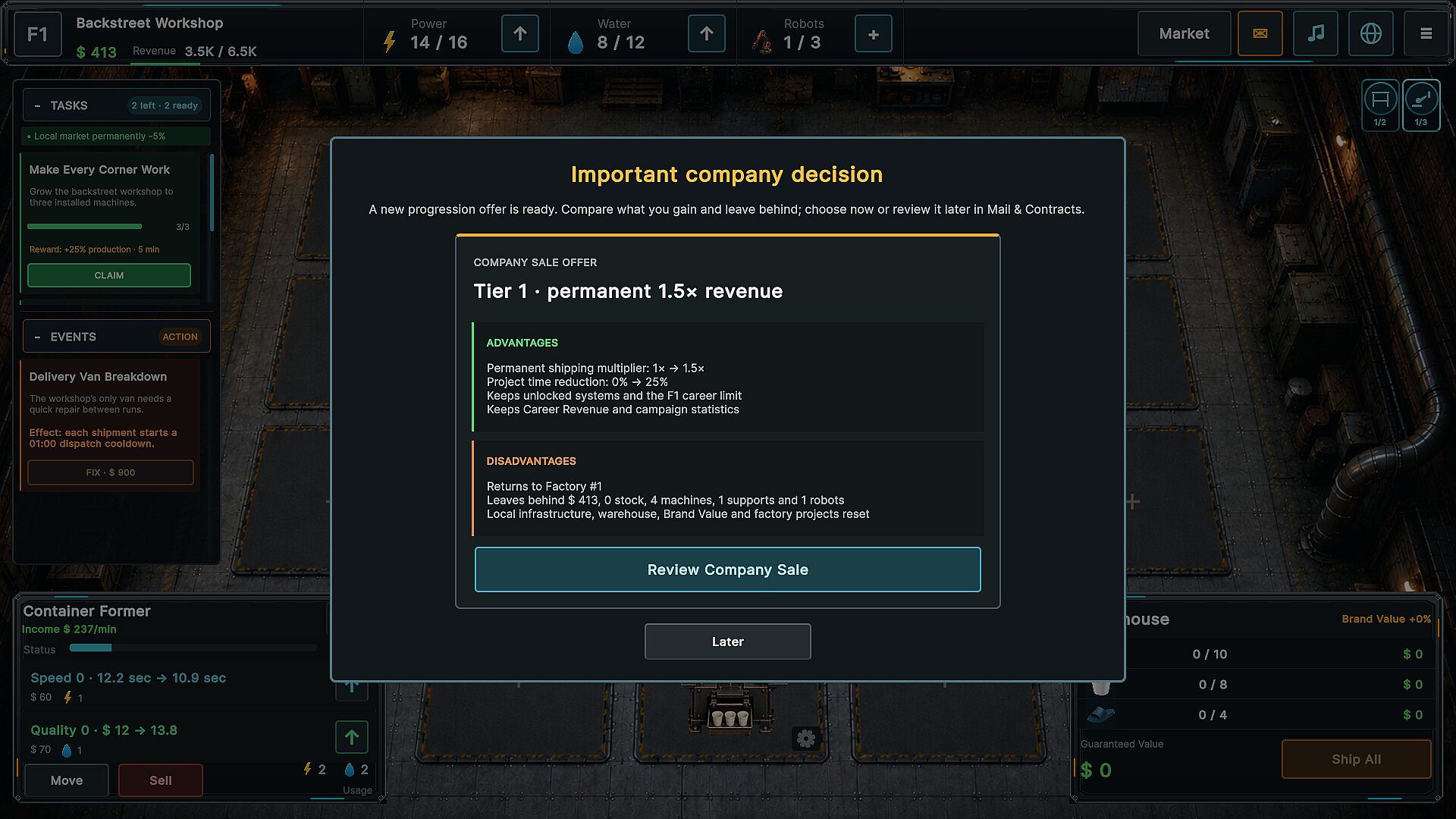
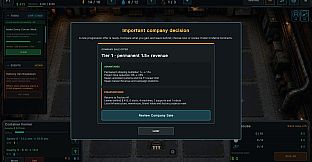
W ramach kampanii można w dowolnym momencie wymienić obecną fabrykę na kolejną, bardziej zaawansowaną, lub skorzystać z opcjonalnego resetu prestiżu. Prestiz zachowuje wcześniej odkryte technologie i skraca czas przyszłych projektów, umożliwiając powtórkę etapów z większą efektywnością.
Postęp fabryk
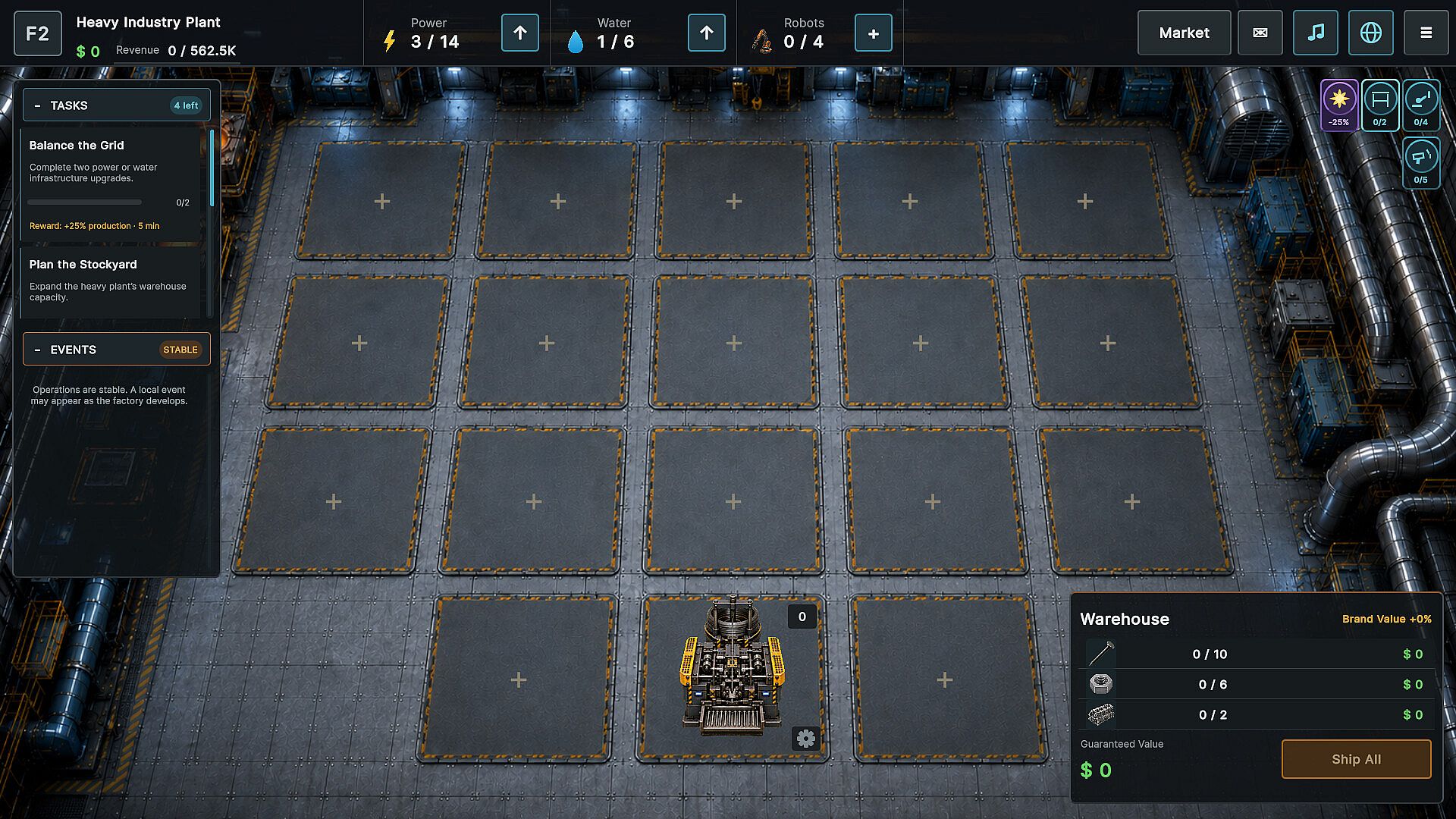
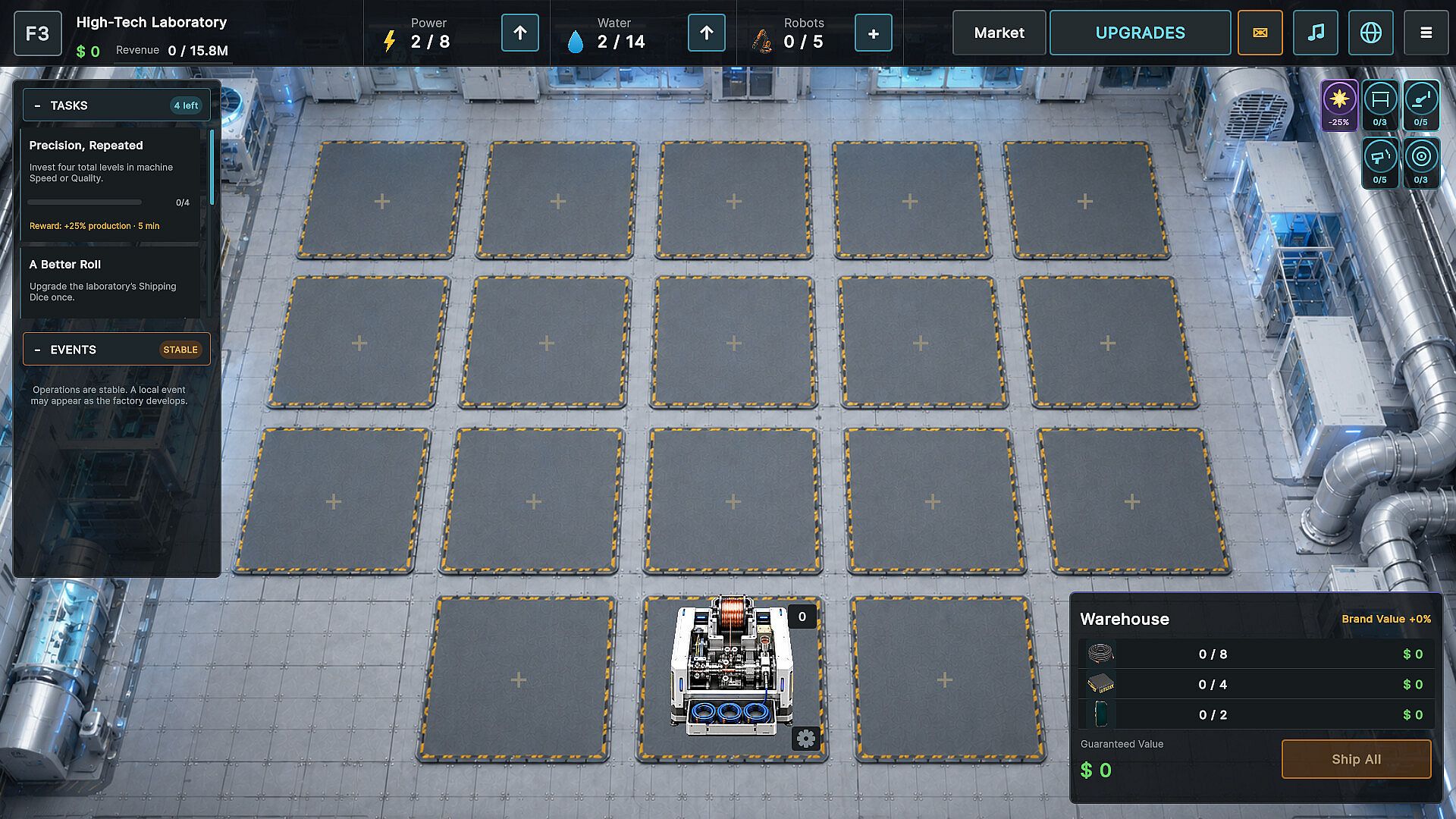
Osiem fabryk stanowi rdzeń rozwoju - każda kolejna wprowadza gęstsze układy i bardziej złożone łańcuchy produkcyjne. Na początku dominują proste, ręczne linie, a w późniejszych etapach kluczowe staje się zarządzanie zasobami i robotami. Pojemność magazynów oraz bilans mediów zyskują na znaczeniu wraz ze skalą produkcji.
Rozmieszczenie urządzeń pomocniczych i ulepszenia maszyn pozwalają dostosować każdy poziom do własnych potrzeb. Decyzje o alokacji ograniczonych zasobów wpływają na tempo realizacji celów i stabilność produkcji podczas wydarzeń.
Czy warto zagrać?
Tytuł skierowany jest do graczy, którzy cenią aktywne zarządzanie przyrostowe bez dochodu pasywnego. Nacisk na decyzje w czasie rzeczywistym, przydzielanie robotów i planowanie układu nagradza regularną uwagę podczas sesji. Osoby szukające zamkniętej kampanii z wyraźnymi kamieniami milowymi znajdą tu prostą i spójną strukturę.
Brak mechanik offline sprawia, że gra wymaga bezpośredniego zaangażowania - zgodnie z założeniem, by przenieść uwagę z rutynowych kliknięć na strategię produkcji. Dla fanów budowania systemów krok po kroku, na przestrzeni wielu poziomów fabryk, gra oferuje przemyślane tempo, w którym liczą się kolejne ulepszenia i wybór automatyzacji.