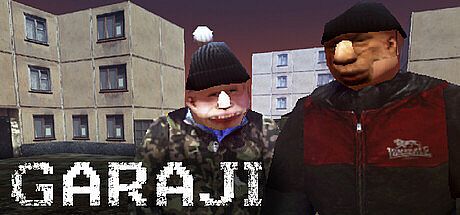


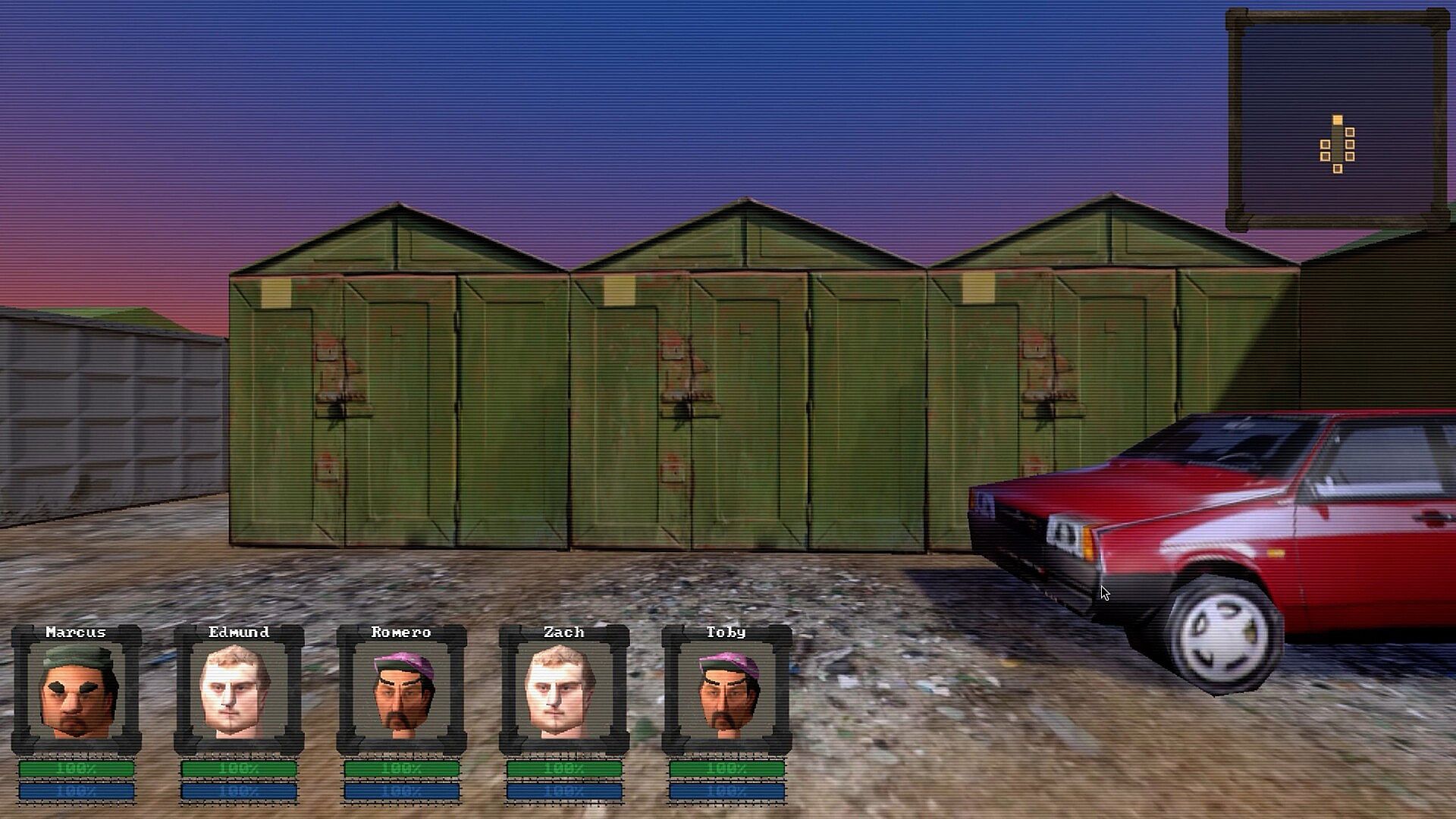
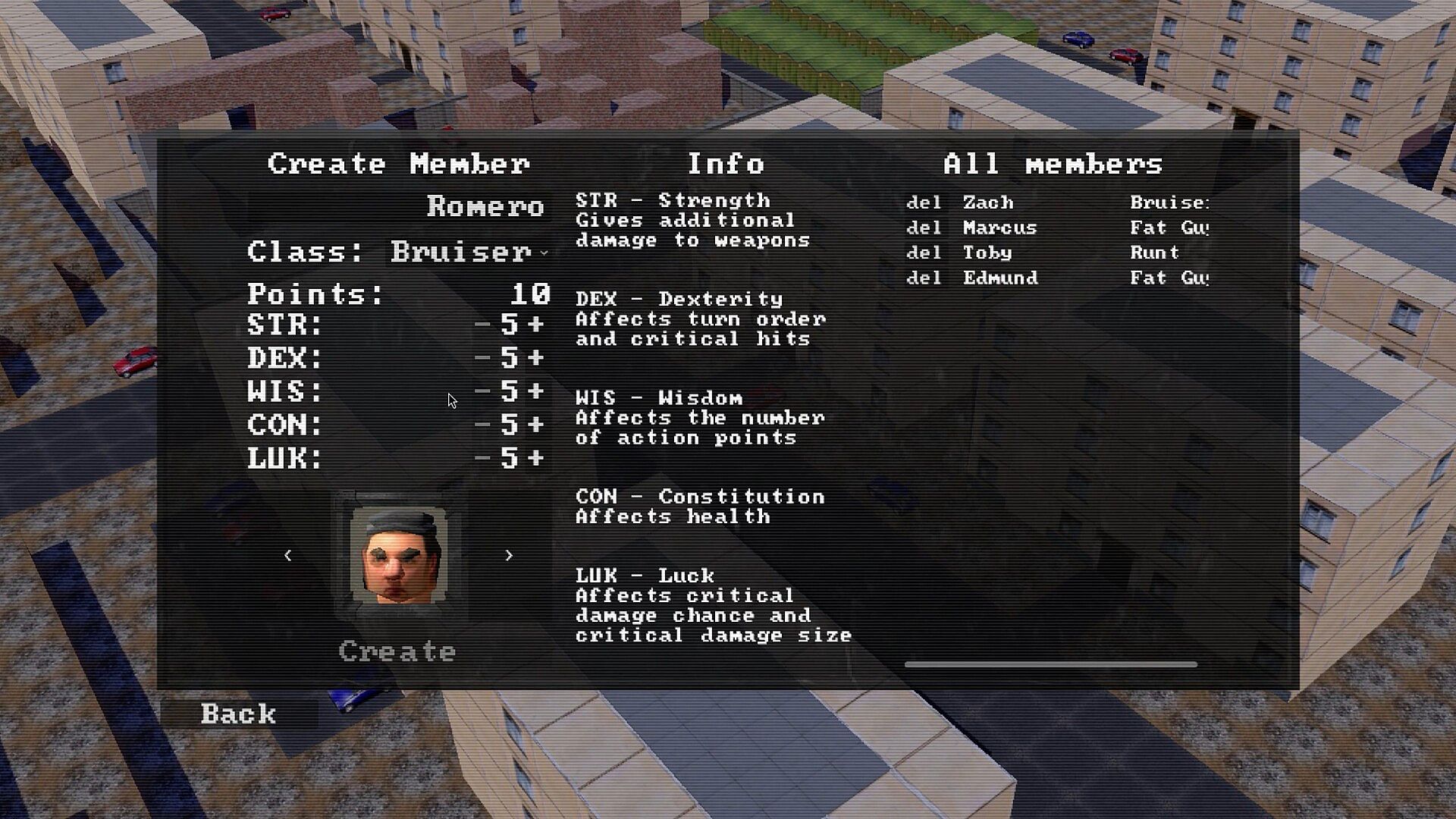
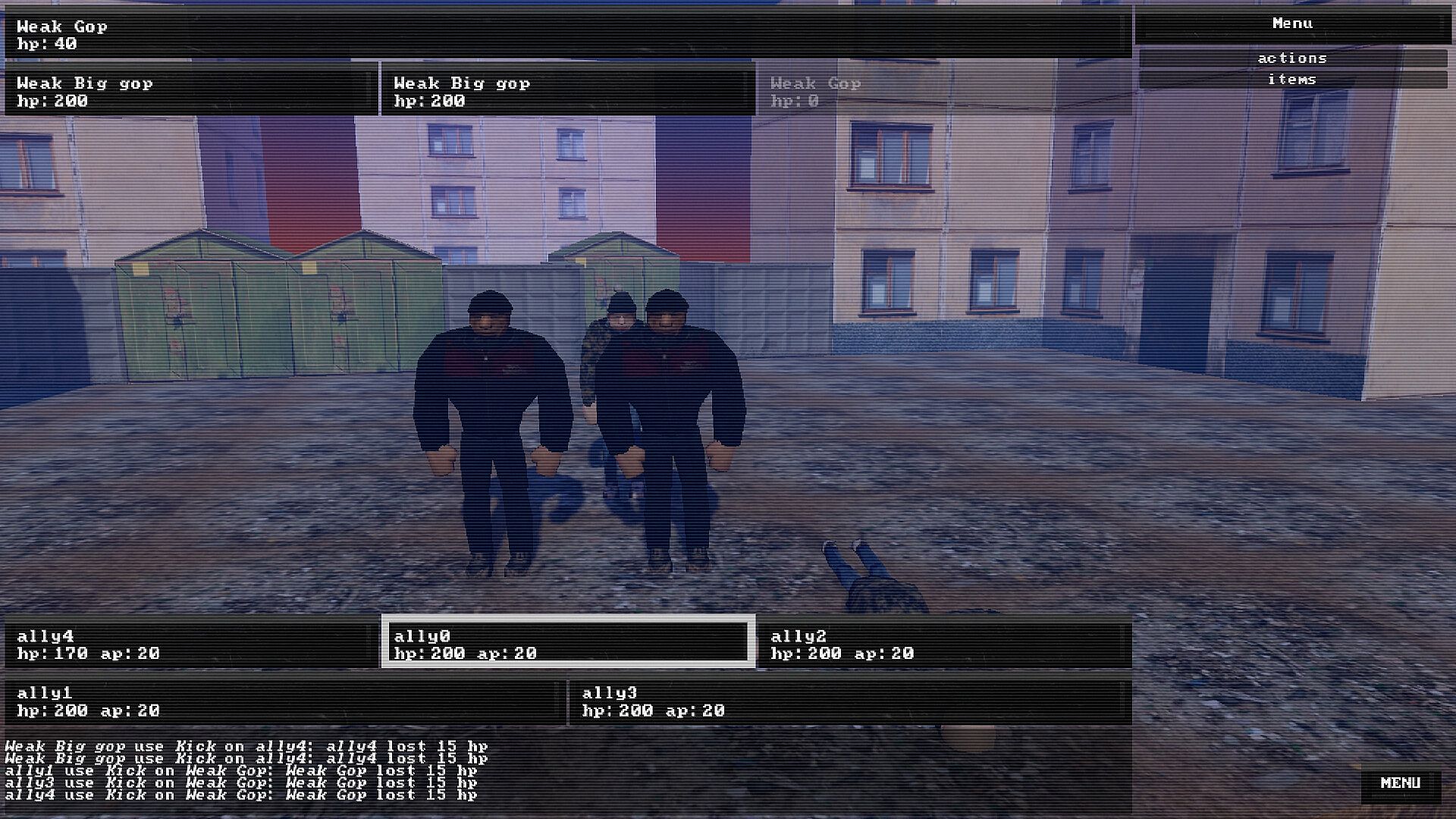
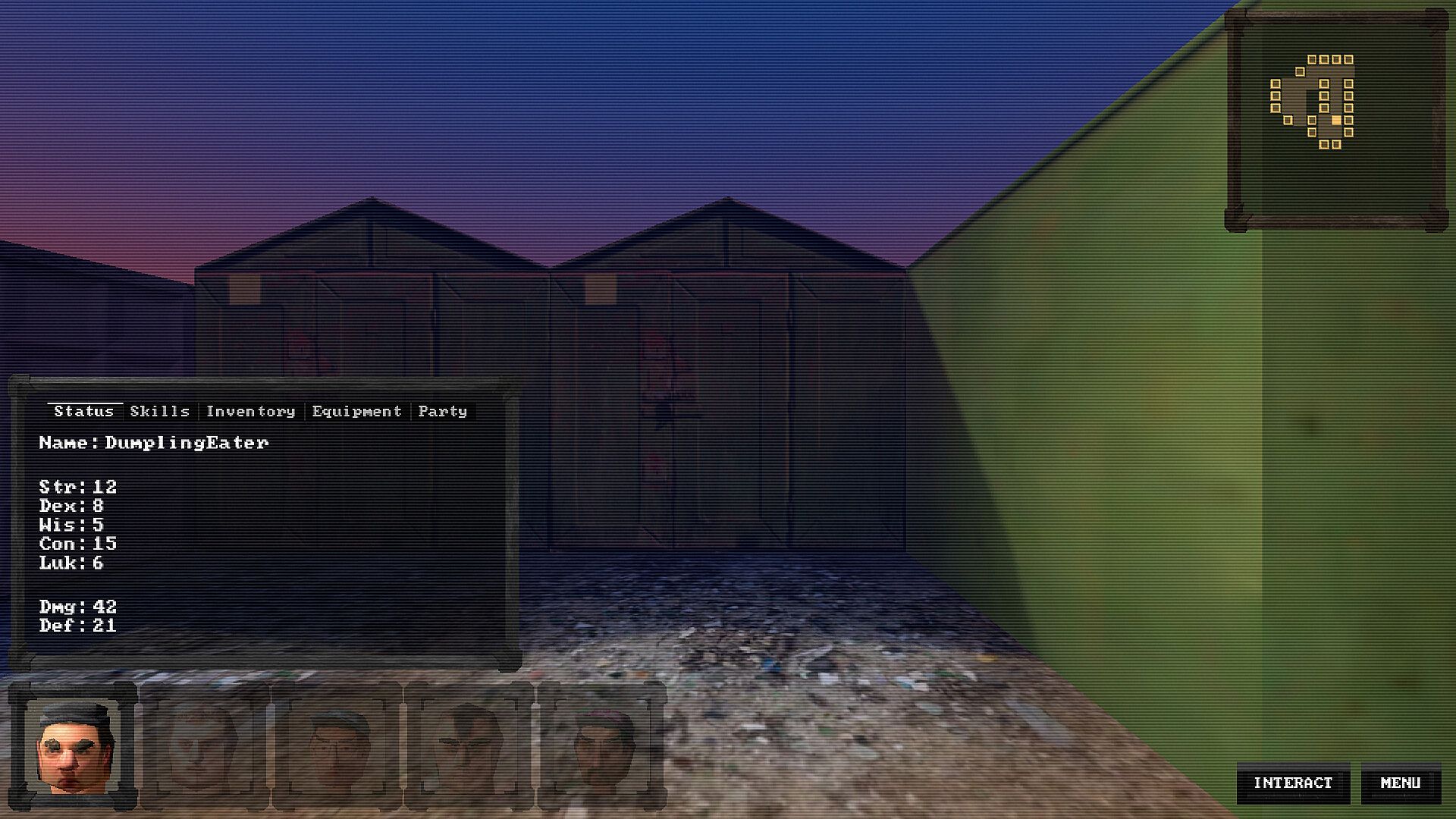
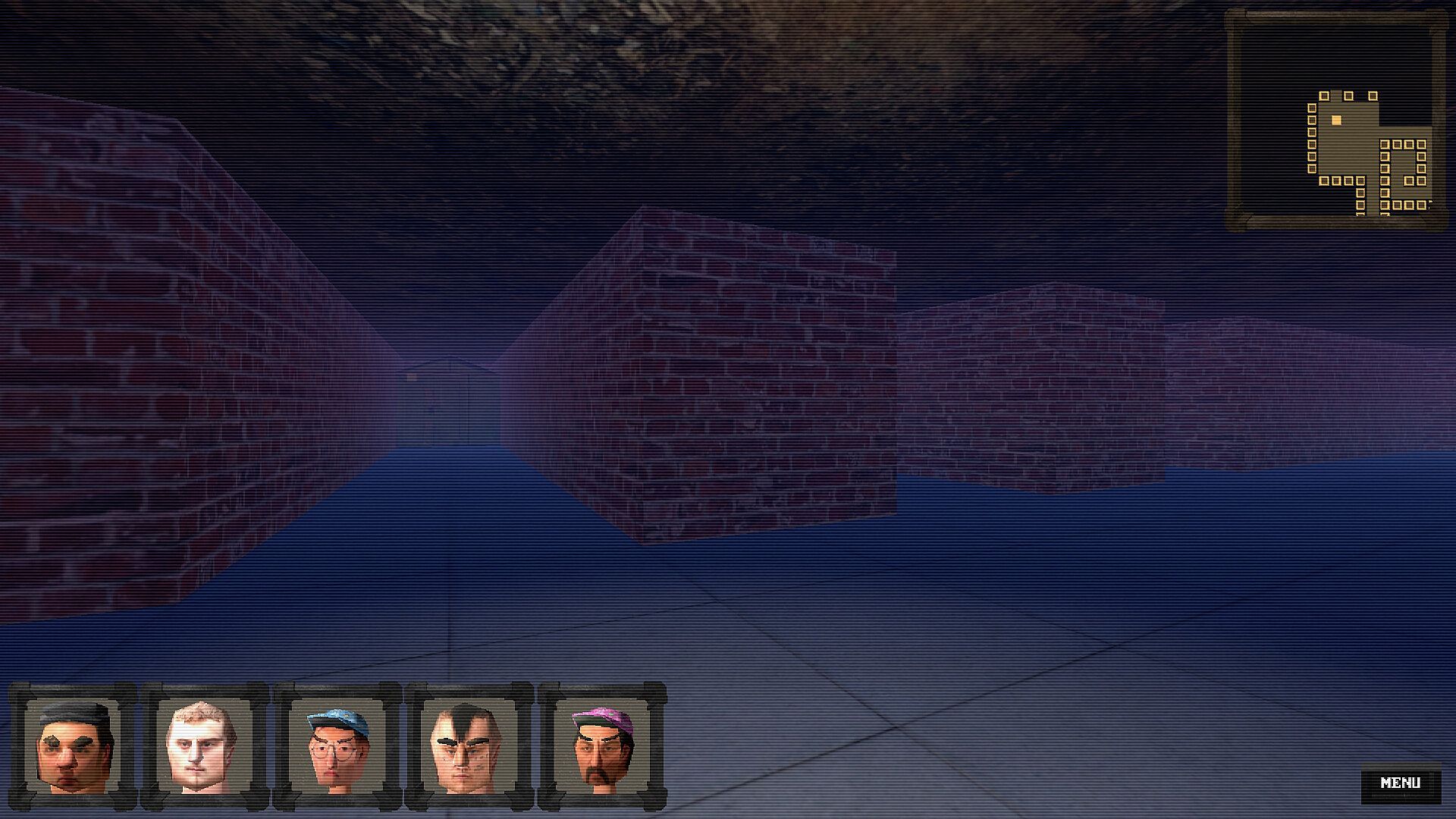
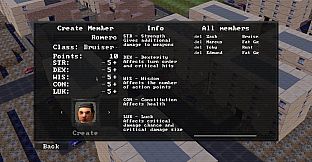
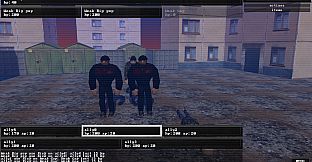
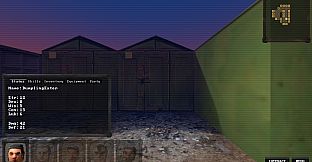
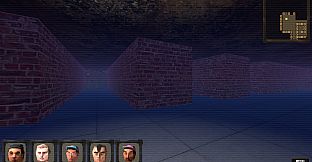

Garaji to imprezowe RPG przygodowe, które przenosi gatunek dungeon crawlera do mrocznego świata współczesnego miasta na PC. Gracze tworzą grupę, by poruszać się po niebezpiecznych lokacjach pełnych chuliganów, bandytów i innych przedstawicieli marginesu społecznego. Zamiast potworów i magicznych artefaktów, walka opiera się na improwizowanej broni - kijach bejsbolowych, prętach zbrojeniowych czy rozbitych butelkach. Kamienne korytarze zastępują tu garaże, parkingi i stacje metra, tworząc surową, groźną atmosferę, w której przetrwanie wymaga okrucieństwa i starannego planowania.
Rozgrywka
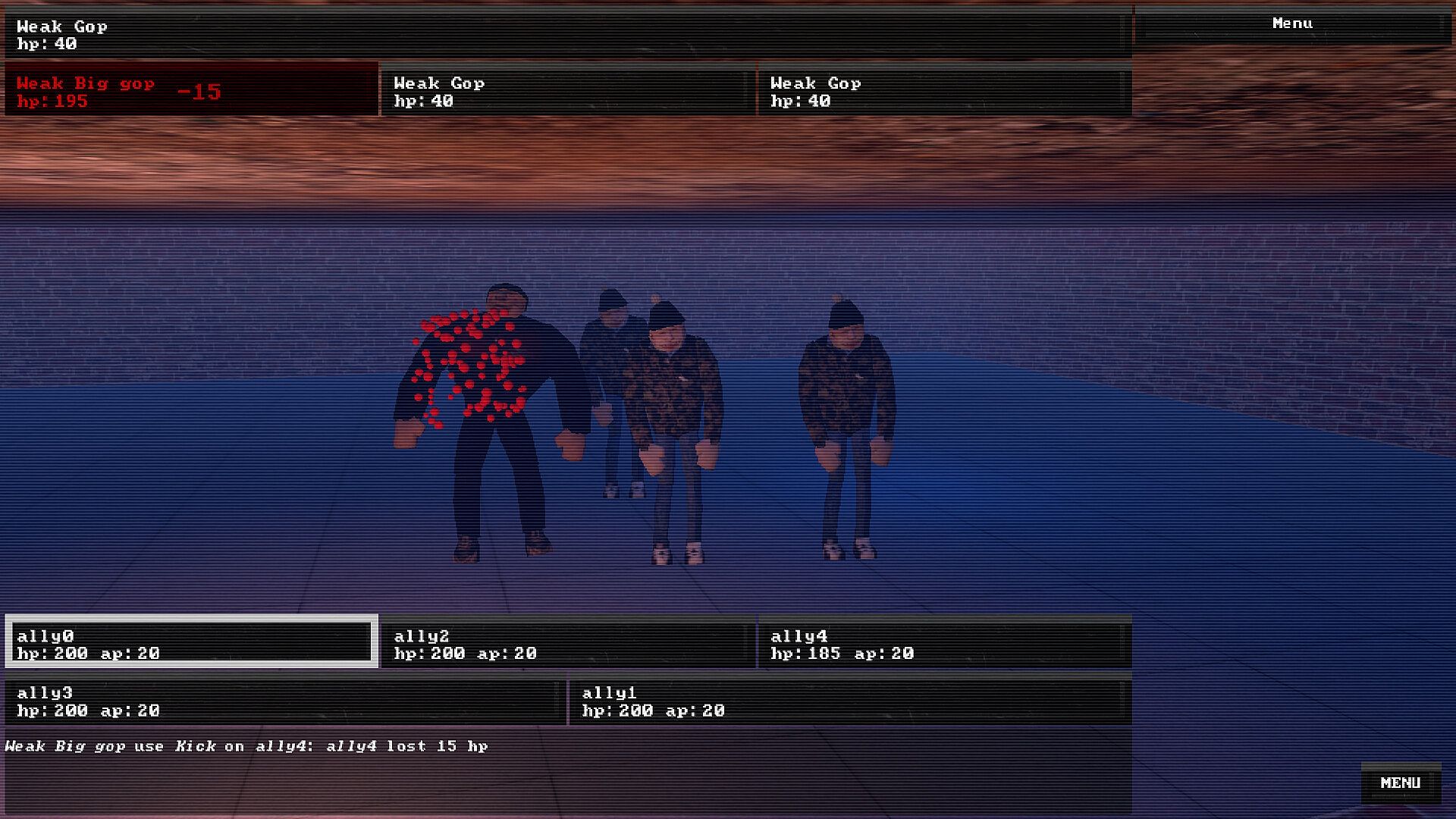
Garaji to RPG drużynowe z ruchem na siatce, który zamienia eksplorację w przemyślane przemieszczanie się między połączonymi obszarami. Gracze ustawiają swoją grupę na siatce, by zwiadować teren, zarządzać zasobami i przygotować się do walki. Turowe starcia stanowią rdzeń rozgrywki - wymagają analizy ustawienia przeciwników, wyboru odpowiednich ataków przedmiotami codziennego użytku oraz koordynacji działań członków drużyny. Sukces zależy od analitycznego myślenia, a nie refleksu, ponieważ każda decyzja dotycząca pozycji i zasobów może przesądzić o wyniku konfrontacji. Gra stawia na przygotowanie i adaptację w wrogim otoczeniu, nagradzając tych, którzy potrafią dostrzec wzorce i rozwijać możliwości drużyny przez kolejne próby.
Do kluczowych elementów należy zarządzanie postaciami o różnych rolach w walce i eksploracji. Nawigacja na siatce zachęca do metodycznego mapowania miejsc takich jak parkingi wielopoziomowe czy stacje metra, gdzie ślepe zaułki i zasadzki budują napięcie. Starcia rozgrywają się w fazach, które sprawdzają taktyczne decyzje - na przykład wybór improwizowanej broni czy moment odwrotu i przegrupowania. Powstaje w ten sposób cykl eksploracji i ryzykownych walk, który karze pochopne działania.
Tryby gry
Doświadczenie opiera się na uporządkowanym postępie przez charakterystyczne lokacje z wykorzystaniem ruchu na siatce i turowych starć. Gracze prowadzą drużynę przez kolejne obszary, angażując się w walki wymagające strategicznej koordynacji. Gra nie oferuje trybów wieloosobowych ani rywalizacyjnych - skupia się wyłącznie na jednoosobowych wyzwaniach taktycznych, które rosną wraz z poznawaniem miejskiego półświatka. Poziom trudności starć wzrasta wraz z pojawianiem się nowych środowisk i typów przeciwników, wprowadzając świeże zmienne do systemu turowego.
Świat i klimat
Garaji odchodzi od klasycznych fantazyjnych motywów na rzecz współczesnego świata przestępczego. Garaże pełnią funkcję pierwszych punktów odpoczynku i planowania, a parkingi oraz stacje metra stają się arenami napiętej nawigacji i zasadzek. Przeciwnicy zaczerpnięci z realiów ulicznych zachowują się nieprzewidywalnie, zmuszając gracza do bieżącej adaptacji taktyki. Klimat pozostaje konsekwentnie ponury - podkreśla, że tylko przemyślane okrucieństwo daje szansę na przetrwanie w tych ciasnych, niebezpiecznych przestrzeniach.
Czy warto zagrać?
Garaji kieruje się do graczy znających już dungeon crawlere, którzy cenią ruch na siatce i turowe starcia poza konwencją fantasy. Wymagania dotyczące analitycznego myślenia i zarządzania drużyną odpowiadają tym, którzy szukają wymagającego, spokojnego tempa zamiast dynamicznej akcji. Oryginalne zastąpienie goblinów chuliganami, a magii - improwizowaną bronią, wnosi świeżość do znanych mechanik bez zmiany rdzenia gatunku. Osoby lubujące się w surowych, bezlitosnych przygodach odnajdą tu spójne połączenie świata i systemów, podczas gdy gracze casualowi mogą uznać wymagany styl myślenia za zbyt wymagający. Gra stanowi specjalistyczną pozycję w gatunku RPG przygodowego, skierowaną do oddanych fanów tego formatu.