




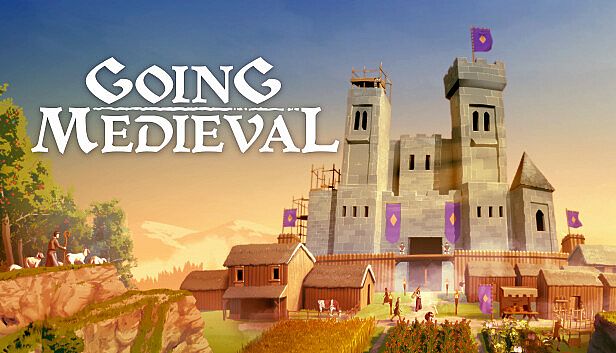






























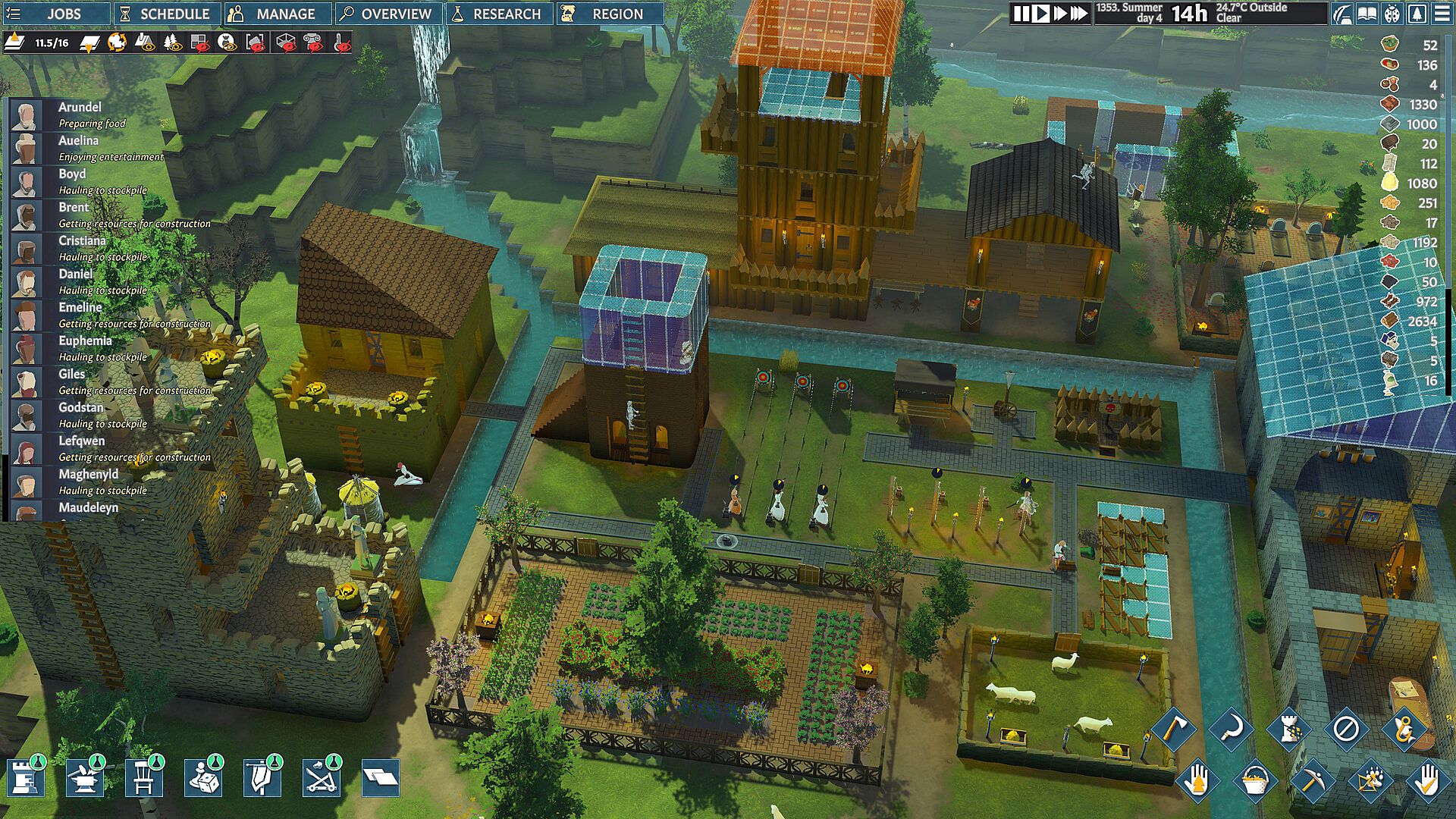
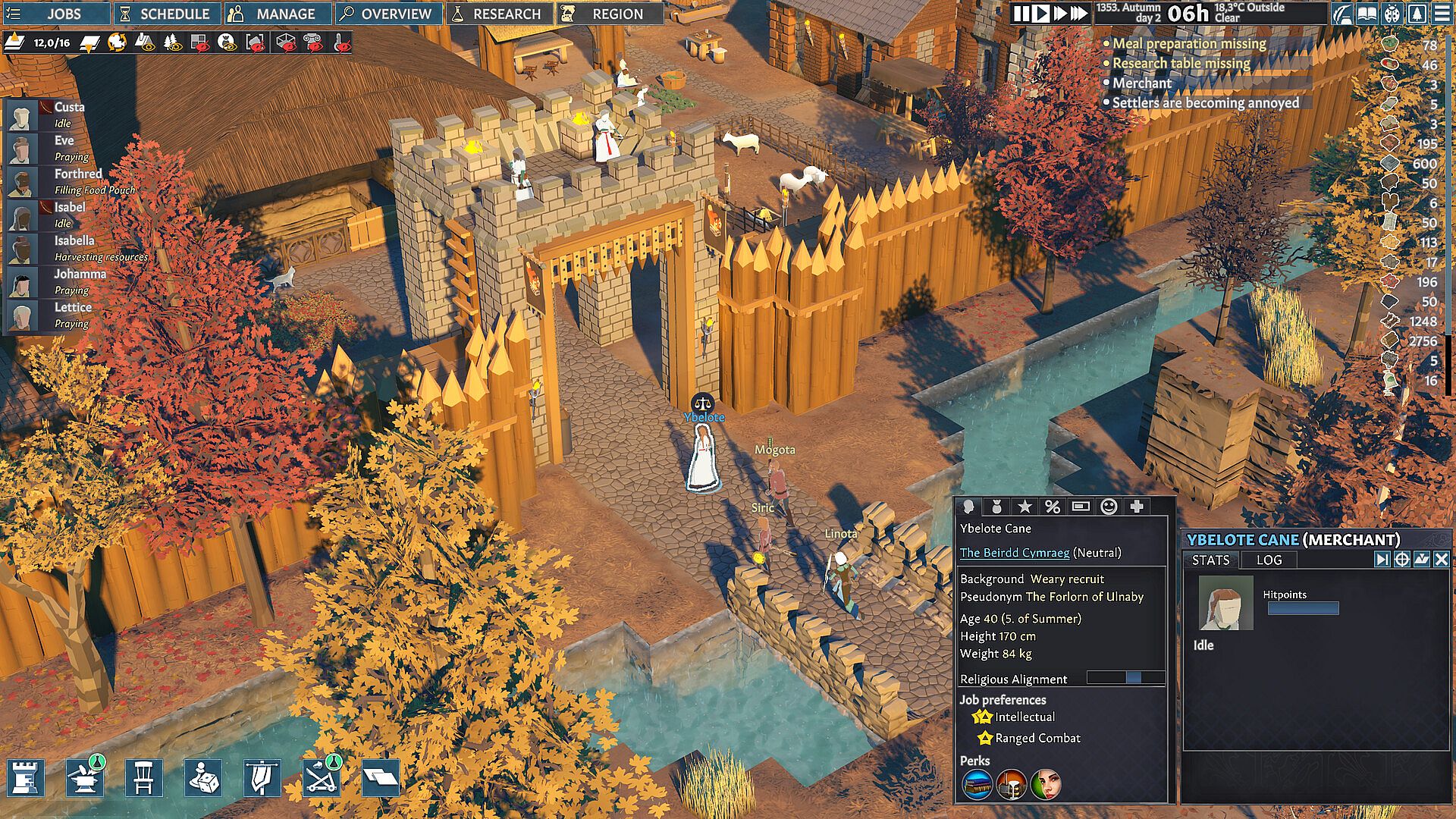
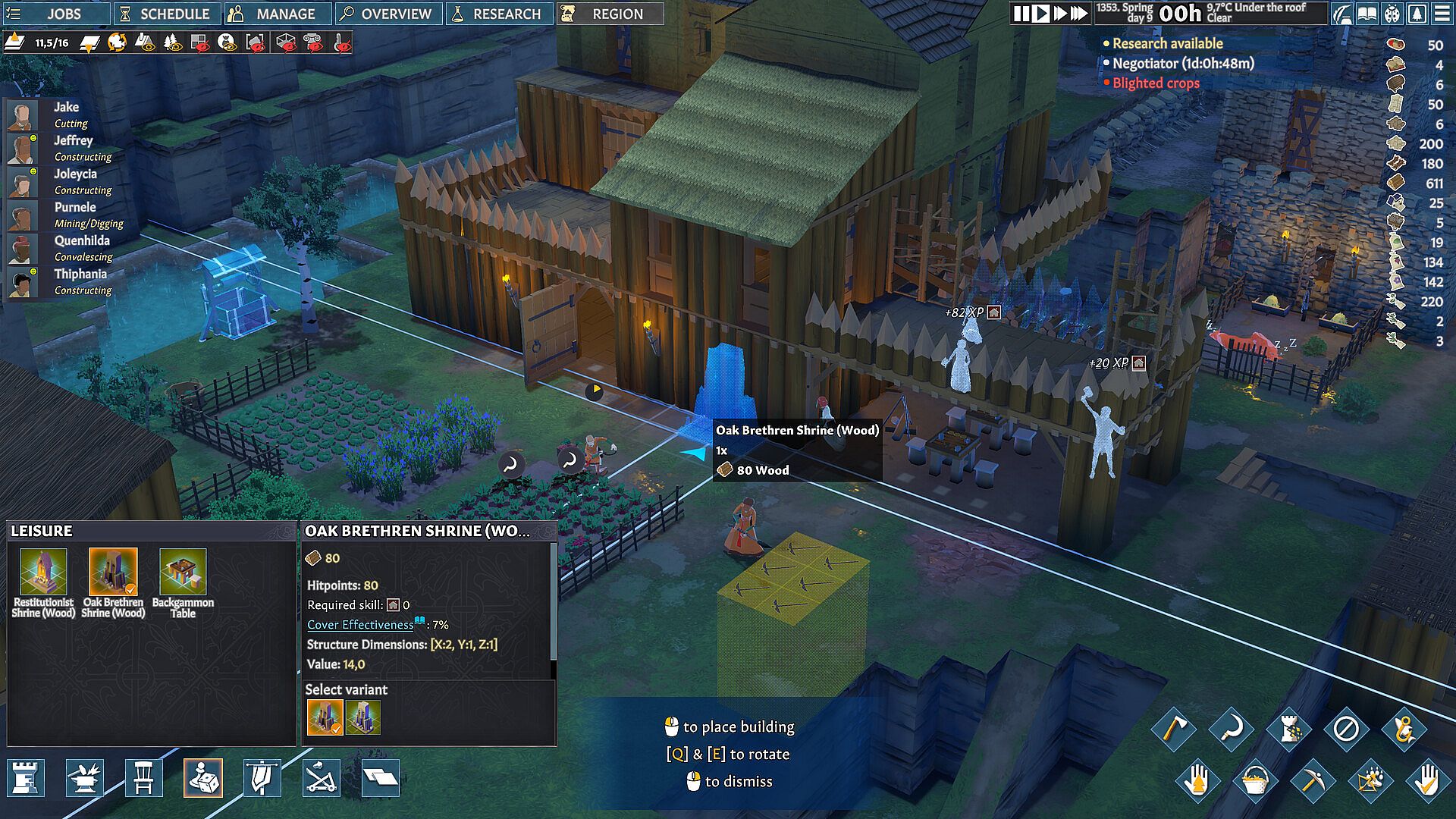
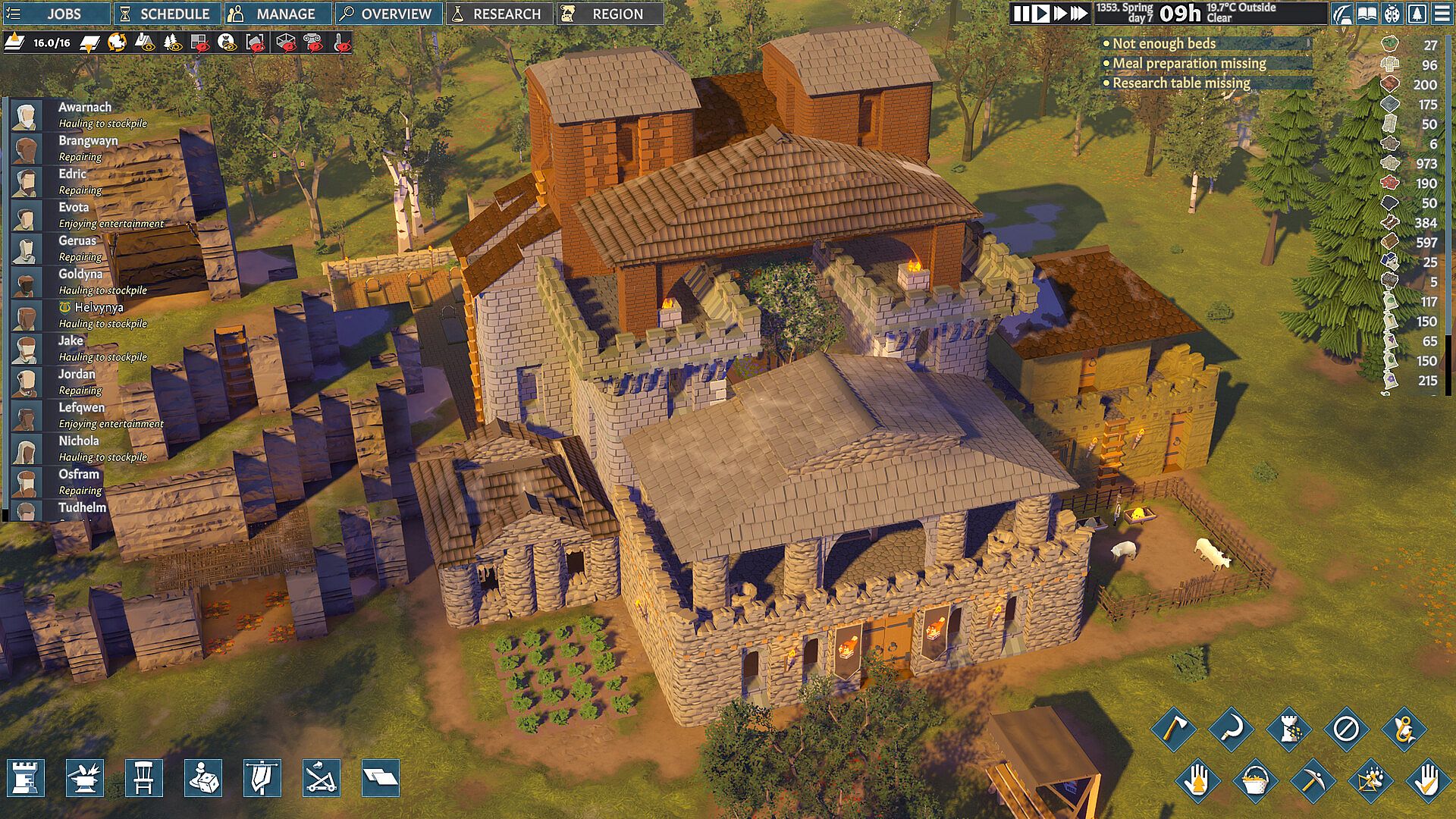
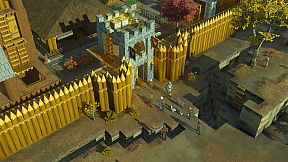
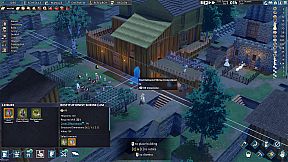
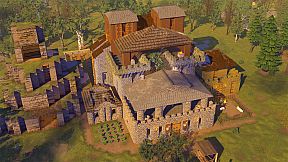
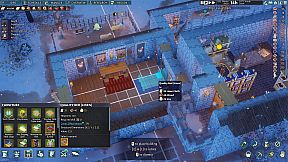
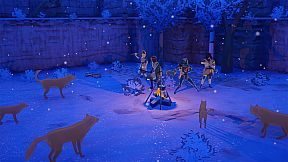
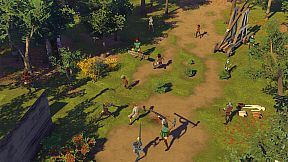
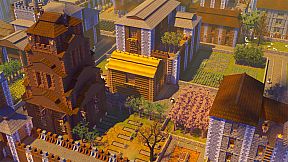
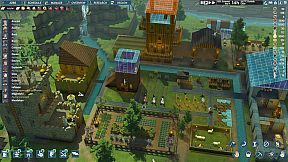
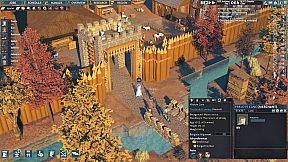
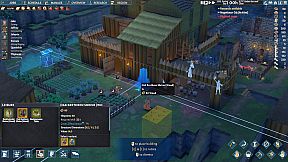
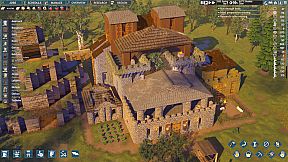
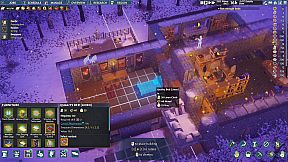
Going Medieval to symulacja strategiczna z elementami RPG, w której gracz samodzielnie buduje średniowieczną kolonię. Zarządzasz grupą ocalałych, którzy próbują odbudować życie w dziczy po epidemii - skupiając się na wznoszeniu zabudowań, gospodarowaniu zasobami, dbaniu o potrzeby osadników i obronie przed zagrożeniami.
Rozgrywka
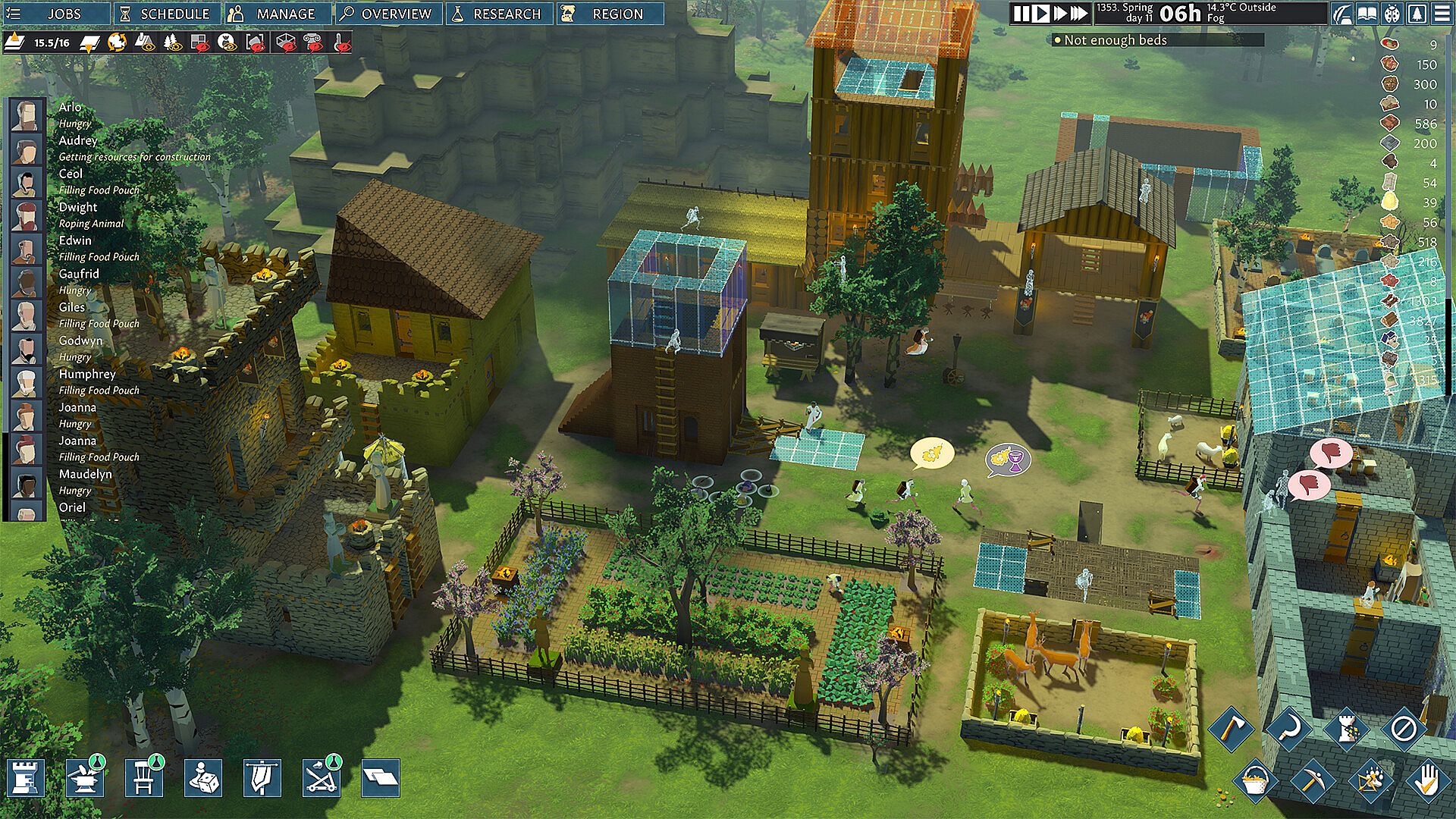
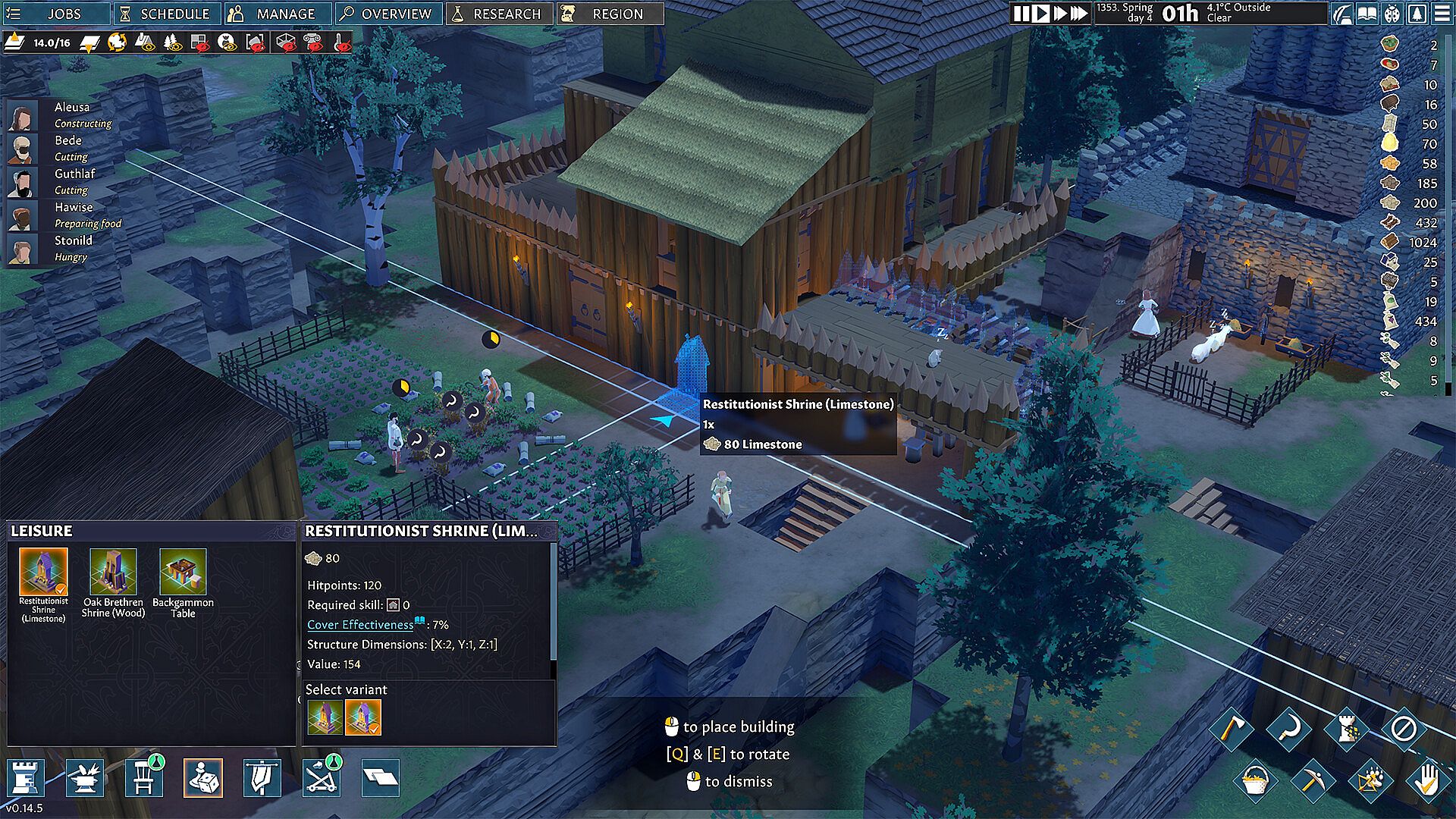
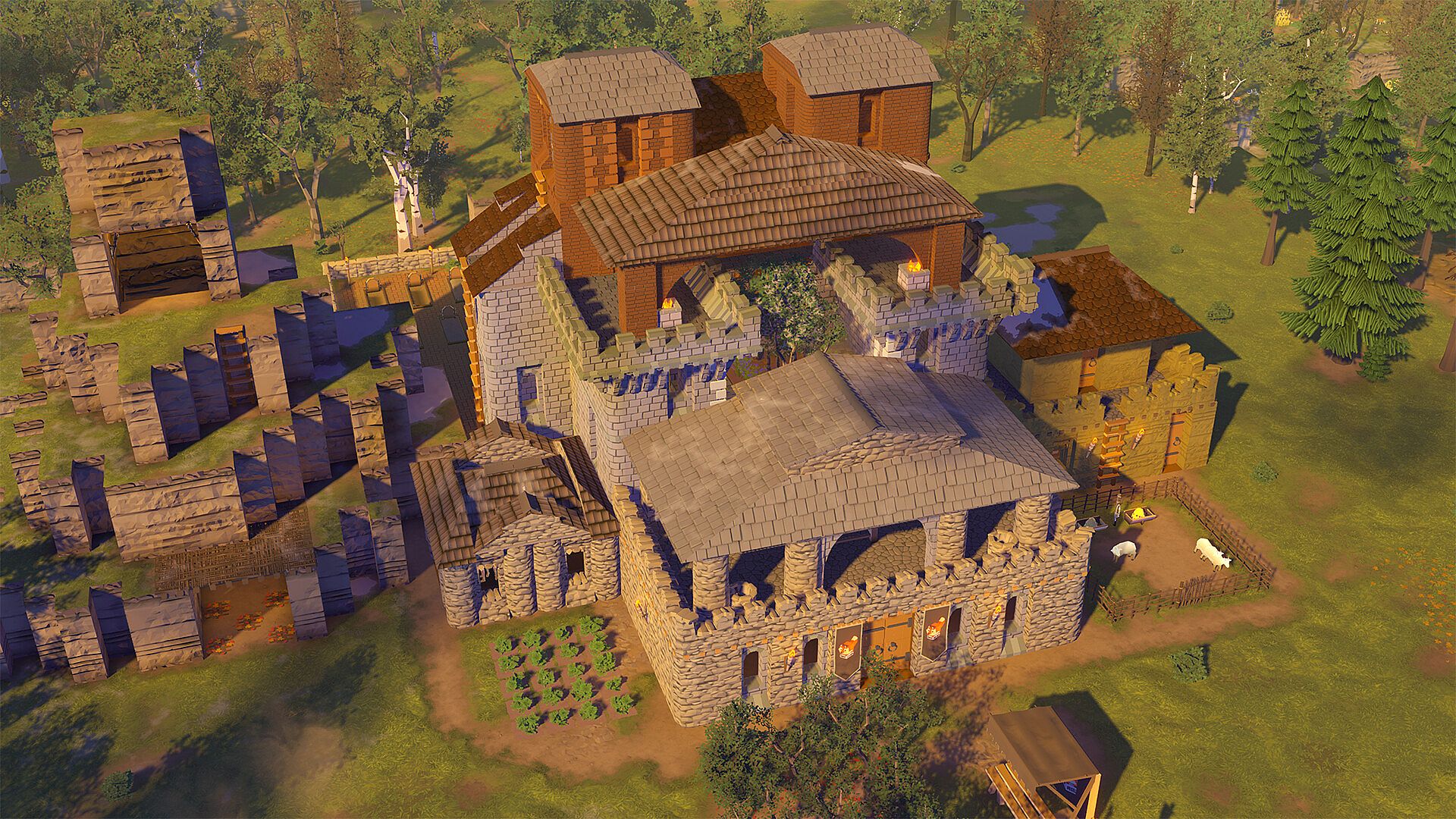
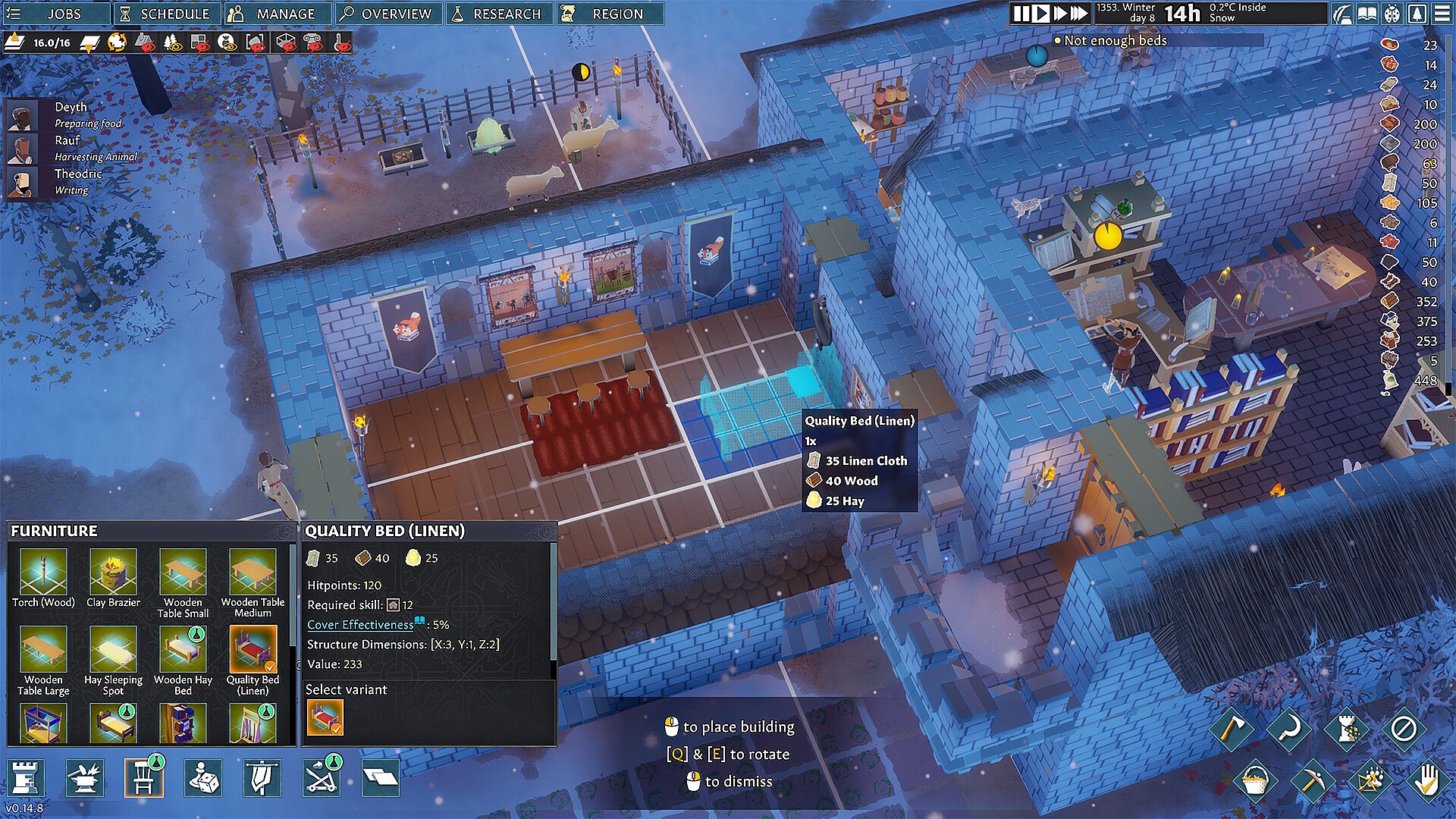
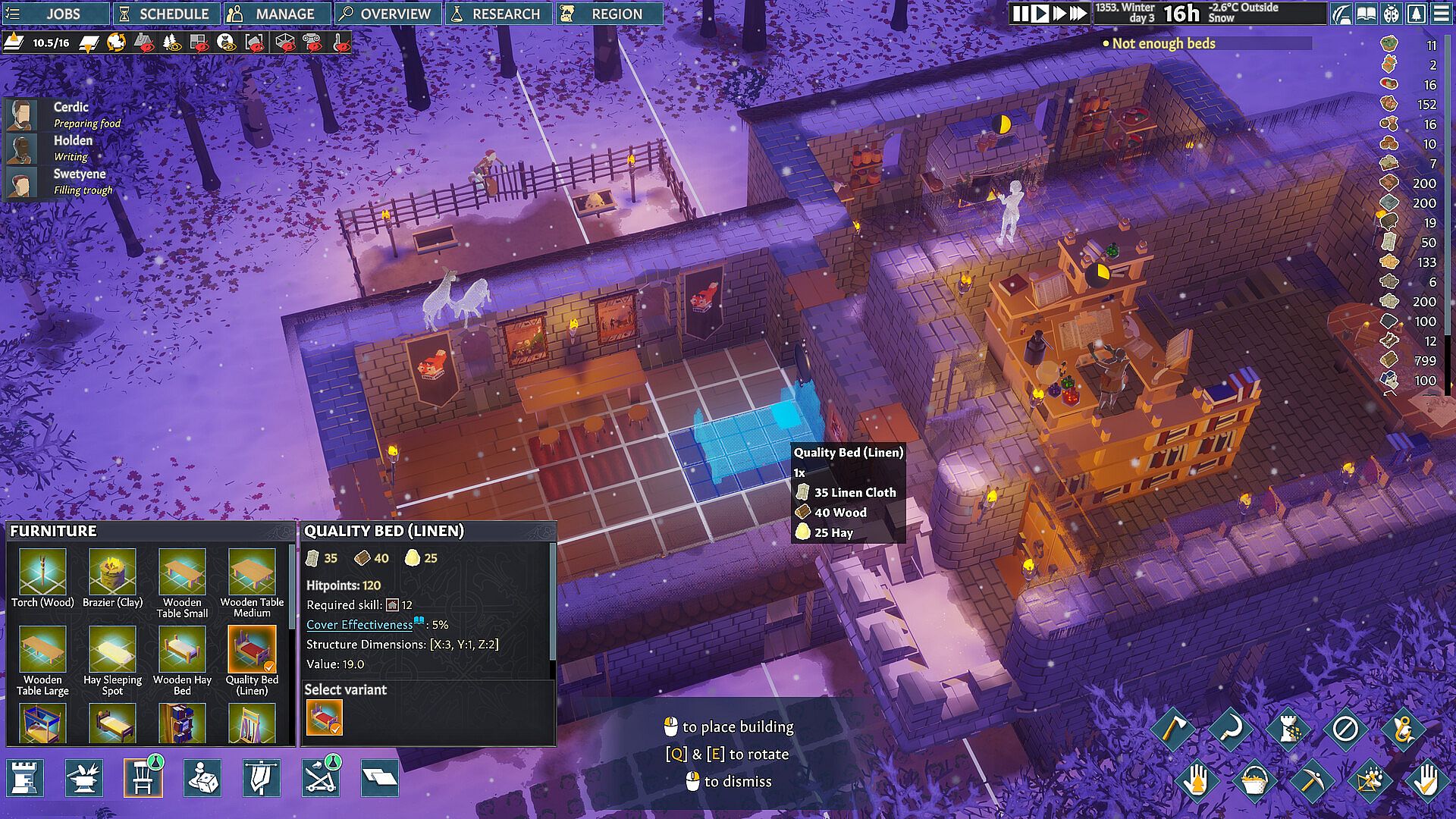
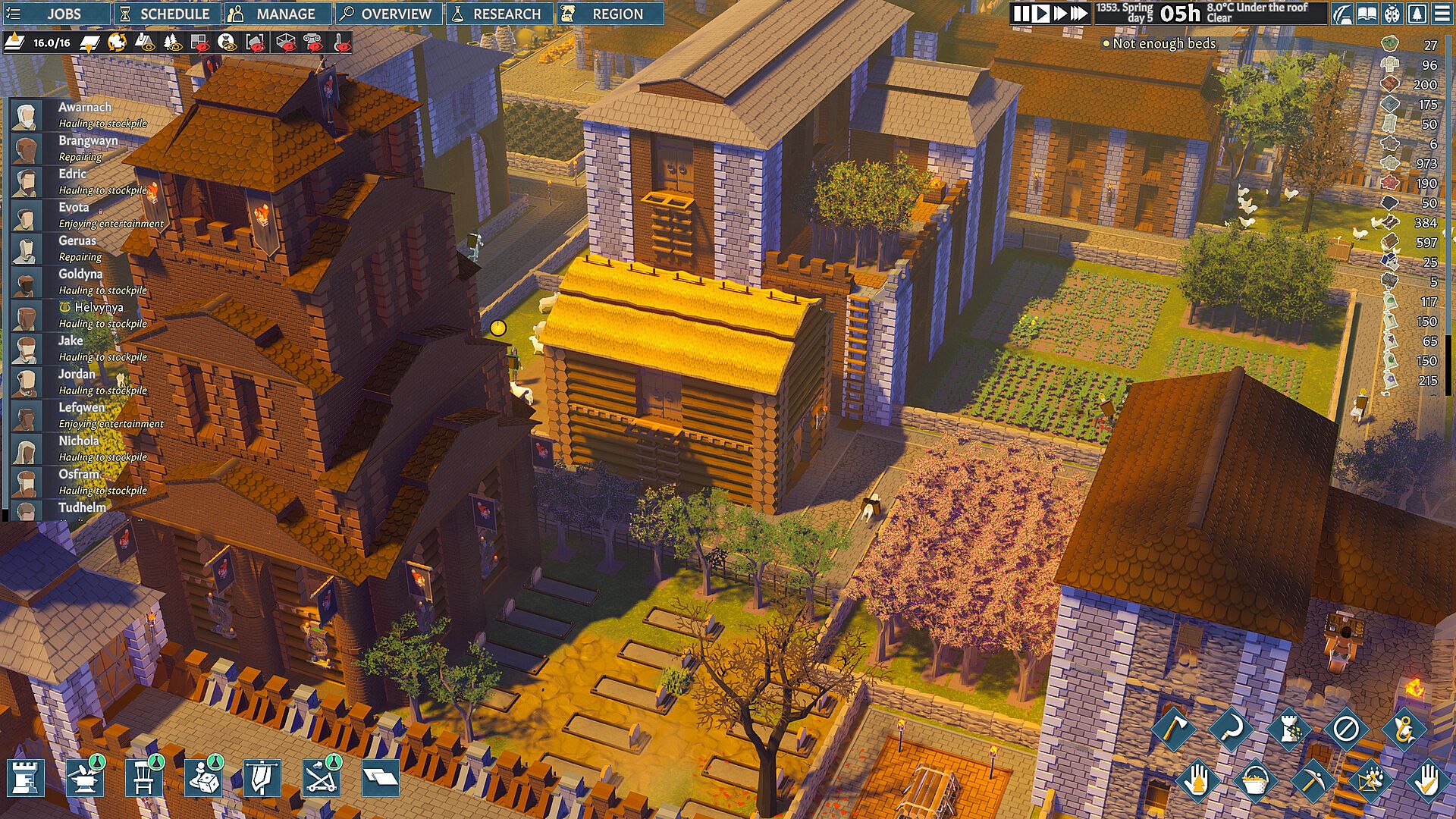
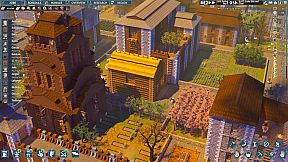
Podstawą zabawy jest rozwój osady - od kilku wędrowców do dobrze ufortyfikowanej społeczności. Dzięki trójwymiarowym narzędziom terenu możesz modelować krajobraz, stawiać budynki na kilku poziomach lub drążyć podziemne pomieszczenia. Kamień, glina i drewno pozwalają tworzyć warsztaty, kwatery mieszkalne, kaplice czy magazyny, a wnętrza można dowolnie urządzać i dostosowywać.
Osadnicy to odrębne postacie z własnymi umiejętnościami, osobowościami i potrzebami - od jedzenia po ubranie. Przydzielając im zadania zgodnie z predyspozycjami, np. opiekę nad zwierzętami, utrzymujesz wysoką produktywność i morale. Badania otwierają dostęp do średniowiecznych technologii, dzięki którym można wytwarzać sprzęt i rozwijać możliwości kolonii, a osadnicy zdobywają doświadczenie podczas polowań i walk.
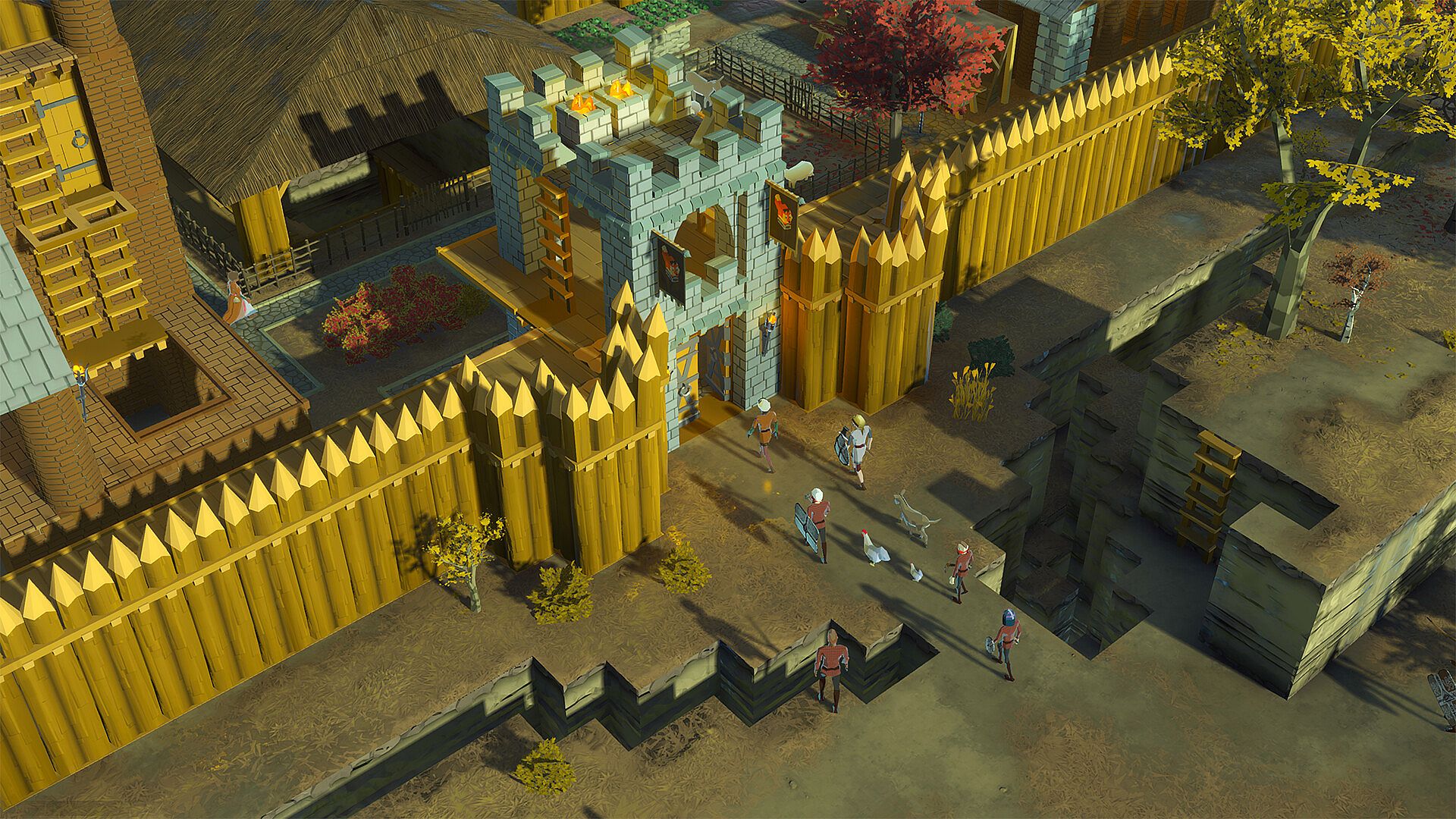
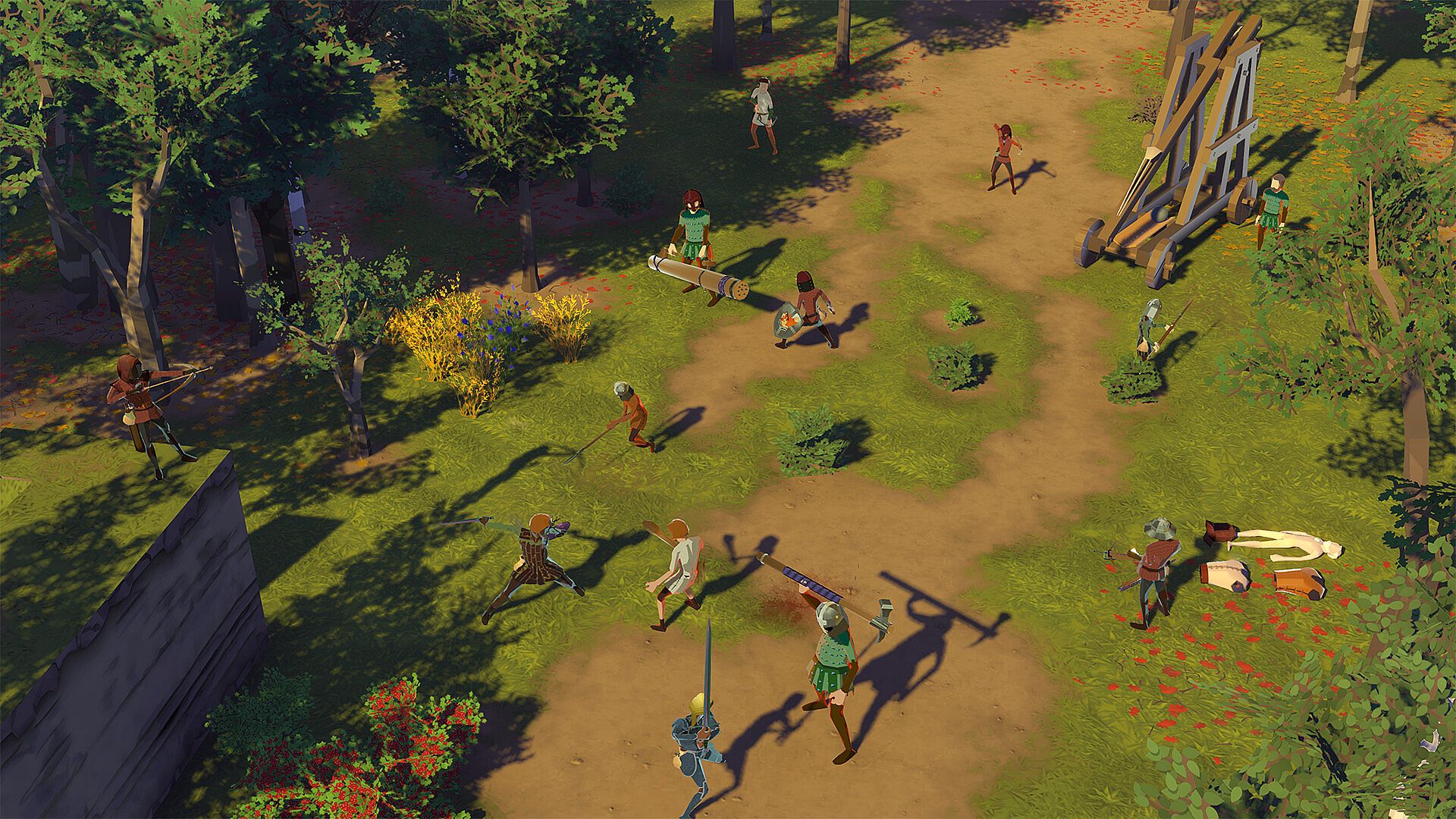
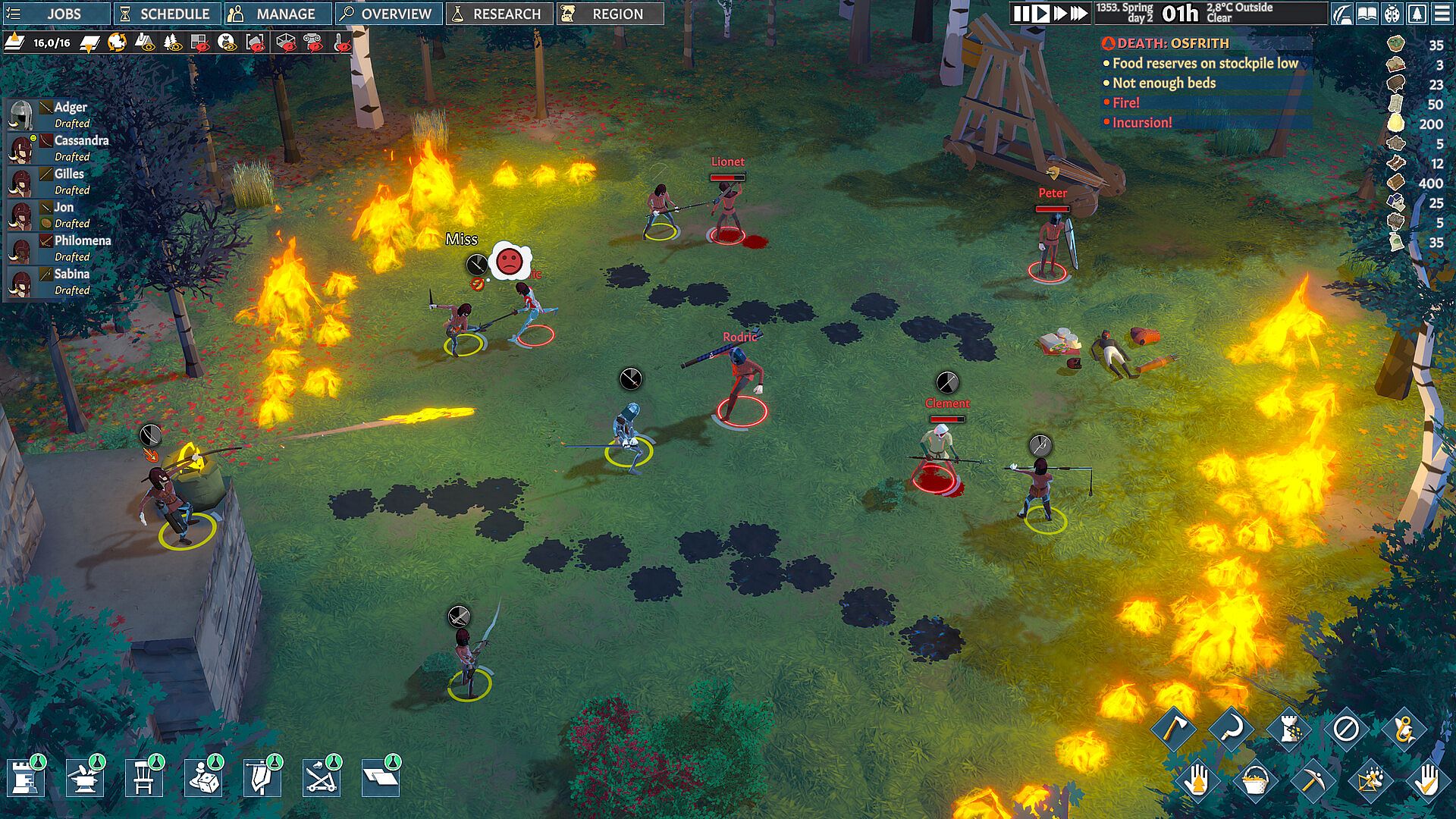
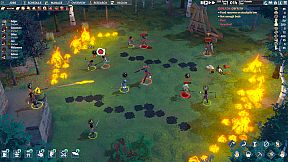
Obrona polega na budowie murów, rozmieszczaniu pułapek oraz kierowaniu osadnikami w czasie rzeczywistym podczas ataków bandytów. Losowo generowana mapa zachęca do eksploracji i przekształcania terenu - zarówno lądu, jak i zbiorników wodnych - co pomaga w planowaniu zabudowy i taktyce. Gra wspiera mody, pozwalając na dalsze dopasowanie rozgrywki.
Tryby gry
Na początku nowej rozgrywki można wybrać jeden z trzech scenariuszy. Tryb standardowy równoważy budowanie, potrzeby osadników i okresowe najazdy. Tryb pokojowy usuwa zagrożenia ze strony wrogów, pozwalając skupić się wyłącznie na rozbudowie i zarządzaniu kolonią. Tryb przetrwania podnosi poziom trudności - warunki są surowsze, a wyzwania pojawiają się częściej.
Te warianty umożliwiają dostosowanie tempa rozgrywki do własnych preferencji: od swobodnego budowania, przez spokojny rozwój, aż po intensywne zarządzanie zasobami i walką. Dodatkowe suwaki trudności pozwalają regulować częstotliwość najazdów, wymagania osadników i inne parametry.
Systemy budowania i obrony
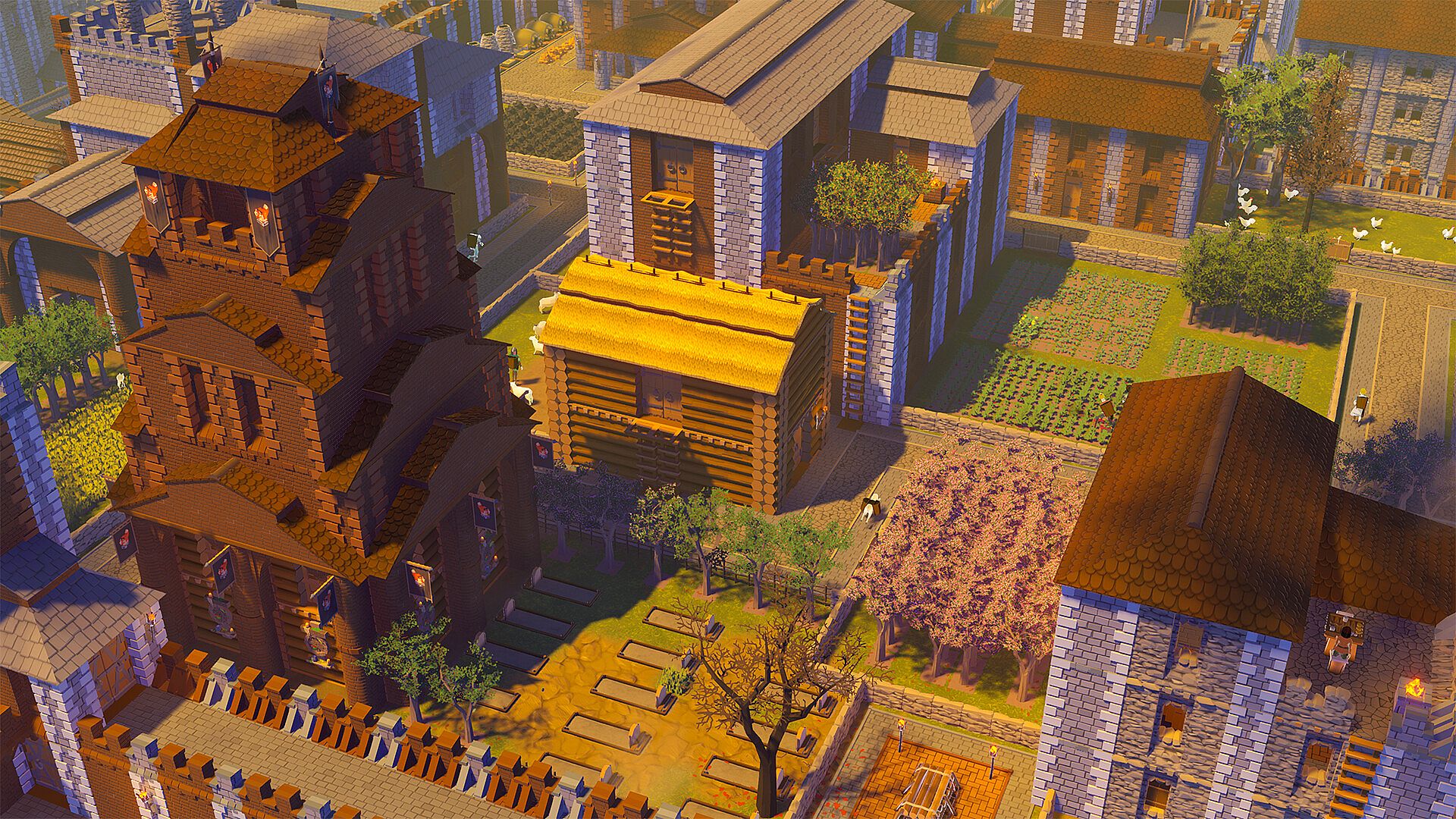
Budowa opiera się na pionowości i elastyczności - od małych posterunków po rozległe miasta otoczone murami z wielowarstwową obroną. Surowce pozyskuje się poprzez zbieractwo, rolnictwo i łańcuchy produkcji, co zapewnia długoterminowy rozwój. Pułapki oraz wyniesione pozycje dla łuczników zwiększają szanse na skuteczną obronę przed falami napastników.
Przekształcanie terenu wpływa zarówno na estetykę, jak i strategię - można tworzyć wąskie gardła, fosy czy podwyższone platformy. Drzewka badań stopniowo poszerzają dostęp do nowych narzędzi i konstrukcji, nagradzając dłuższe sesje bardziej zaawansowanymi, średniowiecznymi rozwiązaniami.
Zarządzanie osadnikami i rozwój
Każdy osadnik posiada unikalne cechy, które wpływają na efektywność pracy i codzienne funkcjonowanie. Zaspokajanie indywidualnych potrzeb przy jednoczesnym wykorzystywaniu talentów tworzy cykl, w którym zadowoleni mieszkańcy skuteczniej wspierają kolonię. Walka i eksploracja dają możliwość rozwijania umiejętności, dzięki czemu początkowi ocalali stają się wyspecjalizowanymi członkami społeczności.
Losowe generowanie mapy zapewnia różnorodne warunki początkowe i układ terenu, co zachęca do wypróbowywania różnych strategii rozbudowy i fortyfikacji w kolejnych rozgrywkach.
Czy warto zagrać?
Going Medieval osiągnęło pełną wersję 1.0 w marcu 2026 roku po kilku latach spędzonych we wczesnym dostępie. Gra nadal otrzymuje poprawki i aktualizacje. Recenzje użytkowników na Steamie są w większości bardzo pozytywne, co świadczy o uznaniu dla głębi systemów budowania, mechanik osadniczych i rozgrywki obronnej.
Tytuł przypadnie do gustu osobom, które cenią metodyczne zarządzanie kolonią, szczegółowe budowanie i strategię dla jednego gracza bez elementów multiplayer. Fani symulatorów osad z naciskiem na indywidualne postacie i obronę przed najazdami znajdą tu sporo treści w sprawdzonych mechanikach i zróżnicowanych scenariuszach. Narzędzia modderskie zwiększają wartość powtórek dla tych, którzy chcą jeszcze bardziej spersonalizować doświadczenie.














