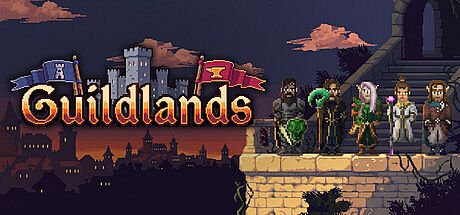


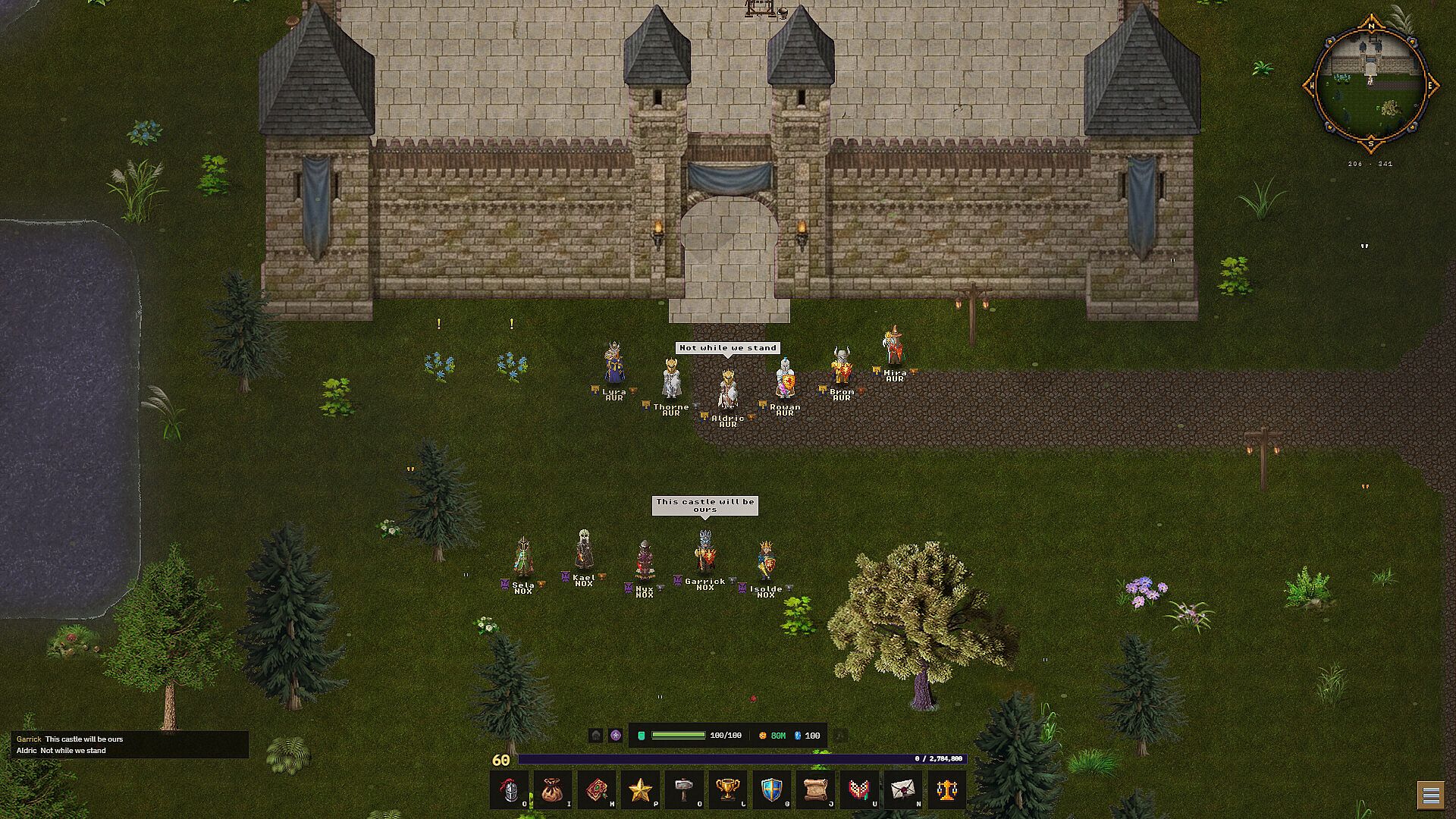
Guildlands is a free to play idle RPG available on PC that blends persistent progression with a shared pixel art world called Aurelia. Players create a hero from one of six races and fifteen classes, then send that character on expeditions while handling other tasks. The game runs in the background or even minimized, allowing loot and experience to accumulate without constant attention.
Gameplay
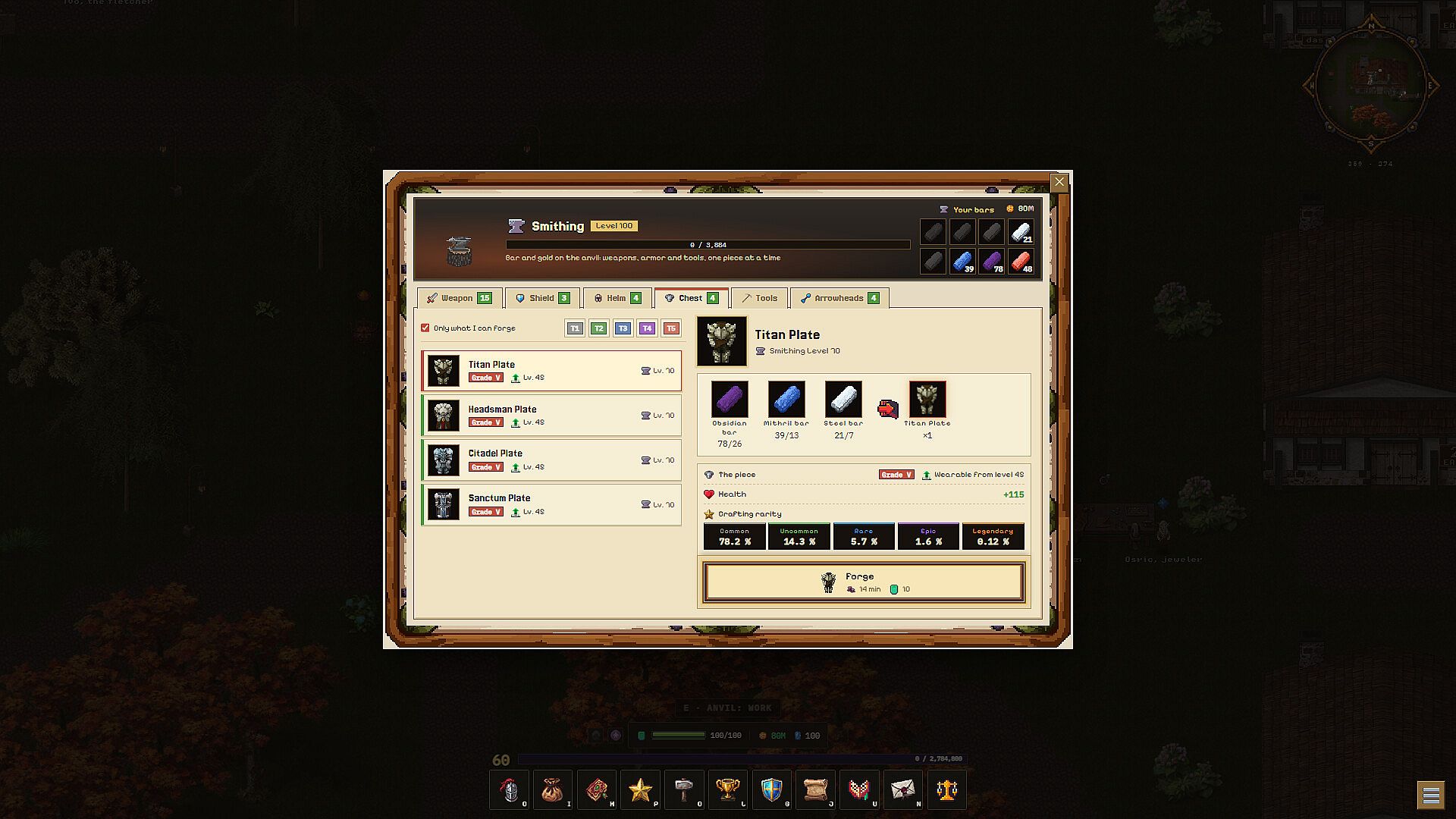
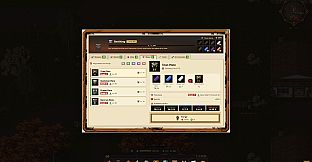
The core loop centers on equipping visible gear that appears layer by layer on the hero sprite, with dyes altering colors for personalization. Every helmet, chest piece, weapon, and shield shows on screen and contributes directly to combat effectiveness during expeditions. Players gather resources through nineteen professions that reach level one hundred each, covering activities such as mining, chopping wood, fishing, hunting, farming, smelting, cooking, and forging. These materials feed into crafting unique items with up to five modifiers across five rarity tiers, ensuring varied drops.
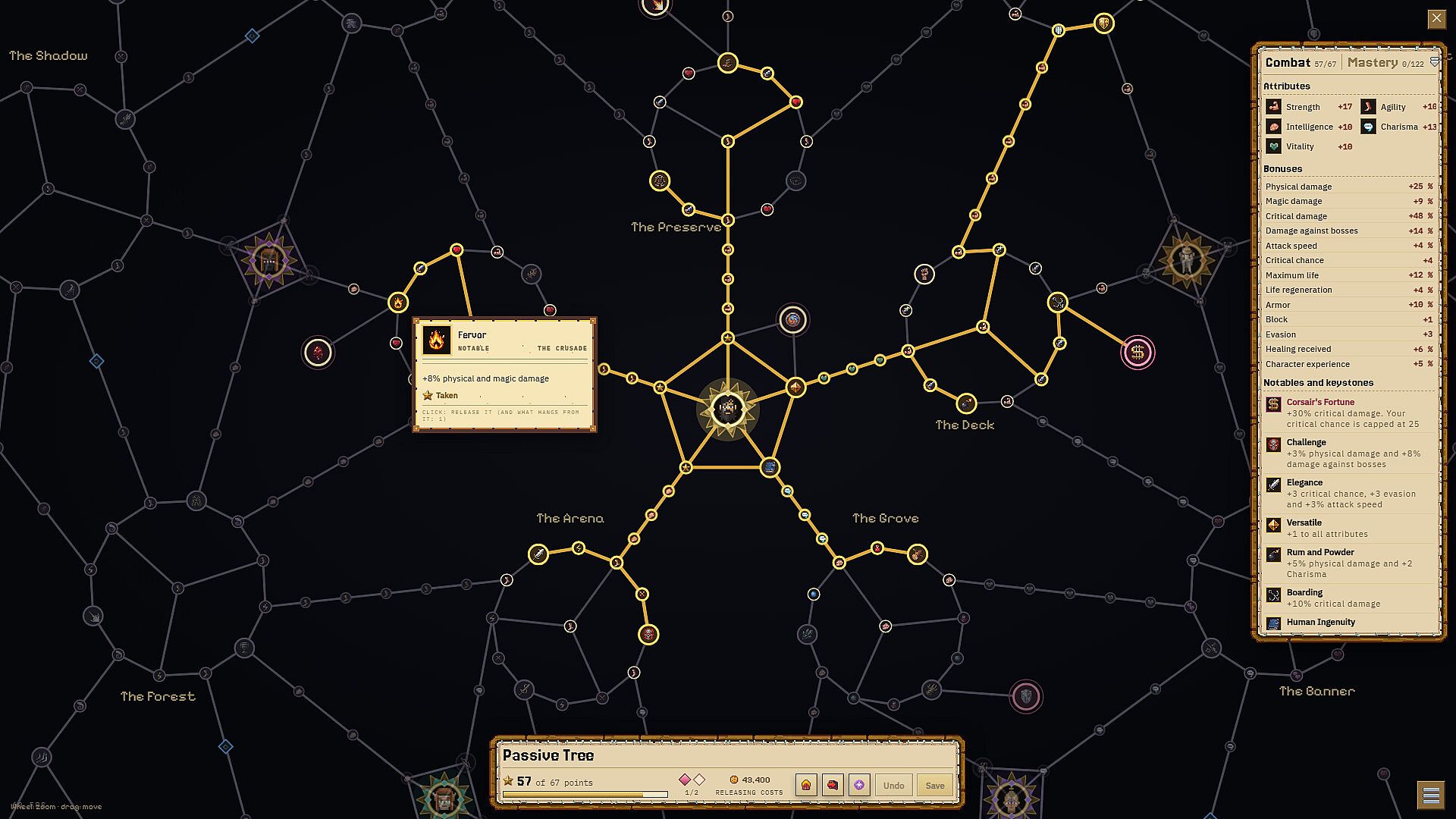
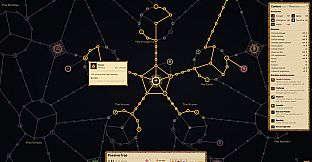
Progression deepens through spells, war cries, socketed gems, and a passive tree that supports long term planning across any class. A taskbar mode shrinks the game into a transparent strip that stays visible above the Windows taskbar, showing health, loot, and expedition logs at a glance. Double clicking returns to the full interface. Housing starts small and expands into workshops and farms, while mini pets and achievements add further layers of collection.
Game Modes
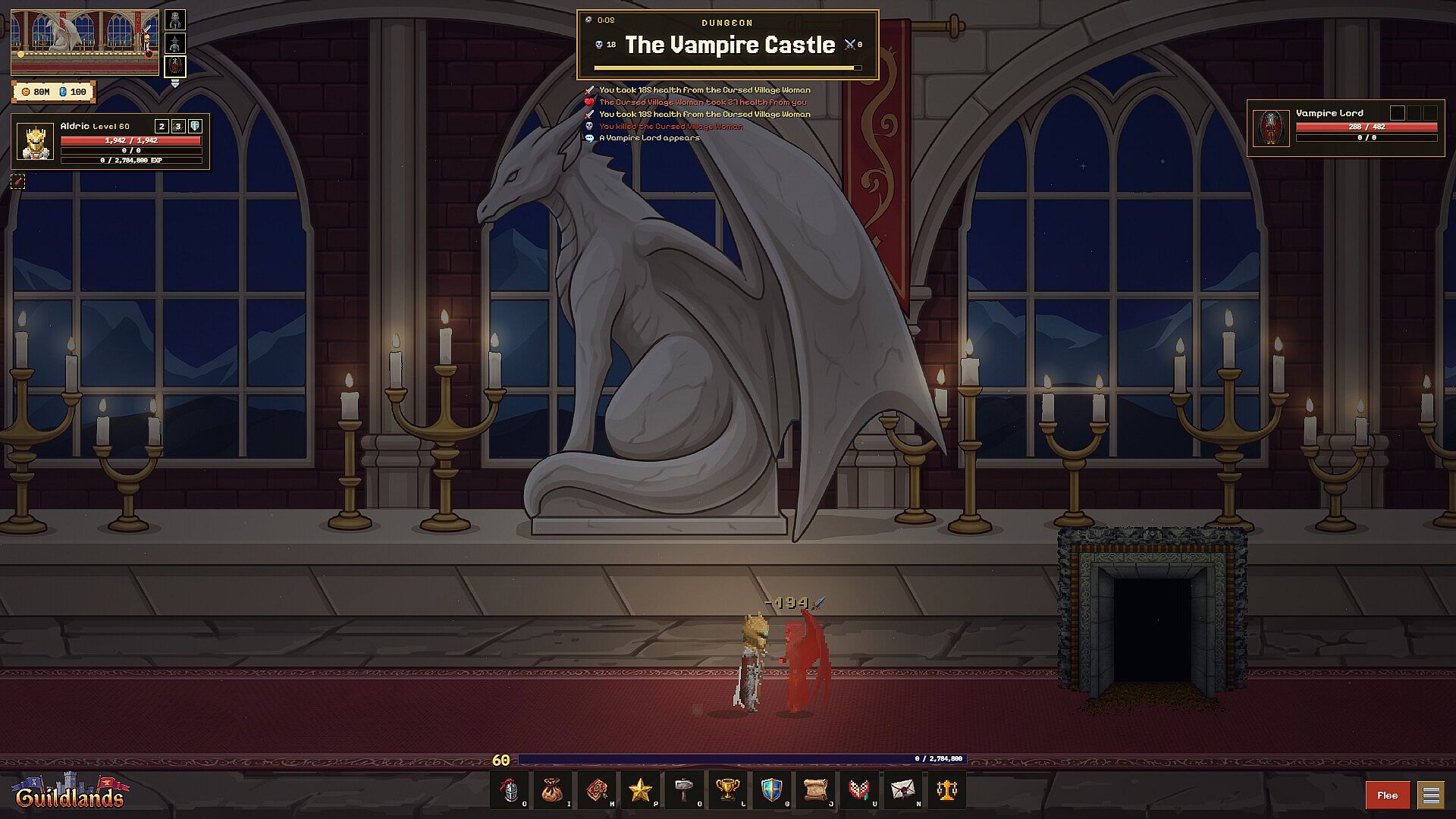
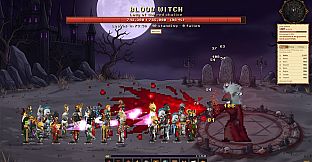
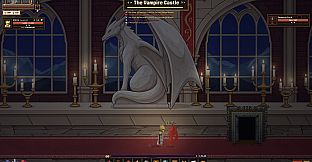
Expeditions form the backbone of solo and background play, running automatically with the game closed and delivering results based on real stats from equipped gear. Adventures, missions, and dungeons unfold in the same way, with every strike calculated from current health, damage, and armor values. Dungeons support group play where clans coordinate in formation to tackle waves and bosses.
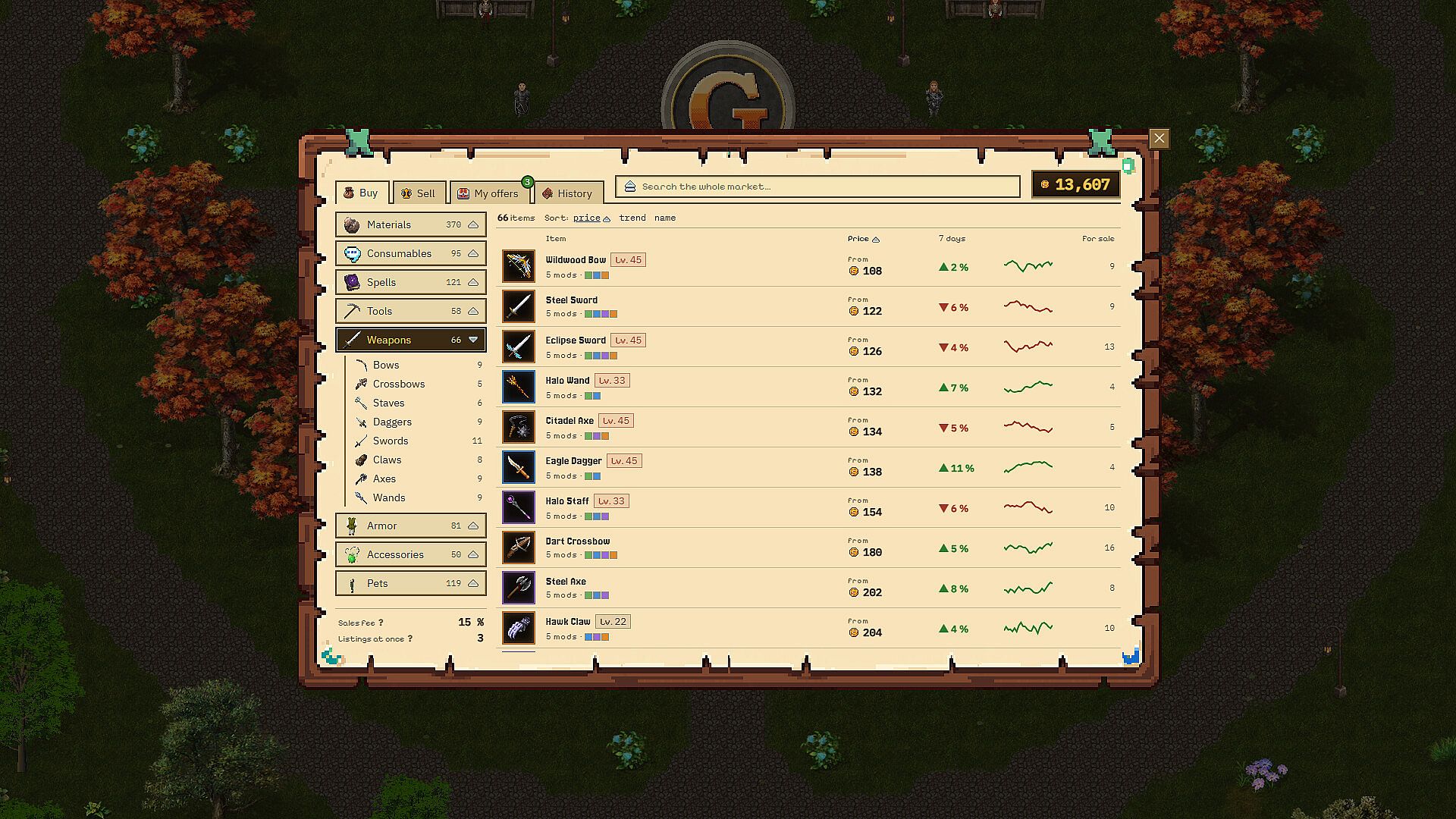
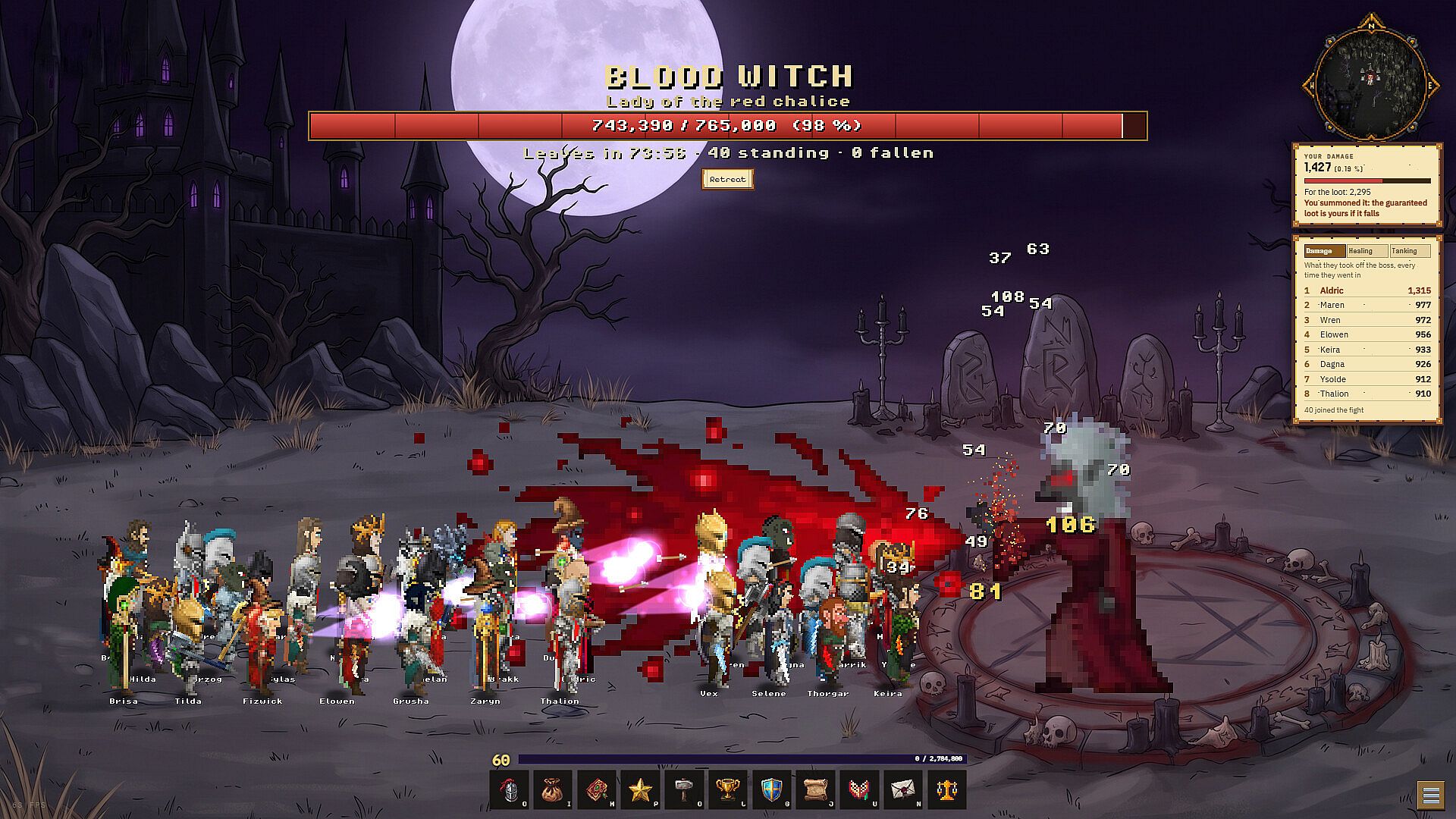
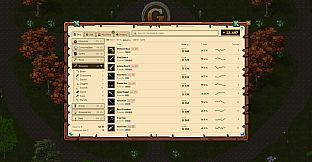
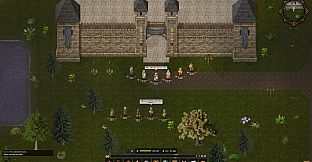
Clans provide structured multiplayer through weekly missions, honor rewards for clan armor, daily world bosses, and competition over a single contested castle that requires coordinated attacks to claim or defend. Duels offer one on one matches with customizable rules such as no spells or no potions, available in open or private rooms. The player driven market lets anyone list crafted or looted items in gold, with prices determined entirely by supply and demand rather than fixed vendor values.
Shared World and Economy
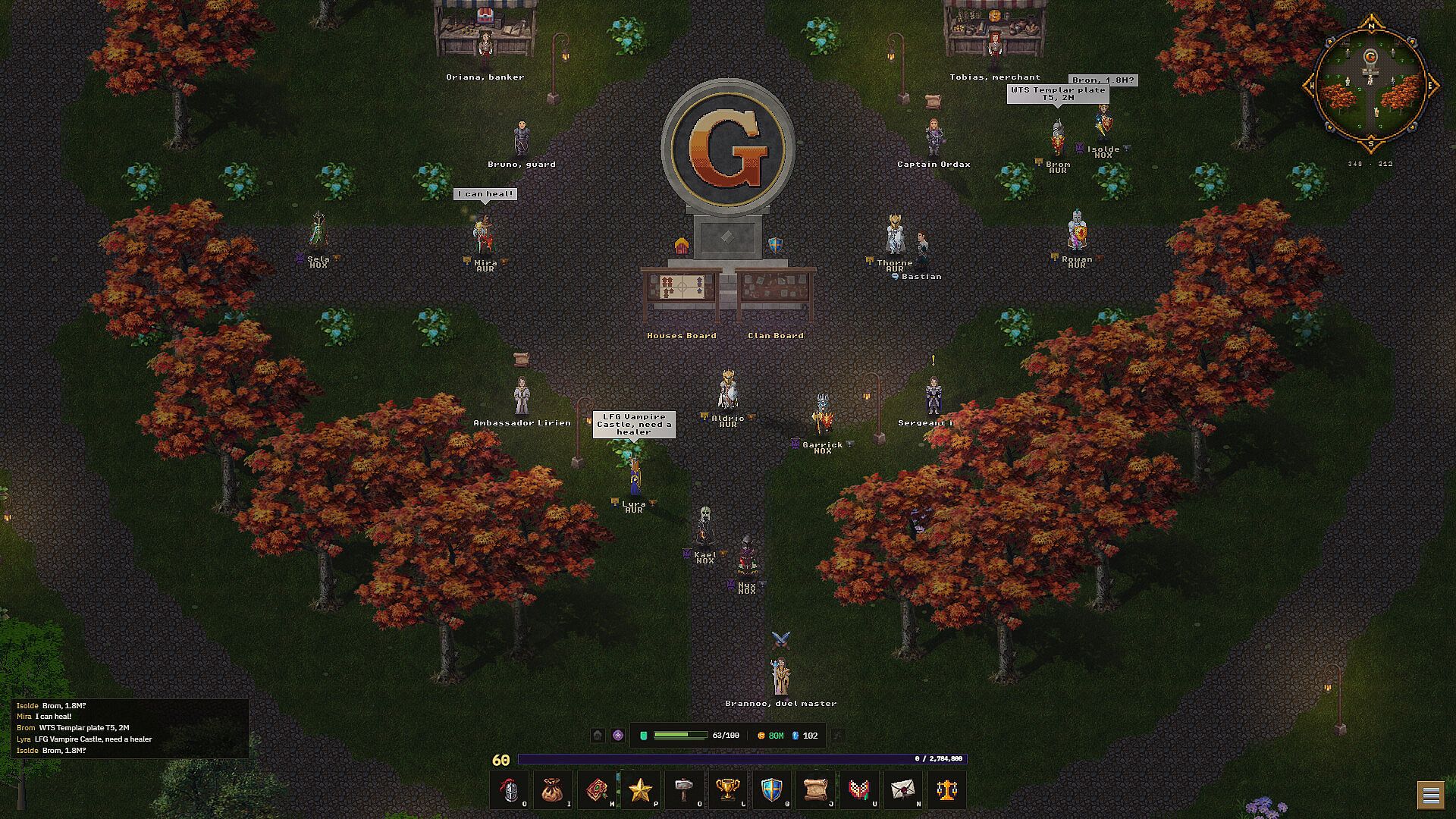
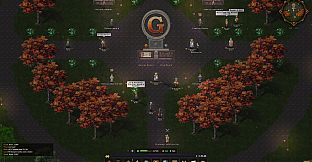
Aurelia operates as one persistent map where every player interacts on the same servers. Resources and crafting feed directly into the economy, and unsold gear finds buyers among others pursuing different builds. Clans raise banners and compete for resources and prestige, while individual players handle personal progression through professions and expeditions at their own pace.
Is It Worth Playing?
Guildlands suits players who enjoy idle mechanics combined with meaningful crafting and social systems. The visible gear system and taskbar integration set it apart from typical idle titles, while the player market and clan castle mechanics reward consistent participation without requiring nonstop grinding. Recent updates have added trading between players, expanded language support, group dungeon options, and duels, showing ongoing development for the free to play model.
Those drawn to pixel art worlds, flexible class builds, and asynchronous multiplayer will find steady progression and community driven content. The absence of pay to win barriers for core systems keeps focus on skill in crafting, market timing, and clan coordination. If background progression with occasional deep dives into dungeons or clan events appeals, the game delivers a distinctive experience worth trying at no cost.