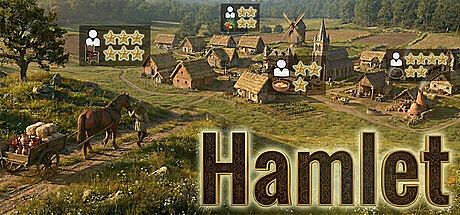


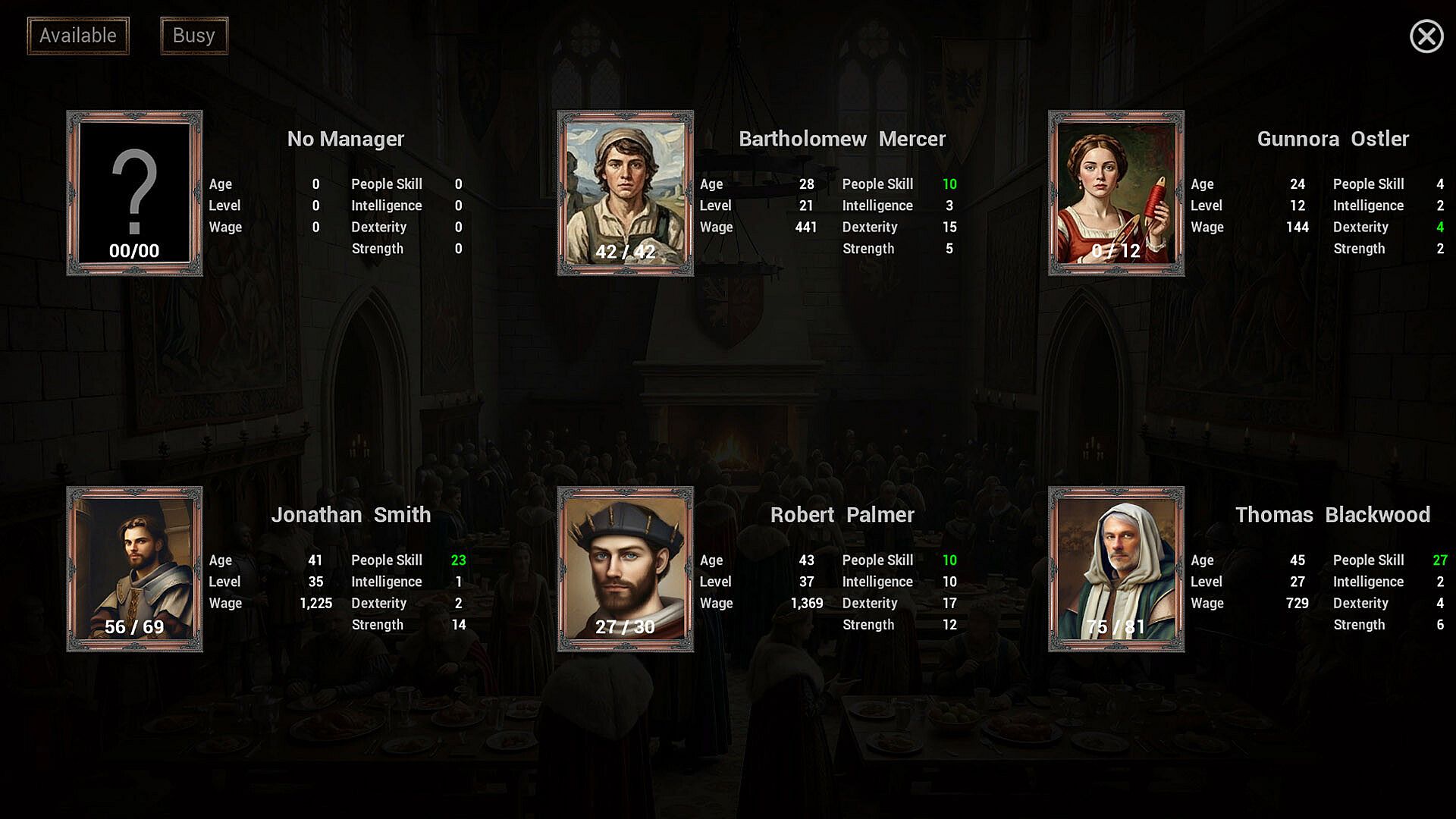
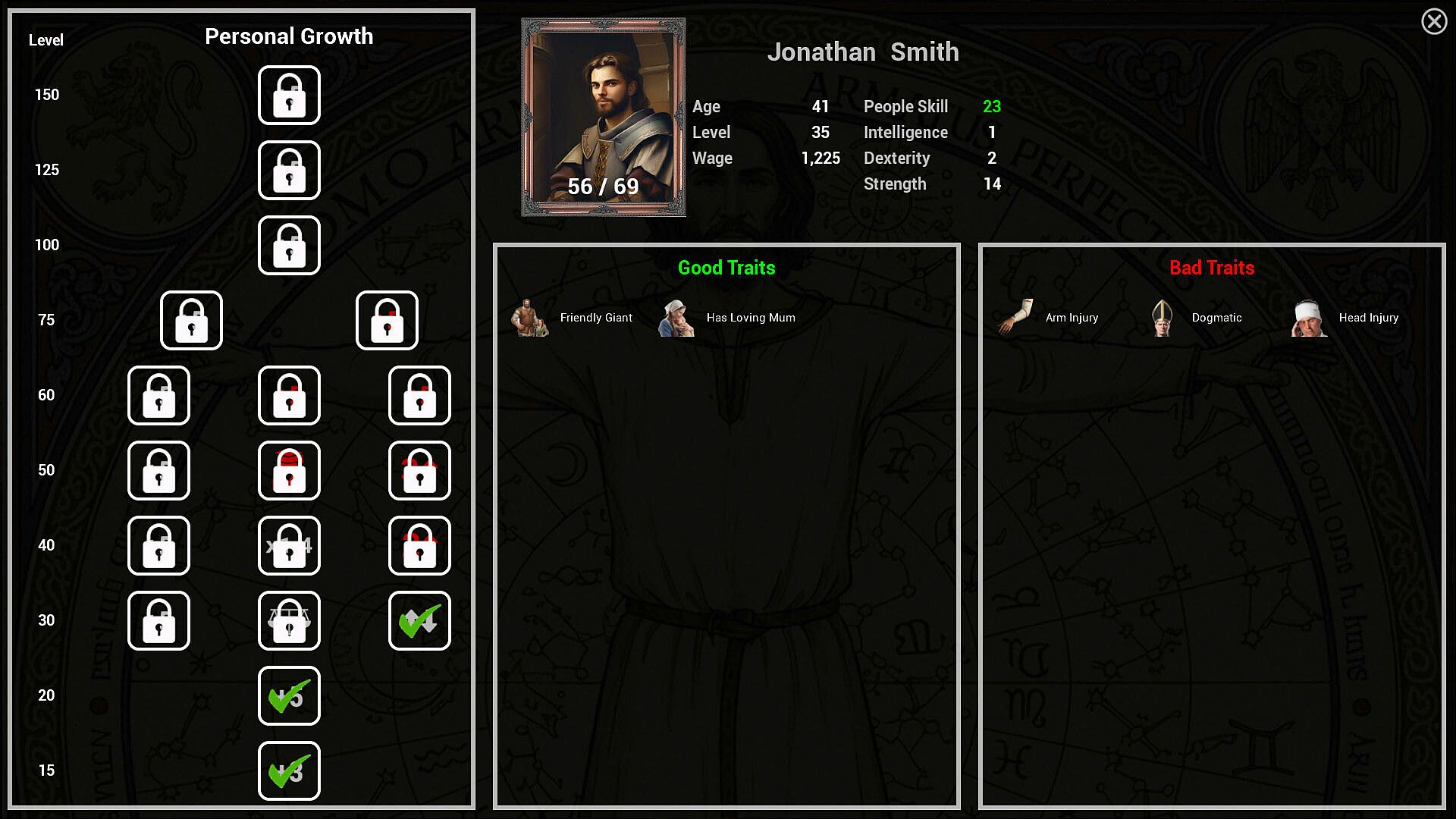
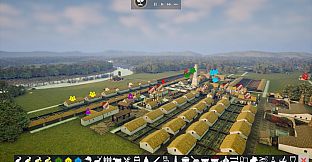
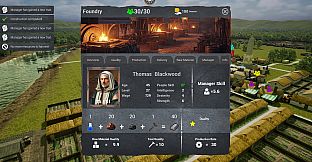
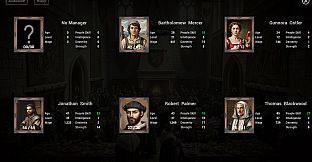
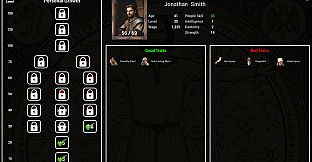
Hamlet to symulacja strategiczna osadzona w średniowiecznej osadzie, w której każdy aspekt rozwoju gospodarczego i produkcji zależy od decyzji poszczególnych zarządców. Gracz rekrutuje, rozwija i balansuje ponad 50 unikalnych postaci - każda z własnymi doświadczeniami, cechami i umiejętnościami, które wpływają na jakość, tempo pracy oraz ogólną kondycję osady. Kluczowe jest długoterminowe planowanie z uwzględnieniem ludzkiego czynnika: zarządców, którzy starzeją się, chorują lub osiągają przełomy wpływające na całe warsztaty i łańcuchy dostaw.
Rozgrywka
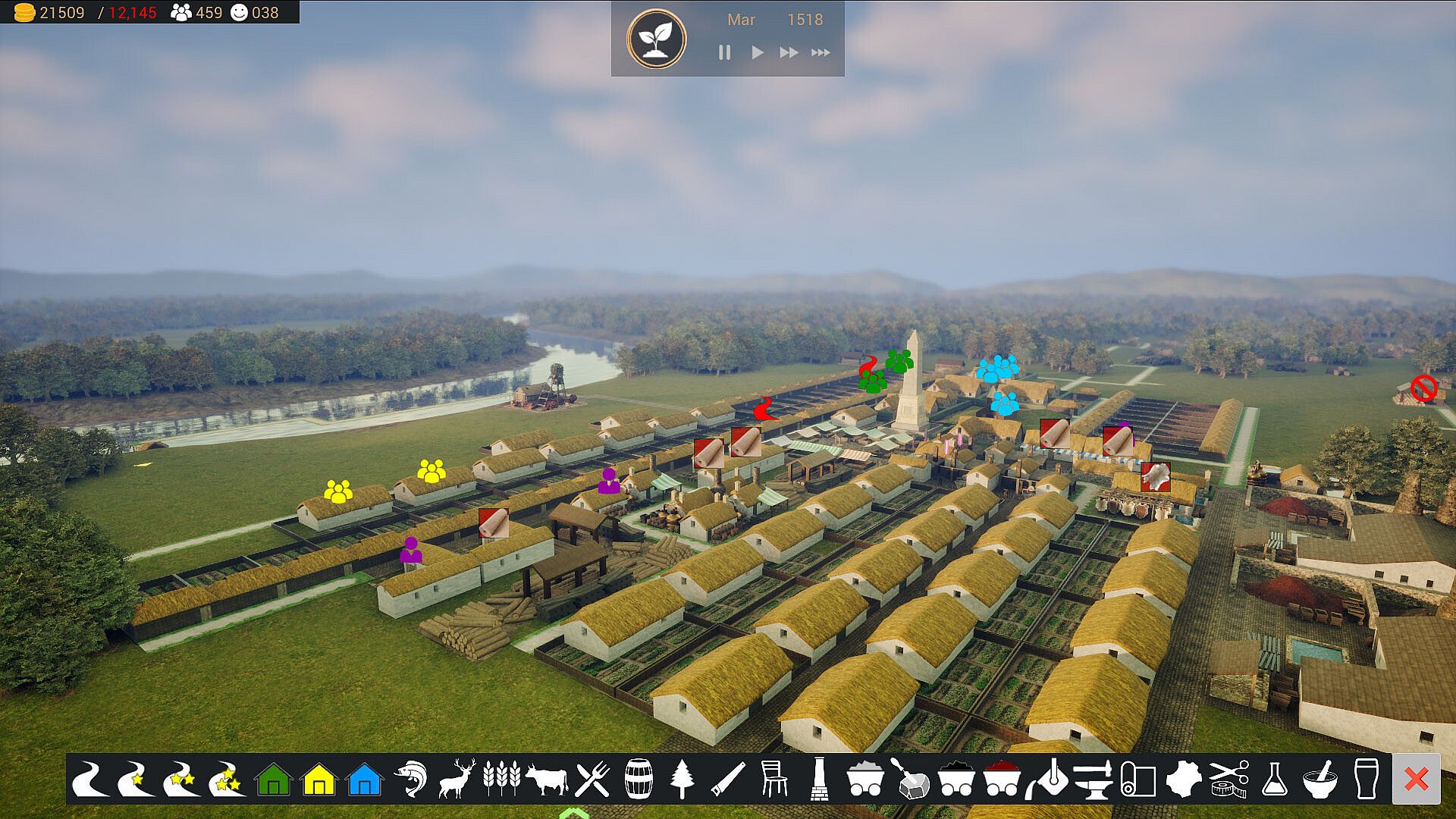
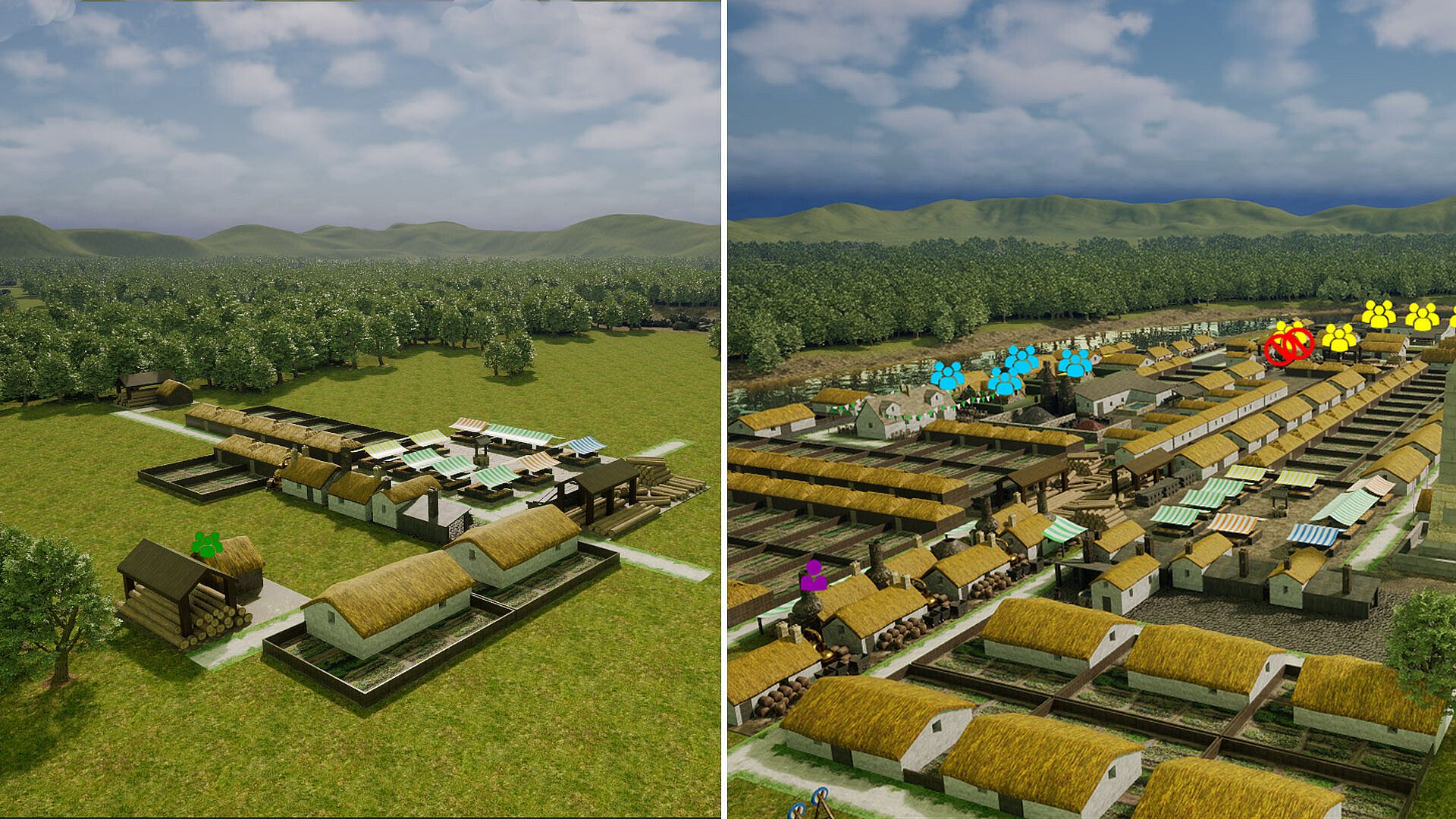
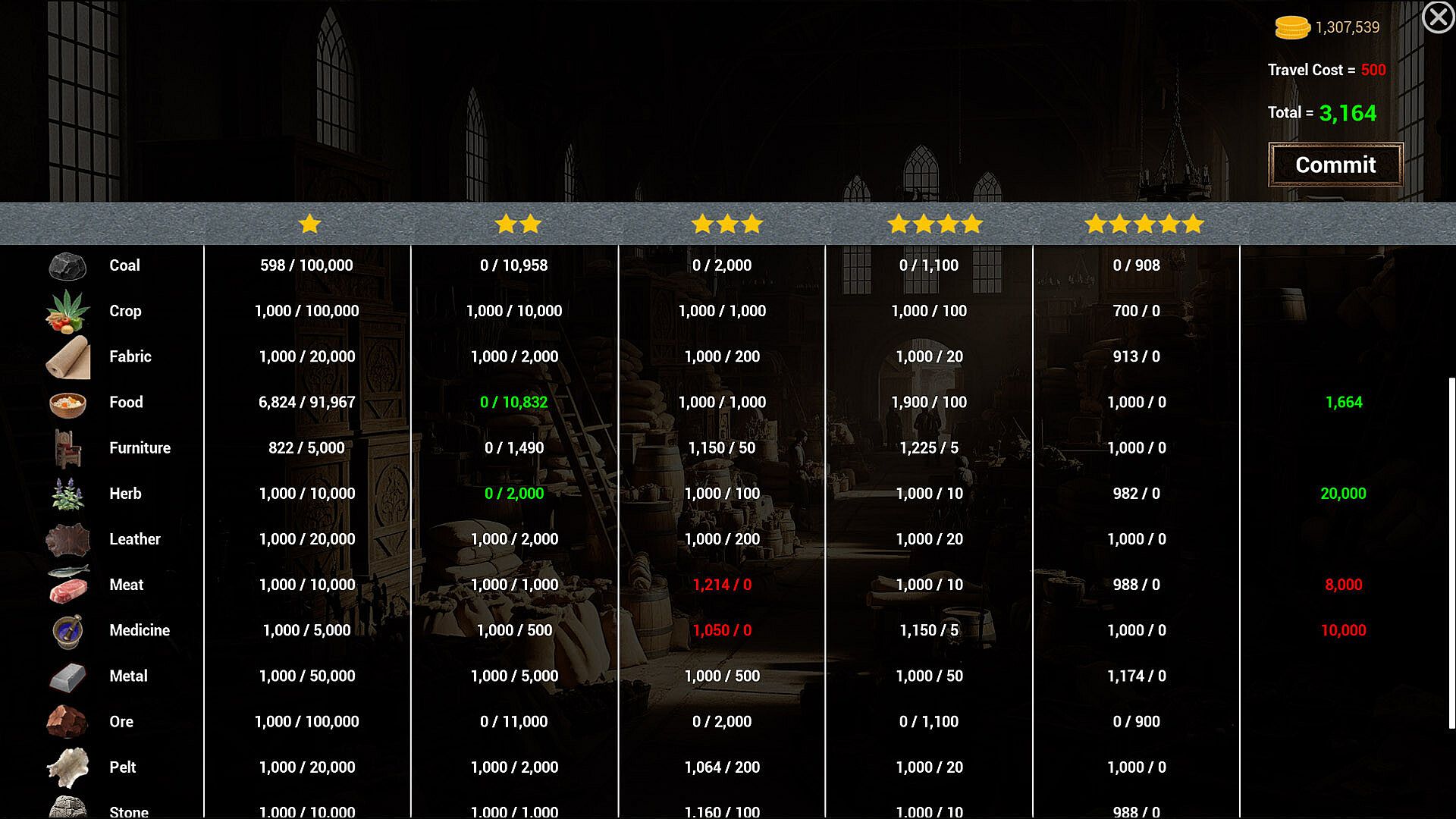
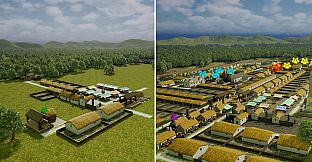
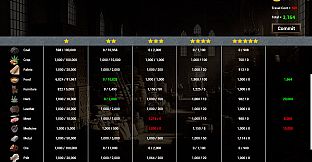
Podstawą rozgrywki jest budowa i optymalizacja układu osady przy jednoczesnym zarządzaniu wyspecjalizowaną załogą. Bliskość mieszkań, udogodnień, dróg i budynków produkcyjnych bezpośrednio przekłada się na efektywność - układ urbanistyczny i infrastruktura społeczna tworzą wzajemnie zależny system. Surowce przechodzą przez wieloetapowe łańcuchy produkcyjne, a wiedza i doświadczenie zarządców decydują nie tylko o ilości, ale przede wszystkim o jakości i wartości rynkowej gotowych produktów.
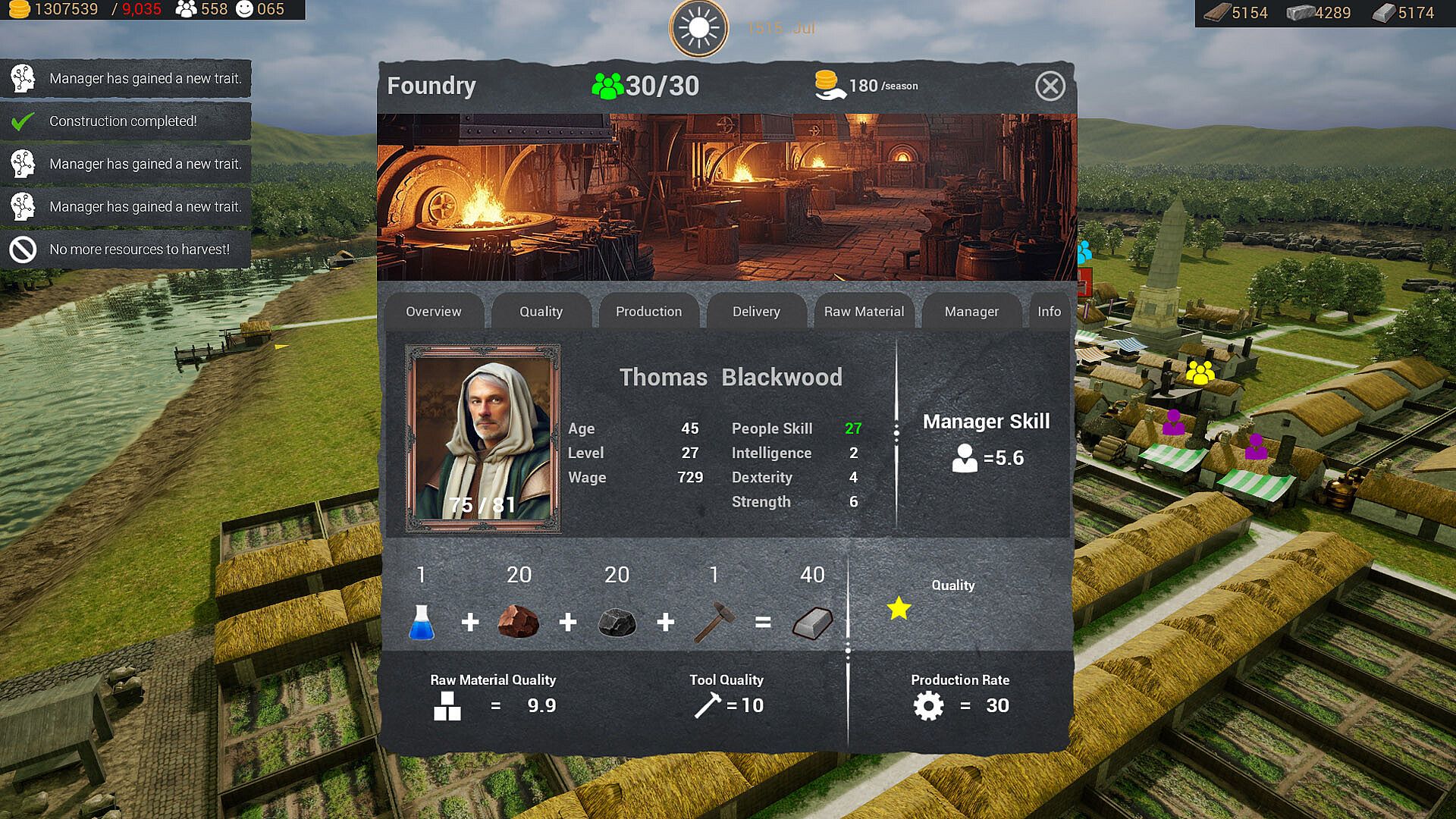
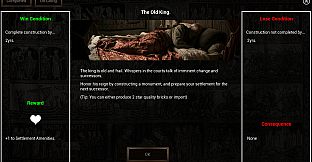
Odpowiednie przypisanie specjalisty do warsztatu potrafi zamienić przeciętną produkcję w wysokowydajną linię. Gdy kluczowa postać - na przykład mistrz kowalstwa - odejdzie lub straci zdolność do pracy, skutki odczuwa cała gospodarka. Wymaga to przemyślanej polityki sukcesji i rozwoju młodszych rekrutów. Symulacja nagradza precyzyjne planowanie - każda decyzja dotycząca inwestycji, szkoleń czy nawet rezygnacji z mniej efektywnych pracowników ma długofalowe konsekwencje dla przetrwania i rozwoju osady.
Tryby gry
Tryb Łatwy zapewnia spokojniejsze tempo dla graczy szukających bardziej refleksyjnej rozgrywki bez silnej presji. Główny tryb symulacji stawia natomiast na ścisłą efektywność, złożone bilansowanie produkcji i dalekosiężne planowanie, odpowiadając preferencjom osób lubiących podejście min/max. Elementy związane z zaopatrzeniem militarnym są w trakcie prac i pojawią się w przyszłych aktualizacjach, zmieniając nacisk na wsparcie gospodarcze dla sił zbrojnych.
Mechaniki prestiżu i atrakcyjności, również planowane na późniejsze aktualizacje, powiążą estetykę, bezpieczeństwo i udogodnienia osady z możliwością pozyskiwania elitarnych talentów spoza początkowego obszaru. Dodadzą one kolejną warstwę decyzji przy planowaniu zabudowy, łącząc strategię produkcyjną z budowaniem statusu.
Systemy ekonomiczne i rozwój zarządców
Łańcuchy produkcyjne wymagają precyzyjnej koordynacji na wielu etapach, a cechy zarządców modyfikują podstawowe parametry - jakość wyrobów i wydajność przetwarzania surowców. Ponad 50 dostępnych postaci różni się potencjałem: niektóre rozwijają się wraz z inwestycjami, inne osiągają pułap możliwości lub stają się obciążeniem. Sukcesja nabiera kluczowego znaczenia - starzenie się i śmiertelność zmuszają gracza do przygotowywania następców, by uniknąć załamań w kluczowych dziedzinach, takich jak kowalstwo czy rzemiosło.
Decyzje dotyczące układu osady wzmacniają te zależności. Bliskość mieszkań do targowisk i udogodnień poprawia wydajność zarządców, natomiast słaba sieć dróg lub niewłaściwa alokacja zasobów tworzy wąskie gardła. System traktuje osadę jako powiązany ekosystem, w którym układ przestrzenny i zarządzanie załogą są nierozerwalnie połączone.
Czy warto zagrać?
Hamlet kierowany jest do graczy preferujących strategie ekonomiczne i optymalizację nad przytulne budowanie czy taktykę czasu rzeczywistego. Nacisk na produkcję napędzaną przez postacie oraz długoterminowe planowanie sukcesji tworzy unikalne doświadczenie symulacyjne, które nagradza analityczne myślenie i precyzyjne zarządzanie zasobami. Osoby lubujące się w city builderach z elementami min/max i ludzkim czynnikiem znajdą tu angażujące mechaniki, a tryb łatwy zapewnia przystępny start szerszej grupie odbiorców. Gra pozostaje w fazie aktywnego rozwoju - planowane są dodatki związane z wojskowością i mechaniką prestiżu, dlatego obecna wersja skupia się na rdzeniu zarządzania zarządcami i gospodarką.