

Heirs to the Realm is a real-time strategy game set on PC where players command armies of mice, badgers, hares, and rats in a post-apocalyptic world. A thousand years after the old realm shattered, four peoples emerge to reclaim fertile lands dotted with ancient ruins. The core conflict stems from a fragmented prophecy about who will inherit the realm, driving all sides into conflict despite the shared history.
Gameplay
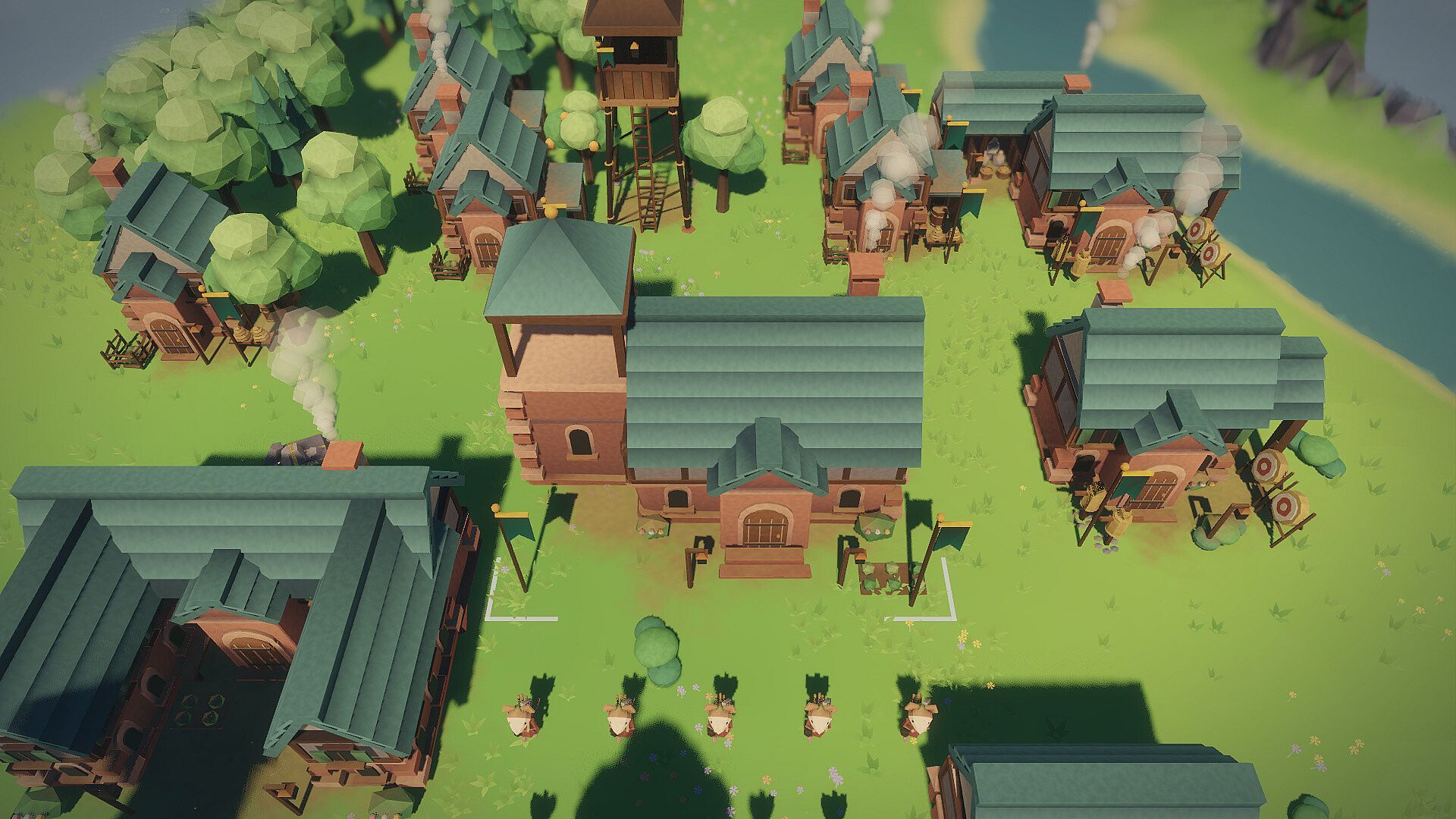
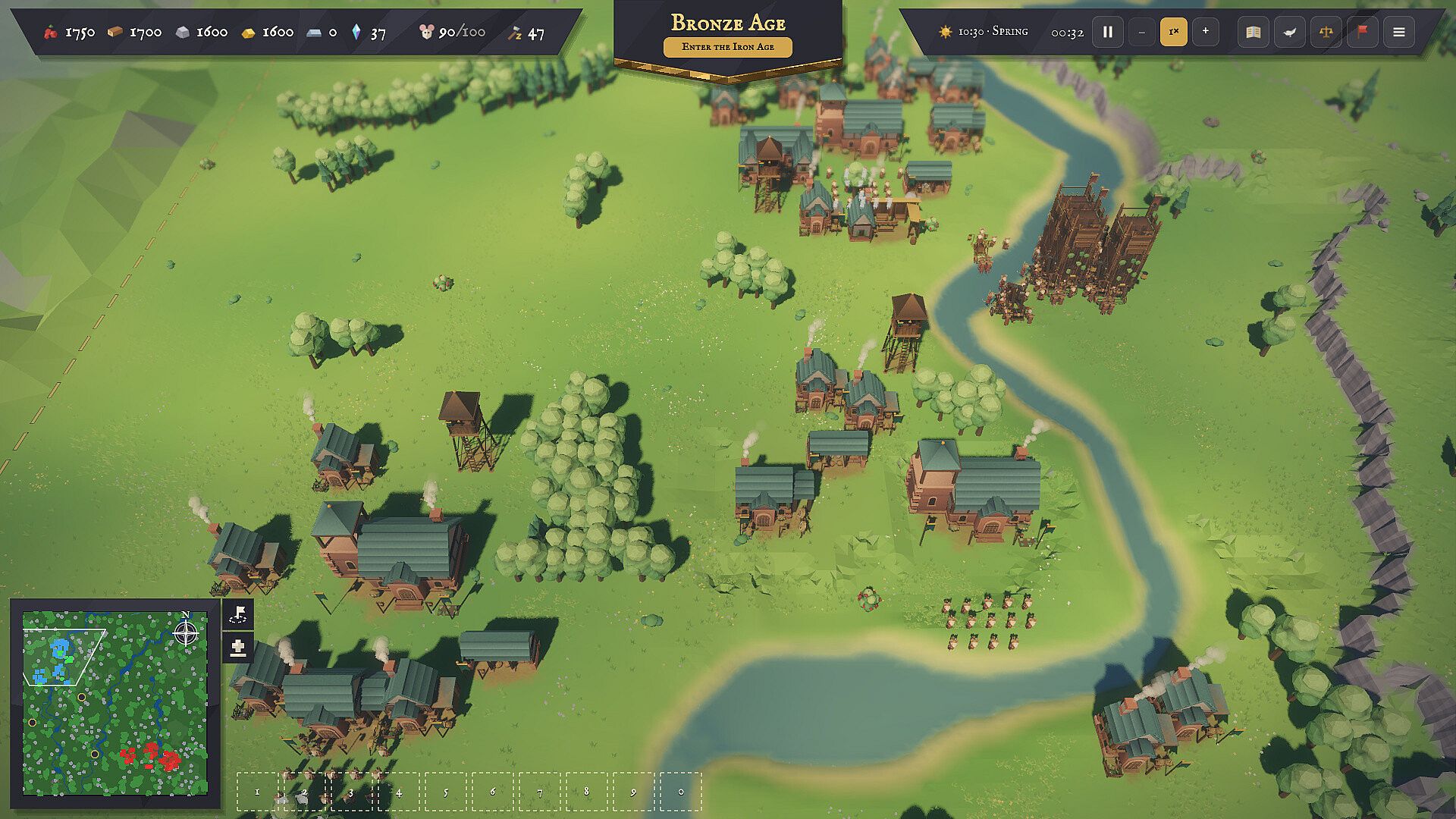
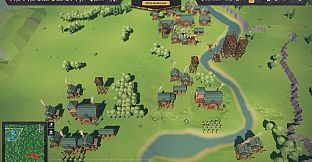
Players begin with a town hall and a small group of citizens. They gather resources including food, wood, stone, and gold, then construct cottages, storehouses, and eventually fields once farming technology is unlocked. Settlements expand territory outward, turning growth into a contest for map control. Three technological ages structure progression from the Stone Age through the Bronze Age to the Iron Age, unlocking new buildings, unit appearances, and capabilities at each stage.
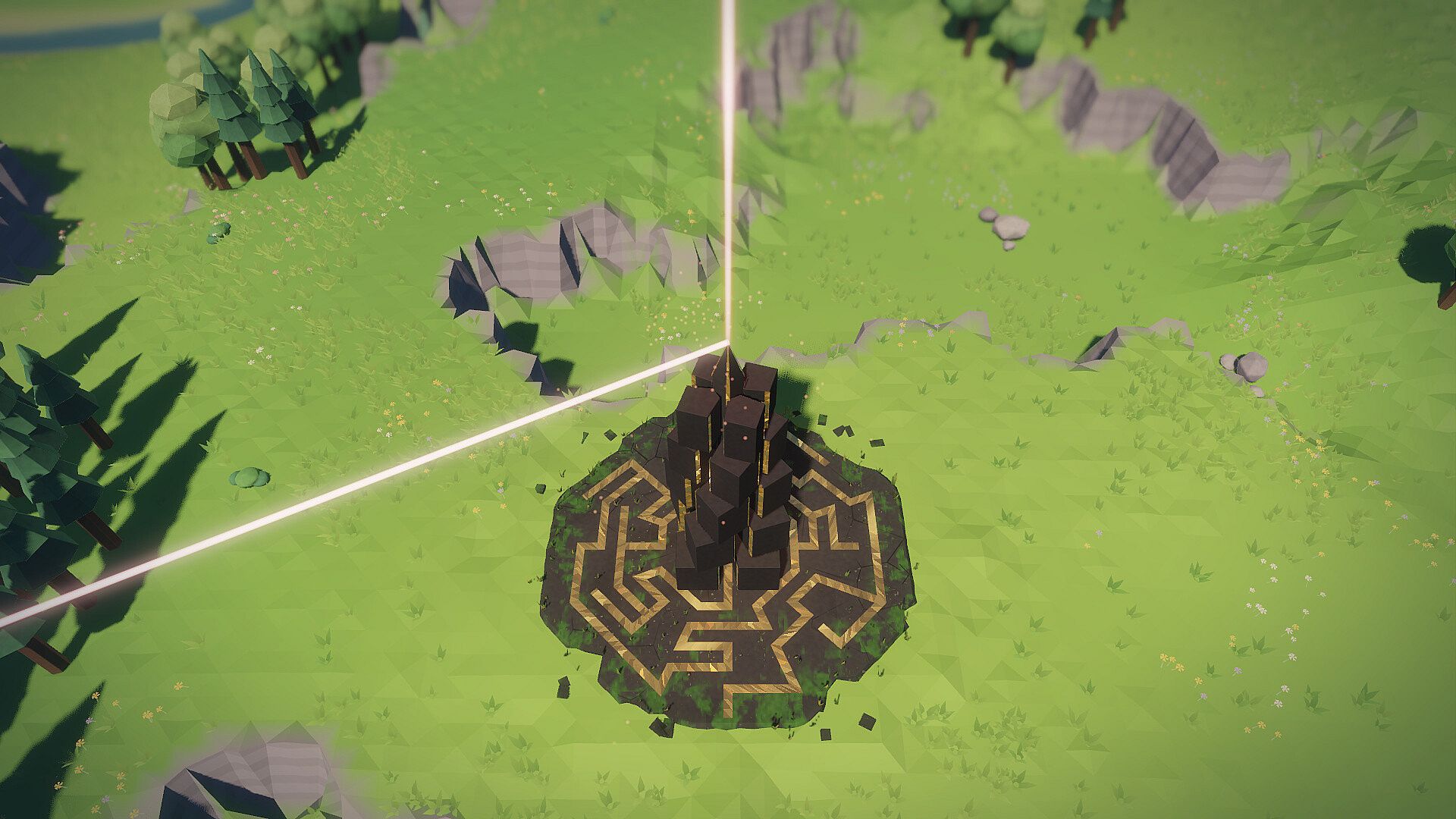
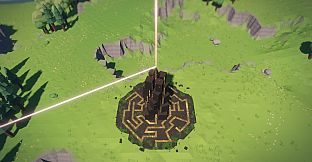
The Chronicle system lets players earn Lore points and invest them in research paths covering improved farming, tools, weapons, and armor. Ancient spires scattered across the map provide bonuses when held, granting extra Lore and extended vision while forming visible light connections between controlled sites. Land can be altered through bridges over rivers, tunnels through ridges, and defensive structures such as palisades, gates, and towers.
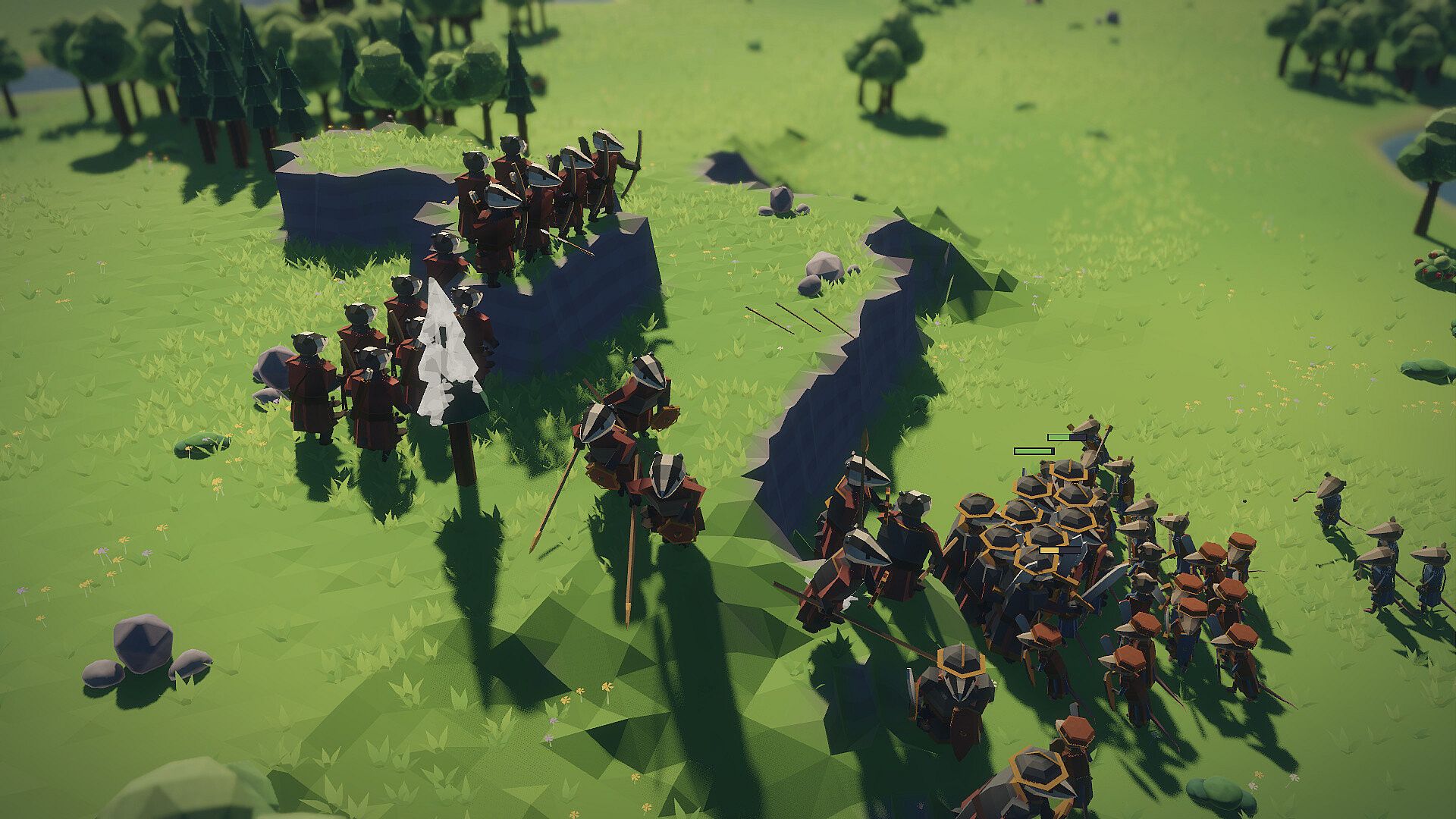
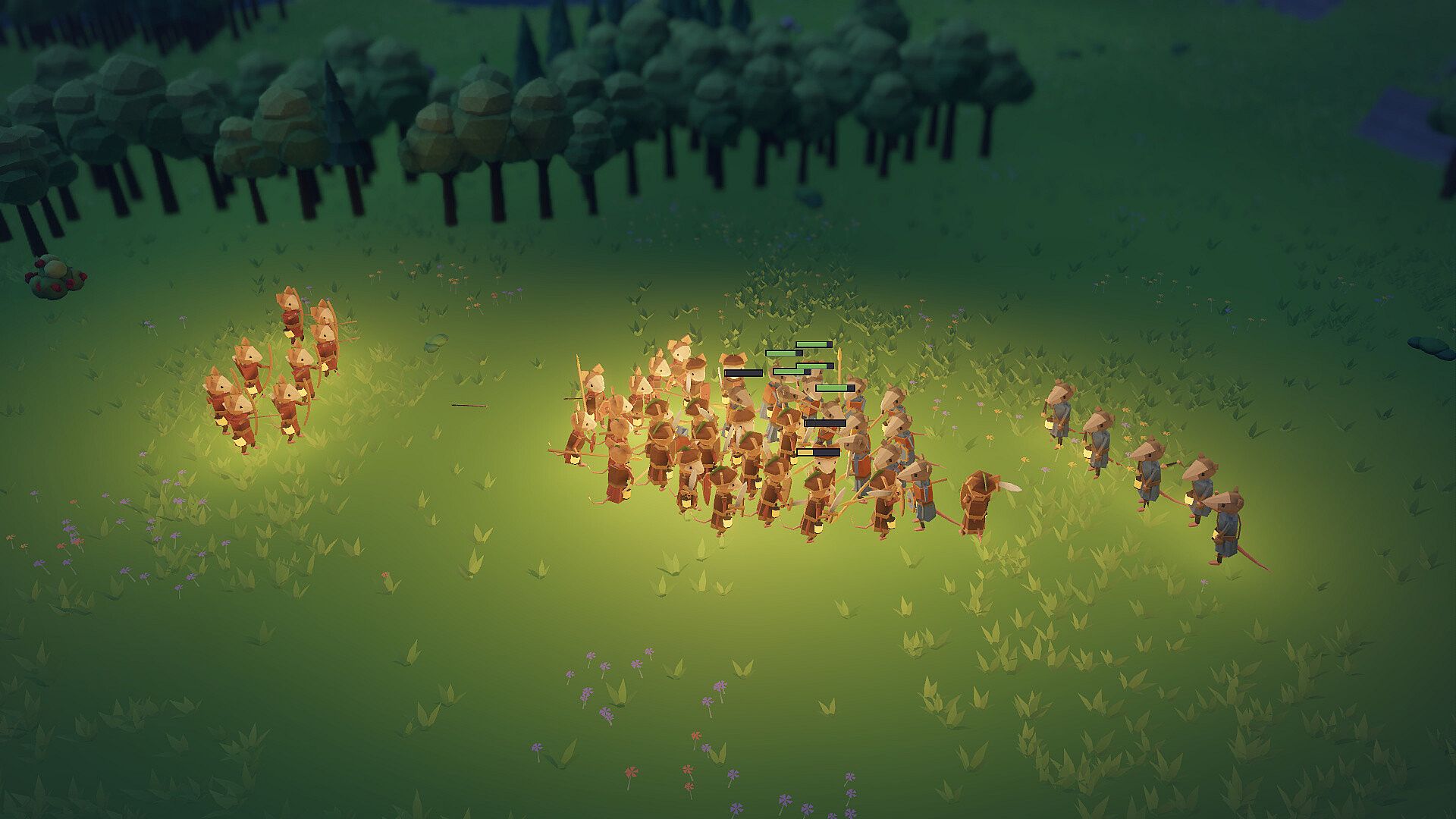
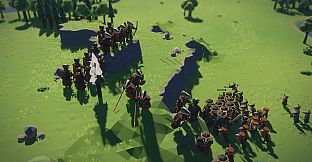
Combat features units that include clubmen, spearmen, hoplites, pikemen, slingers, archers, crossbowmen, cavalry, and siege engines like catapults, ballistae, and trebuchets. Projectiles travel realistically and must connect with targets, with siege stones creating craters on impact. Armies can be ordered into formations that automatically arrange by role, placing spears forward, ranged units behind, and siege equipment at the rear. Siege warfare involves battering walls or deploying towers to scale them. Each faction rides distinct mounts: war toads for mice, cave boars for badgers, roe deer for hares, and vent lizards for rats.
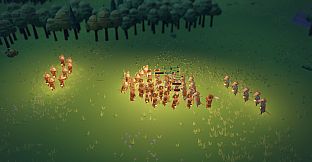
Environmental factors add layers to planning. Day and night cycles illuminate soldiers with lanterns during darkness, reducing visibility range and encouraging timed raids. Seasons change the landscape with falling leaves, accumulating snow that slows movement, and rain that further limits sight lines, while campfires provide warmth and healing. Fog of war covers unexplored areas in rolling mist, revealed by scouts, towers, and lanterns, with ridges blocking line of sight. The AI operates under identical visibility constraints. Maps generate procedurally from seeds, creating varied layouts of rivers, ridges, plateaus, woods, and fords for each playthrough.
Game Modes
Matches support single-player and multiplayer setups against AI opponents and allies. Configurations range from 1v1 to 4v4 team games or free-for-all battles involving up to eight participants. Difficulty levels for AI include Easy, Normal, and Hard. Custom options cover the starting technological age, initial resource stockpile, map size, number of spires, beginning season, and duration of each season. Procedural generation ensures every map differs unless the same seed is reused, allowing players to revisit favored layouts.
Factions and Their Motivations
All four peoples share the same core unit roster for balanced combat, so outcomes depend on tactics rather than inherent advantages. Differences appear in building styles, attire, farming methods, and mounts, along with distinct interpretations of the prophecy. The Rootborn mice preserved the most of the original writing and view the text as literal proof of their claim. The Burdened badgers hold stone-carved records of their past stewardship and believe this history entitles them to the realm. The Swift hares survived the long dark on open ground and interpret survival itself as the mark of the heir. The Teeming rats, who scavenged ruins for generations, suspect the prophecy may lack substance altogether.
Is It Worth Playing?
Heirs to the Realm remains unreleased and listed as coming soon on its primary distribution platform. No player reviews or aggregated ratings exist yet, and no post-launch updates or seasonal content have been confirmed. The game targets enthusiasts of classic real-time strategy who value resource management, technological progression, territorial expansion, and large-scale battles with realistic projectile physics and environmental variables. Those drawn to procedural maps, customizable match settings, and a creature-scale setting with four distinct factions may find the described systems appealing once it launches. Potential buyers should monitor official announcements for the eventual release date and any available demo or early access information before committing.