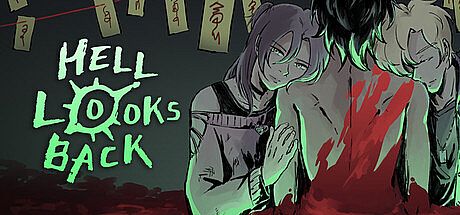


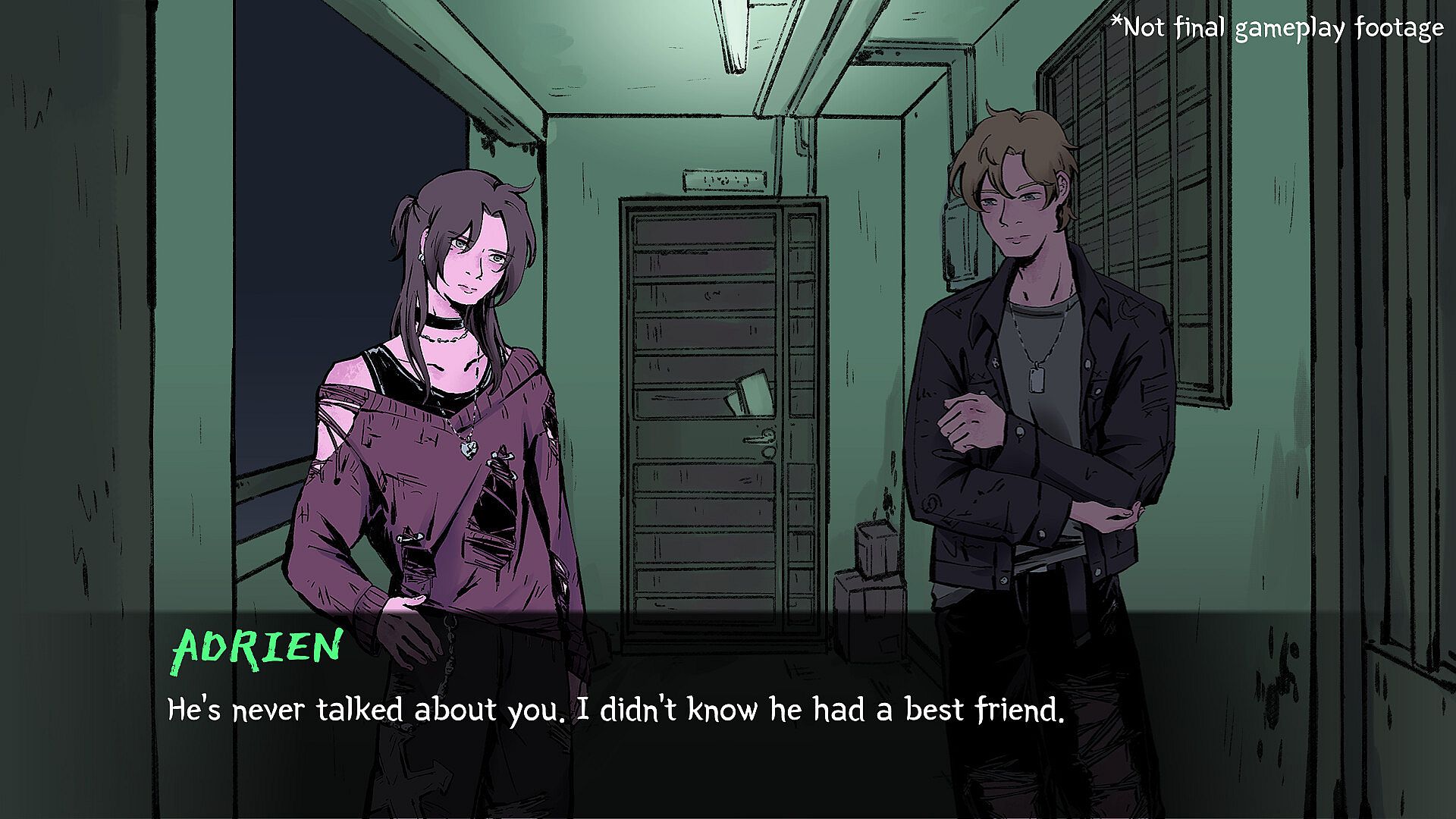
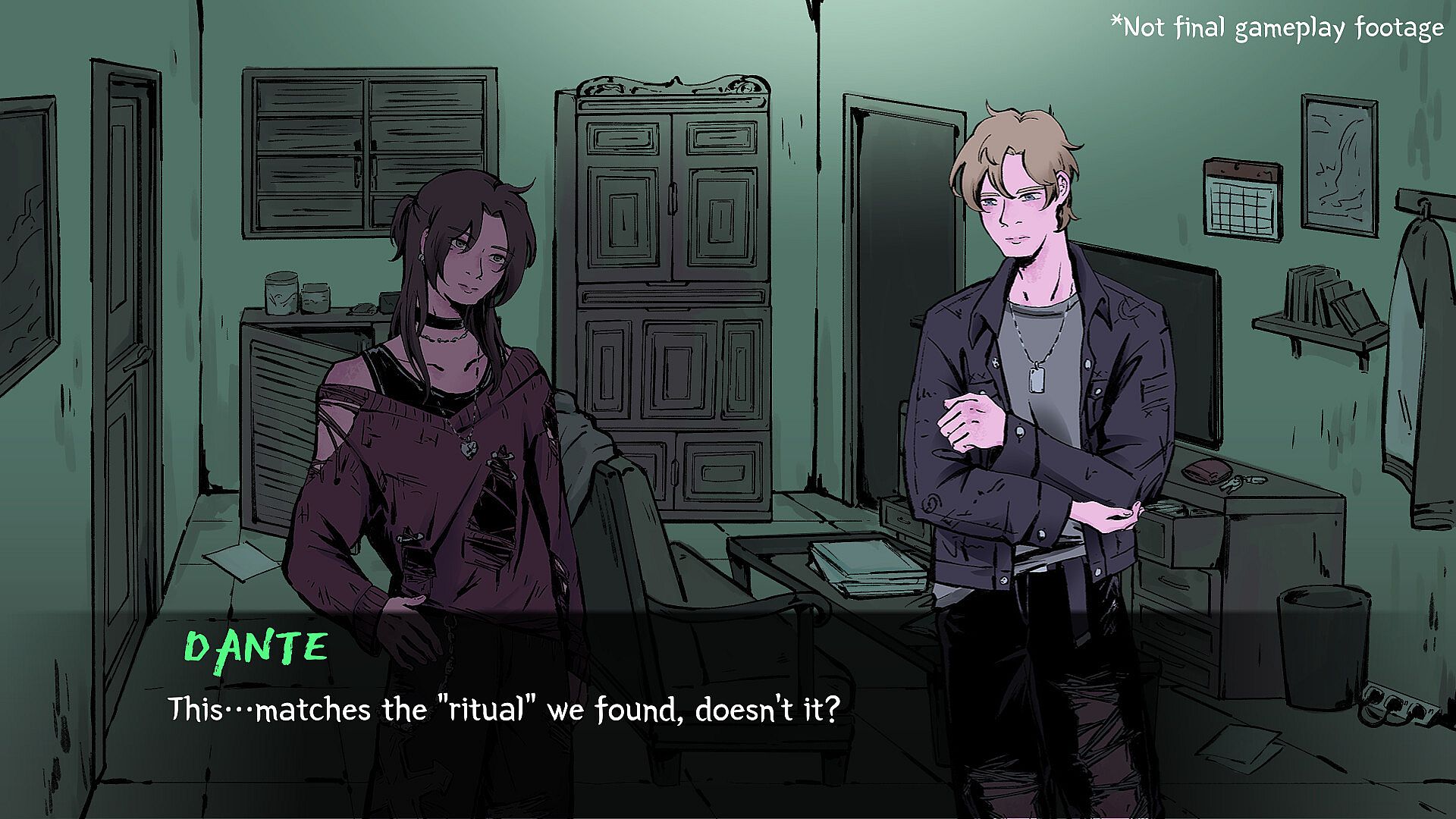
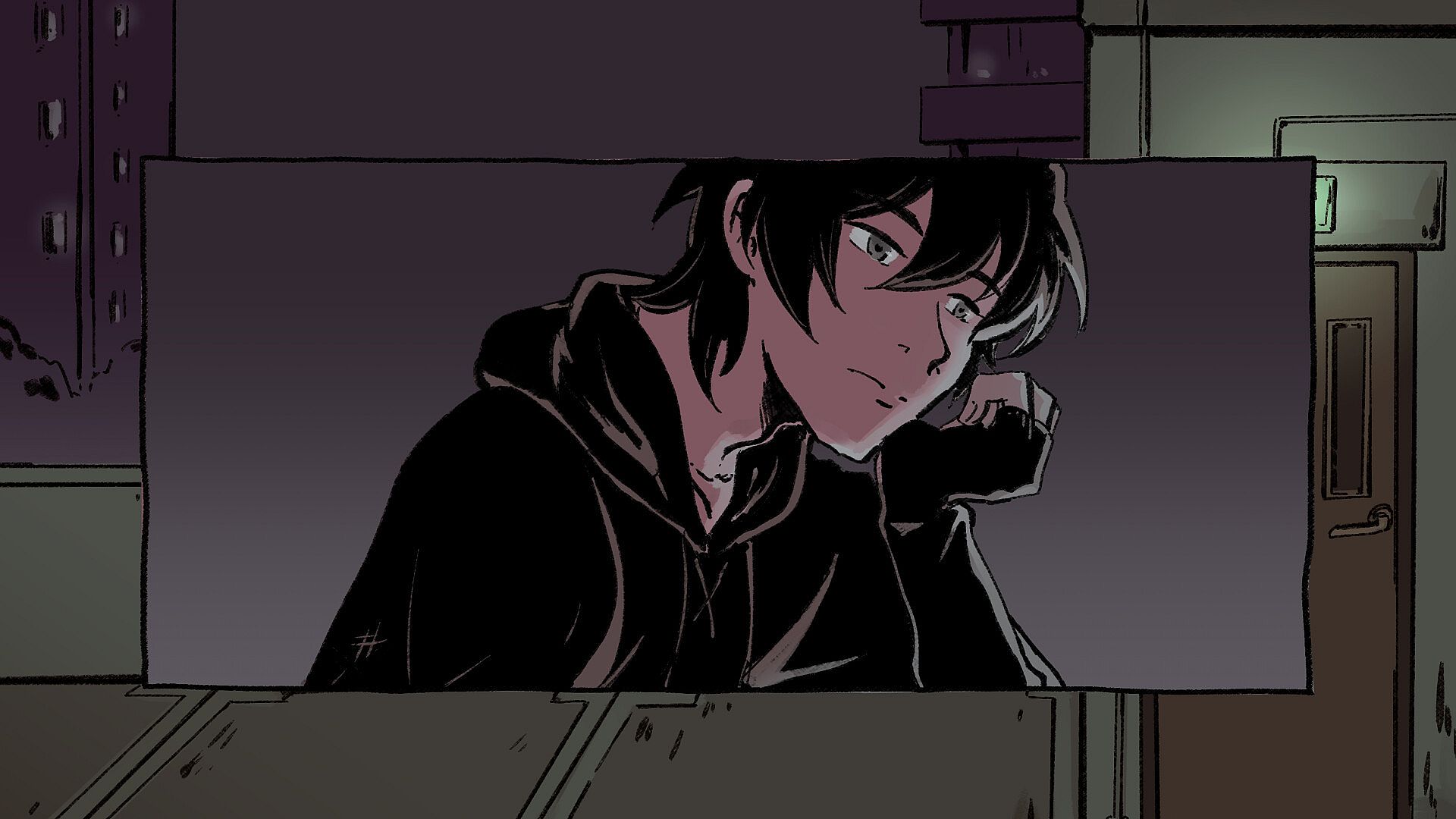



Hell Looks Back is a narrative-driven indie casual game set on PC that follows two men as they search for answers after a sudden disappearance. The story centers on Adrien, who receives an abrupt breakup message from his boyfriend Ellis and later teams up with Ellis's best friend Dante. Their investigation begins in Ellis's apartment and expands into deeper personal revelations before the trail leads them into hell itself.
Gameplay
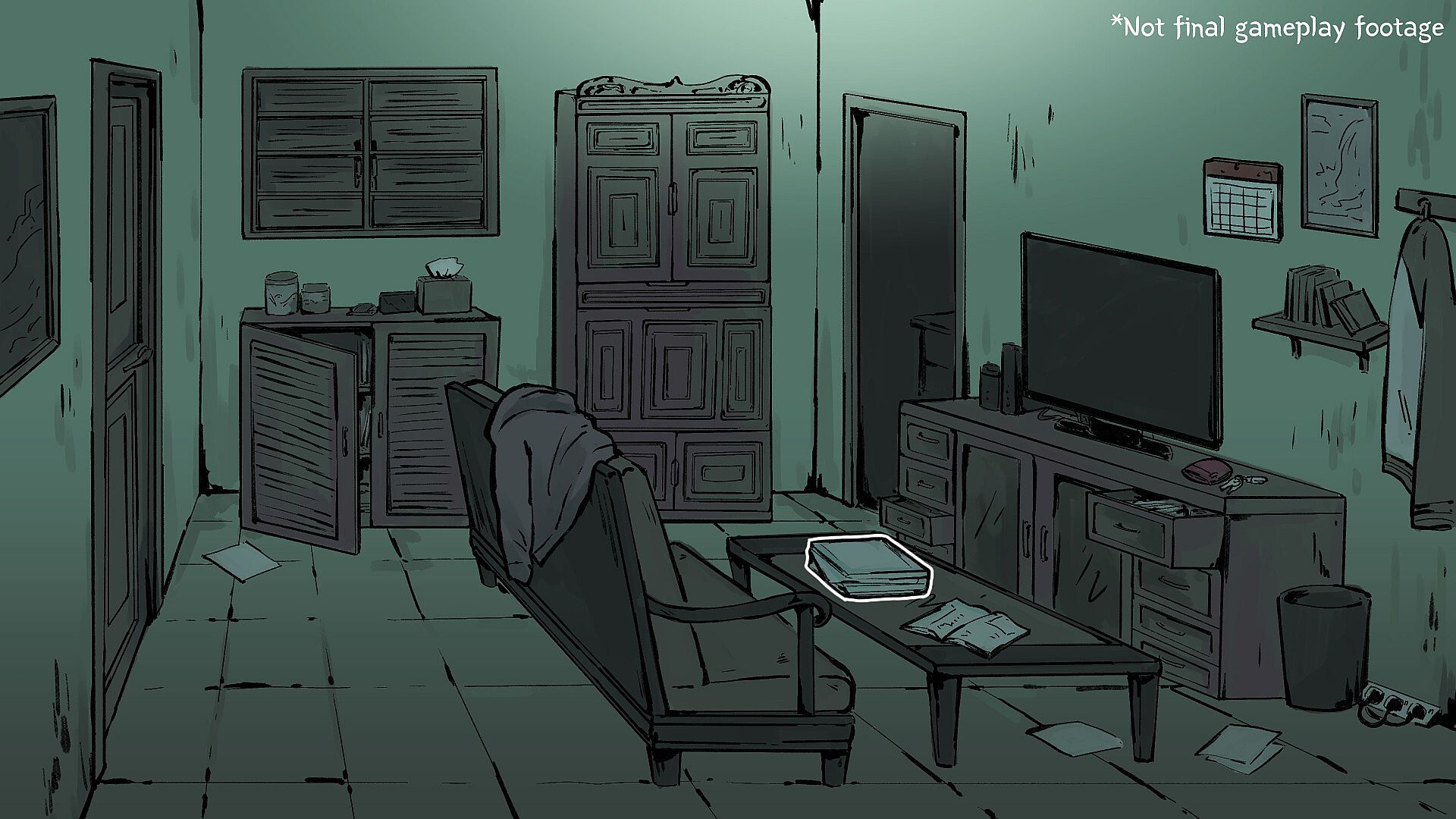
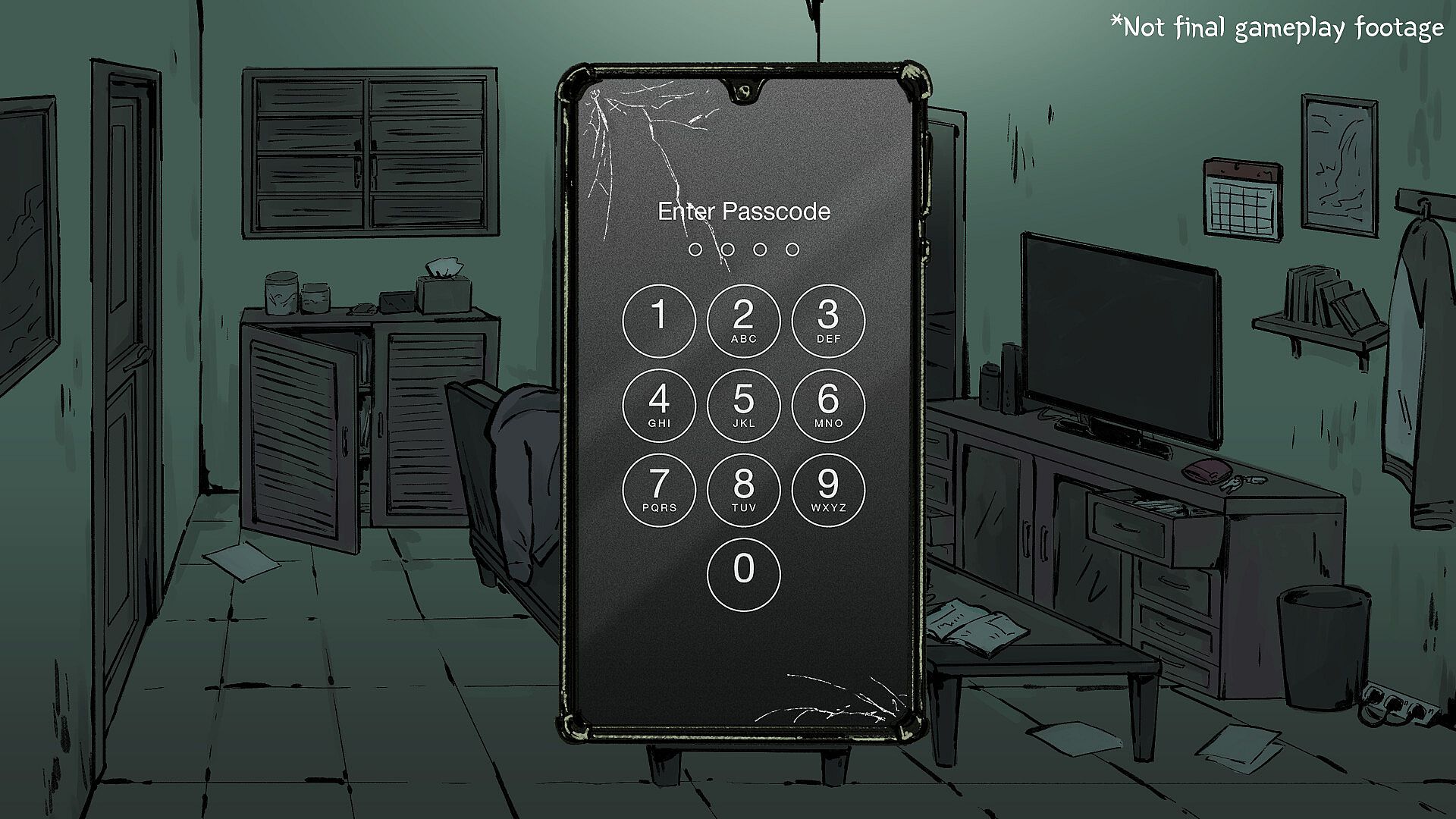
The core experience revolves around examining objects, reading notes, and piecing together fragments of Ellis's life with both Adrien and Dante. Players uncover layers of shared history, including vulnerable moments and less flattering truths that the two men had kept hidden. The pace stays deliberate and intimate, encouraging close attention to dialogue and environmental details rather than fast reflexes or complex controls.
As the narrative progresses, the focus shifts toward emotional confrontations and moral questions about loyalty and self-understanding. The journey into hell serves as a backdrop for these internal struggles, where the characters must weigh how much they are willing to risk for someone they care about. The casual presentation keeps interactions straightforward, letting the story and character relationships drive the experience forward.
Game Modes
Hell Looks Back offers a single continuous story path designed for solo play. There are no separate modes or branching multiplayer options. The structure emphasizes sequential discovery, with progress tied directly to exploring the apartment and following the clues that surface along the way.
Players move through the narrative at their own speed, revisiting locations and re-examining items as new information comes to light. This linear yet reflective approach suits the game's emphasis on personal reflection and the gradual revelation of secrets.
Story and Themes
The plot opens with Adrien arriving at Ellis's apartment only to find Dante already searching for answers. Their initial tension gives way to a shared determination to locate Ellis. Together they sort through scattered notes about unusual rituals and confront the complicated, sometimes painful aspects of their individual connections to the missing man.
Themes of love, regret, and self-examination run throughout. The descent into hell mirrors the characters' willingness to face their own shortcomings and the depth of their feelings. The writing highlights raw emotions without relying on spectacle, keeping the tone grounded even as events turn supernatural.
Who It Appeals To
This title suits players who enjoy story-focused indie experiences that prioritize character relationships and quiet moments of discovery over action or competition. Those drawn to tales of personal growth, complicated friendships, and the lengths people go for love will find the central premise engaging. The casual pacing and PC accessibility make it approachable for shorter sessions or reflective play.
Is It Worth Playing?
Hell Looks Back delivers a focused narrative about two people united by loss and curiosity. Its strength lies in the evolving dynamic between Adrien and Dante as they navigate both external clues and their own vulnerabilities. For anyone interested in emotional storytelling within a compact indie package, the game provides a thoughtful journey that lingers on questions of connection and sacrifice. The absence of additional modes or ongoing updates keeps the experience self-contained and centered entirely on its core story.