



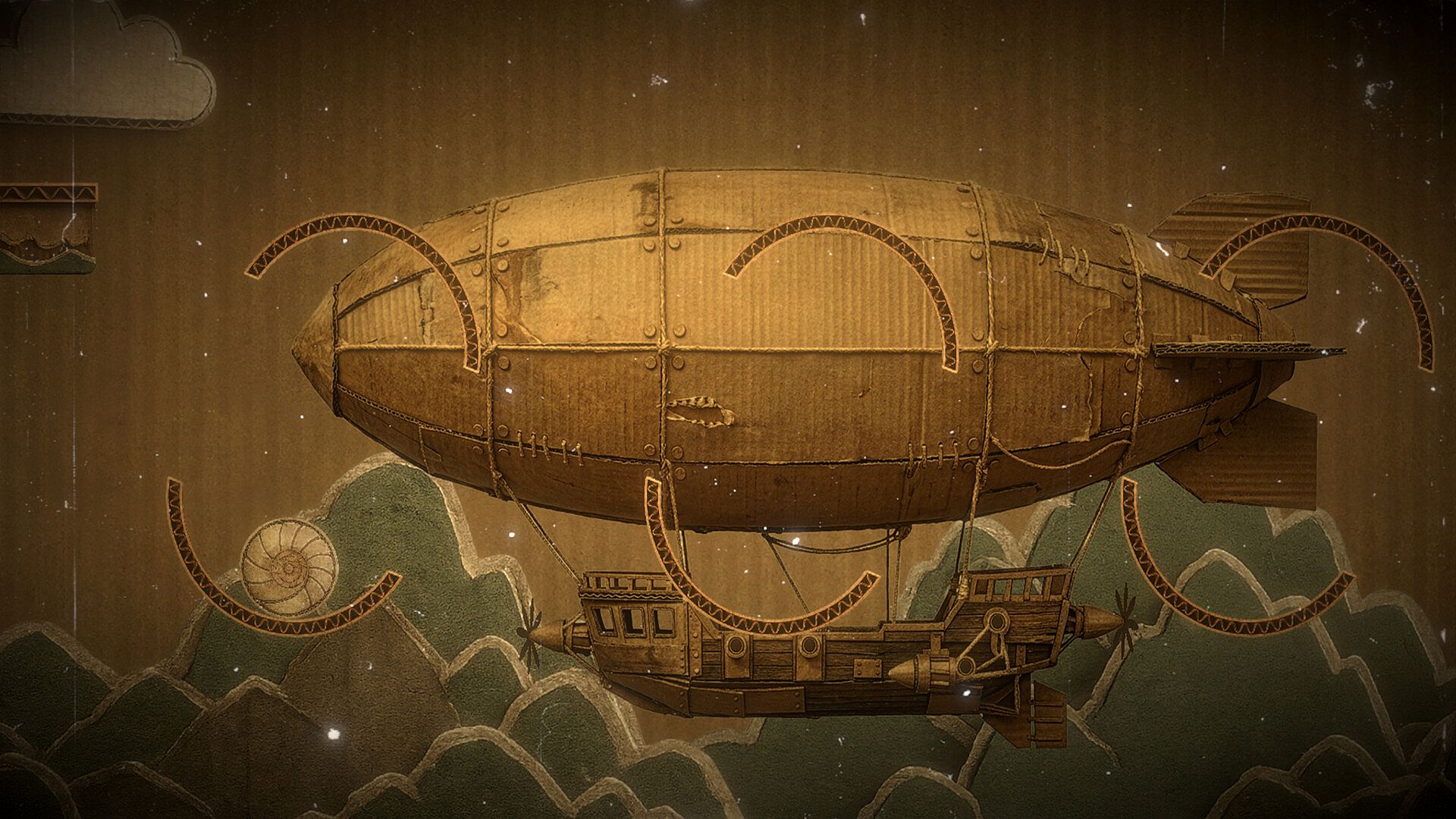
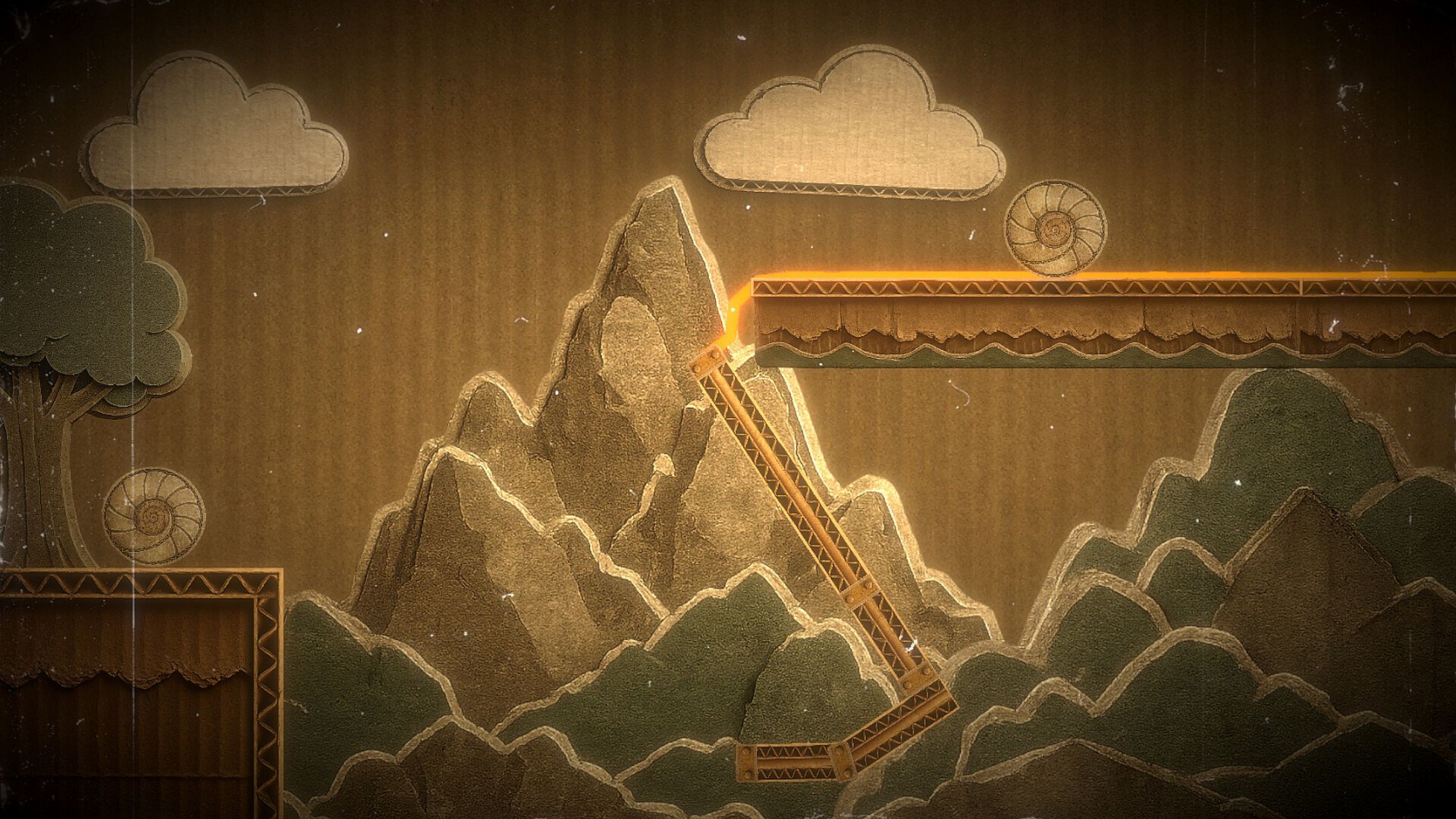
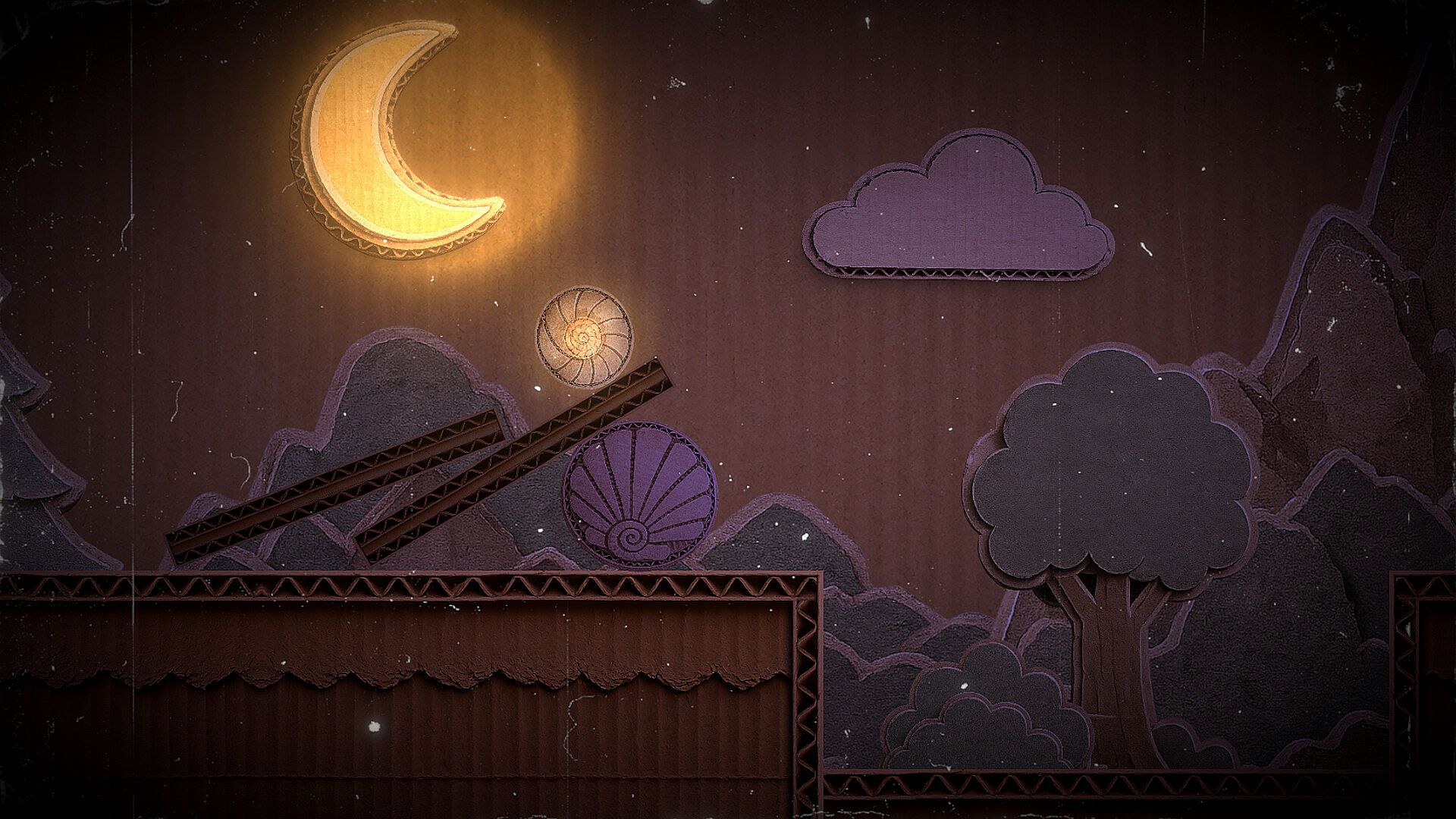
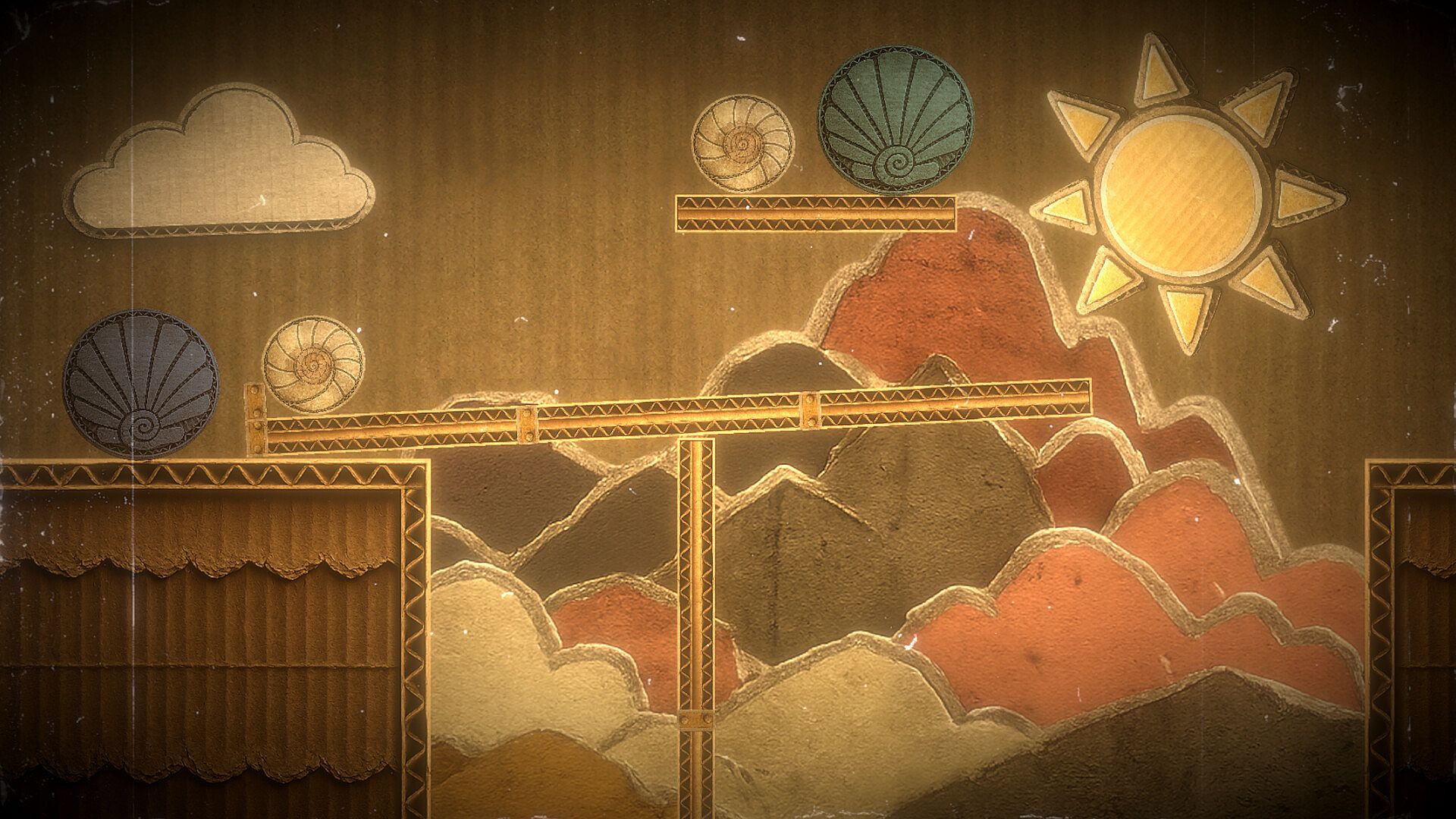



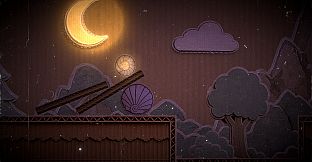

Her Last Wish is a 2D physics-based puzzle game developed in an indie casual style for PC. Players guide round snails through a series of environmental challenges to fulfill a dying wife's request by feeding a mysterious creature hidden in a nearby cave. The experience centers on thoughtful interaction with objects and careful application of real-world physics principles in a compact, handcrafted setting.
Gameplay
The core loop revolves around solving individual puzzles by manipulating the world around the snails. Each challenge requires directing the creatures along paths that may involve ramps, levers, moving platforms, or other interactive elements. Success depends on observing how objects behave under gravity, momentum, and collisions rather than following obvious routes. The design rewards experimentation, as players can test different approaches without any time limits or failure penalties. Restarting a level happens instantly, allowing repeated attempts to refine solutions and discover less direct methods that work better in the cardboard environment.
Attention to detail matters because many elements serve dual purposes as either barriers or tools. A simple push or tilt can set off a chain reaction that clears the way forward. The puzzles build in complexity across levels, introducing new mechanics gradually while maintaining the same calm, deliberate pace throughout. This structure encourages players to pause and study the scene before acting, turning each stage into a small exercise in spatial reasoning and patience.
Game Modes
The game offers a single continuous single-player campaign built around sequential puzzle levels. There are no separate competitive modes, cooperative options, or time-trial variants. Progress comes solely from completing each diorama-style challenge in order, with the narrative thread of caring for the creature providing light motivation between stages. The absence of additional modes keeps the focus narrow on relaxed puzzle-solving without distractions from score systems or leaderboards.
Players move through the levels at their own speed, returning to earlier ones if desired to explore alternative solutions. This linear yet forgiving structure suits the casual genre, where the emphasis stays on personal discovery rather than external competition or progression tracks.
Visual Style and Atmosphere
Every level appears as a miniature cardboard diorama rendered in soft sepia tones with gentle lighting. The aesthetic evokes vintage paper cutouts and old film reels, complete with subtle grain and texture that adds warmth without overwhelming the puzzle elements. Colors remain muted and cozy, creating an intimate space that feels hand-assembled rather than digitally polished.
Background details and environmental objects reinforce the tactile quality of the world. The overall presentation invites close inspection, with lighting that shifts naturally as objects move. This visual approach pairs with understated audio cues to maintain a consistent mood of quiet reflection across the entire experience.
Is It Worth Playing?
Her Last Wish suits players who enjoy unhurried physics puzzles and appreciate a meditative single-player experience free from pressure or failure consequences. The confirmed mechanics emphasize experimentation and observation in a distinctive cardboard aesthetic, delivering a focused set of challenges that reward careful thinking over speed or reflexes.
Because the game remains in development with no released version yet, current player feedback is limited to announcement materials and trailers. Those drawn to indie casual titles that prioritize atmosphere and gentle puzzle design will likely find the described features appealing once it arrives on PC. The lack of timers or penalties makes it particularly accessible for anyone seeking a low-stress way to engage with physics-based problem solving.