


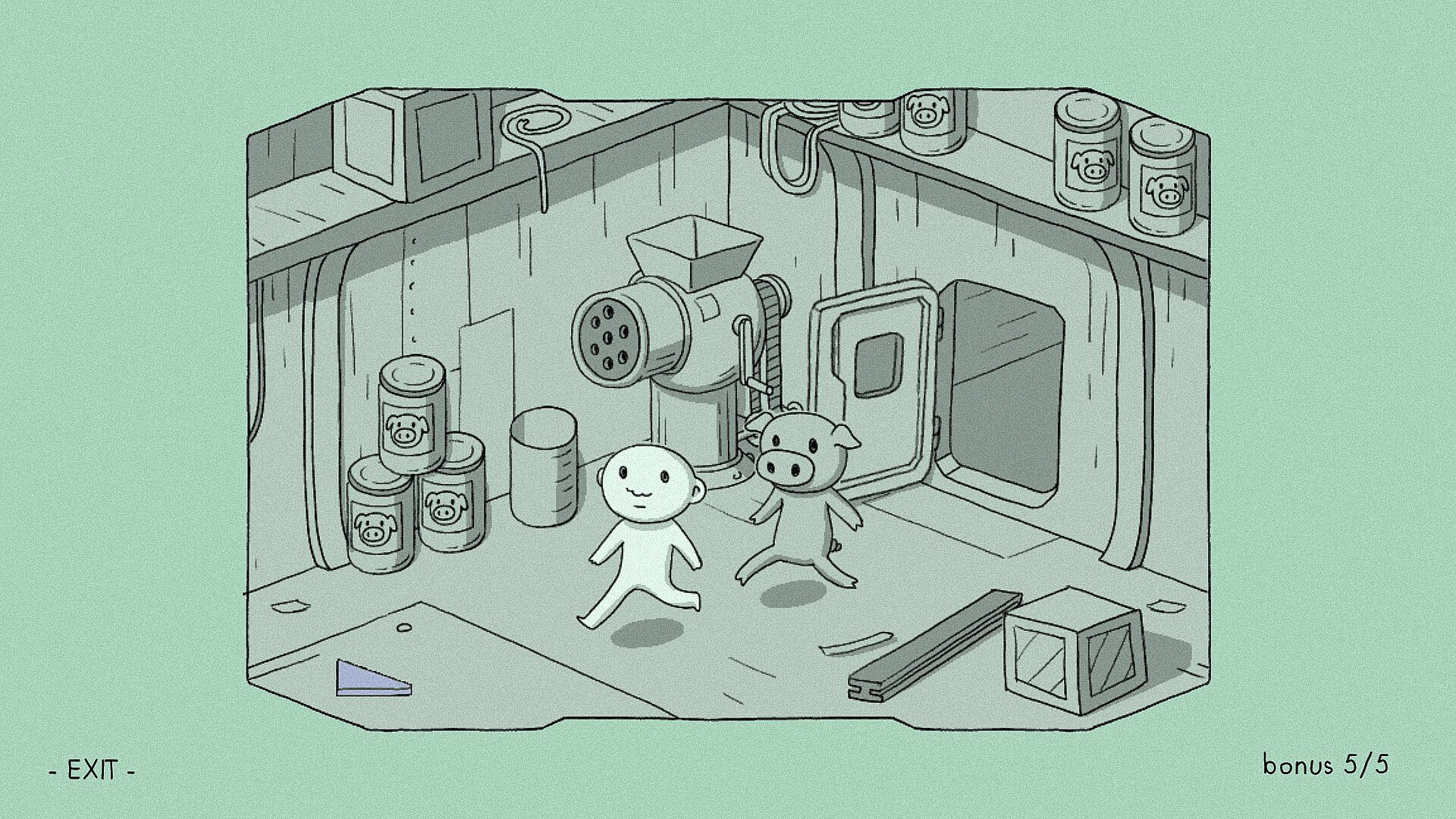
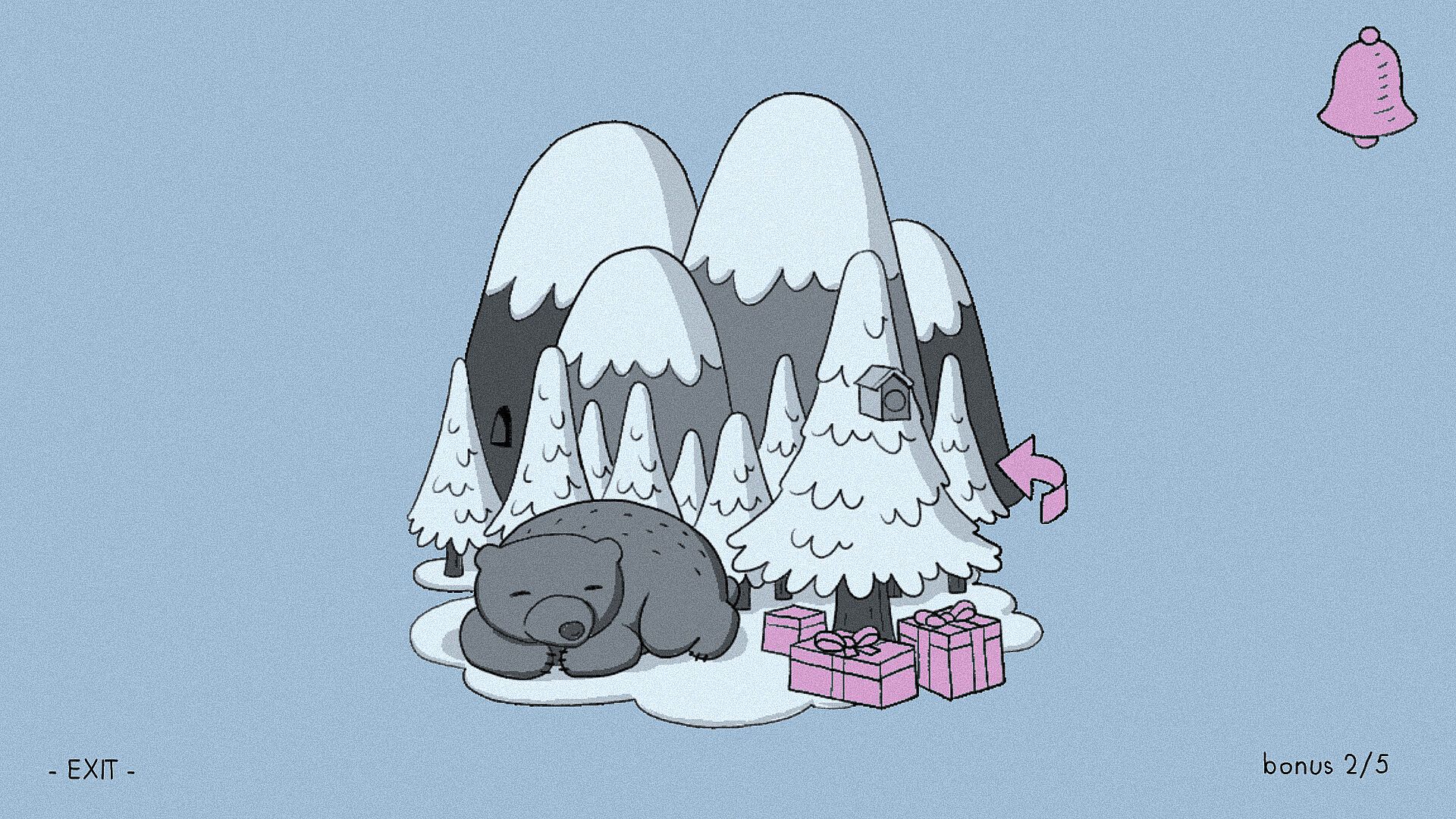
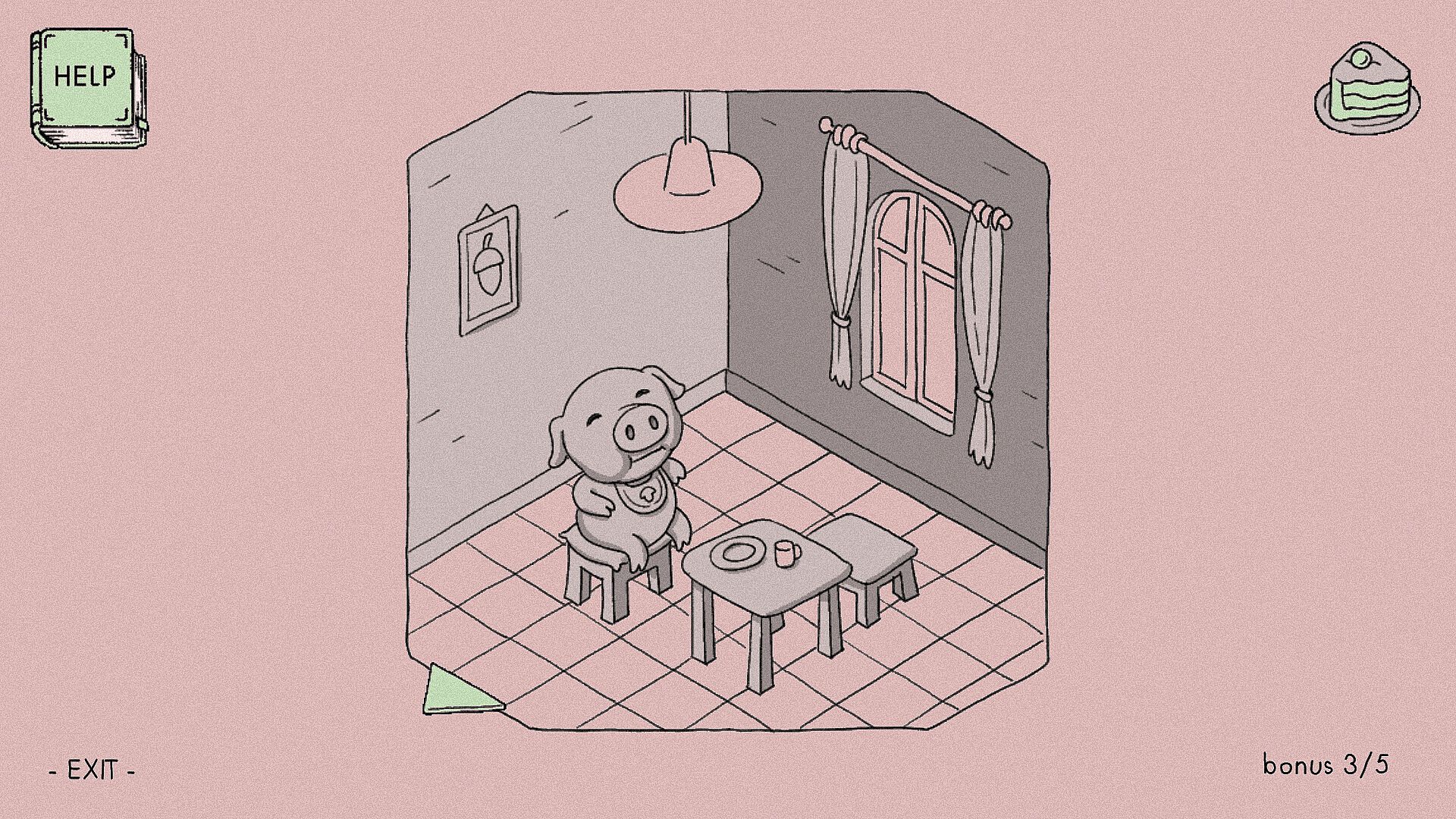
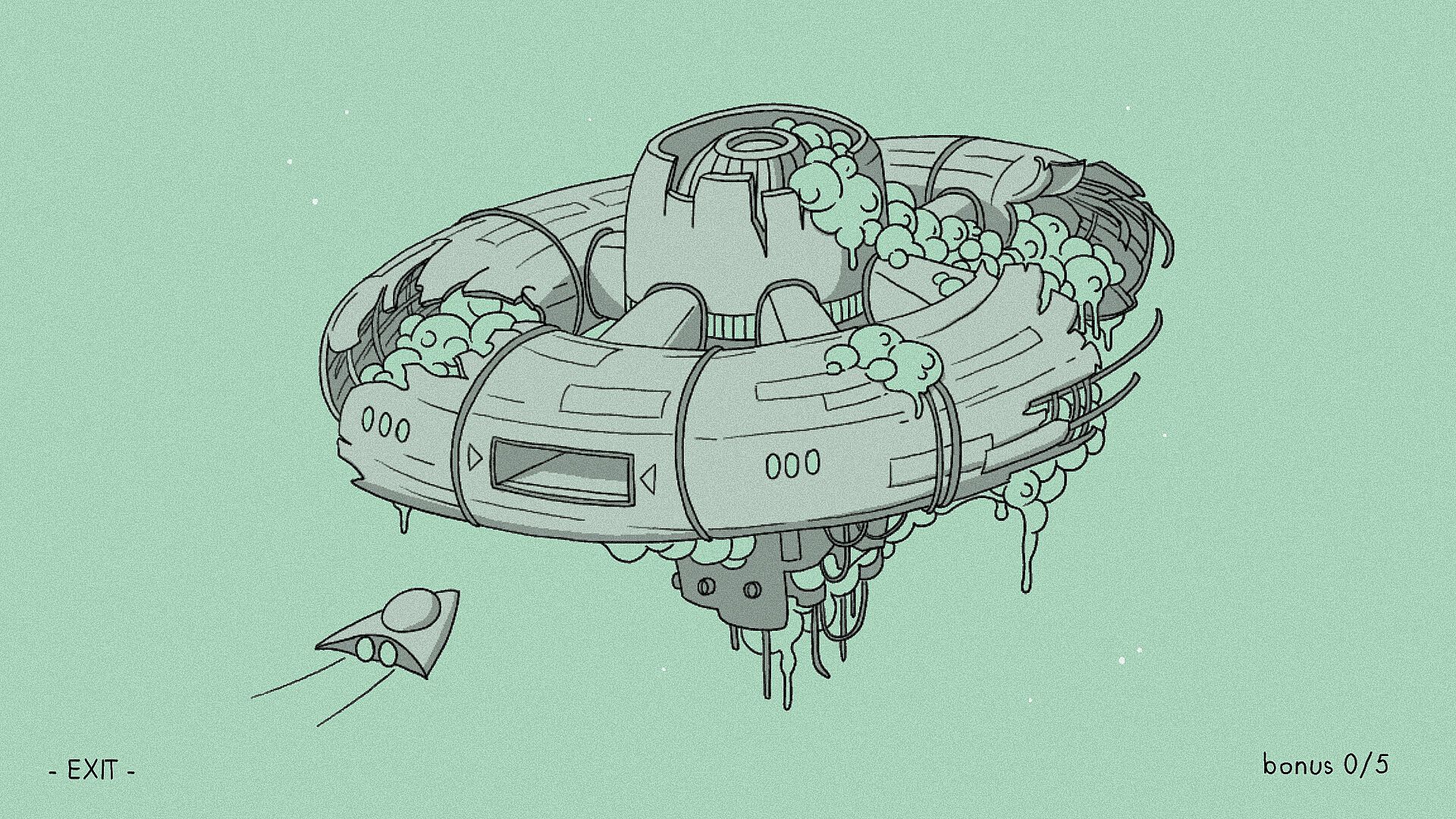
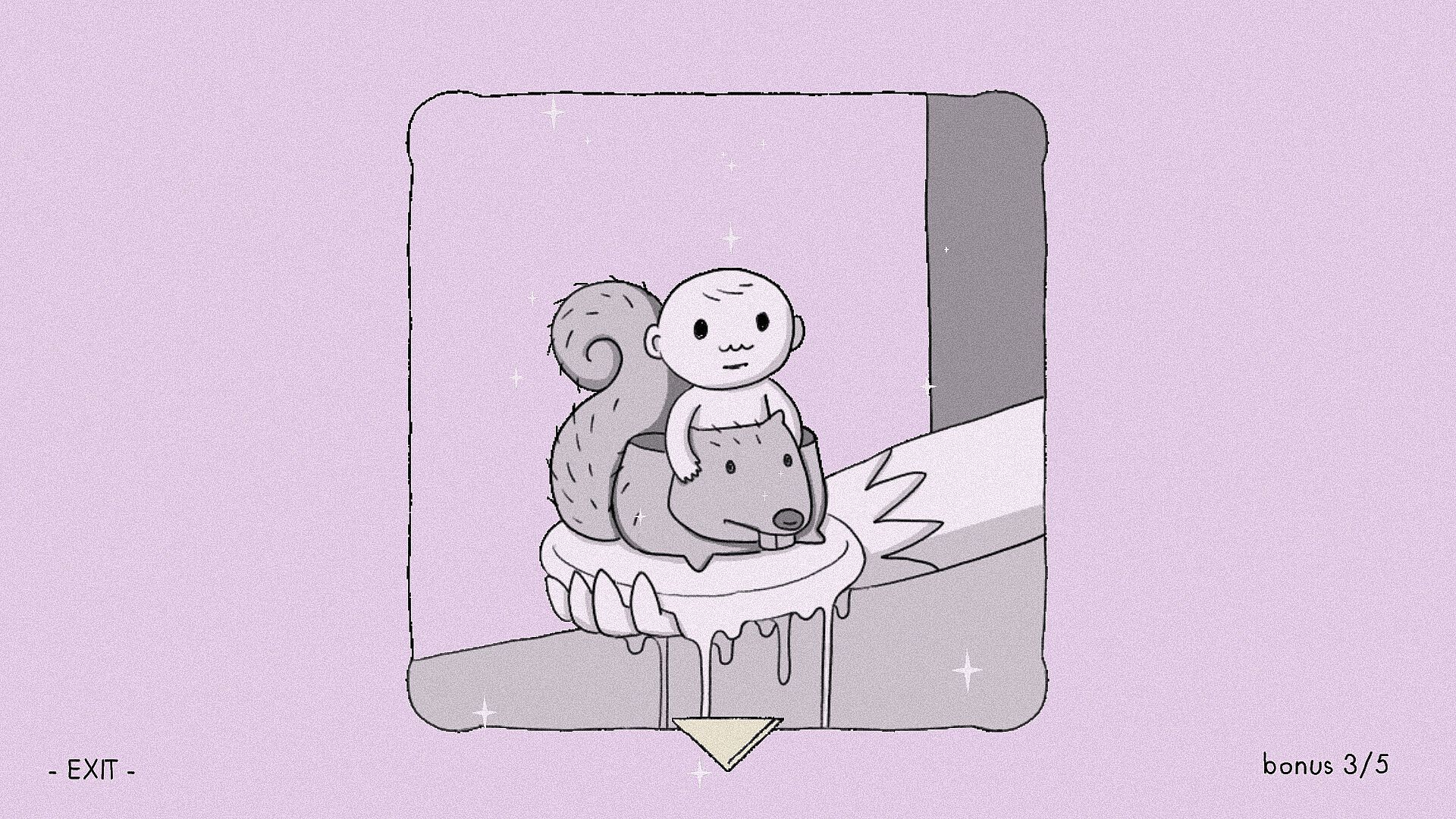


Hide and Luig is an indie point-and-click puzzle adventure game that centers on locating a single elusive character across a series of hand-drawn scenes. Players explore static illustrated environments filled with quirky objects and unexpected details, clicking to interact and solve simple logic challenges until Luig appears. The experience stays light and observational, with no timers, combat, or complex systems to master.
Gameplay
The core loop involves scanning each scene for interactive elements. Objects respond to clicks in ways that reveal new items or change the environment slightly. A strict one-item inventory forces careful planning, as players must decide what to carry and where to place items to progress. Many interactions require multiple steps or precise timing with other objects, encouraging thorough observation rather than random clicking.
Scenes feature surreal hiding spots such as inside machinery, reflective surfaces, or oversized props. Visual clues appear in the artwork itself, rewarding players who examine every corner. Bonus collectibles sit tucked into decorations or secondary interactions, adding optional depth without altering the main objective. The hand-drawn style uses soft colors and whimsical proportions that keep the tone playful even when puzzles layer several elements together.
Controls remain mouse-driven throughout, with direct clicks handling all actions. Short individual levels allow sessions of varying length, and the absence of fail states means experimentation carries no penalty. Sound effects accompany most interactions, reinforcing the lighthearted atmosphere without overwhelming the visuals.
Game Modes
The game operates entirely in a single-player format built around sequential episodes. Each episode presents one self-contained scene or small set of connected areas where the sole task is locating Luig. Progression moves from one episode to the next once the character is found, with later episodes introducing additional layers of object manipulation and inventory use.
No separate competitive, cooperative, or endless modes exist. The structure stays consistent across episodes, focusing on the same point-and-click hide-and-seek loop with increasing visual complexity. Players can revisit completed episodes freely to hunt for any missed collectibles or simply enjoy the artwork again.
Visual Style and Humor
Hand-drawn environments form the heart of the presentation. Each micro-world mixes familiar shapes with absurd proportions, such as oversized food items or mechanical contraptions that defy normal scale. Characters and props carry expressive details that support the comedic tone without relying on dialogue.
Humor emerges from the contrast between ordinary expectations and Luig's choices of hiding places. The art invites repeated glances because small background elements often hold the key to a solution or an extra discovery. This approach keeps the experience relaxing while still requiring attention to detail.
Is It Worth Playing?
Hide and Luig suits players who enjoy short, observational puzzle games with a gentle pace. Its free availability and browser-friendly design make it easy to try without commitment. Reviews highlight the fair difficulty of the puzzles and the charm of the artwork, with many noting that the one-item inventory adds just enough strategy to keep sessions engaging.
The episodic format works well for casual play, delivering complete experiences in under an hour for the available content. Those who appreciate surreal humor and hand-drawn aesthetics will likely find repeated visits rewarding when searching for hidden details. The game continues to receive new episodes supported by its community, maintaining fresh scenes for returning players.