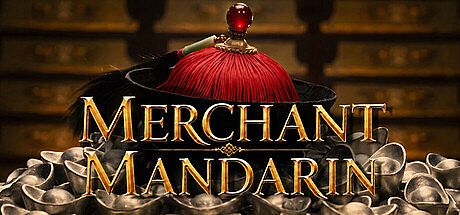






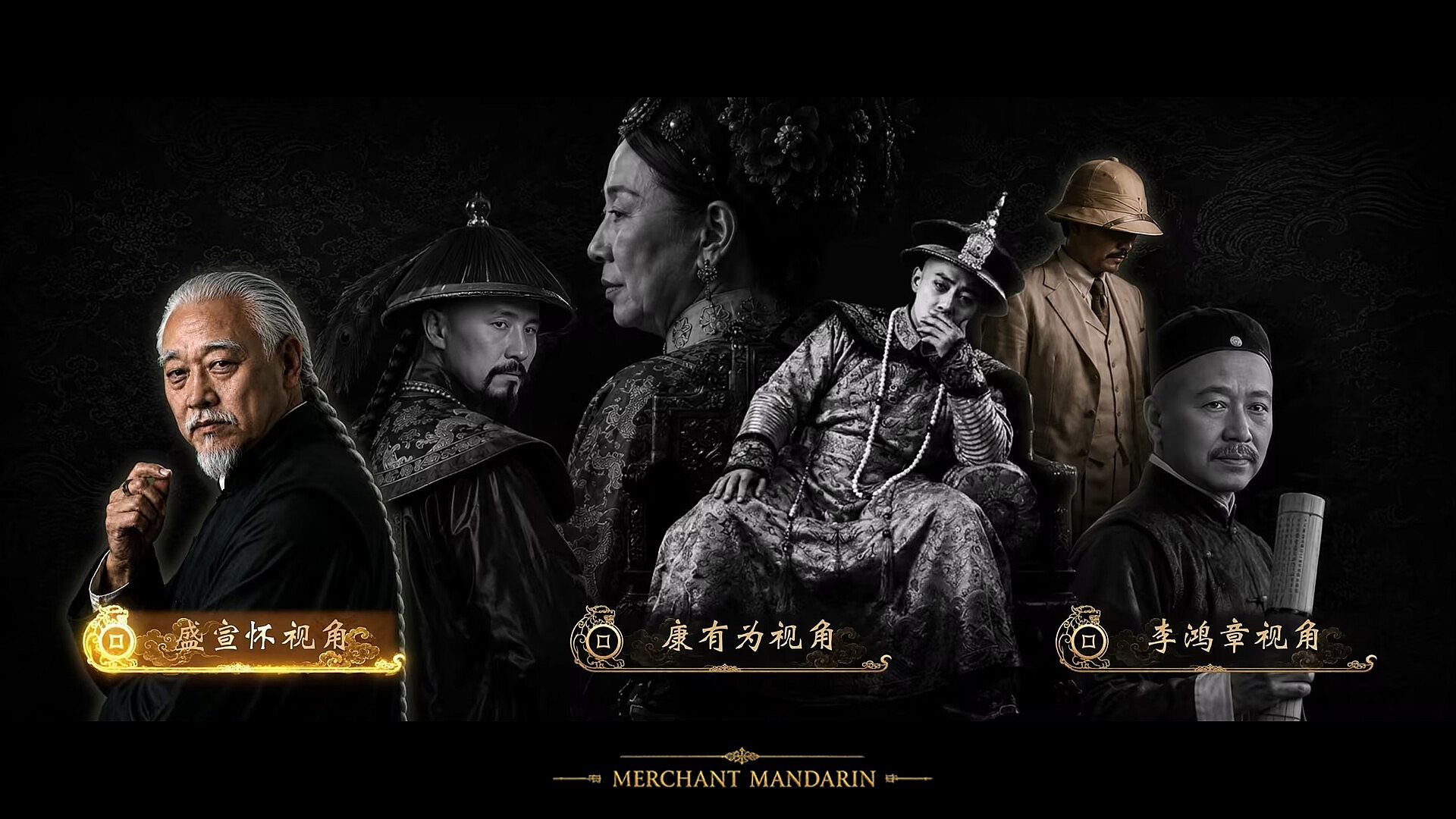






Merchant Mandarin is a casual PC game set during the turbulent final decades of the Qing Dynasty. Players step into the role of a Red-Hat Merchant who navigates the intersections of imperial politics, commercial ambition, personal relationships, and national upheaval. The experience centers on decision-making that shapes both individual fortune and broader historical outcomes, from court intrigues to major events such as the destruction of opium at Humen and the burning of the Old Summer Palace.
Gameplay
The core loop revolves around managing a merchant's ledger while responding to opportunities and threats in a feudal empire under foreign pressure. Players balance the pursuit of wealth through trade monopolies and banking ventures against the demands of official rank and revolutionary ideals. Choices determine whether resources flow toward personal luxury or efforts to strengthen the nation amid conflicts like the First Sino-Japanese War and the Boxer Protocol.
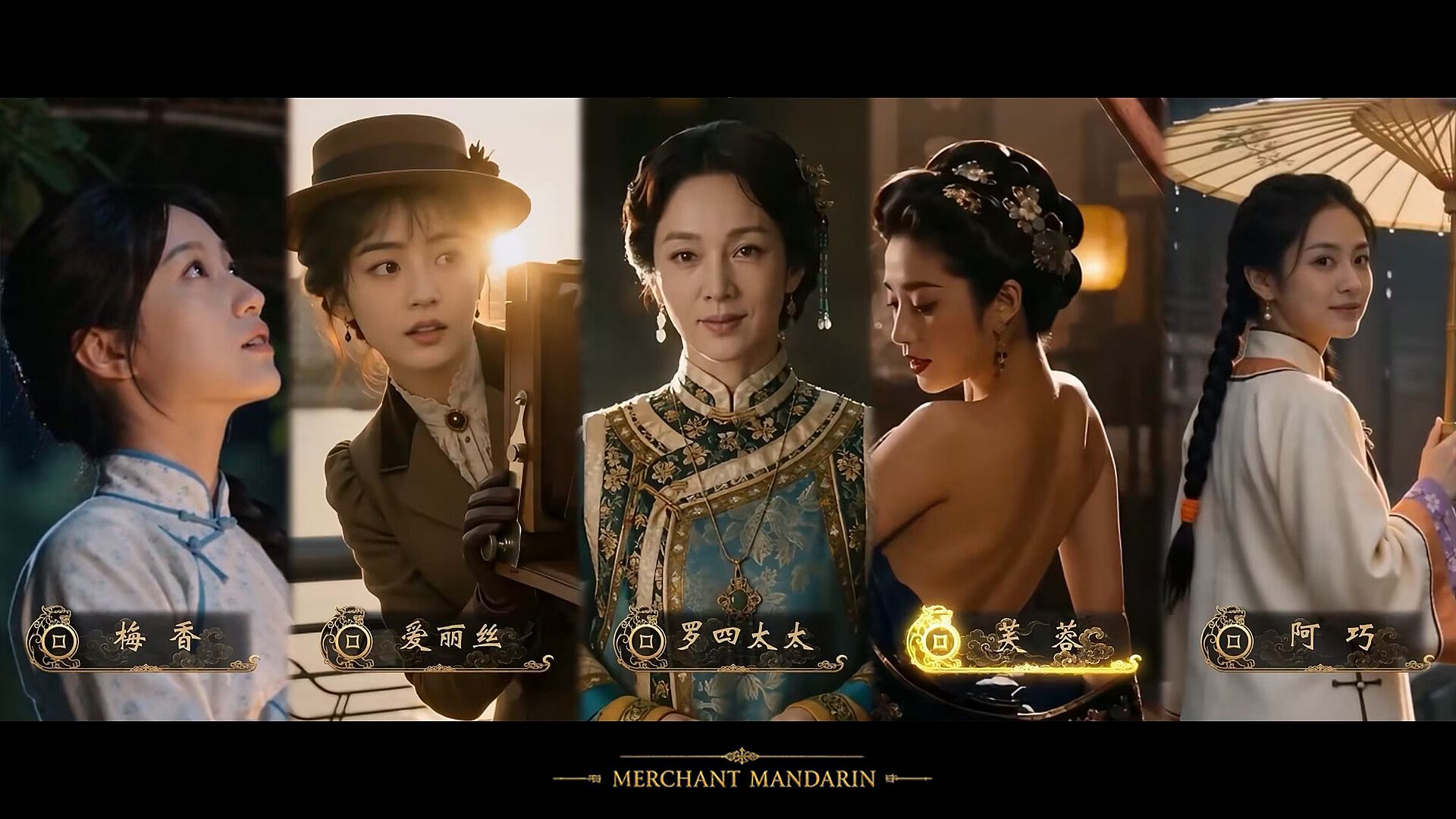
Romantic paths intersect with business and political decisions. Figures from childhood connections in Suzhou and Hangzhou to court courtesans and martial heroines appear as potential companions whose stories unfold based on prior actions. The abacus and ledger serve as central tools, tracking silver taels and the lives affected by each treaty or alliance signed.
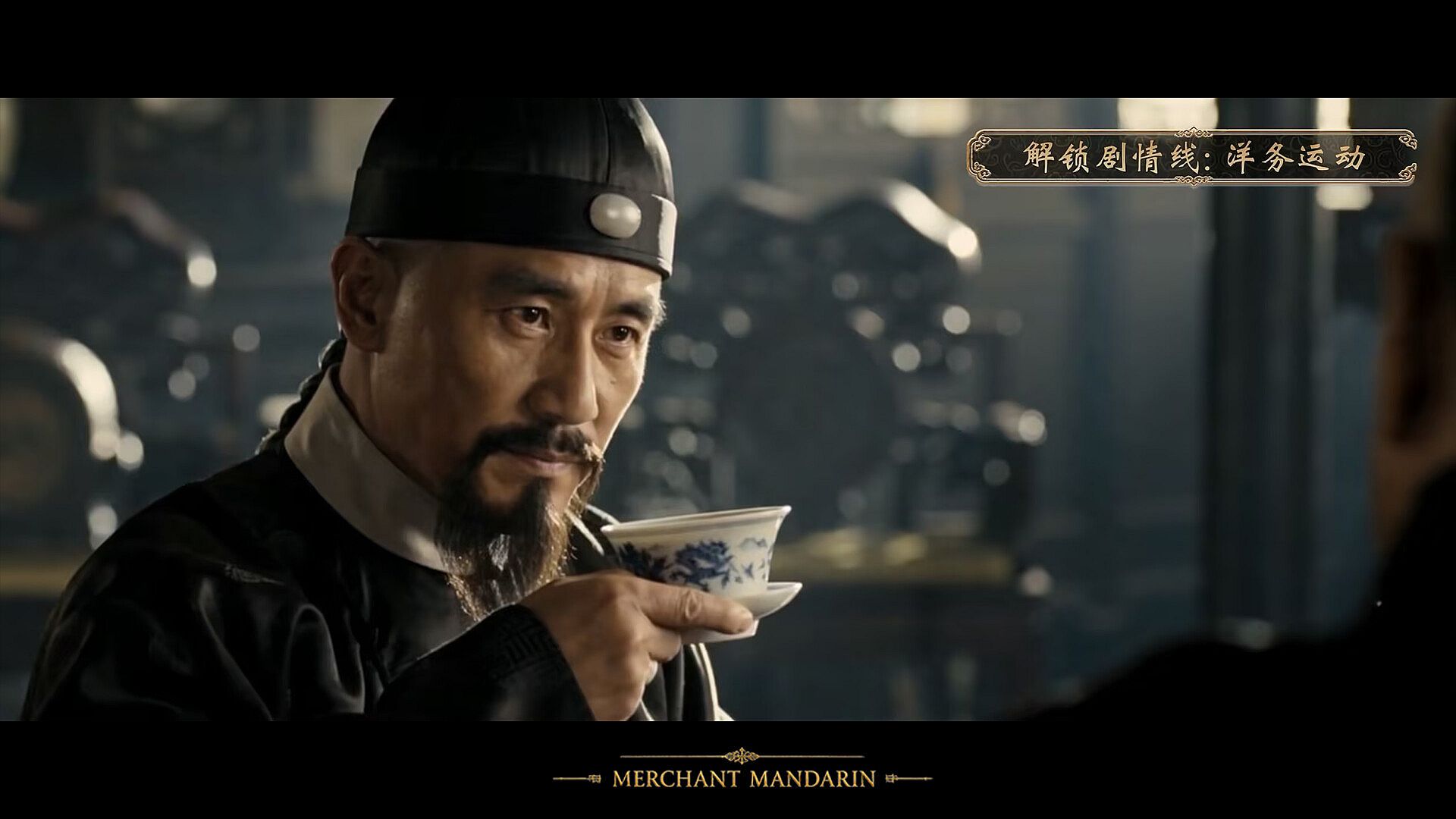
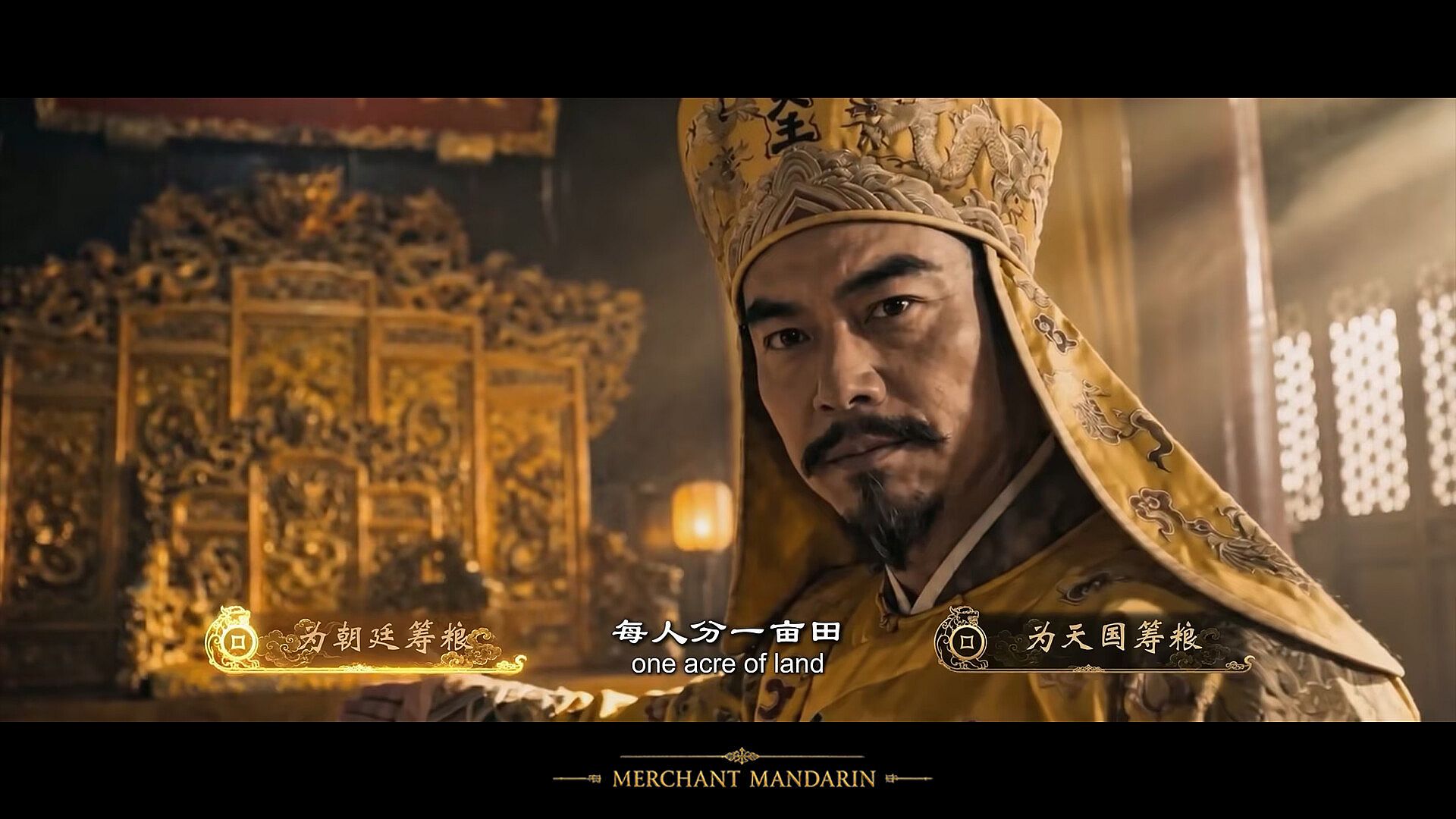
Visual presentation uses 4K cinematic rendering to depict historical moments, allowing players to witness and influence sequences involving the Empress Dowager, the Beiyang Fleet, and alliances formed across oceans. Progression feels deliberate, with every major decision carrying weight toward one of many possible conclusions.
Game Modes
The game structures play around a single narrative campaign that incorporates branching paths rather than separate standalone modes. Players advance through the late Qing era by making sequential choices that open or close routes toward different endings. These paths range from amassing personal riches while supporting a declining dynasty to committing fully to reform or revolutionary causes.
Within the campaign, players encounter layered decision trees that combine economic actions, court maneuvering, and interpersonal relationships. No distinct free-play or challenge variants appear; the focus remains on one cohesive story shaped entirely by player input across multiple playthroughs.
Historical Context and Narrative Depth
Merchant Mandarin places the merchant-official at the center of documented events from the period. Players observe or participate in the Humen opium destruction, the reign of the Empress Dowager behind the curtain, the ruins of the Old Summer Palace, and the fate of ironclads like the Zhenyuan. Alliances with figures such as Zuo Zongtang and Li Hongzhang emerge naturally through trade and provisioning decisions.
The narrative explores the tension between individual ambition and collective destiny. Players weigh mountains of gold against seats of power, luxury in a fading empire against devotion to revolutionary change. Endings reflect these tensions, with the final treaty signed potentially marking either continued darkness or the first light of the Xinhai Revolution.
Is It Worth Playing?
Merchant Mandarin suits players who enjoy choice-driven stories set in richly detailed historical periods. Its casual pace and emphasis on consequence make it accessible for those interested in merchant simulation blended with political and romantic elements. The game rewards multiple playthroughs as different combinations of economic focus, court alliances, and personal bonds lead to distinct conclusions.
Those seeking fast-paced action or competitive multiplayer will find less appeal here. Instead, the title offers a reflective experience where decisions about trade monopolies, military provisions, and personal loyalties determine both wealth and legacy. Availability on PC supports straightforward access for anyone drawn to late Qing Dynasty themes and branching historical narratives.