


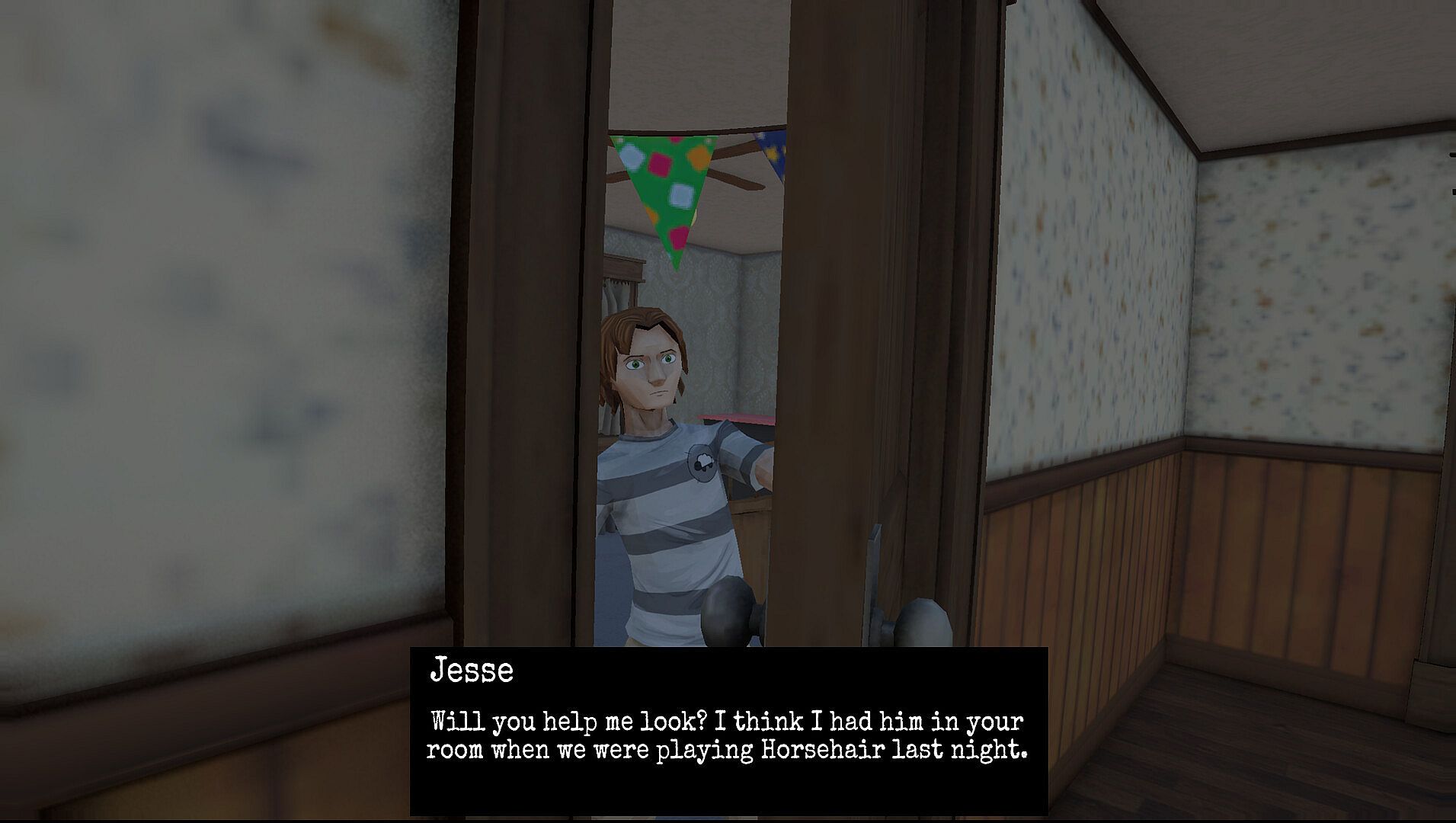
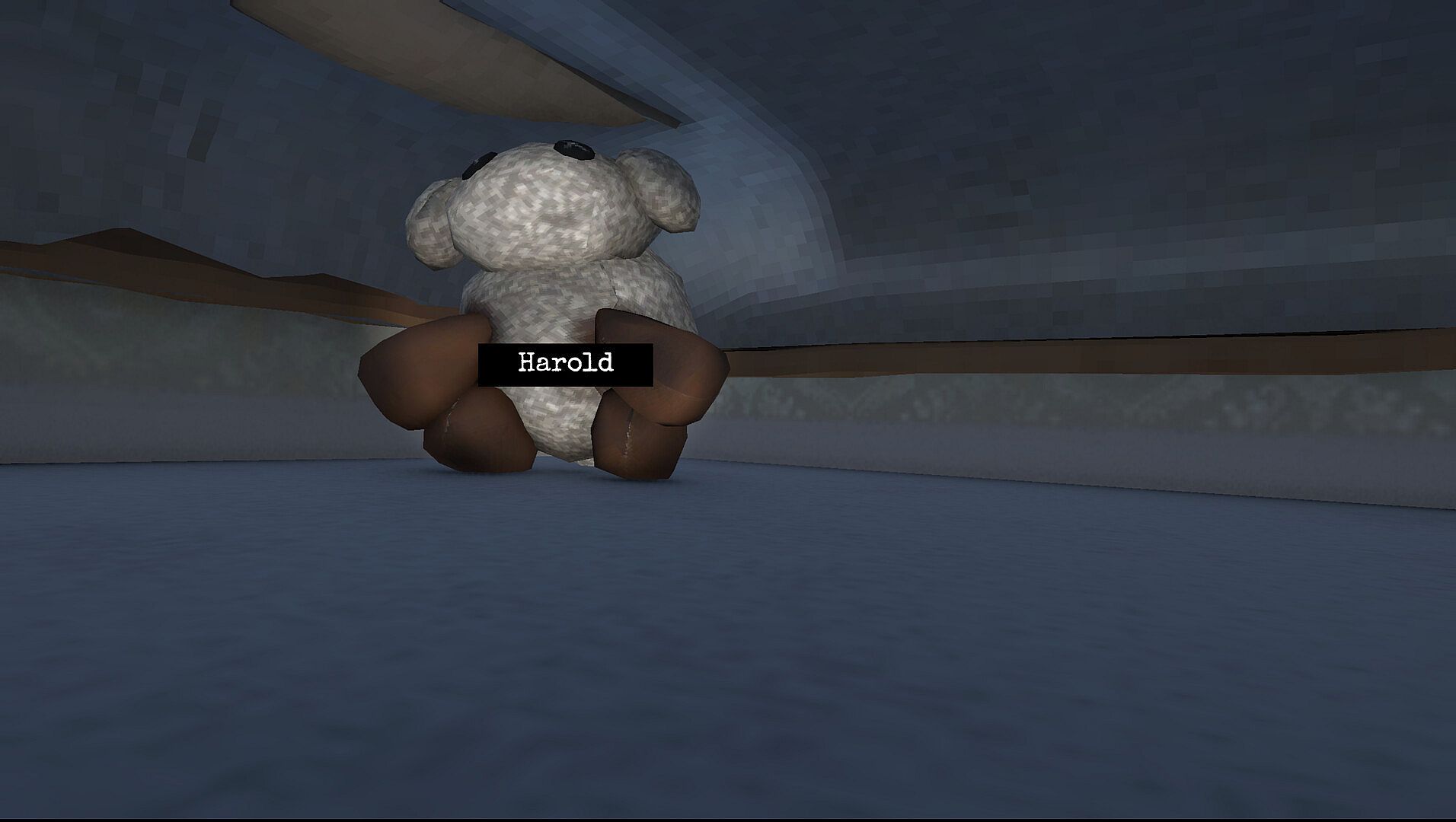
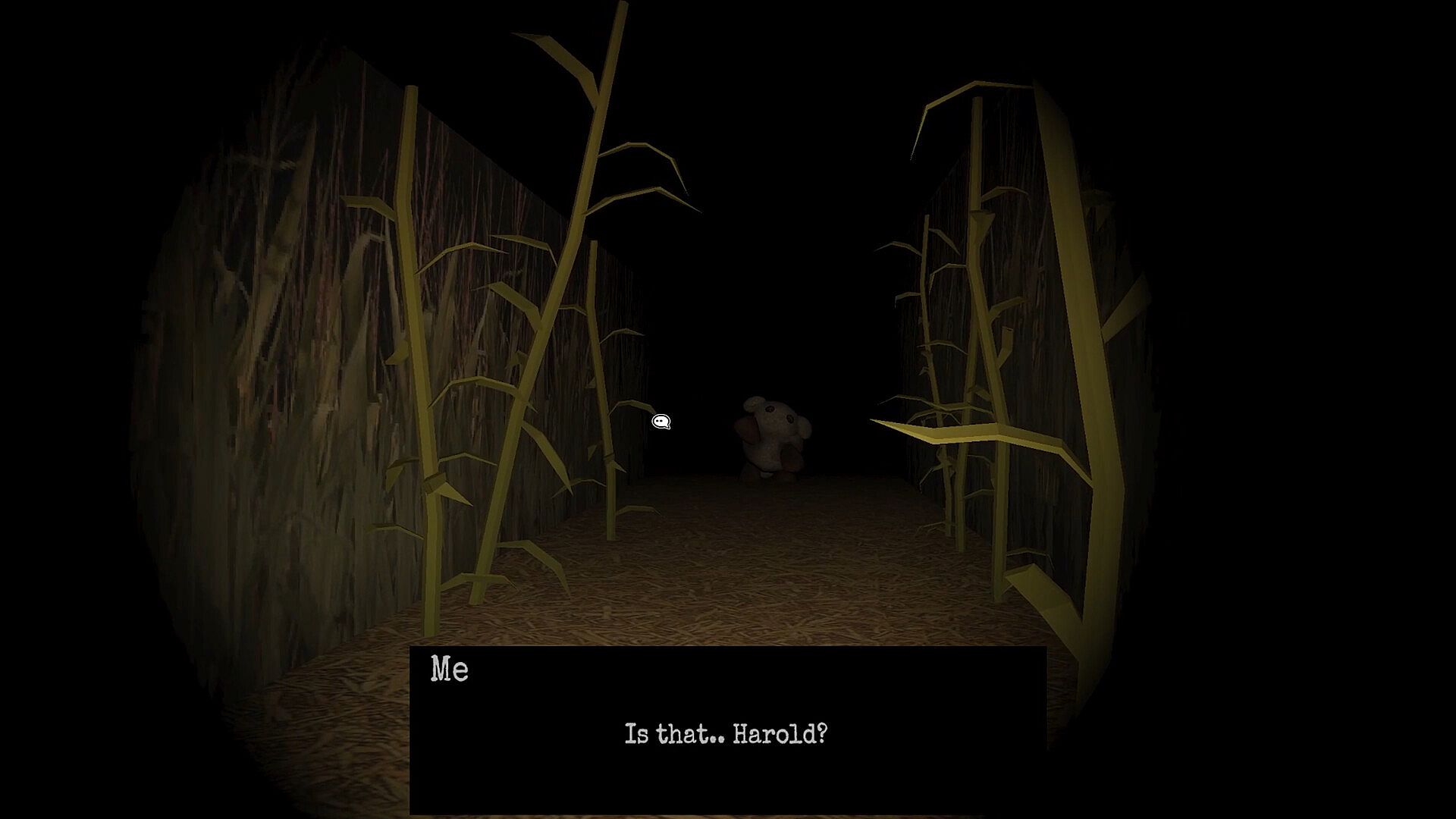
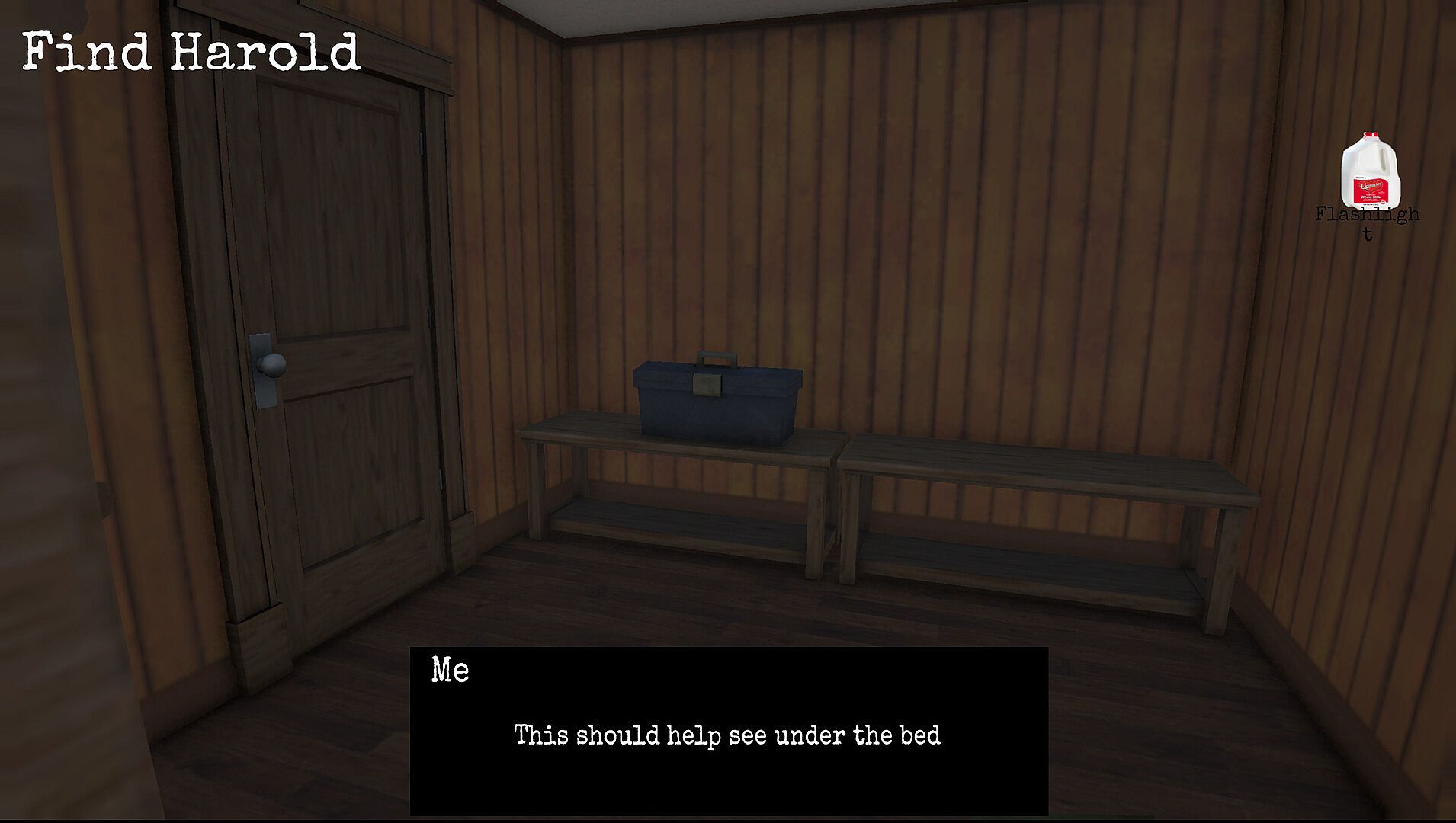
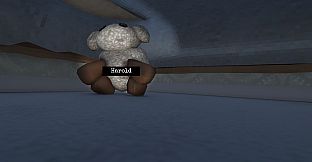
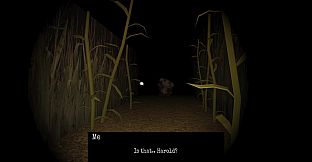
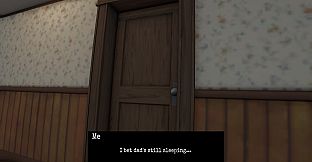
HorseHair is an indie psychological horror game that blends simulation and adventure elements on PC. Players step into the role of Jay, an older brother managing a household while his father works late shifts. The experience centers on daily routines that gradually shift into unsettling territory, with surreal moments emerging from ordinary surroundings in a quiet old house.
Gameplay
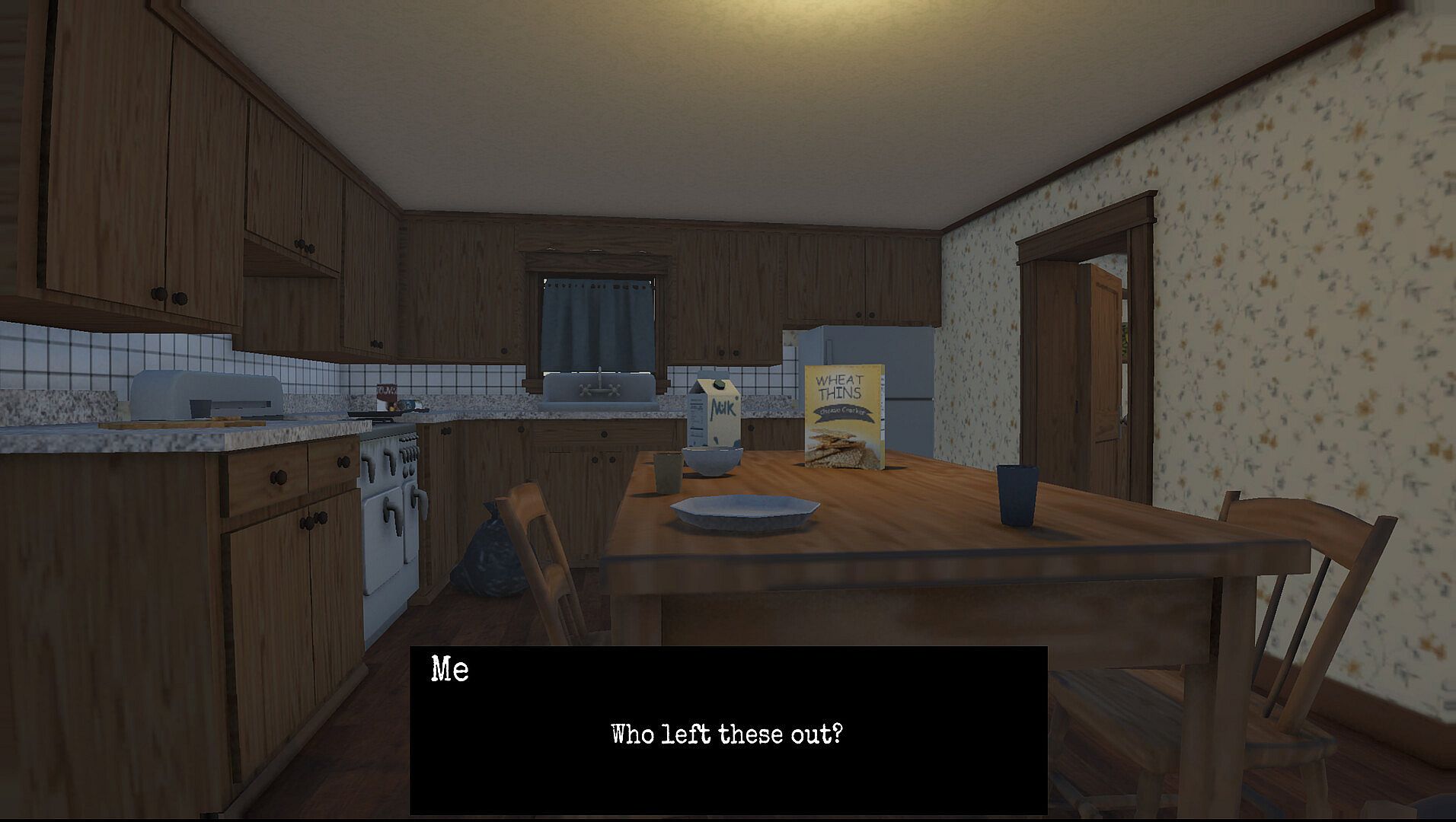
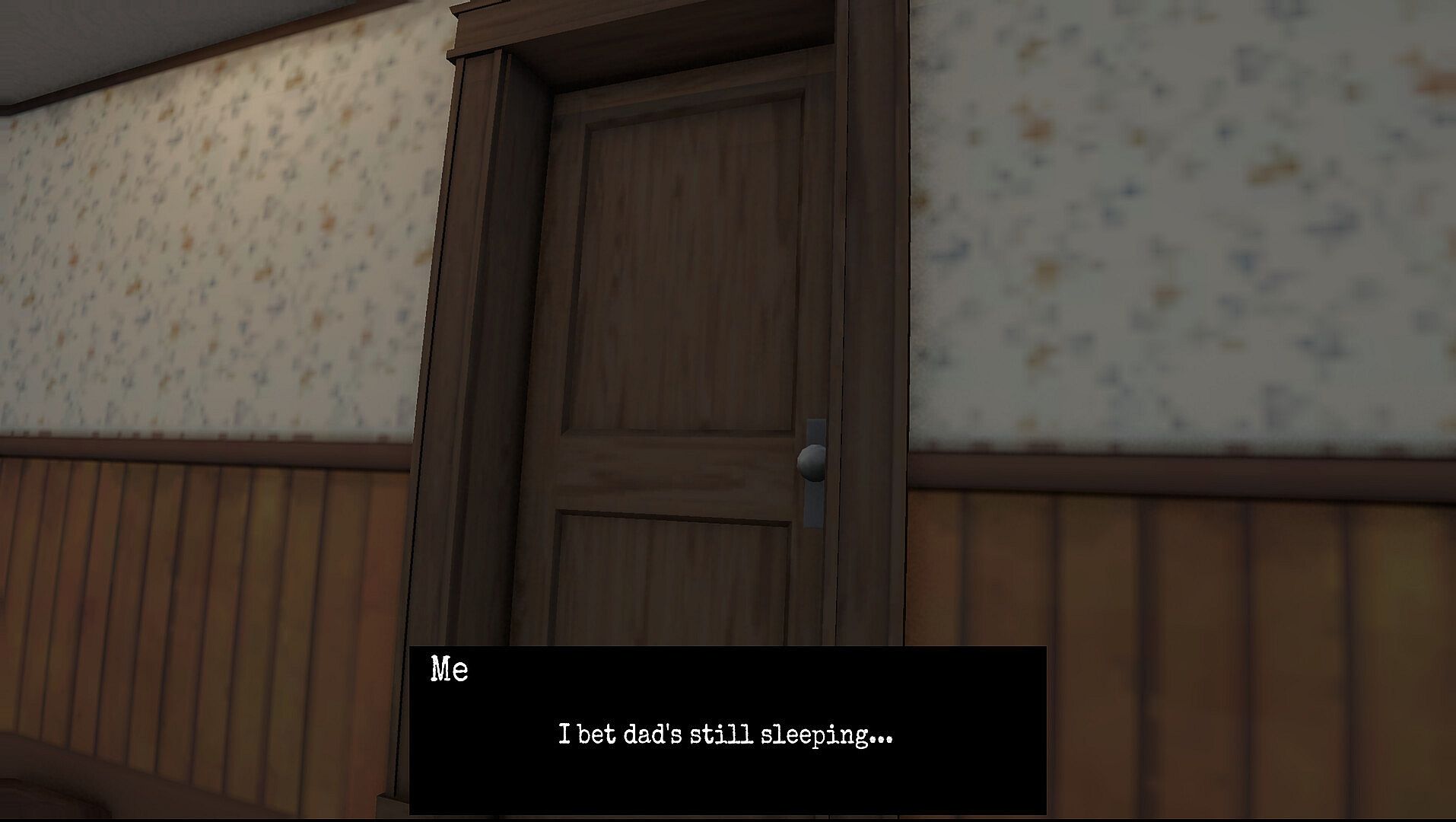
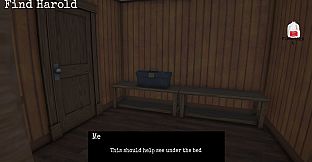
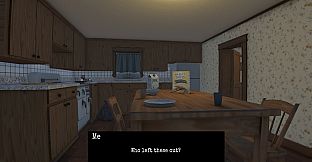
The core loop involves moving through rooms in a point-and-click style to handle everyday responsibilities. Jay checks on his younger brother Jesse, completes small chores around the house, and assists with basic upkeep tasks that his father would normally handle. These activities keep the family functioning amid growing tension, as subtle changes in the environment begin to feel off.
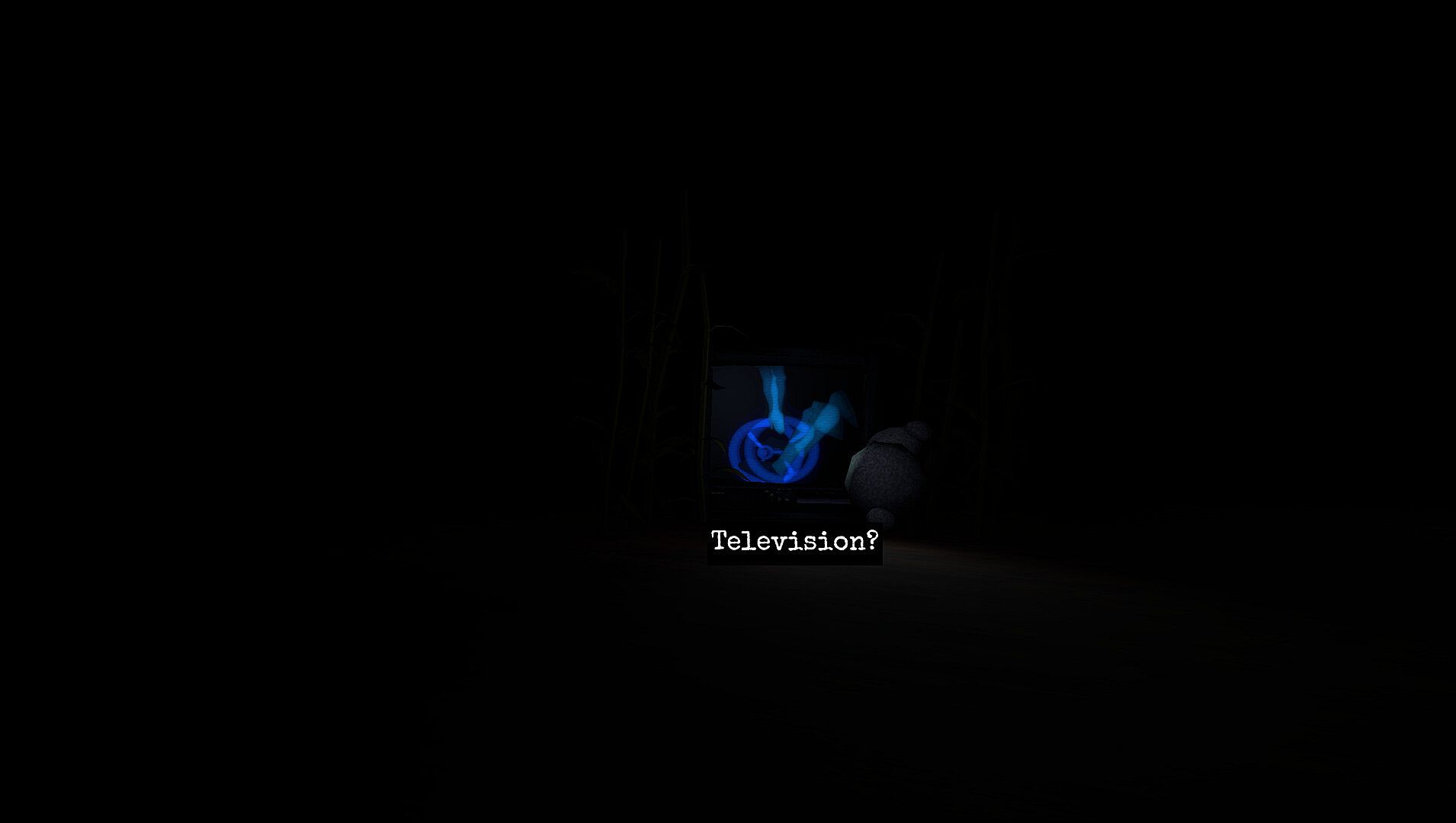
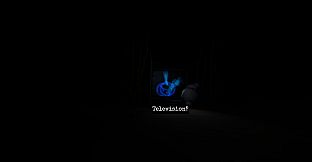
Each evening features dedicated time spent with Jesse on their shared interest. A retro-style fighting game titled Horsehair runs on an old CRT television in the bedroom, providing a consistent ritual that strengthens their bond. Players engage directly with this embedded title through matches that form part of the nightly wind-down.
Dream sequences appear after each day, recapping events in ways that introduce lingering questions without clear resolutions. Exploration remains deliberate and focused, encouraging close attention to details in the house while avoiding unnecessary scrutiny of certain reflections or images on screens.
Game Modes
HorseHair operates as a single-player experience with no separate multiplayer options. The structure revolves around sequential nights that combine exploration, task completion, and the recurring fighting game sessions. These elements integrate into one continuous narrative flow rather than distinct selectable modes.
The playable fighting game within the title serves as a recurring activity that players return to regularly. It functions as both a bonding mechanic and a familiar anchor point amid the surrounding unease. Mundane household tasks and dream interludes fill out the rest of the progression without branching into additional competitive or cooperative formats.
Story and Atmosphere
The narrative follows Jay as he maintains stability for Jesse while noticing shifts in his father's behavior over recent weeks. Everyday normalcy gives way to surreal intrusions that affect the house and its inhabitants. Reflections in turned-off screens and background figures create a sense of something watching from the edges.
Atmosphere builds through restrained presentation. The old house setting emphasizes quiet spaces and routine interactions that slowly accumulate discomfort. Psychological elements emerge from the contrast between familiar sibling routines and the growing sense that perceptions may not align with reality.
Who It's For
This title appeals to players interested in short-form psychological horror that emphasizes personal relationships and subtle dread over action or jump scares. Those who enjoy simulation-style task management paired with adventure exploration will find the structure engaging. The focus on family dynamics and embedded mini-game elements adds layers for fans of narrative-driven indie titles.
Anyone seeking intense combat systems or expansive open worlds should look elsewhere, as the design stays intimate and contained within the house environment.
Is It Worth Playing?
HorseHair delivers a focused psychological horror experience centered on sibling care and household routines that turn unsettling. The combination of point-and-click exploration, the nightly fighting game sessions, and dream summaries creates a distinctive loop that rewards attention to small details and emotional undercurrents.
Its short length suits players looking for a complete story without long commitments. The indie simulation and adventure blend works well for those drawn to atmospheric narratives about maintaining normalcy under pressure. Reception highlights the effective use of mundane activities to heighten tension, making it a solid choice for horror fans who prefer psychological depth to overt scares.
Overall, the game stands out for its intimate scope and verified mechanics drawn directly from its core design. It offers a thoughtful take on family responsibility in a darkening setting, best suited to audiences comfortable with surreal and introspective storytelling.