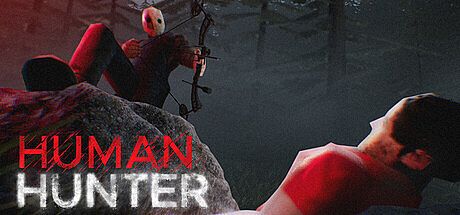


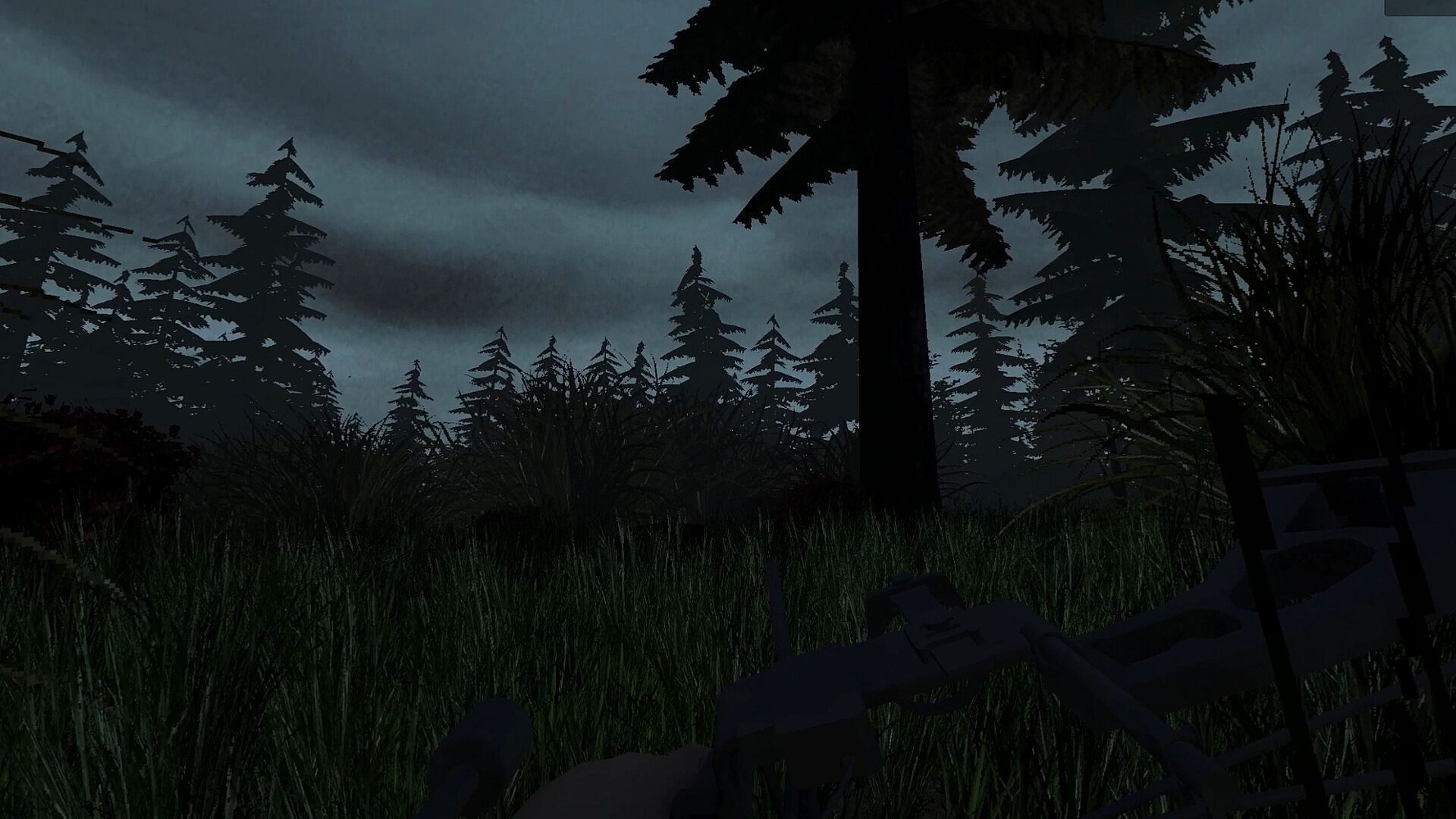
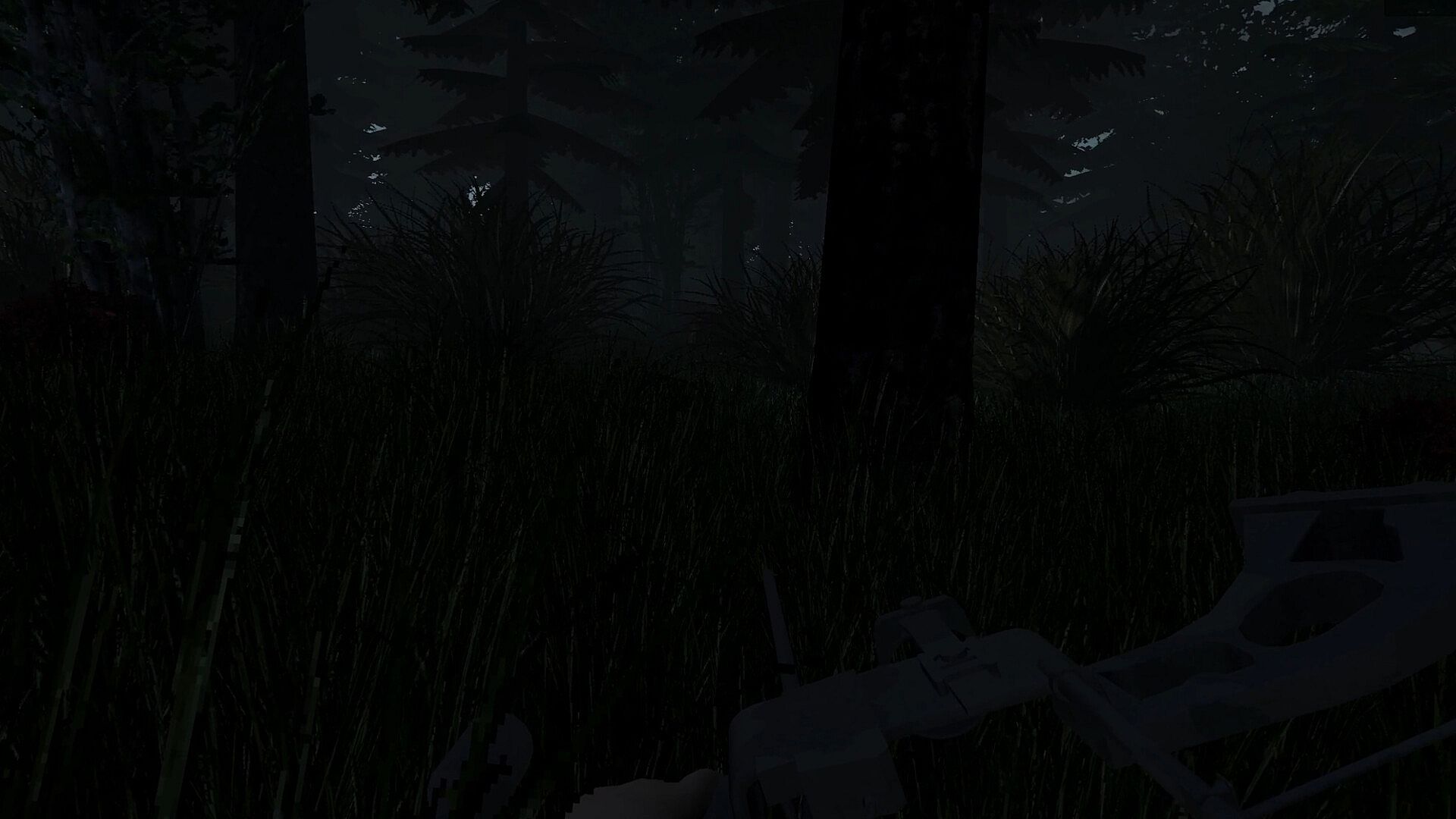
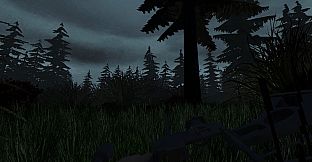
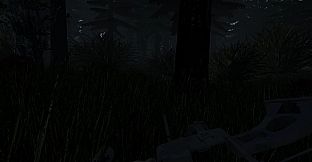
Human Hunter is an indie action game for PC that centers on asymmetric multiplayer matches set in a dark, dystopian forest. Players take on one of two opposing roles in sessions that emphasize tension, resource management, and environmental interaction. The experience revolves around a core loop of pursuit and evasion, with procedural generation ensuring each match unfolds differently across the wooded terrain.
Gameplay
The game places strong emphasis on atmospheric immersion and the contrasting emotions of its two roles. Hunters experience the thrill of tracking and eliminating targets through careful placement of tools and direct pursuit. Runners focus on evasion and endurance while contending with both the hunter and the cold environment. Procedural generation of the forest map supports repeated exploration for supplies and strategic positioning without repeating the same layout.
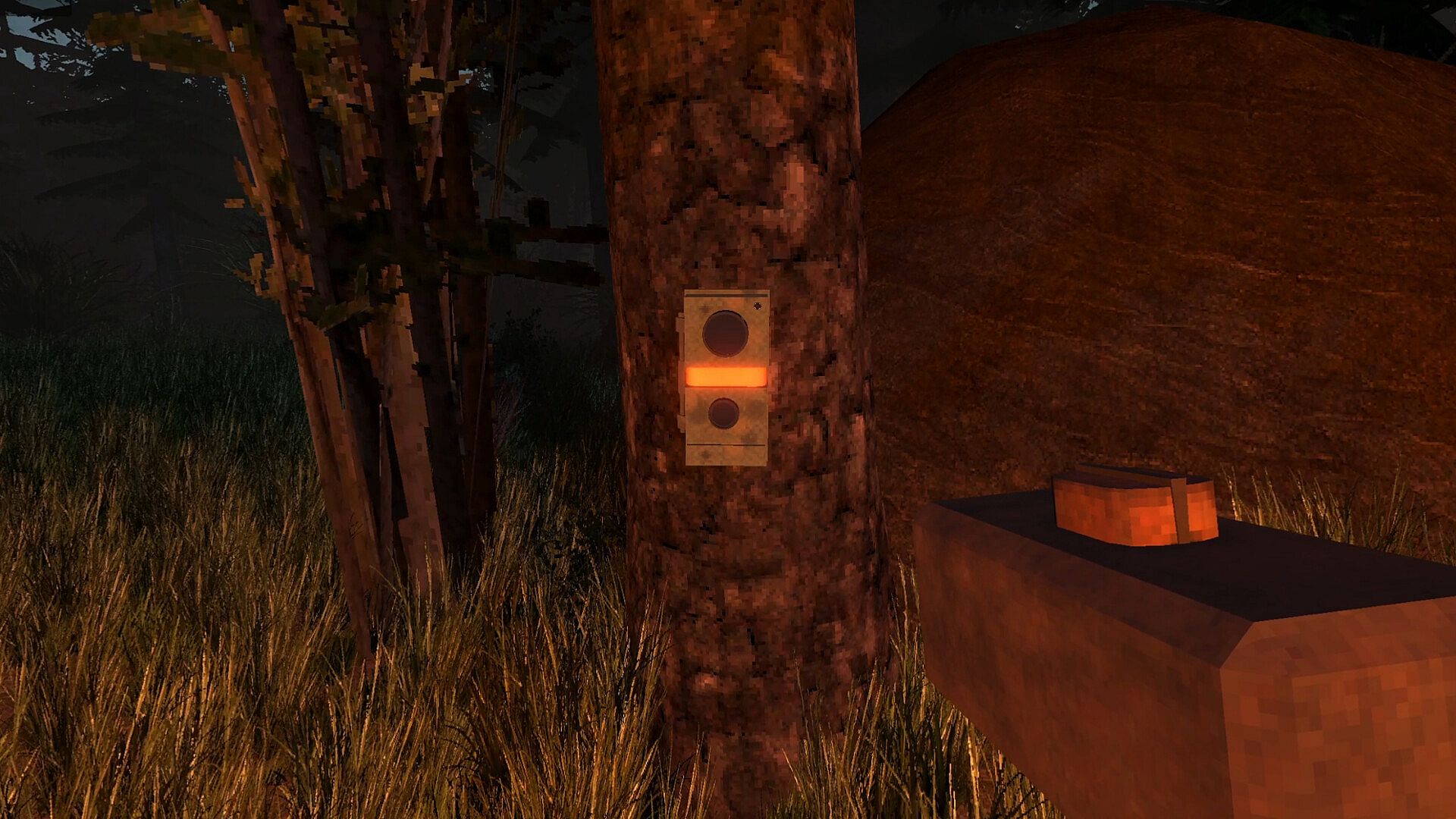
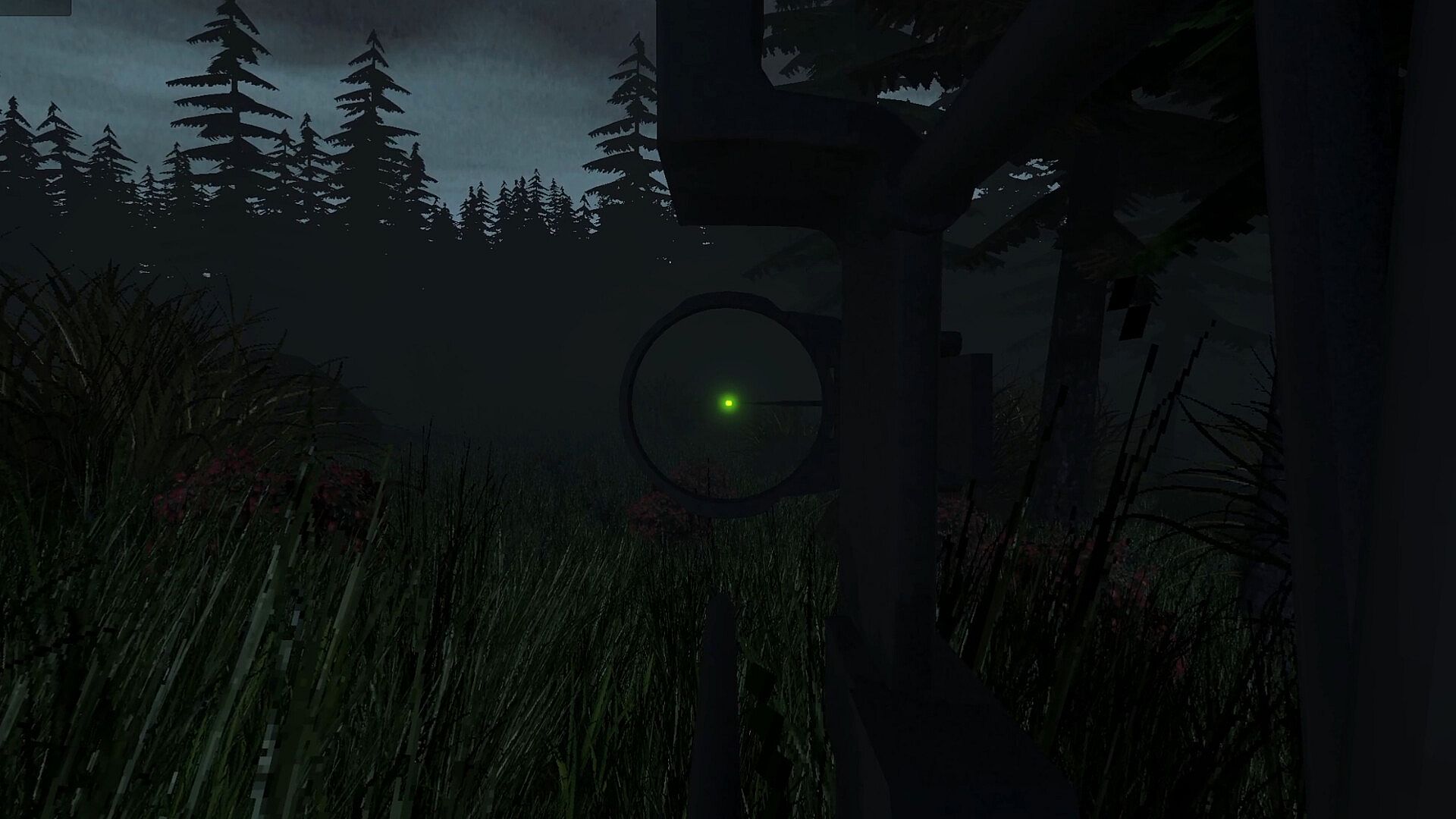
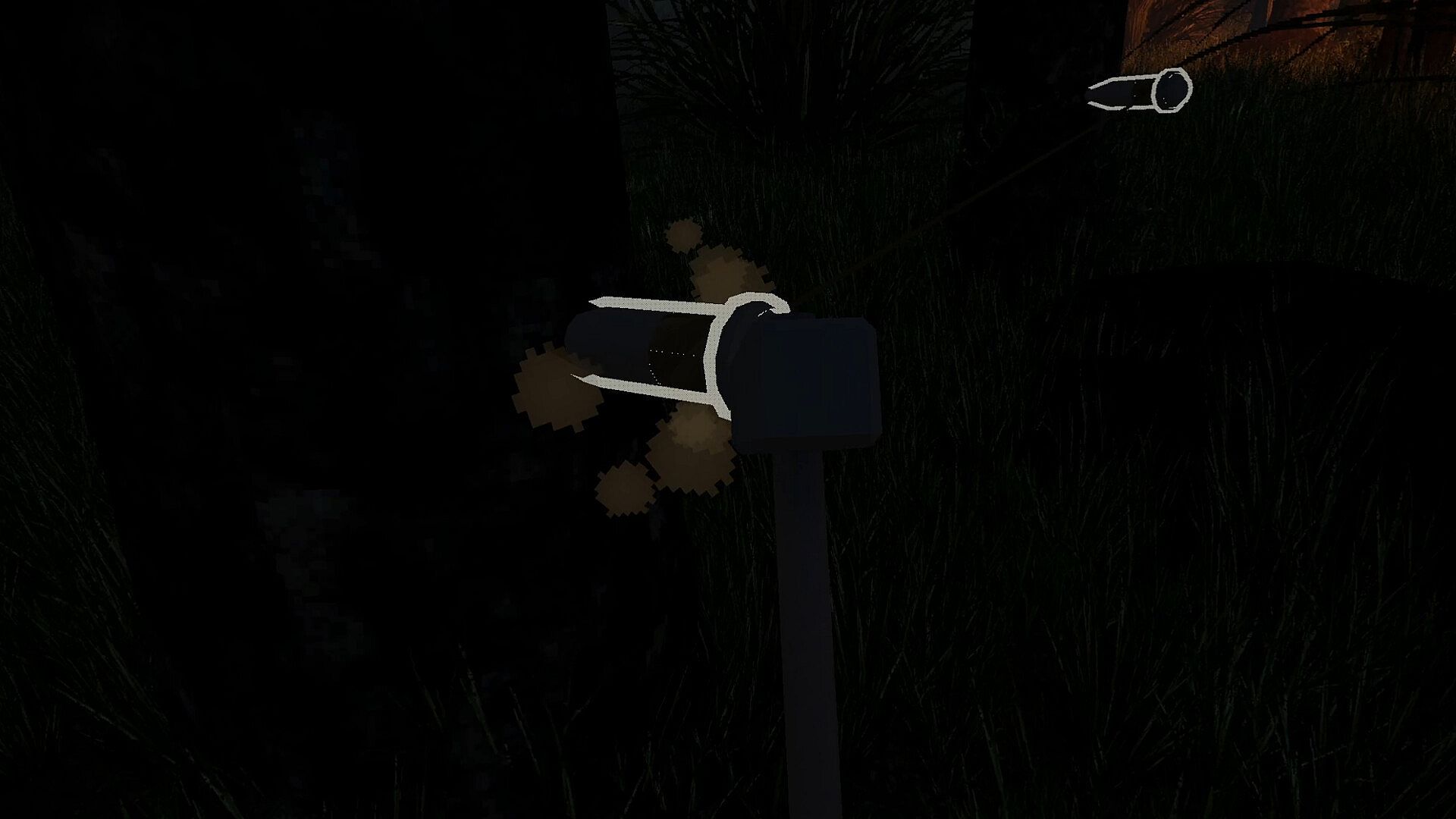
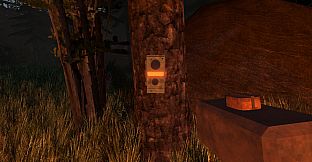
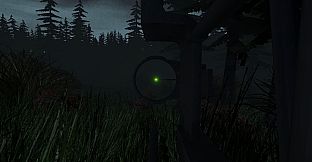
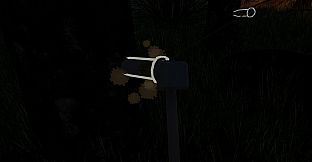
Hunters equip a bow for ranged or close-range engagements and deploy several tracking and control devices. Motion sensors detect movement and provide audio and visual alerts to pinpoint runner locations. Cameras offer toggleable thermal and standard views that can be positioned and monitored remotely across the map. Tripwires can be set at varying heights to stun or trip runners, with placement height affecting visibility and stun duration. Additional elements like fires serve multiple purposes depending on context.
Runners gather resources scattered throughout the environment to craft items that create delays or distractions. Campfires provide warmth to counter the cold or act as decoys to mislead the hunter. Bait can be used to lure opponents into traps or unfavorable positions. Survival requires balancing resource collection, trap deployment, and movement until the match timer reaches sunrise.
Game Modes
Matches revolve around two primary roles that define the objectives and playstyle for each participant. The hunter aims to eliminate all runners before the sun rises, relying on tracking tools, the bow, and environmental setups to maintain pressure. The runner objective is to avoid elimination and endure until sunrise through careful navigation, crafting, and use of distractions.
Free exploration of the map allows runners to locate crafting materials while hunters set up monitoring networks. Both sides interact with the same shared space, creating opportunities for dynamic encounters based on positioning and timing. The procedural forest supports varied strategies across sessions without fixed layouts.
Core Mechanics and Features
Crafting and placement of traps or decoys form a central system for both roles. Hunters build detection and control devices such as motion sensors, cameras, and tripwires to gain information and restrict movement. Runners craft countermeasures and use campfires strategically. The bow serves as the hunter primary tool for engaging at distance or closing in during chases.
Environmental factors play a consistent role. The cold affects runners and requires active management through campfires or other means. Procedural generation ensures maps vary in layout and resource distribution, encouraging adaptation rather than memorized routes. Bait mechanics allow players to influence opponent behavior in targeted ways.
Is It Worth Playing?
Human Hunter suits players who enjoy asymmetric multiplayer experiences focused on cat-and-mouse tension rather than direct combat symmetry. The emphasis on crafting, placement, and survival until a time limit creates a distinct loop that rewards patience and map awareness for runners alongside methodical setup for hunters. Those seeking quick matches or heavy emphasis on shooting mechanics may find the slower pace and resource elements less engaging.
The game supports group play where friends can divide into opposing roles for repeated sessions. Its indie scale keeps the focus narrow on the core hunter-runner dynamic in the procedurally generated setting. Availability on PC makes it accessible for those interested in this style of atmospheric pursuit gameplay.