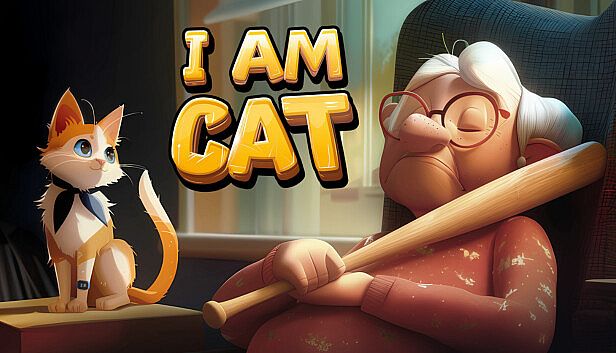





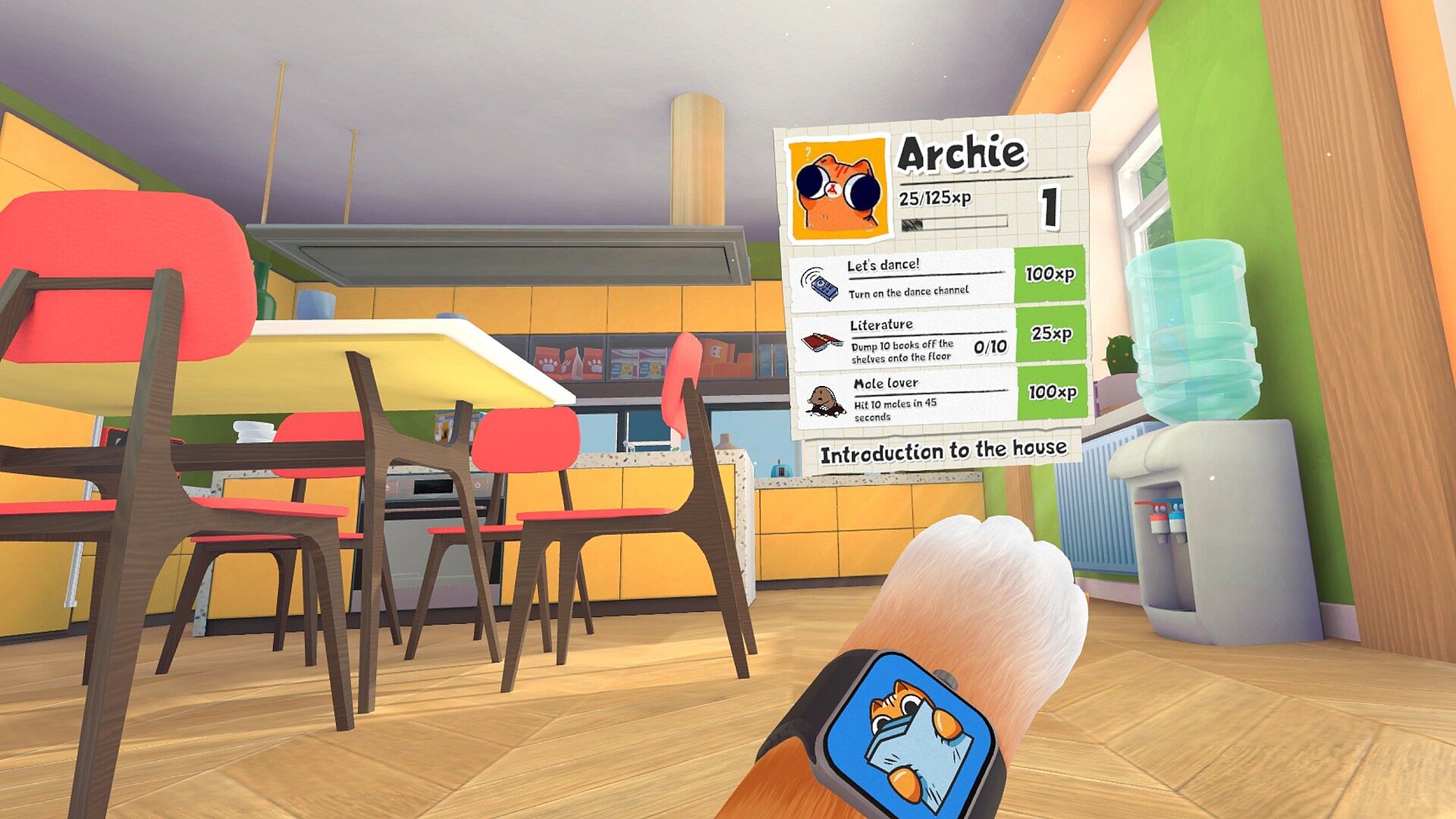
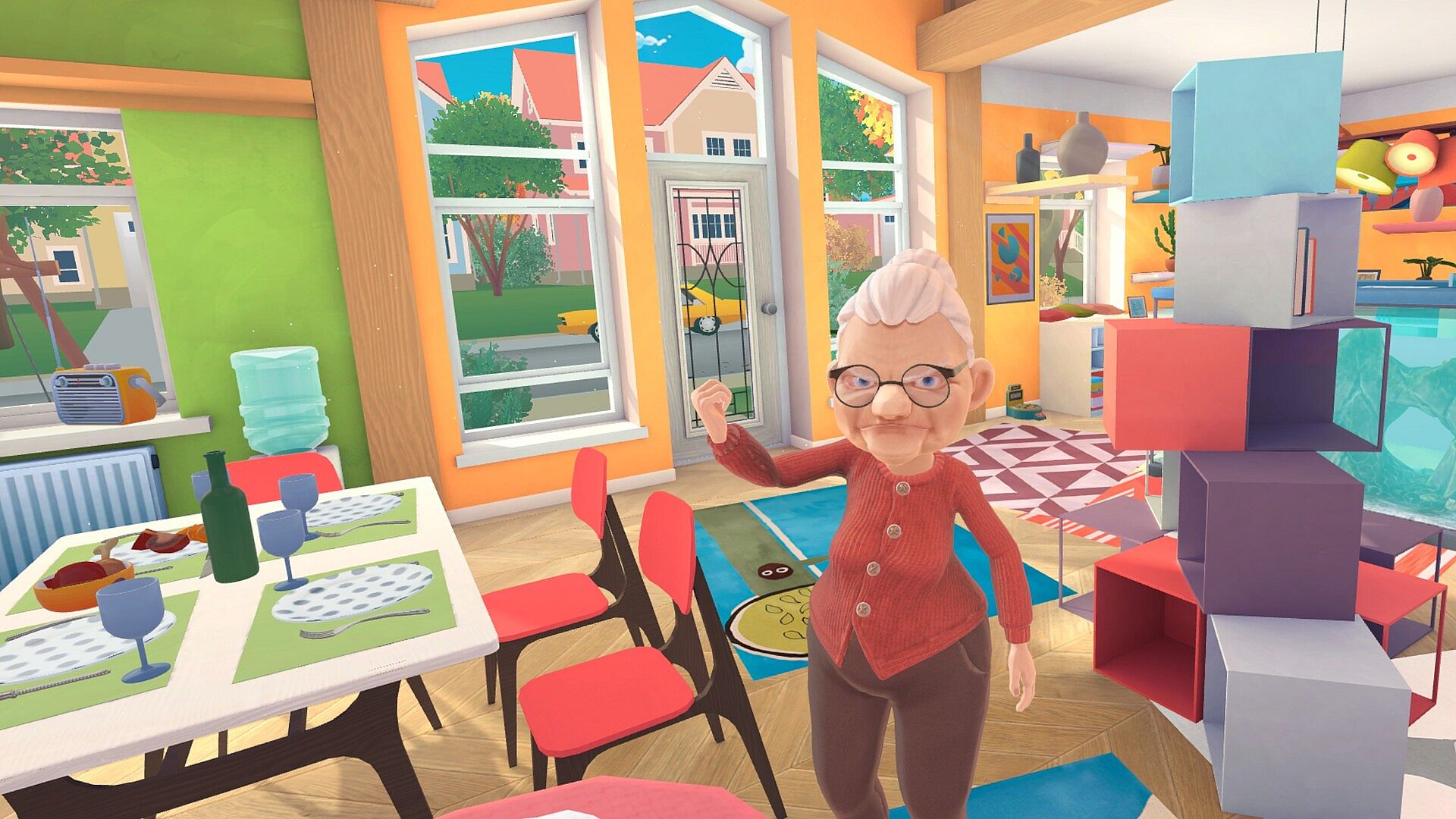
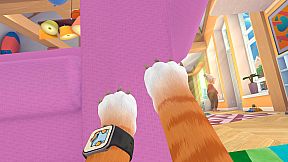
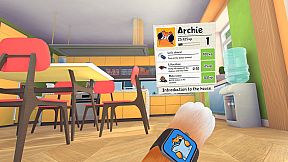
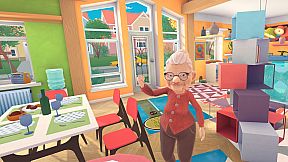
I Am Cat to symulacja i przygodowa gra VR, w której wcielasz się w kota zwiedzającego szczegółowo odwzorowany dom. Stworzona jako niezależny tytuł z elementami casualowymi i sandboxowymi, stawia na swobodną interakcję zamiast sztywnych celów - pozwala wcielać się w kocich zachowań w jednym miejscu pełnym interaktywnych przedmiotów i lekkich wątków fabularnych.
Rozgrywka
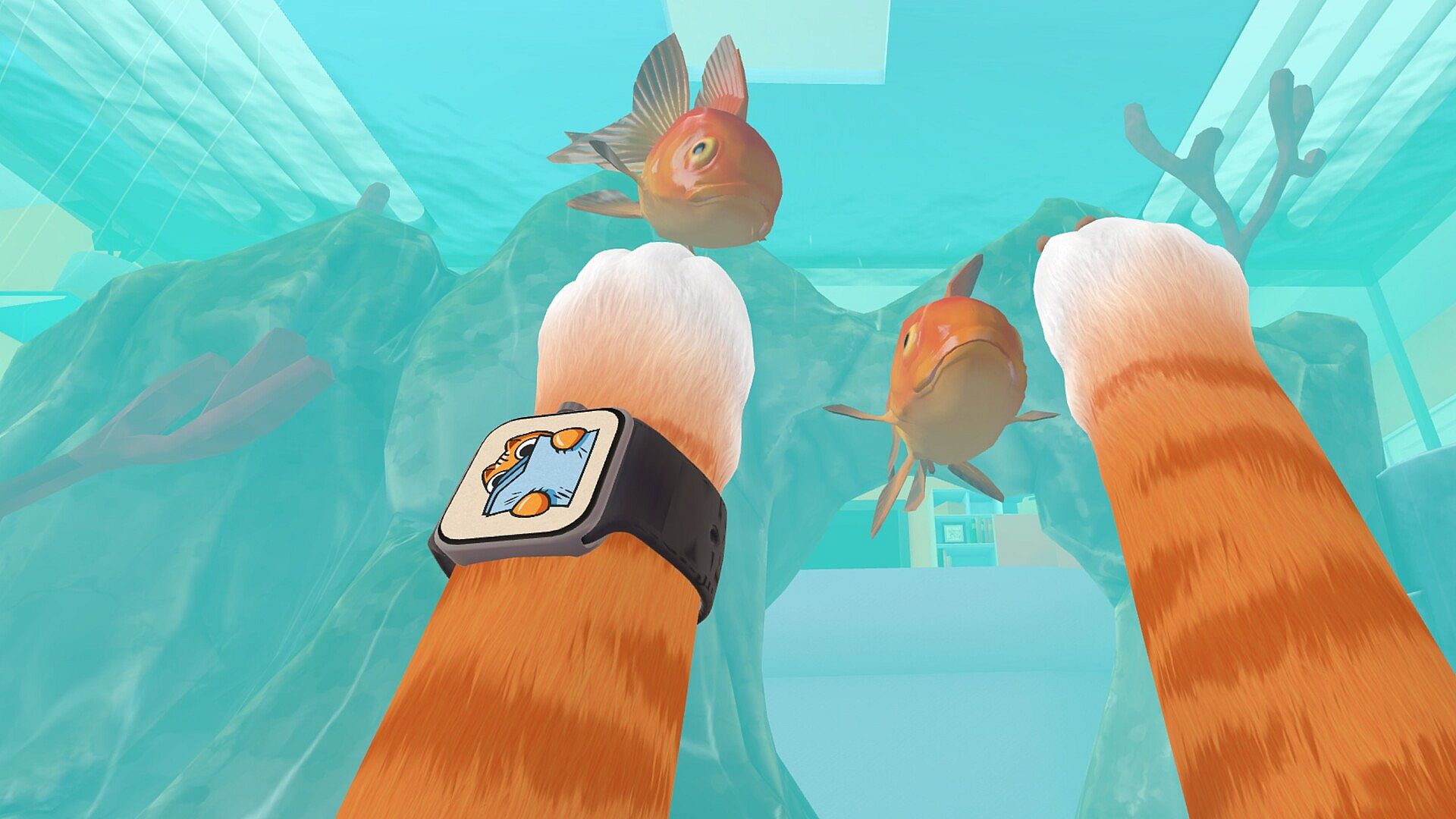
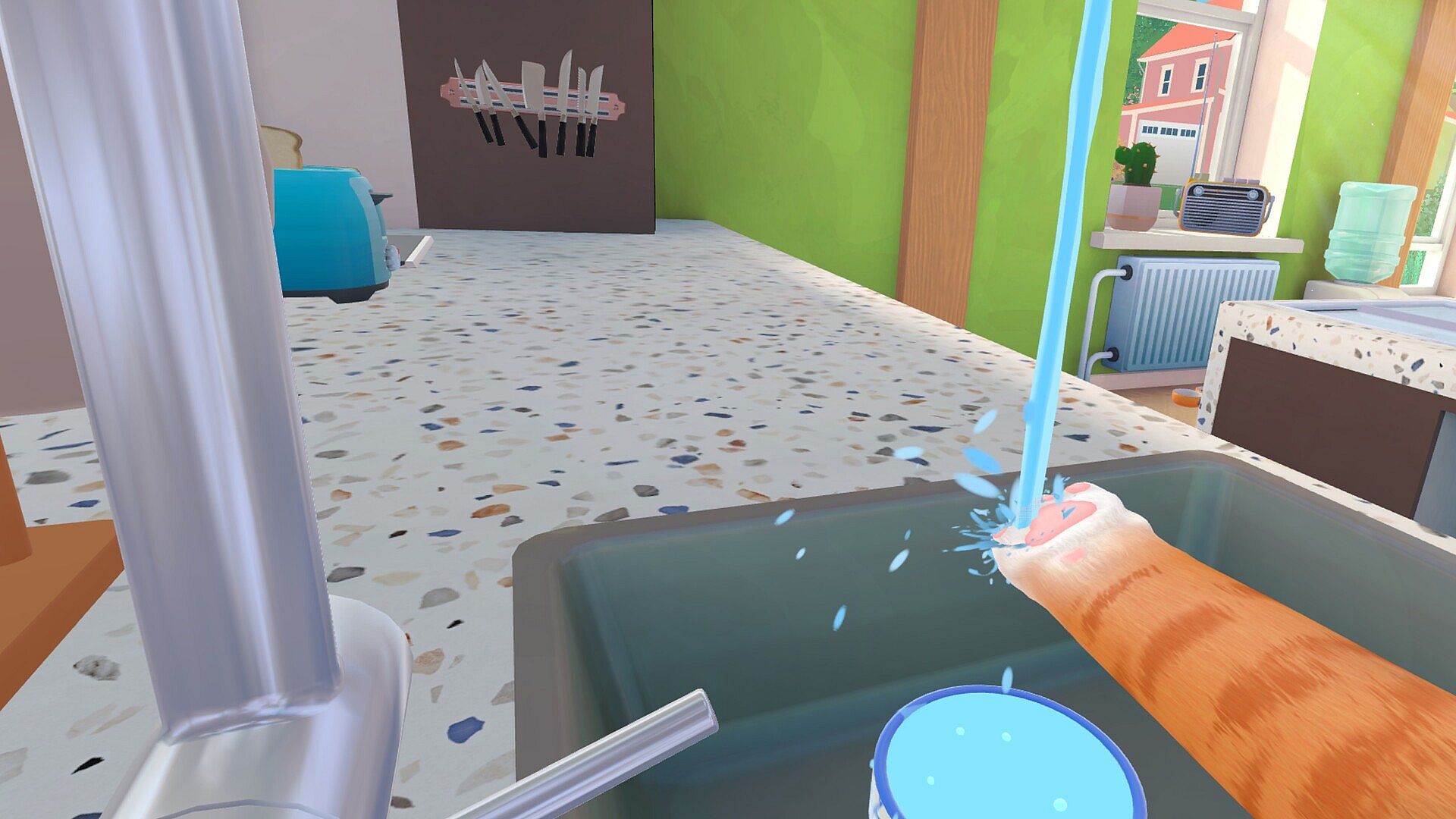
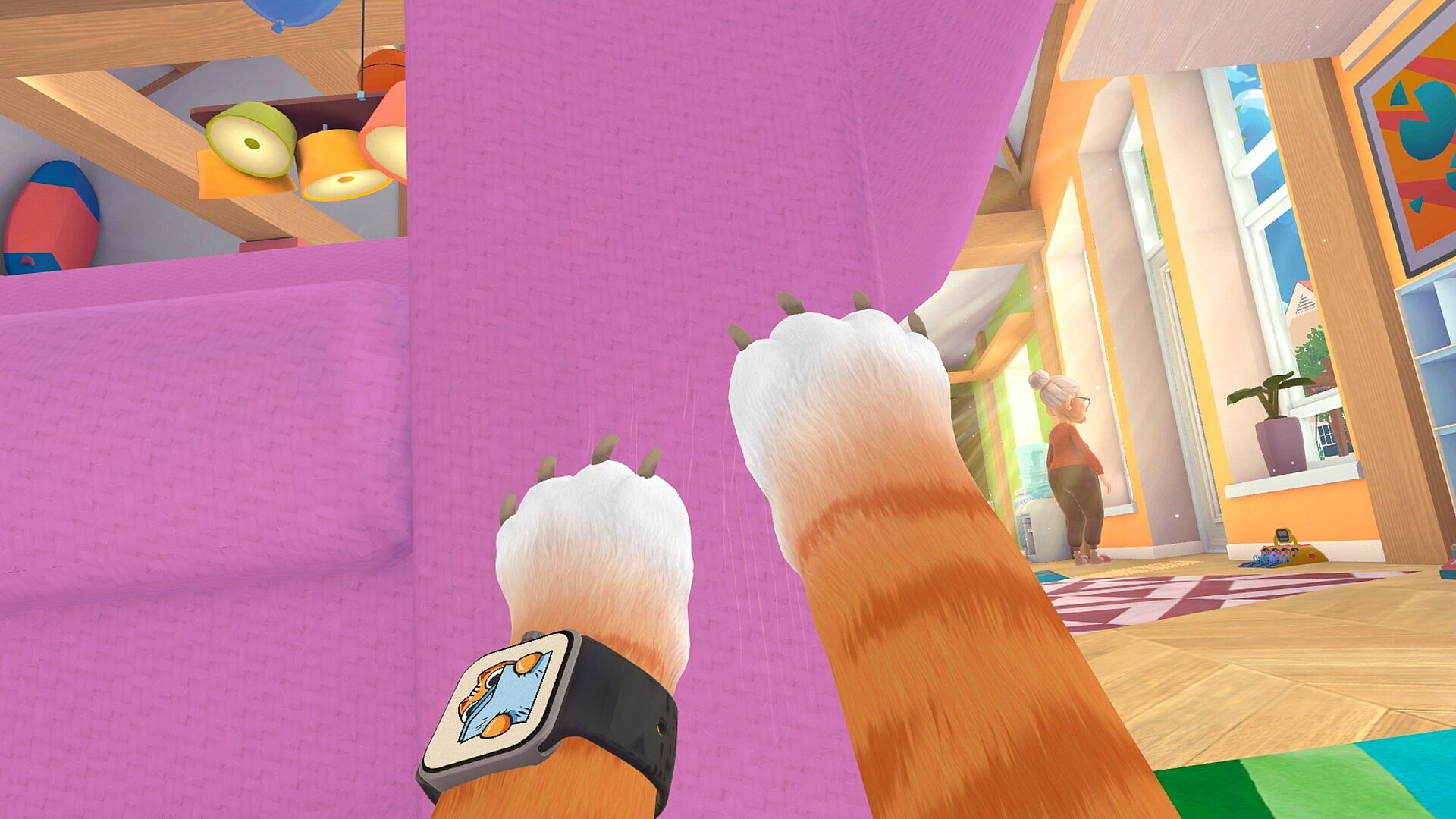
Podstawą jest poruszanie się po domu Babci za pomocą kontrolerów VR, które symulują łapy. Dzięki temu możesz skakać, wspinać się i manipulować przedmiotami z realistyczną fizyką. Możesz przewracać wazony, drapać powierzchnie, rzucać obiektami czy kraść rzeczy, przemierzając pokoje pełne ukrytych detali i prostych zadań. Mechaniki skradania się pojawiają się przy unikaniu lub interakcji z Babcią - reaguje ona na hałasy, dając okazję do zabawnych konfliktów lub wspólnych chwil. W różnych miejscach czekają minigry, takie jak kopanie piłki czy gonitwa za małymi celami, wplecione naturalnie w układ domu.
Eksploracja zachęca do ciekawości - każdy kąt kryje potencjał nowych interakcji dzięki systemowi fizyki, który decyduje o reakcjach przedmiotów na kocie łapy. Zadania polegają na rozwiązywaniu prostych zagadek lub wykonywaniu kocich misji, które nagradzają odkrywanie otoczenia, bez wymogu precyzyjnego timingu czy walki. Całość osadzona jest w codziennym otoczeniu domowym, gdzie bieganie, skakanie i drobne psoty stanowią główne zajęcia.
Tryby gry
W trybie dla jednego gracza skupiasz się na samotnych przygodach w domu - wykonujesz zadania, odkrywasz sekrety i eksperymentujesz z otoczeniem we własnym tempie. Tryb ten podkreśla osobiste odkrycia i wielokrotne powroty, by dopracować interakcje lub wypróbować inne podejścia do sytuacji z Babcią.
Tryb wieloosobowy rozszerza sandbox na wspólne sesje, obsługujące do 20 graczy w formule chaotycznej zabawy grupowej. Uczestnicy mogą współpracować lub rywalizować w tym samym domu, zwiększając potencjał zbiorowych psot i interakcji społecznych przy zachowaniu tych samych mechanik ruchu i manipulacji przedmiotami.
Kluczowe mechaniki i funkcje
Interakcje oparte na fizyce stanowią główny atut - niemal każdy przedmiot w domu reaguje dynamicznie na działania gracza, od książek fruwających po pokojach po meble odpowiadające na drapanie. Mechaniki skradania się i relacji z Babcią dodają różnorodności, pozwalając wybrać między unikaniem wykrycia a budowaniem przyjaznych więzi przez kolejne spotkania. Sterowanie zaprojektowano z myślą o intuicyjności w VR - naturalne gesty przekładają się na ruchy kota bez skomplikowanych kombinacji przycisków.
Zadania i sekrety rozrzucone są po pokojach, by zachęcić do dokładnego przemierzania domu, choć pozostają opcjonalne i lekkie w zakresie. Minigry oferują szybkie rozrywki, które naturalnie wpisują się w otoczenie i sprawdzają się zarówno w grze solo, jak i w grupie.
Czy warto zagrać?
Tytuł przypadnie do gustu osobom szukającym relaksującej rozgrywki VR opartej na lekkich, kapryśnych aktywnościach zamiast intensywnych wyzwań czy długich kampanii. Styl swobodnej symulacji spodoba się tym, którzy lubią eksperymentować z fizyką i wcielać się w zwierzęta w zamkniętej przestrzeni. Recenzje na PC są mieszane - niektórzy chwalą solidną zabawę, ale zwracają uwagę na ograniczoną liczbę aktualizacji w porównaniu z innymi platformami. Gra pozostaje dostępna w sprzedaży z okresowymi promocjami, a jej format krótkich sesji ułatwia okazjonalne granie bez dużego nakładu czasu. Najwięcej satysfakcji znajdą w niej fani indie'owych sandboxów VR skupionych na codziennych psotach i prostych zadaniach, natomiast osoby oczekujące wysokiej polerki produkcyjnej lub obszernej zawartości powinny najpierw wypróbować demo, jeśli jest dostępne.