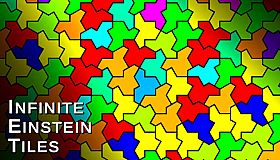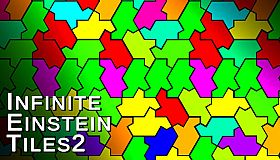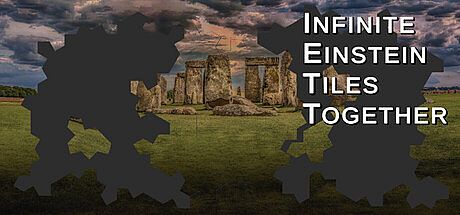


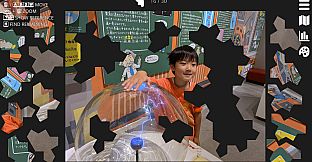
Infinite Einstein Tiles Together to niezależna, casualowa gra logiczna na PC, w której gracze wspólnie odkrywają zasady aperiodycznego kafelkowania, składając puzzle w stylu układanki. Mechanika opiera się na słynnym problemie Einsteina z matematyki - jednym kształcie kafelka, który pokrywa nieskończoną płaszczyznę bez powtarzania wzoru i bez potrzeby używania lustrzanych odbici. Gracze układają te unikalne elementy, tworząc rozległe, nieregularne kompozycje - zarówno solo, jak i razem z innymi w sesjach współdzielonych.
Rozgrywka
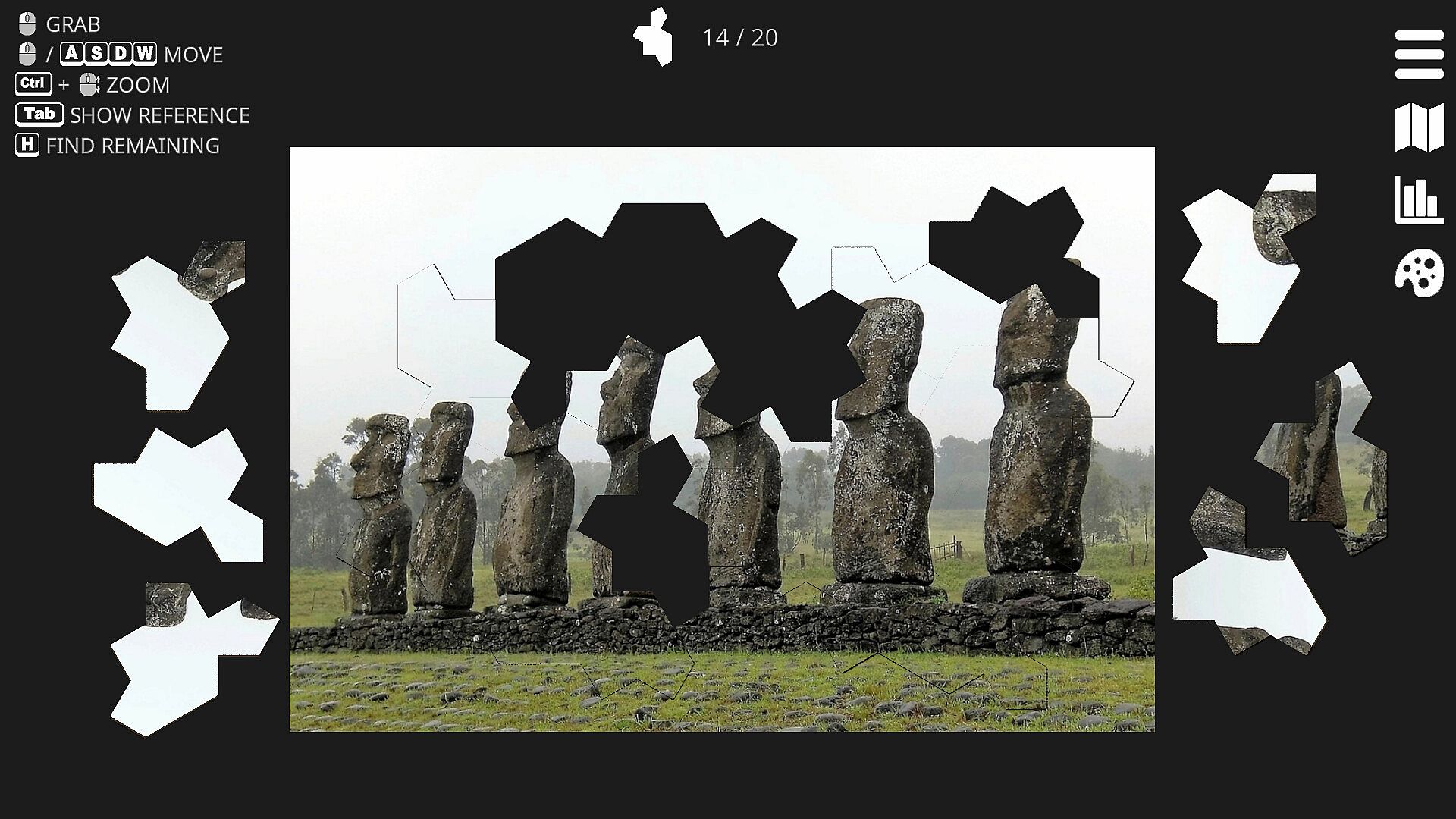
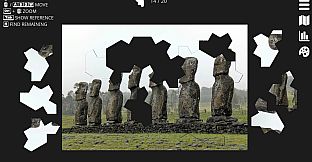
Podstawowa pętla polega na wybieraniu i umieszczaniu kafelków einstein tak, by wypełnić wyznaczone obszary bez przerw i nakładek. Każdy kafelek ma charakterystyczny kształt, który przy prawidłowym łączeniu pozwala na nieskończone, niepowtarzalne pokrycie. Obracanie i dopasowywanie wymaga precyzji przy krawędziach i kątach, zamieniając odkrycie matematyczne w przystępną, manualną zabawę. Postępy pojawiają się stopniowo - kolejne fragmenty łączą się w coraz większe, spójne struktury.
W trybie kooperacji kilku graczy może jednocześnie dodawać kafelki do tej samej planszy. Wbudowane narzędzia komunikacyjne ułatwiają koordynację przy trudniejszych fragmentach, a indywidualne wkłady składają się na wspólny cel. Gra solo zachowuje te same zasady układania, lecz pozwala na dowolne tempo i skupienie wyłącznie na własnej strategii.
Tryby gry
Sesje kooperacyjne obsługują do ośmiu graczy jednocześnie. Prywatne lobby umożliwiają grupom znajomych lub rodzinom wspólne granie w kontrolowanym środowisku. Publiczne lobby otwierają rozgrywkę dla uczestników z różnych miejsc, sprzyjając spontanicznej współpracy z nowymi osobami. Tryb solo całkowicie wyłącza element wieloosobowy, oferując nieprzerwaną przestrzeń do metodycznego układania kafelków.
Różnorodność opcji pozwala dostosować doświadczenie do liczebności grupy i preferencji - od kameralnych spotkań po większe zgromadzenia online. Struktura gry kładzie nacisk na elastyczny udział: gracze mogą dołączać i opuszczać sesję w dowolnym momencie, a praca nad kafelkowaniem trwa dalej.
Światowe Dziedzictwo - gotowe zagadki
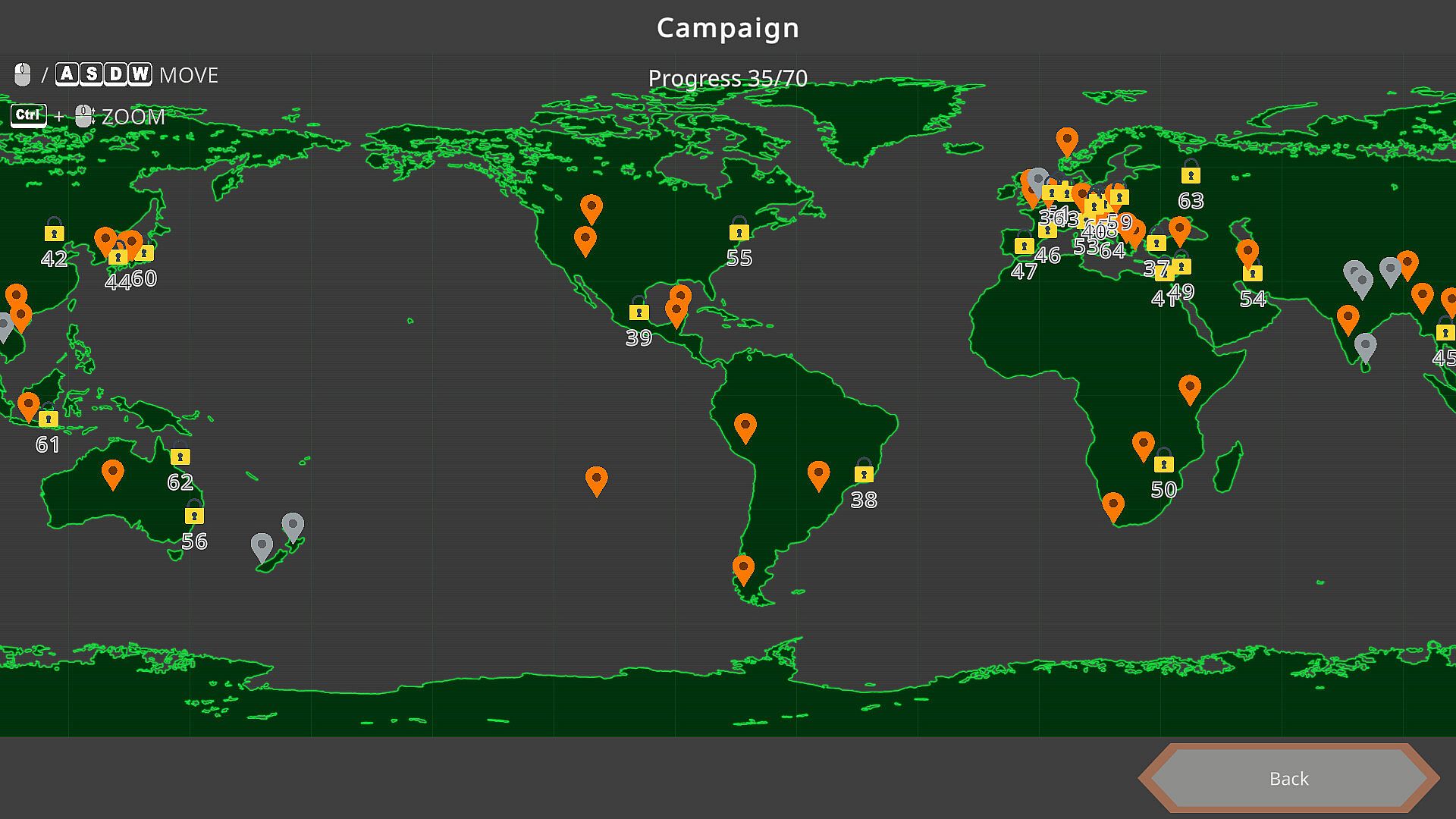
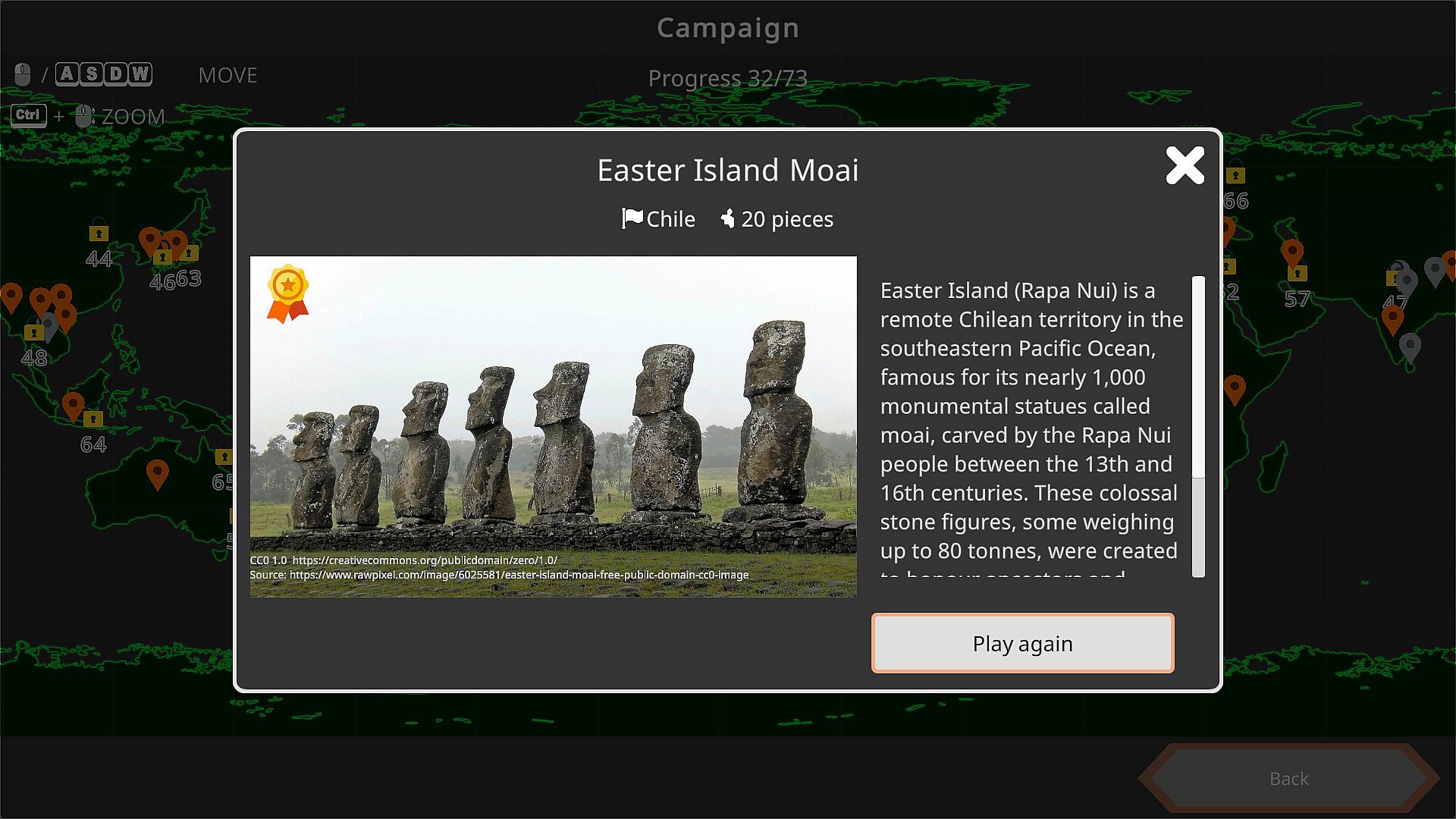
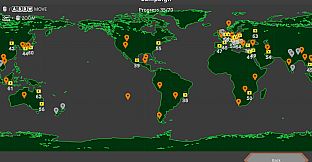
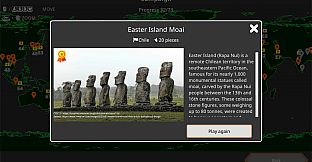
Kilkadziesiąt gotowych wyzwań inspirowanych słynnymi zabytkami z całego świata. Piramidy w Gizie, Tadź Mahal czy Machu Picchu służą jako tematyczne tło dla zadań z kafelkami. Interfejs mapy świata umożliwia przeglądanie i wybieranie konkretnych miejsc - każde z nich oferuje unikalny układ, w którym mechanika einstein łączy się z charakterystyczną dla danego obiektu kompozycją wizualną.
Te wbudowane zagadki zapewniają uporządkowaną różnorodność: skala i poziom trudności zależą od wybranego obiektu dziedzictwa. Ukończenie polega na pokryciu całego obszaru przy użyciu jednego typu kafelka, zachowując aperiodyczne właściwości stanowiące fundament gry.
Własne zagadki ze zdjęć
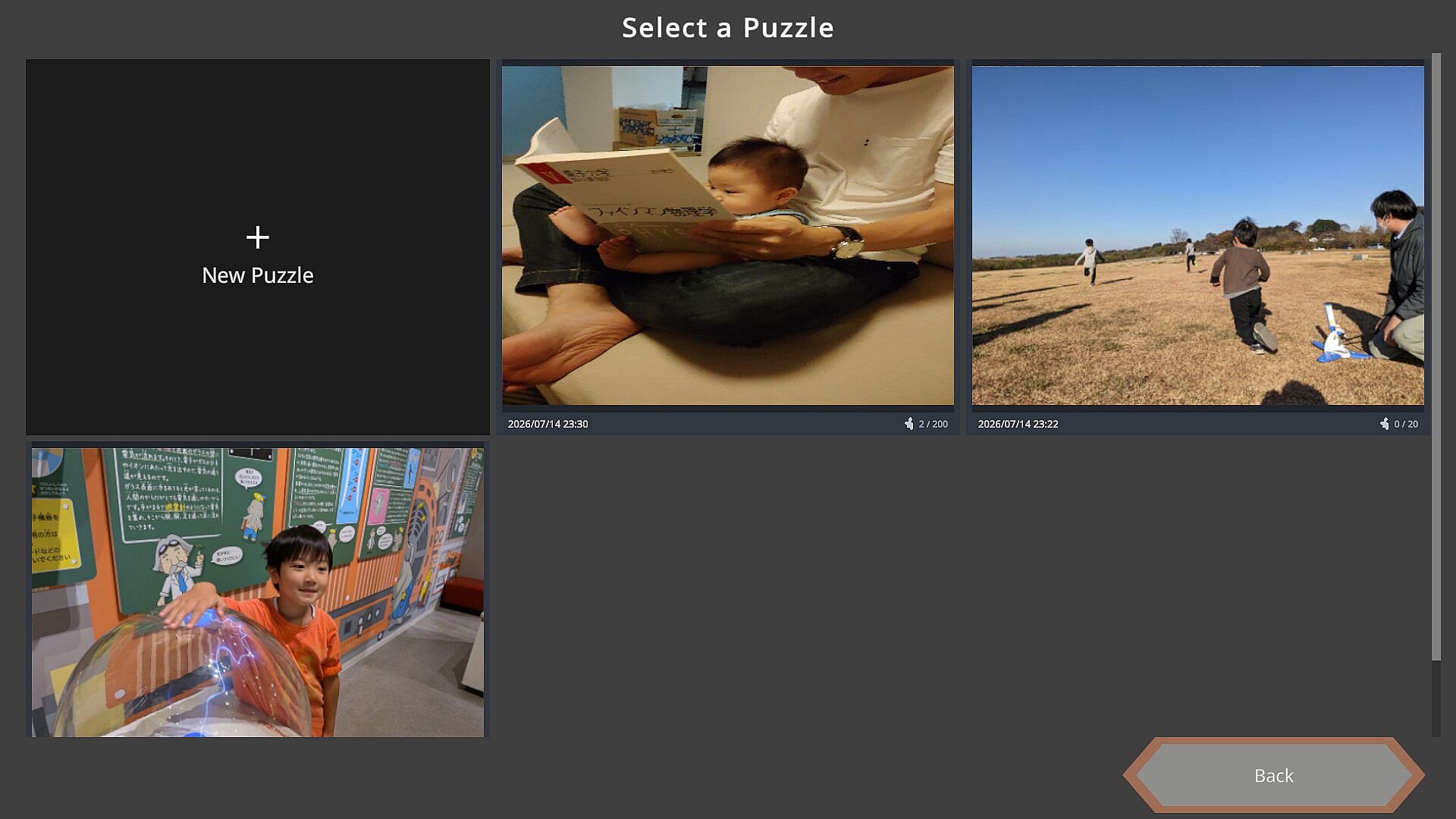
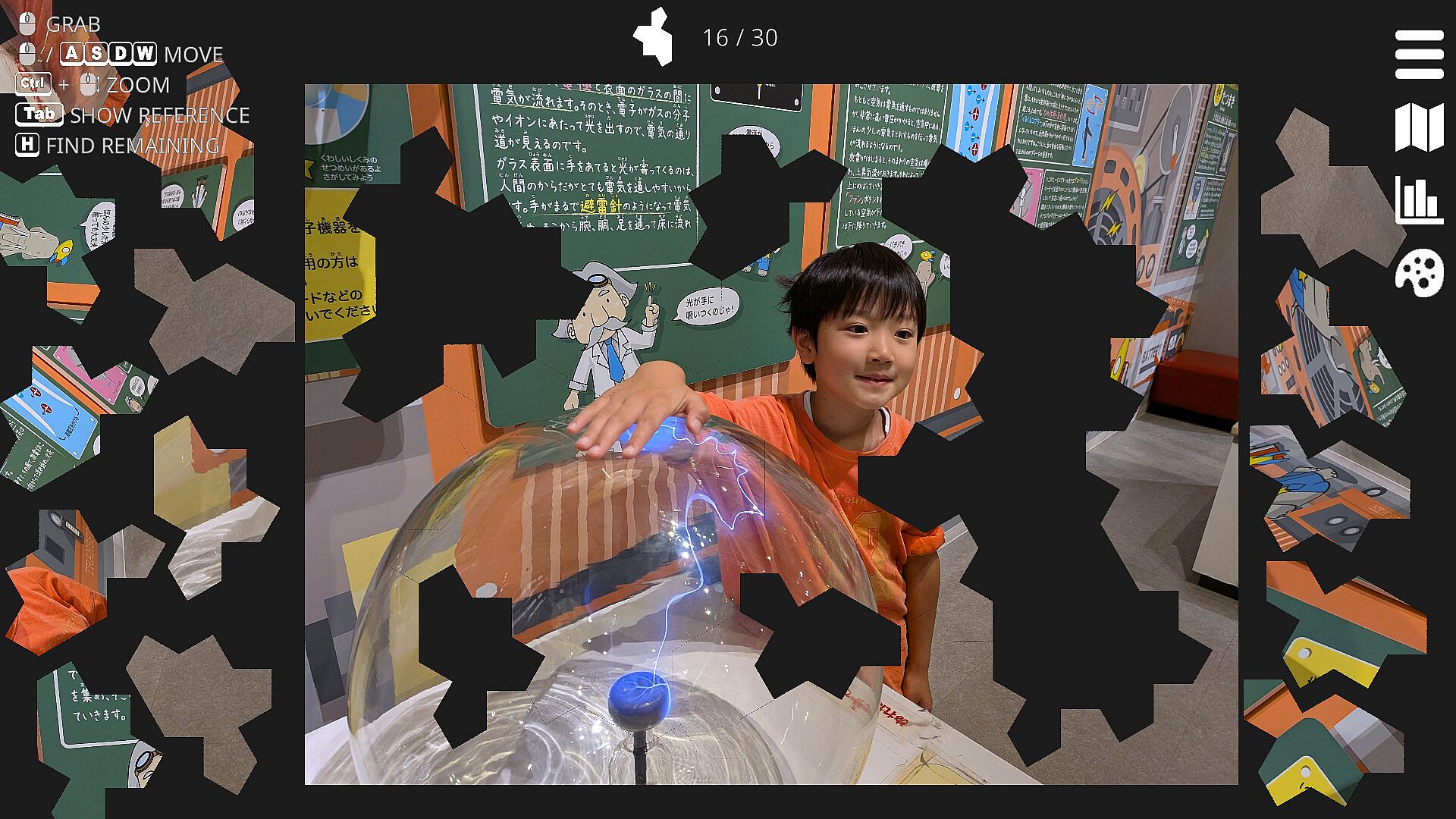
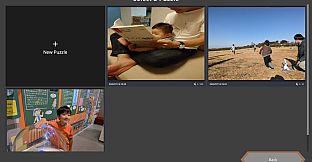
Gracze mogą wczytywać własne obrazy w formacie PNG lub JPEG, by tworzyć spersonalizowane wyzwania. System przekształca wybrane zdjęcie w siatkę kafelków einstein, zachowując oryginalny obraz i jednocześnie stosując zasady aperiodycznego układania. Funkcja obsługuje zdjęcia rodzinne, portrety zwierząt czy dowolne inne motywy, zamieniając je w unikalne doświadczenia wykraczające poza gotowe zestawy dziedzictwa.
Po wczytaniu, własna zagadka działa według tych samych zasad co pozostałe tryby - kooperacyjnego lub solo. Mechanika pozostaje niezmieniona, a jedyną różnicą jest możliwość wprowadzenia własnego materiału wizualnego.
Czy warto zagrać?
Gra przypadnie do gustu osobom lubującym się w łamigłówkach matematycznych, wspólnych projektach konstrukcyjnych lub spokojnych, kreatywnych sesjach. Model jednorazowego zakupu zapewnia dostęp do wszystkich wbudowanych treści ze światowego dziedzictwa bez dodatkowych opłat, umożliwiając długie rozgrywki w wielu sesjach. Połączenie potwierdzonych korzeni matematycznych z elastyczną kooperacją i opcjami personalizacji przyciąga graczy szukających alternatywy dla tradycyjnych puzzli.
Przed szerszą premierą opinie są jeszcze ograniczone, lecz opisane mechaniki odpowiadają oczekiwaniom fanów casualowych łamigłówek ceniących współpracę i możliwość dostosowania. Osoby zainteresowane koncepcją kafelków Einsteina lub grupowym rozwiązywaniem problemów znajdą tu bezpośrednie, sprawdzone rozwiązania.