


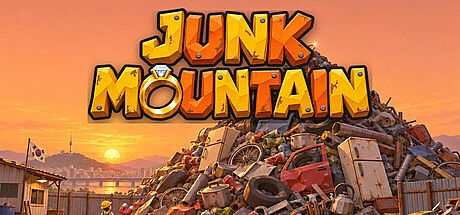


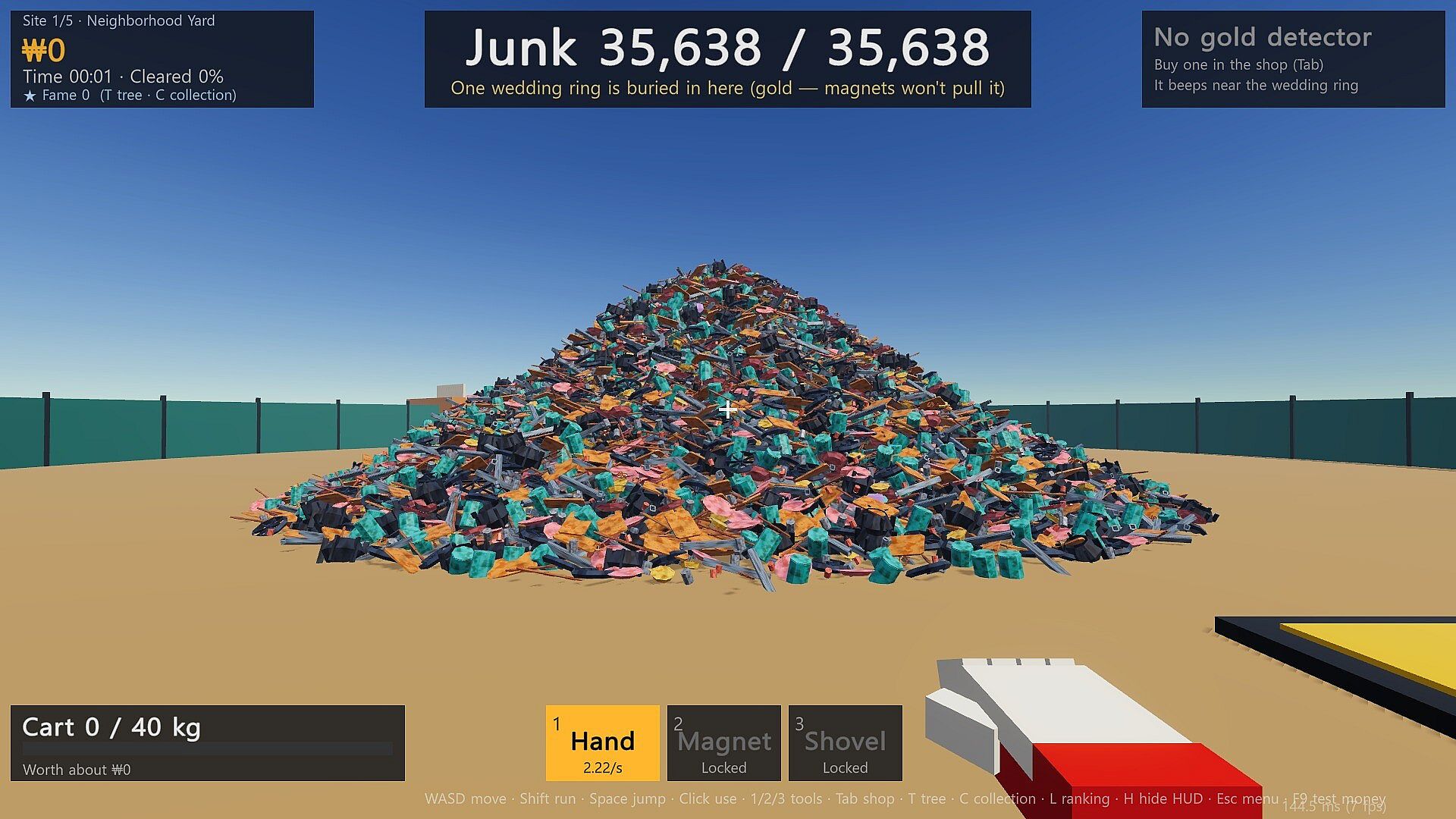
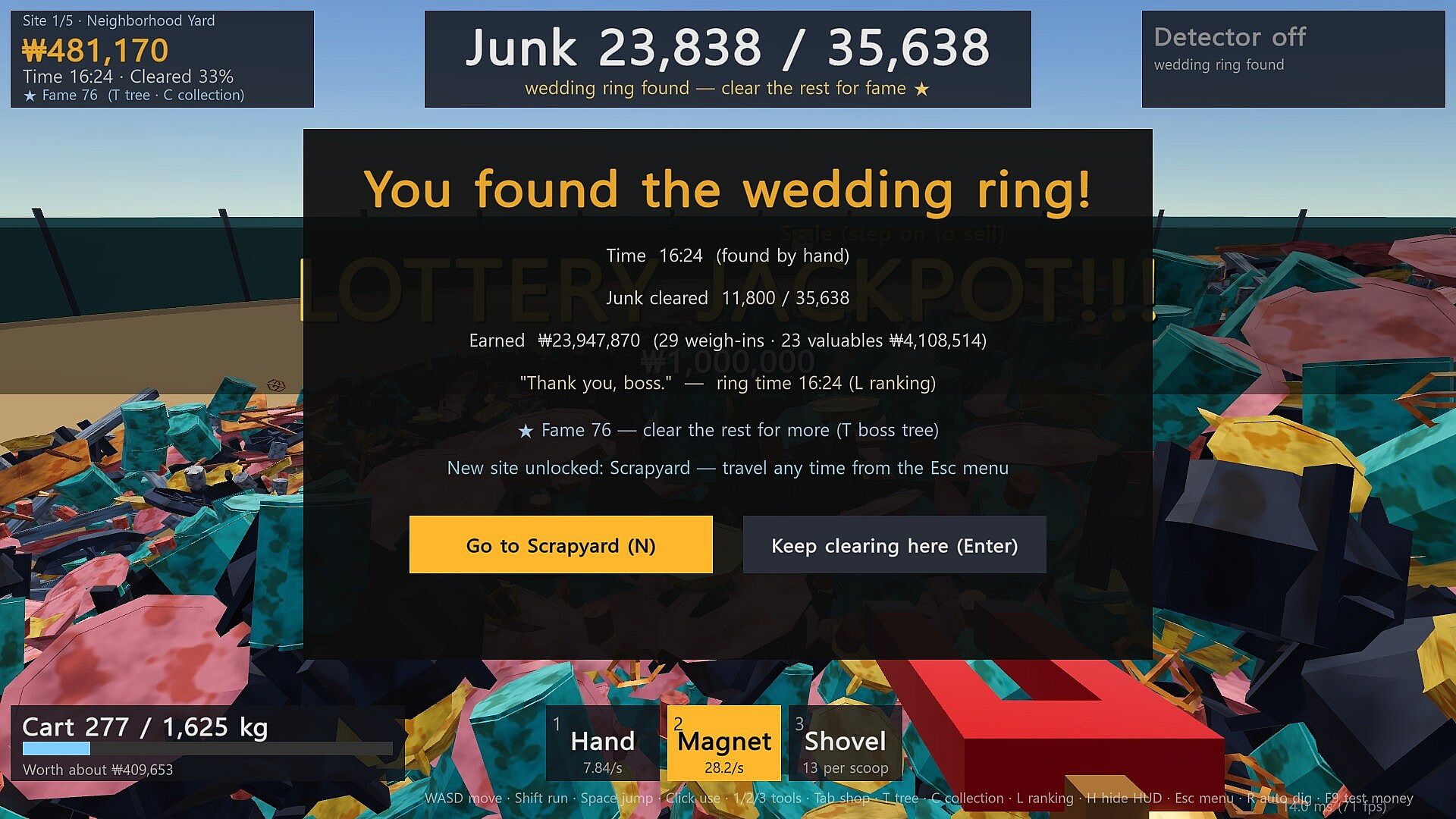
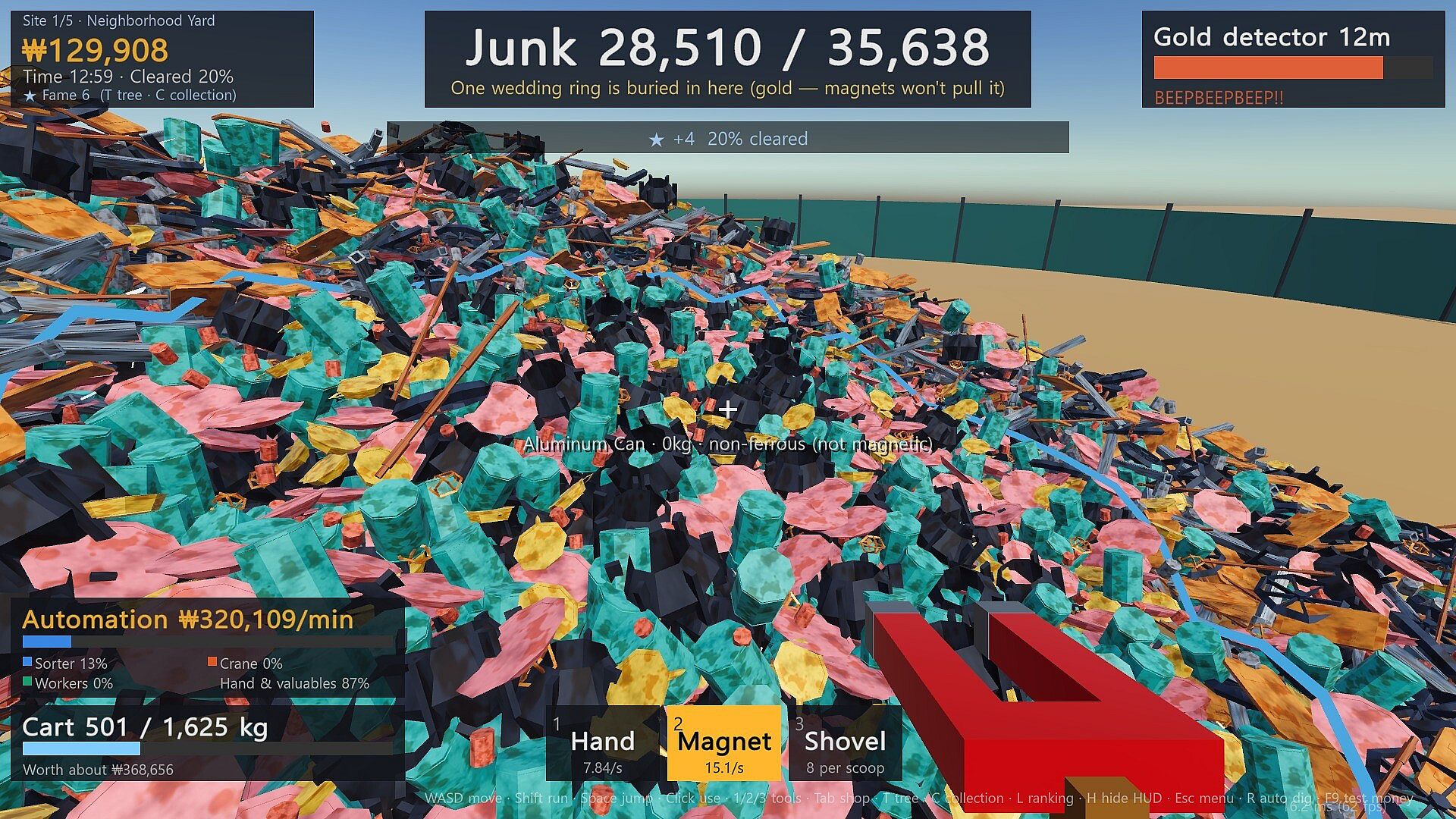
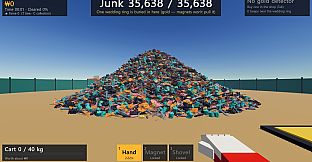


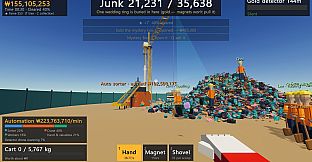
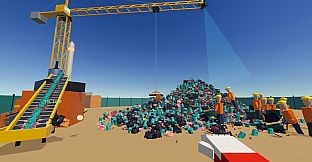
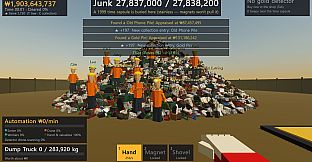
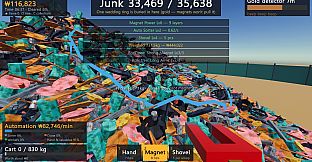
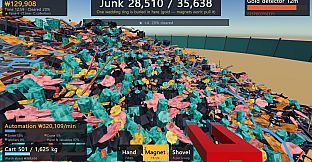
Junk Mountain is an indie casual simulation game centered on managing and clearing a junkyard. Players take over a struggling neighborhood operation with the goal of locating a lost wedding ring hidden among thousands of discarded items. The experience emphasizes progression from manual labor to full automation across multiple locations filled with realistic junk pieces.
Gameplay
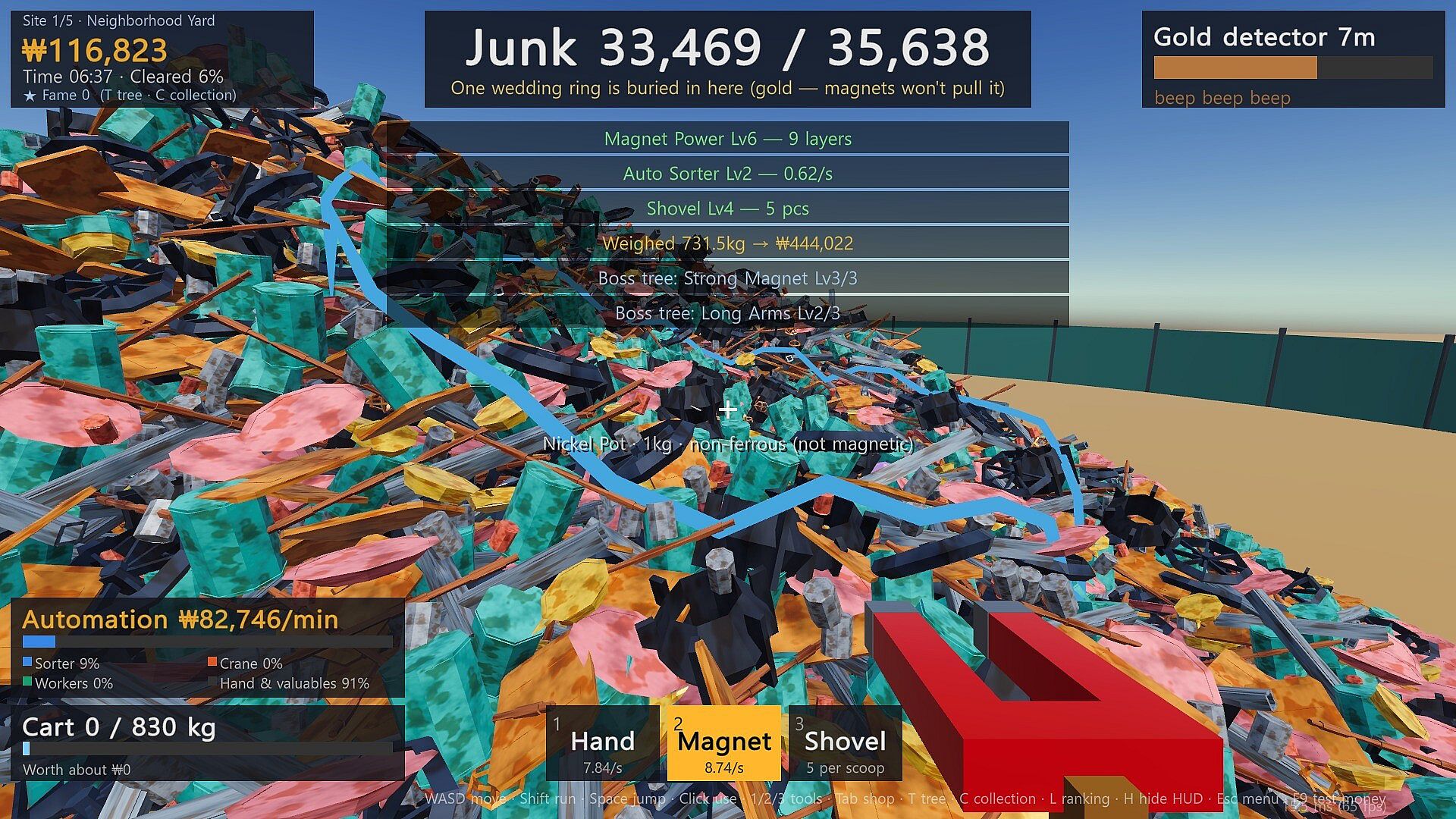
The core loop involves digging through piles of junk using tools that improve over time. Players start with bare hands to pick up individual items like cans or tires and advance to magnets, shovels, and automated sorters that handle larger volumes. Each cleared load gets weighed for payment by the kilo, with valuable finds such as gold teeth or antiques providing immediate payouts. Physics play a role as digging creates holes that cause surrounding junk to cave in, requiring careful planning to avoid setbacks.
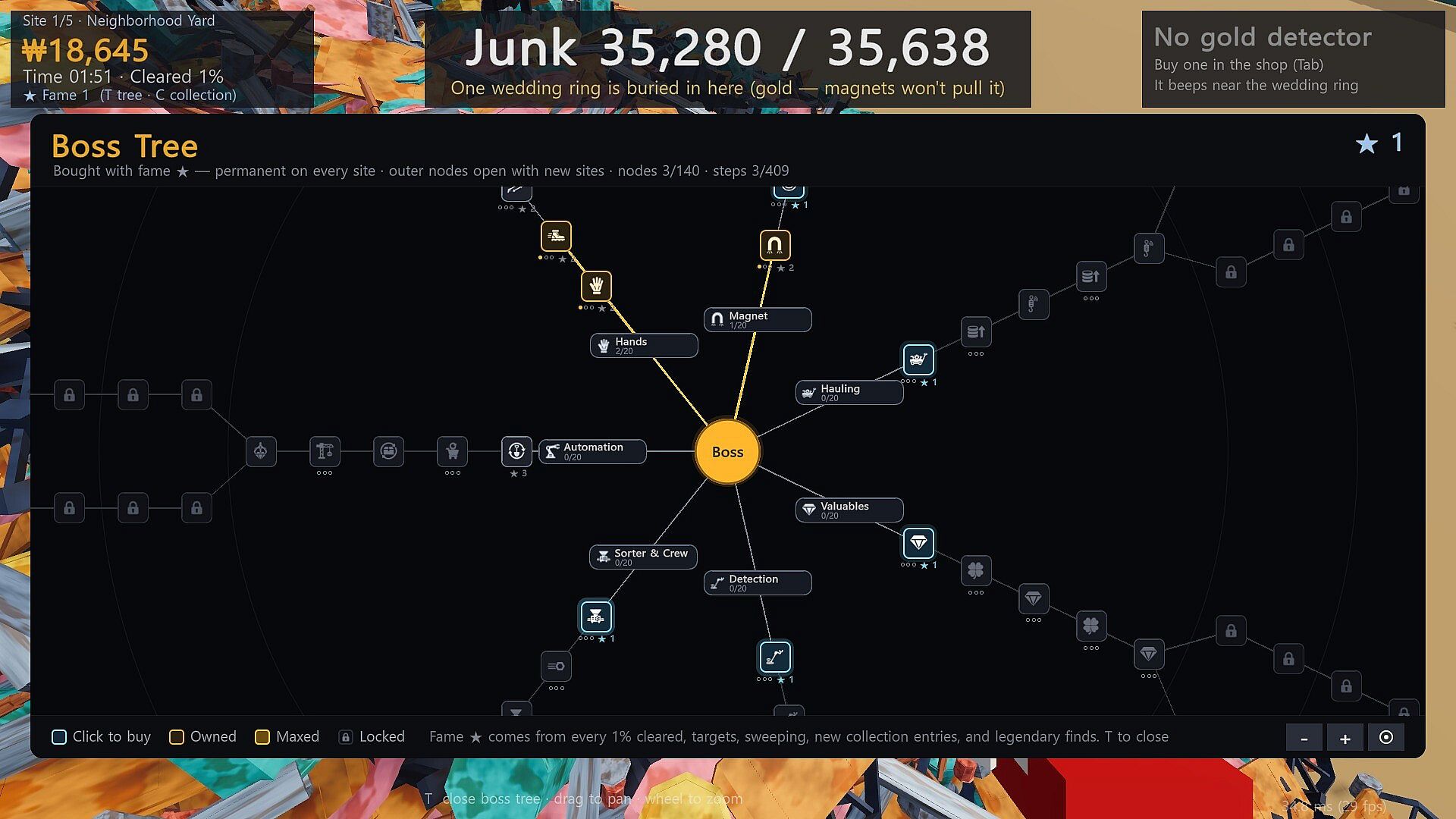
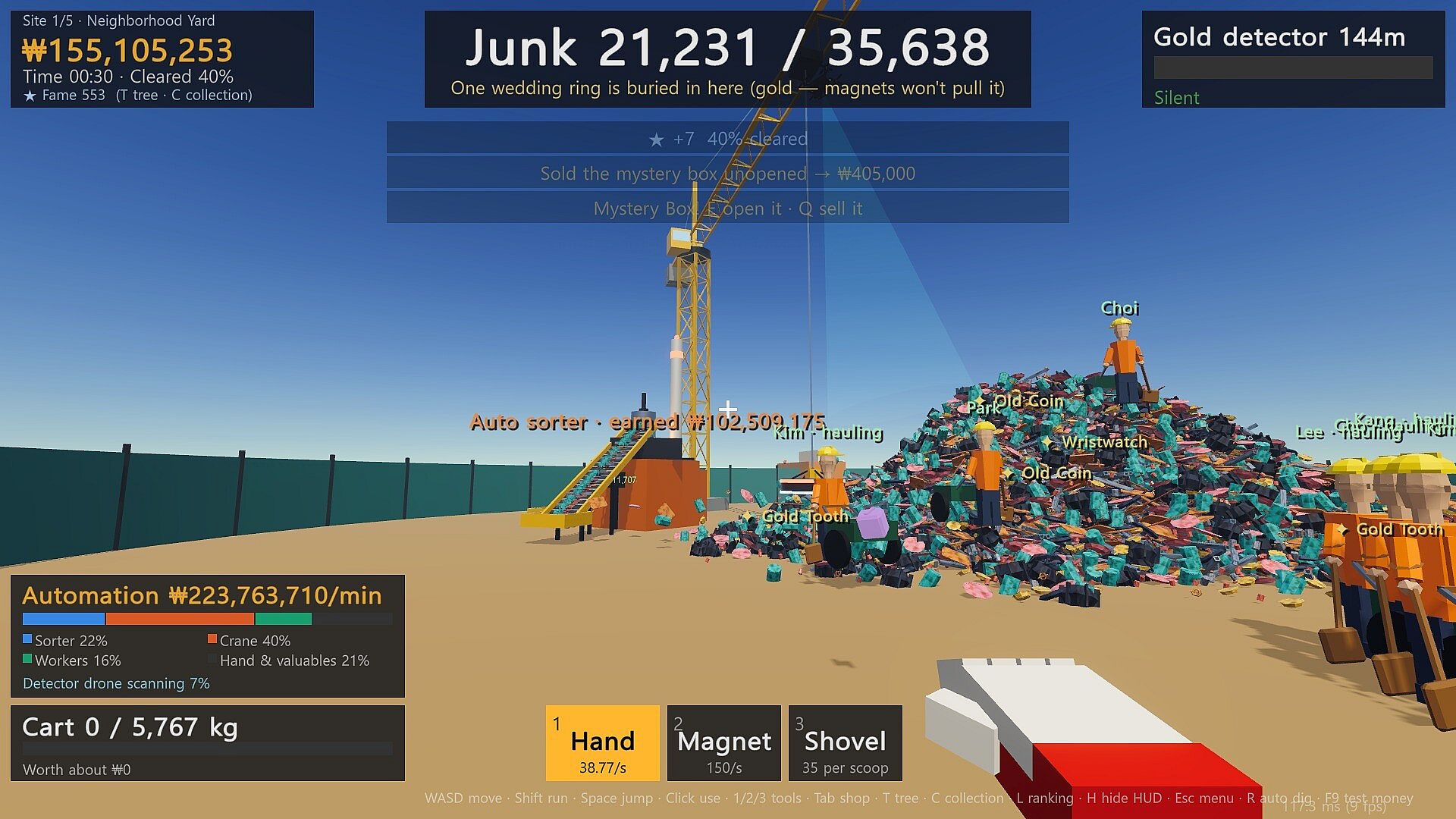
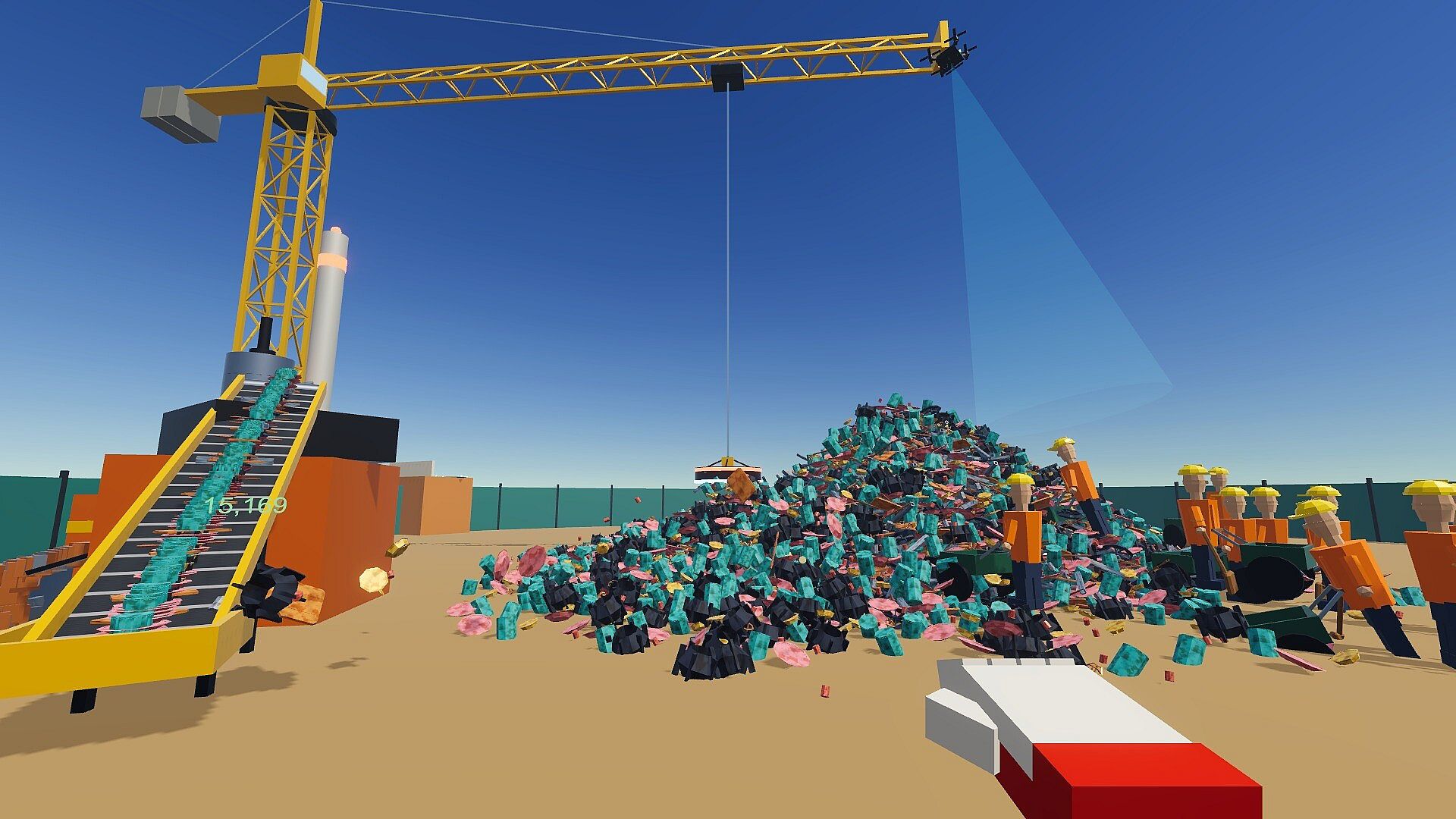
Progression ties into a boss tree system with 140 nodes and 409 steps for permanent upgrades purchased using fame points. Five distinct sites unfold in sequence, each containing hundreds of millions of junk pieces and a unique target item to recover. Shops at each site offer nine upgrades tailored to the location. Automation features include conveyor sorters, tower cranes, detector drones, and up to ten workers who haul carts, with earnings continuing even when the game is closed.
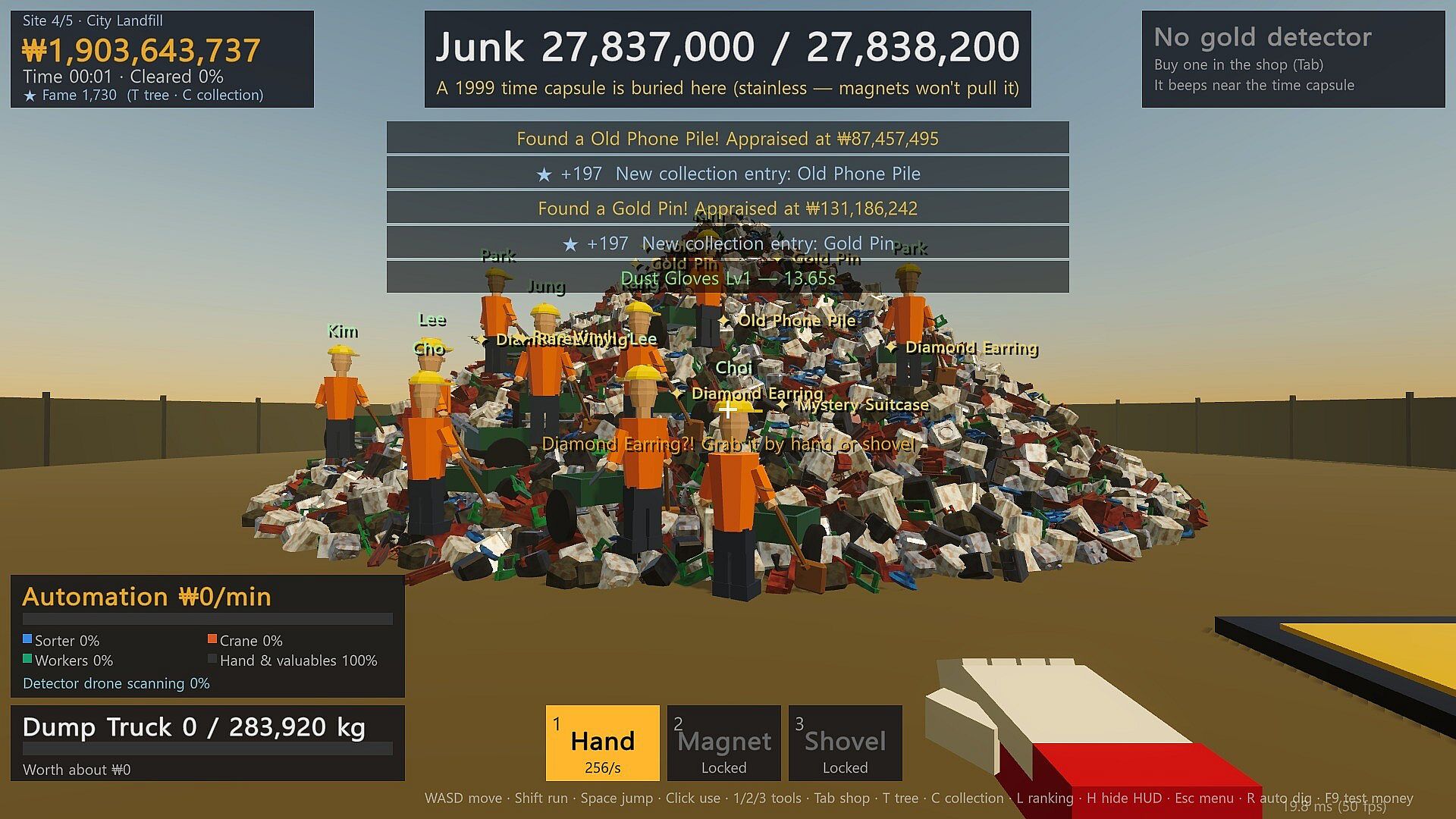
Additional layers include collecting items across 36 slots for site-wide bonuses and locating one legendary piece per site, such as a dinosaur fossil. Random events like price booms or magnet overloads add variety, while mystery boxes offer a risk-reward choice between selling immediately or opening for potential multipliers.
Game Modes
Junk Mountain operates as a single-player simulation without separate multiplayer modes. The main experience follows a linear site progression that builds toward full automation of the junkyard operations. Leaderboards track player performance on metrics like speed to complete the ending, achieve 100 percent completion across all sites, and recover the primary wedding ring target.
Streamer mode provides tools for content creators, including a split timer, event countdowns, customizable worker names, and an option to hide the HUD. This setup supports focused play sessions while allowing real-time interaction elements for viewers.
Progression and Upgrades
Early stages focus on hands-on collection and basic sales to build capital. As tools and machines unlock, the emphasis shifts to overseeing automated systems that generate passive income. The boss tree encourages strategic investment in upgrades that affect efficiency, capacity, and detection capabilities across all sites.
Each location introduces new challenges and a dedicated shop, ensuring steady advancement. Offline progression rewards players who step away, as workers and machines continue operating in the background.
Is It Worth Playing?
Junk Mountain suits players who enjoy idle and automation simulation games where the satisfaction comes from watching systems scale up over time. The detailed junk physics and realistic item variety create a tangible sense of digging through clutter, while the upgrade path from manual effort to self-running operations provides clear long-term goals.
With a planned release in Q1 2027 and no player reviews available yet, the game appeals most to those interested in casual management experiences with collection and leaderboard elements. Its focus on single-player progression and visual automation makes it a fit for relaxed sessions rather than competitive or story-driven play. Those drawn to incremental improvement and watching a junkyard evolve into an efficient operation will likely find the mechanics engaging once it launches.











