


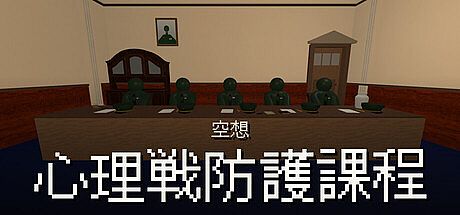



空想心理戦防護課程 is an indie simulation game built around a first-person exam experience on PC. Players navigate a government building, gather environmental clues through observation, and apply memory and deduction to pass oral exams that change with every attempt. The core loop centers on careful attention to details like floor patterns, staircase counts, corridor notices, and items carried by passersby, all without explicit guidance on what holds value.
Gameplay
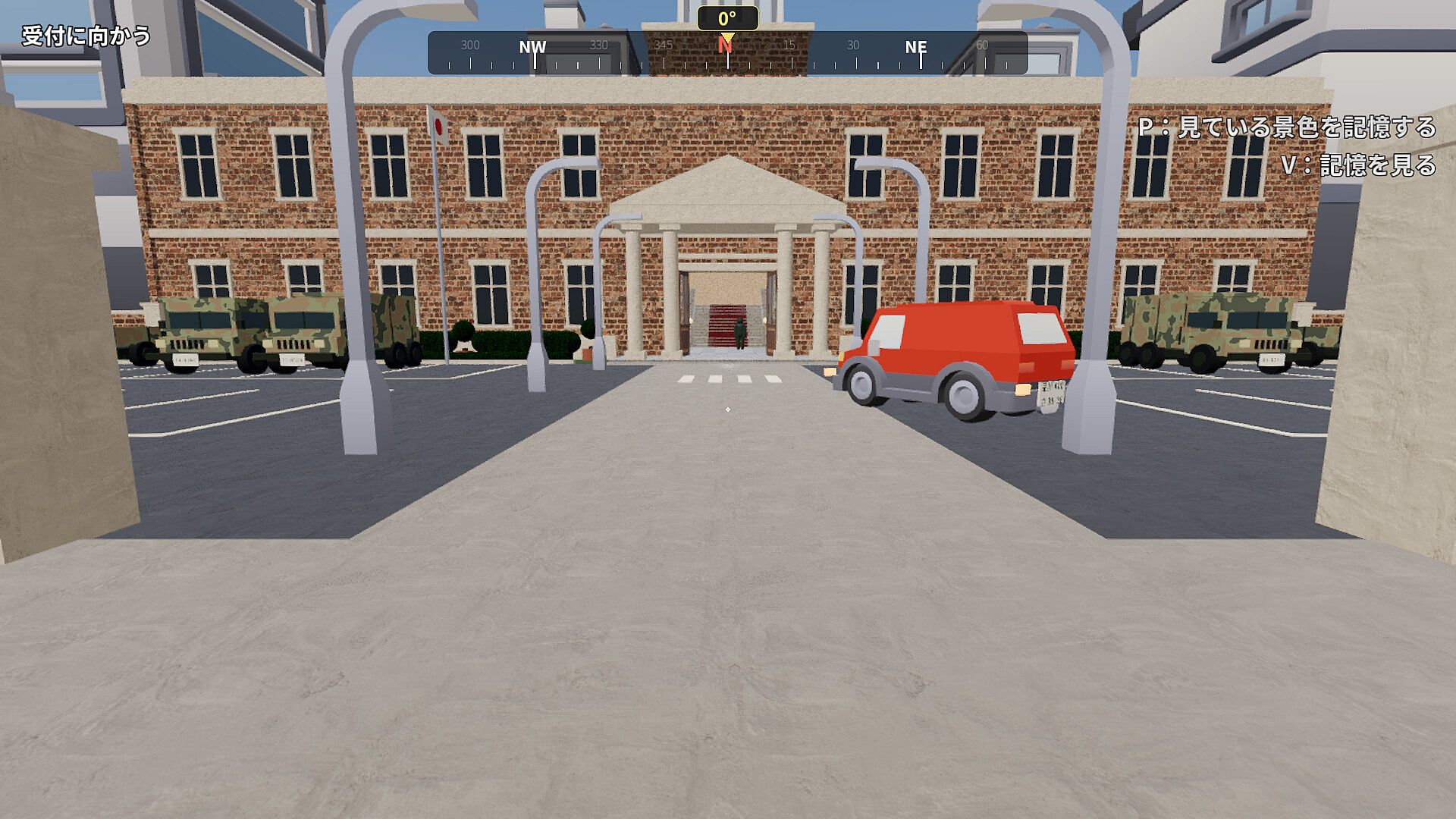
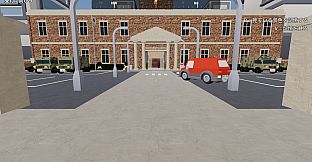
The session begins with arrival at a stately building at 10:44, followed by a tight window to reach the exam room by 11:00. Failure occurs immediately if the deadline is missed. The waiting room door stays locked, requiring a safe combination derived from clues encountered along the route. Every surface and interaction serves as potential source material, demanding constant scanning and retention of information.
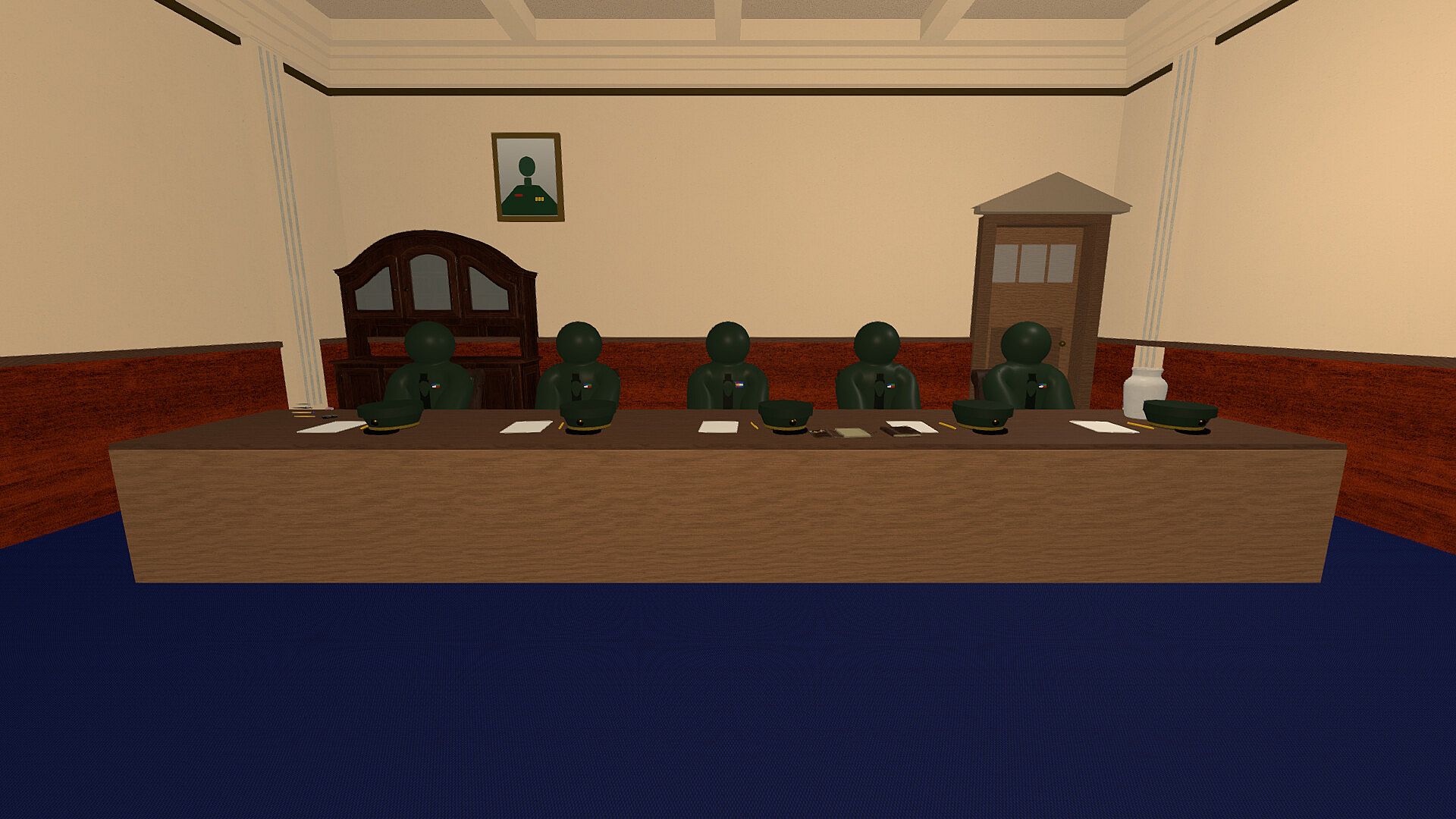
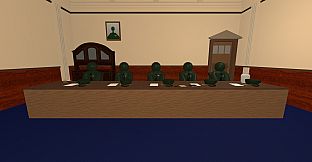
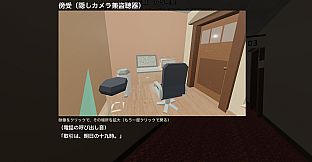
Photo memory allows capture of up to twelve images for later reference during questioning. Controls remain limited to keyboard and mouse, with specific keys assigned for saving views and reviewing them. The environment features detailed architecture and furniture, contrasted by faceless mannequins that represent all personnel except examiners, who wear identifiable service caps. Dialogue appears in Japanese with English subtitles.
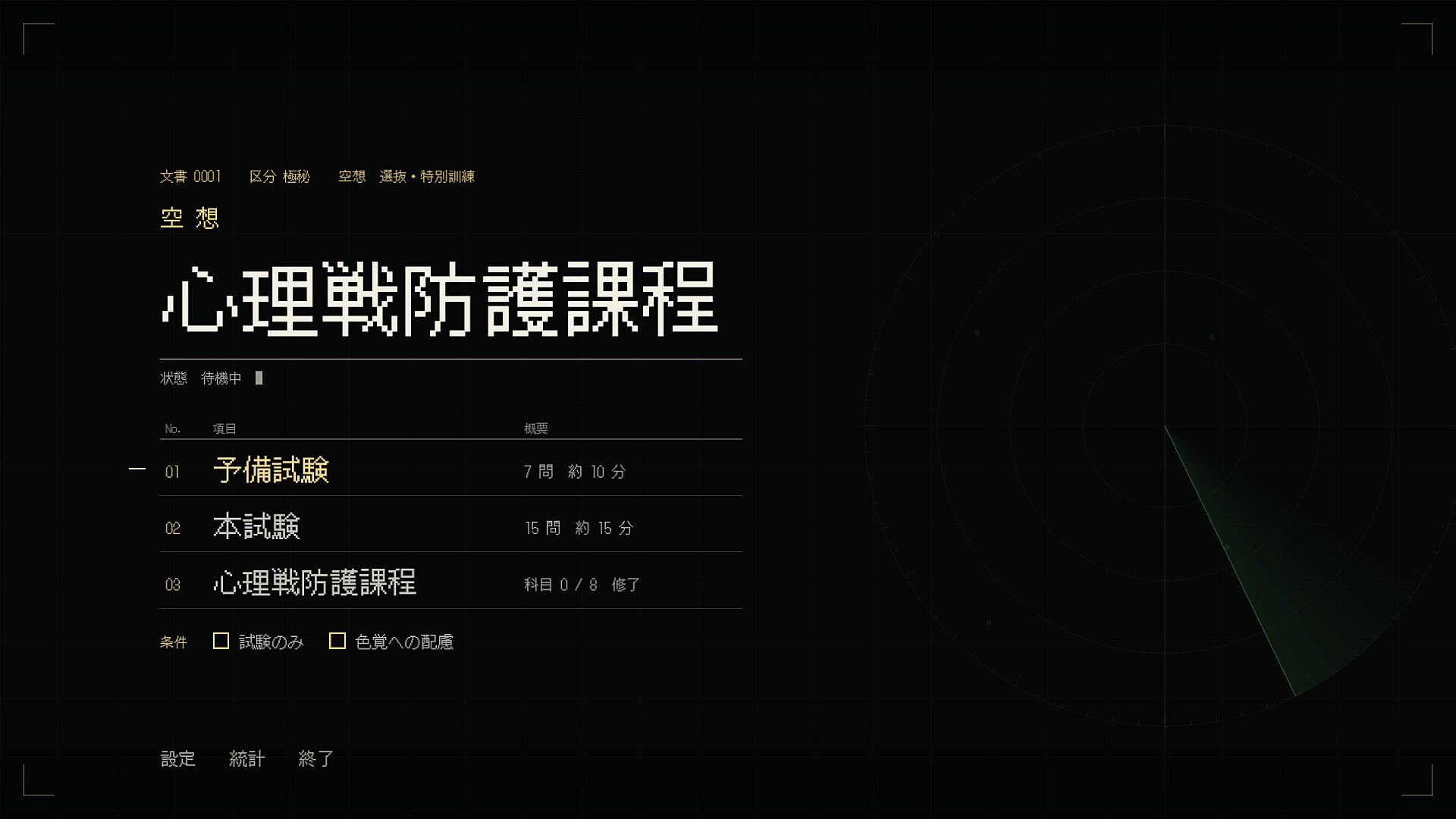
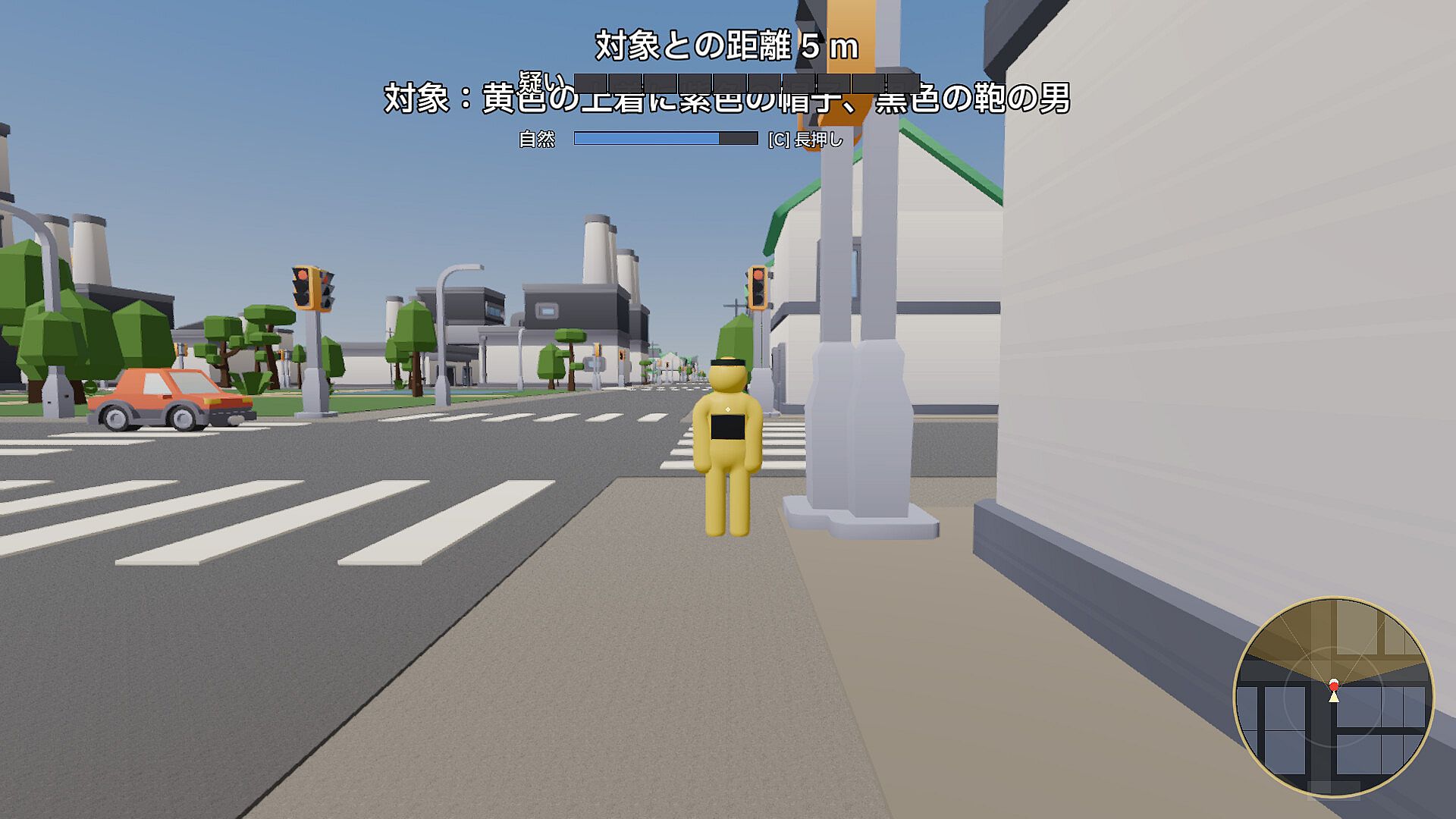
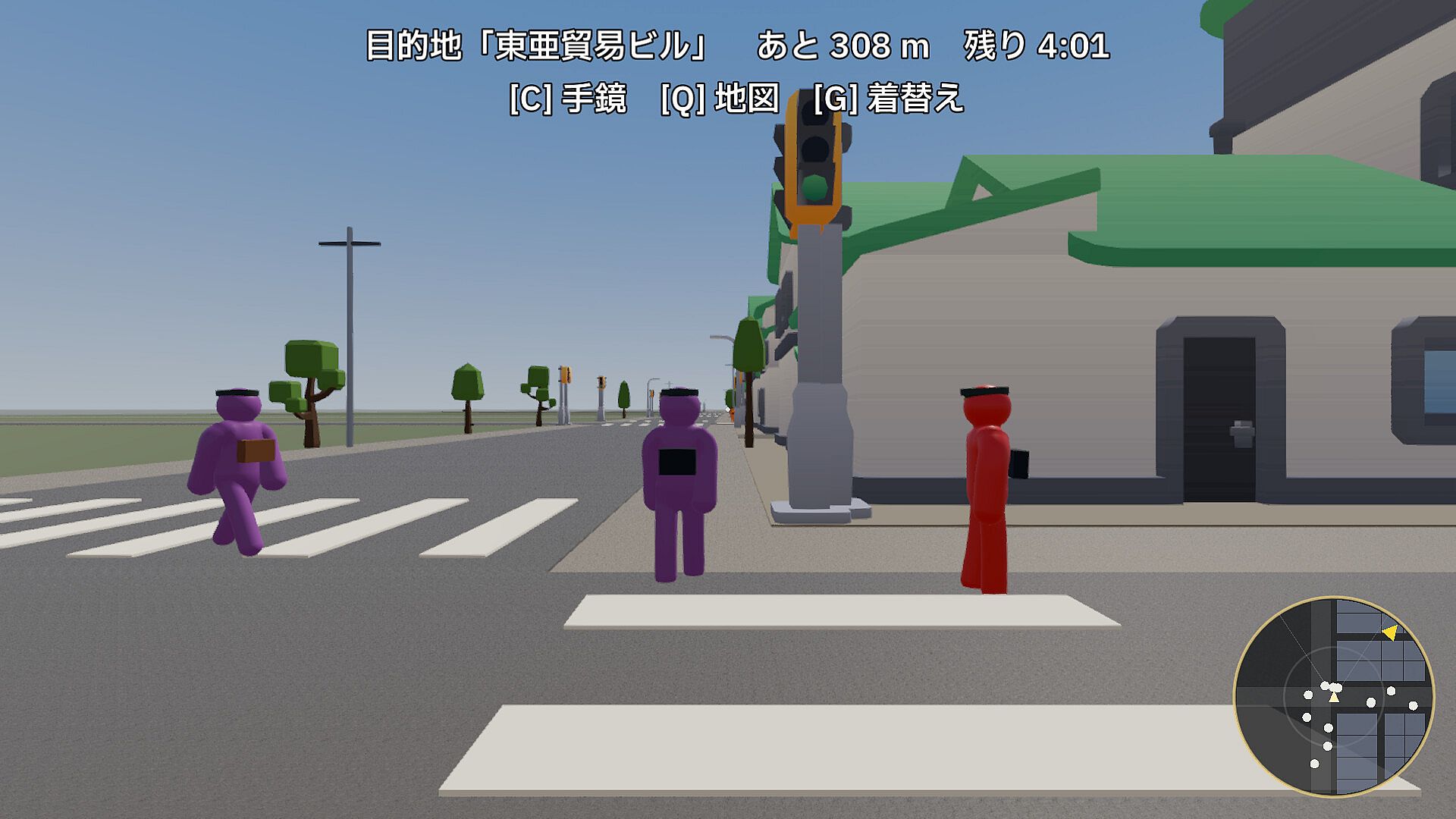
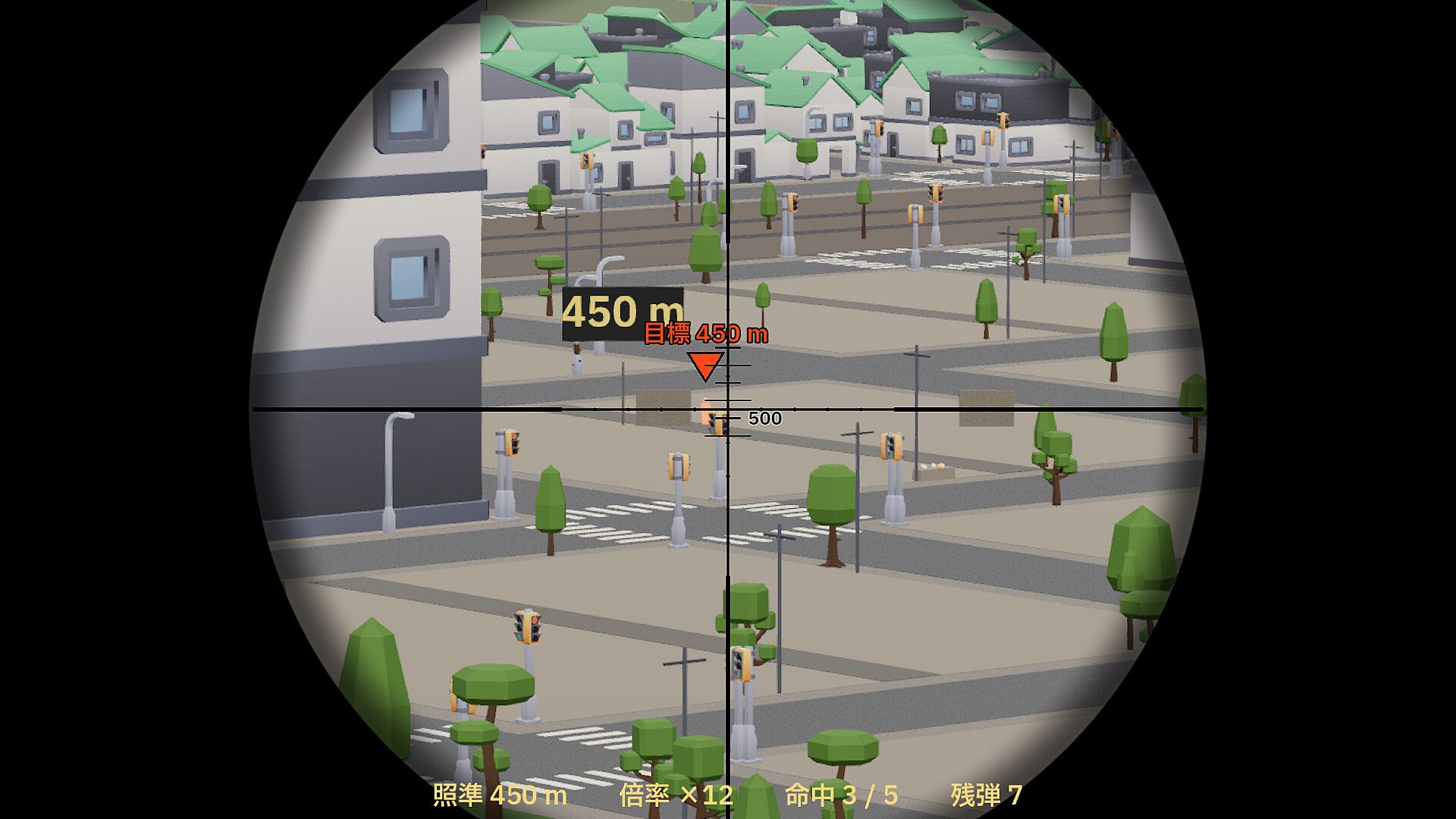
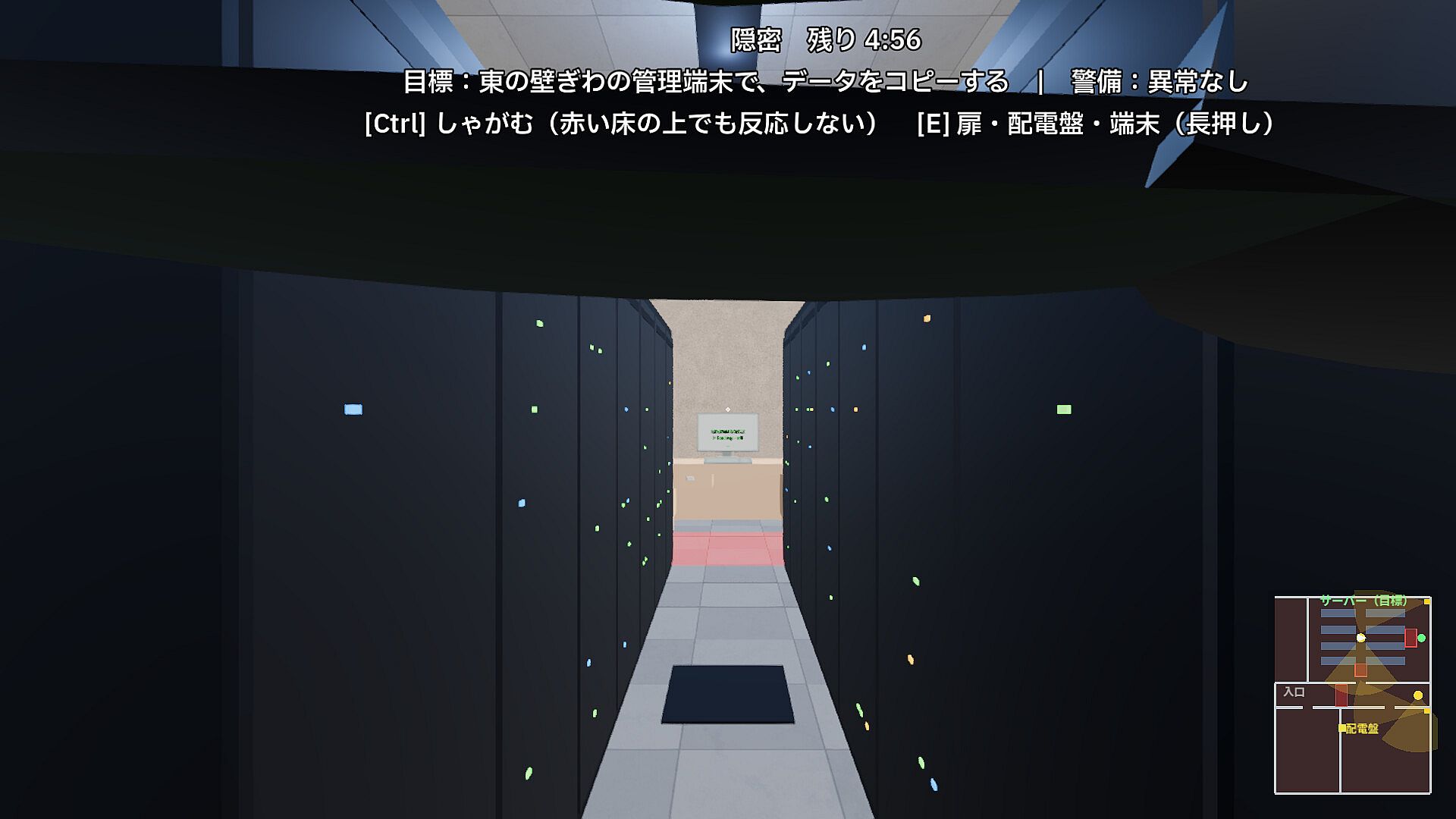
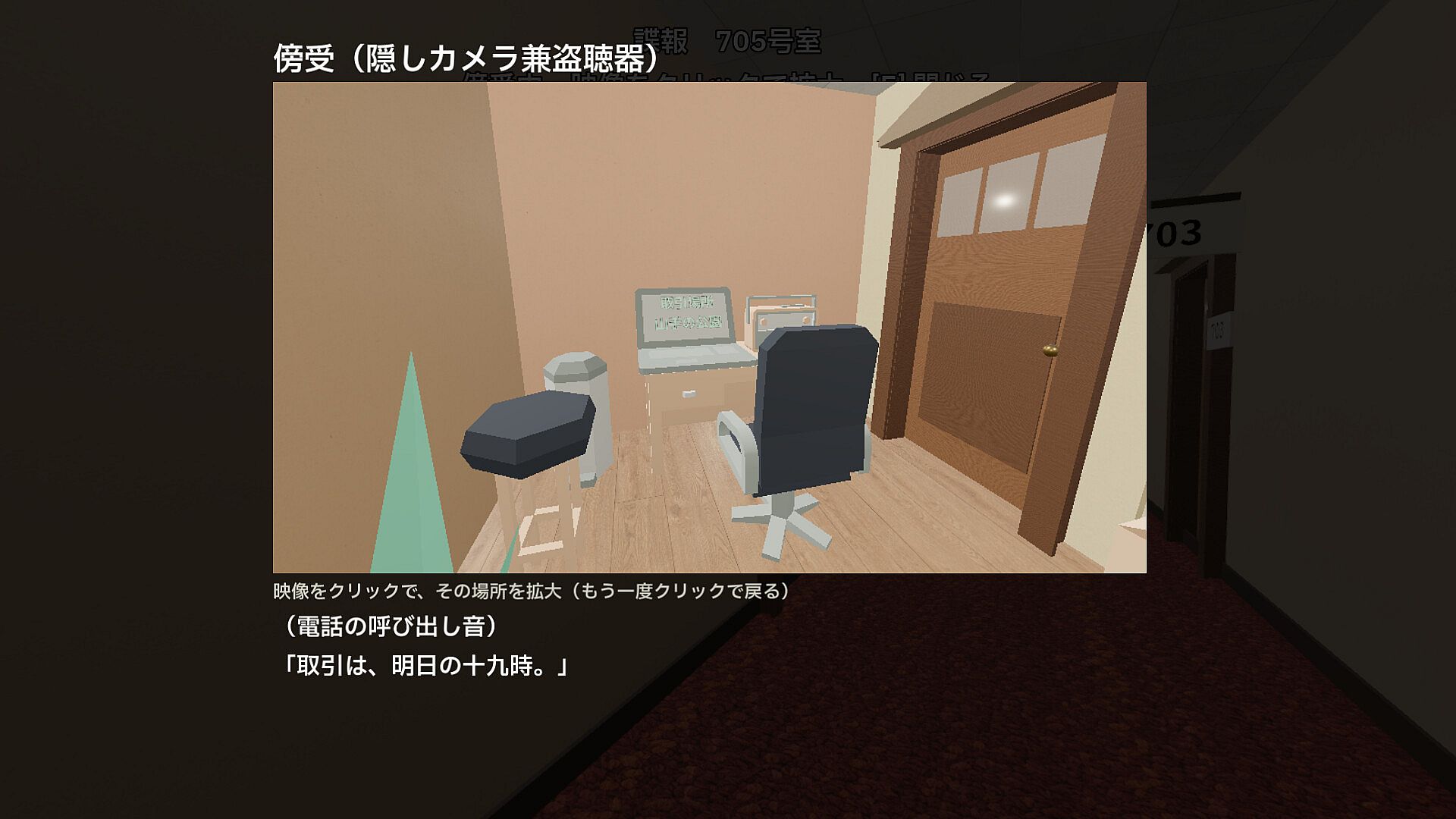
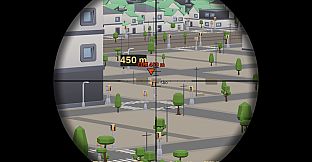
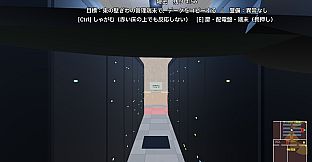
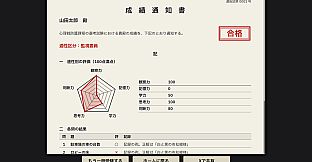
After the exam phase, the Defense Course unfolds across eight independent subjects. Each subject functions as a standalone first-person mini-game set in urban or hotel locations. Subjects cover tailing, sweeping, intel, counter-intelligence, shooting, sniping, stealth, and surveillance. Performance receives one of four grades: Excellent, Good, Pass, or Fail. Completing all subjects at Pass or higher awards a certificate, with further recognition available for uniform Excellent results.
Game Modes
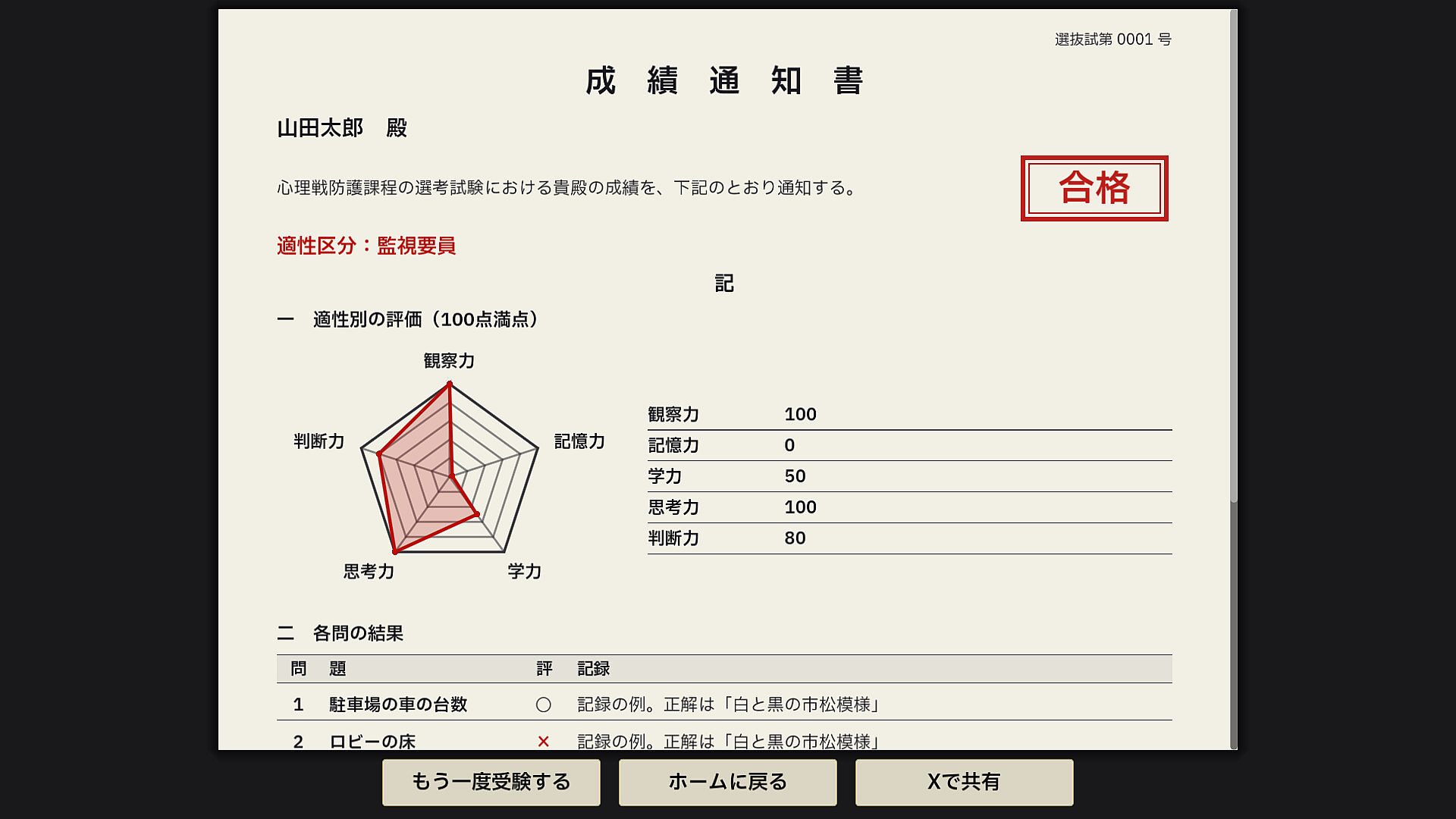
The primary structure divides into preliminary and main exams. The preliminary round presents seven questions, while the main round expands to fifteen questions distributed across observation, memory, knowledge, reasoning, and judgment categories. No separate multiplayer or competitive modes exist; the entire experience remains single-player.
Each full run combines the timed building navigation and exam sequence with the subsequent Defense Course mini-games. Procedural generation ensures that room layouts, question sets, mannequin placements, and prop arrangements differ on every attempt, eliminating repetition across playthroughs. Statistics tracking records performance details for review after each session.
Procedural Design and Atmosphere
Variability extends beyond questions to the physical spaces and supporting characters. Floor patterns, step counts, posted notices, and carried objects all shift, forcing fresh observation rather than memorized routes. The government building maintains consistent architectural style across runs while altering specific elements, creating a sense of familiarity mixed with uncertainty.
Mannequins populate the spaces with blank faces, reinforcing an artificial, test-like environment. Only examiners stand out through their caps. This visual approach supports the simulation focus without relying on traditional character models or animations beyond basic movement and interaction.
Is It Worth Playing?
The game suits players who enjoy deliberate pacing, memory challenges, and deduction puzzles within a simulation framework. Procedural changes provide built-in replay value for those who appreciate repeated attempts with new variables. The Defense Course adds variety through its eight distinct mini-games, each testing different skills in first-person perspective.
Certificates and result slips can be saved as images for external sharing. Detailed statistics offer post-session analysis. As a single-player title with no controller support and Japanese-primary text, it targets a niche audience comfortable with keyboard controls and subtitle reading. Those drawn to observation-heavy experiences and short, focused sessions will find the structure aligns closely with its described systems. The upcoming release leaves room for community feedback to develop after launch.












