




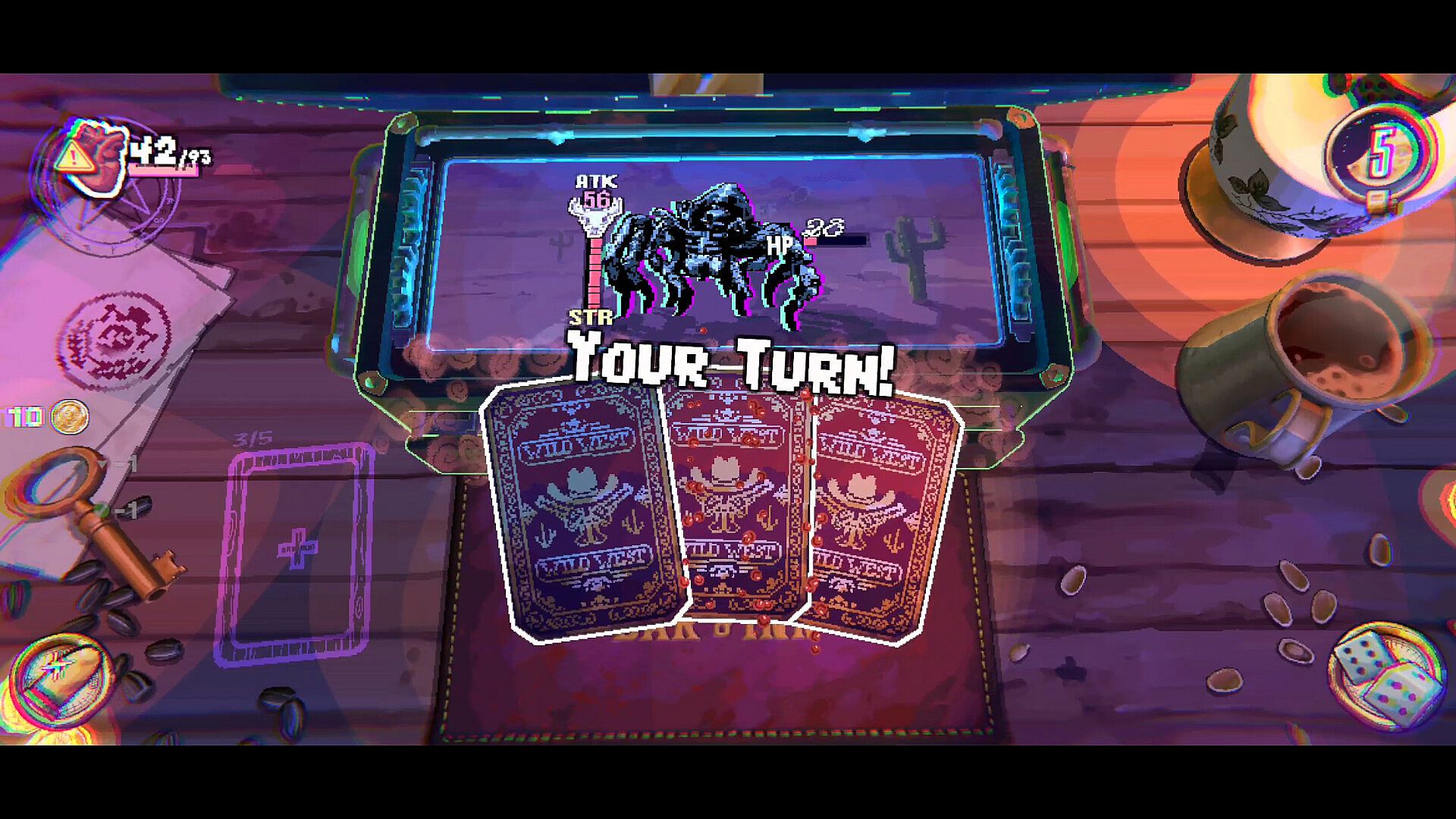
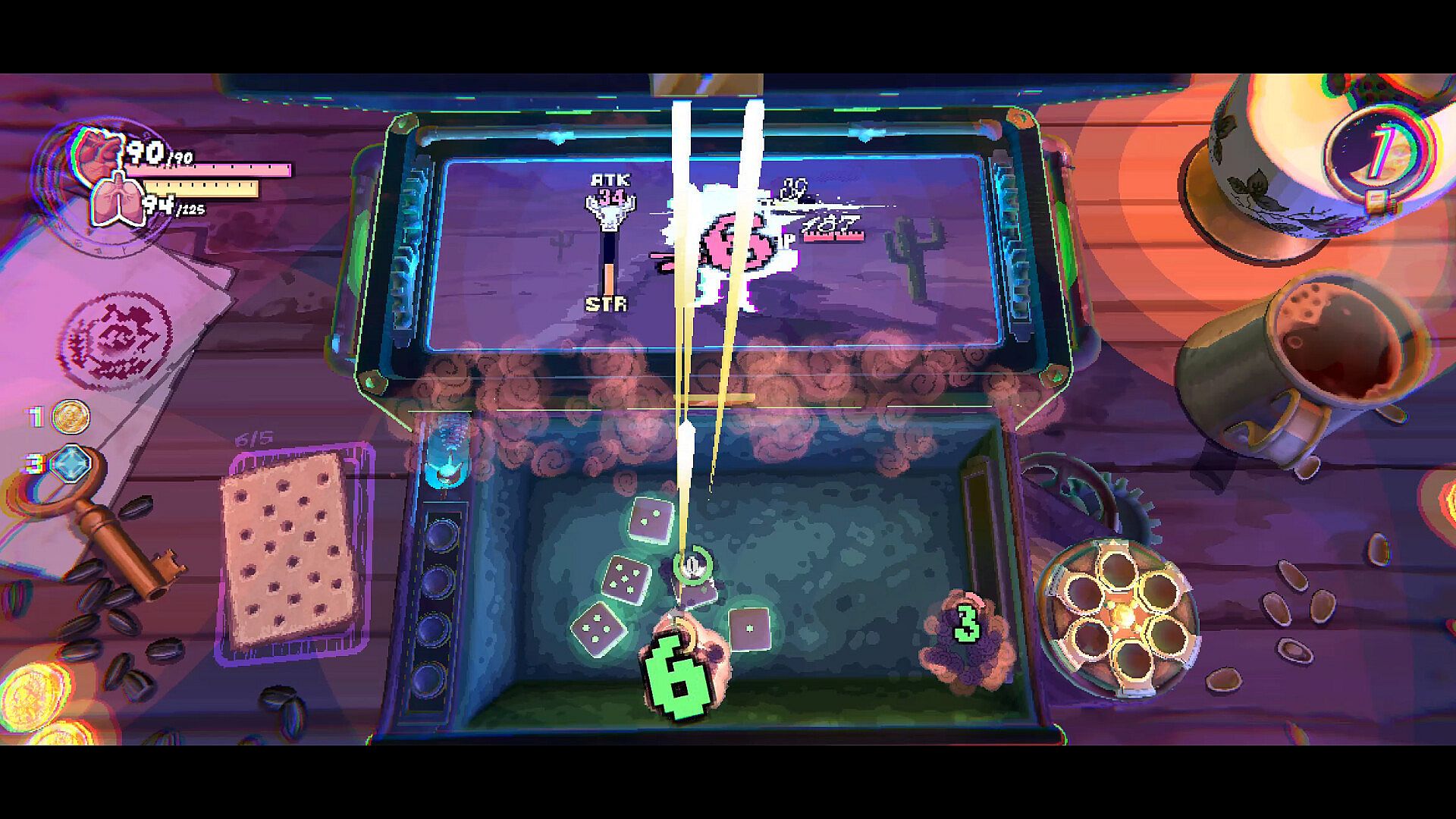
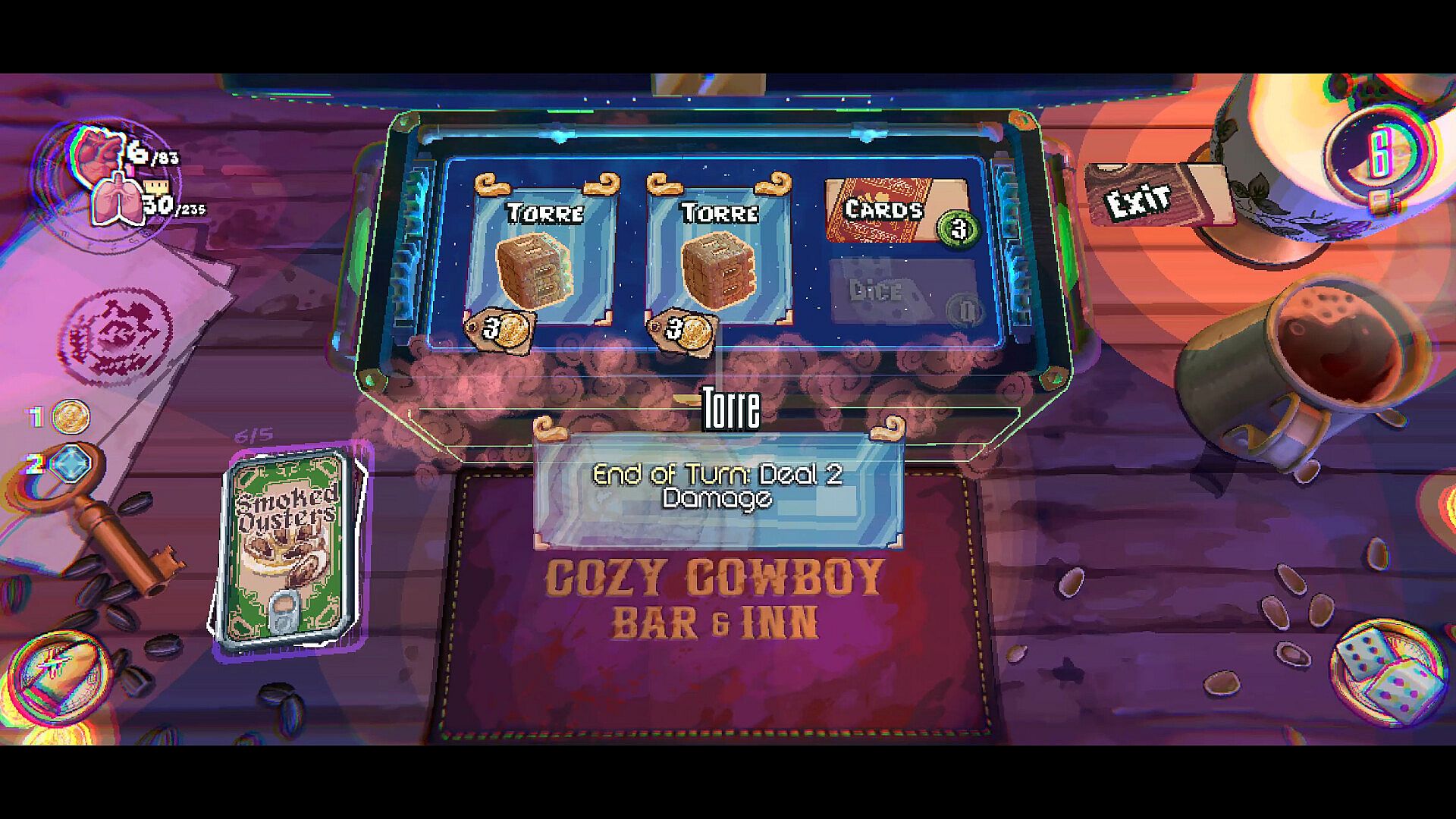
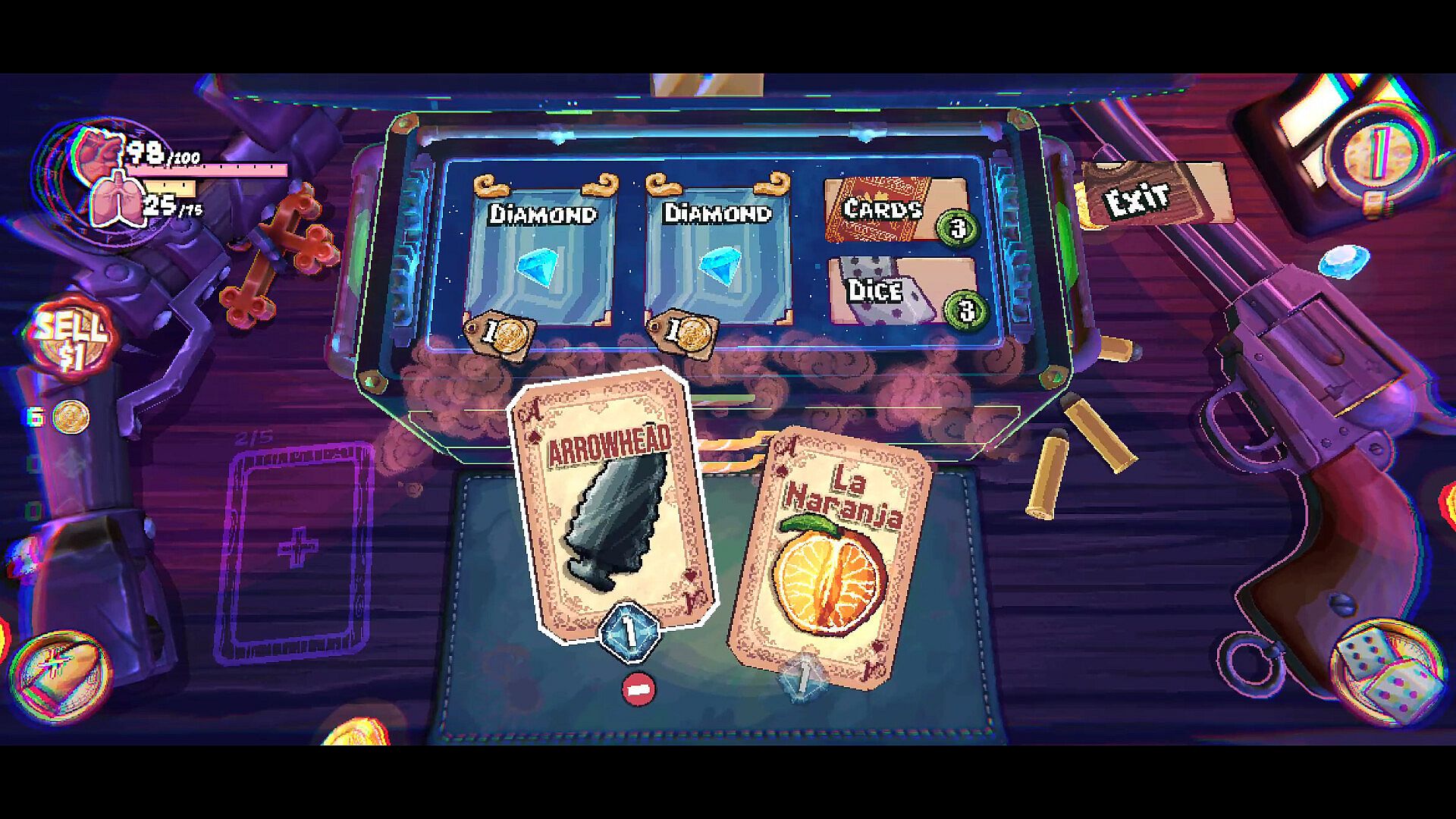
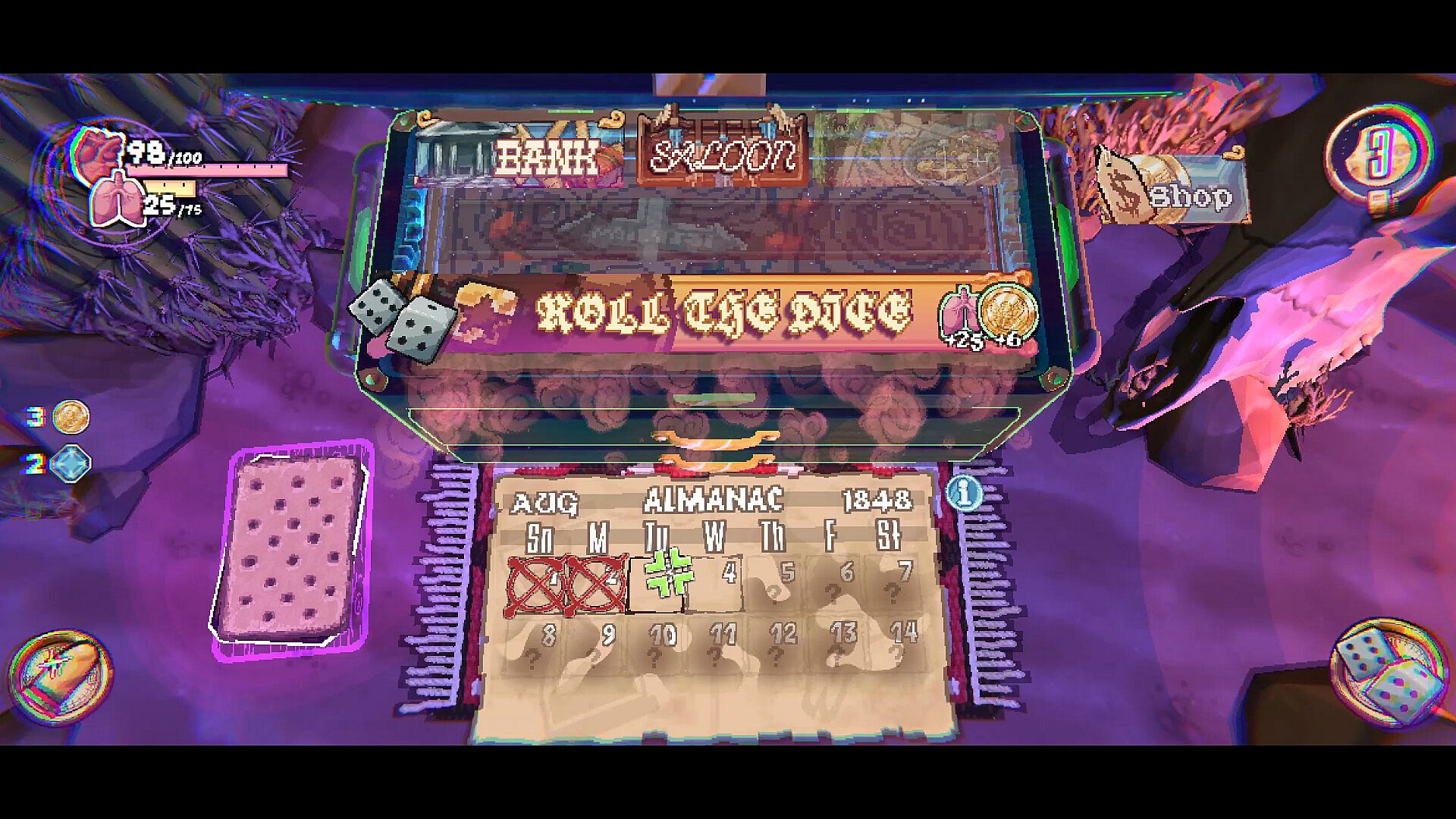
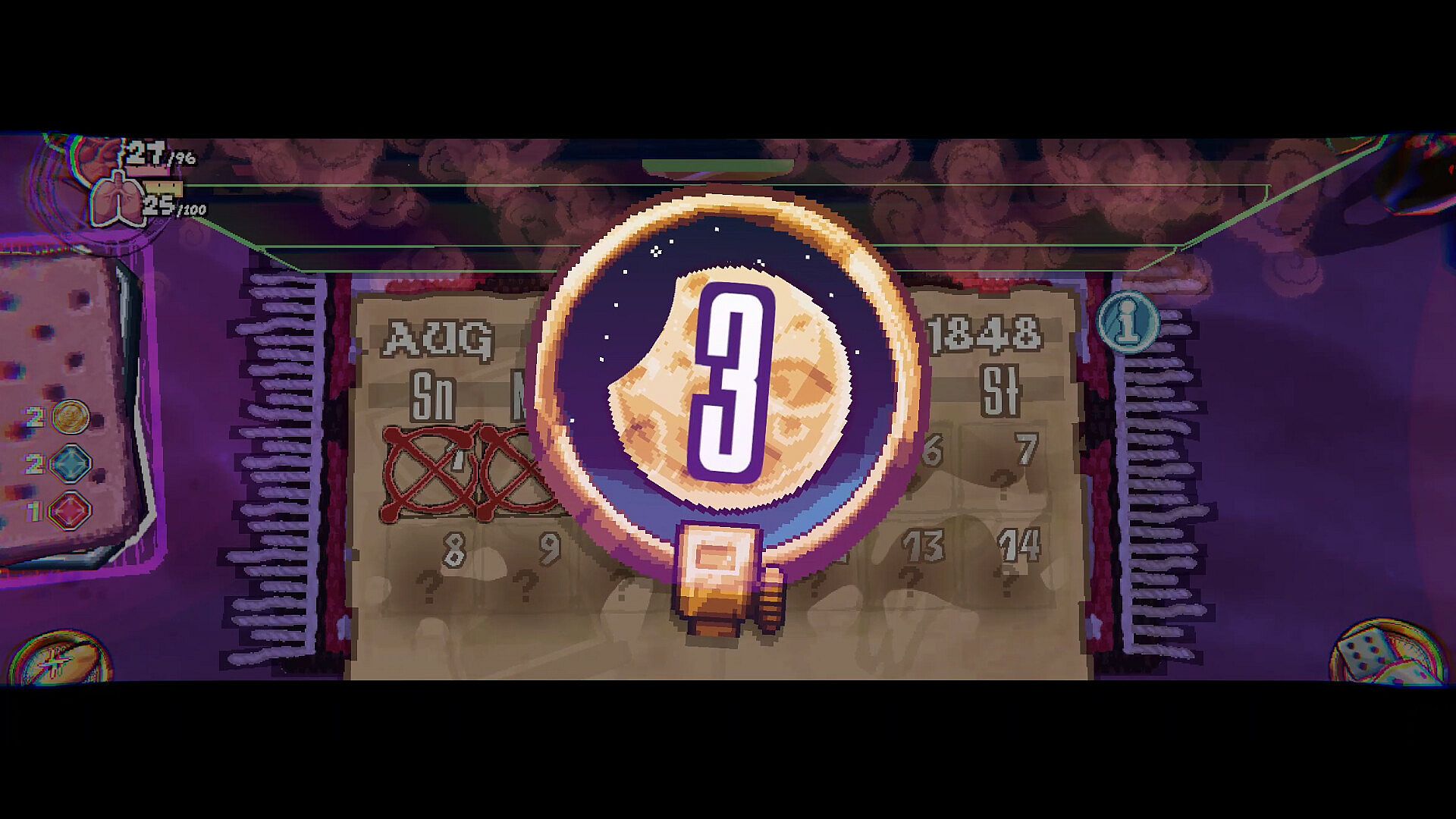
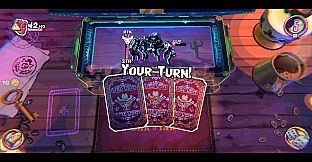

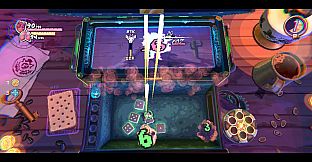
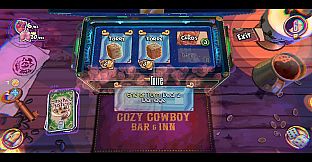
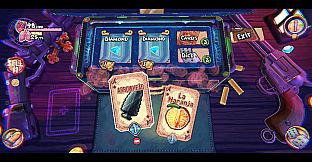
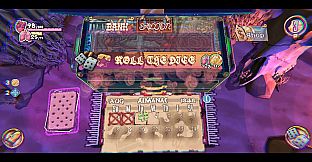

La Casa is a single-player dice-rolling deckbuilding roguelike set in a Weird West frontier town of 1848. Players assume the role of a sheriff facing a fourteen-day countdown until a powerful warlock arrives to destroy the settlement. The core loop revolves around collecting and rolling dice, pairing them with cards, and managing daily actions across town locations to prepare for escalating threats.
Gameplay
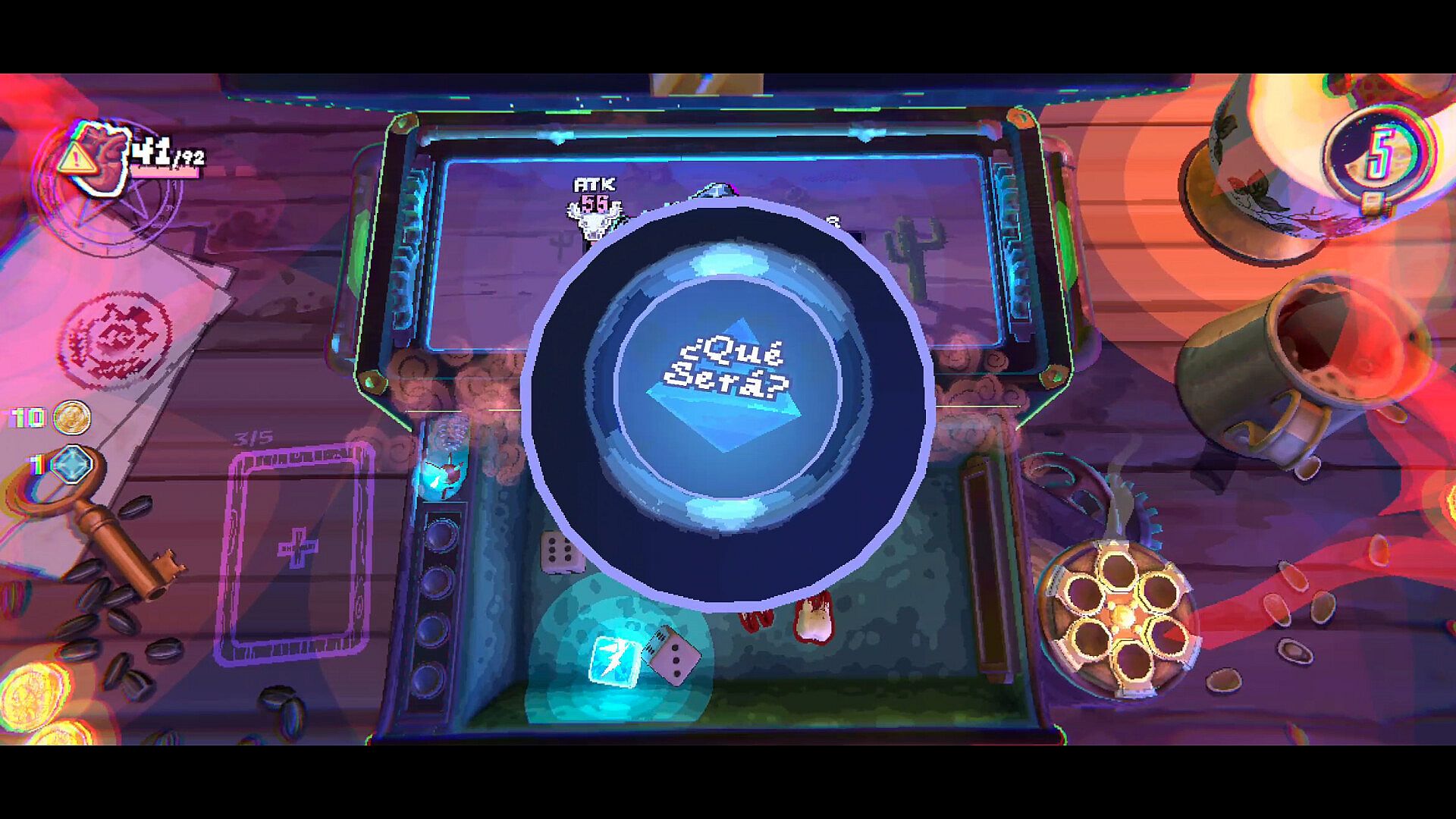
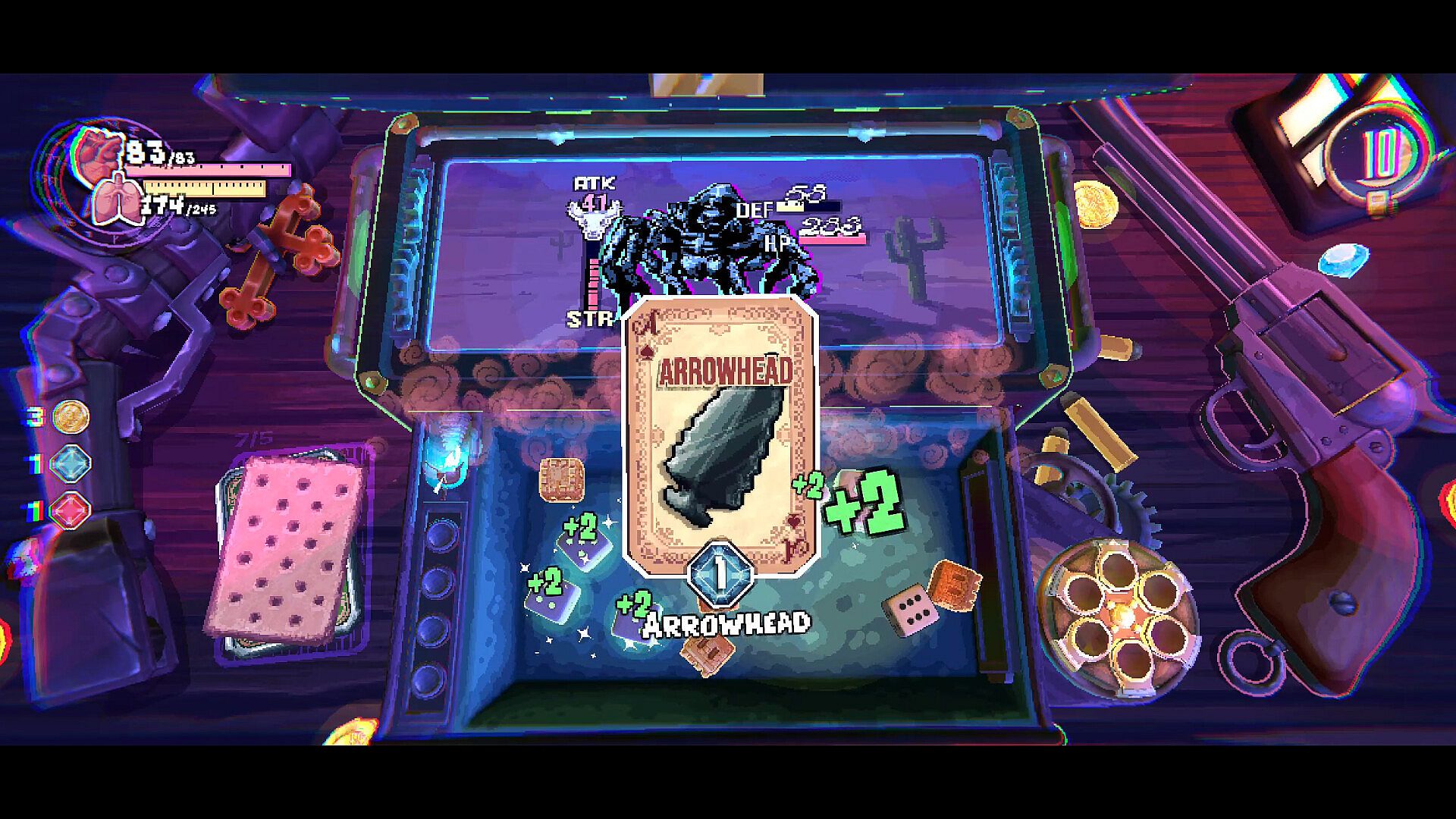
The gameplay centers on dice as the primary weapons and resources. Each roll determines outcomes in encounters, resource generation, and combat against bosses who impose curses and deploy their own dice. Players build a collection of dice with unique abilities, then discover cards that create synergies and alter how those dice function. A talent tree allows allocation of points to modify rules and playstyles, while passive auras provide run-long effects that reshape strategies. One action occurs per day on a calendar system, with resting offering safety at a cost as the warlock draws closer regardless. Foresight mechanics reveal upcoming challenges, and narrative threads tie into collected items and visited locations for rewards that carry across runs.
Encounters emphasize risk and adaptation. Rolling strengthens builds but can also inflict harm, forcing decisions on whether to push aggressive combinations or play conservatively. Boss fights test complete strategies with curses that disrupt plans, while secret rituals and law-bending choices open alternative paths through the town. The system rewards experimentation with card mechanics that convert solid rolls into decisive advantages, such as summoning lines of defenders or converting rubble into ammunition for follow-up attacks.
Game Modes
La Casa features a main campaign structured around the fourteen-day calendar and town traversal. Players plan routes through different locations, balancing preparation time against the approaching deadline. An Endless Mode provides ongoing challenge with increasingly complex synergies and external threats beyond the initial story arc. Both modes operate in single-player format, with progression carrying forward through unlocks that persist between attempts.
Custom starting loadouts support varied approaches, from focused roles to deliberately difficult setups. The calendar and location system adds structure to daily choices, while the codex tracks every item for reference during play.
Progression and Customization
Unlocks expand steadily through repeated runs. Over thirty dice introduce new abilities, more than eighty cards reshape dice behavior, and ninety-plus passive auras rewrite run rules. The talent tree grows with options that customize how core mechanics apply, and loadout selections let players center strategies around specific roles or self-imposed restrictions. New cards, items, and story elements appear with each successful or failed attempt, encouraging repeated exploration of synergies.
Resource management ties directly into the expanding engine. Dice generate the fuel for card plays and upgrades, while bosses pressure builds with curses that demand adaptive responses. The system supports both straightforward justice-focused paths and riskier approaches that bend town rules for short-term gains.
Is It Worth Playing?
La Casa targets players who enjoy roguelike deckbuilders built around dice rolls and incremental strategy building. The single-player experience emphasizes careful daily planning, dice collection, and card synergies within a frontier noir setting. With a planned 2027 release and no user reviews available yet, the game remains in development, but its described systems of escalating tension, talent customization, and Endless Mode suggest strong appeal for fans of tense, replayable runs. Steam achievements and an in-game codex provide additional structure for those who value tracked progress and item reference. Those drawn to dice-driven combat, boss pressure mechanics, and calendar-based progression will find the core loop aligned with those interests once it launches.












