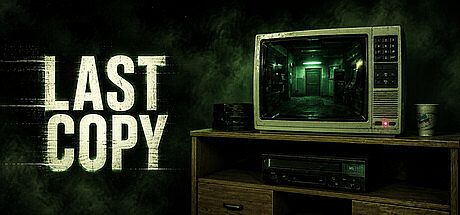


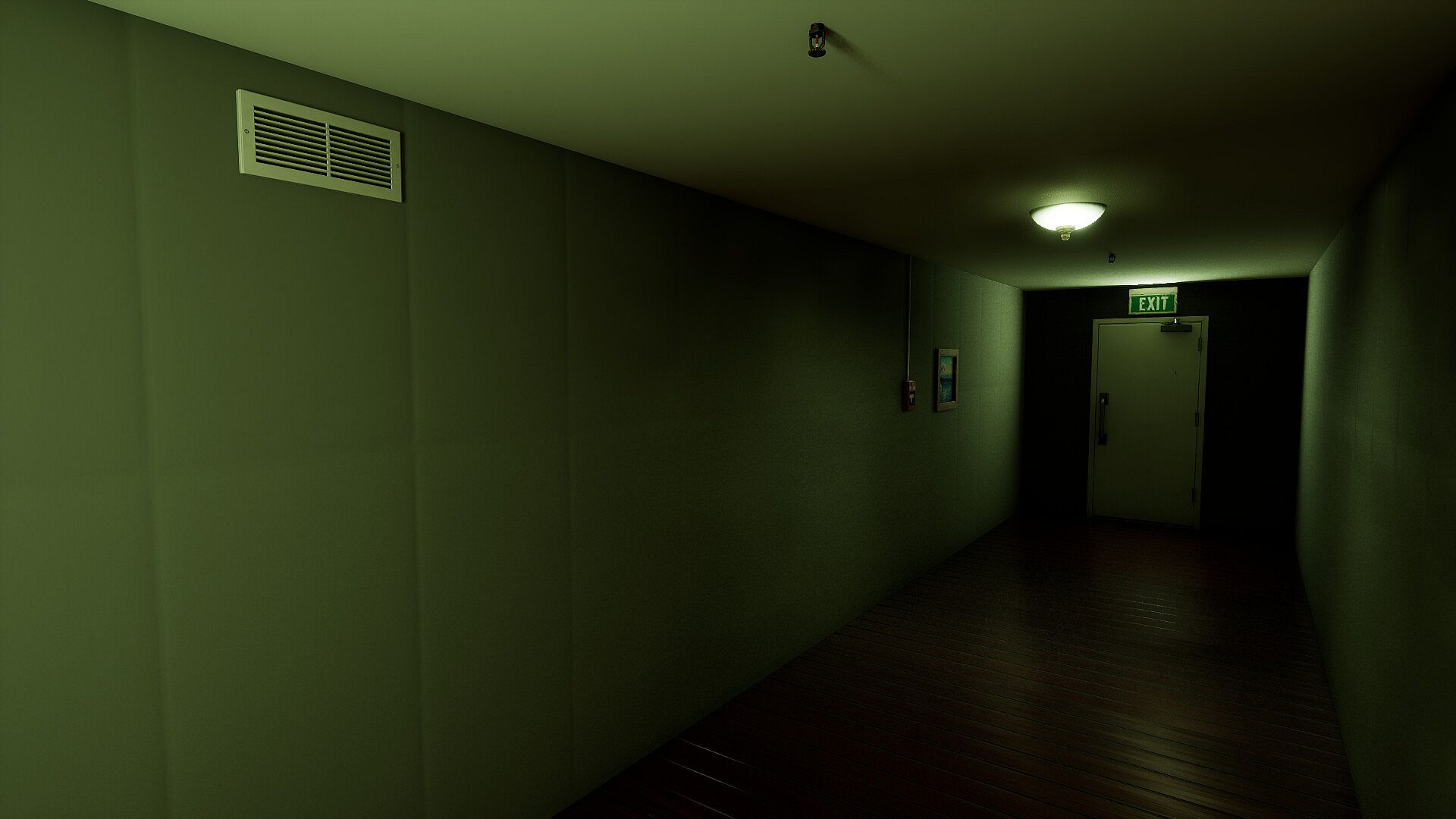
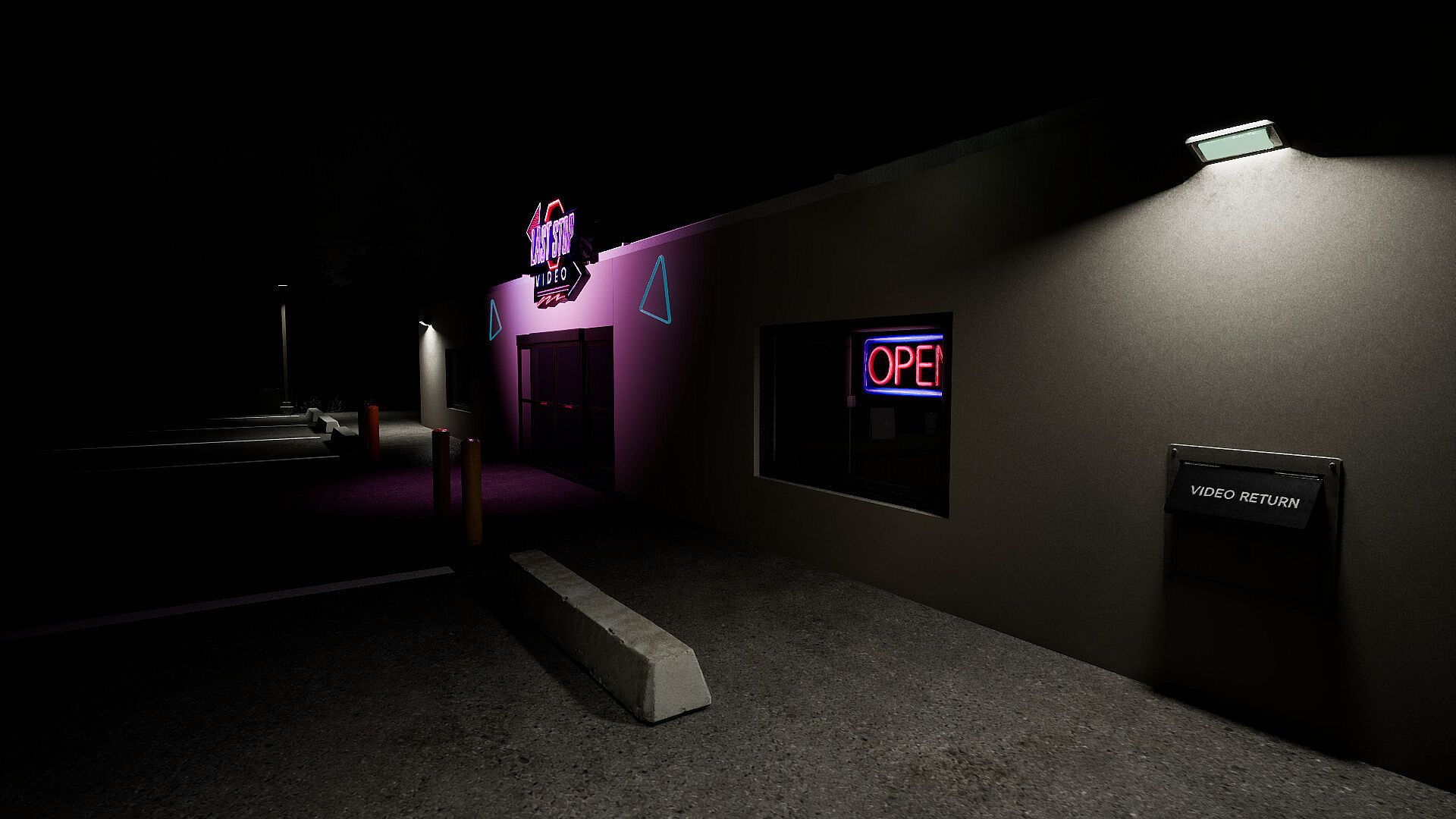
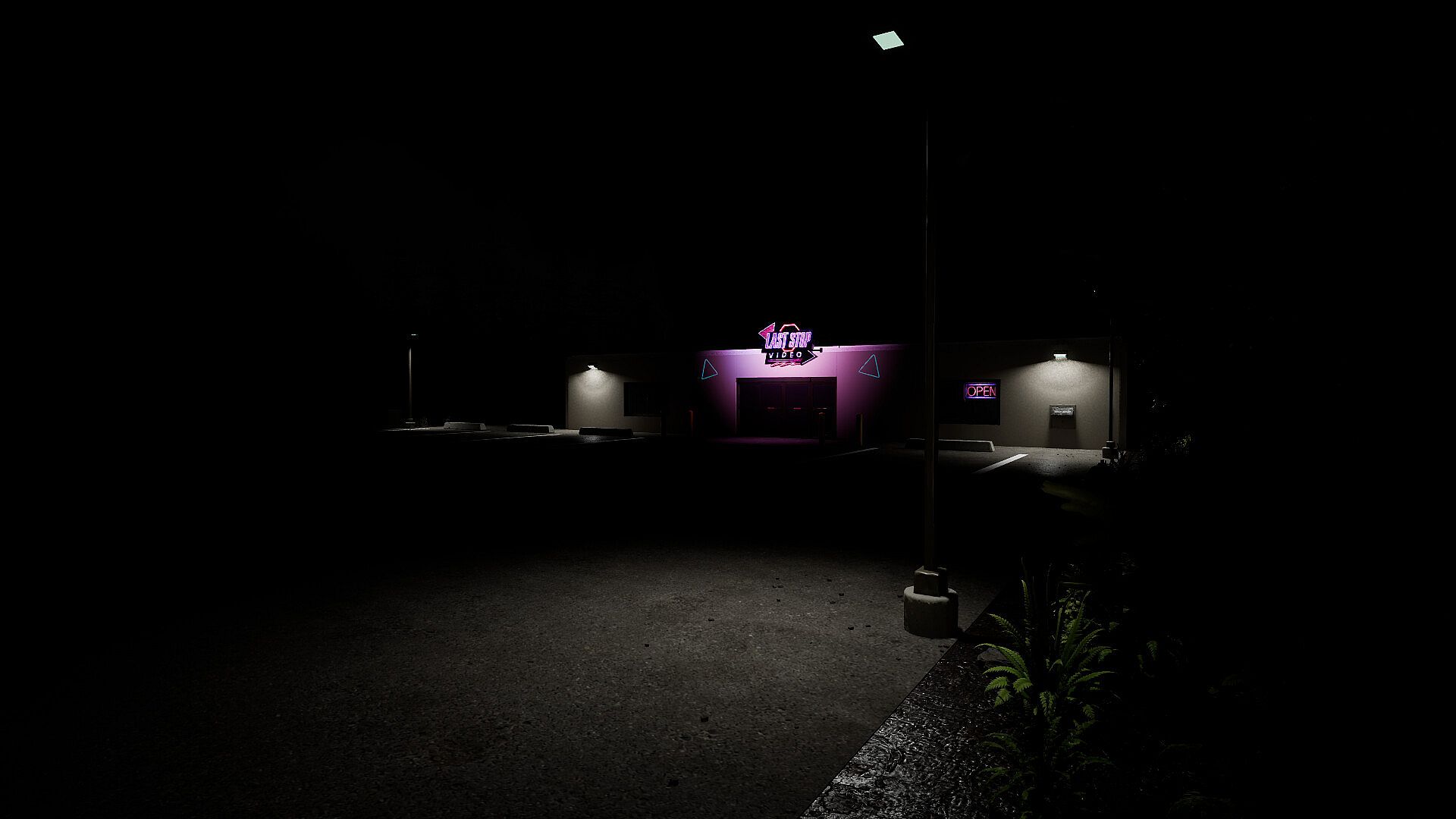
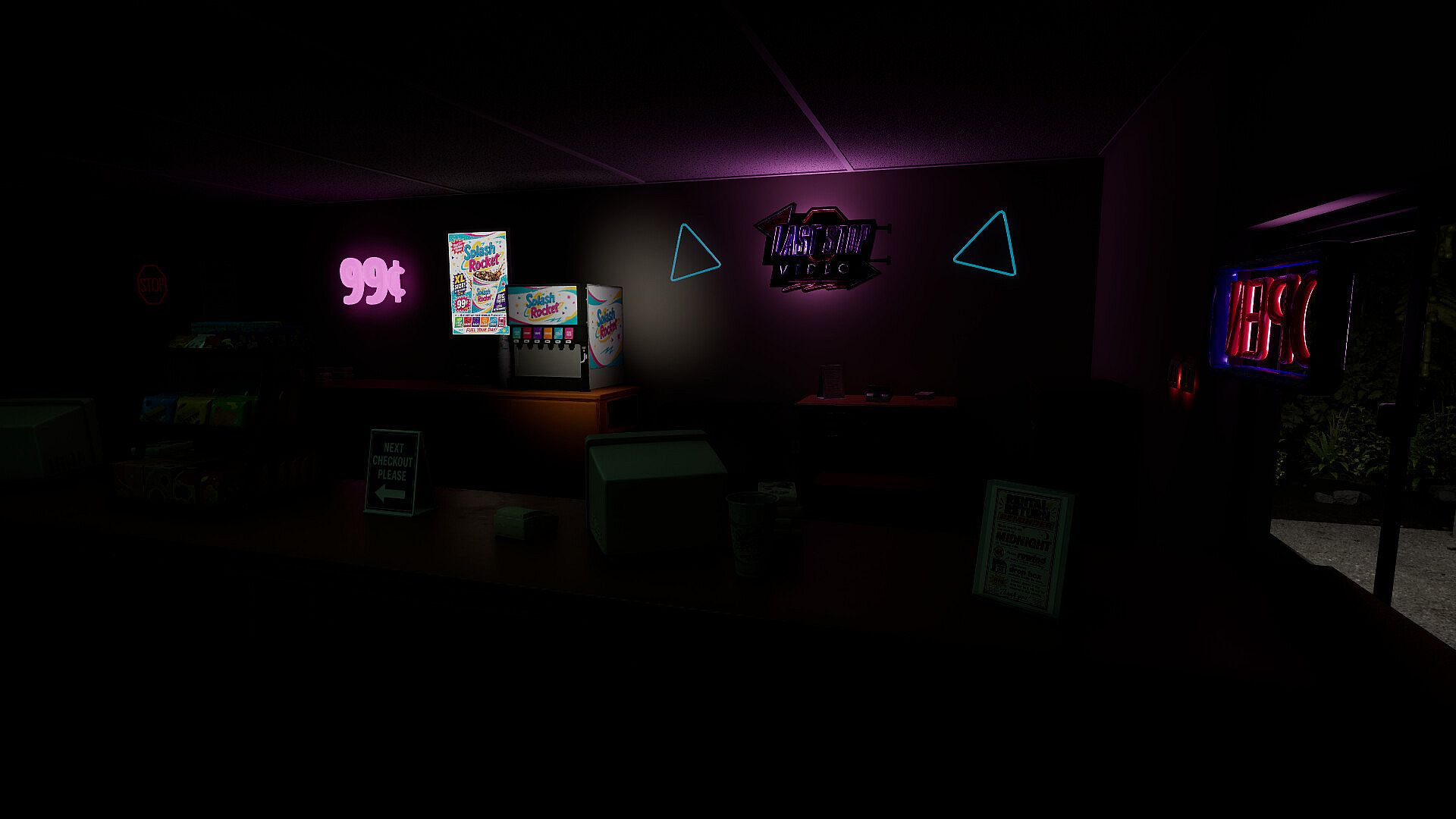
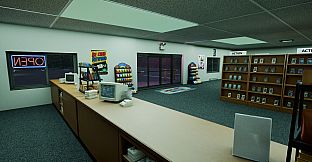
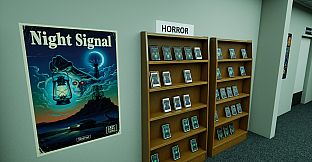
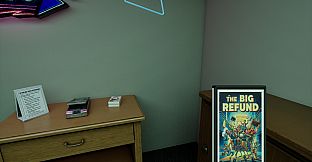
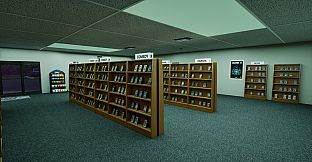
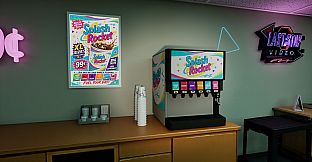
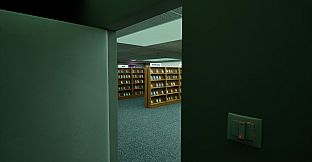
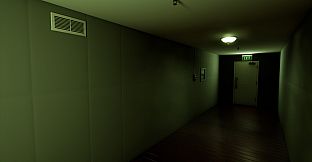
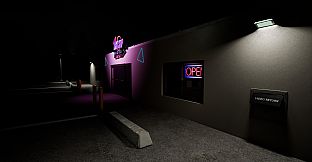
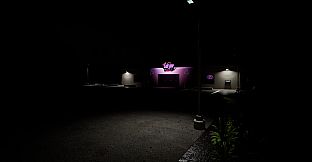
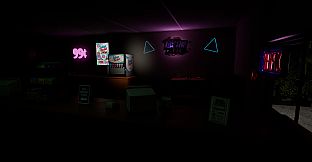
Last Copy is a first-person psychological horror game that combines indie simulation and adventure elements on PC. Players take on the role of someone who discovers an unlabeled VHS tape best left untouched, only to watch ordinary surroundings grow increasingly distorted as the story unfolds through subtle environmental shifts and mounting unease.
Gameplay
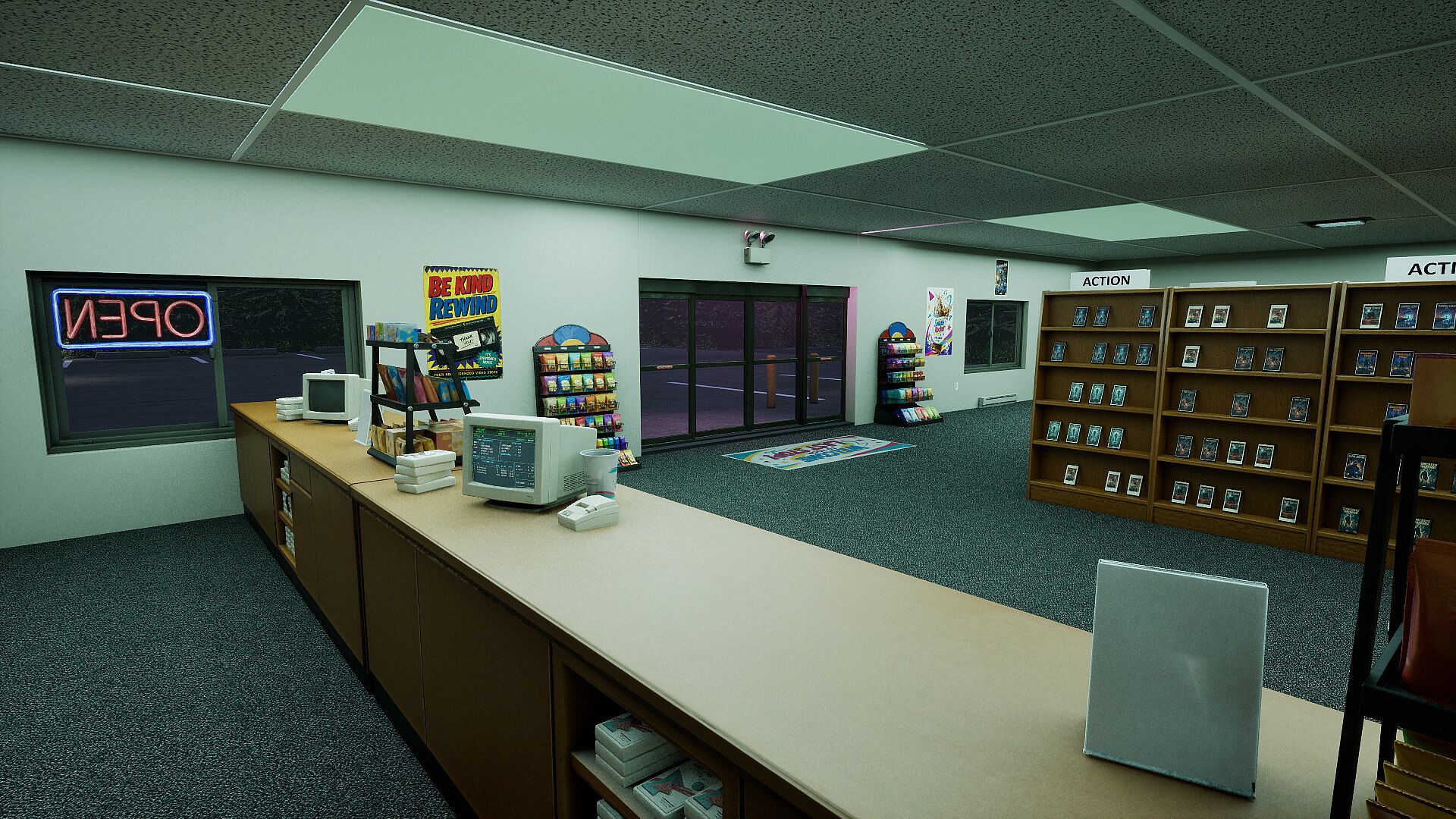
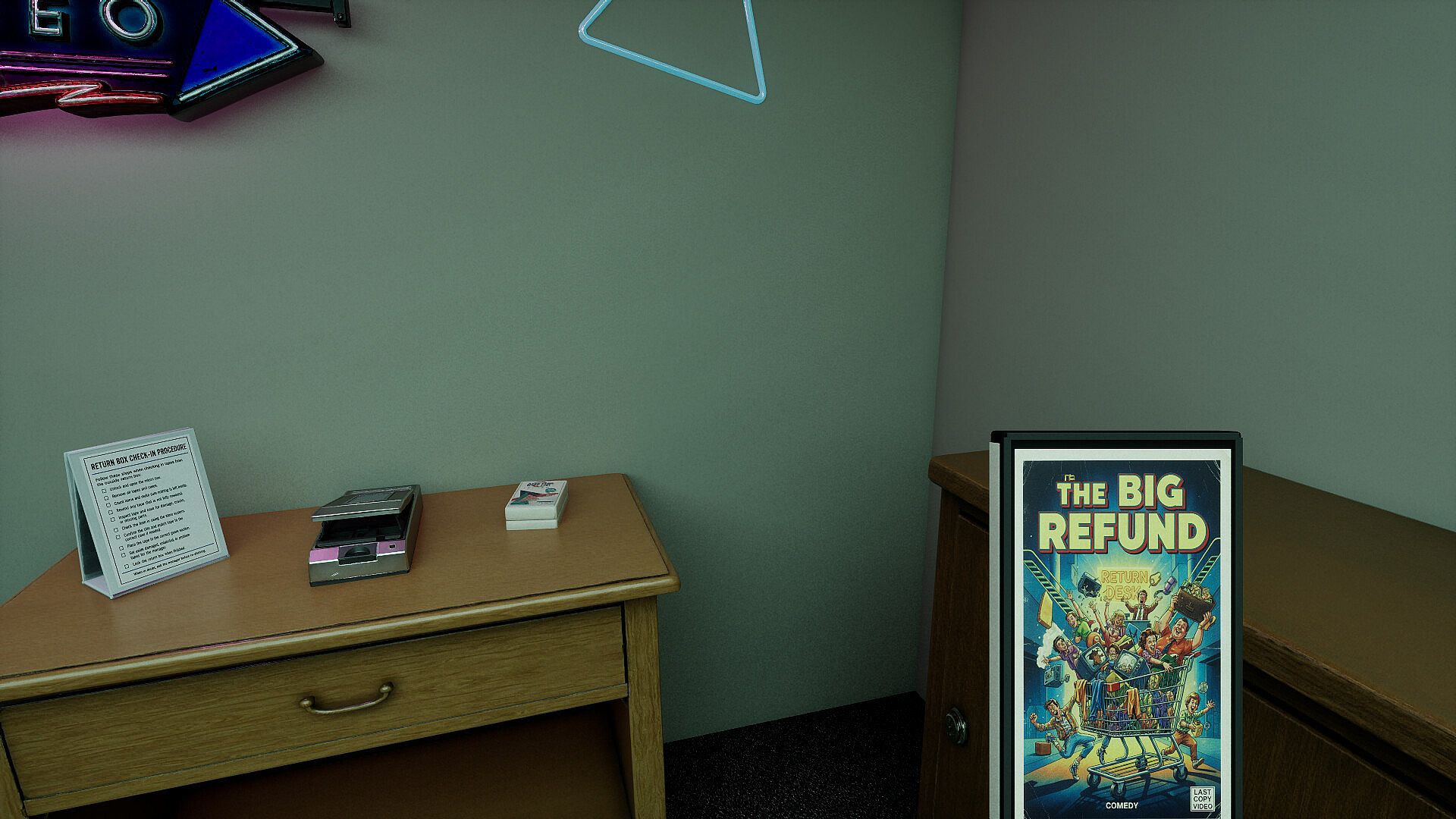
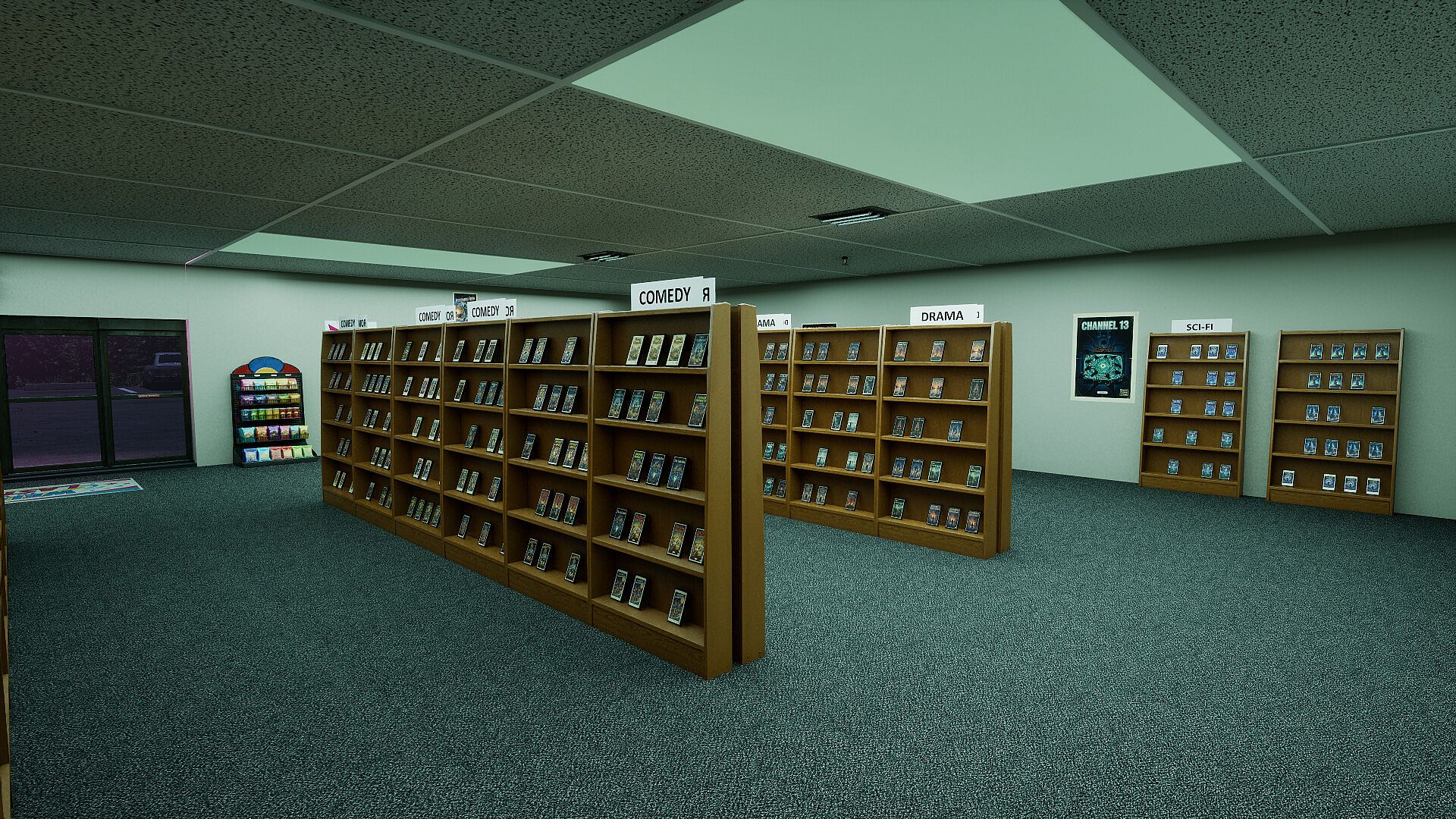
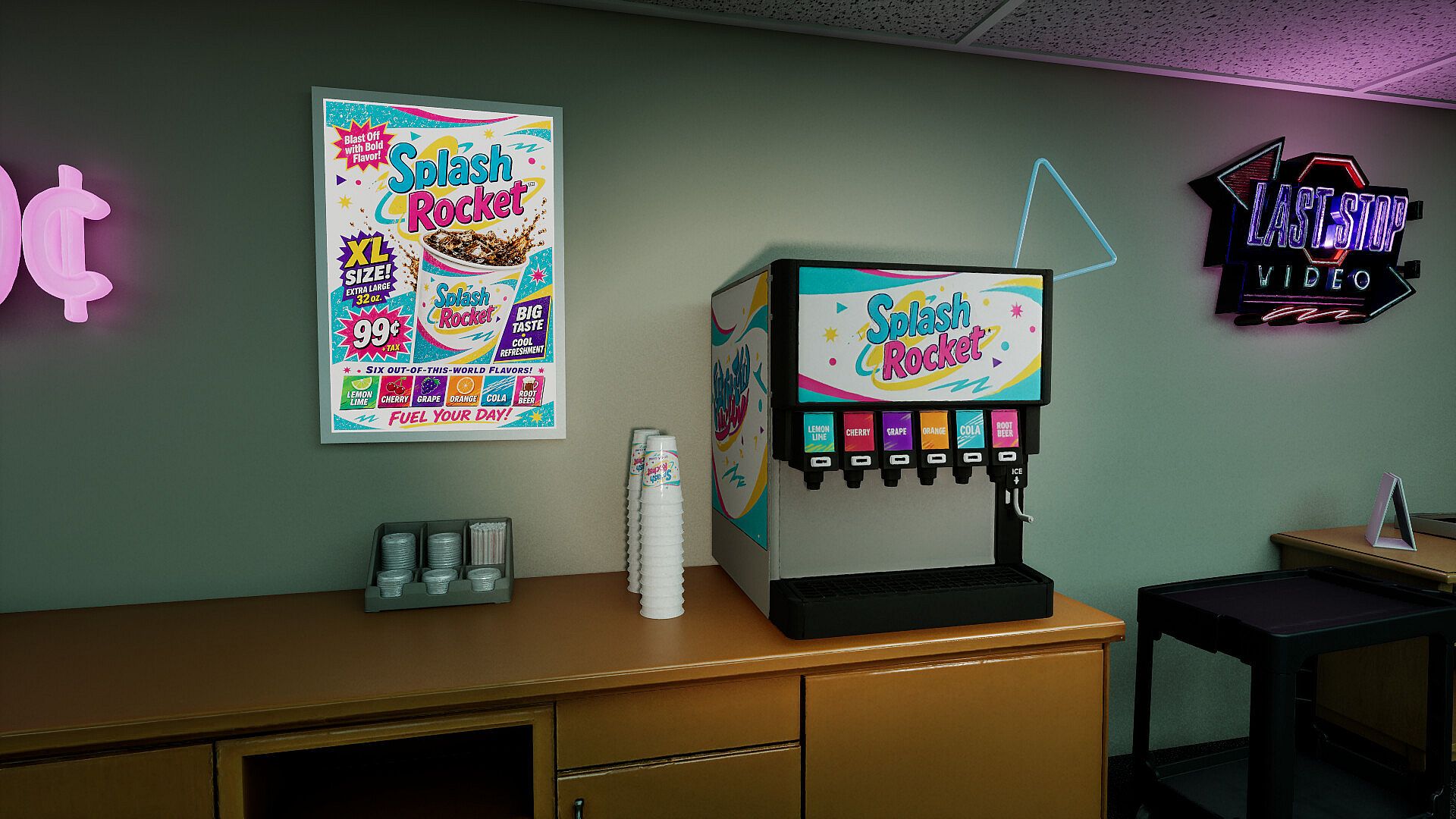
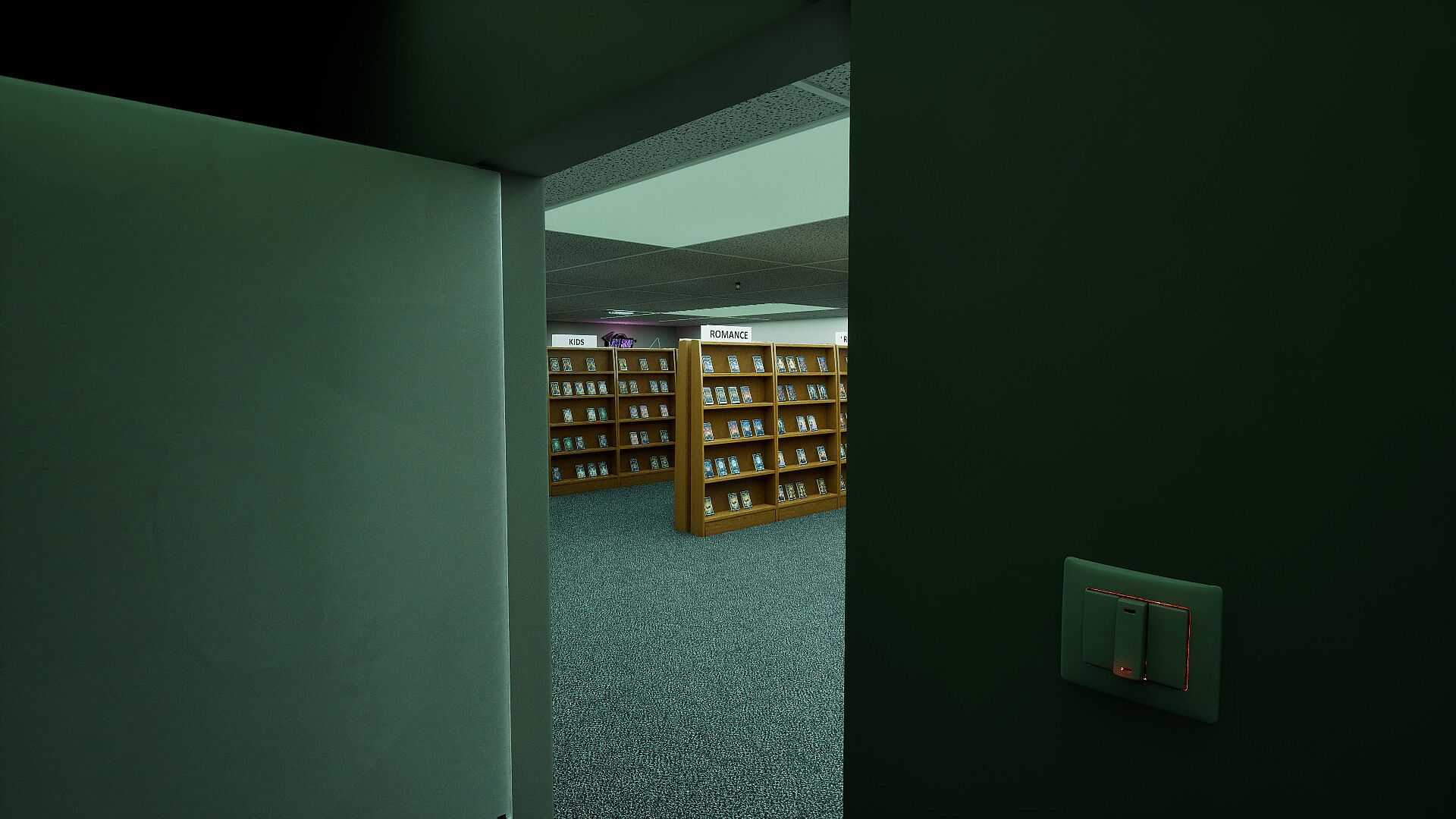
The core loop centers on exploration and investigation within a compact narrative framework. Players move through familiar locations such as a store, an apartment, and surrounding streets that gradually feel off-kilter. Environmental storytelling drives progress, with details in the surroundings revealing fragments of a larger tale without relying on spoken dialogue. Subtitled narrative text appears to guide the experience, emphasizing tension through observation rather than action. Analog dread permeates the VHS-era atmosphere, where static, grain, and retro visual cues heighten the sense that something has crossed over from the tape into everyday spaces. Survival hinges on careful navigation and discovery, as each night deepens the immersion in unsettling encounters that build slowly rather than through sudden shocks.
Mechanics stay deliberately restrained to maintain focus on atmosphere and discovery. There is no combat system to engage, leaving players to rely on investigation and environmental awareness to piece together events. The simulation aspects emerge in how spaces respond to the player's presence, with ordinary objects and layouts beginning to shift in ways that feel both personal and inevitable. This creates a steady rhythm of moving, observing, and interpreting clues scattered throughout the world.
Game Modes
Last Copy functions as a single-player narrative experience with no separate game modes, multiplayer options, or live-service elements. The design prioritizes a focused story-driven journey that unfolds through repeated exploration of the same locations as they change over successive nights. Progression follows the tape's influence, pulling the player deeper without branching paths or competitive structures. The absence of additional modes keeps attention squarely on the atmospheric tension and the slow realization that something has followed the player back from the forgotten recording.
Atmosphere and Storytelling
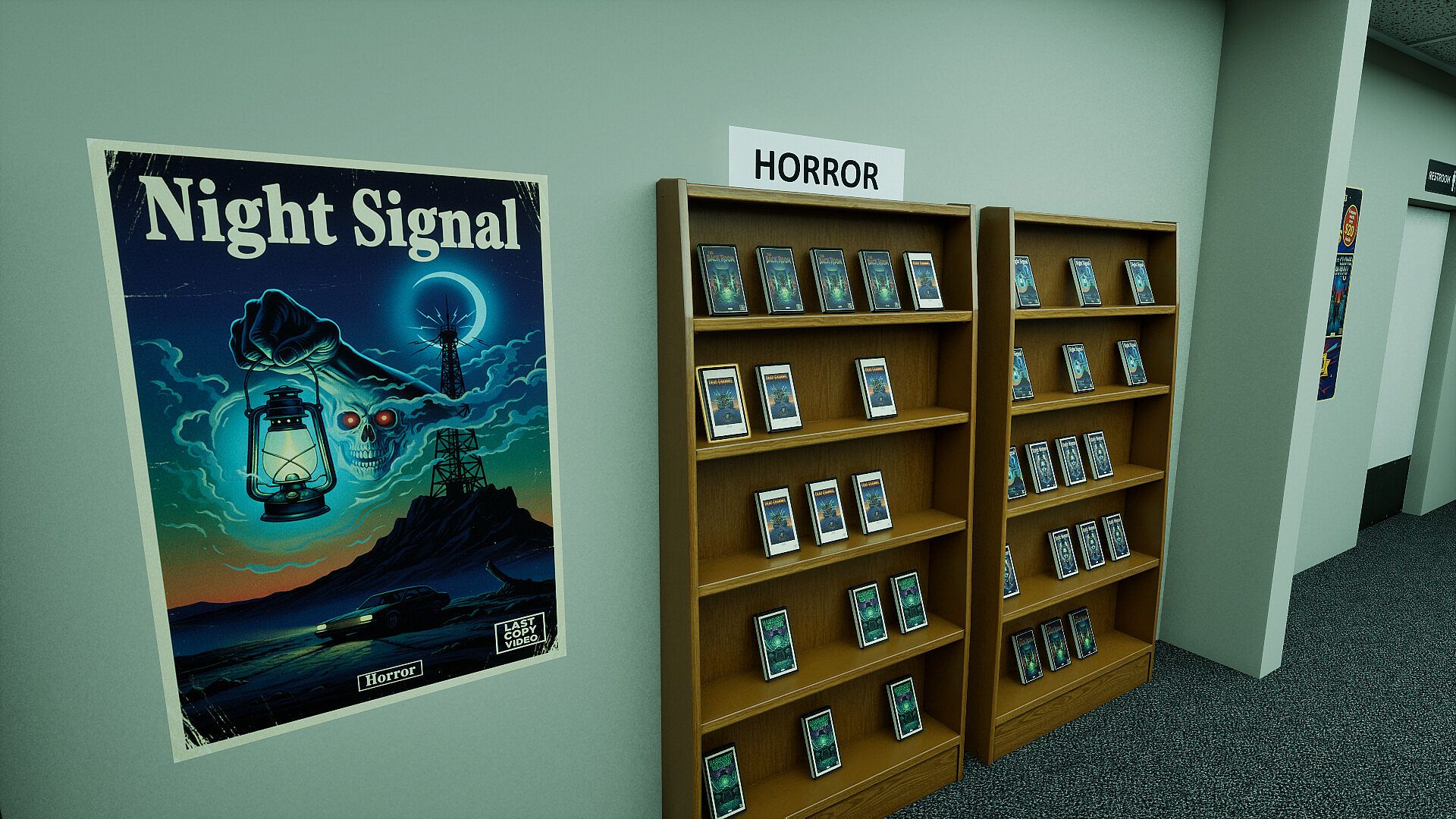
Analog horror aesthetics define the visual and auditory presentation, evoking the feel of old VHS recordings complete with imperfections that contribute to the growing dread. Environmental details serve as the primary storytelling tool, showing how the tape's content bleeds into reality through misplaced objects, altered lighting, and spaces that no longer align with memory. Unsettling encounters arise naturally from these changes, building a sense of pursuit without overt threats. The narrative remains compact, delivering its impact through discovery rather than exposition, and the lack of spoken dialogue reinforces the isolated, introspective quality of the experience.
Is It Worth Playing?
Last Copy suits players who seek atmospheric psychological horror centered on exploration and environmental storytelling rather than action or combat. Its single-player focus and absence of multiplayer or ongoing service elements make it a self-contained experience ideal for those drawn to tension built through subtle shifts in familiar spaces. The VHS-era presentation and narrative approach through subtitled text offer a distinct take on the genre, rewarding careful observation and patience with a story that lingers through its sense of something lingering just out of sight. Those who prefer direct confrontation or expansive multiplayer systems may find the restrained mechanics less engaging, while fans of discovery-driven indie horror will appreciate the emphasis on atmosphere and the compact structure that avoids unnecessary padding.