


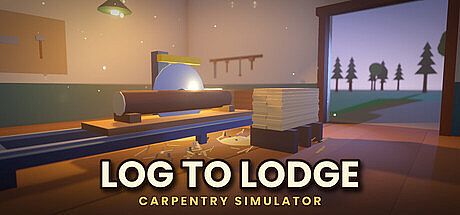


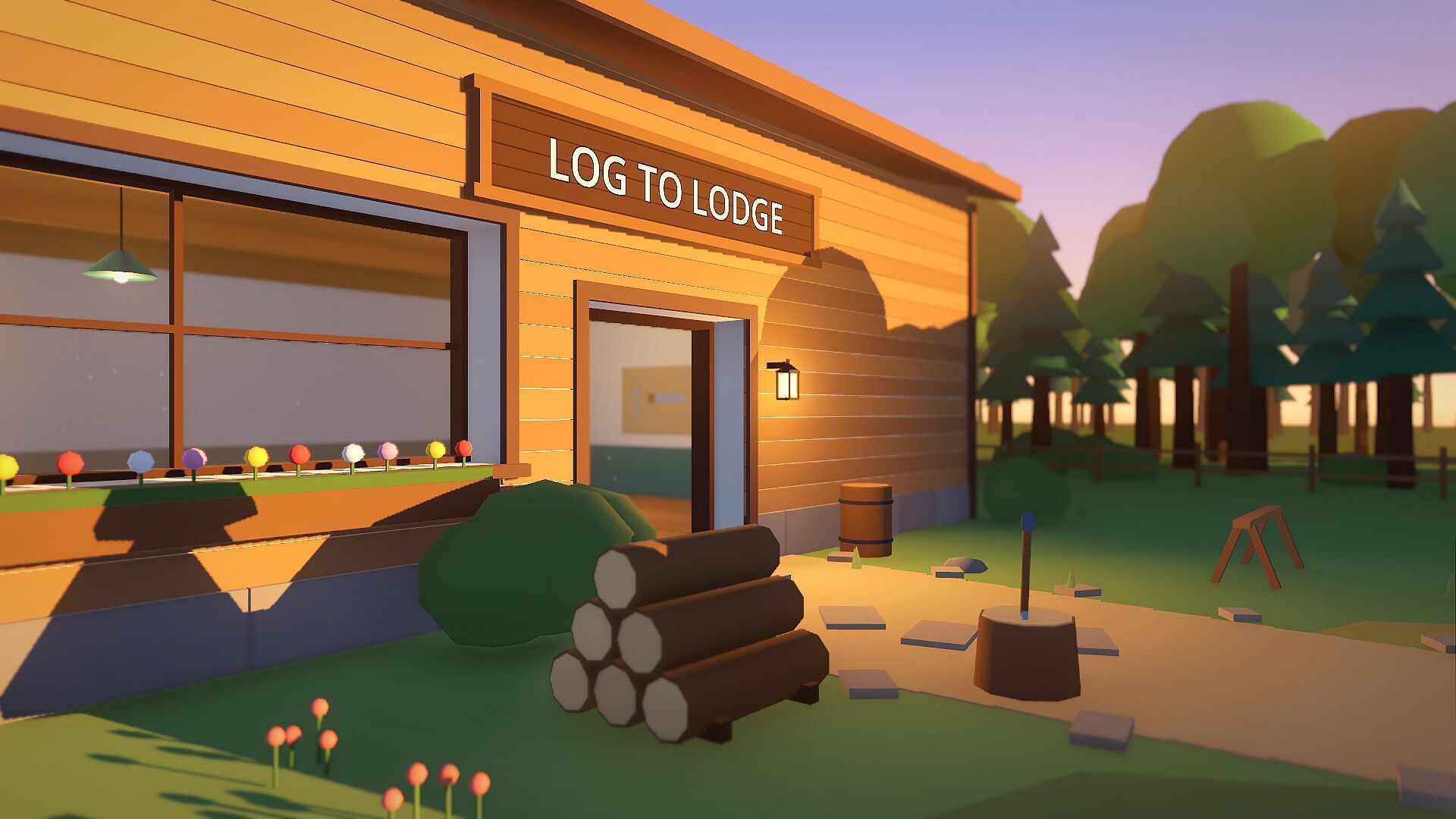

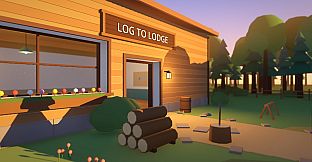




Log to Lodge: Carpentry Simulator is an indie casual simulation game set on PC where players manage a timber workshop and build a furniture business from the ground up. The core experience centers on transforming raw materials into finished pieces while expanding operations and completing orders in a relaxed setting.
Gameplay
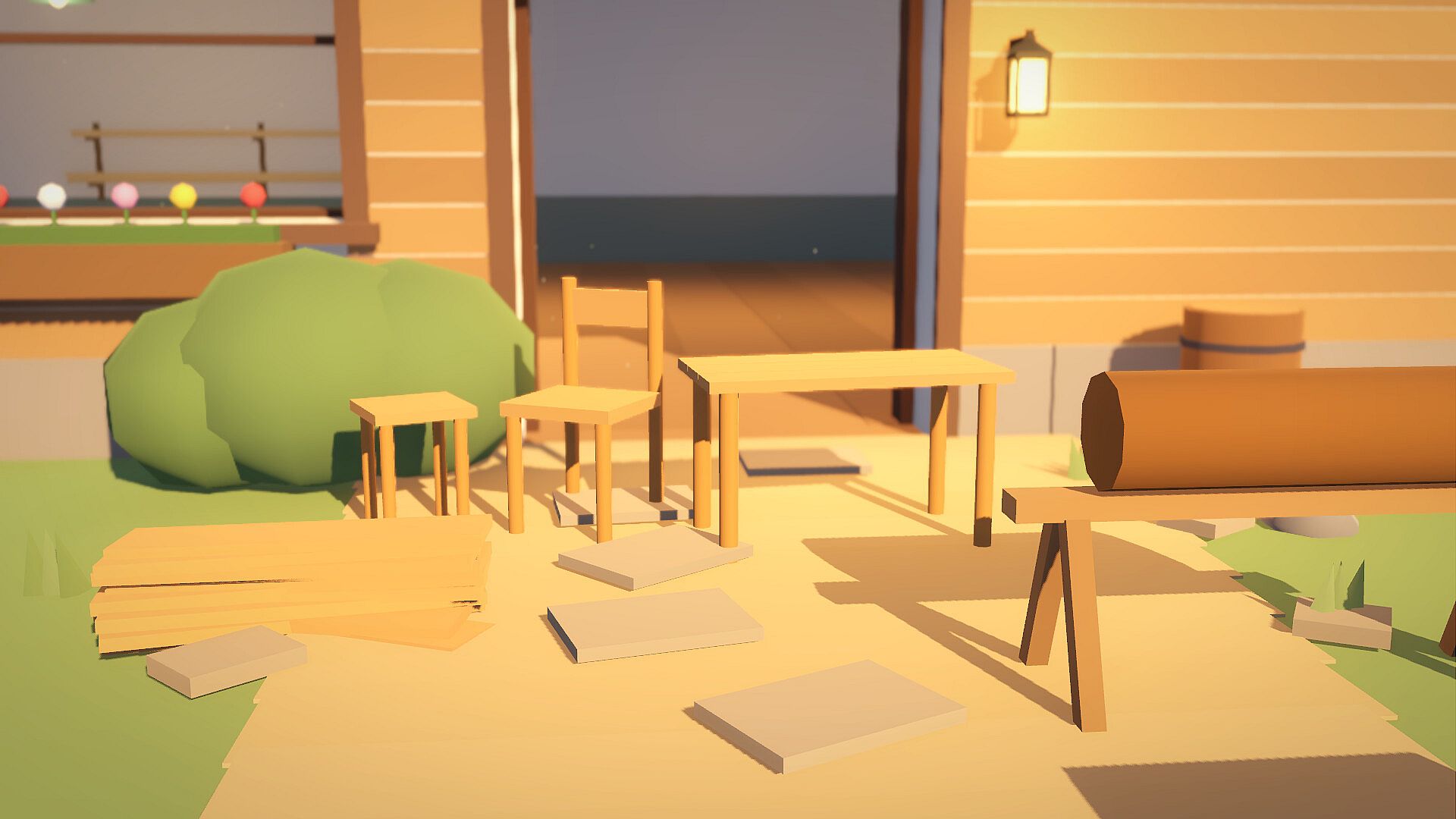
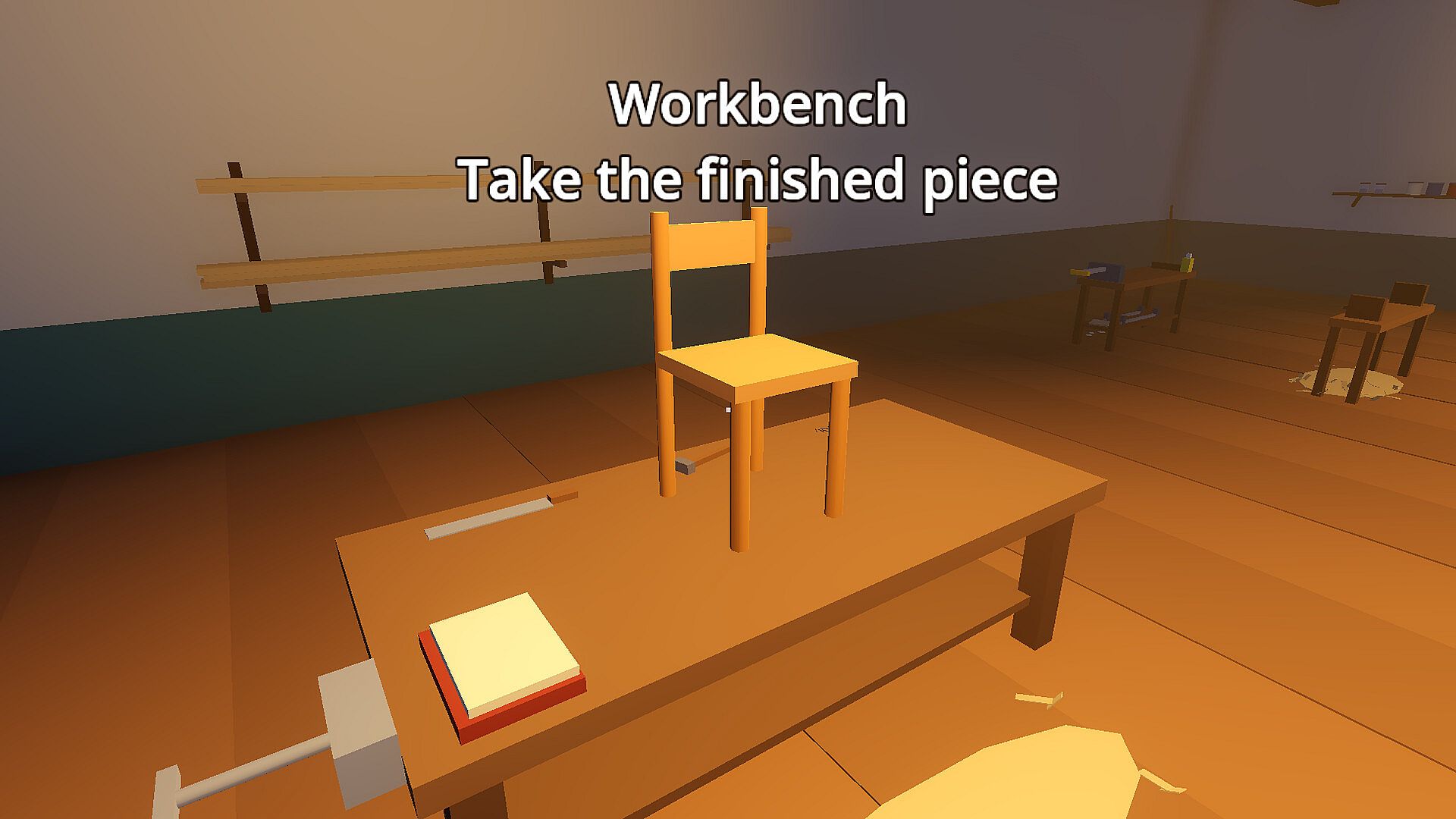
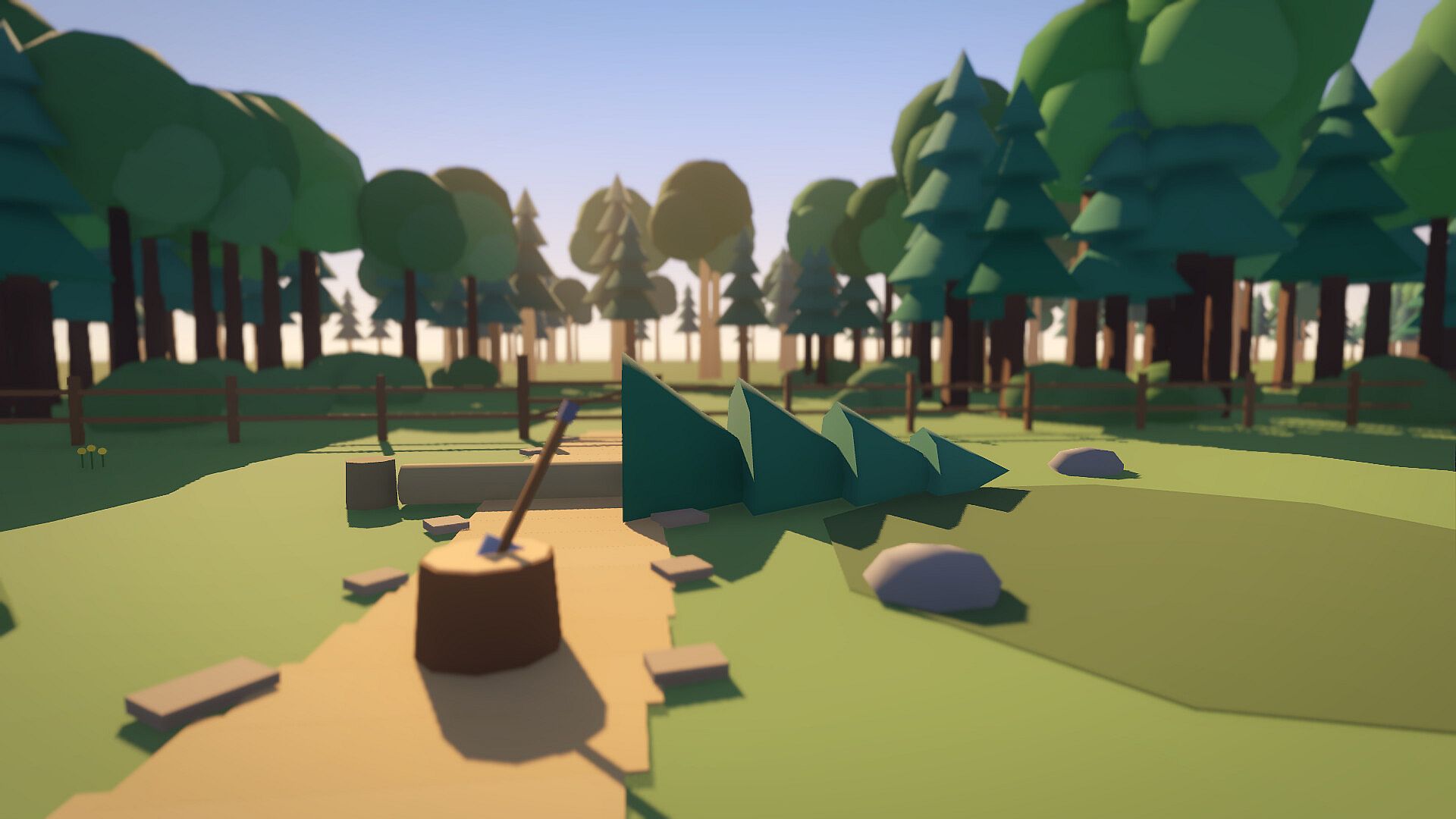
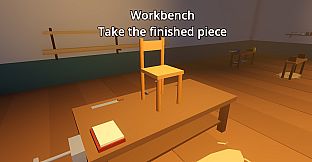
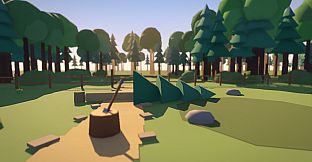
The central loop involves a complete production chain that starts with felling a tree using an axe. Players then process the logs at the mill into planks, plane those planks smooth, shape sticks on the lathe, and finally glue, nail, and assemble everything into furniture. Each stage visibly alters the wood, giving a tangible sense of progression through the materials.
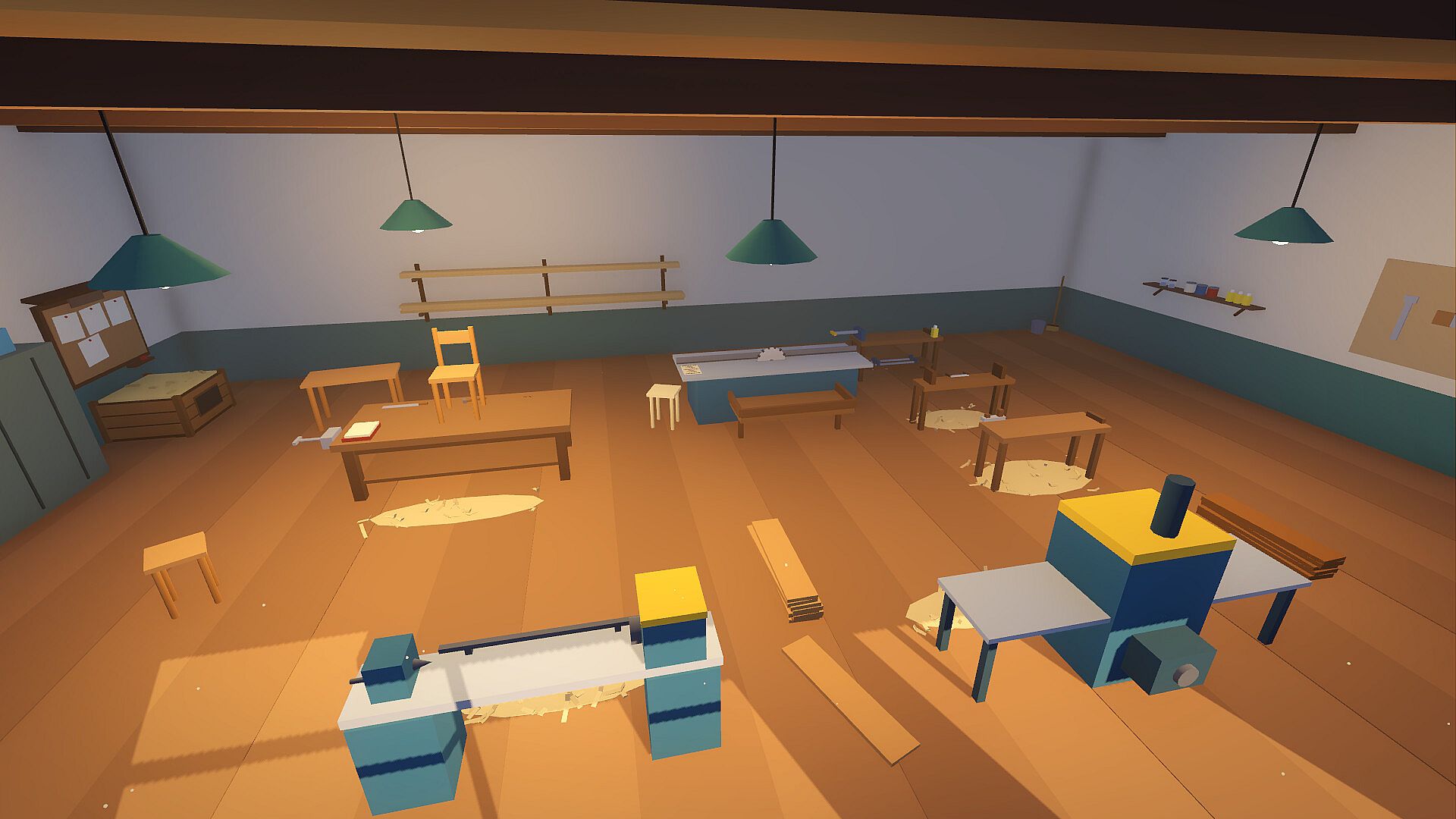
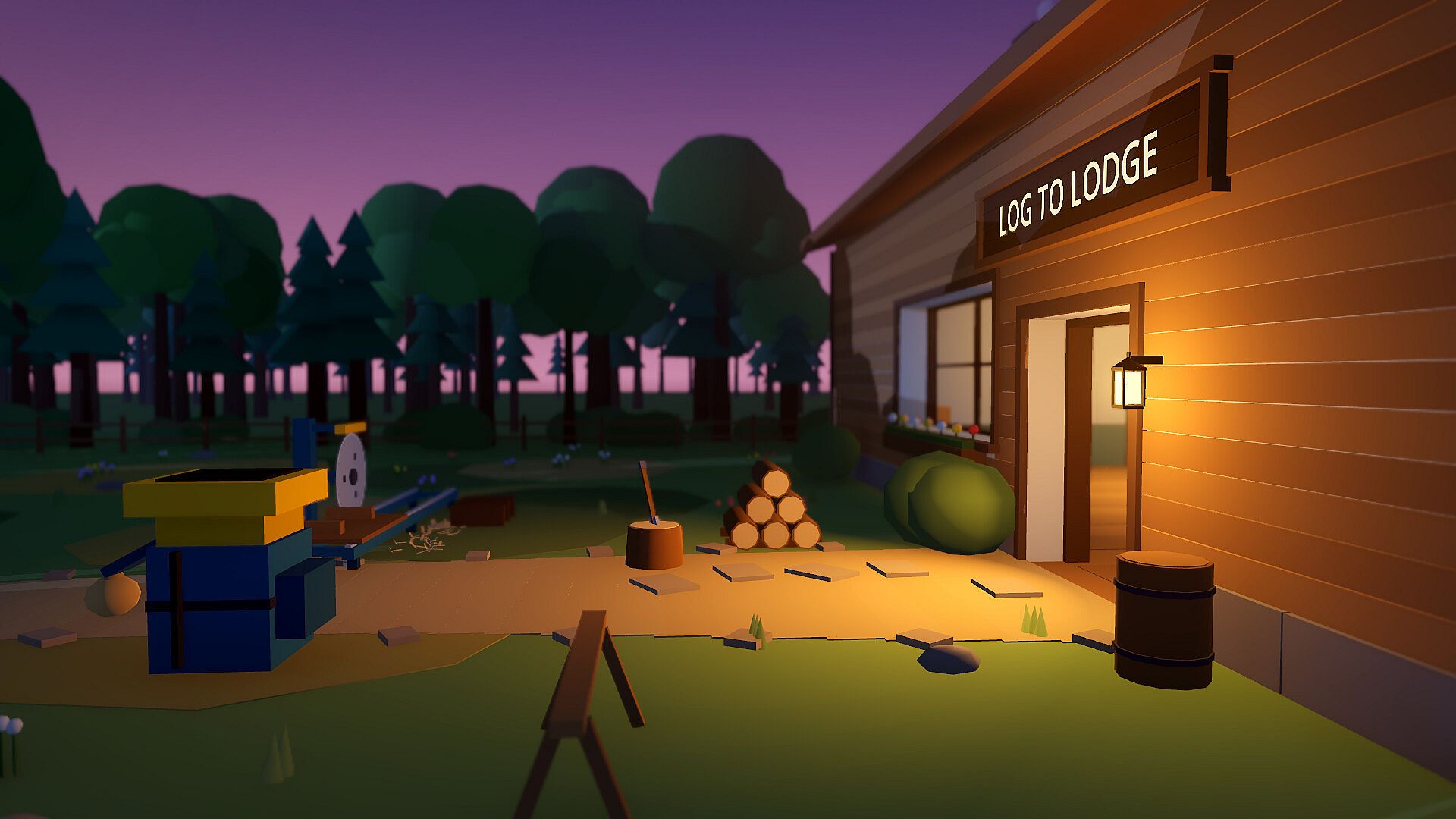
Wood types such as pine, oak, and walnut each carry distinct appearances and values, influencing both the look of finished items and their sale prices. Early gameplay relies on basic hand tools, with earnings used to purchase upgrades like a rip saw, planer, lathe, and paint booths that revive the inherited workshop over time.
Customer orders appear on a board and request specific pieces such as stools, chairs, tables, and doors. Meeting the exact request earns extra pay, while imperfect work still sells for a reduced amount. Some deliveries extend to neighbors in a nearby village, requiring players to transport finished furniture down the road for handoff.
Game Modes
The game operates as a single-player simulation without separate competitive or multiplayer modes. All activity unfolds in one continuous experience that blends resource gathering, crafting, and business management. Progression comes through fulfilling orders, upgrading equipment, and gradually restoring the workshop rather than through distinct game variants or seasonal events.
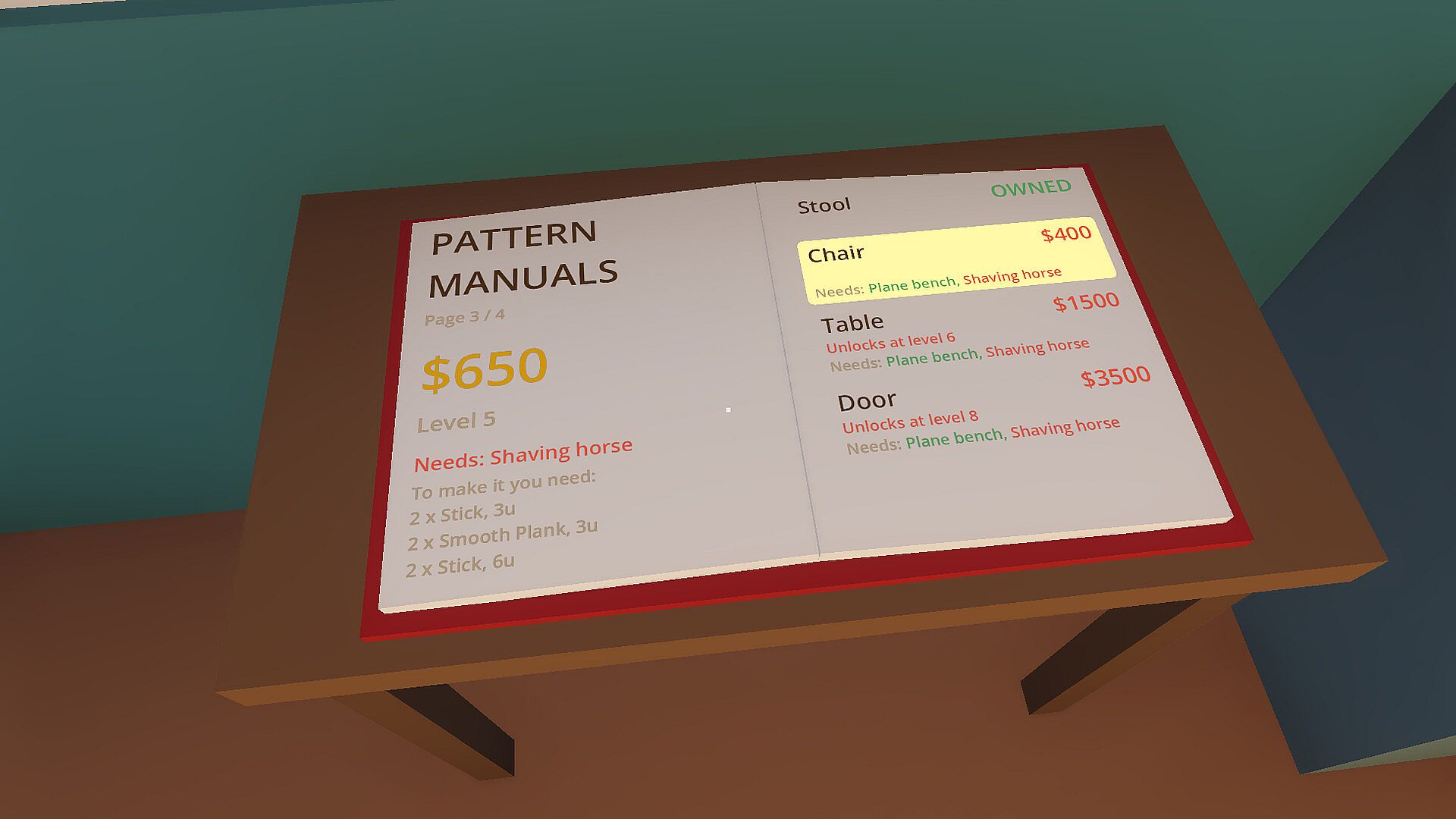
Pattern manuals in a catalogue unlock improved furniture designs as players advance, adding depth to the crafting process without shifting into other formats. The emphasis stays on steady, forgiving advancement where precision improves rewards but errors do not halt progress.
Workshop Expansion and Tools
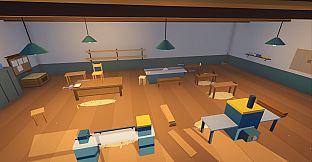
Starting with limited hand tools, players reinvest profits to acquire machinery that speeds up and refines production. The circular mill, rip saw, planer, lathe, glue table, and paint booths each target specific steps in the chain and transform the space from a dusty relic into a functional operation. Different wood species respond uniquely to these tools, encouraging experimentation with material choices for higher-value outputs.
Stylized low-poly visuals paired with warm, cozy lighting create an inviting atmosphere that supports extended sessions focused on methodical crafting rather than high-pressure challenges.
Is It Worth Playing?
This title suits players who enjoy methodical simulation games centered on crafting and incremental business growth. The forgiving approach to mistakes combined with clear production steps makes it accessible for casual sessions, while the variety of woods and order types provides ongoing interest in refining techniques.
Because the game remains in development with a planned release in 2027, current details rest on confirmed features such as the full production chain, workshop upgrades, and order system. Those drawn to cozy, single-player experiences involving resource transformation and steady expansion will find the described mechanics align well with that preference. Planned additions like building contracts and a day-night cycle remain subject to change and are not yet available.












