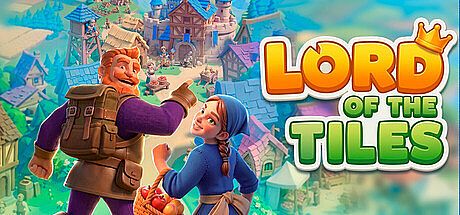



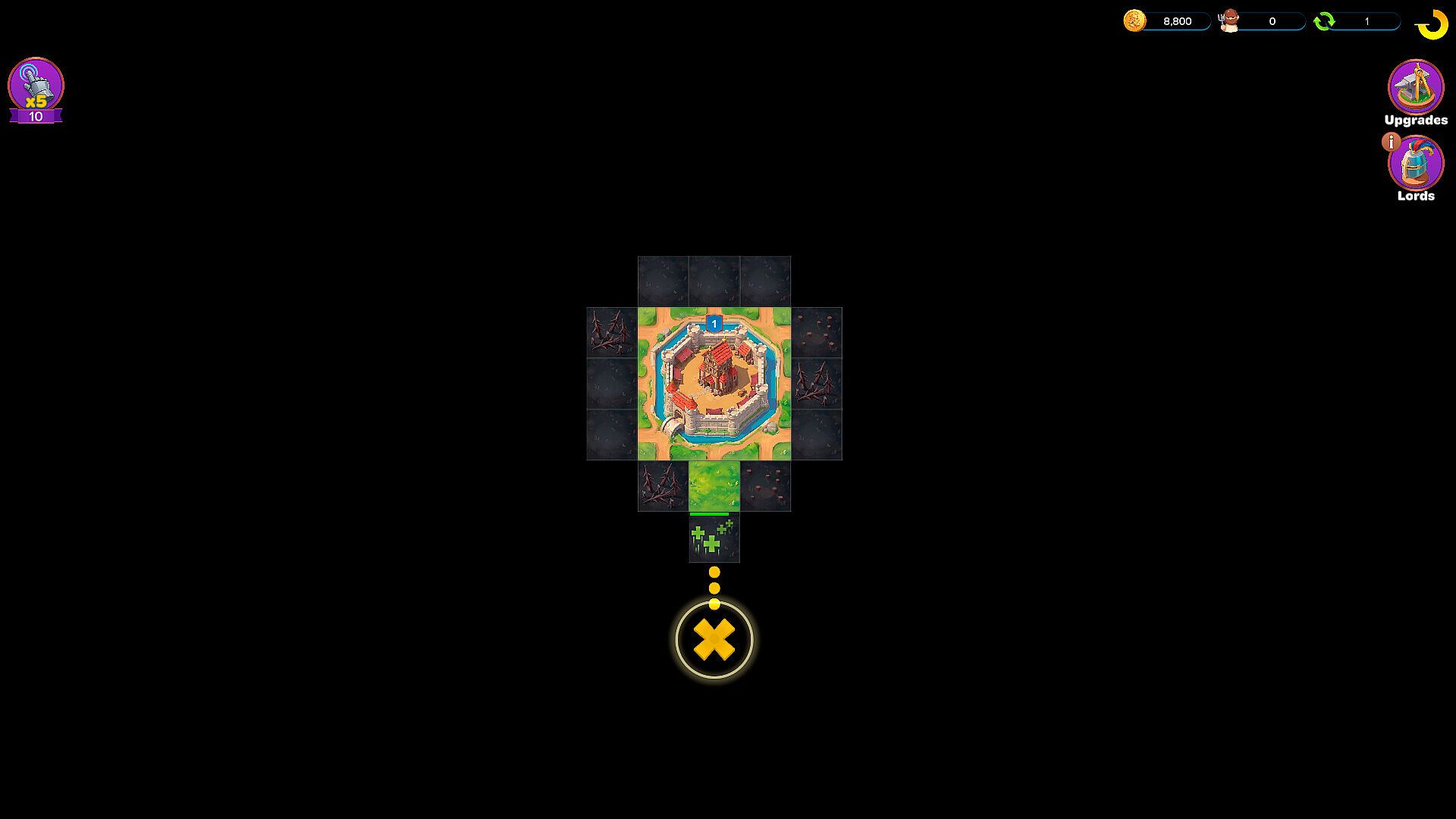
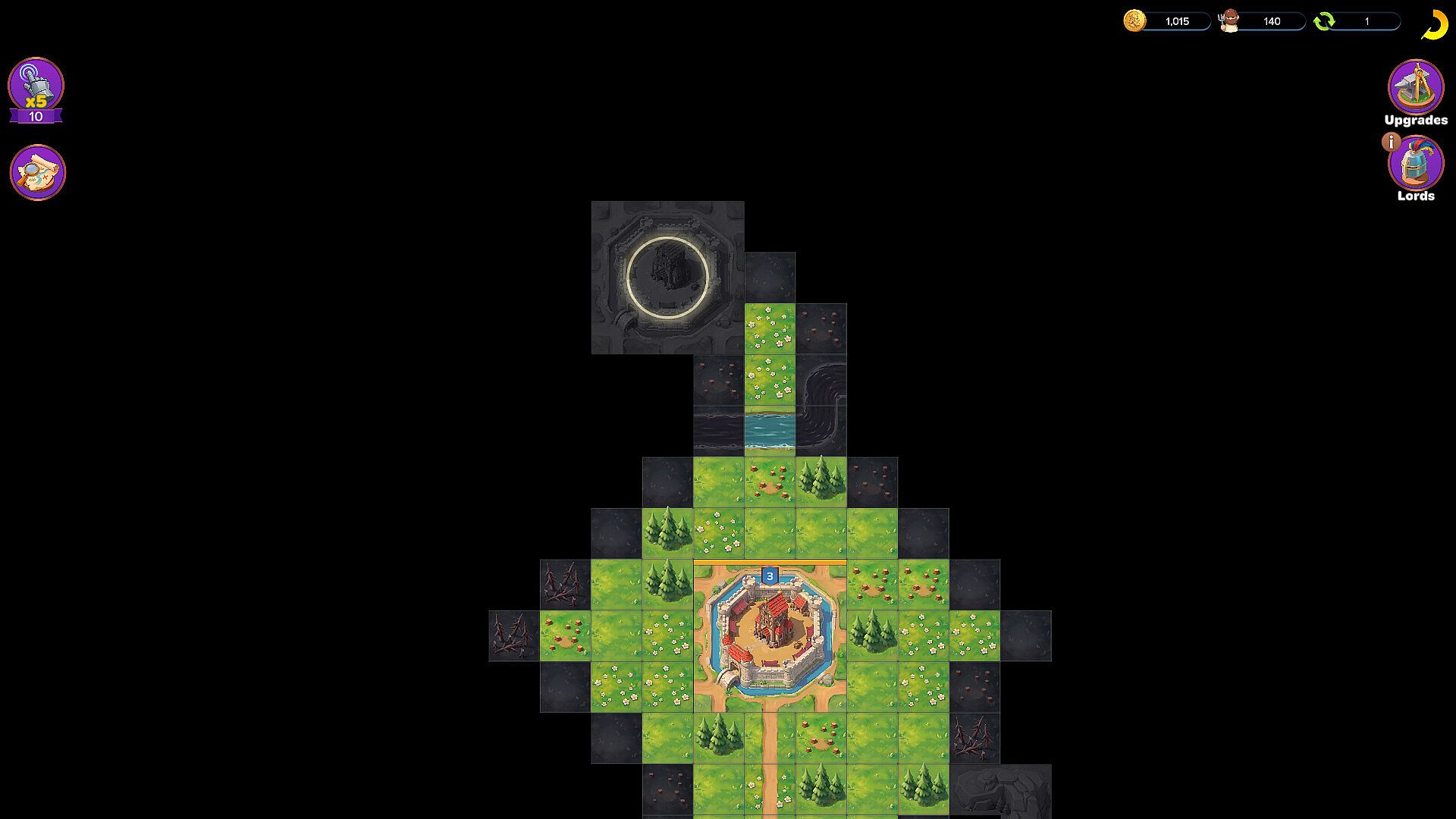
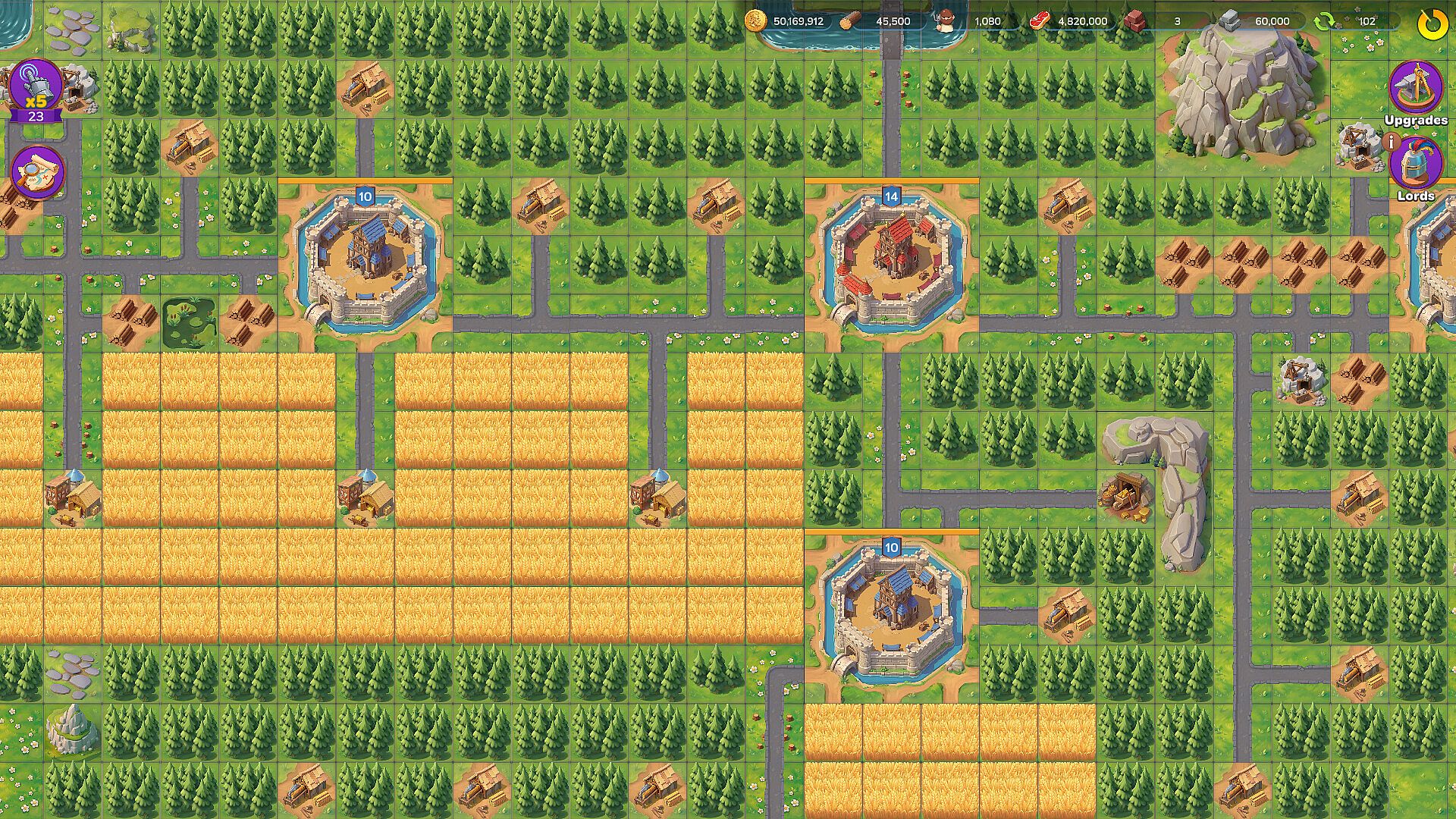
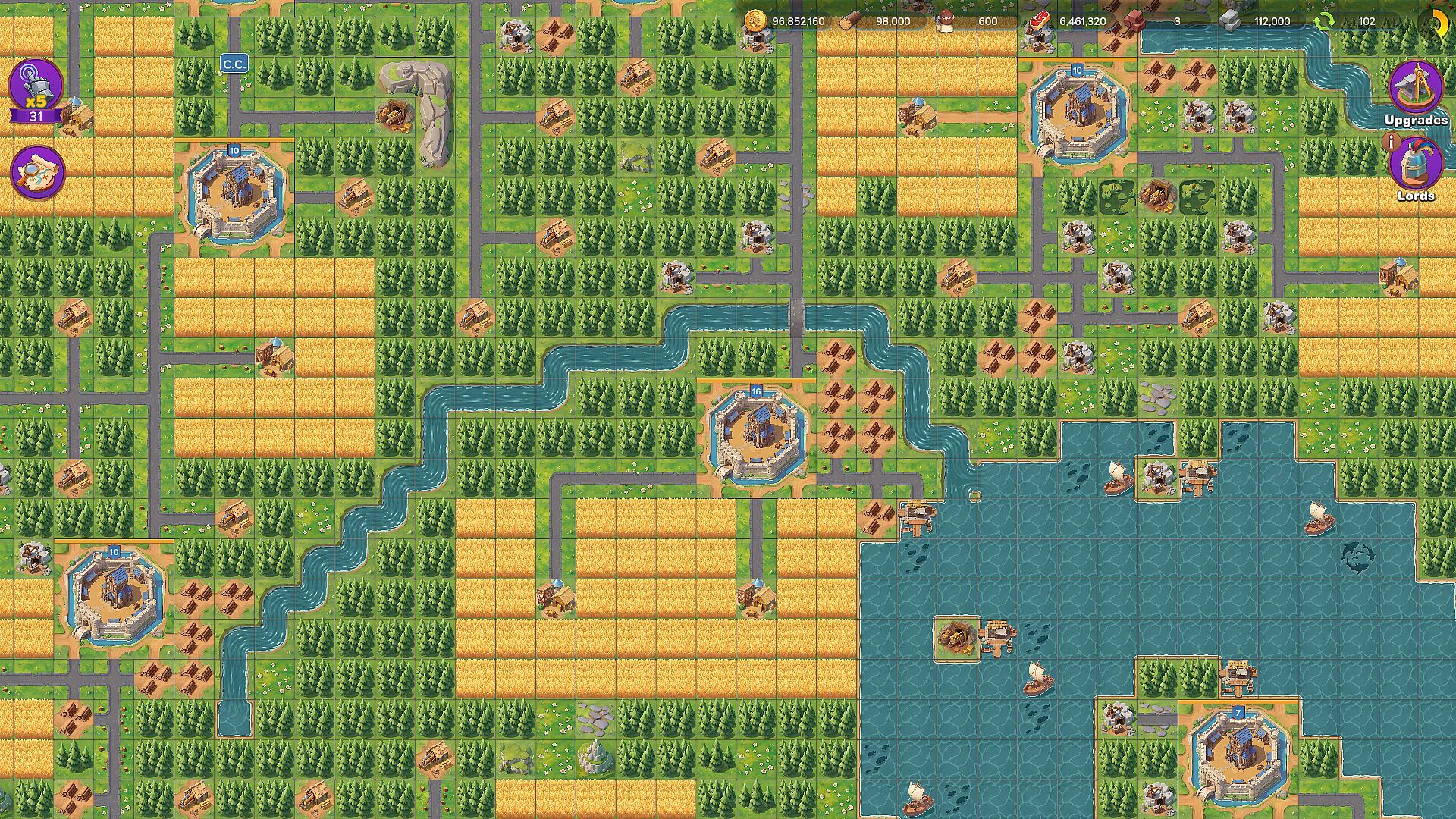

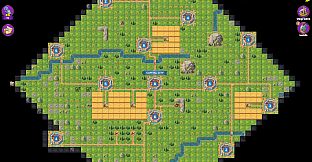
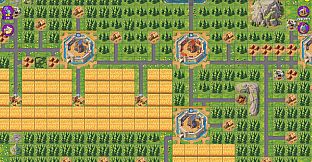
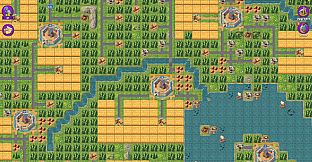
Lord of the Tiles is a free to play strategy and simulation game available on PC. Players start with one city and gradually reveal the surrounding map by unlocking individual tiles. Each new tile can reveal resources or additional settlements that join the growing kingdom through careful infrastructure planning.
Gameplay
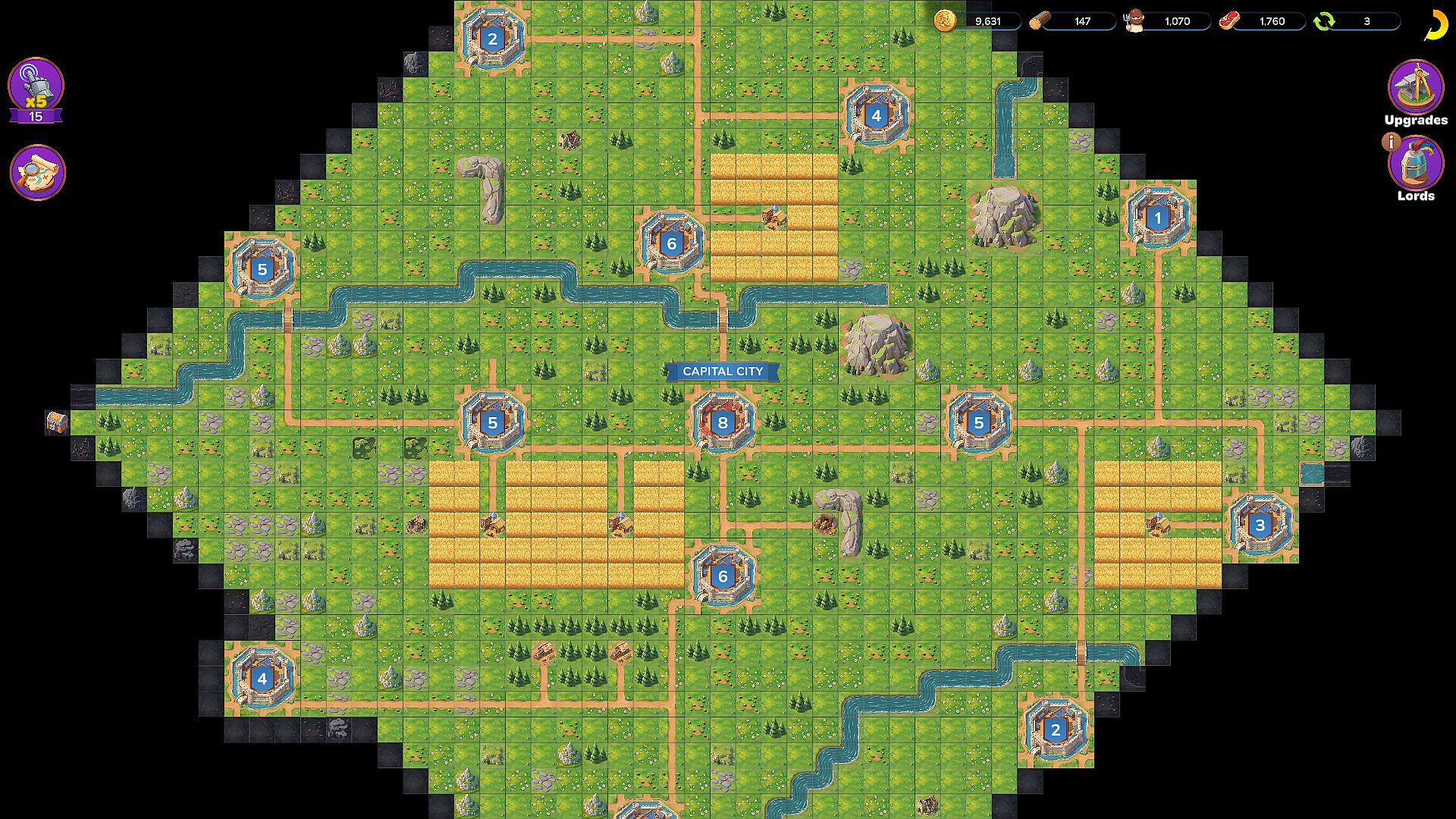
The core loop centers on steady map exploration and kingdom development. Unlocking tiles exposes new areas filled with resources such as gold, wood, food, and stone. These materials support construction of production buildings and warehouses that strengthen the economy over time. Cities require connection through roads to form a unified network, and the layout of these connections influences how efficiently the entire kingdom operates.
City leveling unlocks additional structures and upgrades. Some improvements speed up resource production while others expand exploration range or introduce fresh mechanics for growth. Capital upgrades further expand available options, allowing players to shift focus between faster economic gains or broader territorial expansion. Placement decisions matter for optimization, yet the system permits adjustments without any penalties for experimentation.
Resource management stays straightforward. Players gather materials, expand storage, and invest in buildings that sustain long-term progress. The absence of timers or external threats keeps attention on deliberate planning and incremental advancement at a comfortable pace.
Game Modes
Lord of the Tiles offers a single continuous experience built around peaceful progression. There are no separate competitive or time-limited modes. All activity revolves around the same tile-reveal system, road network construction, and economic development within one persistent kingdom.
Players control the speed of advancement entirely. Some sessions focus on rapid tile unlocking to discover new settlements quickly, while others emphasize refining existing infrastructure and balancing resource flows. The design supports repeated playthroughs through different layout choices rather than distinct modes with unique rulesets.
Key Mechanics and Progression
Tile discovery forms the foundation of every session. Each unlocked section of the map brings either raw resources or new cities that integrate into the kingdom once roads link them. Infrastructure design remains flexible, encouraging players to test varied road patterns and building placements to observe different growth rates.
Economic systems reward consistent building and upgrading. Production facilities generate the four main resources, and warehouse expansions prevent bottlenecks. As the capital improves, new building types and mechanics appear, creating layers of depth without overwhelming complexity. The simulation elements shine through the interplay between exploration speed and economic stability.
Progression feels organic because every action contributes to the same overarching goal of kingdom expansion. No combat or adversarial elements interrupt the flow, allowing full concentration on optimization and discovery.
Is It Worth Playing?
Lord of the Tiles suits players who enjoy relaxed strategy and simulation titles focused on building and exploration. The free to play model removes any upfront cost barrier, and the lack of combat or pressure makes it accessible for casual sessions or longer focused play.
Those who appreciate tile-based discovery combined with economic management will find the systems rewarding. The emphasis on personal playstyle and freedom from penalties supports experimentation without frustration. Current availability on PC aligns with the described peaceful experience, making it a solid choice for fans of indie strategy games that prioritize steady, satisfying advancement over intense challenges.