




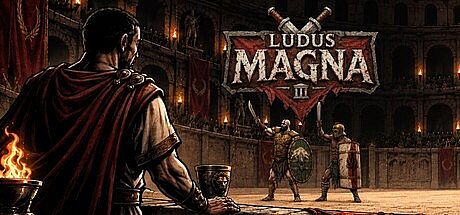


Ludus Magna is a strategy, RPG, and simulation game set in ancient Rome where players take on the role of a Lanista managing a gladiator school known as a ludus. The core experience revolves around recruiting fighters, training them through attribute improvements and trait discovery, and sending them into arena contracts while balancing limited daily actions, gold reserves, morale, and injuries. Success depends on careful resource allocation because every choice carries lasting consequences, from equipment purchases to fight selections.
Gameplay
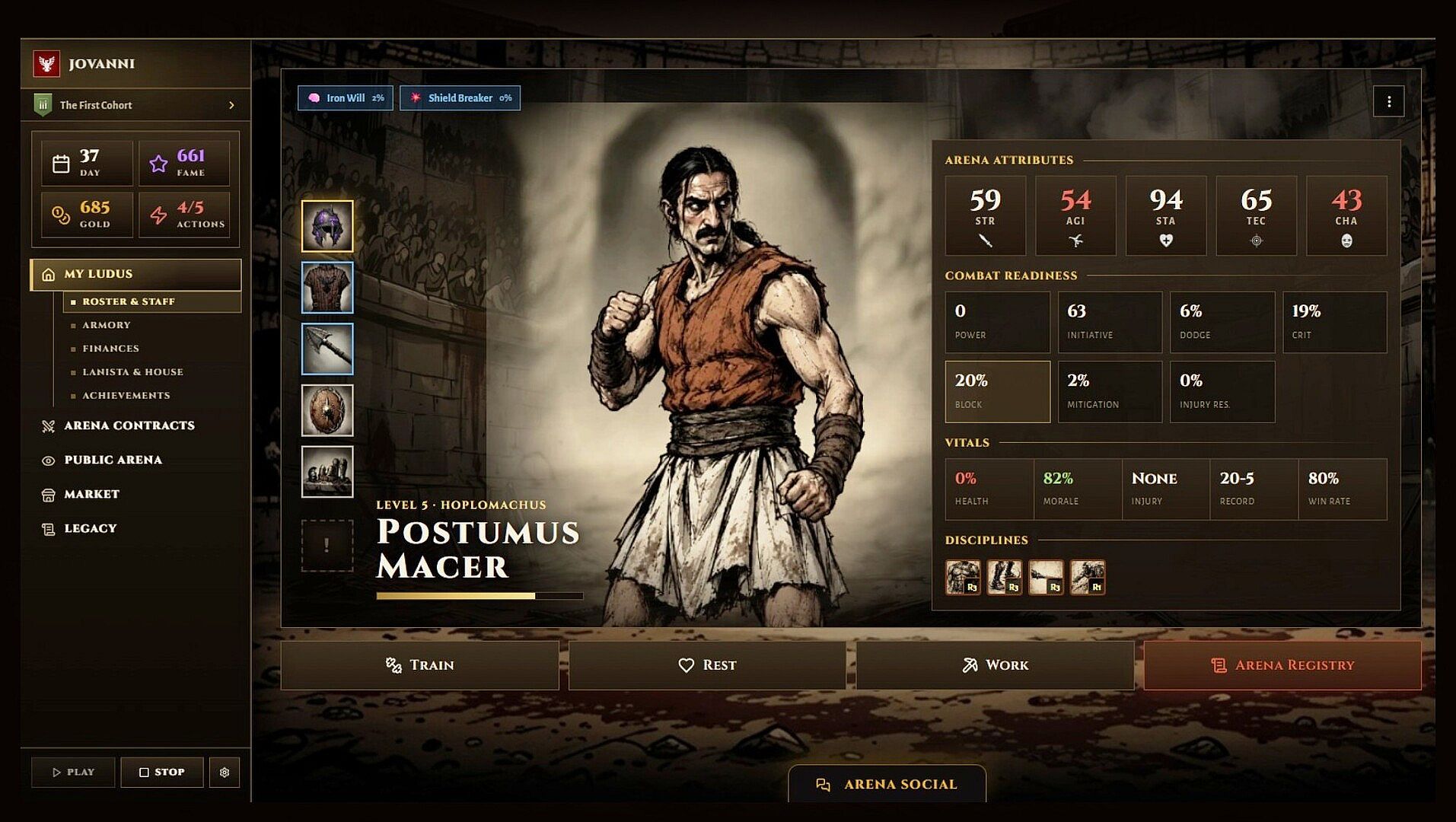
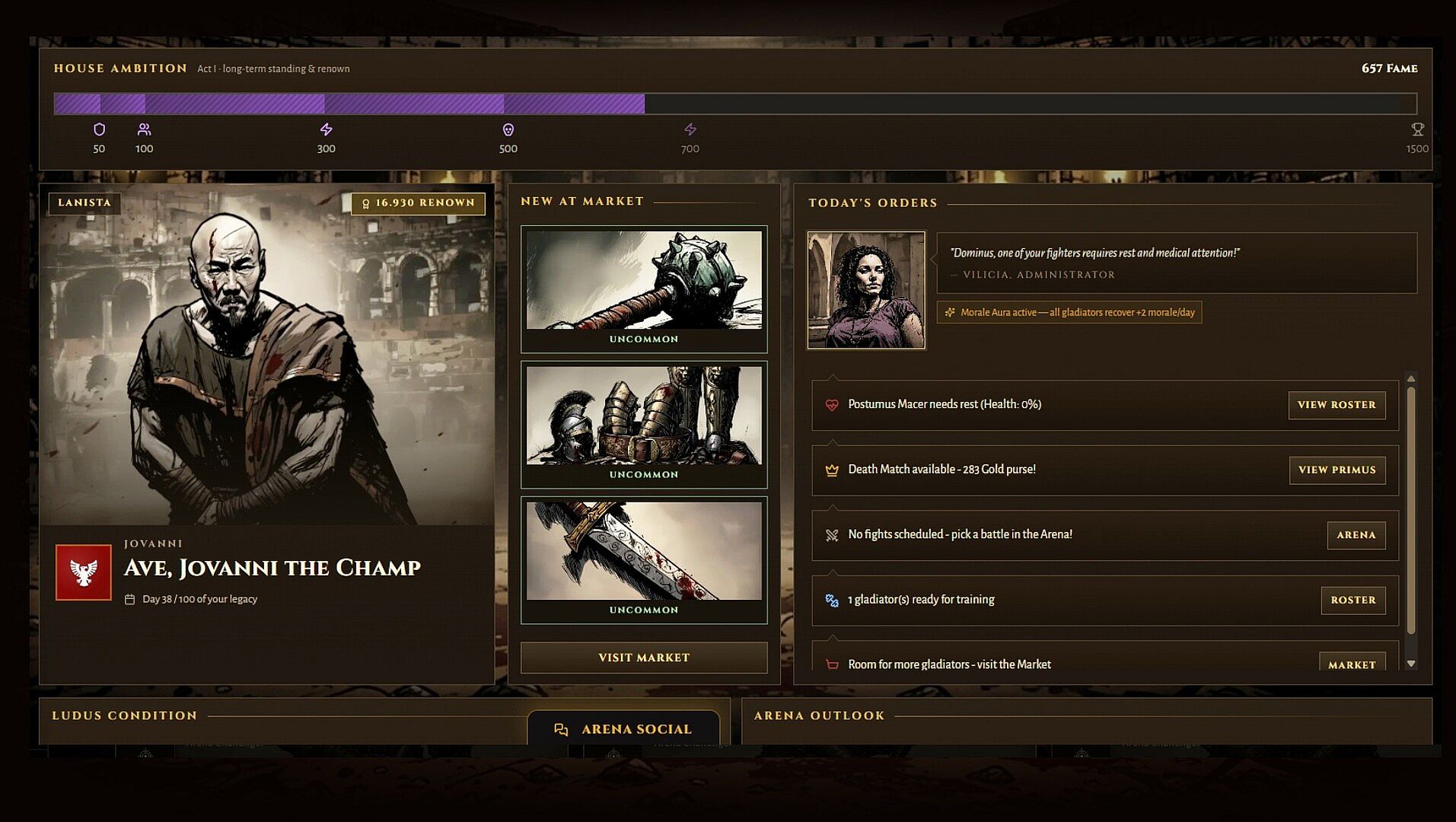
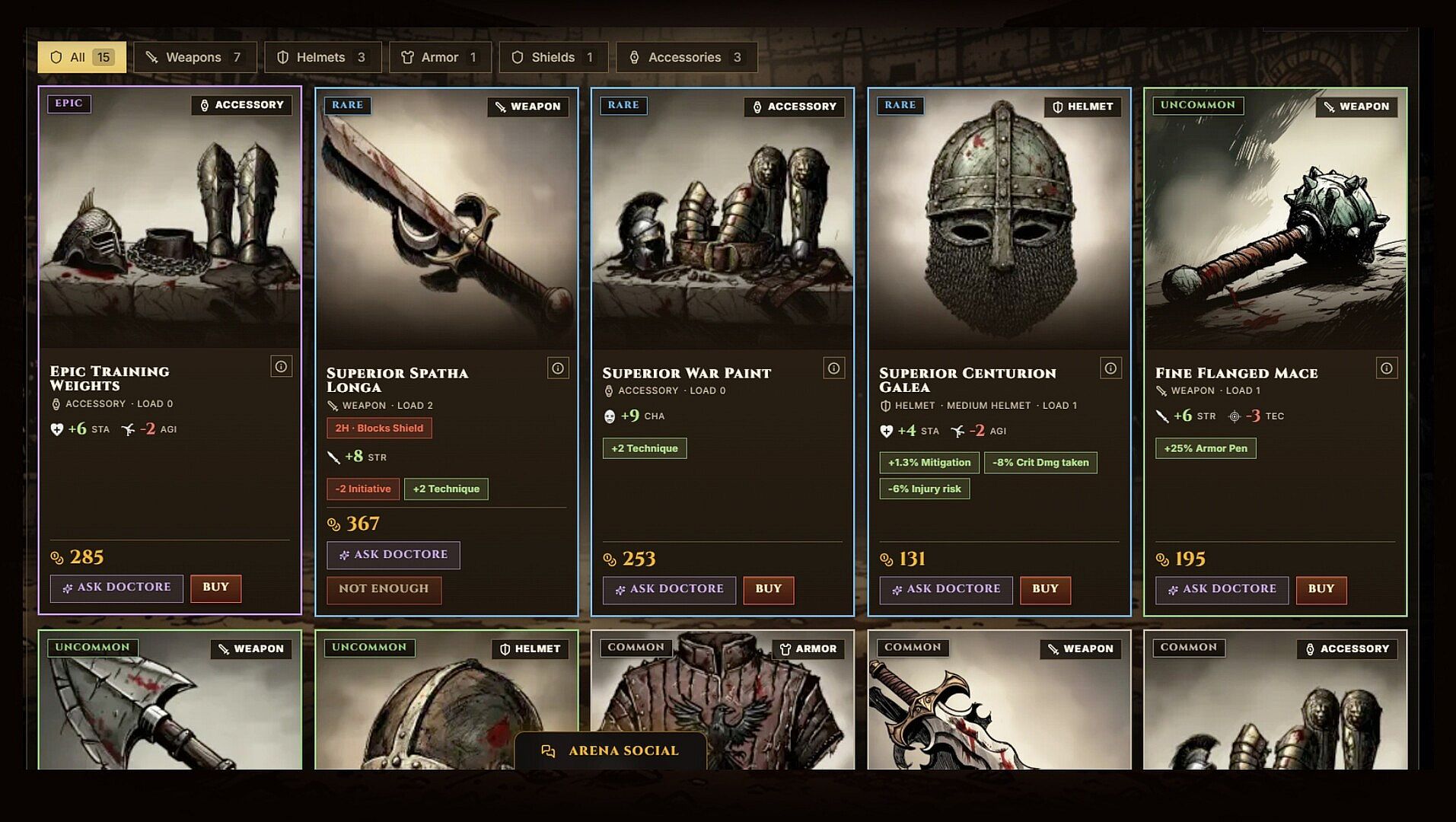
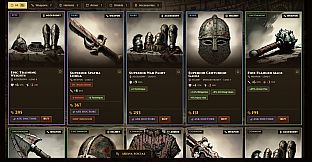
Players begin by creating a Lanista character and assigning five points across perks that shape their management style. The daily loop centers on training gladiators to raise attributes, uncovering hidden combat traits, and assigning discipline points across talent trees that allow specialization. Equipment must align with each fighter's strengths, while staff hires and financial oversight keep the ludus operational. Morale and injury management add layers because low spirits increase injury risk and poor performance in battle.
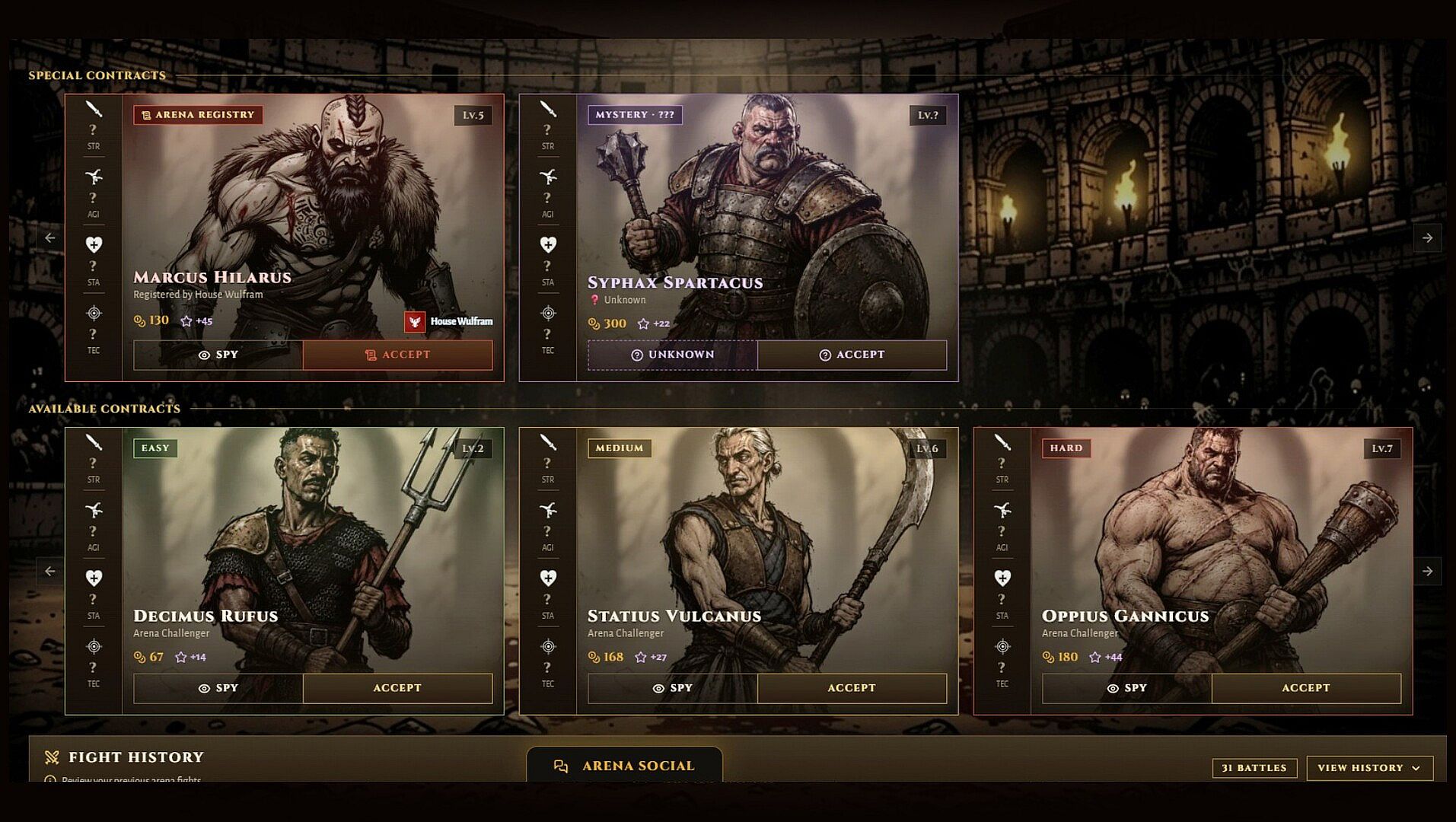
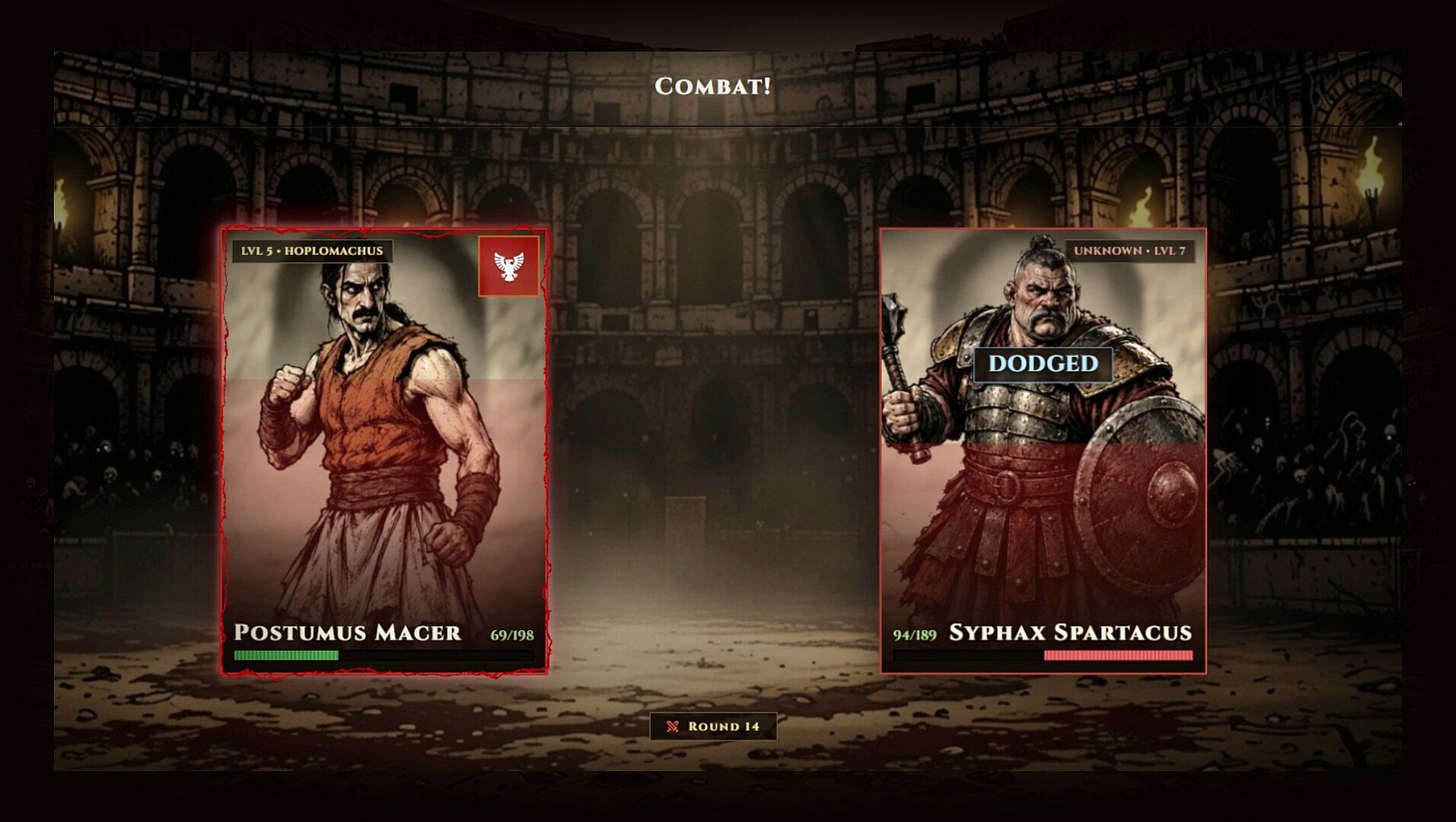
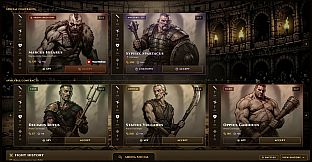
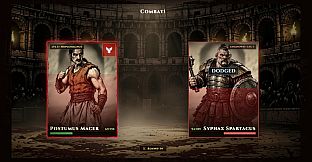
Combat offers two approaches. Automatic resolution handles most contracts efficiently, while Quick-Time events provide active input during key moments when available. Opponents require scouting beforehand so players can match the right gladiator and gear to the contract's demands. Safer fights build steady fame and momentum, whereas high-risk encounters promise larger rewards but threaten permanent losses.
Gladiators develop unique paths. Some become versatile veterans through broad attribute growth, while others emerge as specialists suited to particular styles or matchups. Not every recruit survives long enough to reach potential, and a single bad injury can sideline weeks of progress. Gold constraints force tough decisions on what to prioritize each day, and ignoring finances risks bankruptcy that ends the current run.
Game Modes
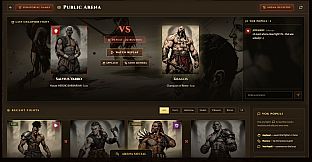
The primary structure revolves around individual runs that test roster building and risk management within a single campaign. Arena contracts serve as the main activity, with players selecting from available offers based on risk-reward profiles after comparing opponent details. Automatic combat suits passive progression, while Quick-Time combat adds direct engagement during fights.
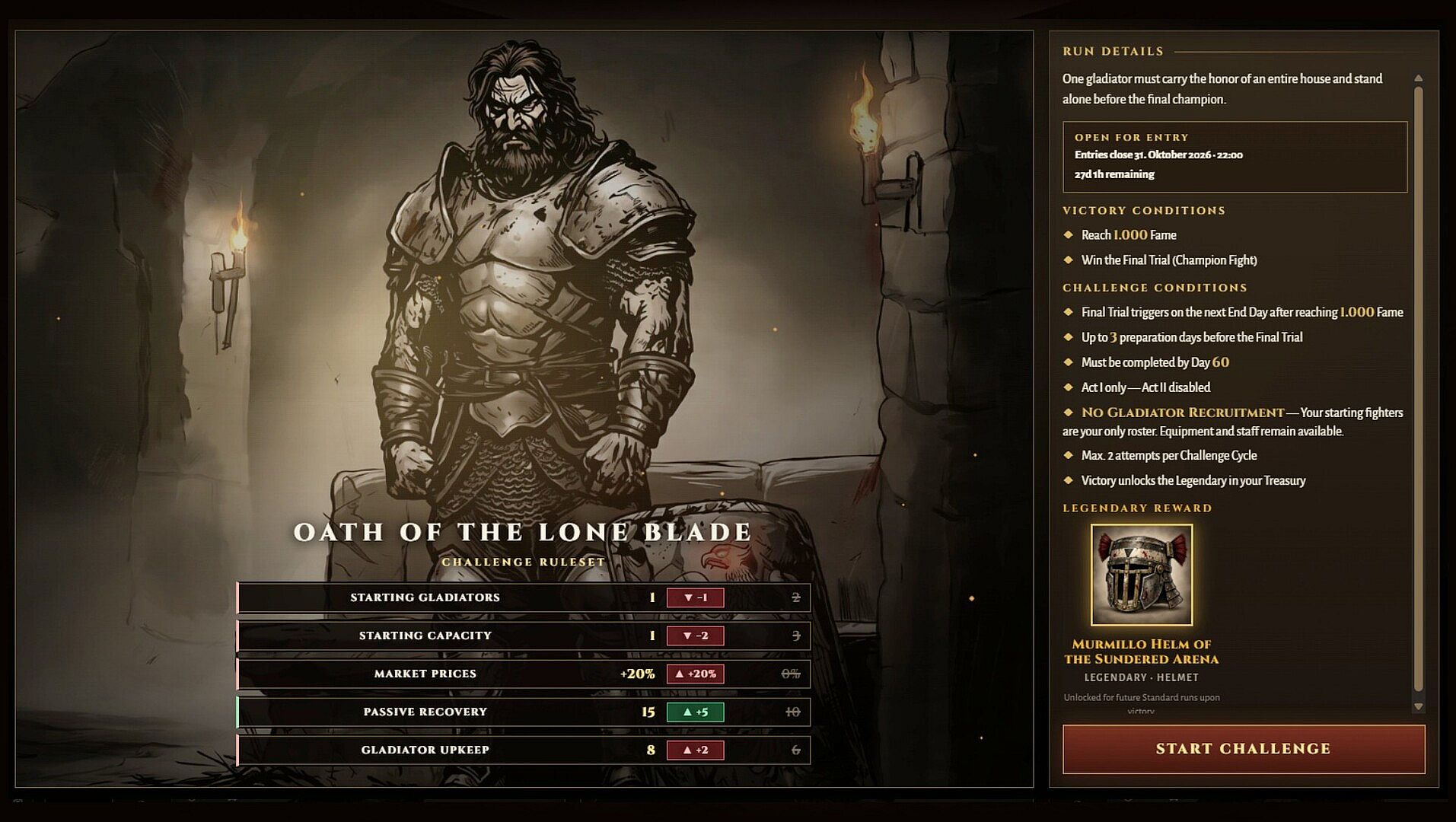
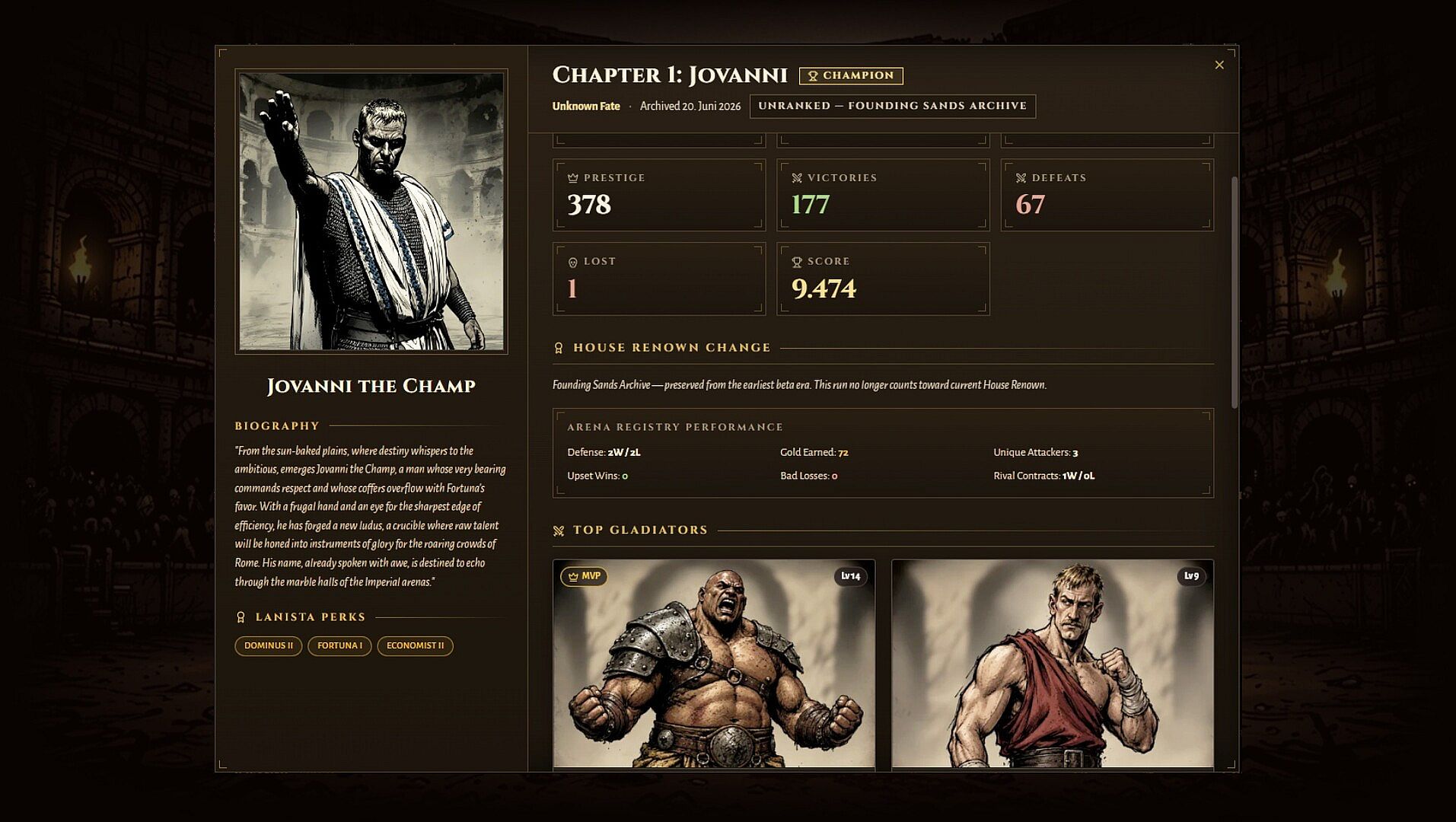
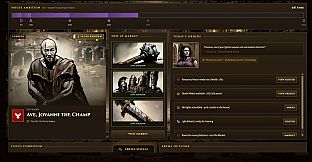
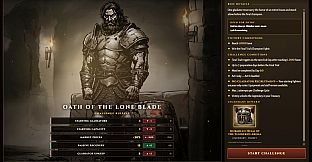
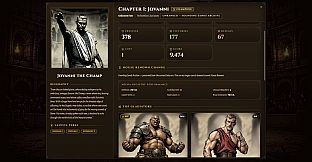
Legacy elements connect multiple runs through the House Chronicle. Completed campaigns contribute to long-term House Renown, allowing players to pursue stronger subsequent attempts and establish a persistent identity. Special challenges impose additional rules and restrictions to earn legendary equipment for the treasury, encouraging varied strategies across attempts.
Key Systems and Progression
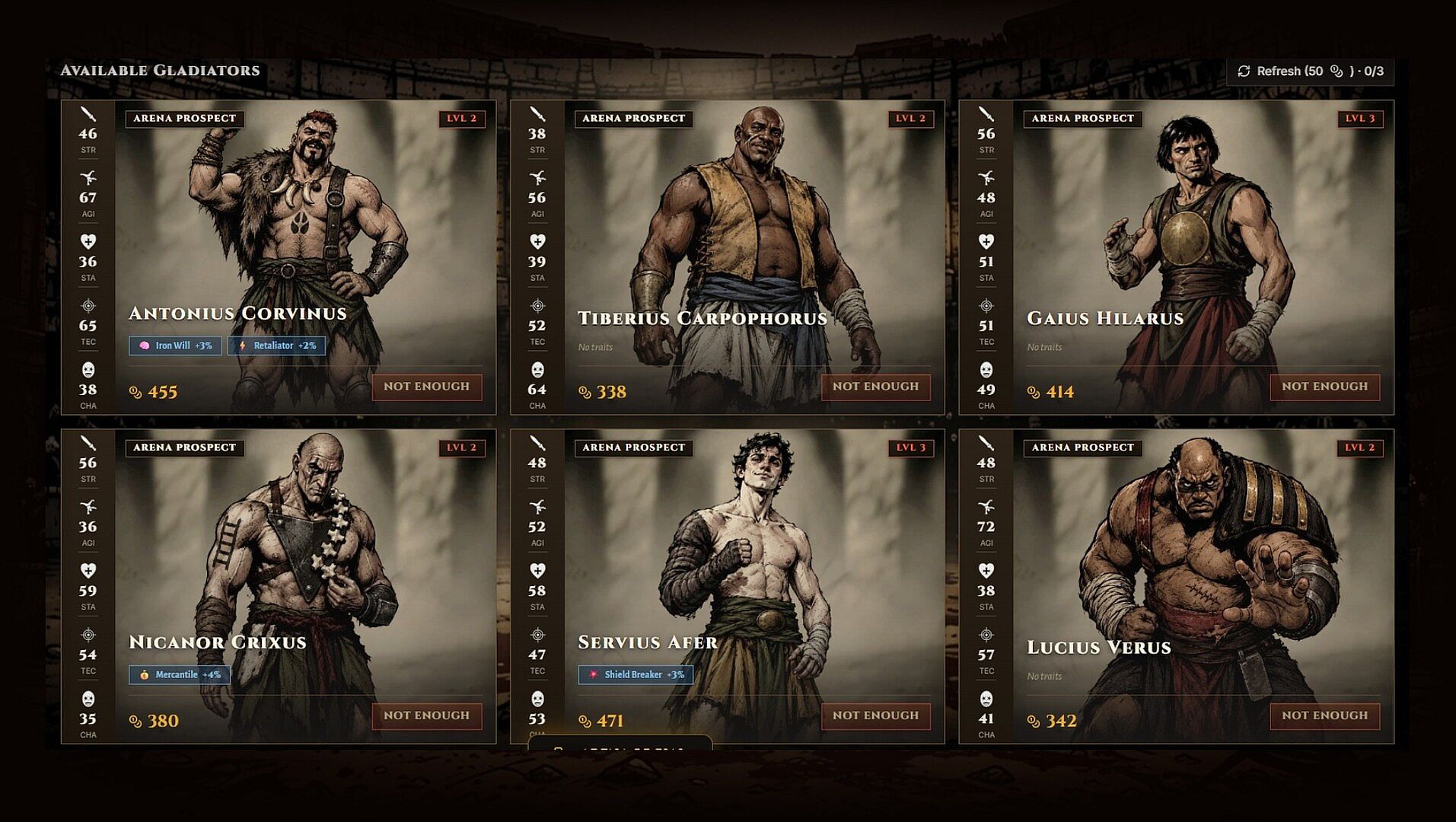
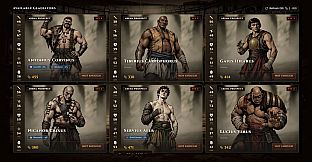
Recruitment draws from a pool that grows with fame, eventually supporting up to 100 unique-looking gladiators. Each fighter gains experience through fights and training, unlocking new traits and discipline options. Staff management covers trainers, medics, and other roles that influence daily efficiency and recovery rates.
Financial systems track gold inflows from victories against outflows for equipment, wages, and upgrades. Fame gained from arena success unlocks better contracts and opportunities but also raises operating costs and attracts tougher competition. Permanent death remains a possibility in dangerous matches, reinforcing the need for measured risk assessment.
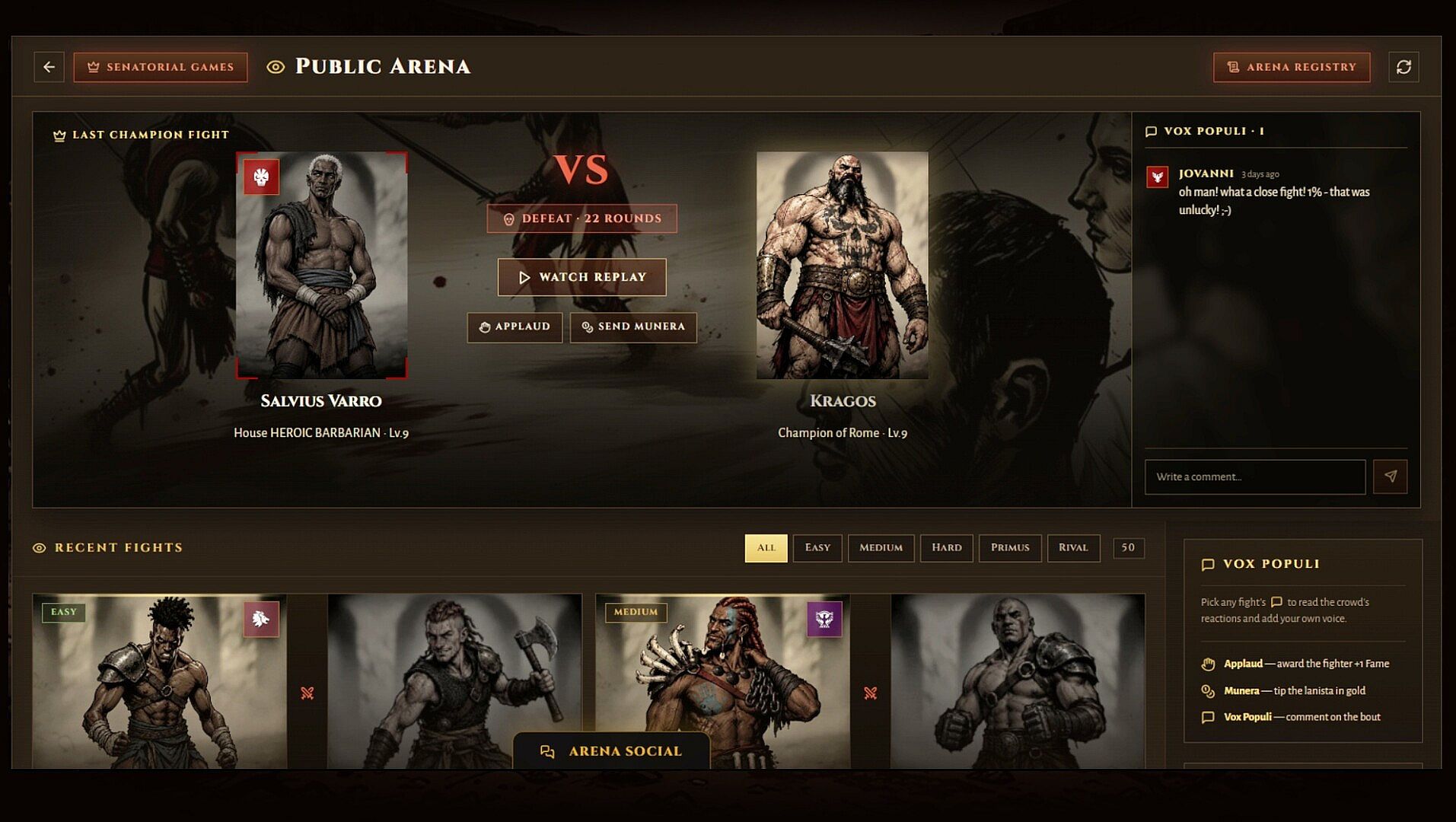
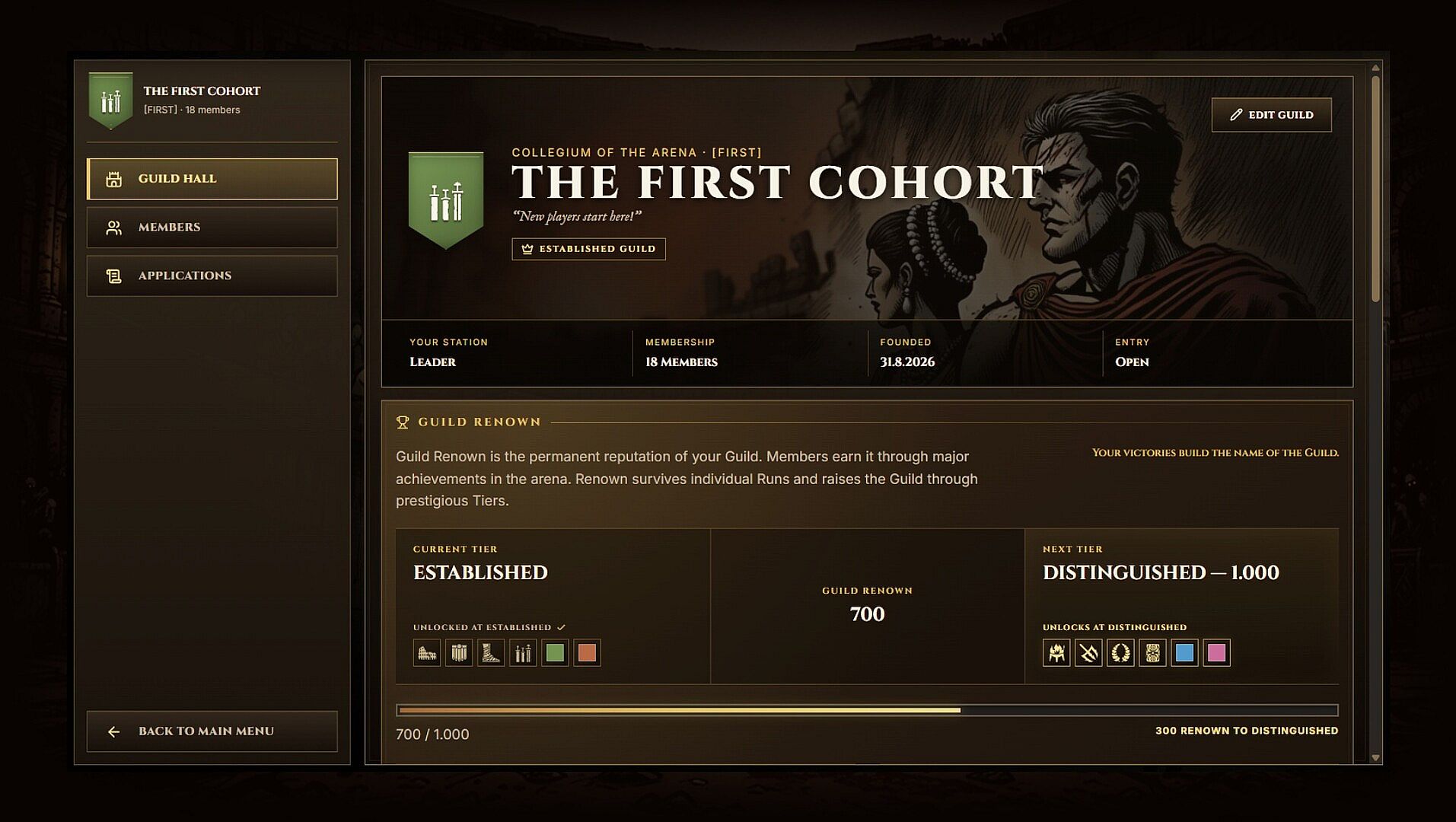
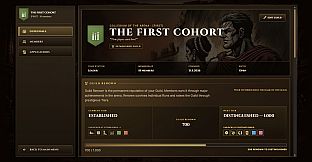
Additional layers include a trophy room for collecting over 100 unique gladiator portraits and achievements that provide cosmetic customizations for the ludus. Guild features allow joining existing groups or founding a Collegium of the Arena to access shared benefits and competition.
Is It Worth Playing?
Ludus Magna suits players who enjoy deep management loops combined with roguelike elements where each run builds toward a larger legacy. The emphasis on limited actions and permanent consequences creates meaningful decisions at every step, rewarding careful planning over rushed expansion. Playtesters have noted the engaging combat typing mechanic during Quick-Time sequences and the overall sense of immersion in the Roman gladiator theme.
The game remains in active development with updates expanding systems like training and roster tools. Its single-player focus and replayability through legacy progression make it appealing for those who appreciate strategy and simulation titles that punish poor resource management while celebrating thoughtful roster development. Availability on PC supports the detailed interface required for tracking attributes, finances, and multiple gladiators simultaneously.











