

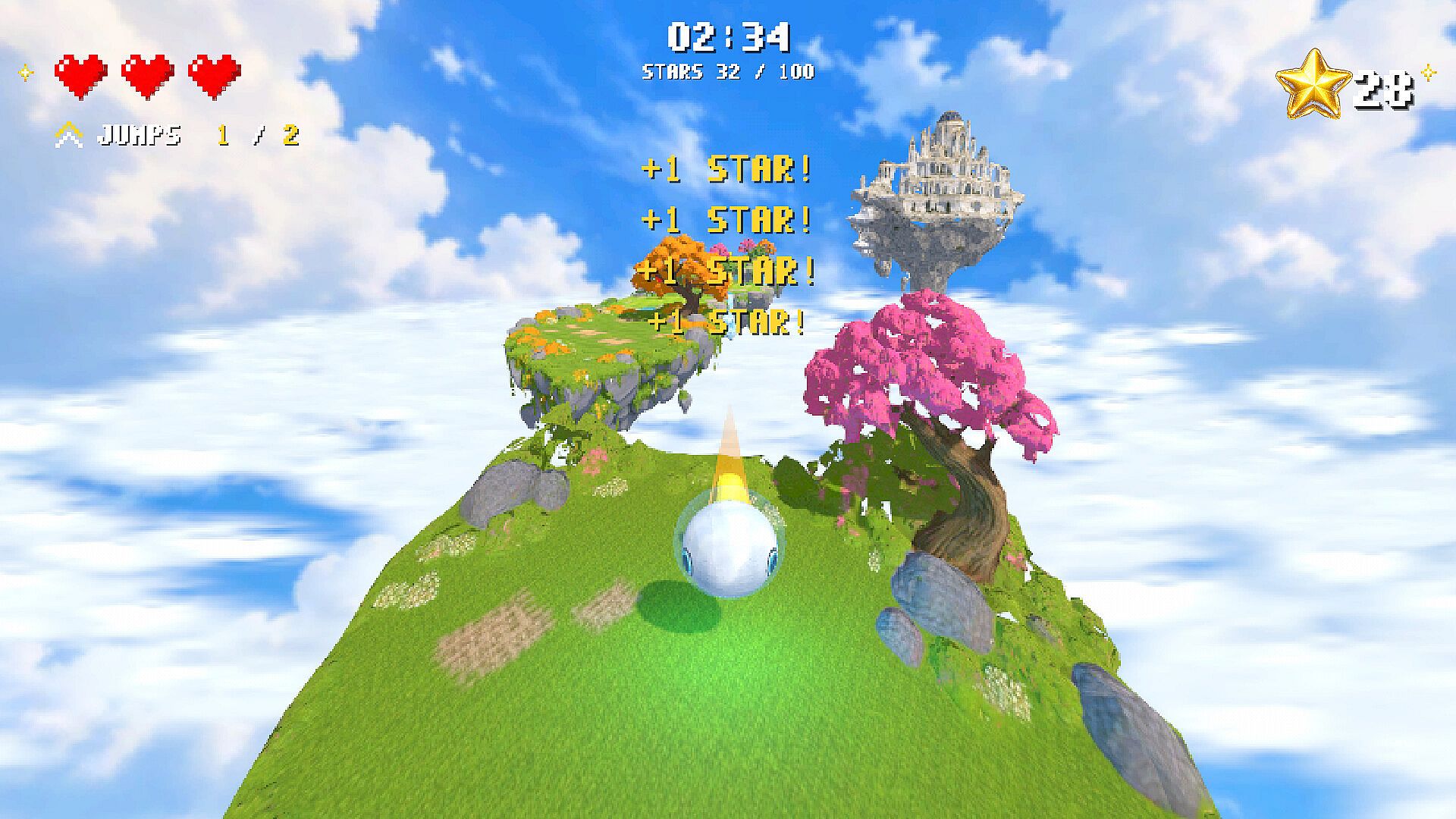
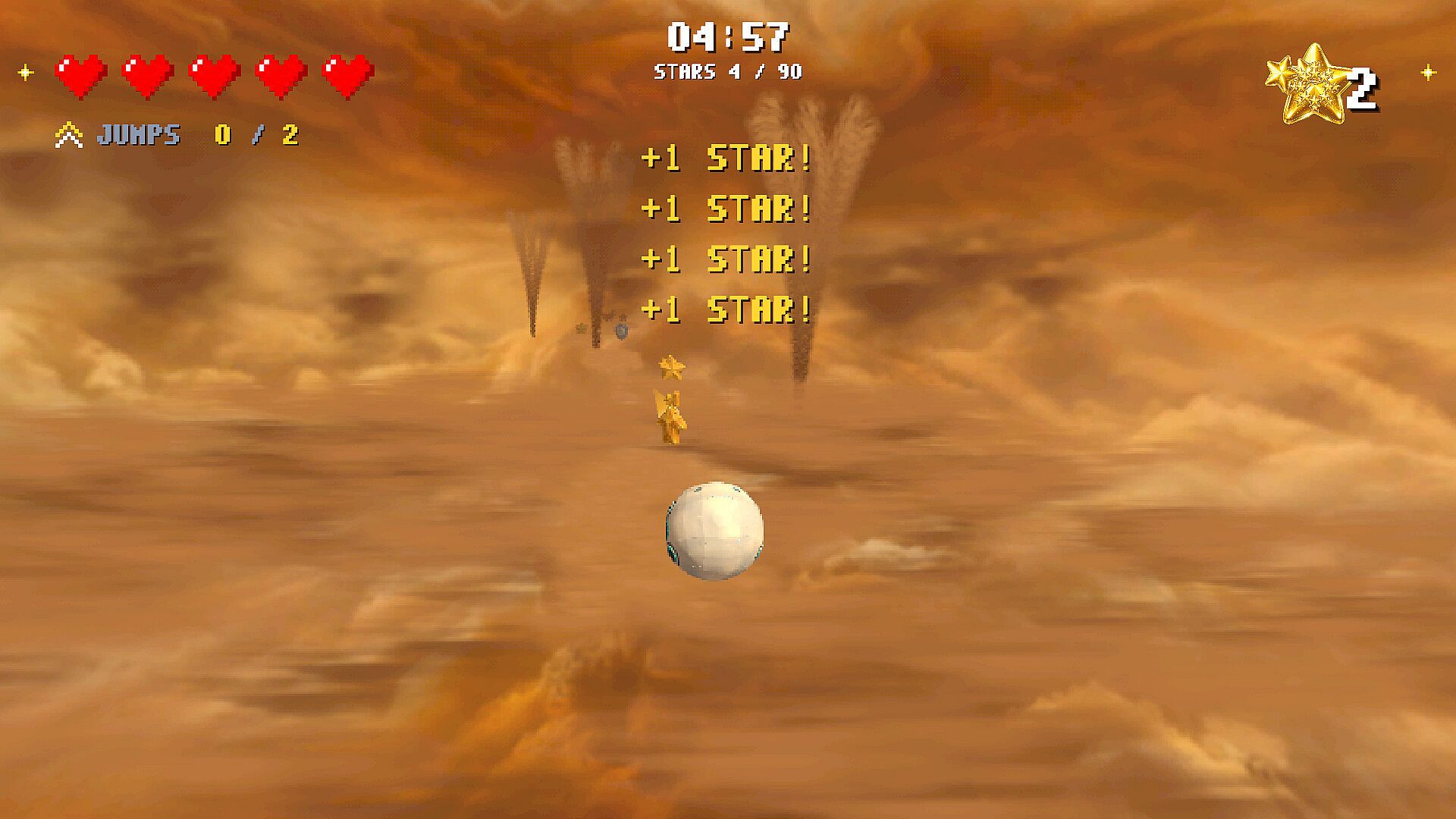
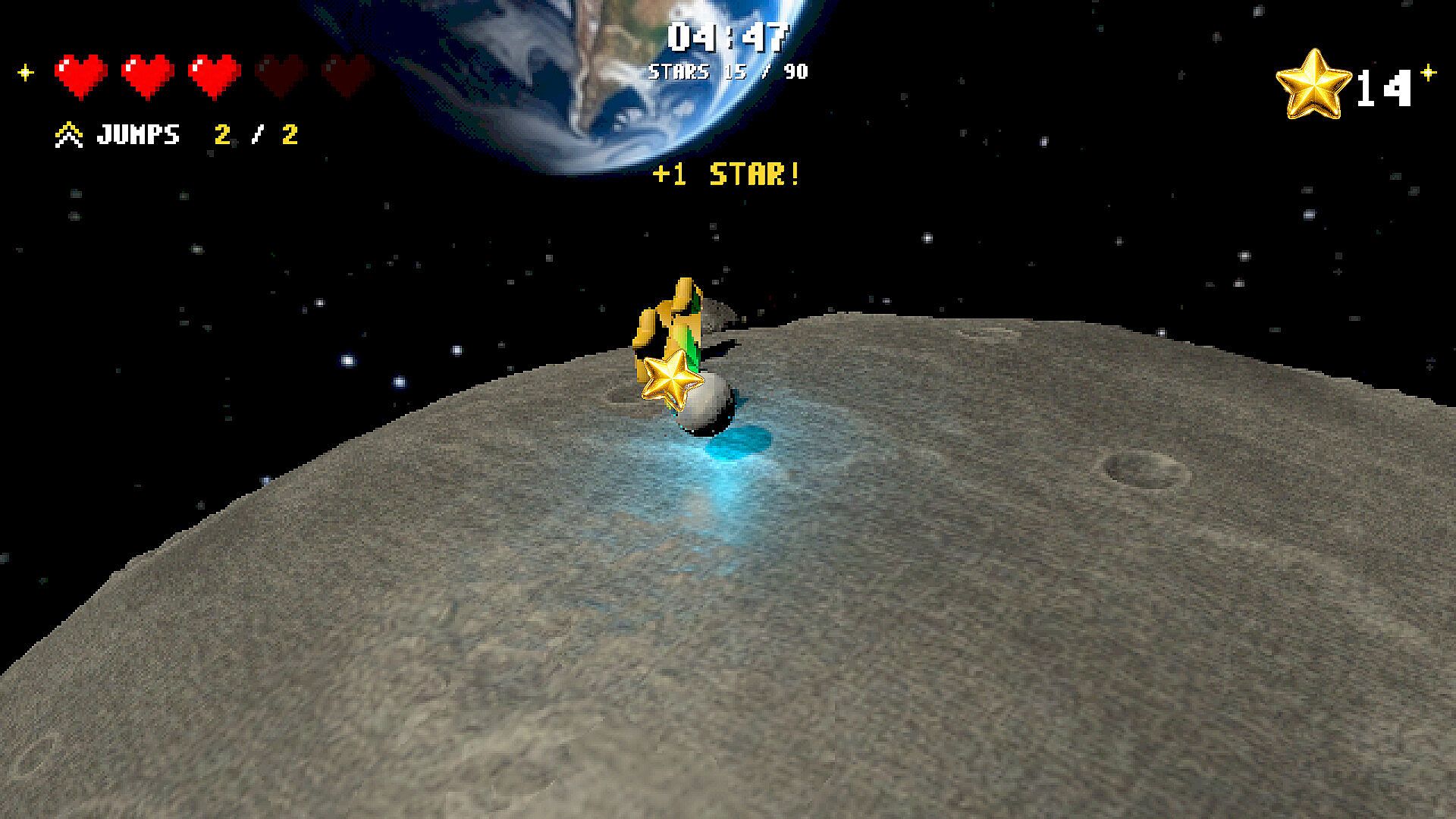

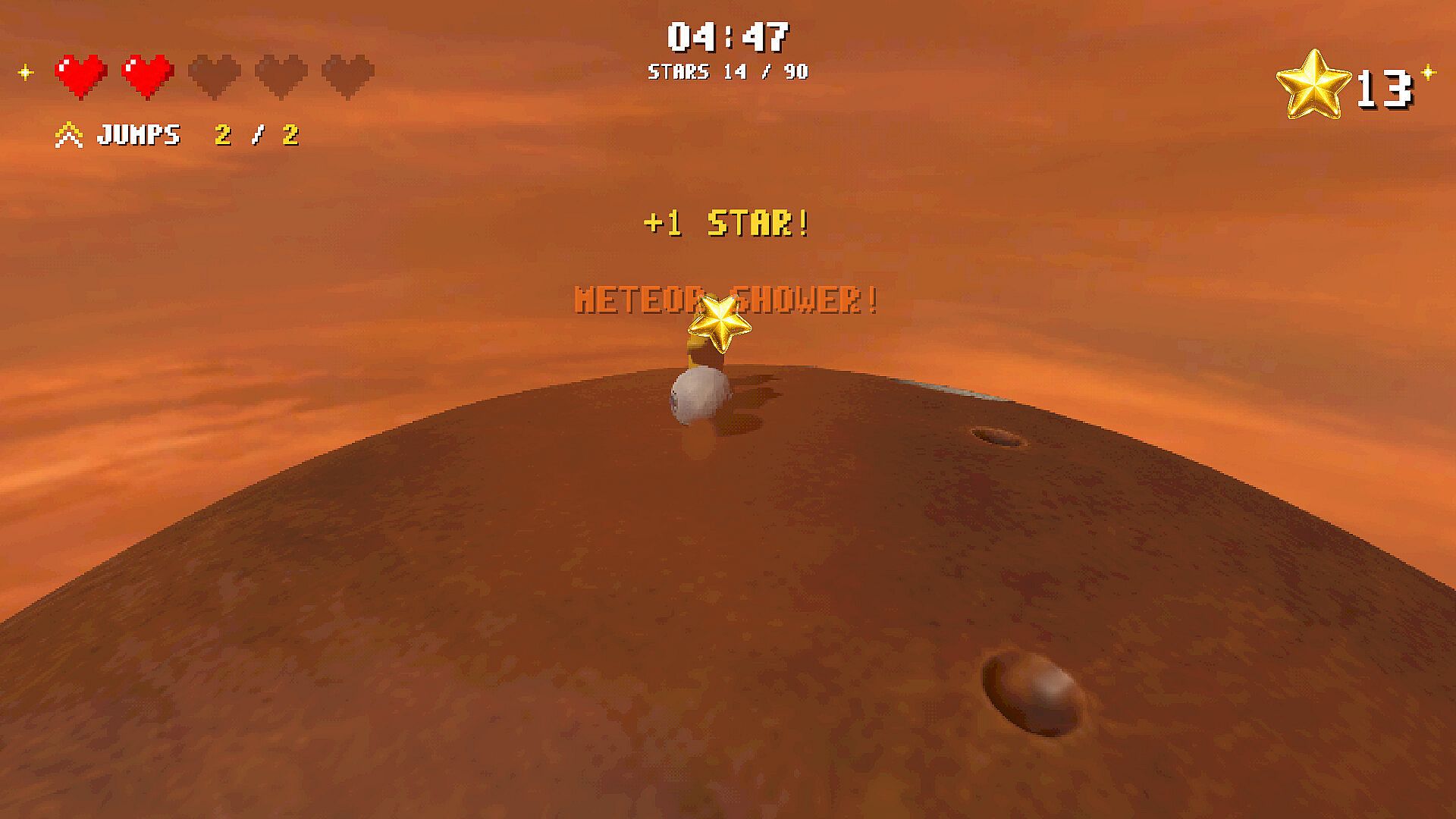
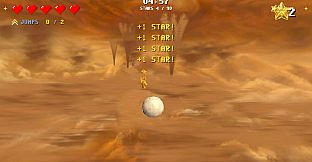
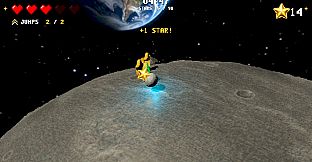
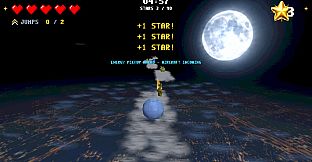
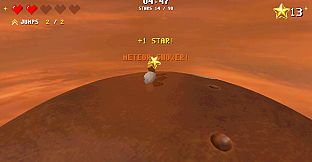
Luma Orb is a 3D action platformer on PC that centers on guiding a vibrant orb through a series of rotating planets and floating islands. The core experience combines precise jumping, hazard avoidance, and light combat elements across varied worlds, with players collecting stars and power-ups while adapting to each environment's unique threats. This indie title blends action, adventure, and casual platforming in a way that emphasizes timing and route selection over complex narratives or large-scale systems.
Gameplay
The central loop requires constant forward momentum. Players time jumps to cross gaps between platforms, slide across slippery surfaces like ice, and react to dangers that appear from above or shift with the rotating terrain. Each world introduces distinct hazards, such as snowstorms in frozen areas or falling debris in other zones, which test reaction speed and positioning. Power-ups allow the orb to shoot at enemies, turning some encounters into brief ranged fights while maintaining movement. Stars serve as collectibles that encourage exploration of alternate paths, including riskier jumps between islands at varying heights. Checkpoints provide restarts after failed attempts, supporting repeated practice on tricky sections without excessive backtracking.
Environments range from lunar landscapes with low gravity influences to fiery terrain that demands careful navigation around heat-based obstacles. Dreamy islands offer floating platforms that require careful leaps, while frozen worlds add sliding mechanics and enemy patterns like laser-firing snowmen. Dragons and unicorns appear as foes in certain areas, adding variety to the dodging and shooting sequences. The 3D perspective highlights the rotating planets, making spatial awareness key when planning jumps or lining up attacks.
Game Modes
Difficulty settings form the main variation in playstyle. Lower settings reduce the intensity of hazards and enemy aggression, allowing focus on exploration and star collection. Higher settings increase timing demands and enemy presence, pushing players to master precise movements and power-up usage. No separate multiplayer or co-op options exist, keeping the focus on solo progression through the worlds. Checkpoints remain consistent across settings to maintain flow during attempts at tougher routes.
Worlds and Hazards
Progression moves through distinct planetary environments, each with tailored challenges that build on core mechanics. Lunar surfaces may involve lighter jumps and fewer ground hazards, while fiery zones introduce heat vents or rising platforms. Dreamy islands feature verticality with islands at multiple levels, rewarding players who attempt harder leaps for extra stars. Frozen regions combine sliding with aerial threats like falling ice. Enemies integrate into these settings, requiring players to balance evasion with occasional shooting from collected power-ups. The design keeps sessions focused on short-to-medium platforming sequences rather than lengthy campaigns.
Is It Worth Playing?
Luma Orb suits players who enjoy single-player 3D platformers with emphasis on timing, route choice, and light shooting. The colorful visuals and varied worlds provide visual interest, while the combination of jumping, sliding, and power-up combat creates a steady rhythm of challenge and reward through star collection. Those seeking precise controls and incremental mastery of hazards will find the difficulty options and checkpoints supportive of repeated play. The experience remains contained to its described mechanics without additional layers like seasons or major post-launch changes confirmed in available details. It appeals most to fans of casual-to-action platforming on PC who value focused environmental navigation over expansive stories or multiplayer features.
- 3D platforming across rotating planets and floating islands
- Distinct environments with their own hazards and enemies
- Collectible stars and helpful power-ups
- Shooting encounters alongside jumping and dodging challenges
- Multiple difficulty settings and checkpoints