


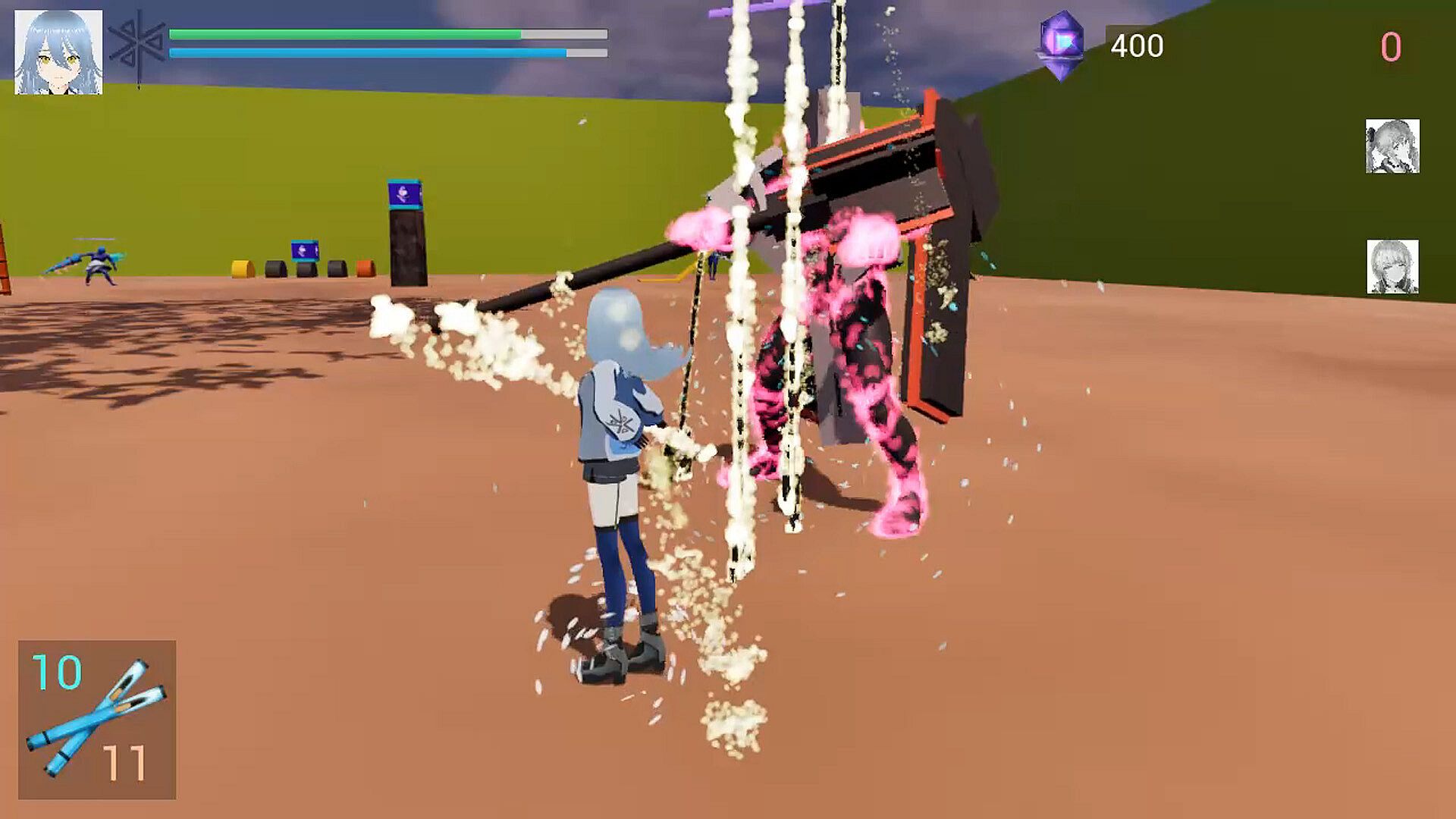
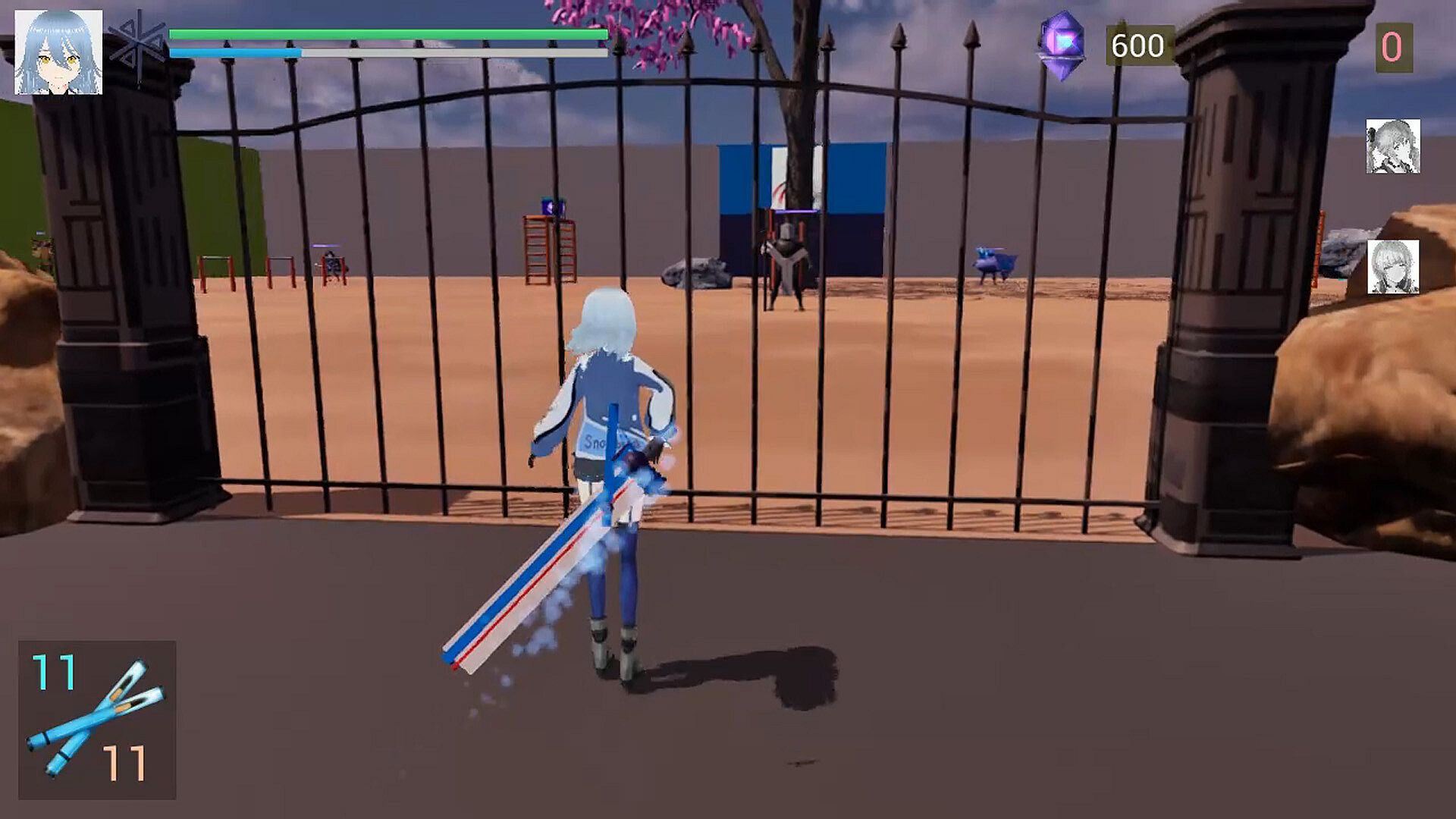
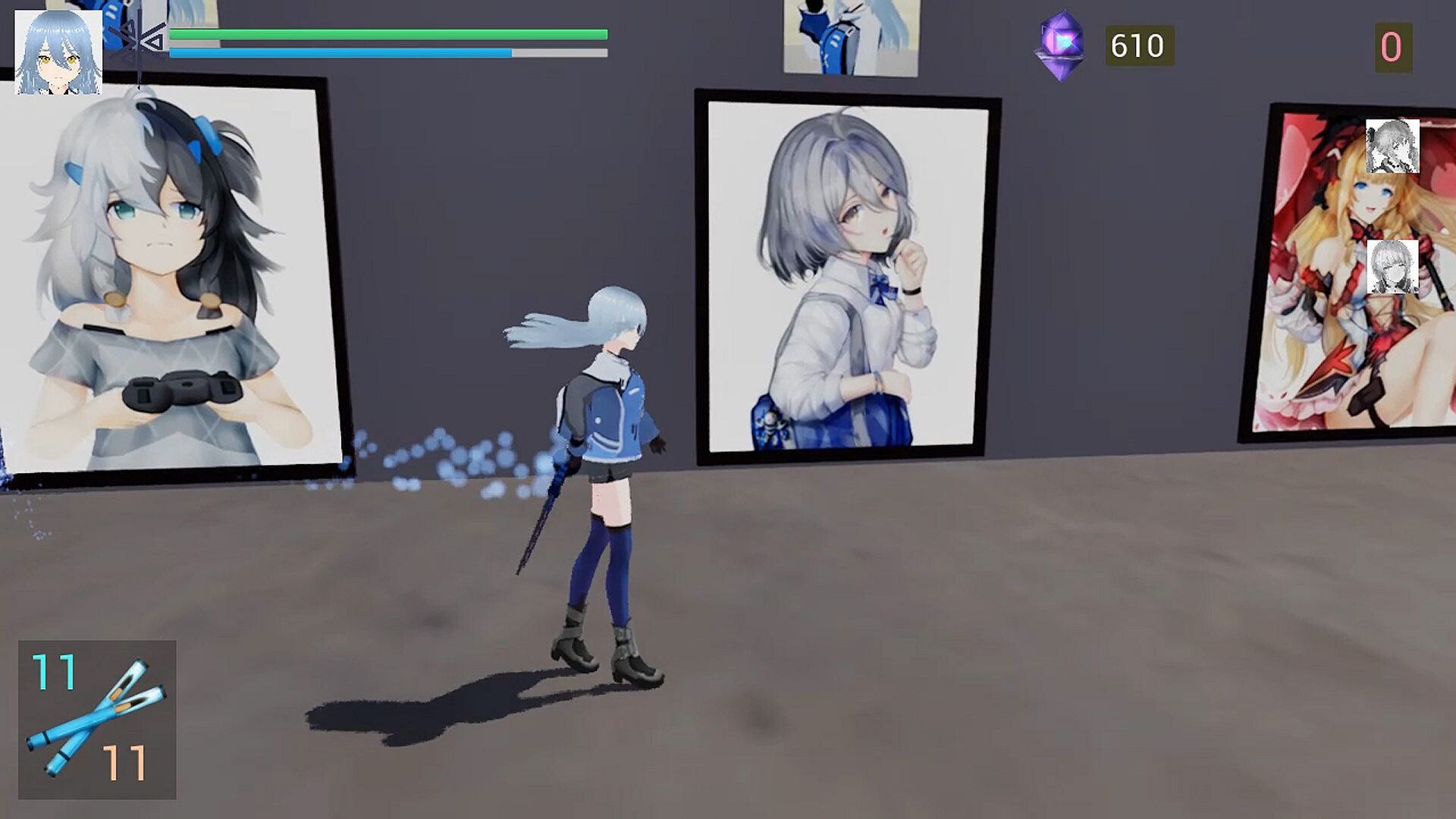

Lyfe of the Blade is a single-player 3D action game that emphasizes extreme freedom in combat through frame-by-frame control and input responsiveness. Players take on the role of Lyfe in an indie action-adventure experience built around creating custom action sequences rather than following preset combos or animations.
Gameplay
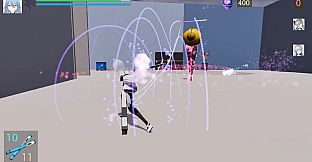
The core loop centers on precise, responsive movement and attacks in a fully three-dimensional environment. Every motion can be controlled or canceled on a per-frame basis, allowing transitions between actions at any moment during combat. This system gives direct command over timing and positioning, turning each encounter into a sequence shaped by player decisions rather than automated chains.
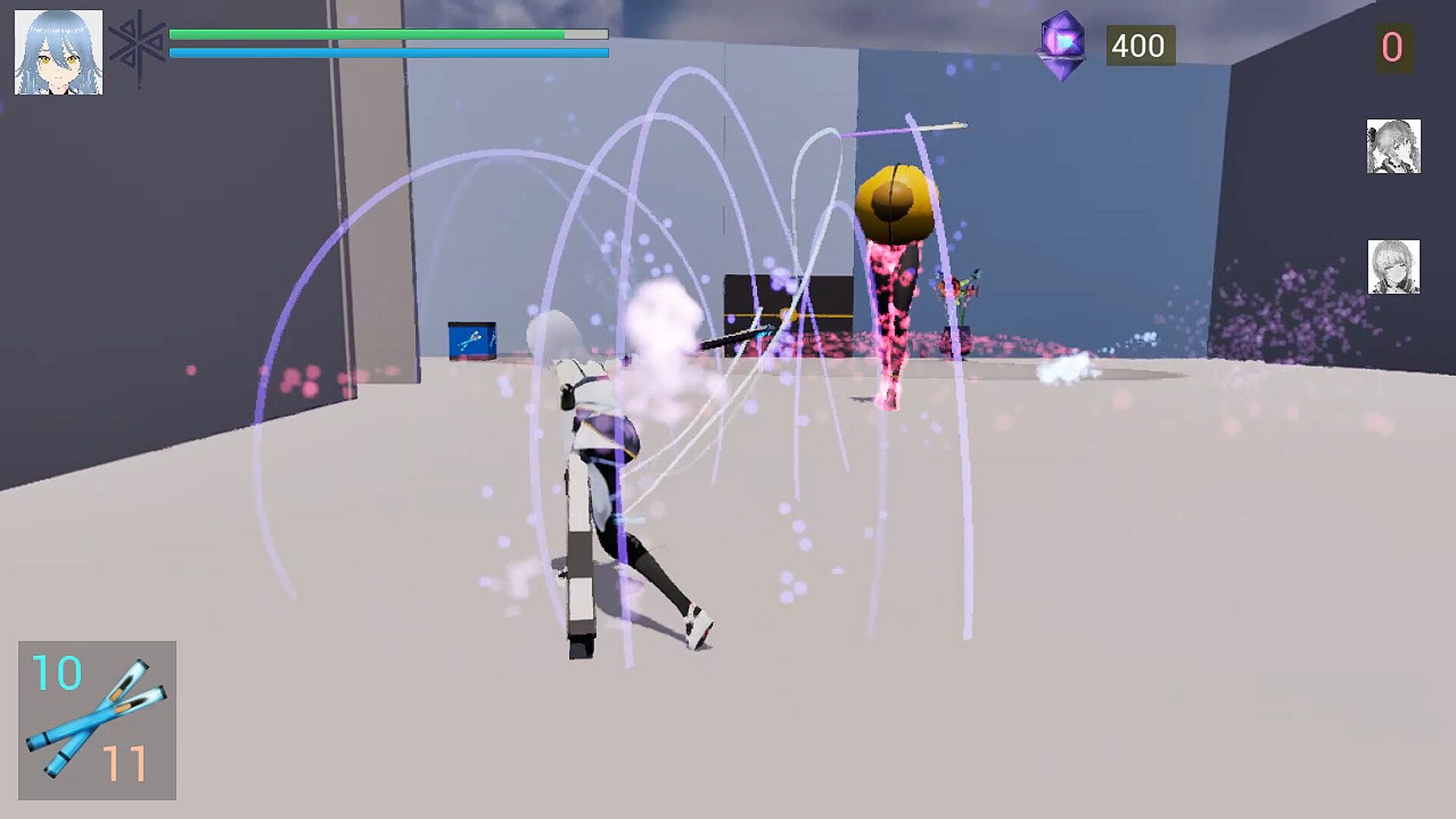
Gravity manipulation forms another key layer. By selecting exact moments to shift actions, players can alter their trajectory or reposition relative to enemies and the surrounding space. The result is combat that rewards careful observation and split-second choices over rapid button presses. The game highlights an ultimate action system that maps inputs directly to character motion with minimal interference, enabling cuts through groups of opponents through sustained control rather than scripted events.
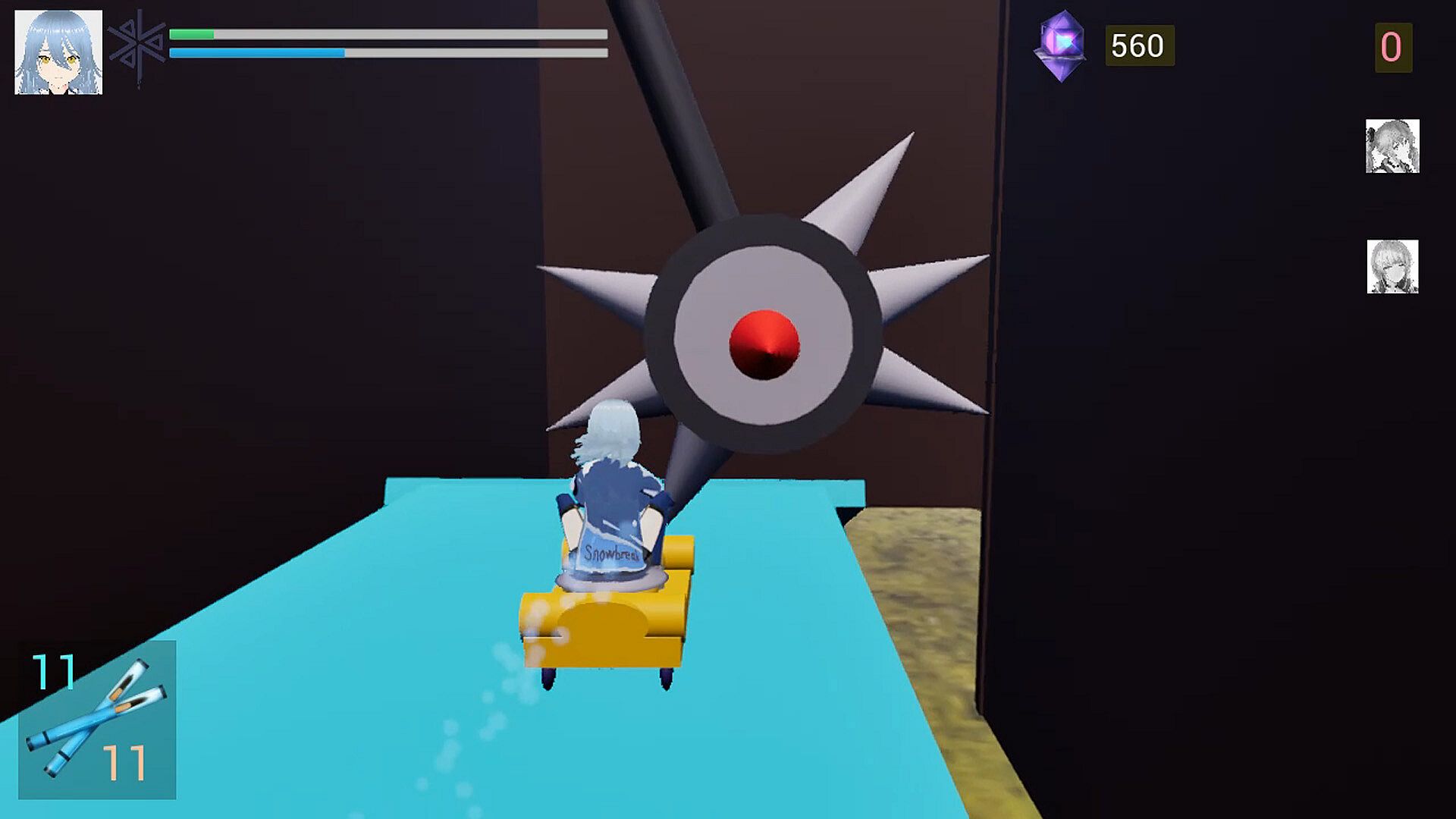
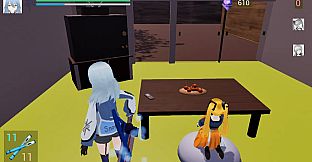
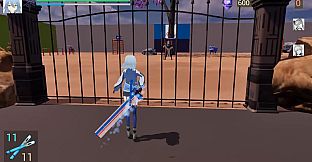
Exploration and progression tie into the same principles of freedom. The 3D space serves as both arena and playground, where verticality and momentum become tools for approaching or evading threats. The overall design prioritizes player agency in how fights unfold, from initial engagement through to resolution.
Game Modes
The experience focuses on single-player combat scenarios that test the frame-by-frame system against various enemy encounters. Combat flows through open 3D arenas where the emphasis remains on personal input timing and gravity adjustments rather than structured team objectives or competitive brackets. Progression occurs through repeated engagement with these systems, refining control over motion cancellation and spatial mastery.
Because the mechanics revolve around individual responsiveness, the game supports extended practice in isolated encounters that build familiarity with the full range of cancellations and gravity shifts. No additional layers such as co-op or versus setups appear in the core design, keeping attention fixed on solo mastery of the action framework.
Story and Setting
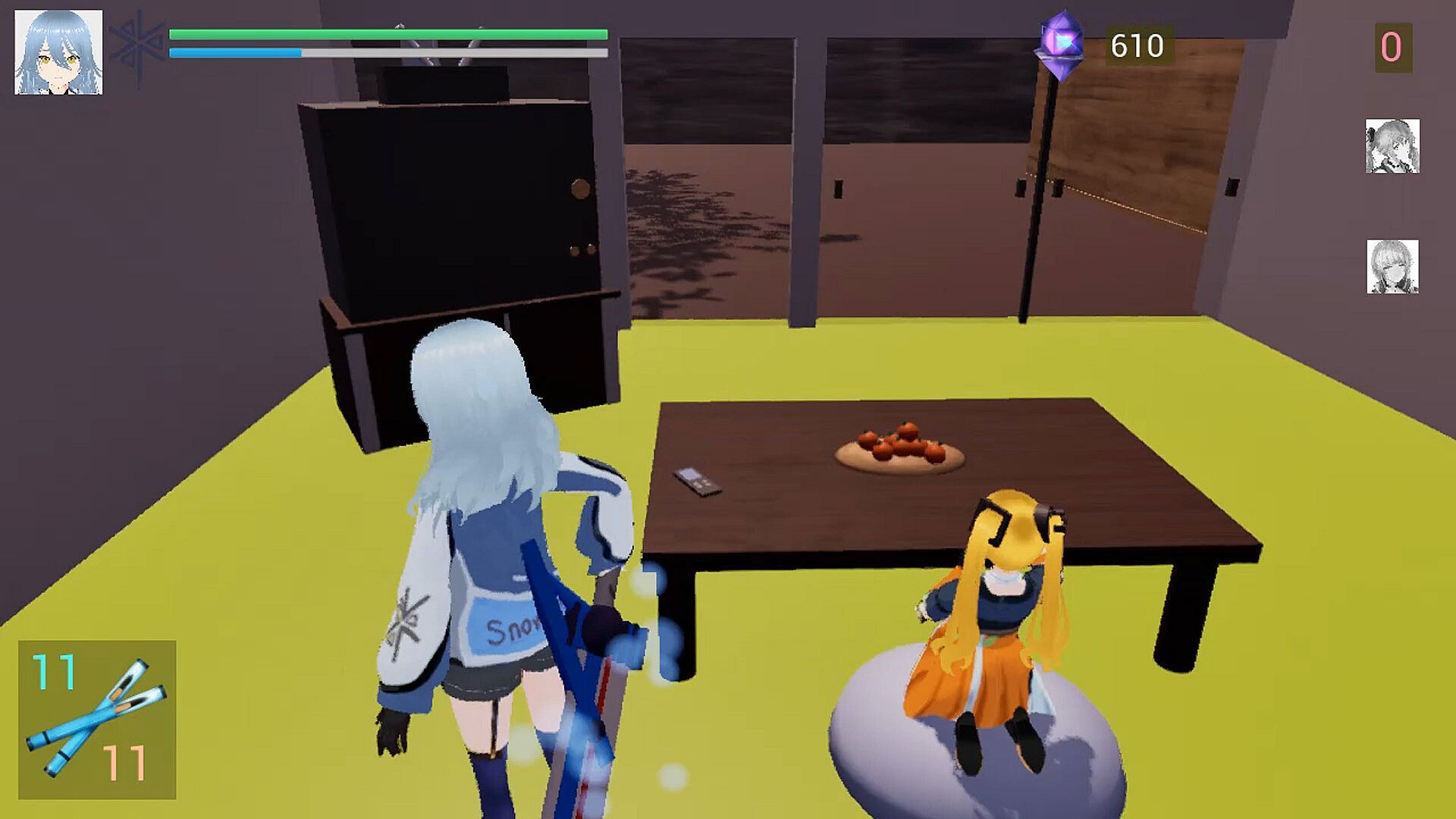
The narrative follows Lyfe as a fighter who refuses to yield regardless of the future that awaits. Short voice lines and thematic statements reinforce a persistent drive to continue battling. The world itself functions mainly as a backdrop for the combat systems, with the 3D environments serving practical roles in movement and positioning rather than extensive lore delivery.
Atmosphere builds through the intensity of frame-level control and the visual feedback of successful cancellations and gravity manipulations. The setting supports the central theme of fighting spirit without requiring deep investment in backstory or factions.
Is It Worth Playing?
Lyfe of the Blade targets players who seek highly technical single-player action with direct input mapping and creative freedom in movement. The frame-by-frame cancellation and gravity mechanics offer a distinct approach to 3D combat that differs from traditional animation-driven systems. Those who enjoy experimenting with timing and spatial control may find the responsive framework engaging for repeated play sessions.
With a planned release in late 2026 and currently no player reviews available, the game remains an untested proposition for most audiences. Its indie scope and focus on precise mechanics suggest it will appeal most to enthusiasts of experimental action titles rather than those preferring broader content variety or multiplayer options. Availability on PC positions it for easy access once launched, though the specialized control demands mean it suits dedicated practice over casual sessions.