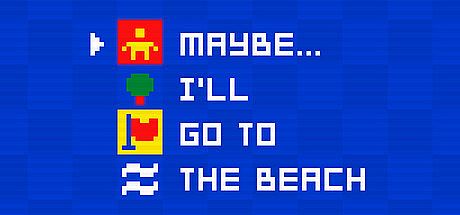


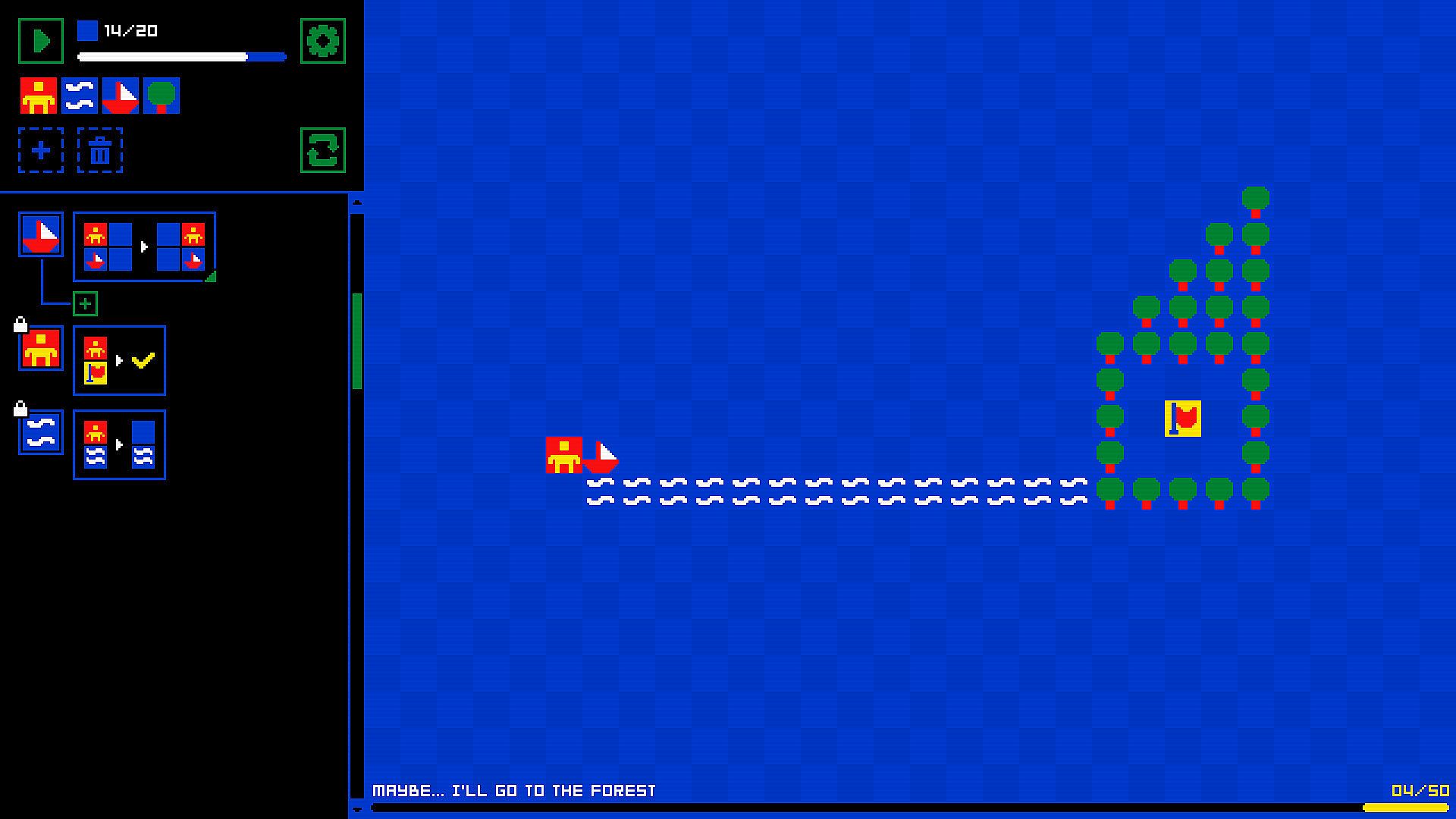
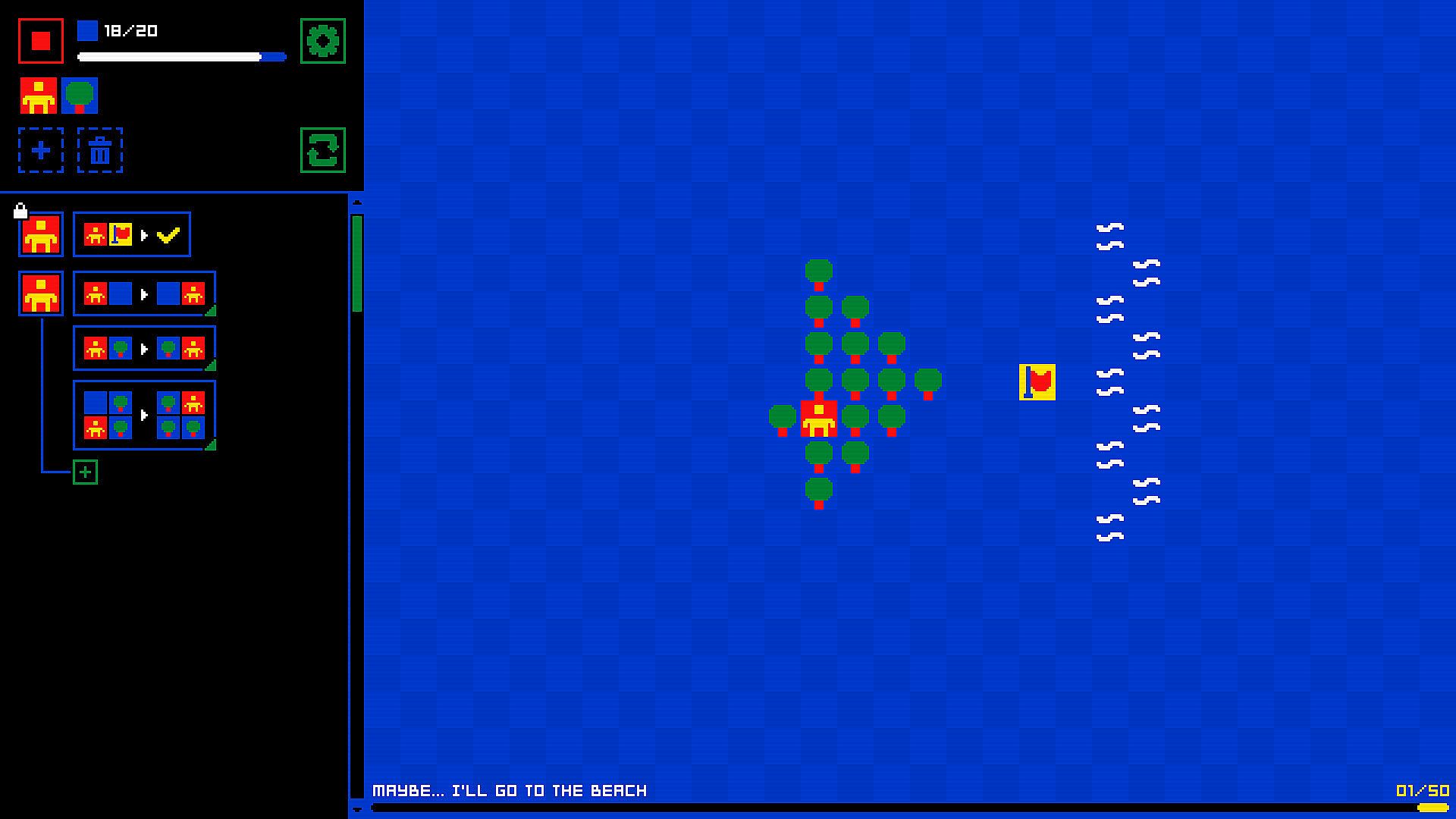
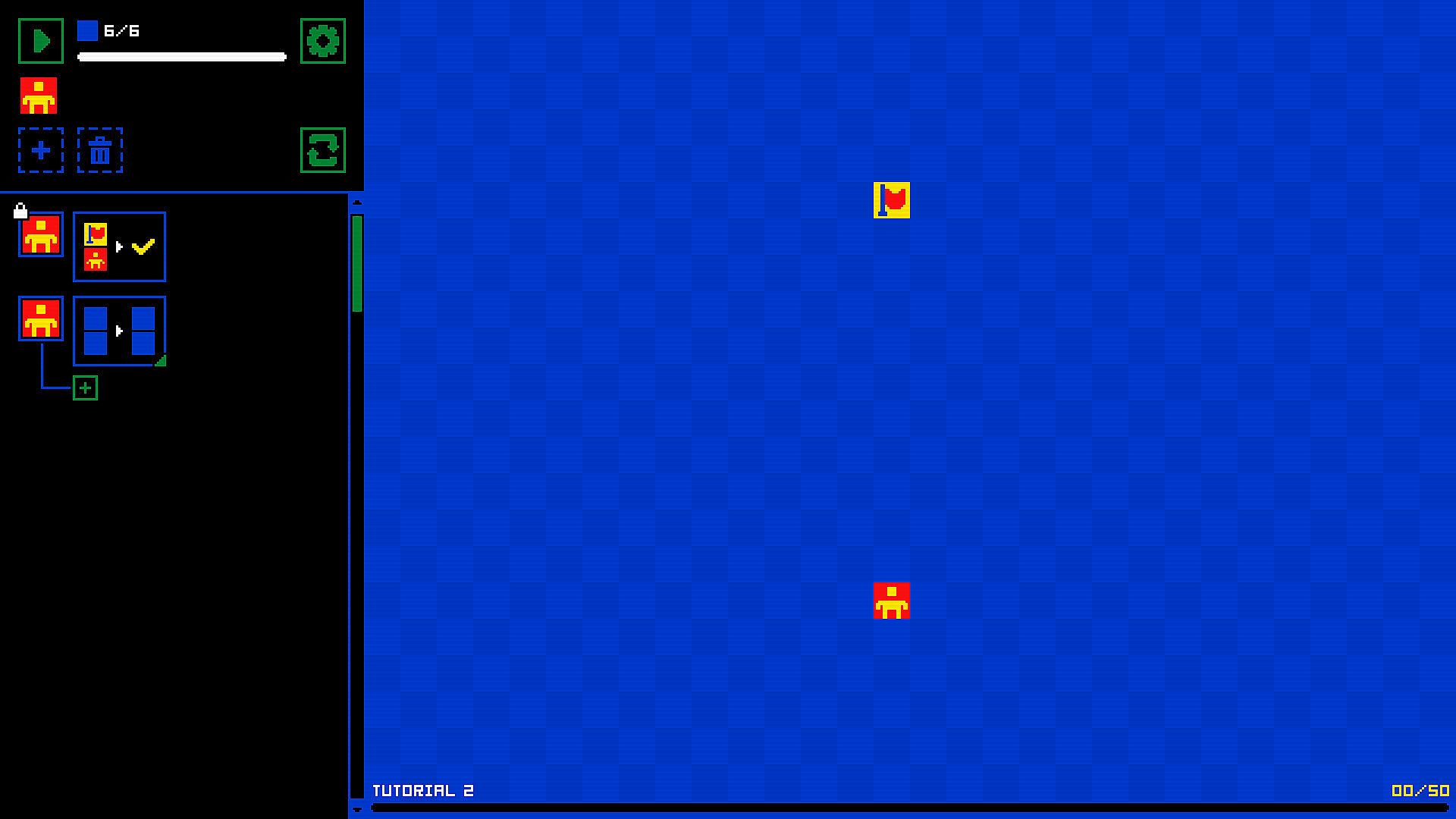
Maybe... I'll go to the beach is a strategy indie casual puzzle game for PC that centers on spatial programming mechanics. Players build solutions by arranging objects on a grid rather than writing traditional code, creating a relaxed entry point into puzzle design for those interested in cellular automata style systems.
Gameplay
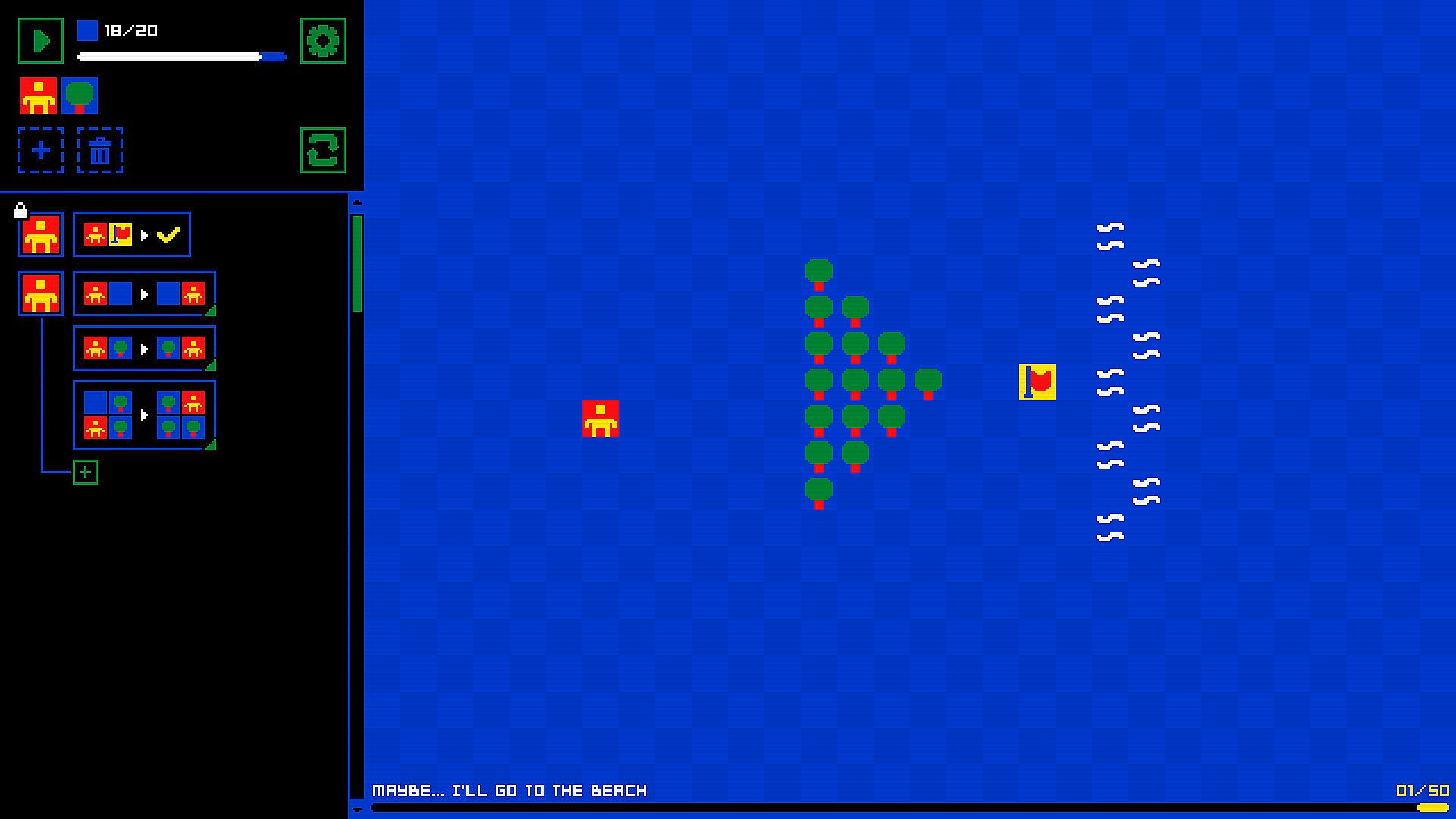
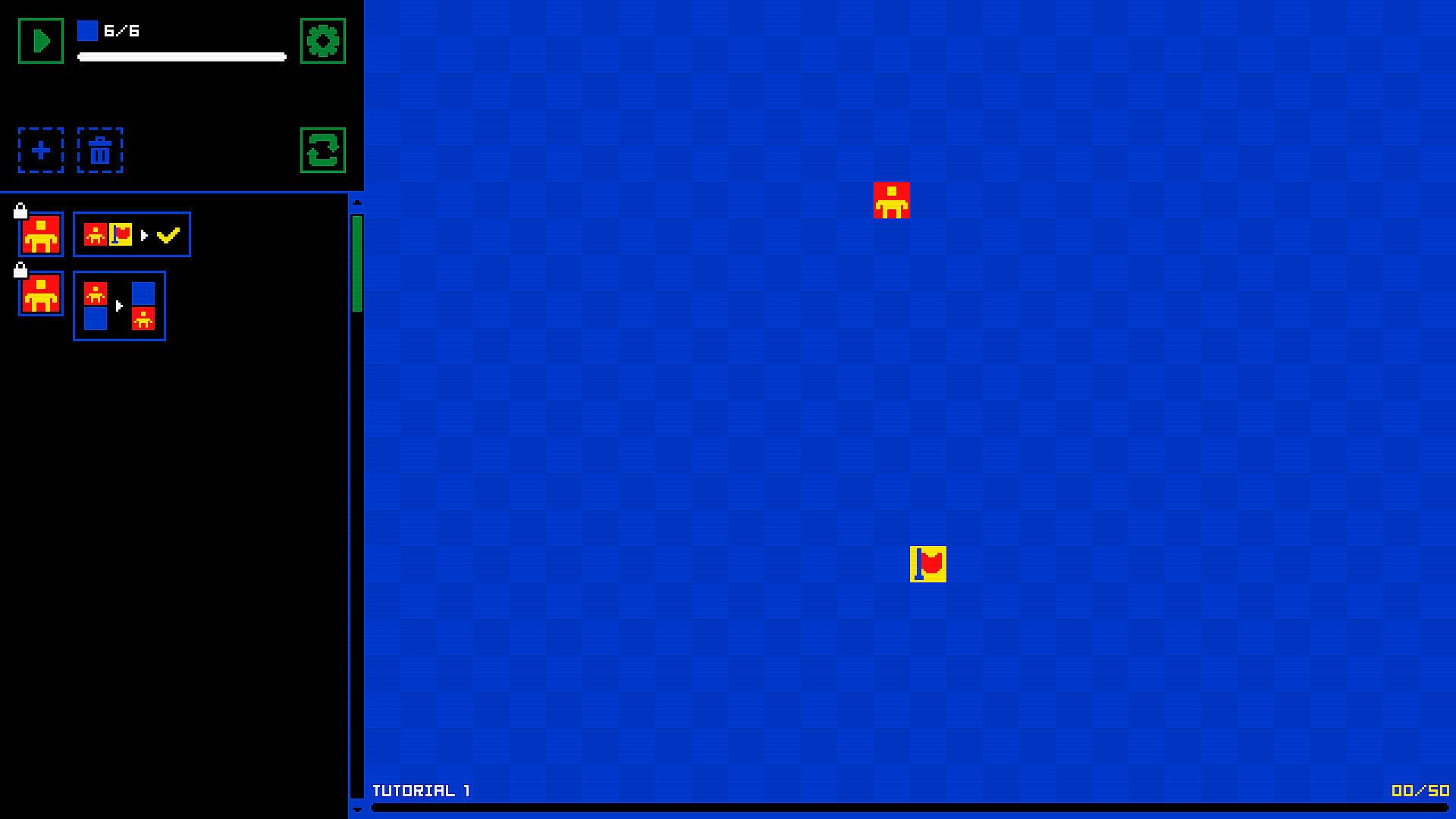
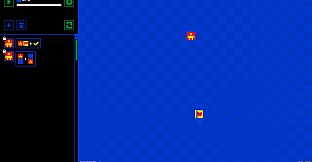
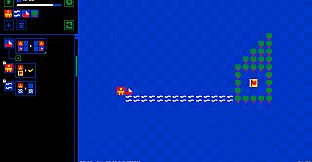
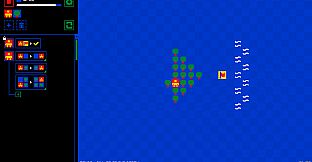
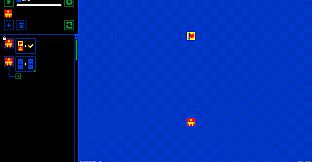
The core loop involves constructing conditions and actions on the left side of the screen through object placement on a grid layout. Once arranged, the right side displays the outcome as the setup runs and attempts to resolve the current level. This visual feedback lets players test and refine their arrangements iteratively without complex syntax or interfaces.
Levels emphasize open ended solutions where multiple valid configurations can succeed. The approach draws from cellular automata concepts and tools like CellPond and MarkovJunior, resulting in emergent behaviors from simple placements. With a focus on casual play, the experience avoids layered meta challenges and keeps sessions straightforward across its collection of puzzles.
Game Modes
The game operates entirely in a single player puzzle format. Each level presents a distinct challenge solved through the grid based programming system, with no separate competitive or cooperative variants confirmed. Progression moves through a fixed set of scenarios that build familiarity with the placement rules and their resulting simulations.
Key Features
Fifty levels provide the main content, each designed around the spatial programming concept. Puzzles remain accessible while encouraging experimentation with object positioning to trigger desired actions or conditions. The indie development keeps the scope contained, prioritizing clear mechanics over expansive systems or additional layers.
Is It Worth Playing?
Players seeking a light introduction to programming through visual and spatial means may find the title appealing once it releases. The casual tone and open ended level design suit those who prefer relaxed puzzle solving without intense difficulty spikes. As an upcoming release with no player reviews available yet, its value depends on interest in the described grid arrangement style and cellular automata inspirations. Those already familiar with similar experimental tools may appreciate the focused implementation on PC.