

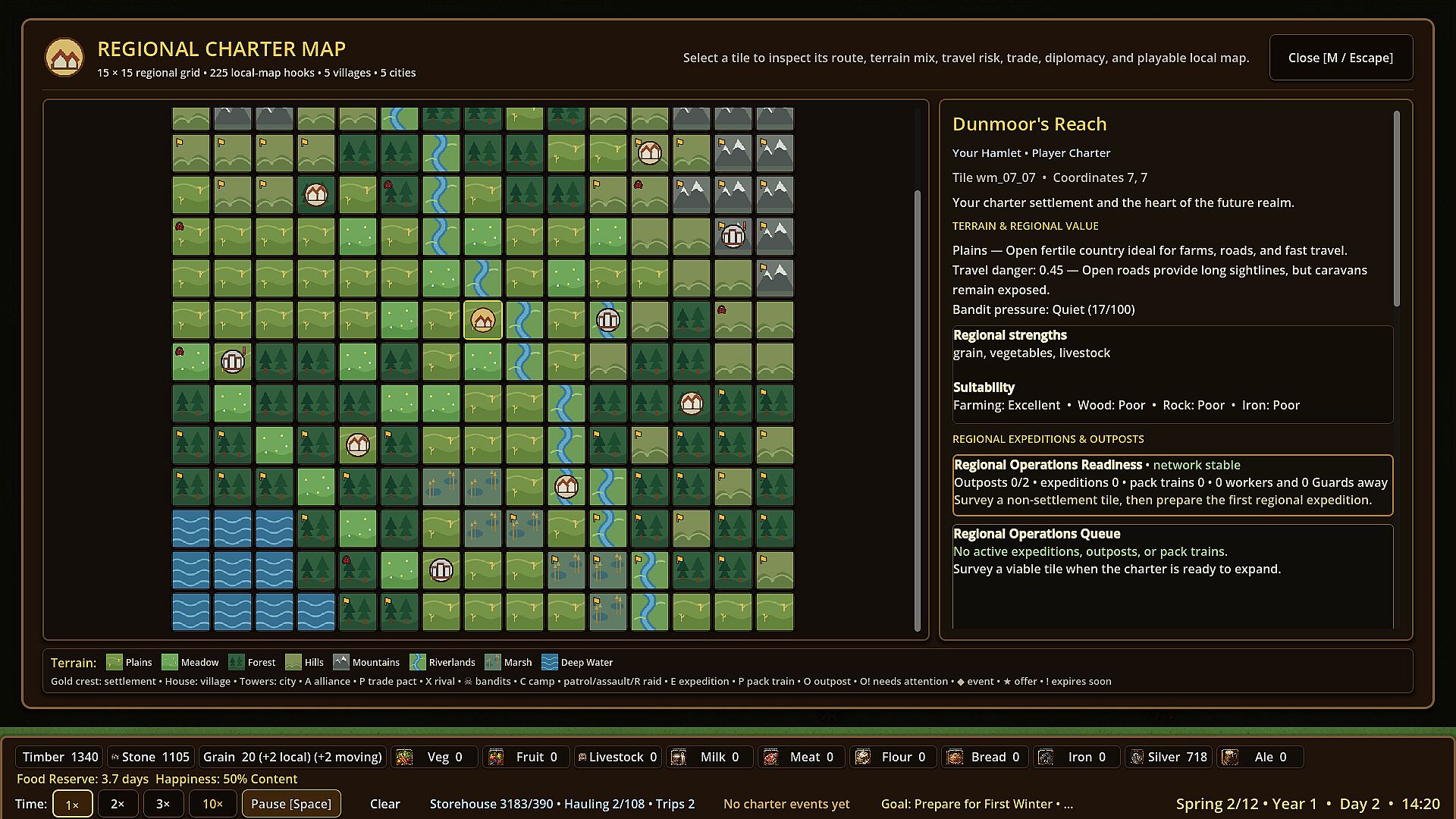
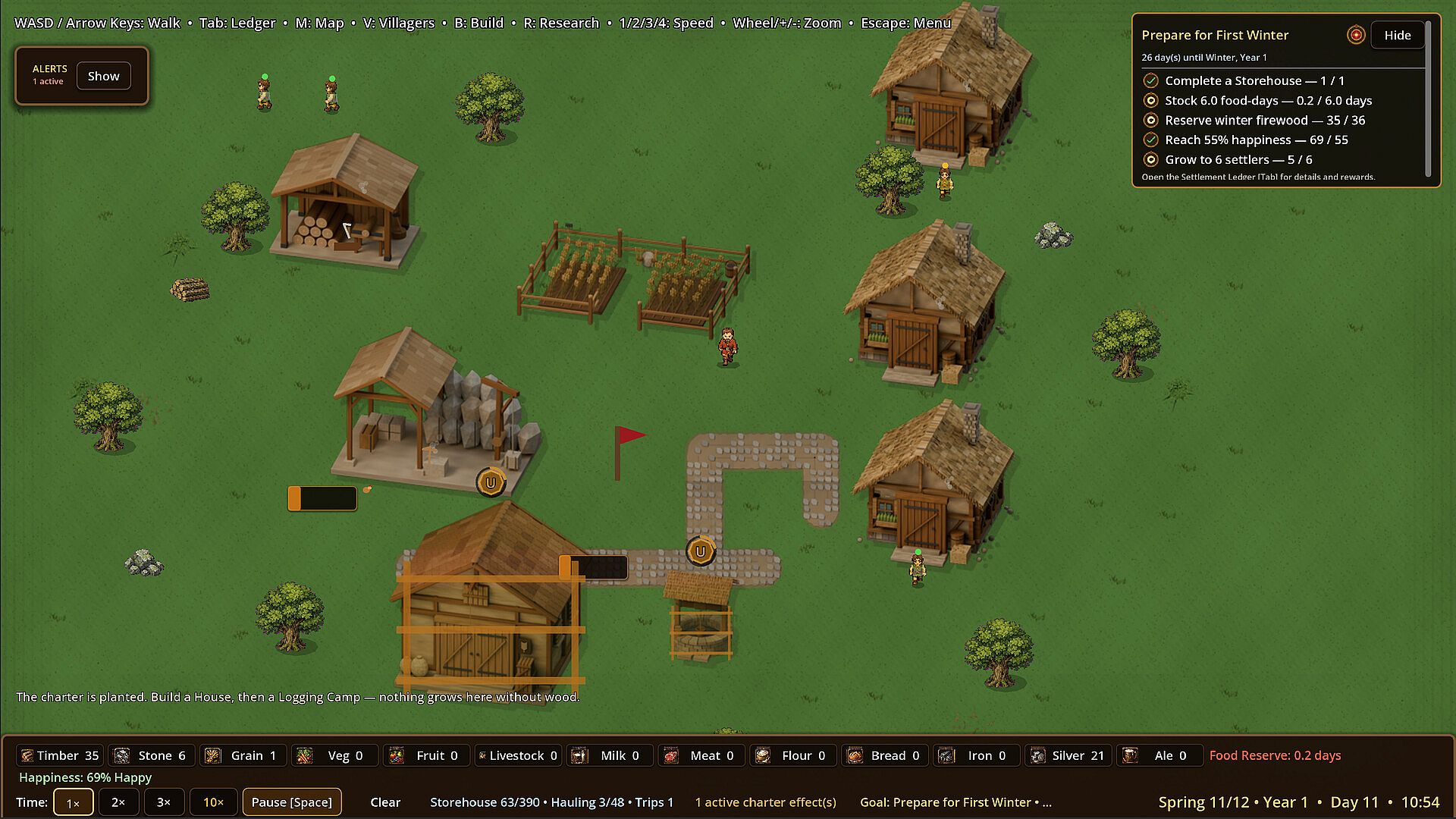
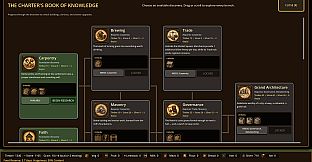
Medieval Adventure is a settlement management and regional strategy game that blends strategy, simulation, and adventure elements on PC. Players guide a small medieval community from humble beginnings into a thriving regional center while balancing resources, labor, seasons, and external threats.
Gameplay
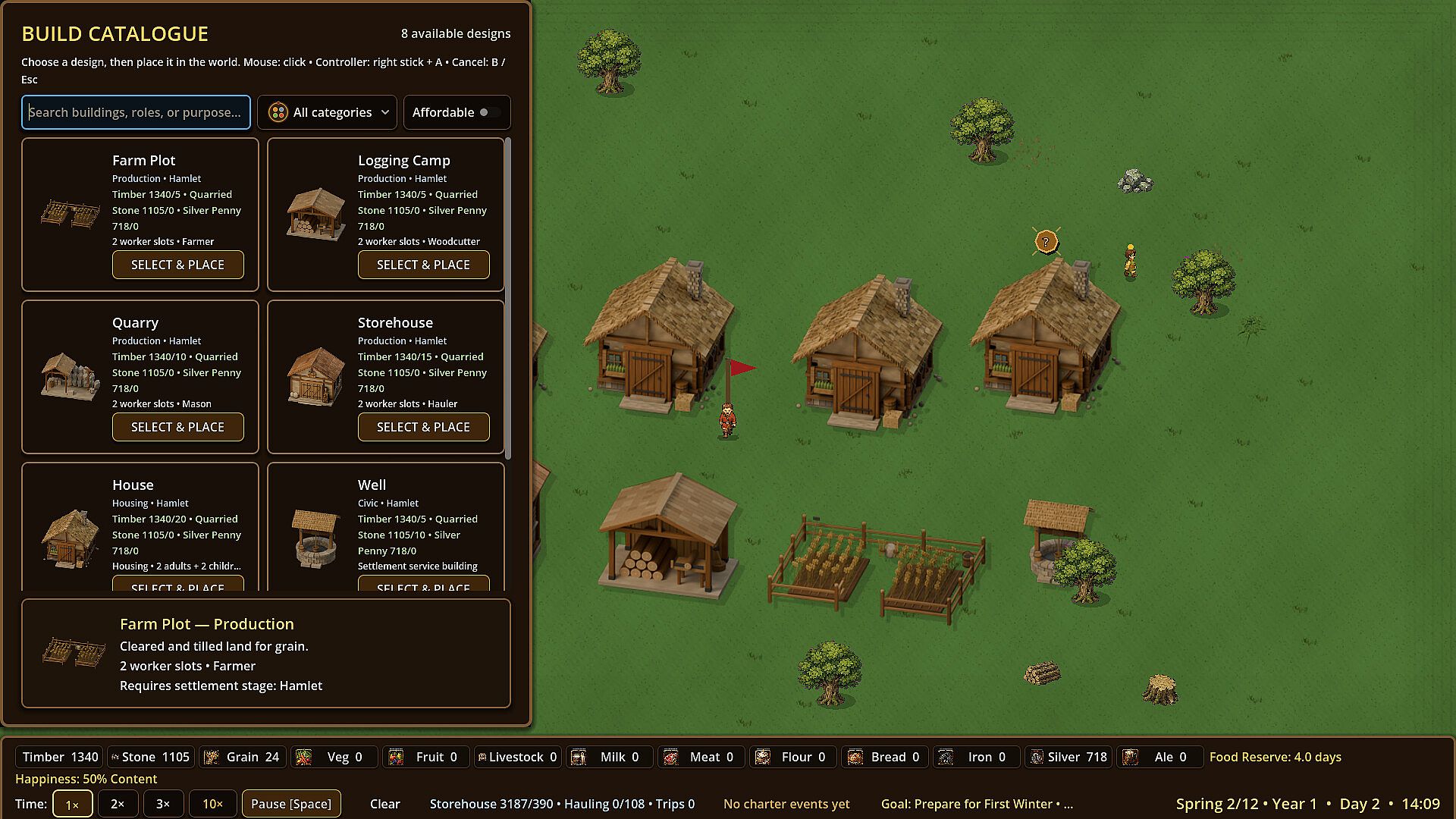
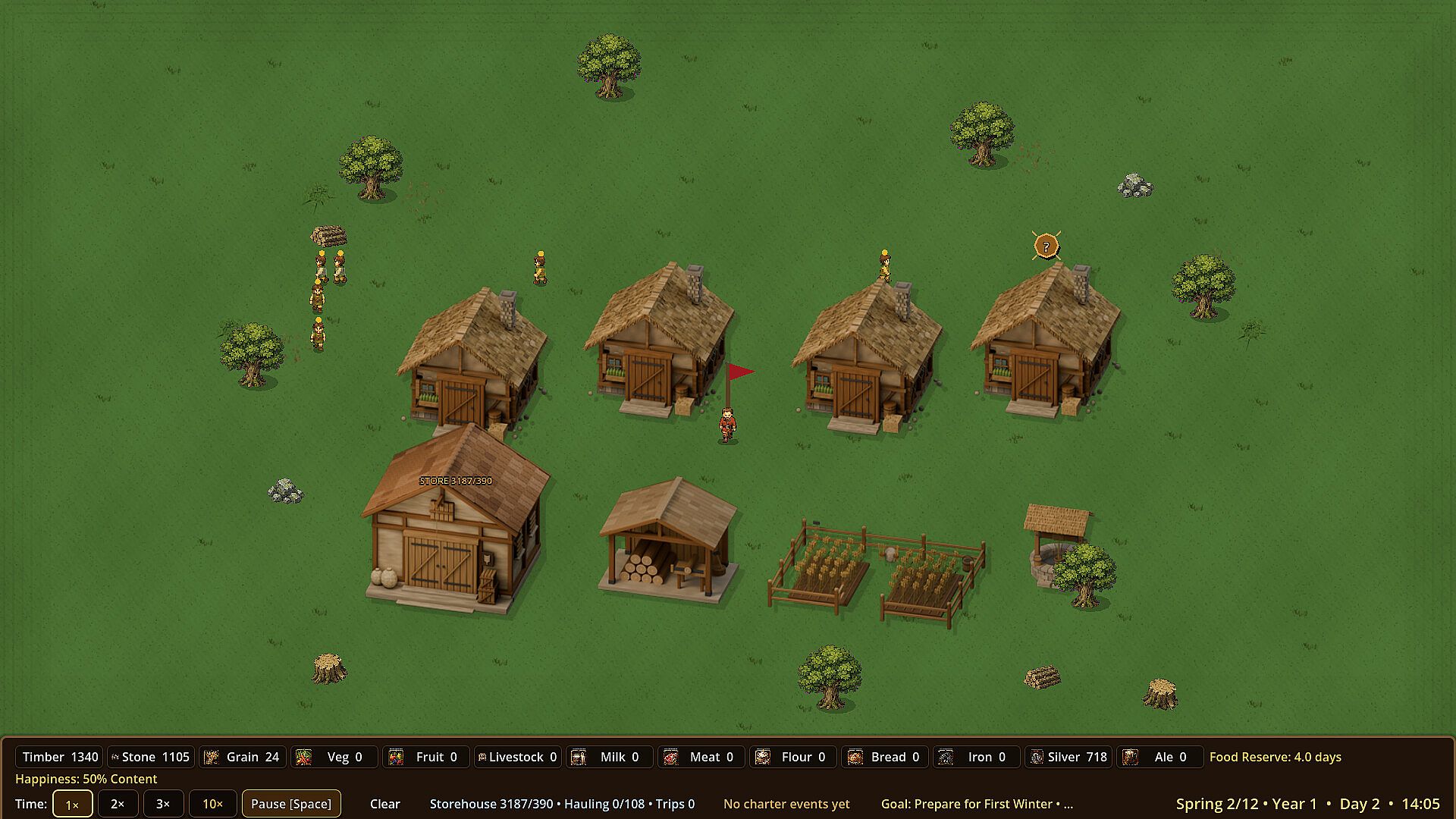
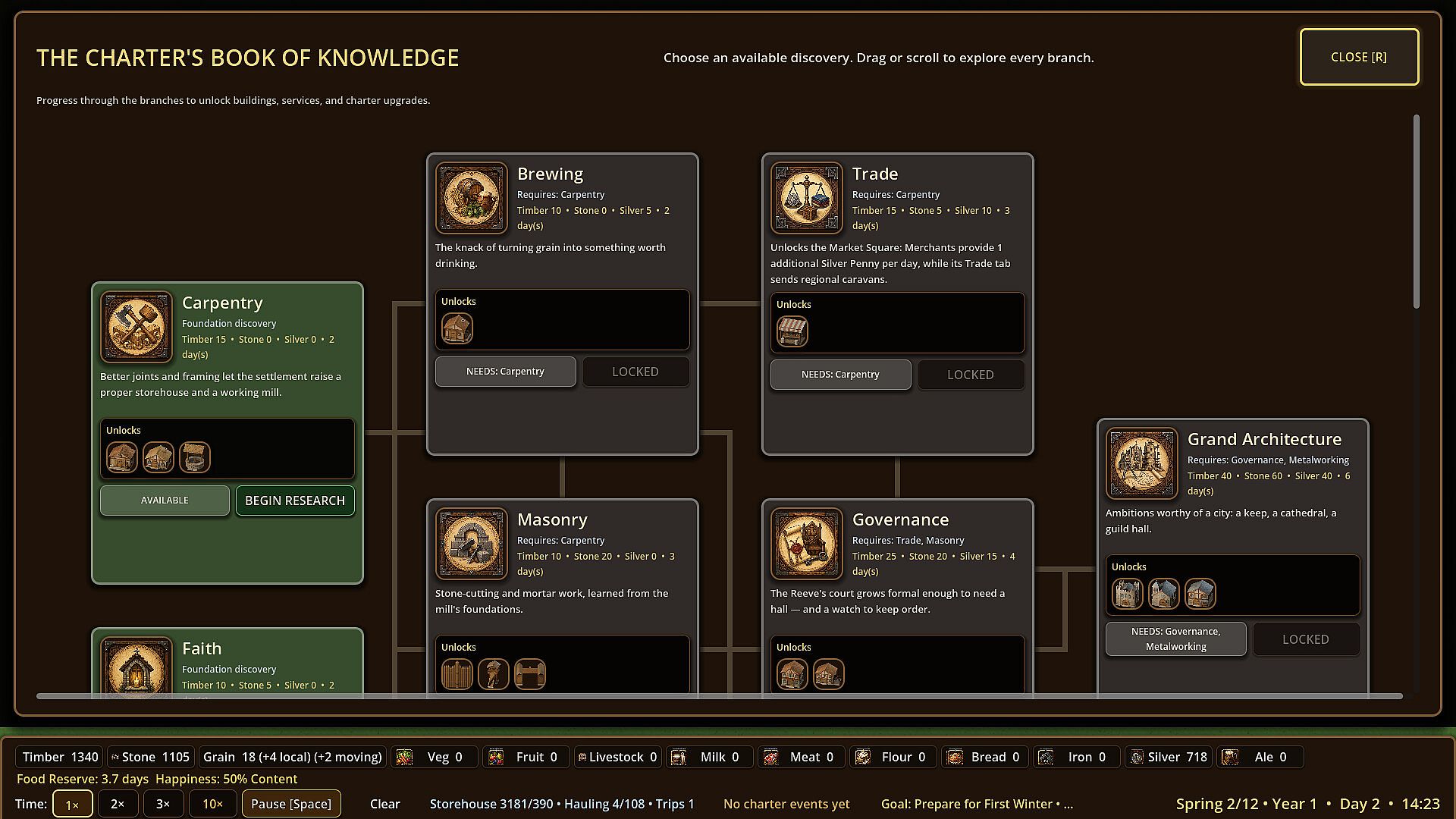
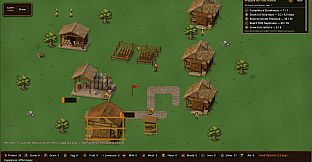
The core loop centers on assigning villagers to tasks such as farming, crafting, trading, and defense. Every assignment removes workers from the settlement until their duties finish, which forces careful planning around limited population and time. Construction covers farms, workshops, storage, markets, blacksmiths, barracks, chapels, roads, and fortifications. Production chains turn raw materials into bread, tools, weapons, armor, and trade goods while players balance output against consumption and storage limits.
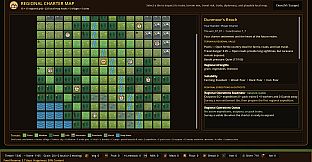
Seasons introduce changing conditions. Rain turns roads muddy, winter strains food reserves, and storms disrupt routines. Players prepare stores in advance and adjust speed or pause time to manage crises. The world map opens exploration options. Expeditions send civilian workers, sometimes with guards, to survey terrain, build outposts, and extract resources. Outposts hold finite reserves and require ongoing supply shipments, repairs, and protection.
Trade involves sending villagers to neighboring settlements with chosen goods while accounting for travel time. Diplomacy builds relationships through gifts, delegations, and pacts that can lead to alliances or rivalries. Defense requires recruiting soldiers, equipping them from local production, patrolling routes, and constructing walls and watchtowers. Raids demand tactical choices about what to protect, with every deployment costing labor elsewhere.
Game Modes
Medieval Adventure runs as a single-player experience focused on one settlement and its regional interactions. Time controls allow pausing for detailed planning or speeding up to observe operations. No separate named modes appear in the available information, so play revolves around managing the settlement across seasons and expanding influence through outposts and diplomacy.
Key Mechanics and Systems
Resource chains connect gathering, processing, and delivery across buildings. Transportation and storage limits matter as much as production volume. Workers physically travel for trade, patrols, and expeditions, creating temporary shortages at home. Diplomacy and bandit pressure add layers beyond the settlement walls. Players decide the settlement's focus, whether toward agriculture, trade, defense, or distant outposts.
Weather and seasonal cycles affect roads, food needs, and construction. Preparation during good periods prevents shortages later. Expeditions establish persistent outposts that tie into the main economy but carry risks of damage or loss if left unsupported.
Is It Worth Playing?
Medieval Adventure suits players who enjoy detailed settlement simulation and strategic decision making in a single-player format. The emphasis on worker availability, interconnected production, seasonal management, and regional expansion creates a focused experience without multiplayer elements. Those drawn to games that reward long-term planning and careful labor allocation will find the systems align with that style. The game remains unreleased at the time of writing, with a planned launch in November 2026 and no player reviews available yet. Interested players can follow official channels for updates on its final state.